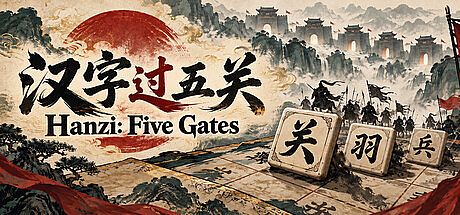


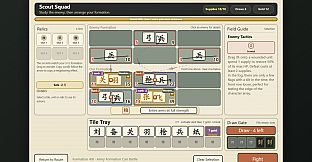
汉字过五关 is a strategy game that blends indie, RPG, and casual elements on PC. Players construct armies by merging Chinese character tiles into recognizable units and formations, then watch those units battle automatically in structured encounters. The core loop centers on preparation and observation rather than direct control during fights.
Gameplay
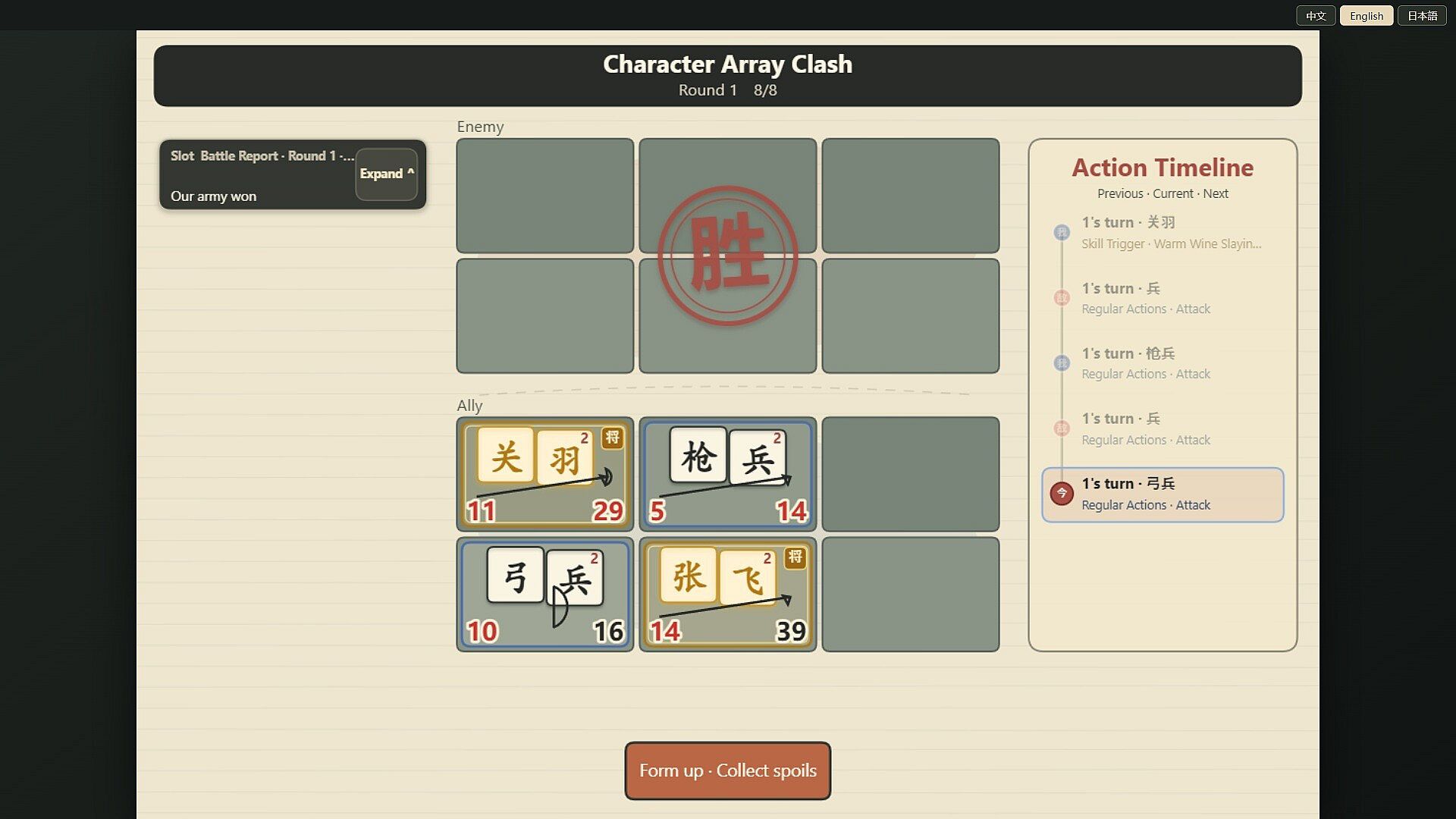
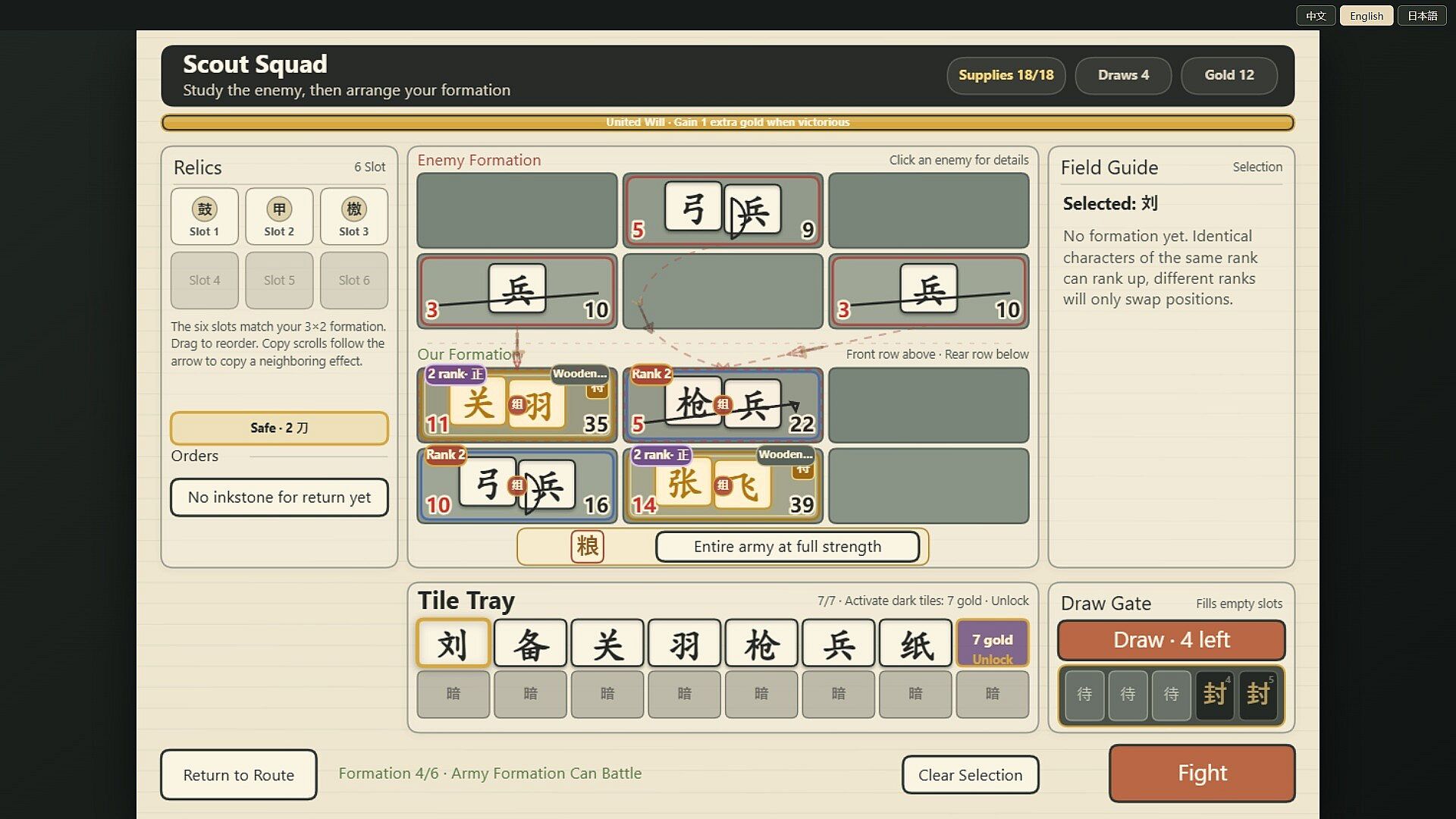
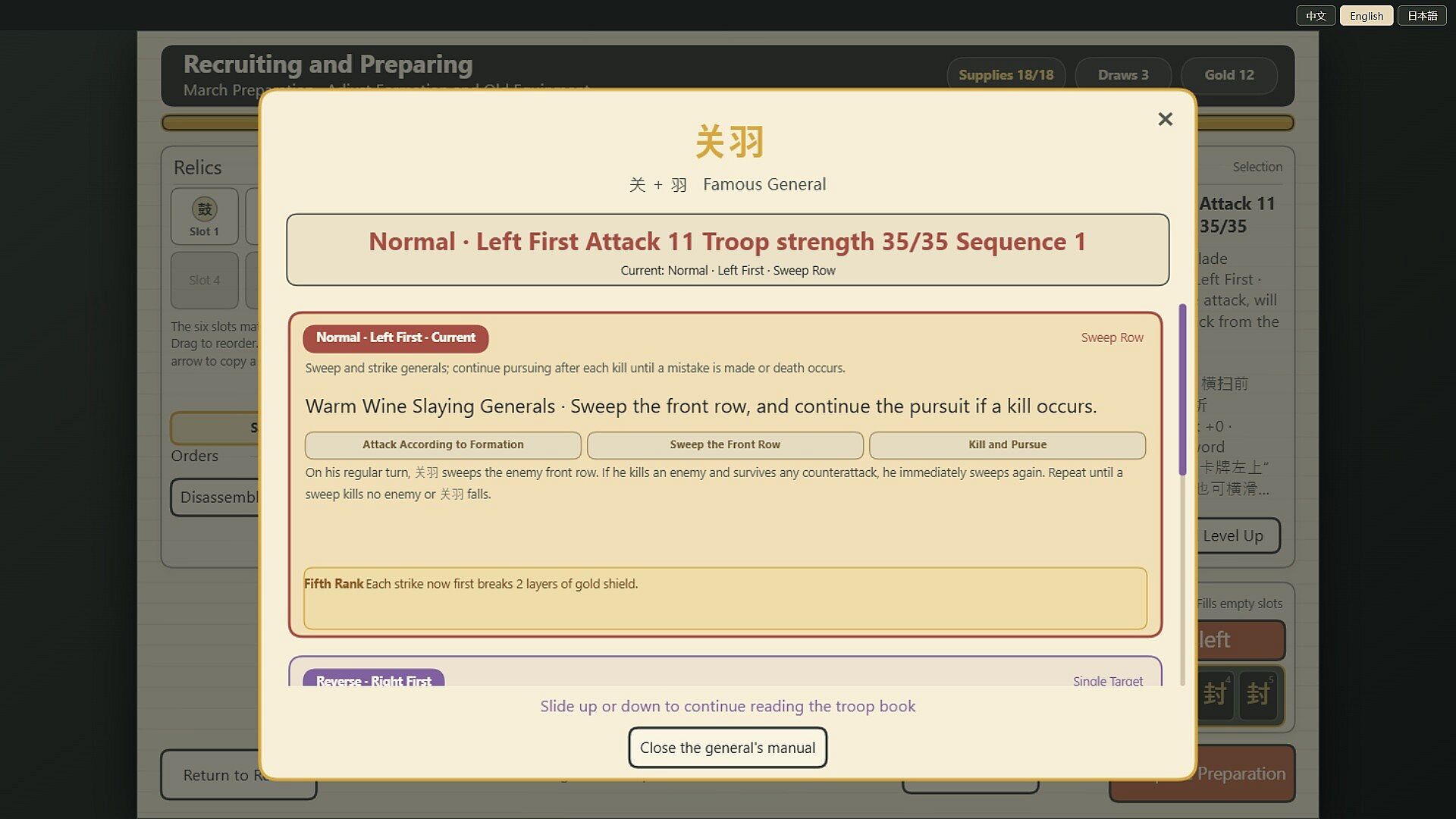
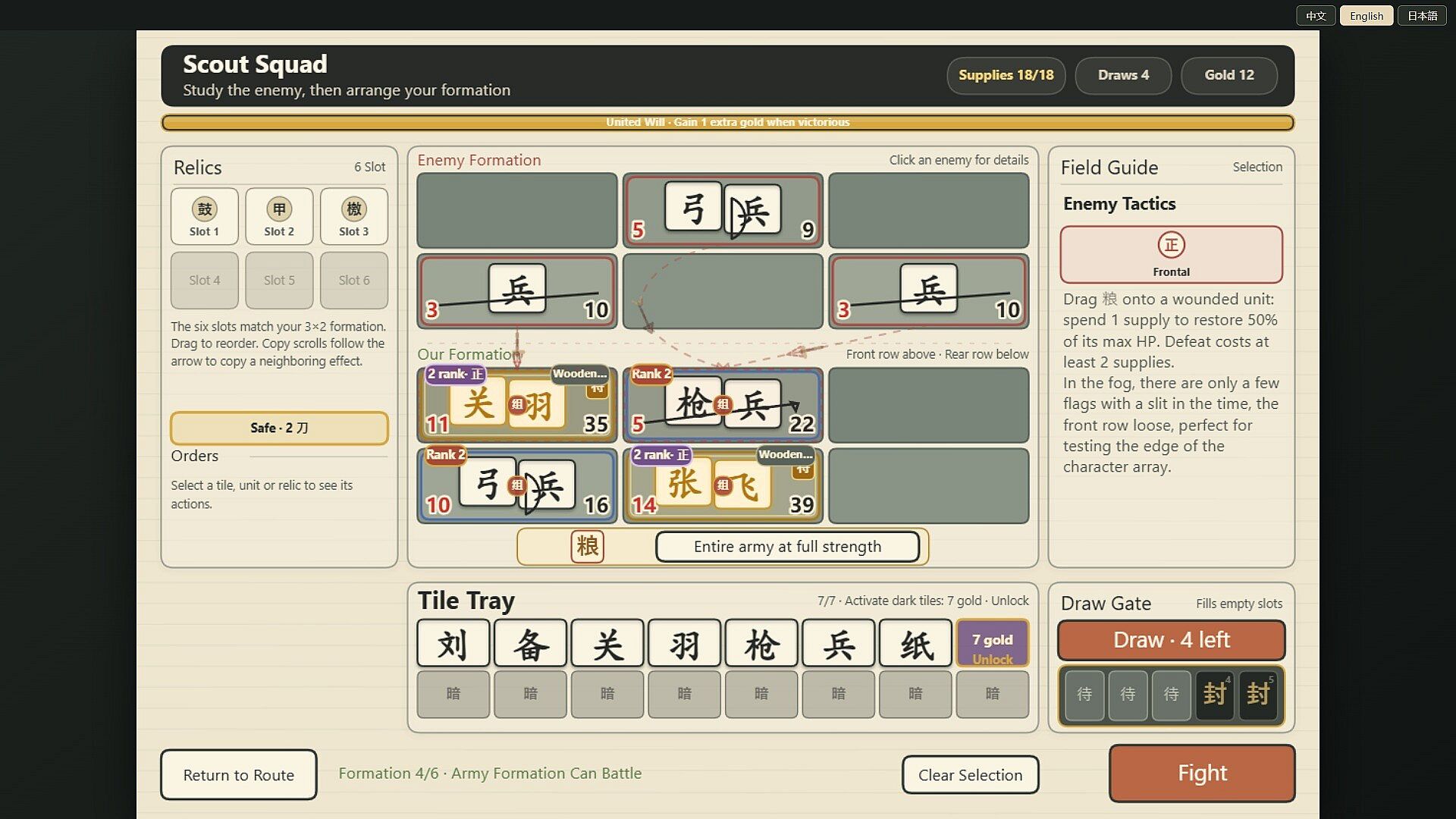
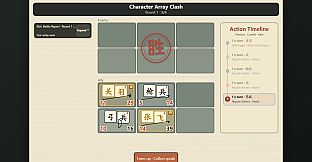
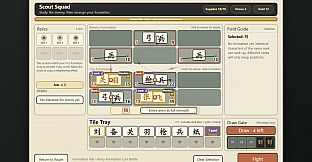
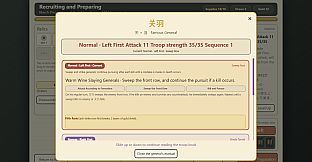
Core mechanics revolve around tile combination and formation placement. Combine characters such as 关 and 羽 to create 关羽, or 枪 and 兵 to produce 枪兵. Tiles can be separated, swapped, and upgraded to adjust army composition and capabilities. Formations consist of two rows with three positions each. Planning accounts for turn order, attack patterns, equipment, and abilities before committing the setup. Once placed, battles resolve automatically, allowing players to evaluate outcomes and refine strategies for subsequent attempts.
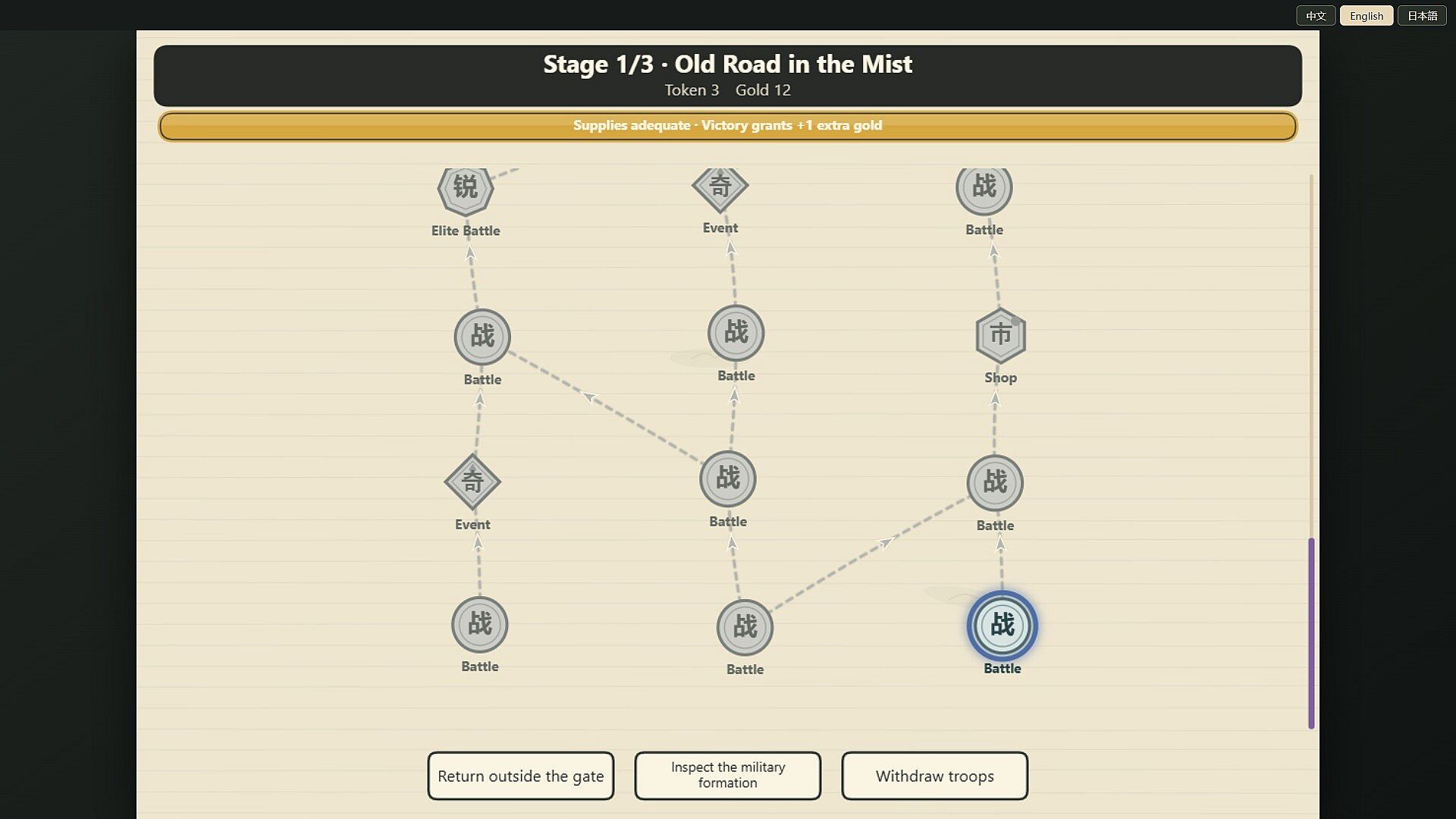
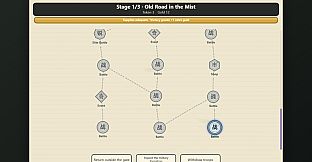
Expeditions introduce progression through resource management and collection. Gold purchases and relic acquisitions strengthen the army across runs. Defeat leads to regrouping and retrying the same encounter rather than permanent loss. Higher difficulty settings called Ordeal levels add layers of challenge after initial expeditions succeed. Unusual formation results or battle resolutions can unlock clues, hidden encounters, and additional gates that expand available paths.
Game Modes
Expeditions form the primary structure, presenting choices among battles, elite enemies, events, recruitment opportunities, and rest stops. This creates a branching experience where each run differs based on selections and outcomes. Ordeal levels serve as an optional escalation for players seeking greater difficulty after completing standard expeditions. The system encourages repeated playthroughs to explore different combinations and discover new interactions between character tiles.
Automatic battle resolution distinguishes the experience from traditional turn-based strategy titles. Emphasis shifts to pre-battle setup and post-battle analysis rather than in-combat decisions. Character tiles remain in Chinese across all languages, preserving the original symbols used for combinations while English text provides explanations and interface support.
Progression and Development
Army growth occurs through upgrades, relic collection, and recruitment during expeditions. Each successful or failed run contributes to overall development by revealing new combinations and hidden content. The absence of energy systems or rewarded advertisements in the PC edition supports uninterrupted play sessions focused on experimentation. Planned optional content such as Xiliang: The Old Road expands expedition options without mandatory inclusion.
Strategic depth arises from the interplay between character meanings and battlefield roles. Players experiment with tile arrangements to optimize formations against varying enemy patterns and abilities. This creates a loop of testing, observing automatic resolutions, and adjusting for better results on retry attempts.
Is It Worth Playing?
The game suits players interested in strategy titles that incorporate wordplay and cultural elements through Chinese characters. Its automatic battle system appeals to those who enjoy preparation and analysis over real-time or manual combat control. The roguelike expedition structure with retry mechanics supports multiple runs without frustration from permanent setbacks. Availability on PC without additional barriers makes it accessible for experimentation with tile combinations and formation tactics. Those drawn to indie strategy experiences with unique mechanics will find the character-based army building distinctive and replayable.