




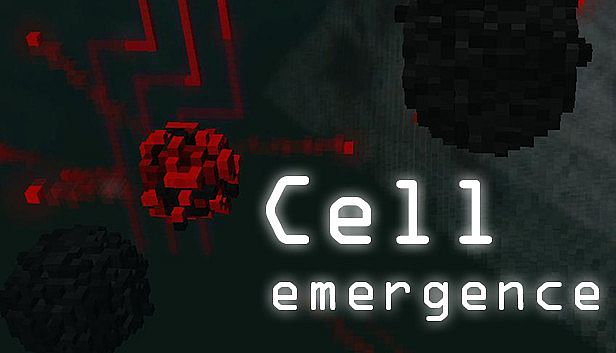












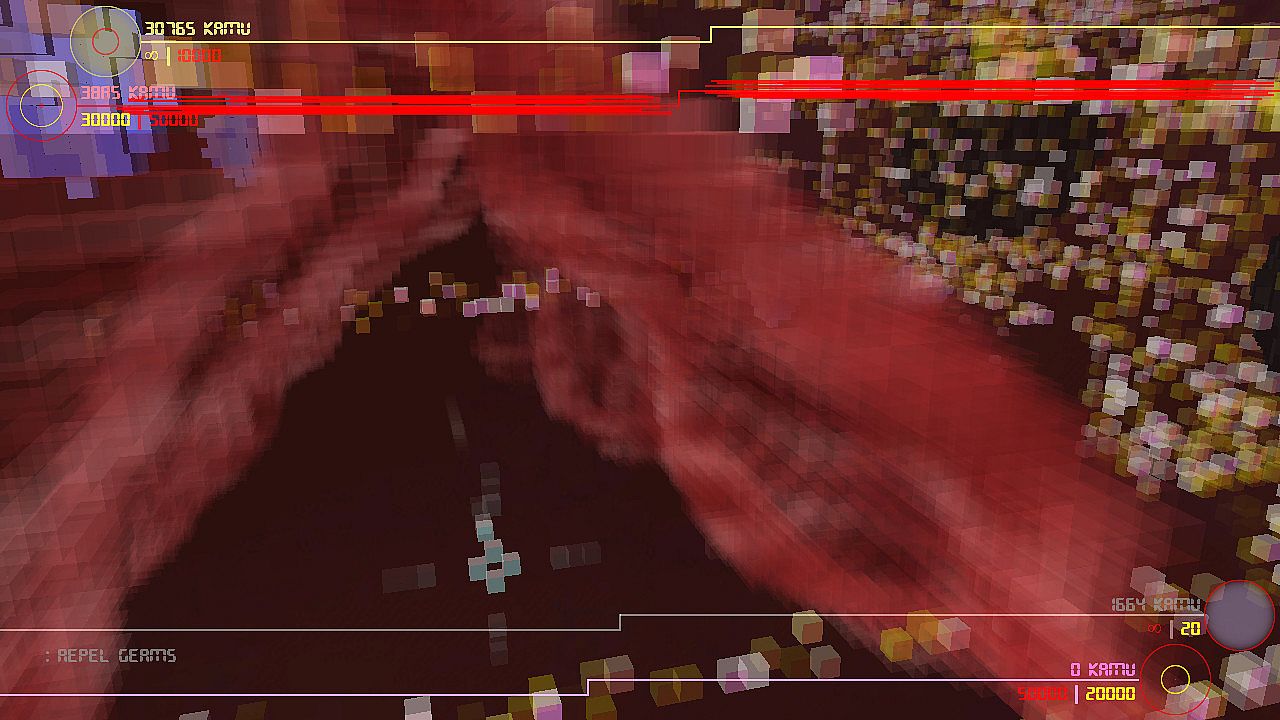
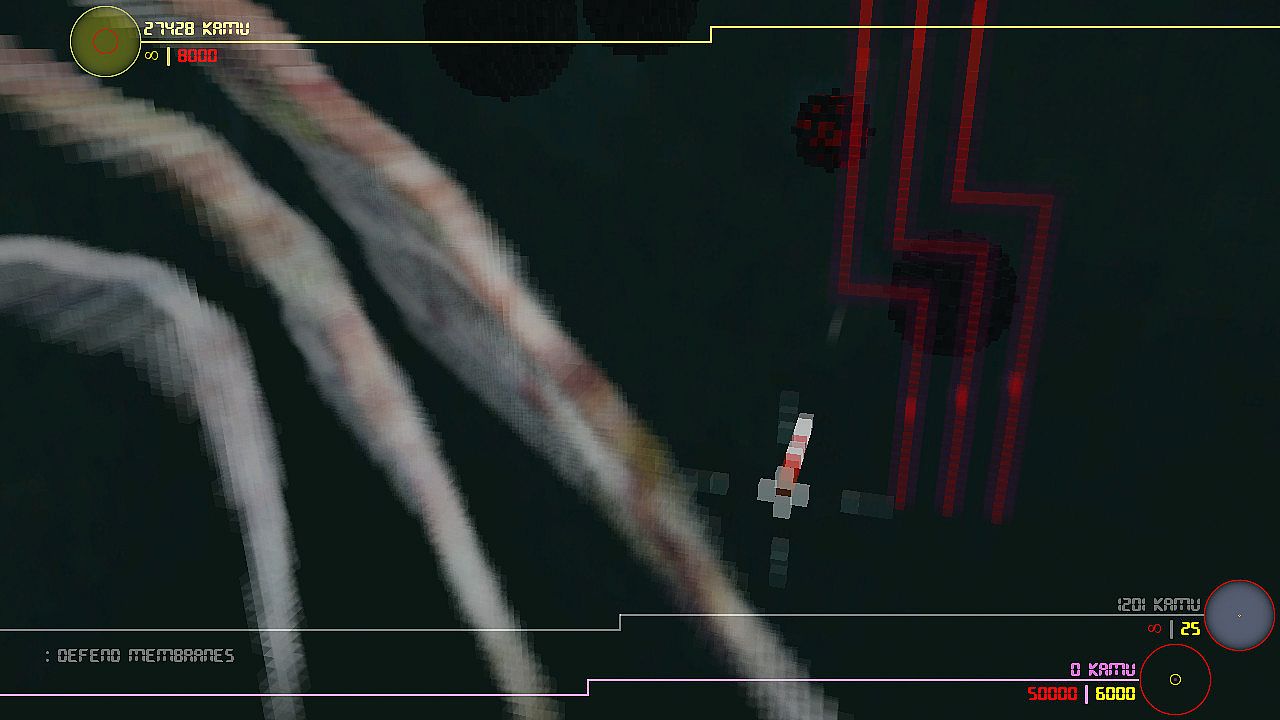
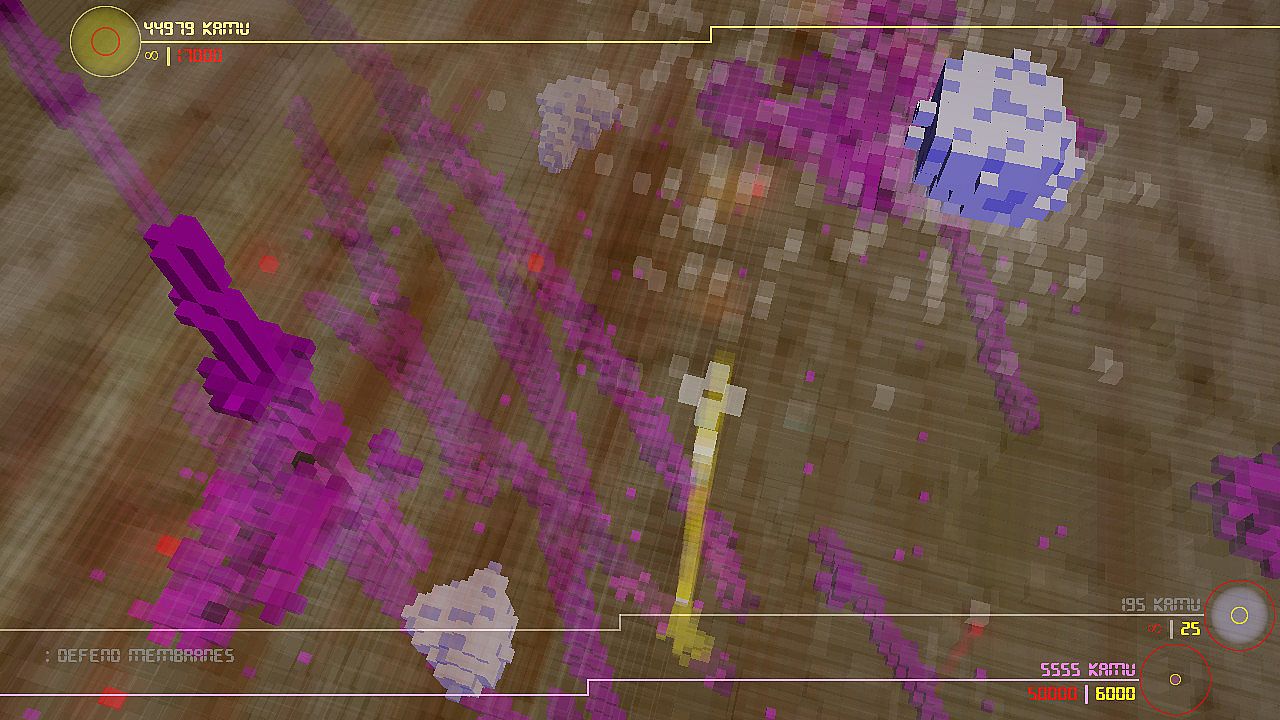
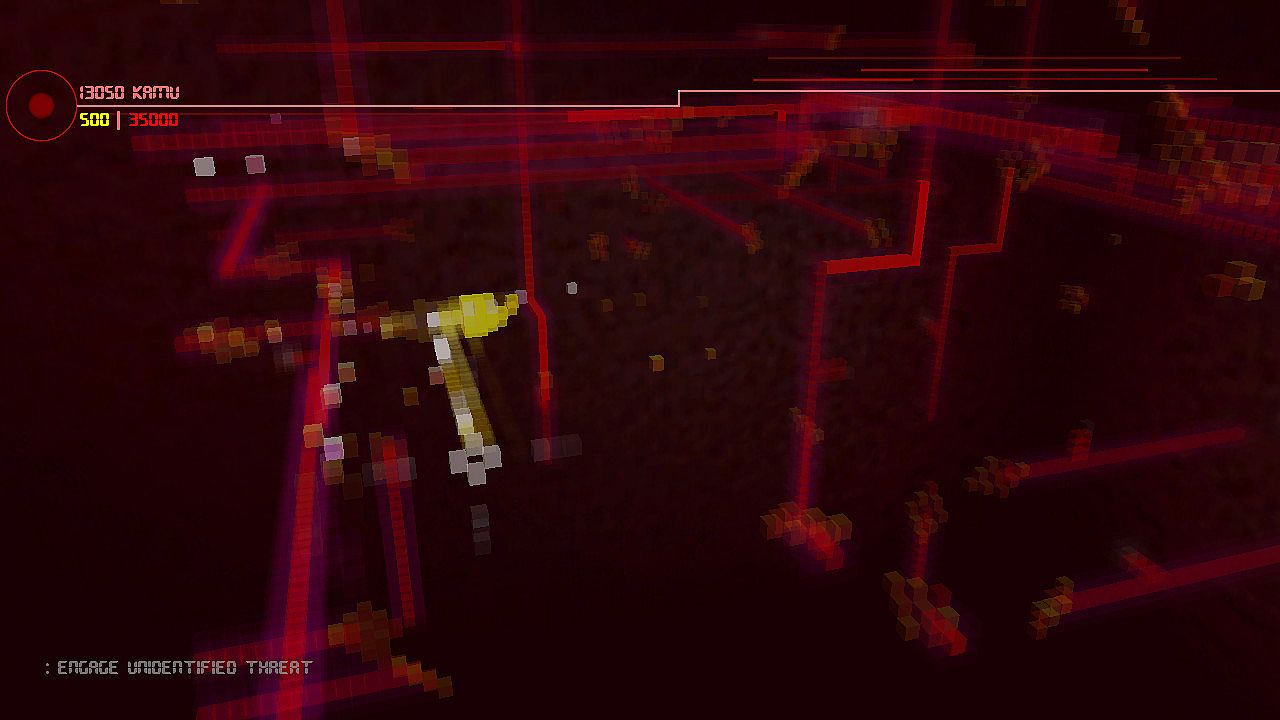
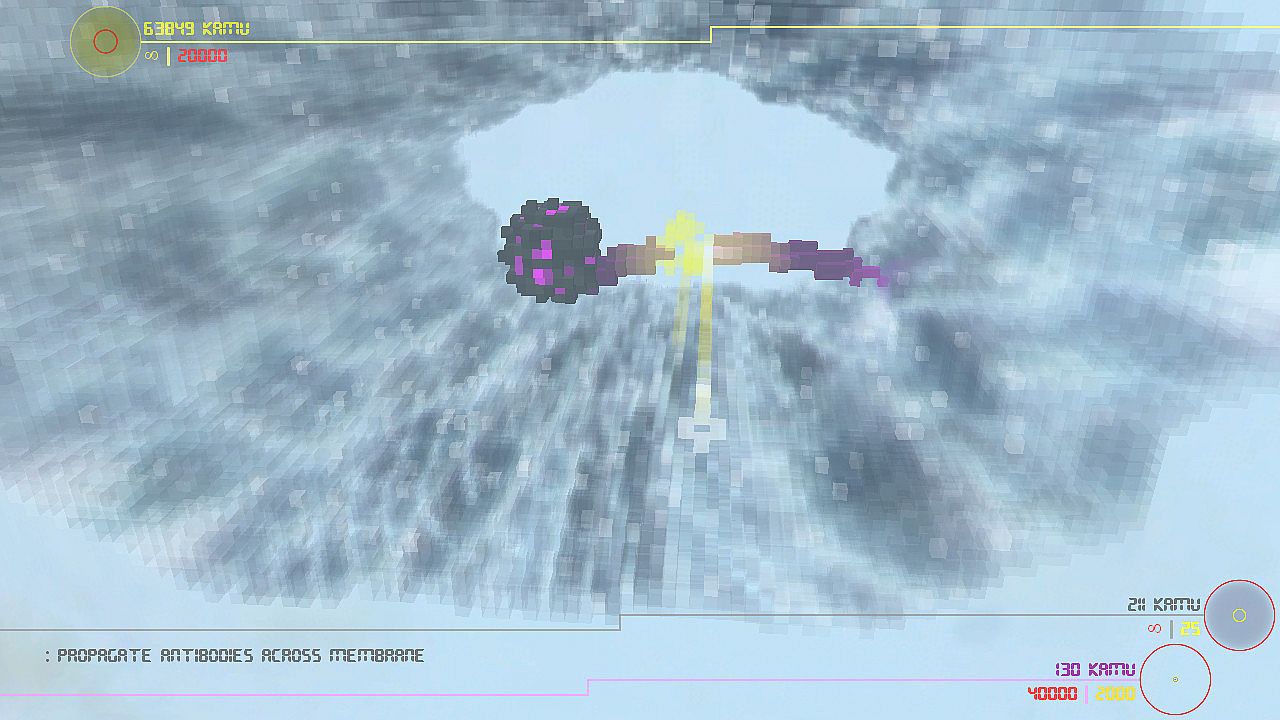
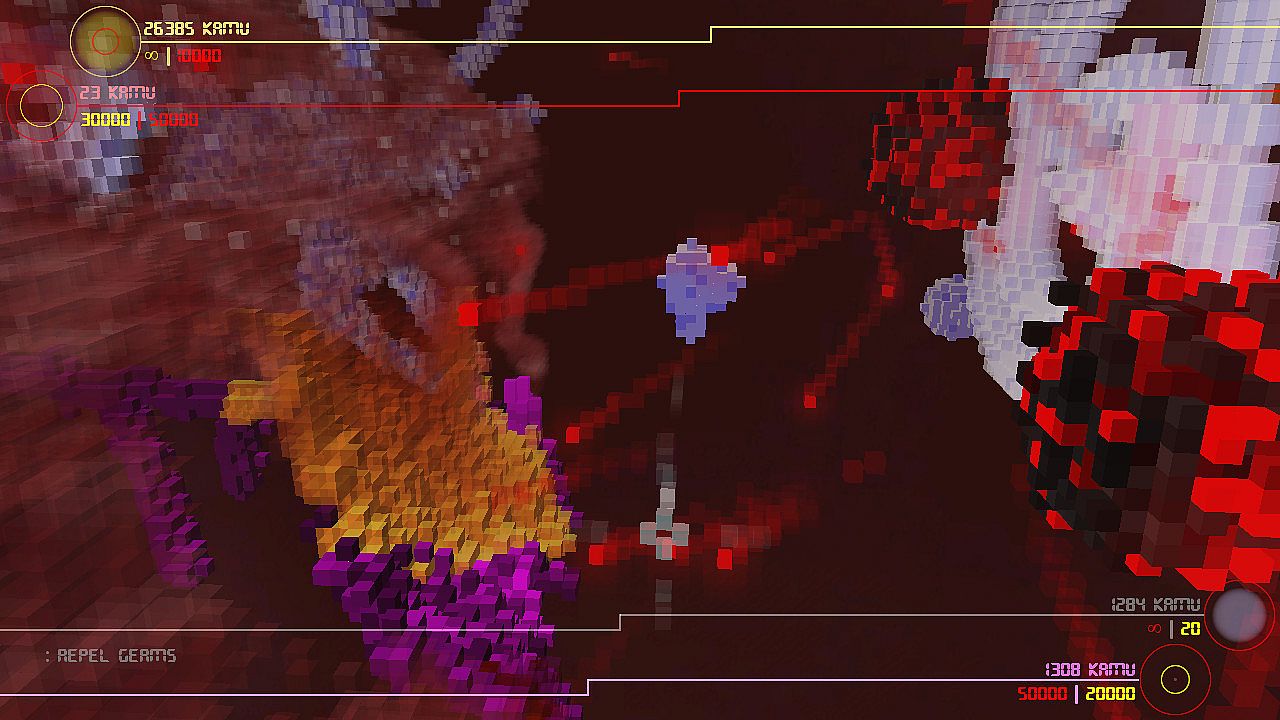

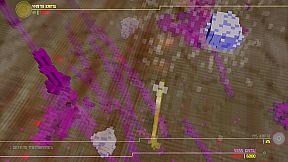
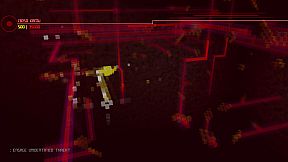
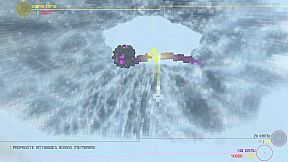
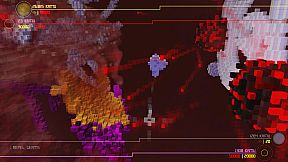
Cell HD: emergence es un juego de acción, indie y simulación para PC en el que controlas un nanobot dentro de un entorno biológico vivo construido con voxels dinámicos. Su mecánica se inspira en una versión tridimensional del Juego de la Vida de John Conway, generando un mundo fluido donde los patrones celulares evolucionan en tiempo real. El jugador debe neutralizar gérmenes inteligentes en un escenario de bioguerra futurista, utilizando proyectiles coloidales, estructuras defensivas y armamento avanzado mientras se adapta al comportamiento de la nanotecnología enemiga.
Gameplay
El ciclo de juego se basa en observar, adaptarse e intervenir directamente en un ecosistema voxel. Disparas coloides letales para desbaratar patrones hostiles, levantas defensas para proteger zonas clave y construyes armas potenciadas para afrontar amenazas crecientes. Entender la nanotecnología enemiga exige analizar cómo se forman y reaccionan sus estructuras, lo que a su vez modifica las capacidades del nanobot mediante un sistema de aprendizaje integrado. El sistema de voxels dinámicos hace que el entorno responda de forma orgánica, con autómatas celulares que modifican tejidos y membranas sin depender de eventos guionizados.
La progresión se centra en la colocación estratégica y el timing más que en reflejos rápidos. Cada acción afecta a los voxels cercanos y puede desencadenar reacciones en cadena que ayudan o perjudican al nanobot. El componente de simulación invita a experimentar con mecánicas de replicación y fusión de elementos para reforzar tu posición frente a patógenos virulentos.
Modos de juego
El título ofrece una campaña para un solo jugador estructurada en niveles secuenciales de complejidad creciente. Avanzas desplegándote en distintos tejidos, observando el comportamiento celular y ajustando estrategias para superar ataques de membrana y amenazas mayores. Los logros registran hitos como resistir los primeros asaltos intensos o alcanzar objetivos de replicación, orientando tu avance por la simulación biológica.
No se han confirmado modos multijugador ni cooperativos. El diseño se centra en el dominio individual de los sistemas voxel dentro del marco de la campaña.
Mecánicas y características principales
Los voxels dinámicos constituyen la base del juego, manteniendo el mundo en constante cambio según las acciones del jugador y las reglas de los autómatas subyacentes. Las armas coloidales son el principal recurso ofensivo, mientras que las opciones de construcción permiten crear barreras y mejoras de armamento adaptadas a cada configuración enemiga. La capacidad de aprendizaje del nanobot se desarrolla a través de encuentros repetidos, en los que los patrones de la nanotecnología enemiga se vuelven reconocibles y aprovechables con el tiempo.
Los requisitos del sistema son modestos y admiten hardware antiguo con perfiles gráficos compatibles. Existe una demo que permite probar las interacciones voxel antes de comprar. Doce logros ofrecen estructura adicional para quienes buscan completar todas las tareas de despliegue, observación y adaptación.
¿Merece la pena jugarlo?
Las opiniones destacan el concepto original y el atractivo visual de los autómatas celulares, aunque varias reseñas mencionan una curva de dificultad pronunciada, instrucciones limitadas y controles algo torpes que pueden desanimar a los recién llegados. La campaña ofrece una experiencia compacta que algunos completan en torno a una hora una vez asimiladas las mecánicas, proporcionando una sensación de logro al superar sus exigentes niveles. Con solo ocho reseñas de usuarios y sin puntuación agregada disponible, la recepción se mantiene en un nicho dividido entre el aprecio por la profundidad de la simulación y las críticas a su accesibilidad.
El juego atrae a quienes buscan simulaciones de acción reflexivas y experimentos con autómatas celulares, más que disparos frenéticos o títulos multijugador extensos. Su precio reducido y la demo disponible lo hacen accesible para quienes se sientan atraídos por la premisa del nanobot en un mundo voxel, especialmente si ya tienen interés en adaptaciones del Juego de la Vida de Conway o en experimentos indie con sistemas emergentes. El soporte actual se limita a la versión original de 2015, sin temporadas ni actualizaciones importantes documentadas desde su lanzamiento. Quienes toleren esquemas de control antiguos y estén dispuestos a aprender mediante prueba y error pueden encontrar valor en su enfoque distintivo.















