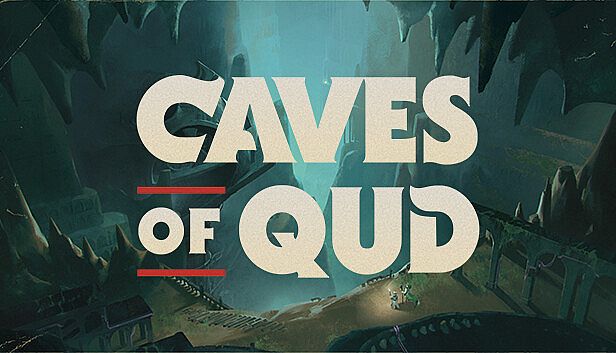










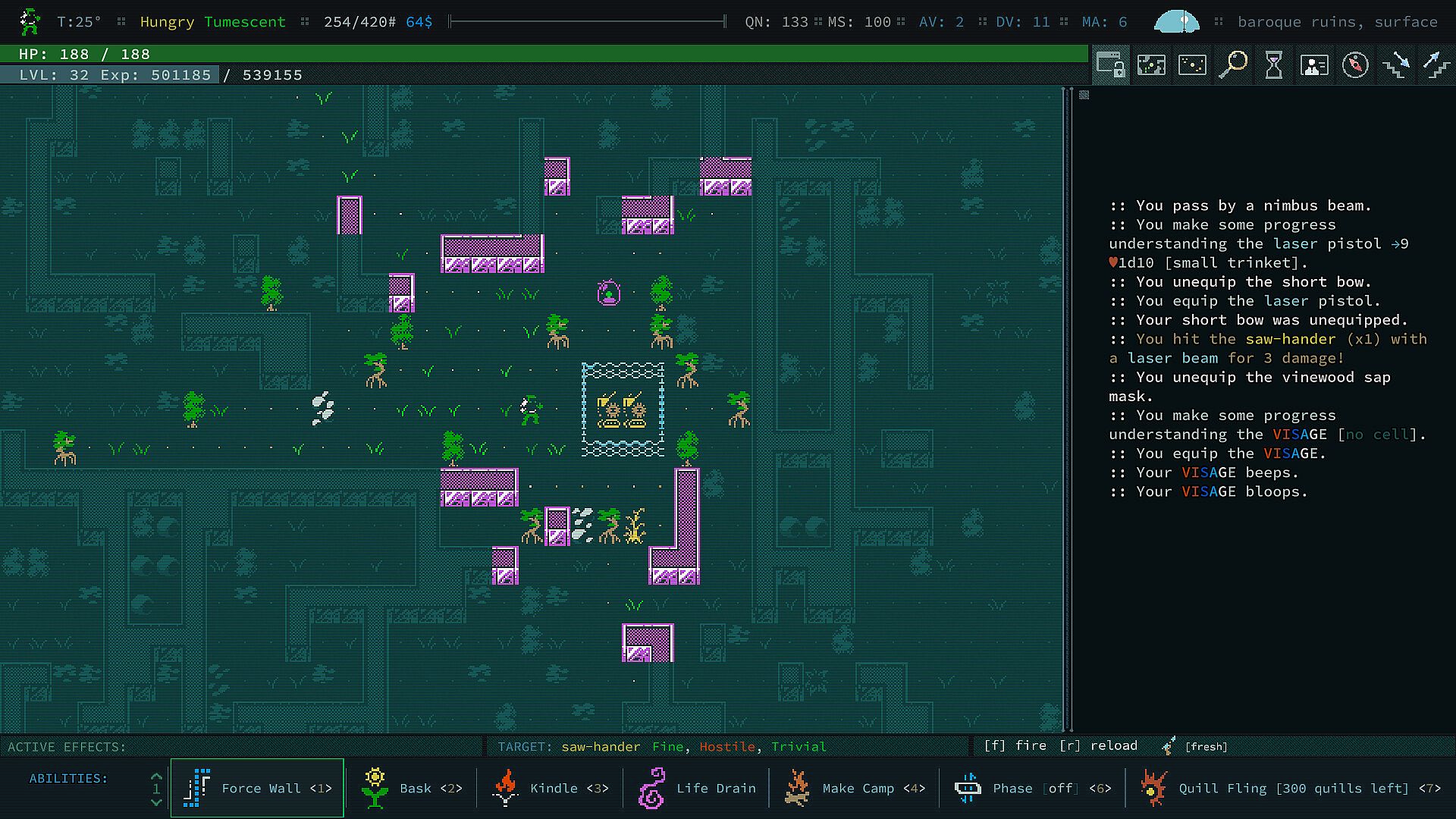
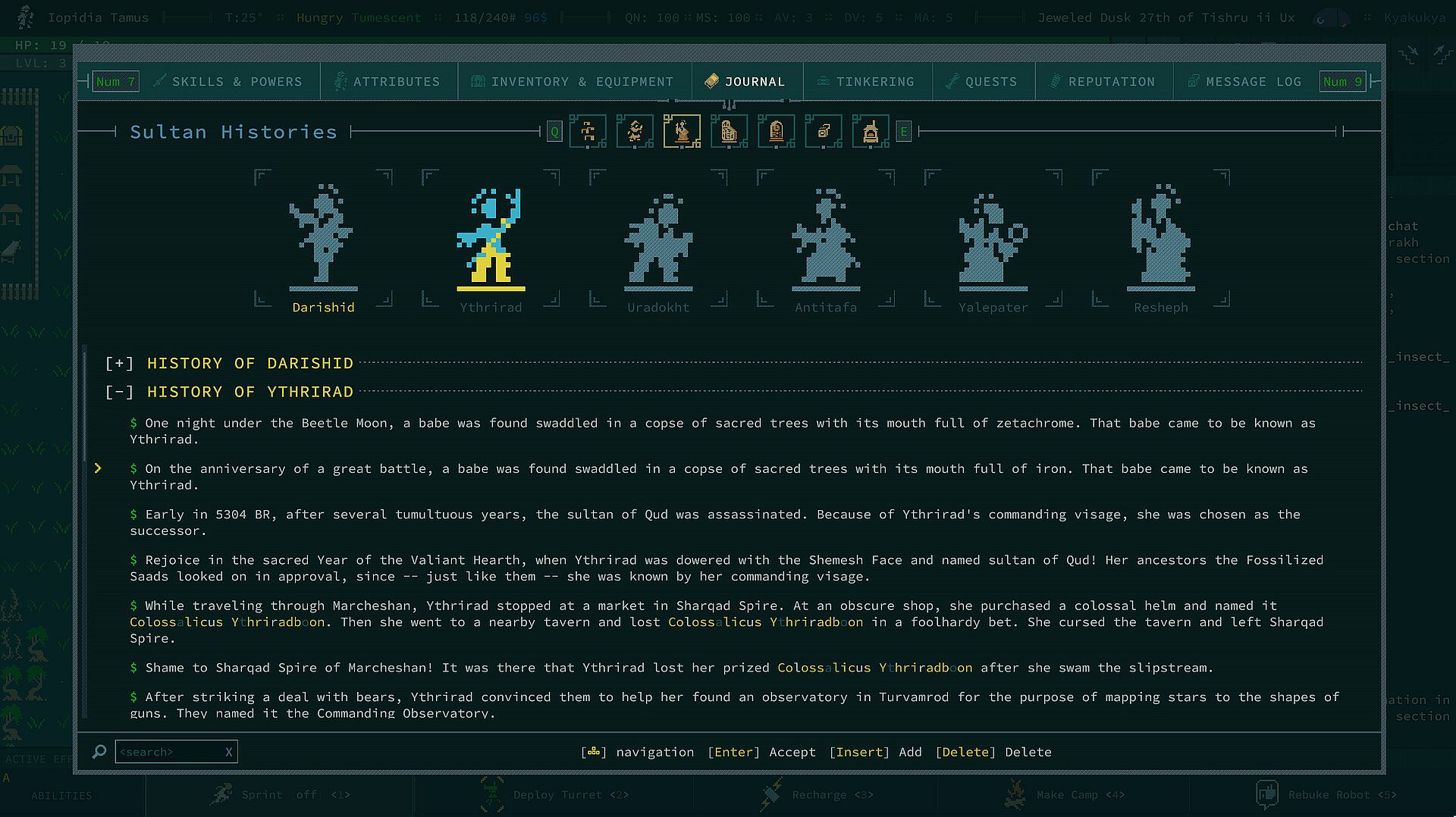
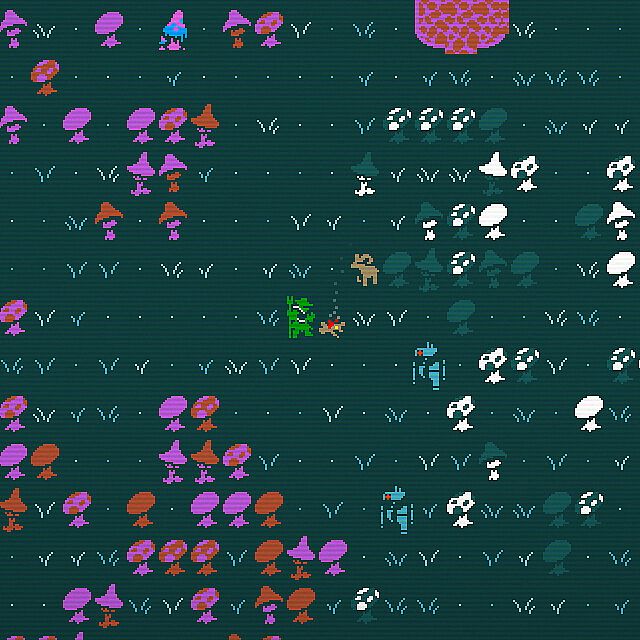
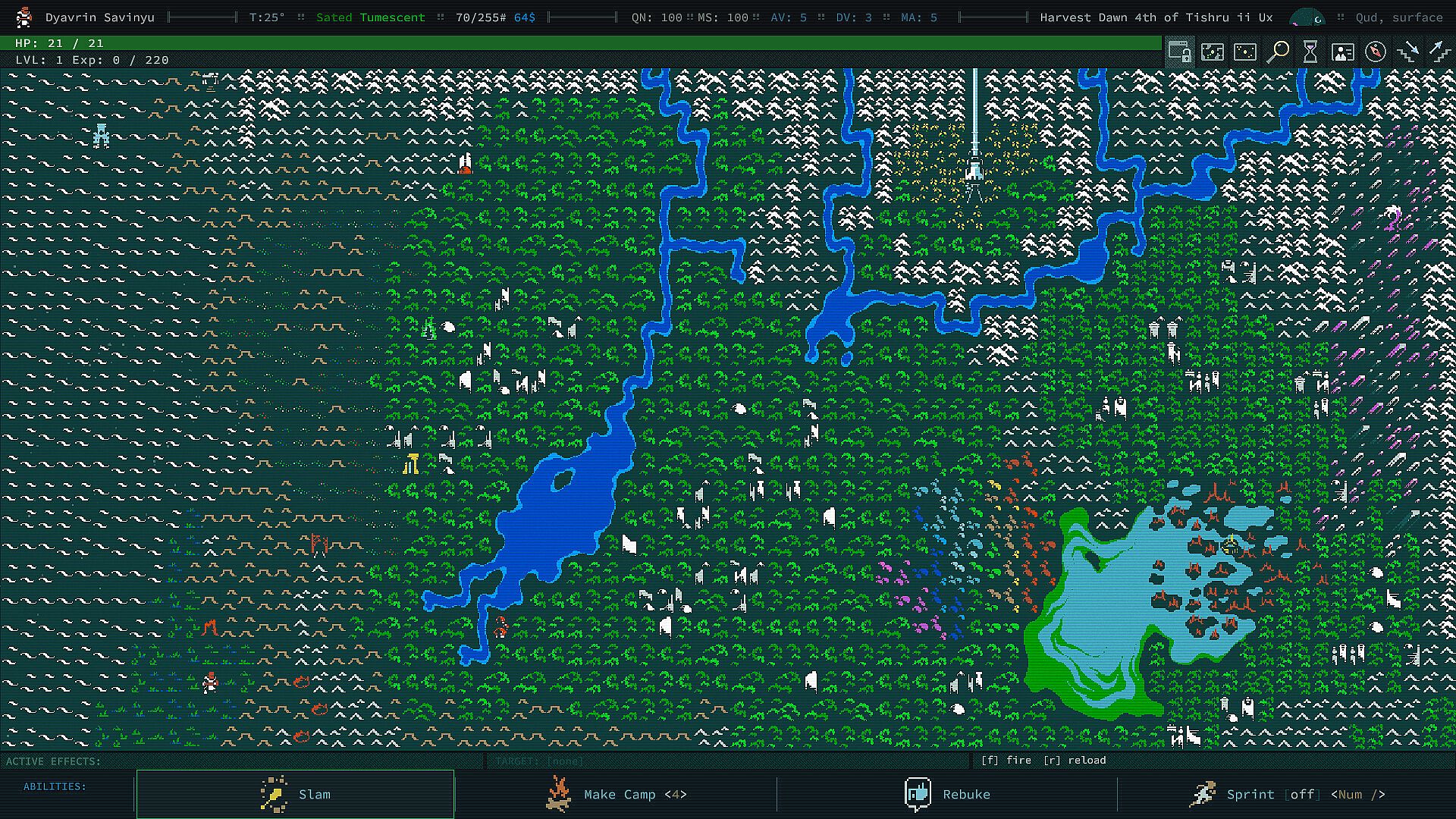
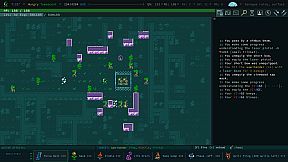
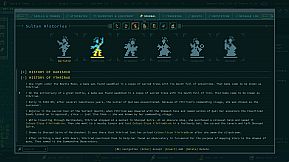
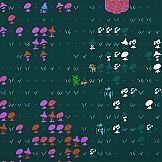
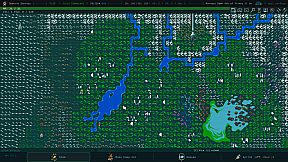
Caves of Qud es un roguelike de ciencia fantástica para un solo jugador que combina estrategia, desarrollo indie, progresión RPG y exploración en PC. Los jugadores se adentran en un mundo generado por capas, repleto de ruinas antiguas, plantas conscientes y ecosistemas simulados donde cada acción tiene consecuencias según las reglas físicas y los sistemas sociales.
Jugabilidad
El bucle principal se basa en el movimiento por turnos, el combate y la interacción dentro de un entorno sandbox. Los jugadores recorren amplias regiones viajando entre asentamientos, enclaves históricos y localizaciones generadas de forma procedimental, gestionando recursos y mutaciones. El combate se centra en el posicionamiento táctico, la elección de equipo y el uso de habilidades en lugar de ataques simples, lo que permite soluciones como excavar obstáculos con herramientas, disolver barreras con mutaciones corrosivas o fundir estructuras en lava según las propiedades de los materiales.
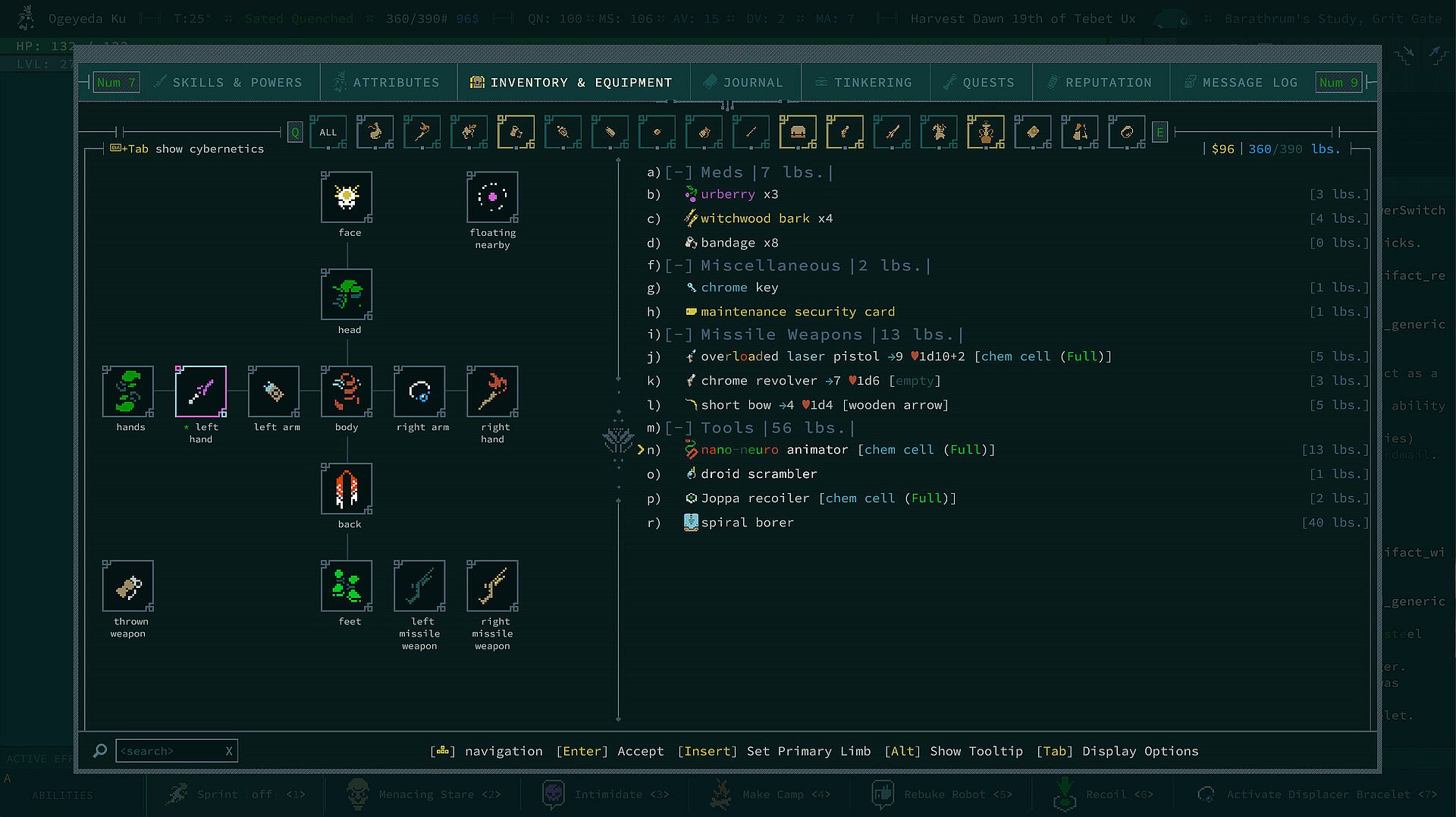
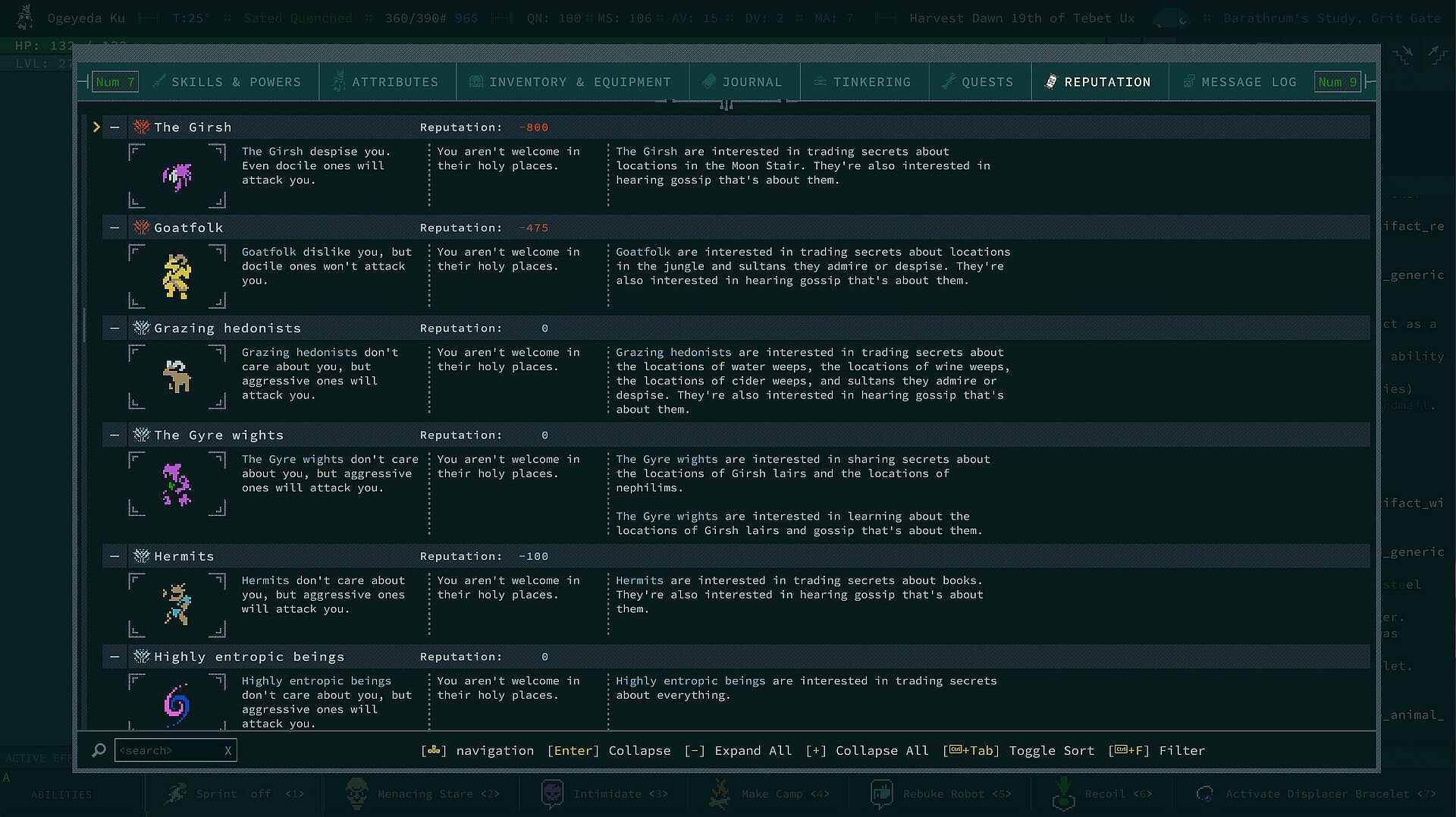
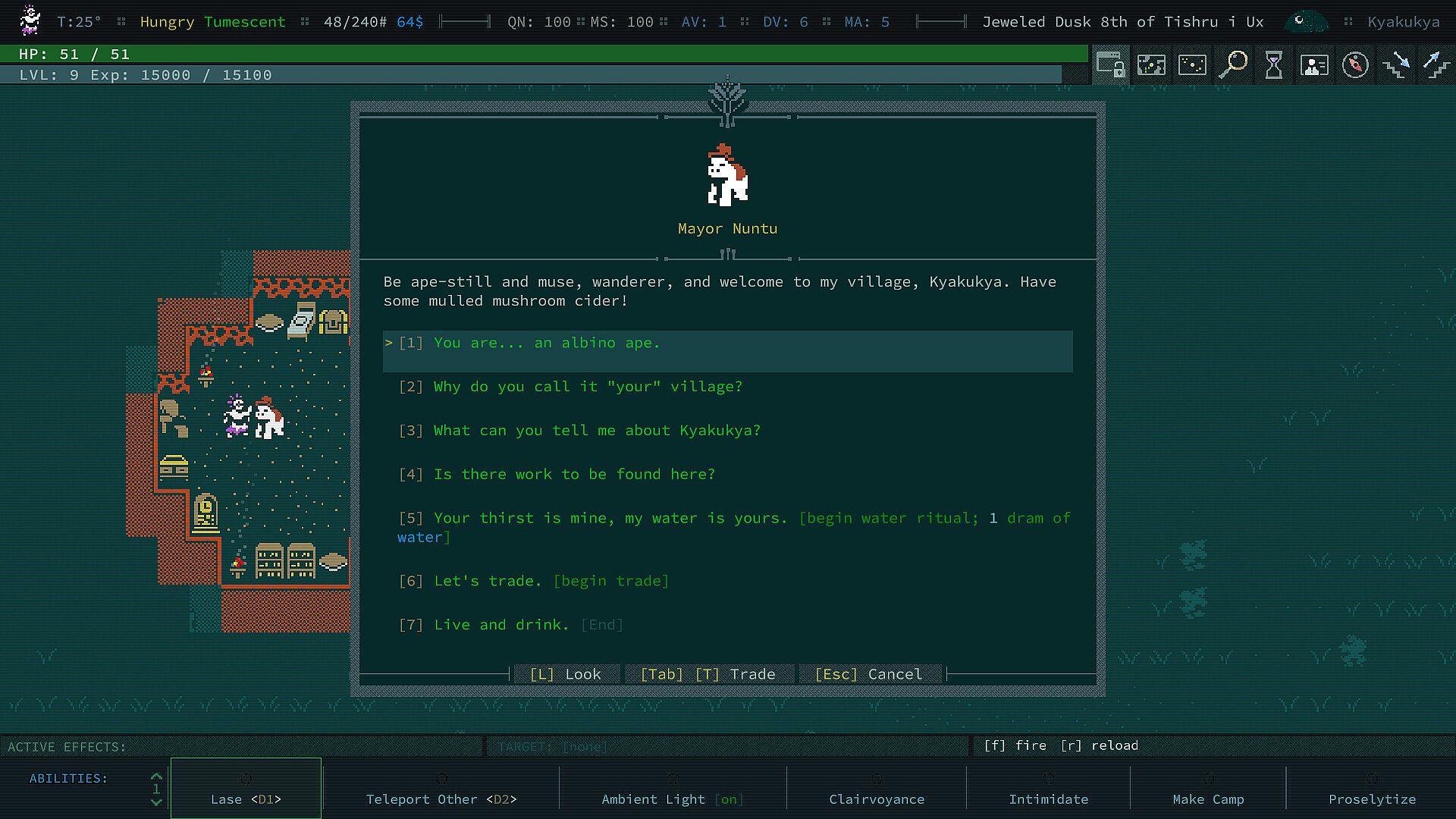
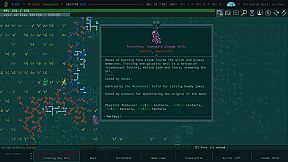
Cada criatura y personaje no jugador sigue las mismas reglas de simulación que el protagonista. Esto incluye niveles individuales, árboles de habilidades, equipo, relaciones con facciones y partes del cuerpo diferenciadas que pueden ser atacadas o modificadas. Un jugador con una mutación de dominación psiónica puede controlar a un enemigo como una araña y aprovechar su capacidad para tejer redes o alimentarse para desplazarse o conseguir comida. Las alianzas con facciones cambian de forma dinámica según las acciones, abriendo o cerrando caminos entre más de setenta grupos, desde simios y cangrejos hasta robots y entidades entrópicas.
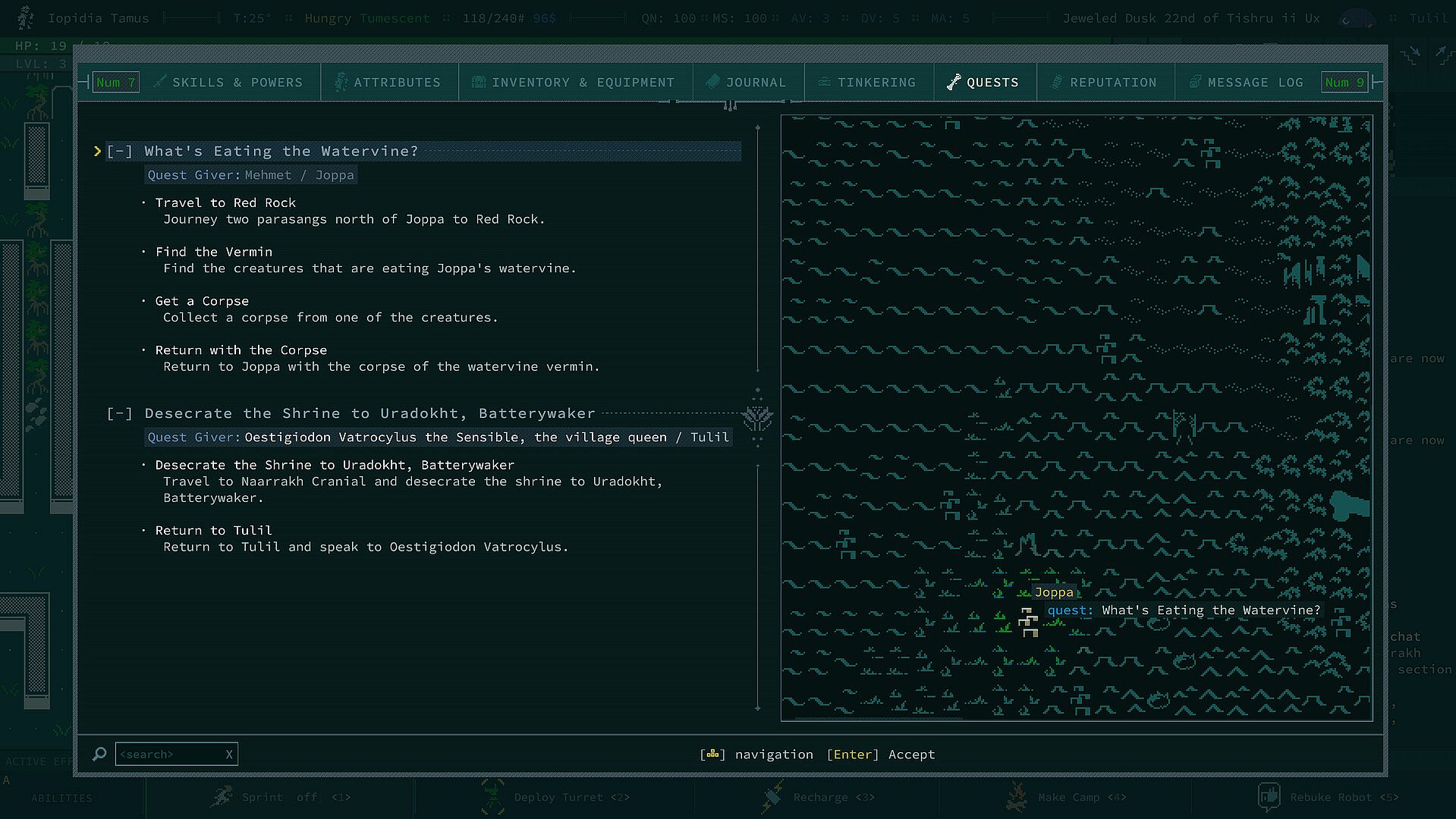
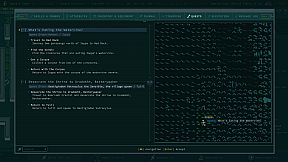
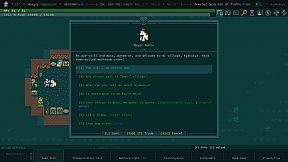
Las misiones aparecen tanto en forma manuscrita como generada dinámicamente, integradas en aldeas y puntos de interés para crear narrativas ramificadas. Una banda sonora original acompaña las largas sesiones de exploración y supervivencia.
Modos de juego
Cuatro modos distintos adaptan la experiencia a diferentes preferencias. El modo Clásico sigue las convenciones tradicionales del roguelike con muerte permanente: una sola derrota pone fin a la partida y obliga a empezar de nuevo. Esta opción exige una planificación cuidadosa y resulta ideal para quienes buscan un alto nivel de desafío.
El modo Rol funciona como un RPG convencional al conservar el progreso mediante puntos de control en los asentamientos. Al morir, el personaje regresa al último punto guardado en lugar de perder la partida por completo.
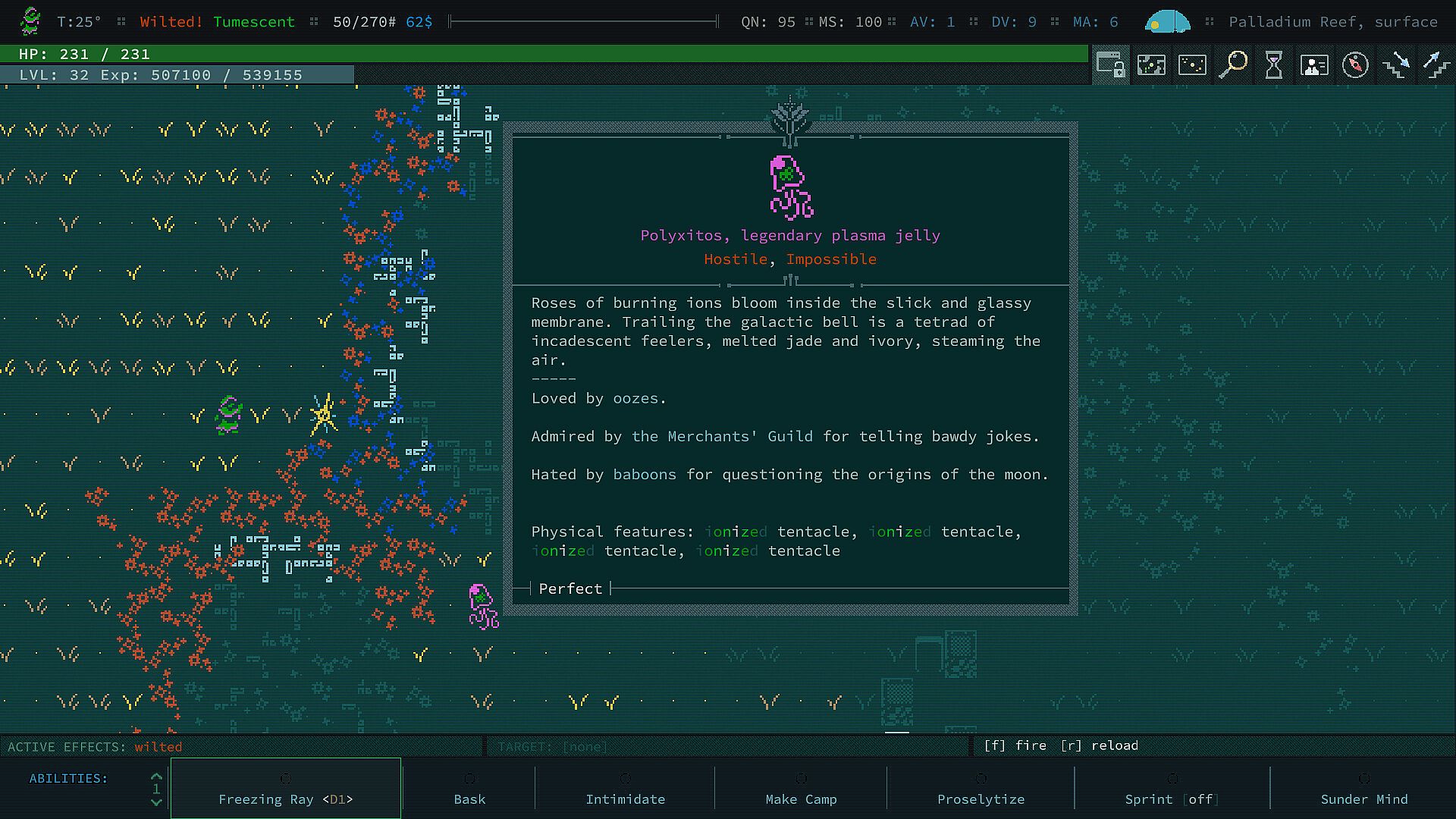
El modo Exploración prioriza el descubrimiento frente al conflicto. La mayoría de las criaturas no son hostiles, los puntos de experiencia se obtienen al encontrar nuevas zonas e interactuar con seres legendarios en lugar de matar enemigos, y los puntos de control funcionan igual que en el modo Rol.
El modo Diario ofrece una única partida con una configuración de personaje y una semilla de mundo predeterminadas. El jugador elige una aldea inicial e intenta sobrevivir el mayor tiempo posible bajo condiciones fijas.
Creación y progresión de personaje
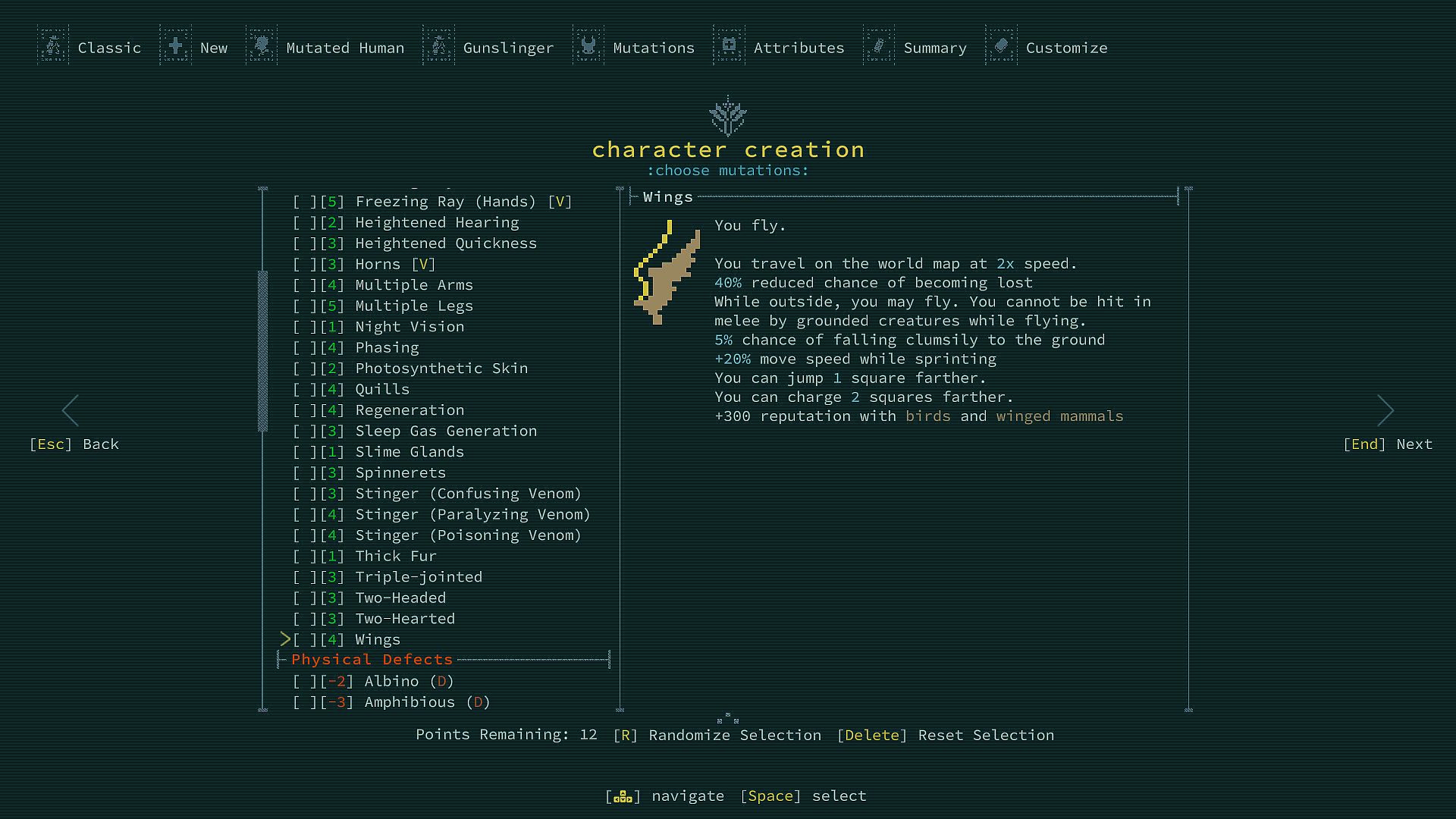
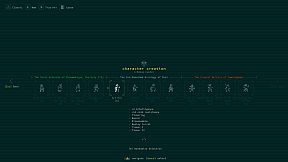
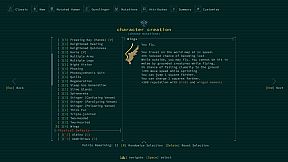
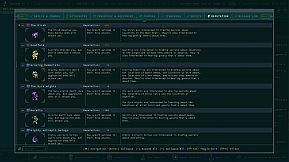
La creación de personaje ofrece amplias opciones gracias a más de setenta mutaciones que conceden habilidades como alas para volar, cabezas o brazos adicionales, manos en llamas, teletransporte o clonación propia. Los implantes cibernéticos añaden más posibilidades de personalización, como visión nocturna, piel translúcida, puños reforzados o tendones que mejoran la movilidad, muchos de los cuales pueden encontrarse como botín durante la partida.
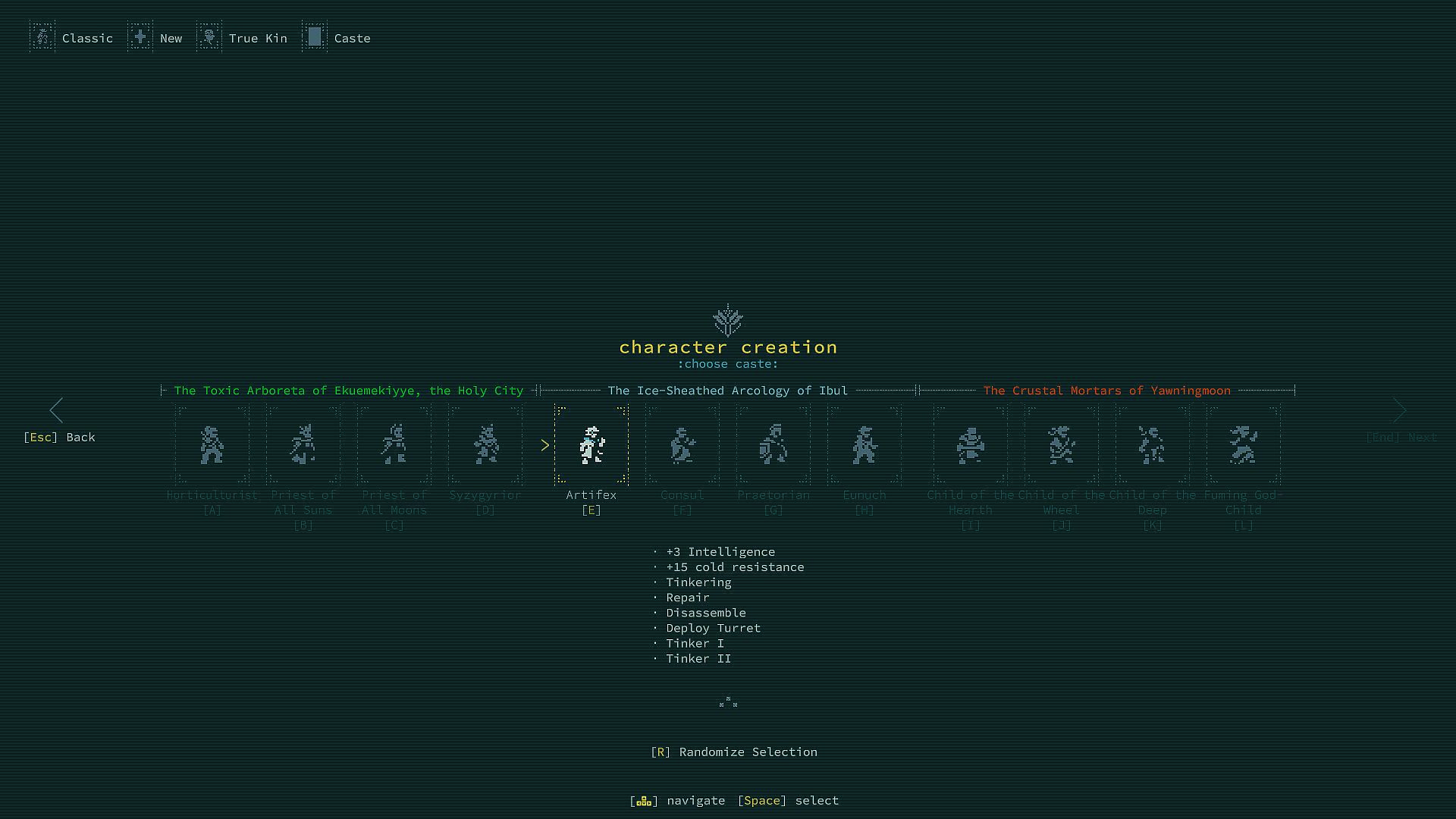
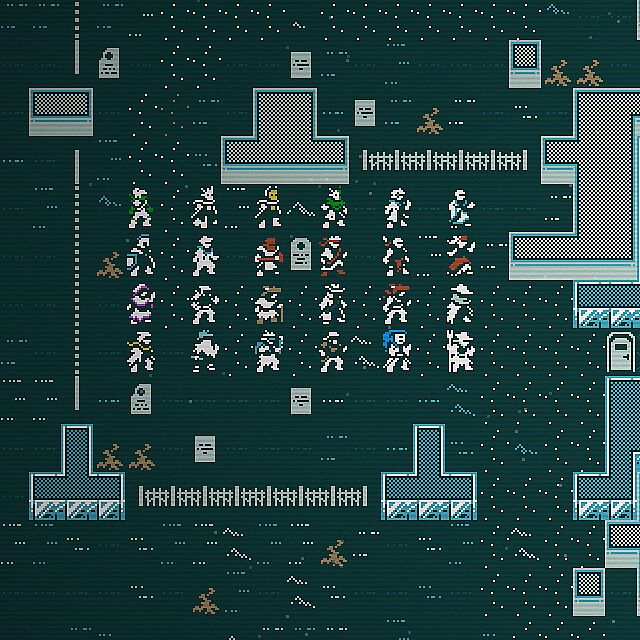
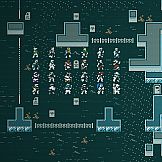
Los jugadores pueden elegir entre personajes mutantes nativos de las dunas y las selvas o true kin descendientes de eco-cúpulas supervivientes como los arboretos de Ekuemekiyye, la arcología de Ibul o los morteros de Yawningmoon. Veinticuatro castas y kits proporcionan kits iniciales adicionales vinculados a las estructuras sociales de la región. Nueve personajes predefinidos permiten comenzar de inmediato a quienes prefieren no personalizar desde cero.
La progresión está ligada a la simulación mediante la adquisición de habilidades, la recogida de artefactos y los cambios en la reputación con las facciones, que desbloquean nuevas interacciones y equipo con el tiempo.
¿Merece la pena jugarlo?
Caves of Qud está dirigido a jugadores que disfrutan de interacciones sistémicas profundas, historias emergentes a partir de la simulación y la estructura roguelike con profundidad RPG. Tras más de quince años de desarrollo, alcanzó su versión 1.0 con la conclusión de la misión principal, una interfaz gráfica completa, numerosos efectos visuales y sonoros, además de un amplio pulido y mejoras de estabilidad. El juego sigue recibiendo actualizaciones y ajustes tras su lanzamiento completo.
La recepción destaca sus sistemas expresivos y el detalle del mundo para quienes buscan experiencias complejas en solitario. Quienes prefieren acción directa o historias lineales pueden encontrar exigente la curva de aprendizaje y el enfoque en la simulación, mientras que los aficionados a las decisiones tácticas y la exploración a largo plazo suelen volver para repetir partidas en los distintos modos. Su disponibilidad en PC lo hace accesible para quienes se ajusten a este estilo de juego.