










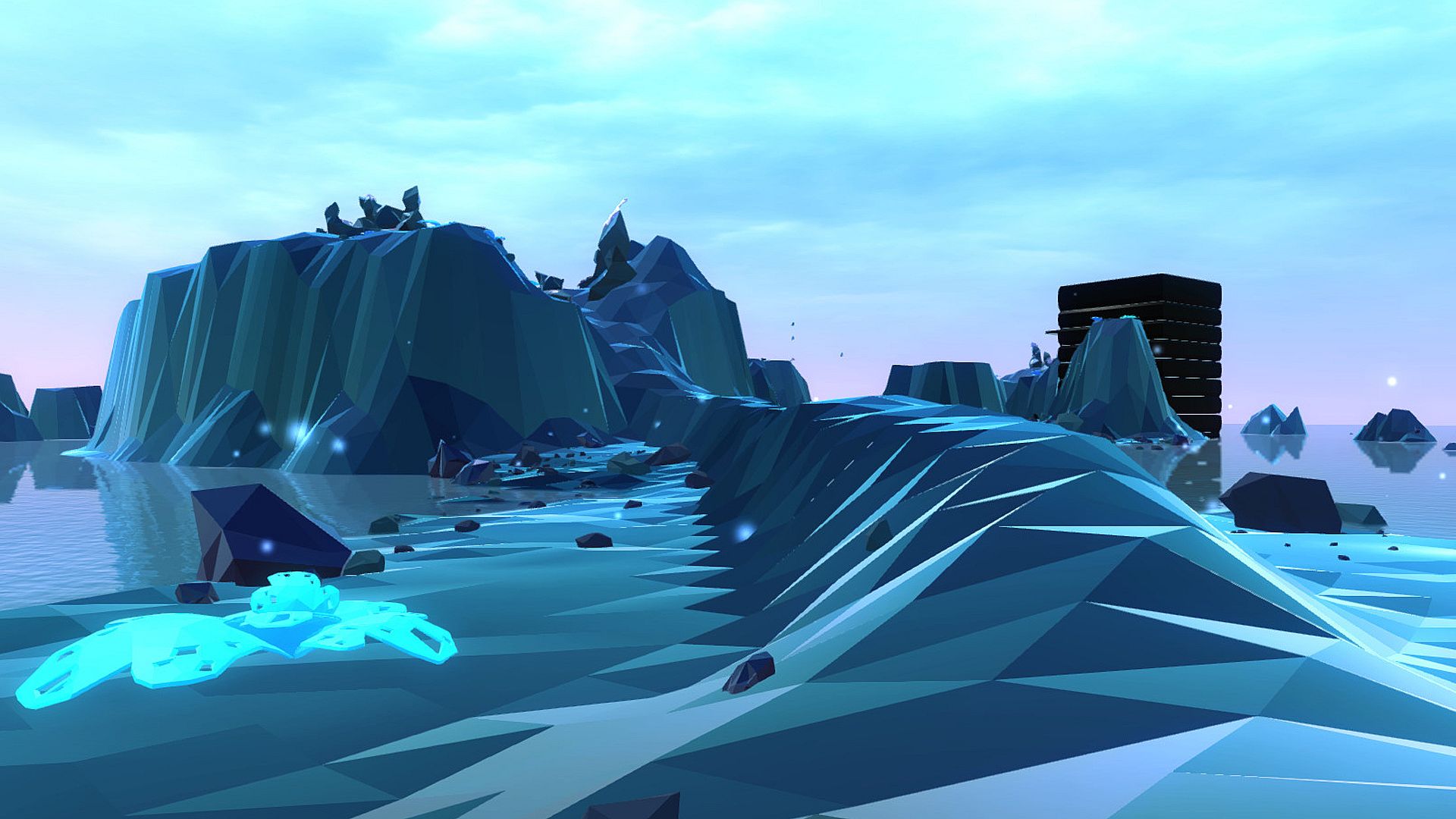
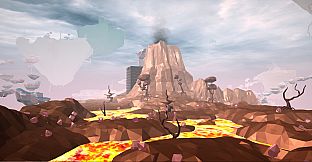

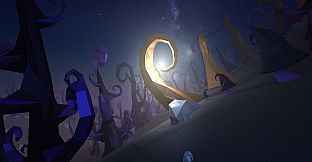
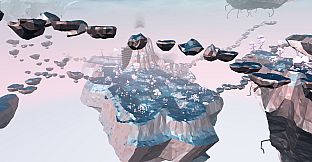
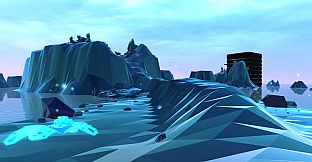
A Song in the Void is a first-person single-player platformer that places exploration and collection at the center of its experience. Set in an abstract world where the environment responds directly to music, the game tasks players with gathering dispersed audio tracks across five distinct islands. Each island carries its own musical theme and environmental personality, and progress involves reassembling those themes to restore balance while uncovering a narrative about an AI and the remnants of a lost civilization.
Gameplay
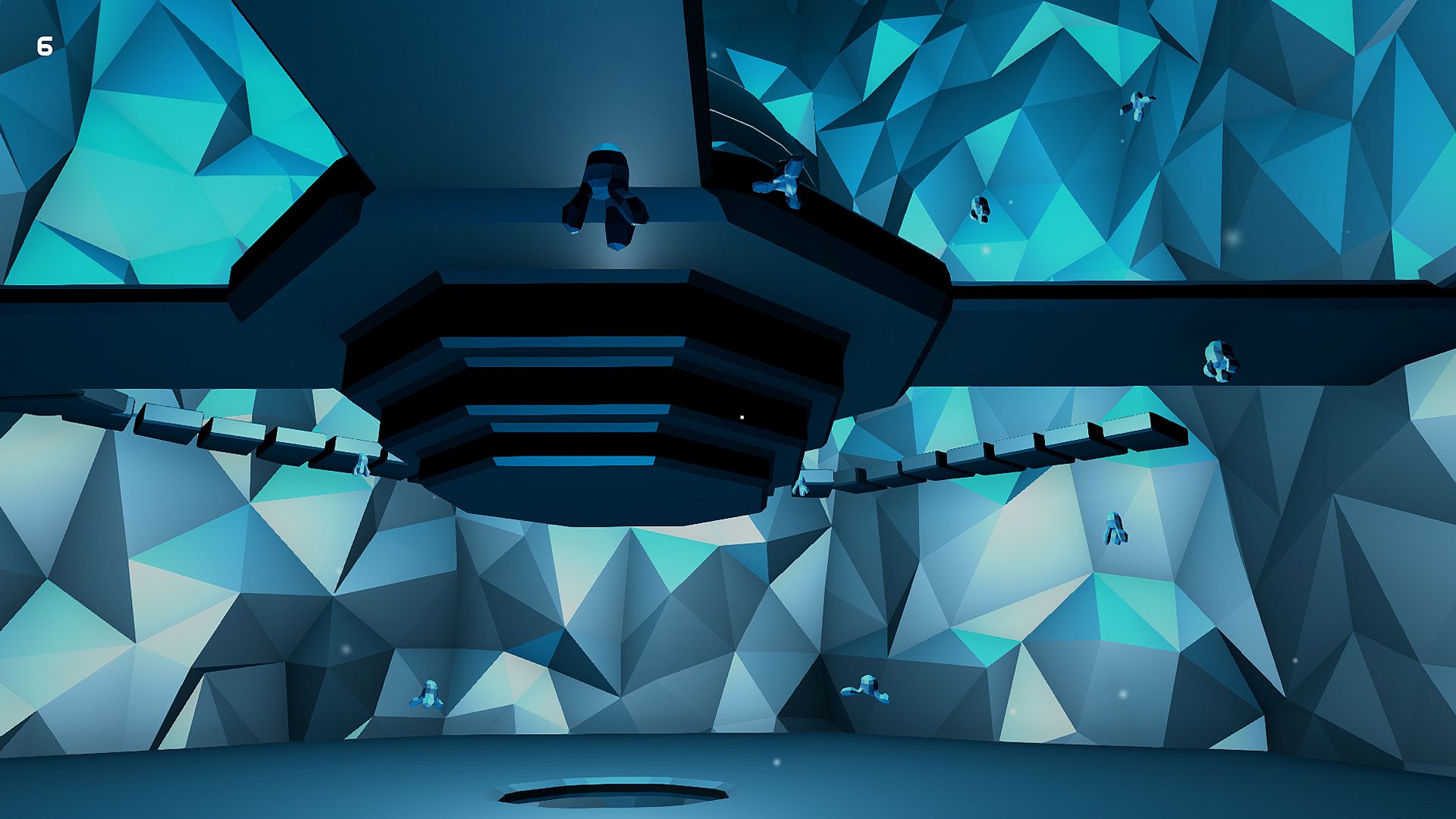
The core loop centers on navigation through puzzle arenas and open island spaces. Players move with standard first-person controls for walking, running, and jumping, while automatic proximity collection handles interaction with objects. Floating modules serve as the primary collectibles; gathering them triggers changes in the surrounding landscape and advances the island's musical composition. Power cores appear as secondary items that fuel progression between areas.
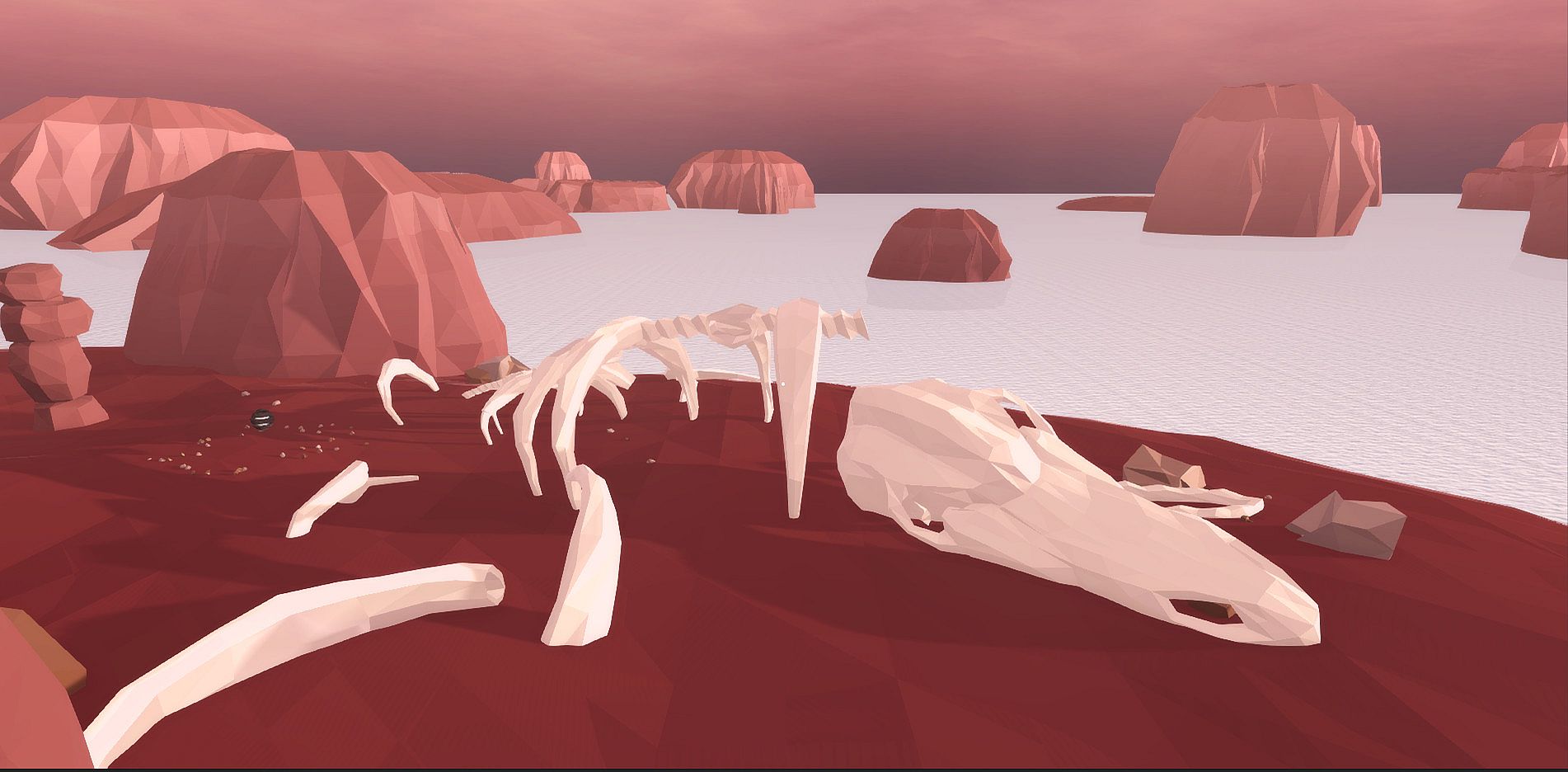
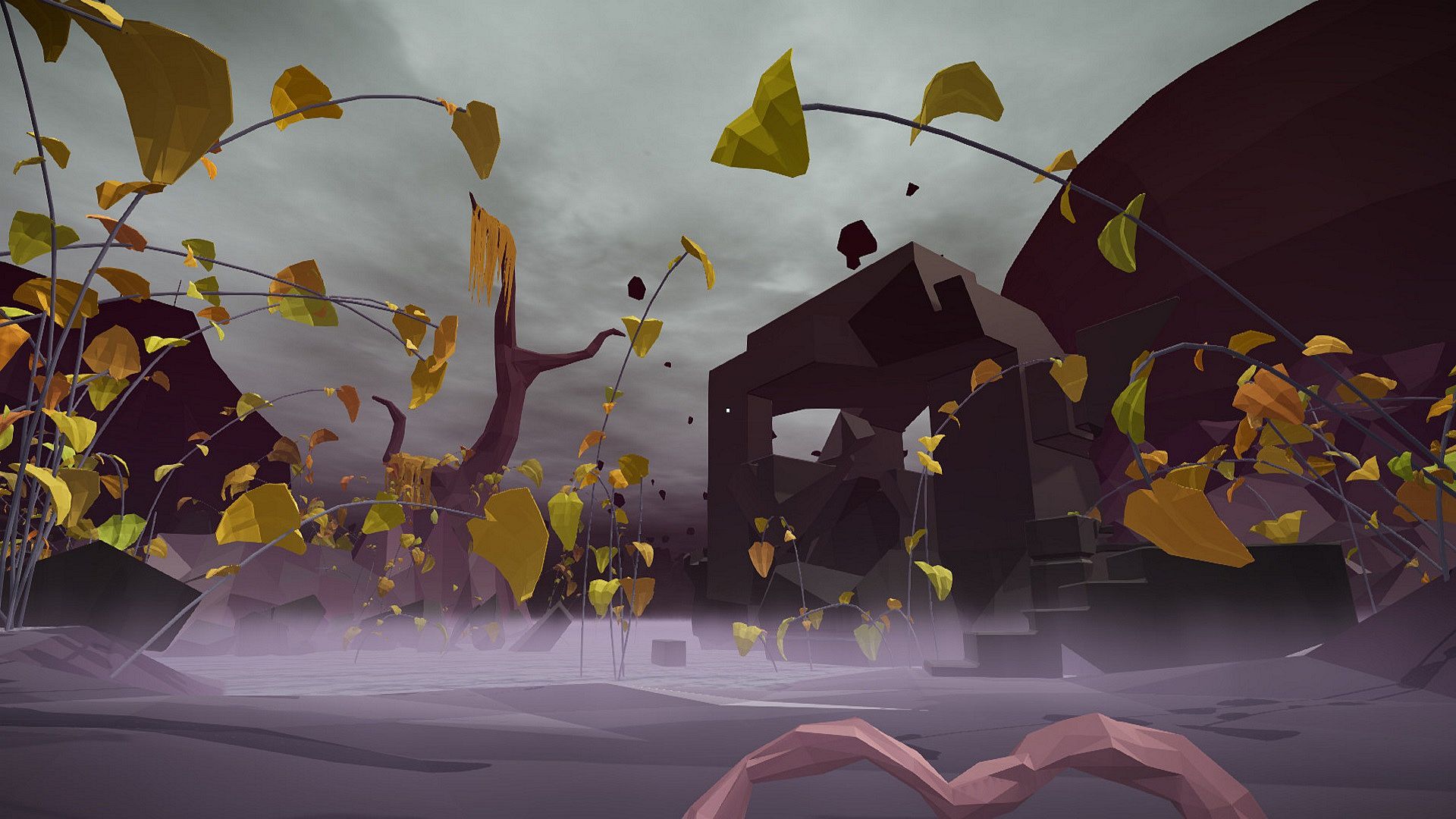
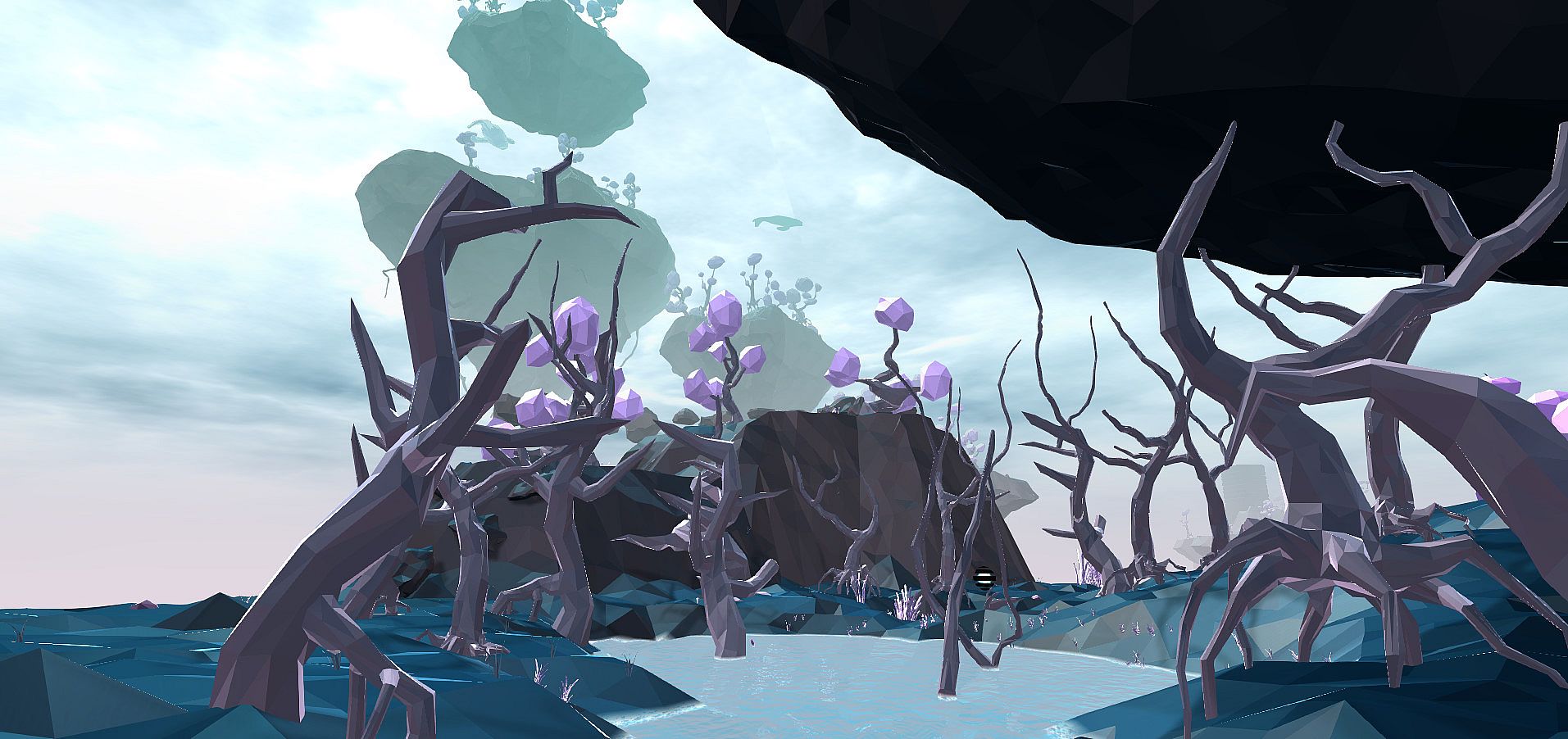
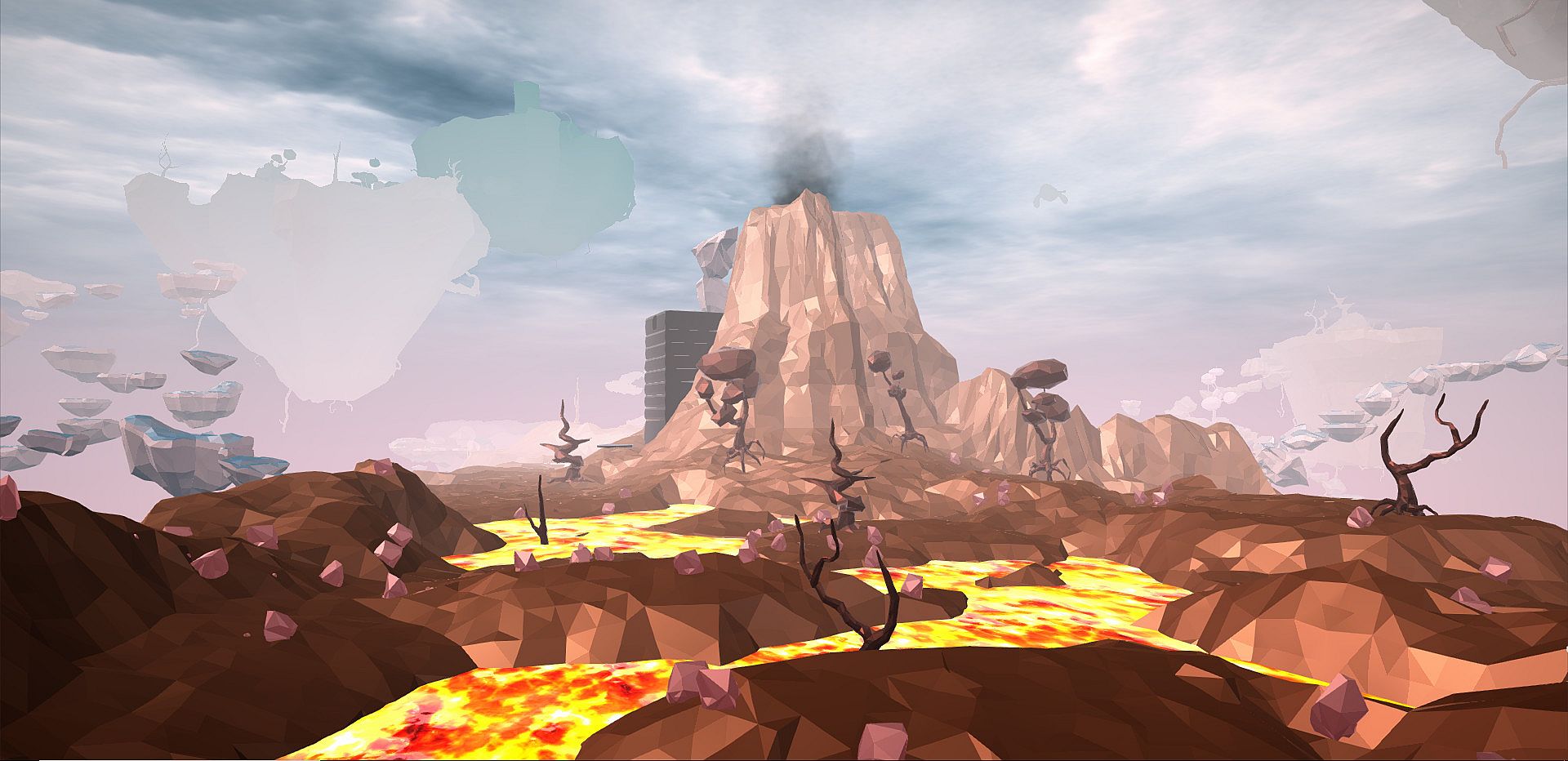
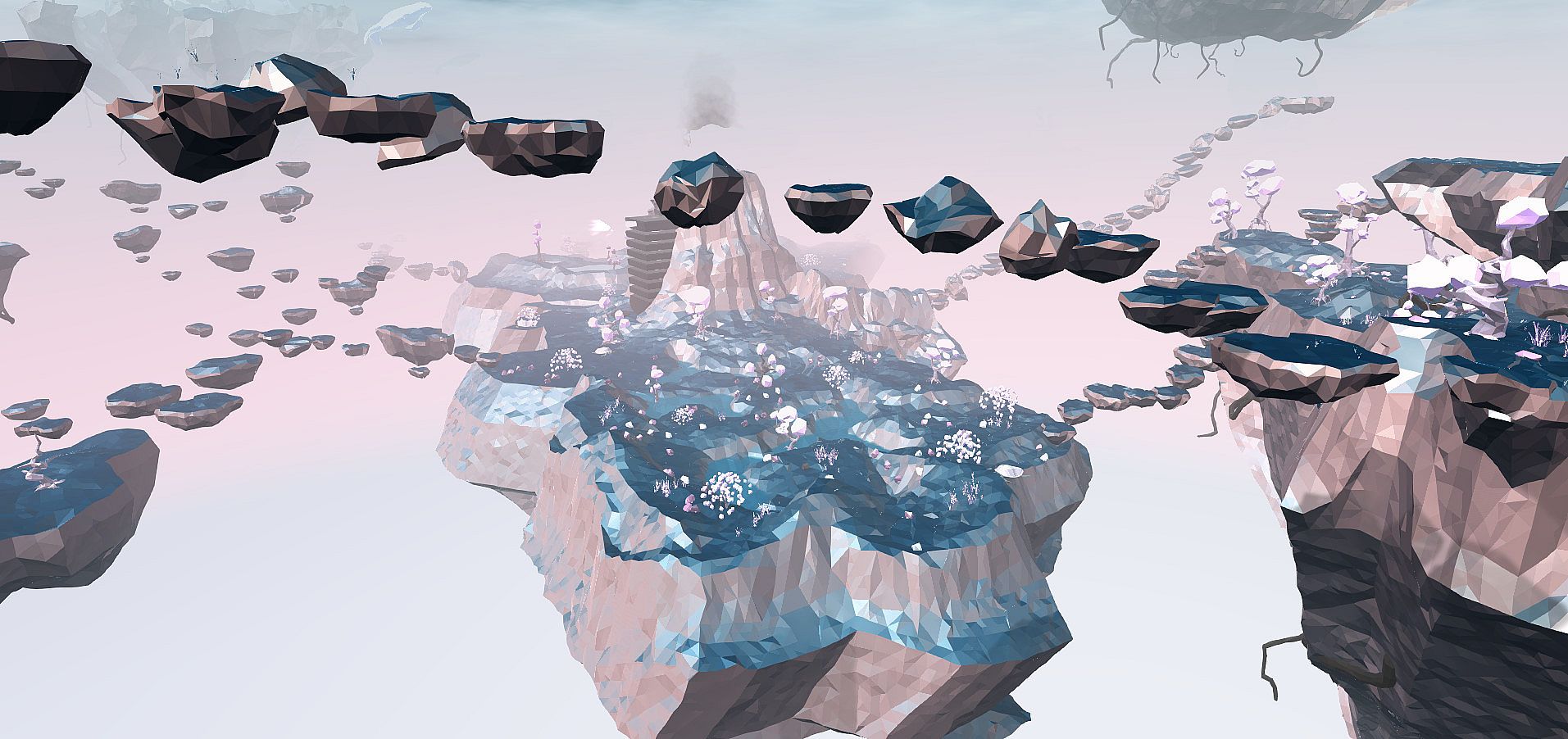
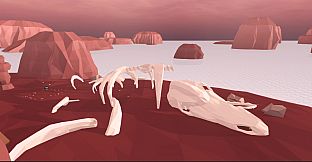
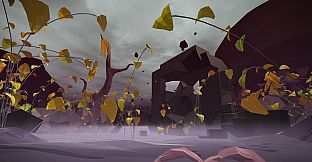
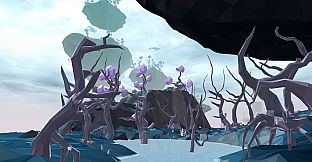
Each of the five islands presents unique hazards and layouts. Early sections involve managing rising or falling water levels, while later ones shift to desert expanses or other transformed terrains. Over forty puzzle arenas increase in complexity, requiring precise jumps across moving or irregularly timed platforms. The environments evolve visibly as tracks are recovered, with flora, water, and structures reacting in time with the evolving soundtrack. This creates a feedback loop where audio and visual elements reinforce one another without requiring combat or time pressure.
Exploration rewards deviation from direct paths. Buildings and side areas hold additional modules, encouraging players to wander and observe how small collections alter the island's state. The entire campaign fits within six to eight hours for a focused playthrough, emphasizing steady forward momentum over repetition or high-stakes challenges.
Game Modes
The game operates exclusively as a single-player experience. There are no separate multiplayer options, competitive modes, or alternate campaigns. The full journey unfolds as one continuous campaign across the five islands, with progression gated by module collection and core gathering. Puzzle arenas function as self-contained challenges within this structure, each contributing to the larger goal of restoring musical harmony. The absence of branching paths or additional modes keeps the focus narrow on the platforming and environmental interaction that define the title.
Sound and Narrative Integration
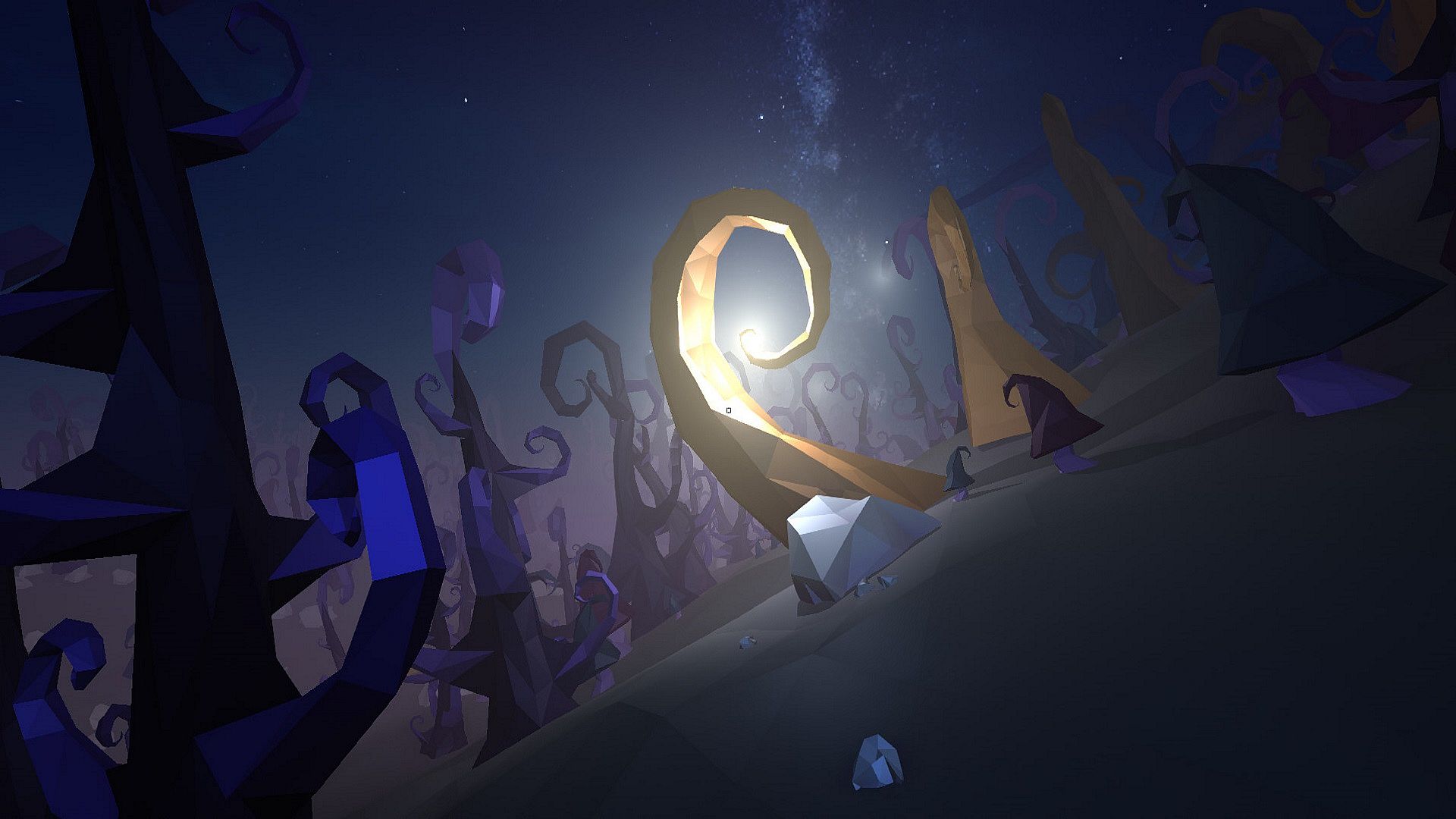
An original soundtrack drives much of the atmosphere. As modules are collected, layers of music unlock and blend, altering both the audio track and the visible world in real time. Each island maintains a distinct musical identity that matches its terrain and challenges. The narrative unfolds through environmental storytelling and sparse poetic elements, revealing details about the player's people and the AI antagonist without heavy dialogue or cutscenes. This approach ties the mechanical act of collection directly to thematic restoration of harmony.
Is It Worth Playing?
The game suits players who enjoy relaxed, atmospheric platformers with a strong emphasis on exploration and audiovisual feedback. Its short length makes it accessible for those seeking a complete experience without a long time commitment. Reception has been mixed, with praise for the soundtrack and the novel music-environment connection, alongside criticism of inconsistent platform timing and minimalist visuals that some find repetitive. Those drawn to indie titles centered on discovery and subtle world-building may find value in its focused design. Availability remains on PC through standard digital storefronts, with no ongoing updates or seasonal content altering the original release.