




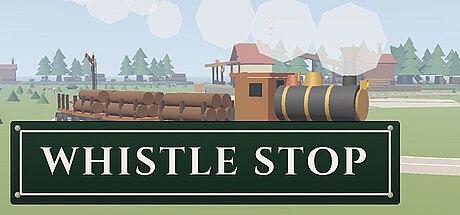


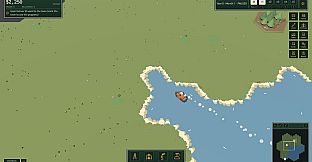
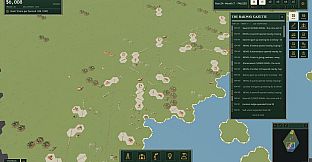
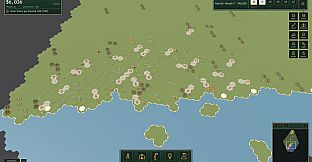
Whistle Stop is a railway logistics simulation game set in an expanding frontier where players build and manage a growing rail network from the ground up. Available on PC in early access, it blends indie simulation elements with casual accessibility while delivering deep systems for resource management and infrastructure planning. The core experience centers on turning a sparse wilderness into a functioning economy through deliberate track placement and train operations.
Gameplay
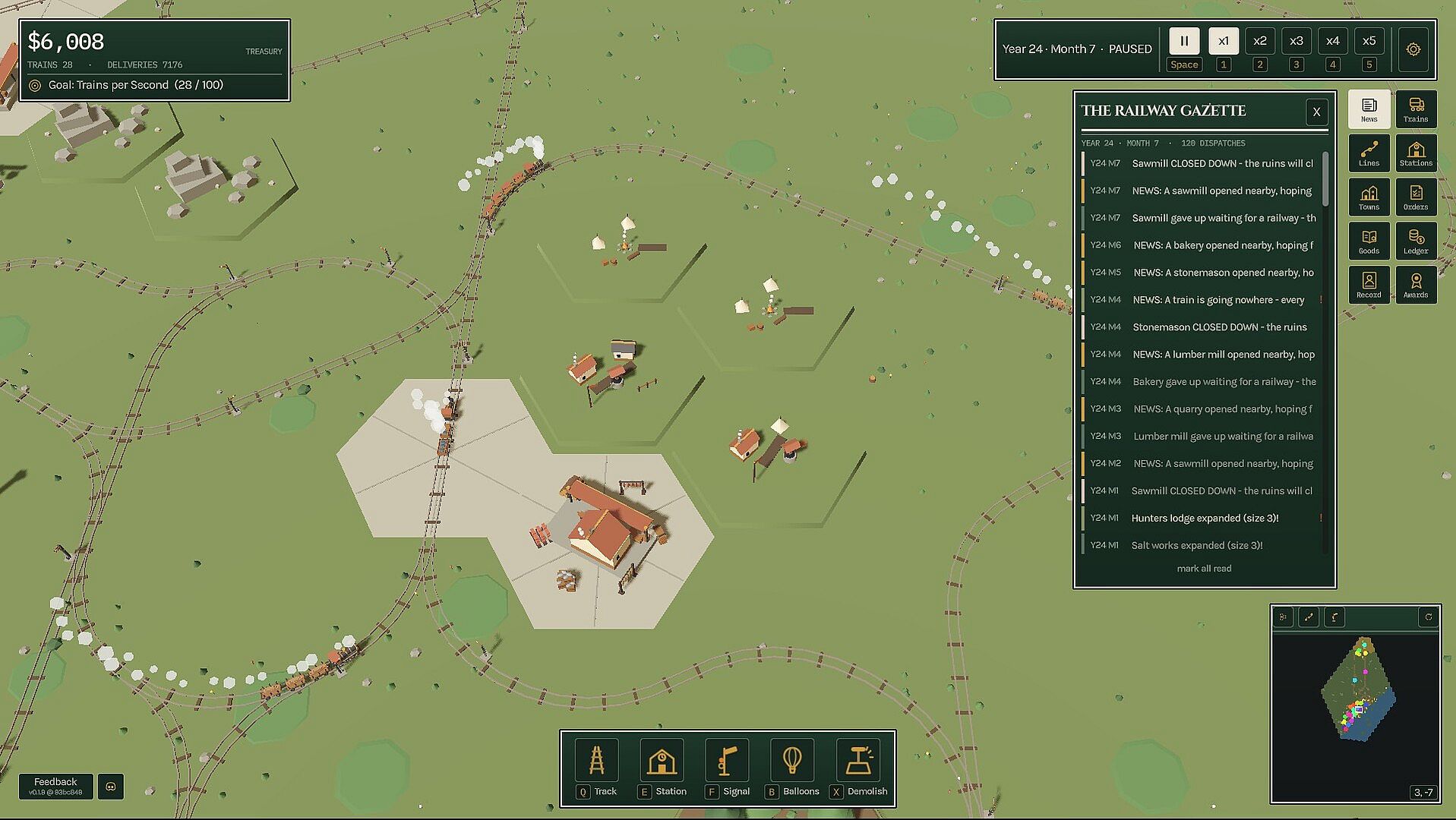
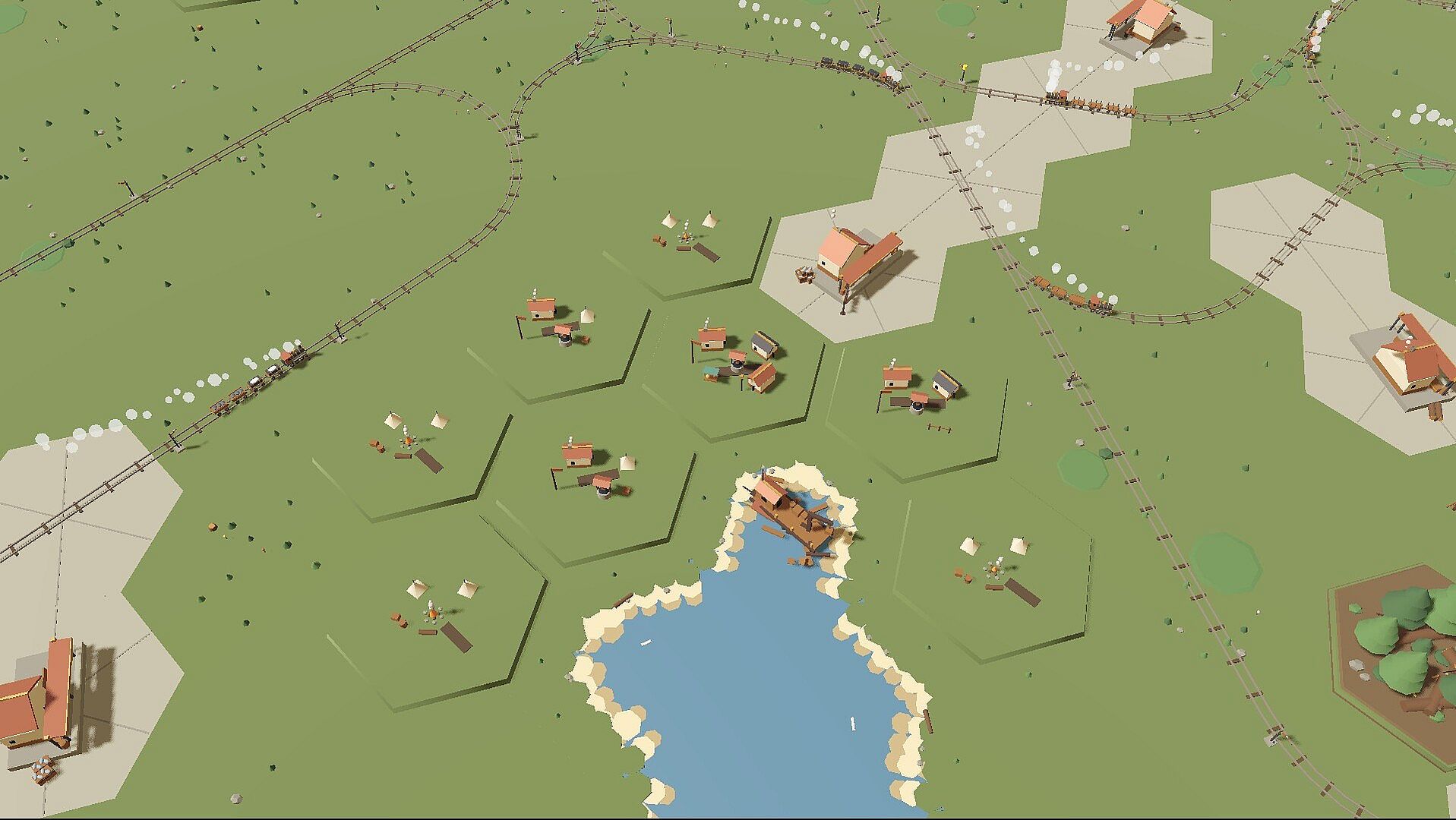
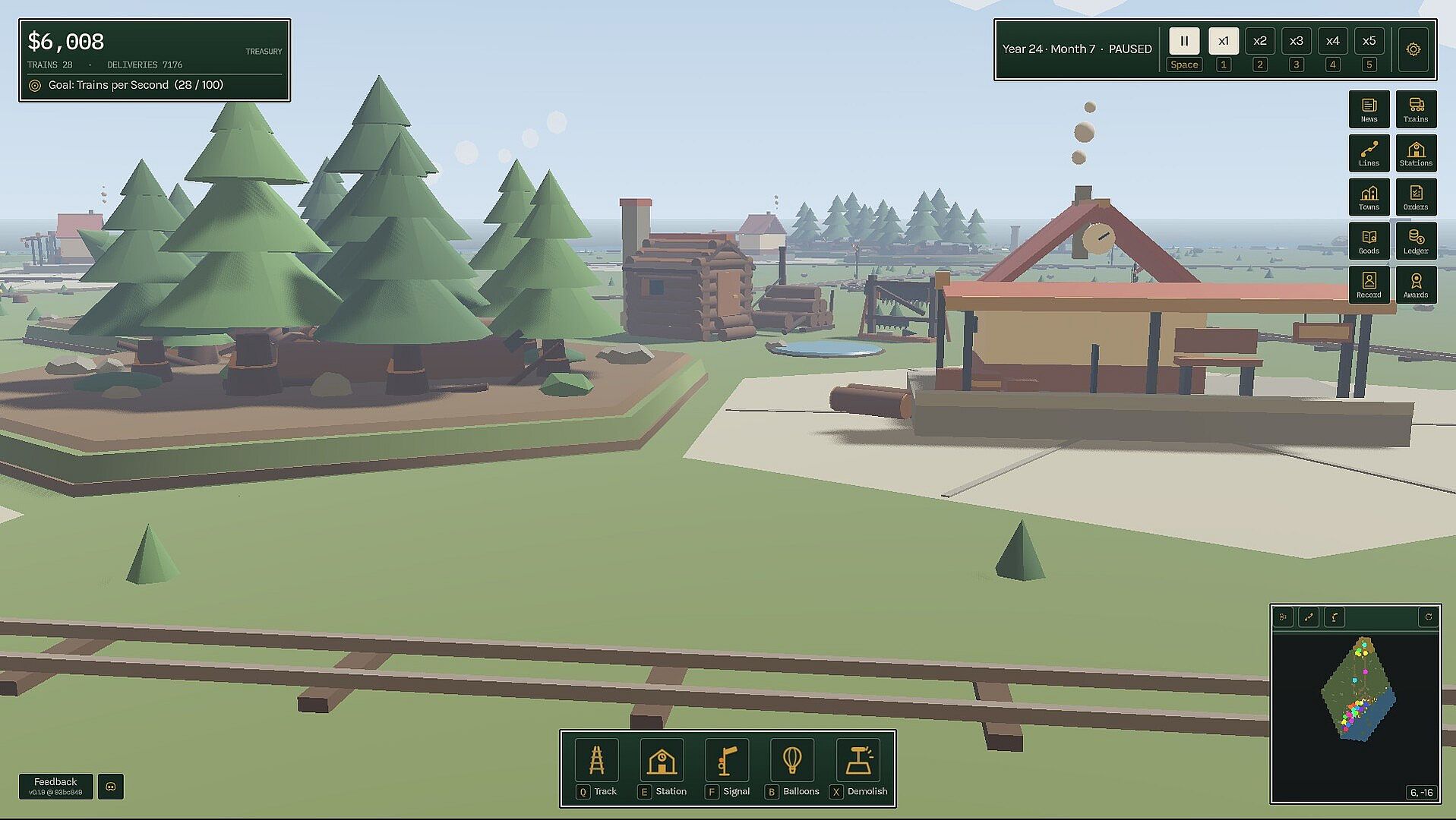
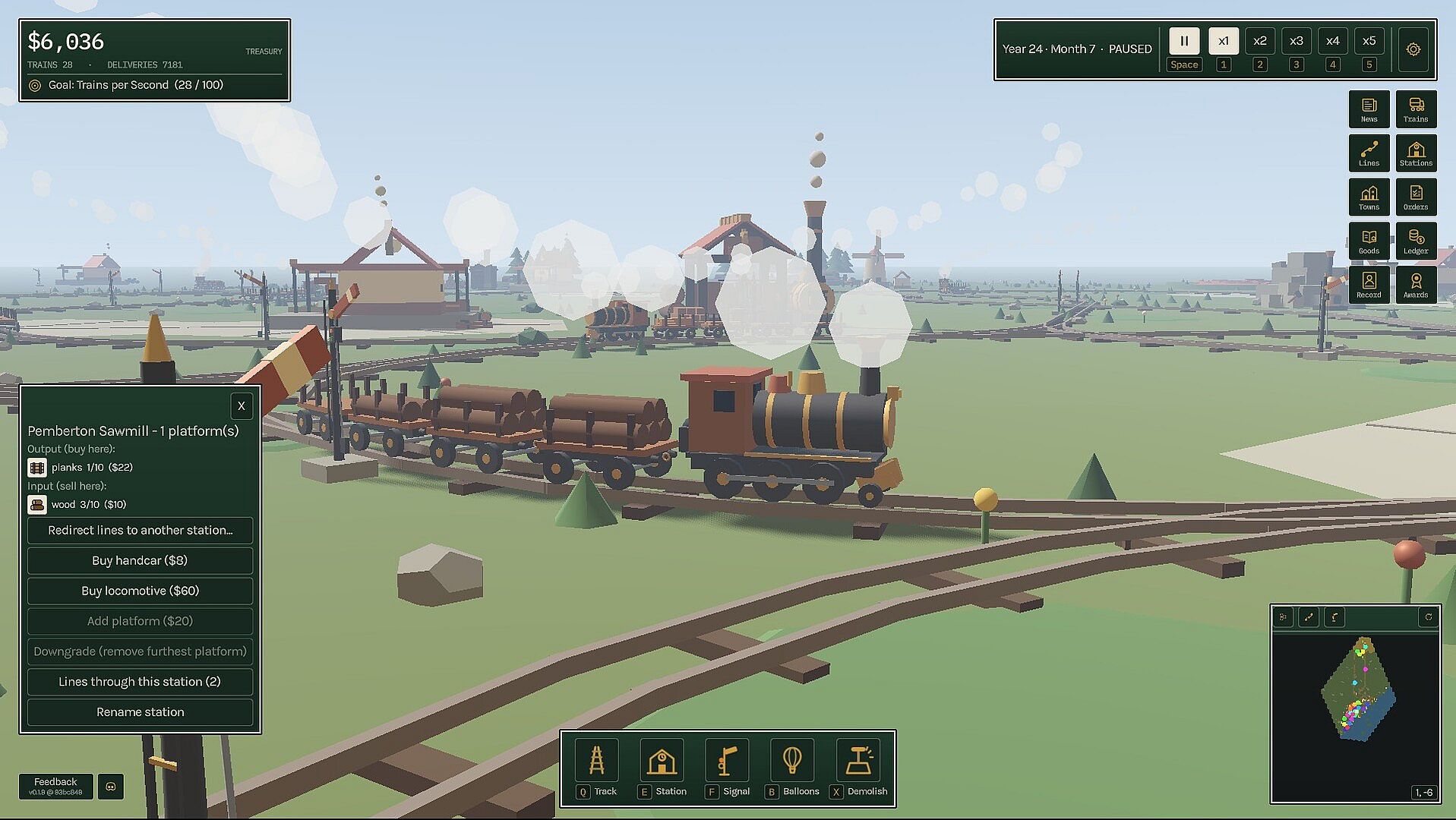
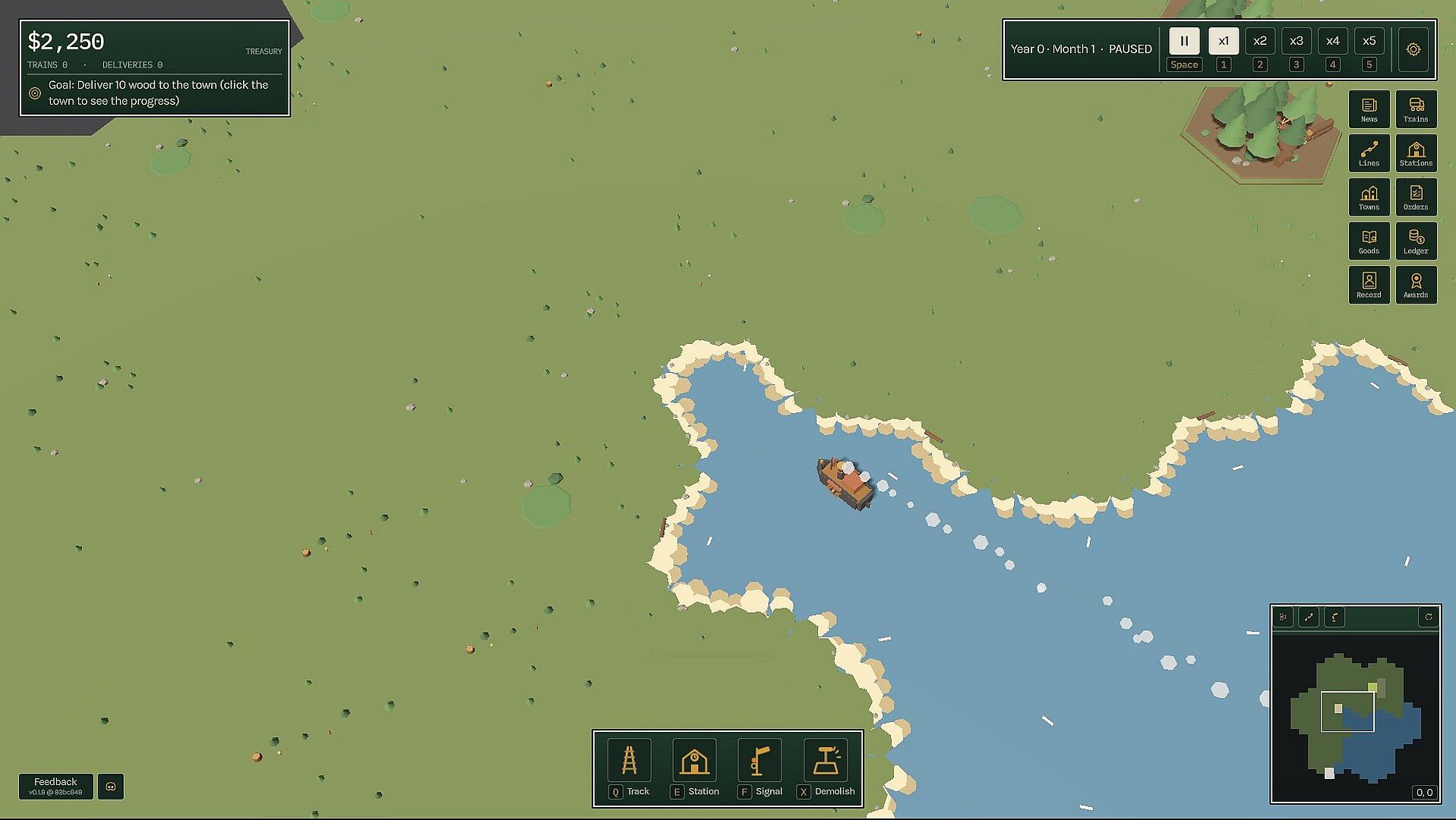
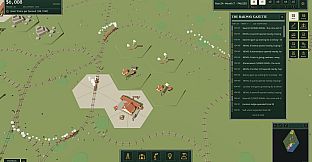
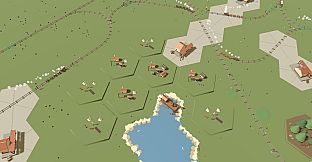
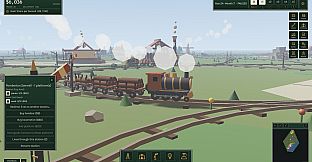
Players begin with a loan, a basic woodcutters hut, and a small camp of settlers needing firewood. From there, construction proceeds one hexagon at a time. Track is laid edge to edge to connect distant points, stations are positioned to generate revenue, and block and chain signals organize traffic flow across the network. Goods move continuously along the rails, and successful deliveries cause camps to develop into hamlets, villages, and eventually towns that demand increasingly complex resources.
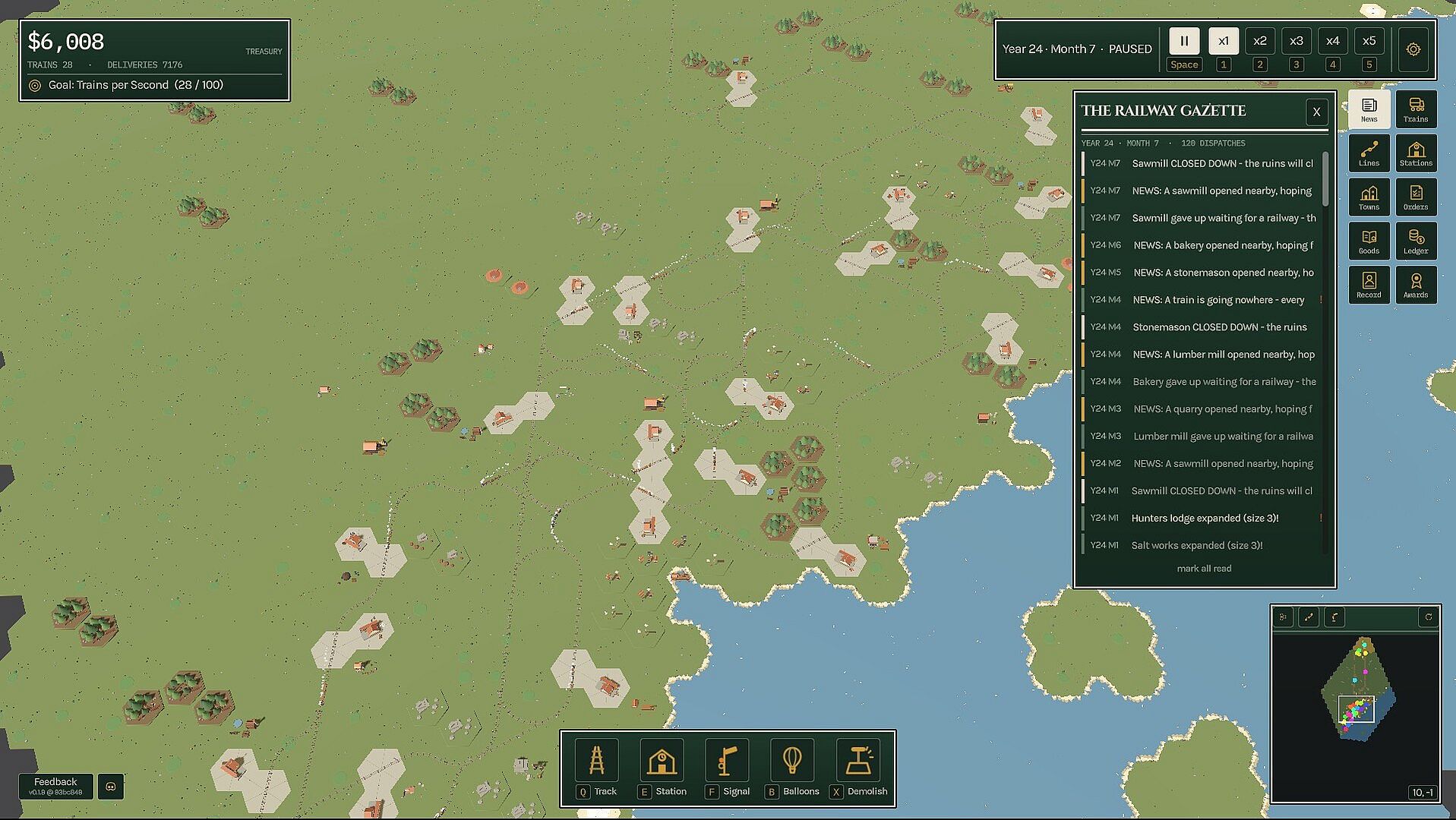
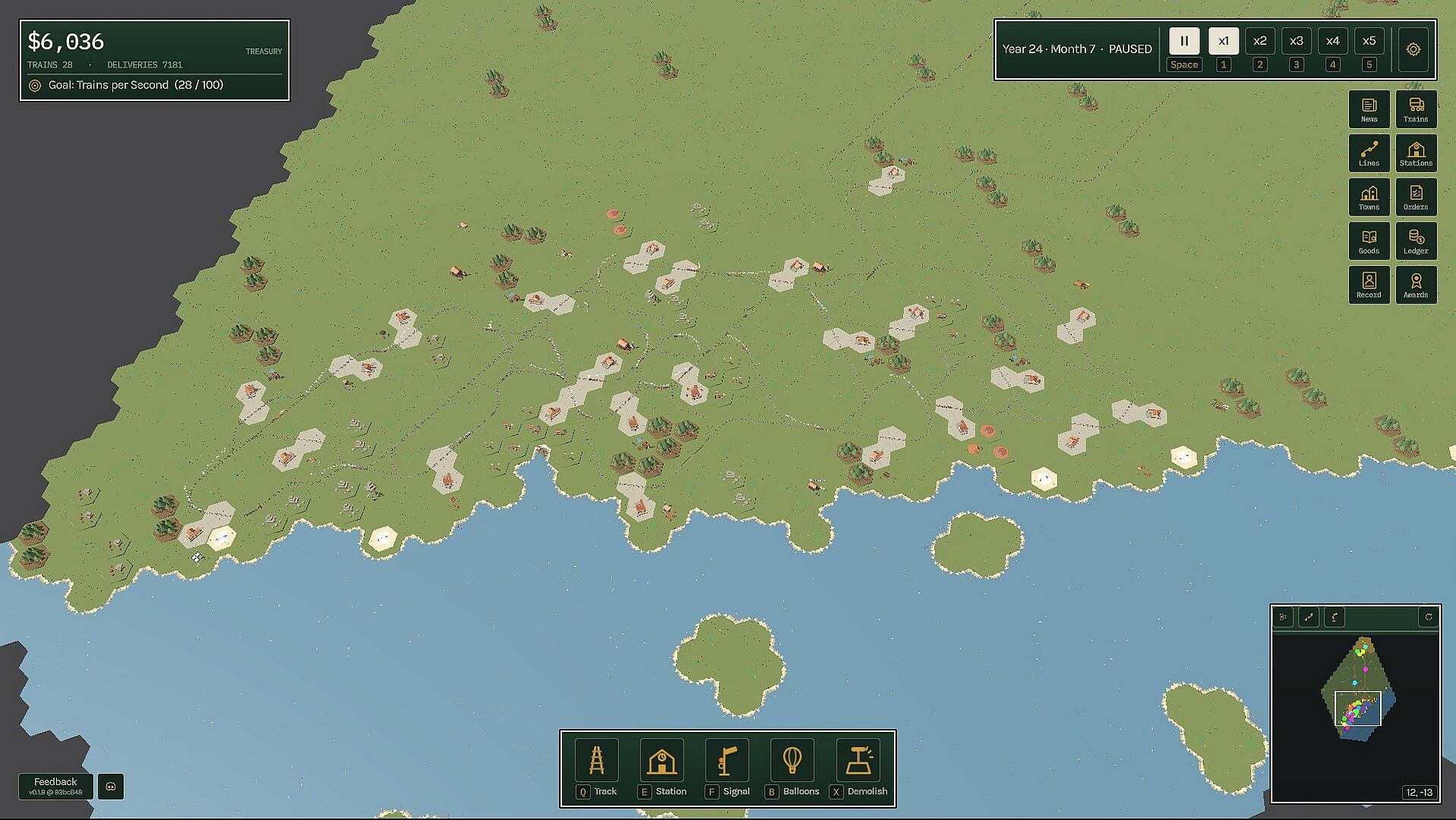
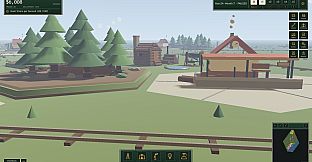
The economy operates independently once facilities open. Entrepreneurs establish sawmills and brick kilns near existing rails, and serving these sites allows them to expand while neglect leads to bankruptcy and visible wrecks. Surveyors highlight resource deposits worth pursuing, and the map itself grows outward as earnings increase, always presenting new valleys for branch lines. Supply chains form naturally as raw materials transform into finished goods such as planks from wood or bricks from clay, with each facility tracking its own production and costs.
Signaling adds precision to operations. One-way blocks prevent conflicts, chain signals manage junctions efficiently, and dual-track sections appear where traffic volume justifies the investment. The ledger records every transaction by category including income from specific goods, construction expenses, rolling stock purchases, upkeep, and interest payments, all organized by year to satisfy the financing bank. A guided tutorial highlights exact hex placements and explains why certain builds are rejected, while full controller support and a photo mode allow for relaxed play and scenic captures of trains in motion.
Game Modes
The primary experience supports solo play focused on building and optimizing a single railway company. Co-op allows a friend from the Steam friends list to join the same session directly. Participants share one company treasury, one railway network, and one credit rating, with each player able to see the other's cursor, ongoing construction, and notifications for notable discoveries. The shared finances mean successes and shortfalls affect the entire group equally.
Building and Modding Systems
Every element in the game functions as editable data. Goods, facilities, resources, locomotives, town progression ladders, tiles, and even the initial map layout ship with the base game and can be altered through included tools. The map editor and modding support are available immediately, enabling complete overhauls stored in simple folders without requiring game modifications or forks. This structure supports extensive customization for players interested in tailoring the simulation to specific preferences or creating entirely new scenarios.
Is It Worth Playing?
Whistle Stop suits players who enjoy methodical simulation and logistics challenges rather than fast-paced action. The endless map and persistent economy create long-term engagement, while the co-op option provides a collaborative layer for shared decision-making on track layouts and resource allocation. Bankruptcy serves as a recoverable setback with records preserved for future reference, and the modding tools extend replayability far beyond the initial content. Those drawn to building functional rail systems, managing supply chains, and watching settlements grow will find substantial depth in the verified mechanics of signaling, ledger tracking, and procedural expansion. The early access state means the foundation is playable with clear systems for further refinement through updates.











