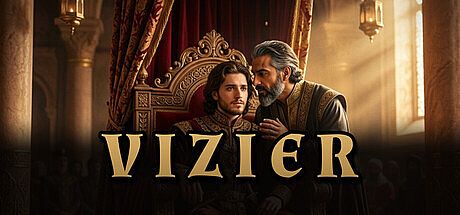


Vizier is a single-player turn-based strategy, indie, RPG, simulation, and adventure game centered on court intrigue. Players step into the role of advisor to a young king who holds the throne of Tasvirate, where every decision shapes the realm through careful counsel rather than direct command.
Gameplay
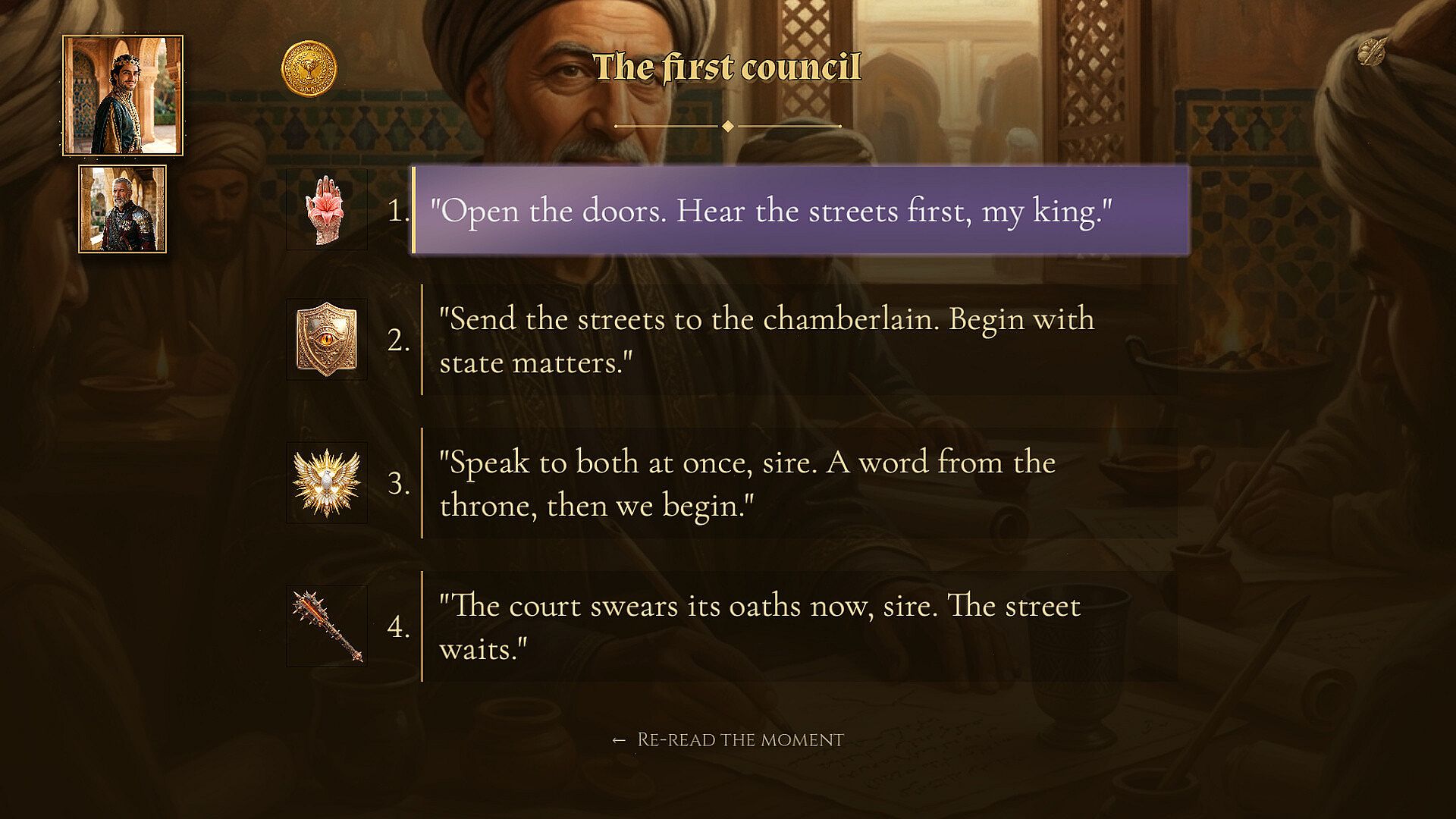
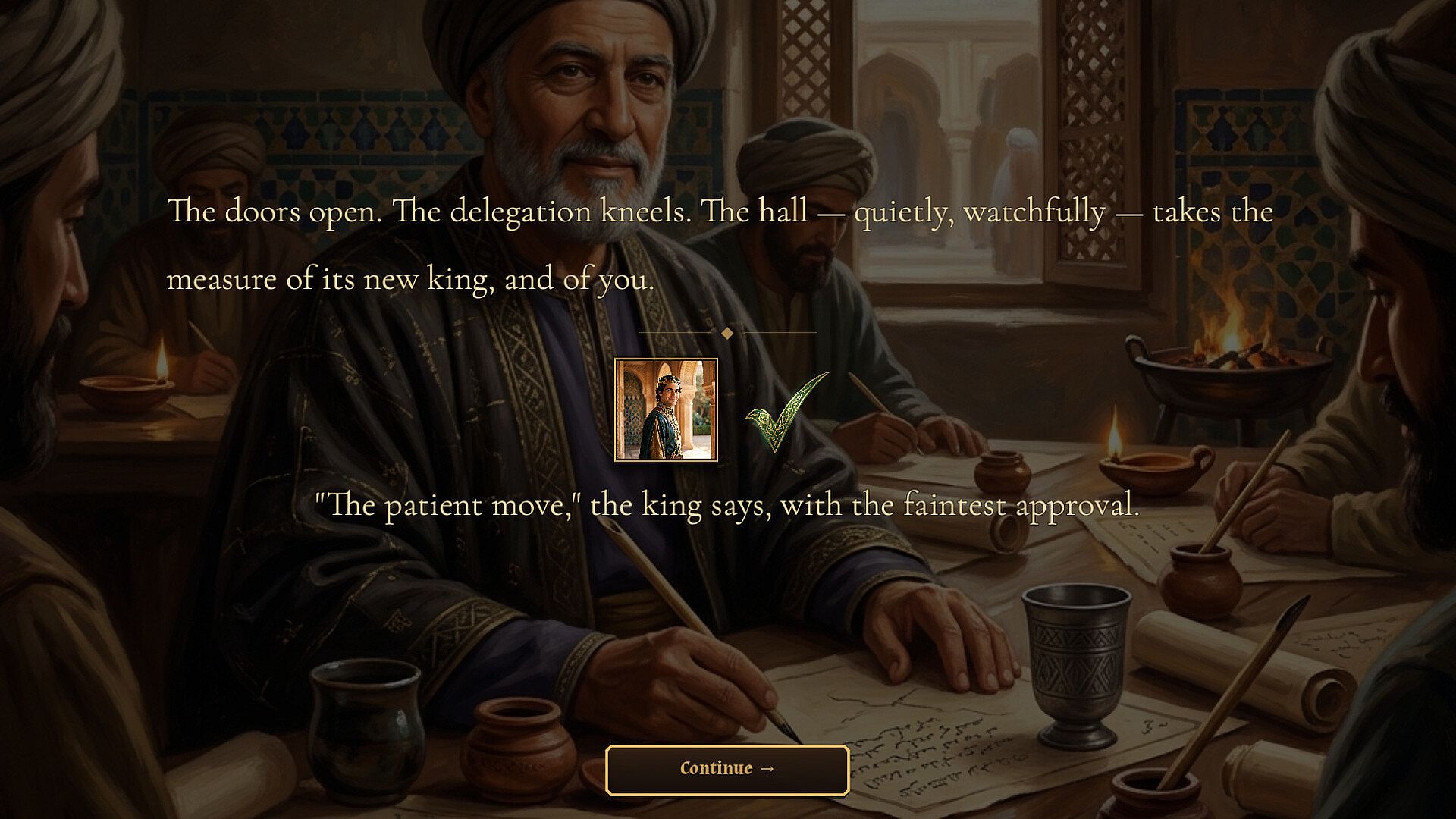
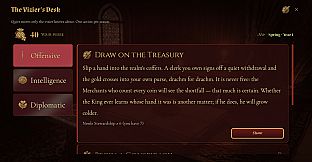
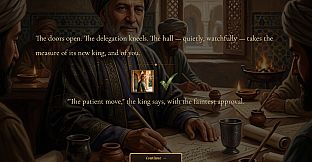
The core loop revolves around turn-based choices presented each round. A desperate petitioner arrives, a noble schemes in the shadows, or a province rises in revolt, and the player selects the advice to offer. The king responds based on his own temper, fears, and level of trust, which can turn counsel into law or reject it outright. Success depends on steering the ruler without overstepping, as his independent mind can lead to unexpected outcomes.
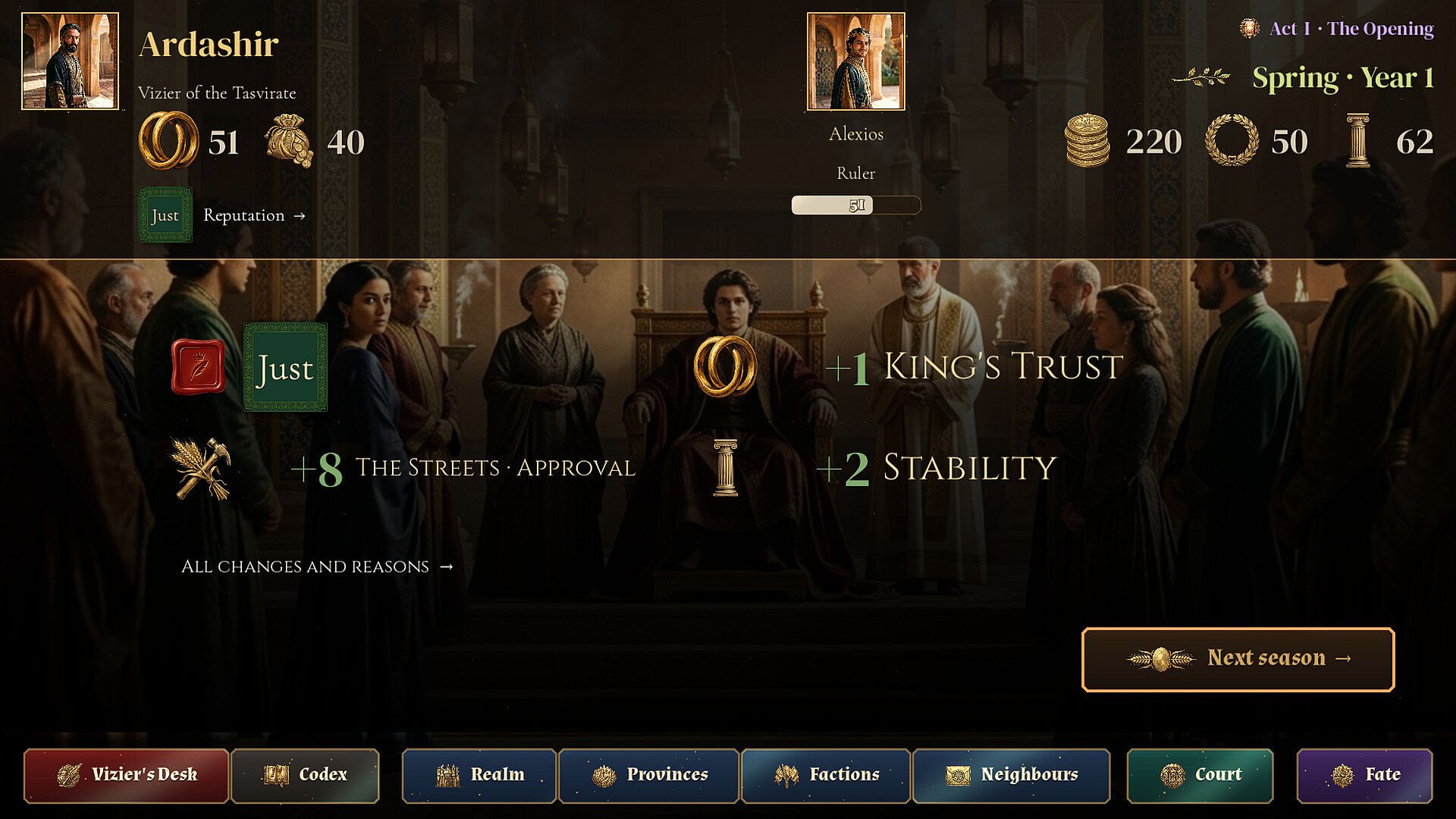
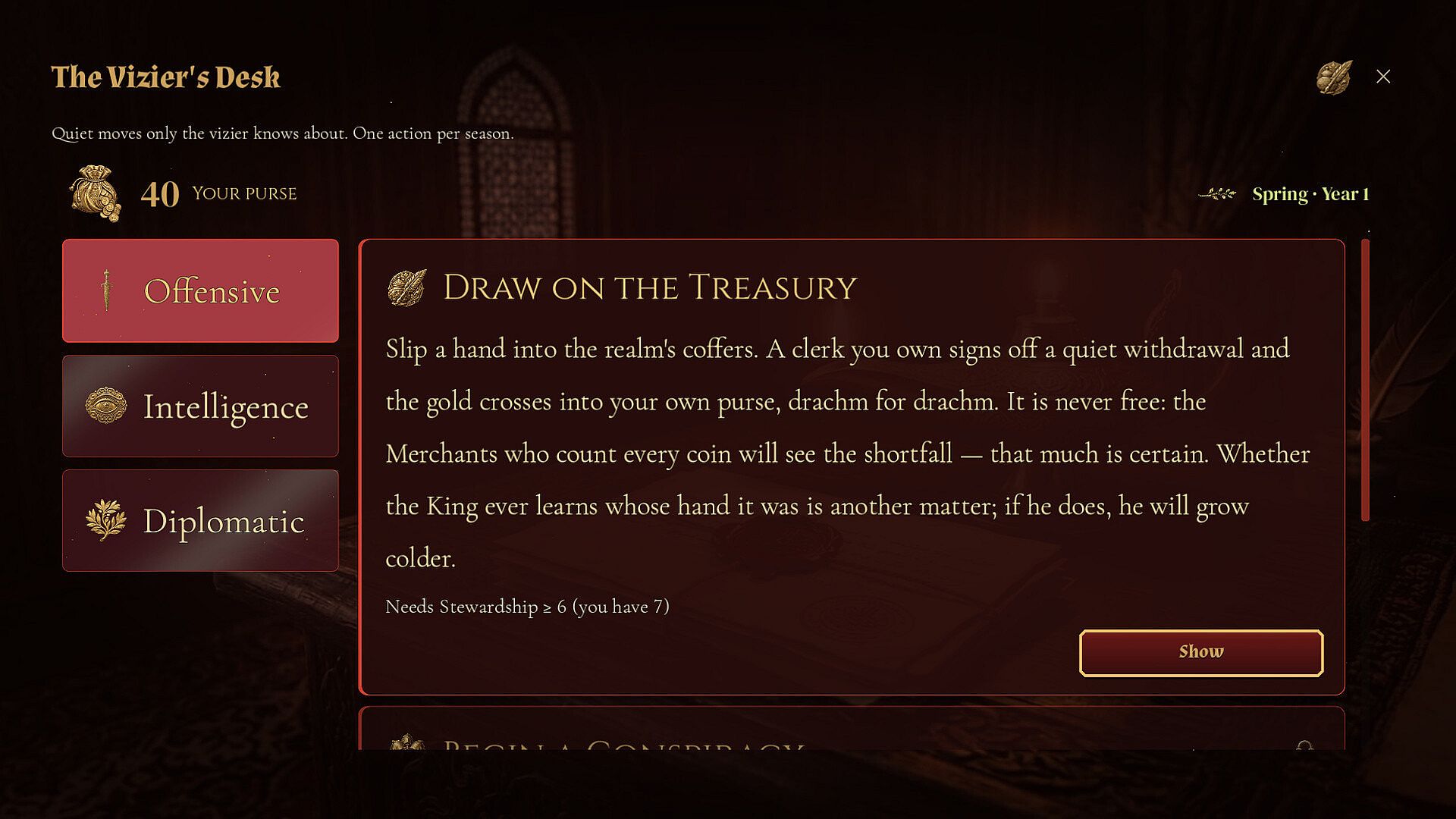
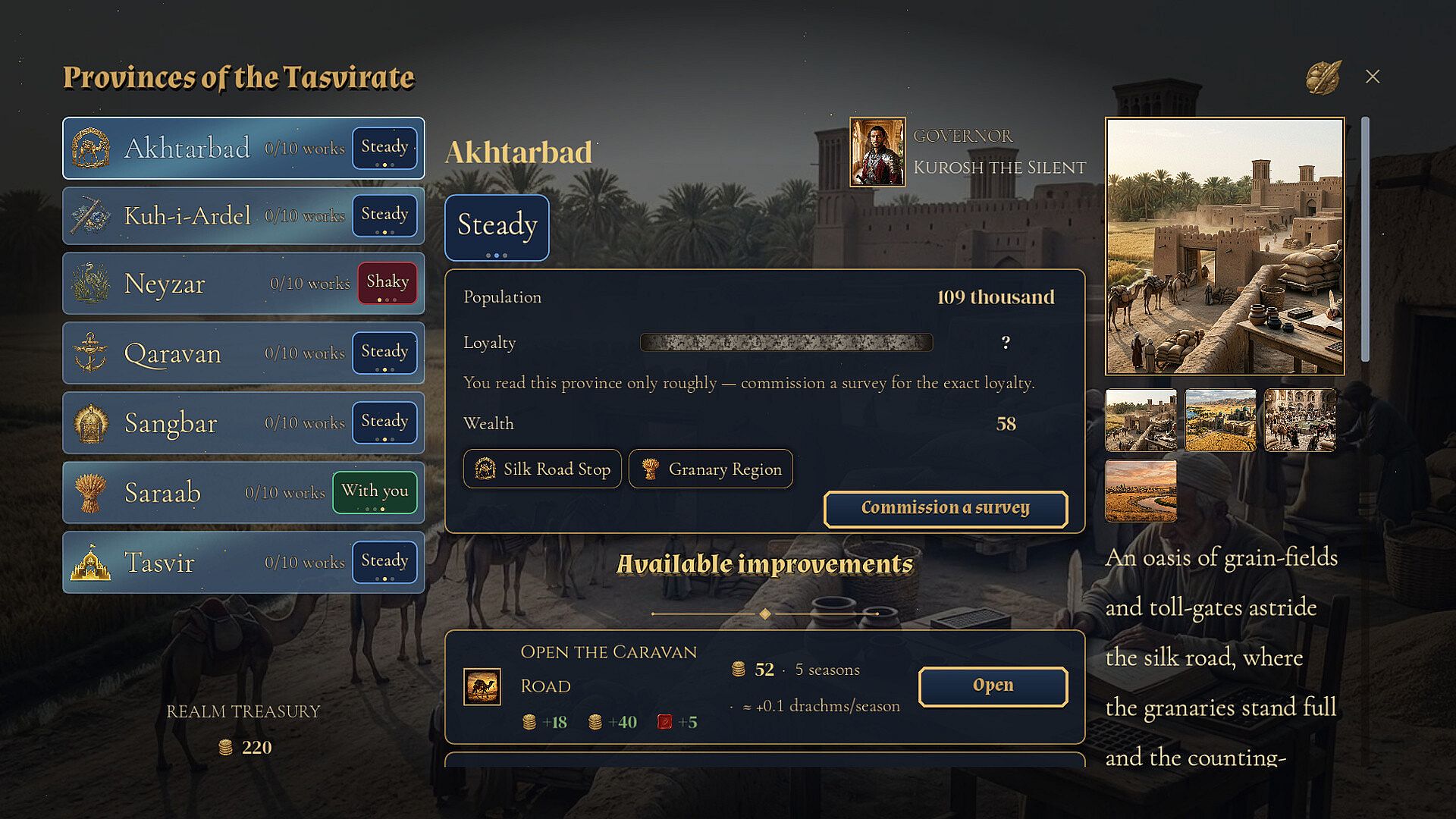
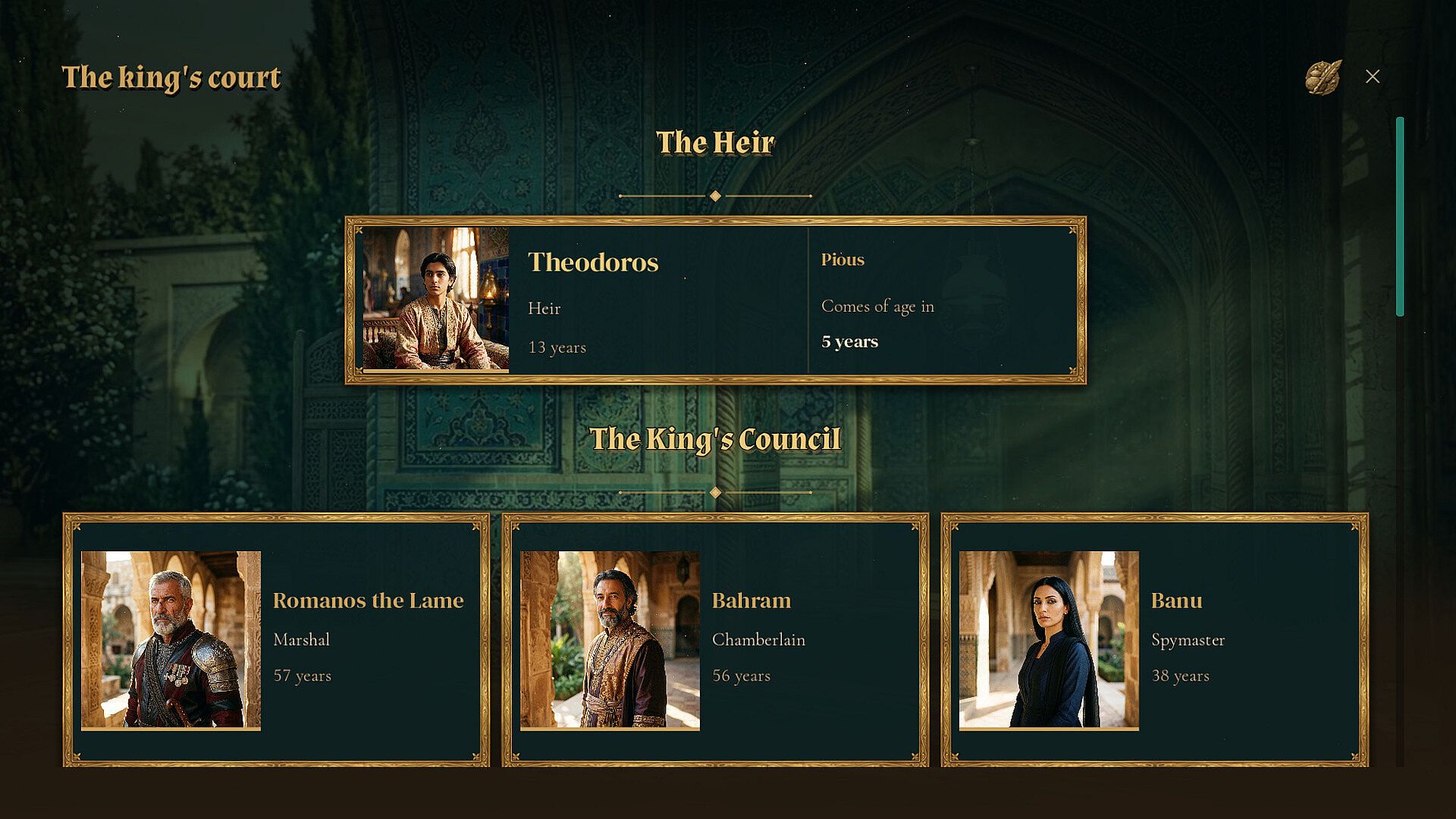
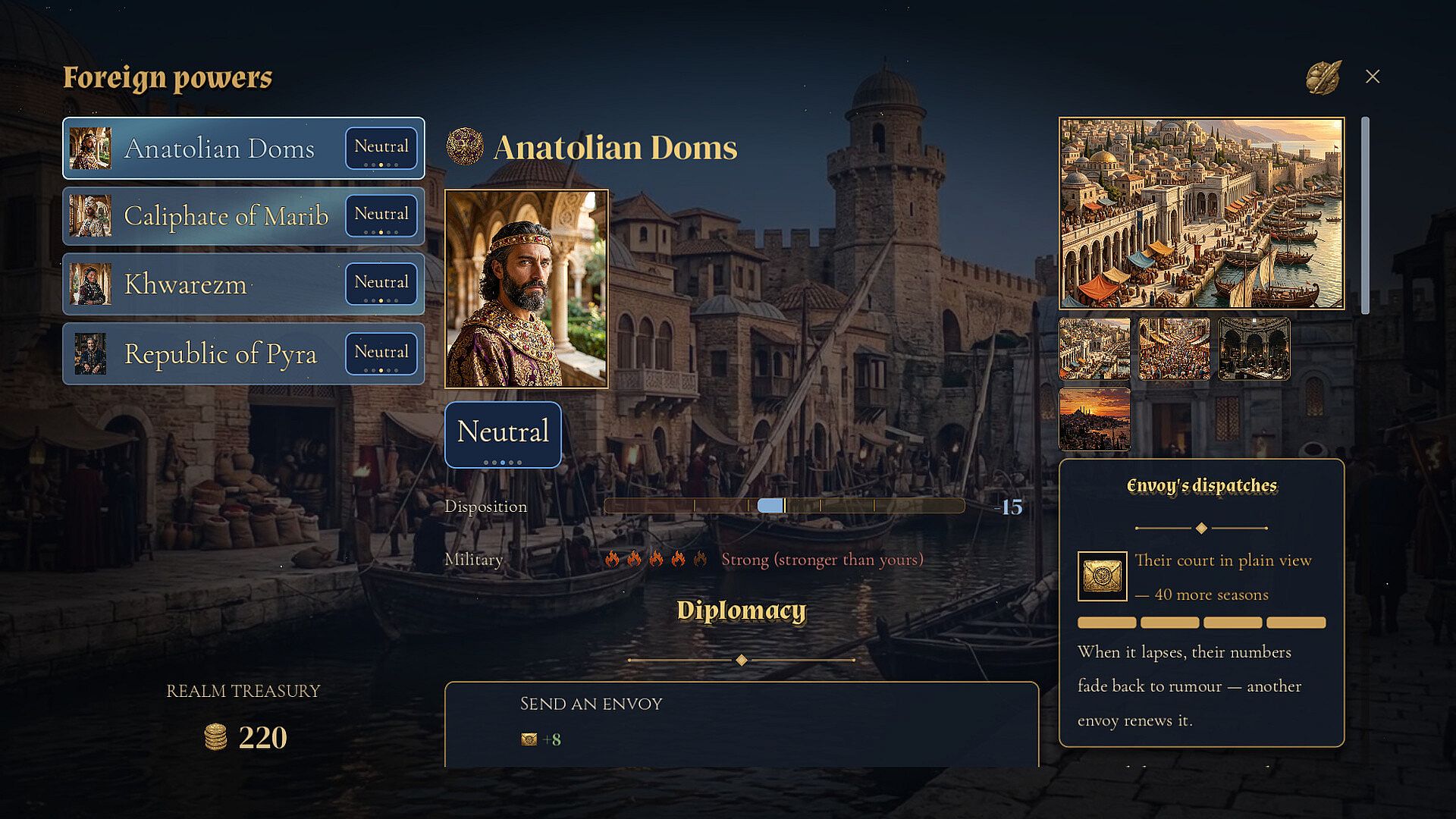
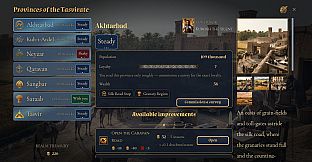
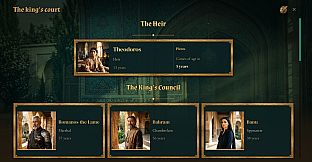
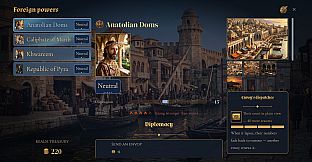
Factions within the court track every action and adjust their loyalty accordingly. Favoring one group may alienate another, while betrayals linger in memory across multiple turns. The player must also manage the broader realm, balancing the treasury, overseeing provinces, and maintaining peace among rival houses. Reputation builds over time, marking the Vizier as a schemer, reformer, butcher, or saint depending on the path taken.
Relationships add depth to the experience. Rivals plot against the advisor, lovers and protégés form alliances or rivalries, and a spouse brings personal stakes that intertwine with political ones. Information remains incomplete by design, forcing decisions based on partial knowledge of brewing conspiracies.
Game Modes
The game operates as a single-player experience with no multiplayer components. Each playthrough follows the progression of one reign, where choices determine the fate of the court and the advisor's own story. Different starting conditions and decisions lead to varied paths, but the structure remains focused on sequential turns of counsel and consequence.
Replay value comes from the branching nature of events rather than separate modes. A single session can span wars, assassinations, and succession crises that unfold over many turns, ending in outcomes that range from personal triumph to catastrophe. The next playthrough begins with the legacy left behind, including accumulated fortune, lessons learned, and unresolved schemes.
Story and Endings
Every reign concludes in one of several ways. The Vizier might face dismissal in disgrace, fall to a coup, meet a sudden end by assassination, or reach old age in relative peace. These conclusions emphasize that tragedy forms part of the narrative rather than a mark of failure. What remains passes to the next advisor, creating a sense of continuity across separate stories.
The setting draws from the politics of Tasvirate, where power rests with the king but influence flows through quiet words and calculated risks. Conspiracies develop gradually, requiring the player to decide whether to suppress threats or exploit them for advancement. The court reveals only fragments of its true state, mirroring the uncertainty of real political maneuvering.
Key Features
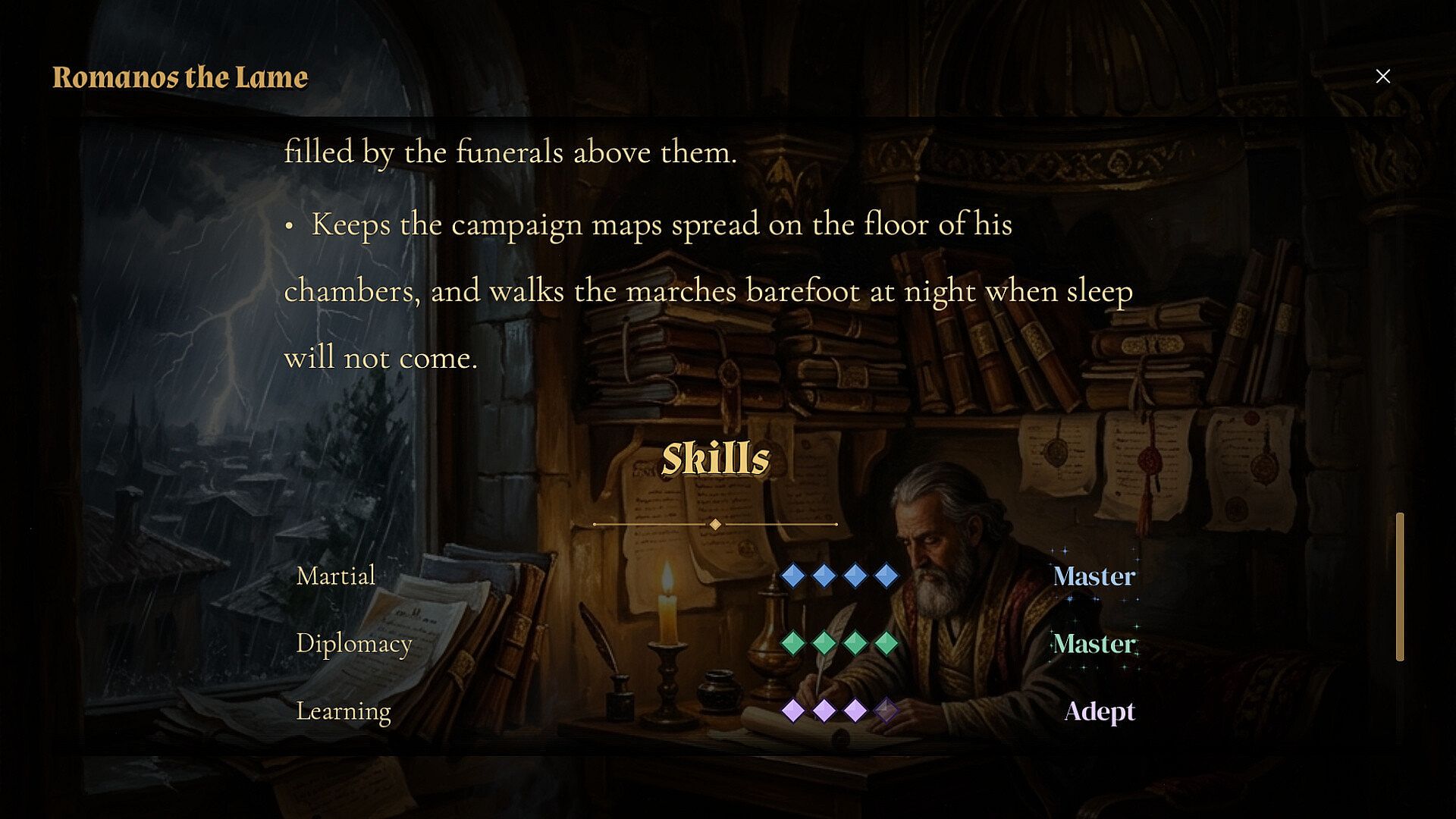
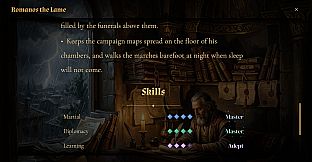
Players create their own Vizier at the start and choose an approach to service that can evolve into personal ambition. The living court reacts dynamically to every favor, slight, or alliance formed. Branching story arcs support multiple ways for both the reign and the advisor's life to conclude.
Additional elements include support for seven languages, a collection of forty achievements, painterly portraits of characters, cinematic opening sequences, and an original musical score. The experience stays entirely textual in its mature themes, describing political violence and intrigue through prose without visual depictions of gore or explicit content.
Is It Worth Playing?
Vizier suits players who enjoy narrative-driven strategy and simulation games focused on political relationships and long-term consequences. Its single-player format emphasizes thoughtful decision-making over fast action, with outcomes that depend on managing trust, reputation, and incomplete information. The upcoming release in November 2026 offers a complete, self-contained story experience without ongoing seasonal content or additional modes.
Those drawn to games about legacy, court dynamics, and branching personal histories will find the structure rewarding. Completionists can pursue the full set of achievements across multiple reigns, while the language support broadens accessibility. The emphasis on varied endings and inherited consequences encourages repeated playthroughs to explore different approaches to advising the king.