


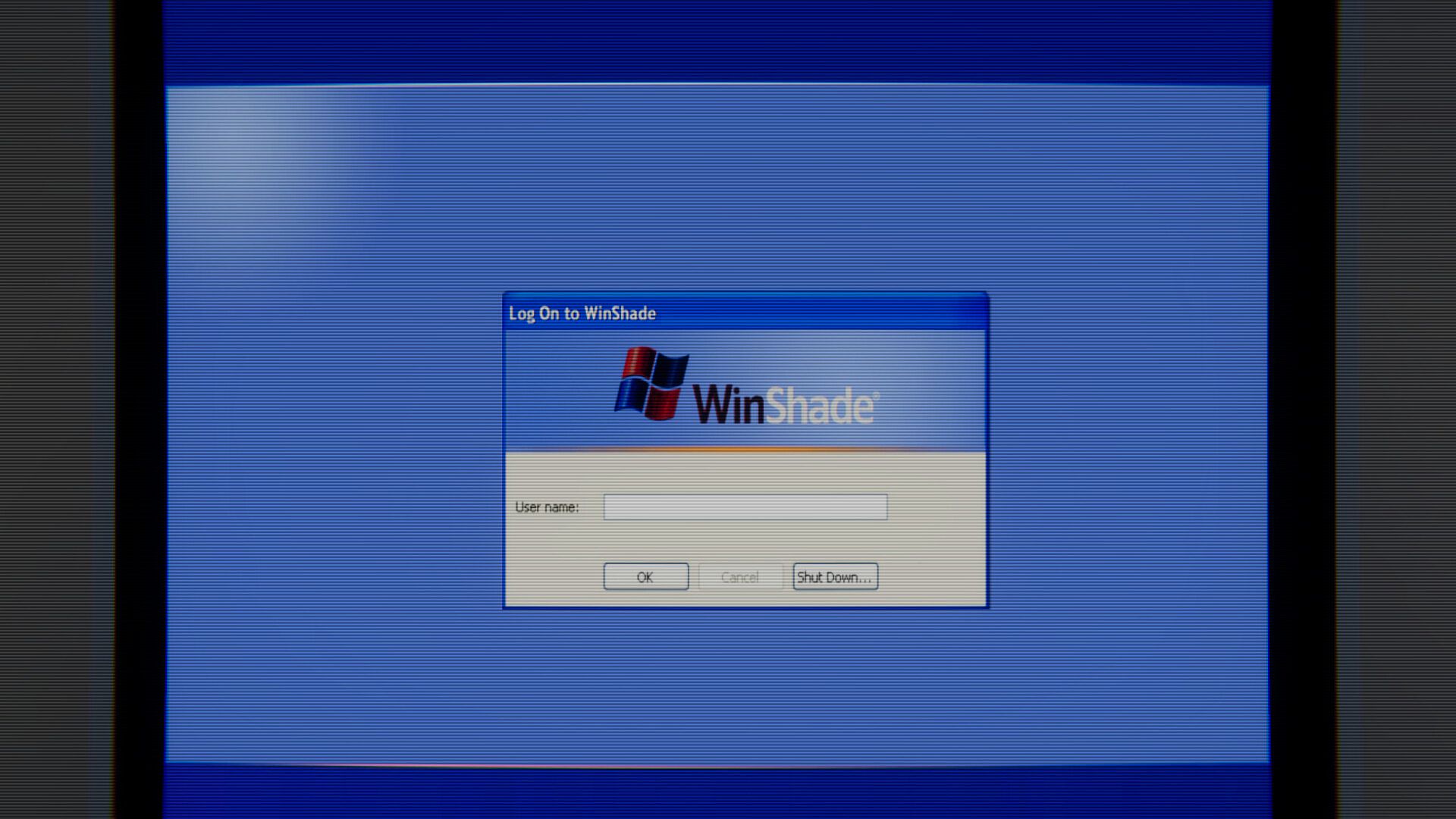
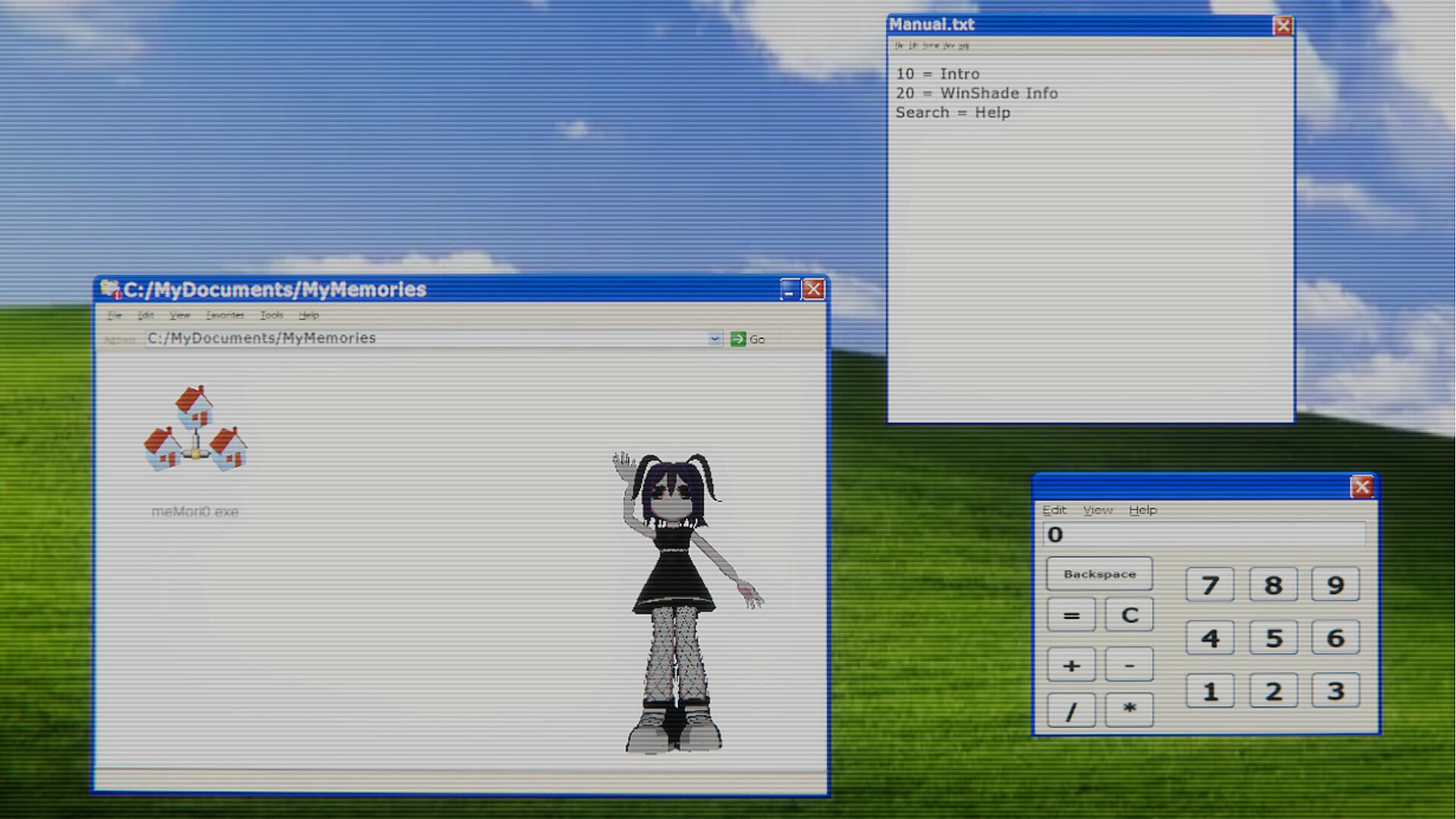
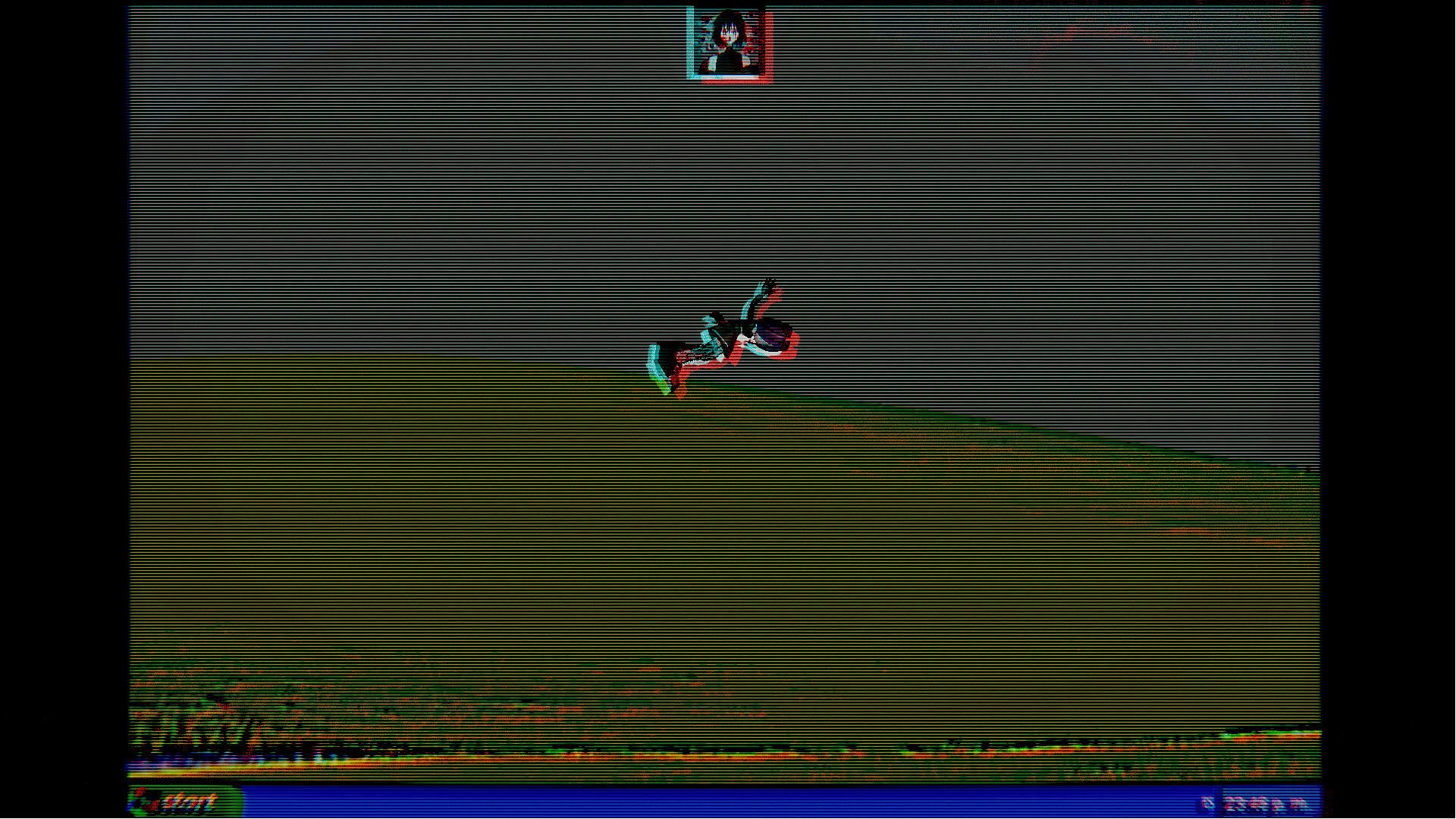
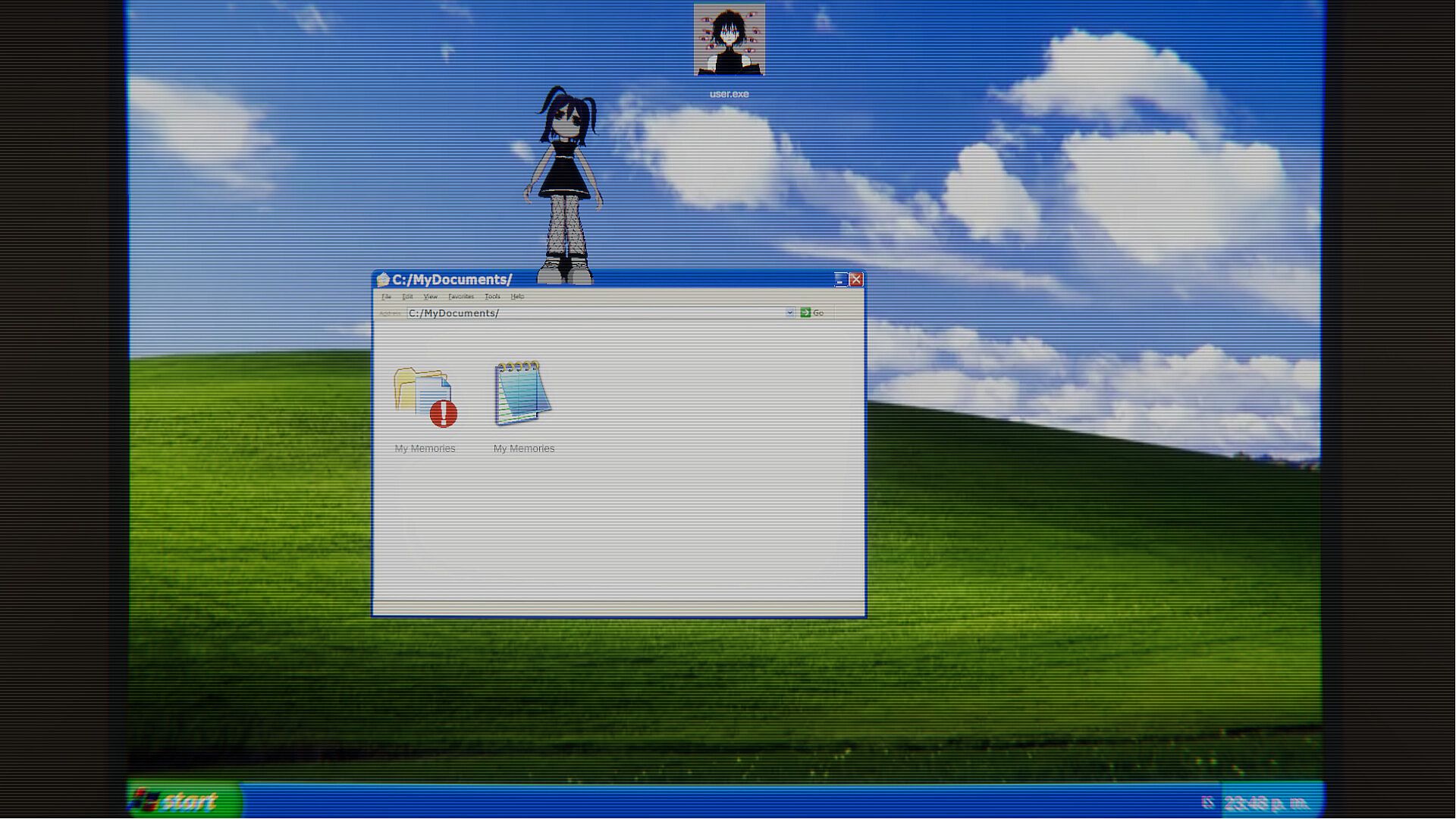
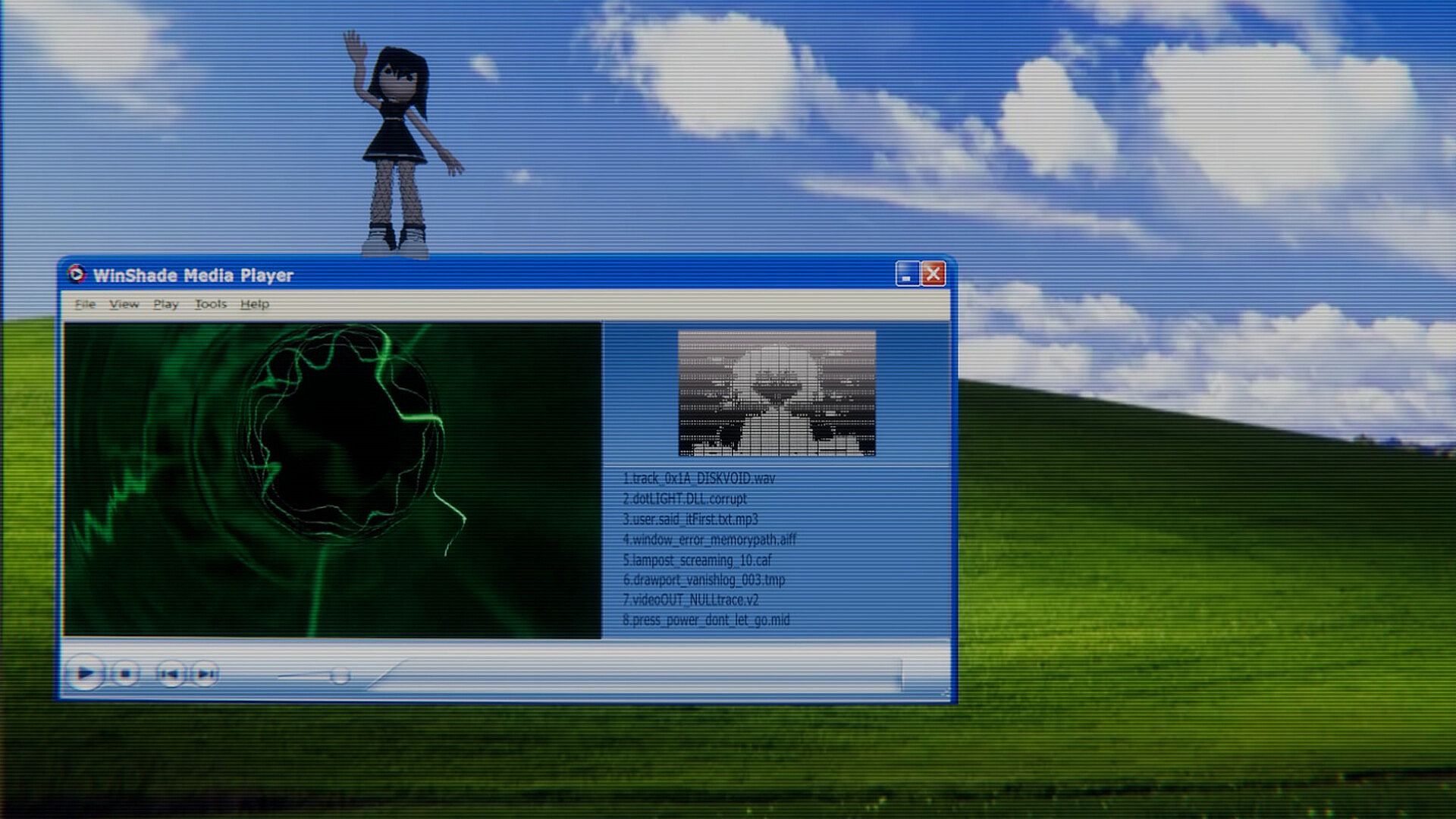
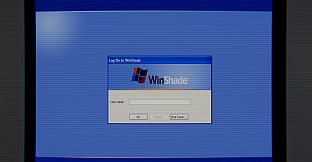
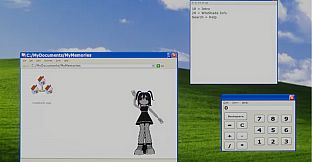
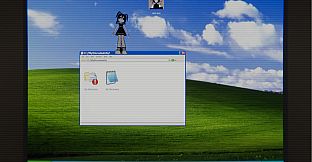
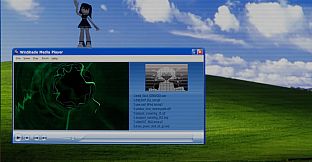
User.exe es un juego indie de terror psicológico y aventura para PC que se desarrolla por completo dentro de un sistema operativo simulado. El jugador explora un escritorio olvidado llamado WinShade, donde interactúa con archivos, programas y elementos ocultos para avanzar en una historia centrada en la recuperación de recuerdos y la inestabilidad del sistema. La experiencia combina la exploración de un escritorio vivo con mecánicas de manipulación de archivos que rompen los límites habituales de los videojuegos, generando puzles que exigen pensar como un usuario real.
Gameplay
El núcleo del juego consiste en navegar por carpetas, abrir aplicaciones e inspeccionar documentos repartidos por el escritorio virtual. A medida que se avanza, la interfaz cambia de forma dinámica, desbloqueando nuevos directorios, programas y distorsiones visuales que reflejan el desarrollo de la historia. La edición de archivos y el movimiento de programas son las principales herramientas para resolver puzles, permitiendo reorganizar ventanas o modificar contenido y afectar así el estado general del sistema. Estos elementos que rompen la cuarta pared van más allá de las aplicaciones individuales y requieren soluciones creativas que imitan el uso real de un ordenador. La narrativa ambiental se transmite a través de recuerdos dispersos y registros del sistema, mientras que algunos minijuegos integrados en aplicaciones concretas aportan variedad al diseño de puzles. La entidad administradora responde a las acciones del jugador con interferencias cada vez mayores, como amenazas emergentes y fallos estructurales que aumentan la tensión durante las sesiones de exploración más profundas.
Game Modes
User.exe presenta su contenido en un formato para un solo jugador centrado en el descubrimiento personal y en las ramas narrativas que dependen de las decisiones. No existen modos competitivos ni cooperativos, ya que la experiencia se centra exclusivamente en la interacción solitaria con el sistema operativo simulado. El avance de la historia varía según la profundidad con la que se investiguen los archivos y recuerdos opcionales, lo que genera diferencias en los detalles revelados sin modificar el formato de un solo jugador. Esta estructura resulta ideal para quienes buscan una experiencia psicológica sin interrupciones, sin elementos multijugador ni variantes de dificultad.
Story and Atmosphere
La historia sigue a User, una asistente virtual que busca ayuda para completar una misión relacionada con la entidad conocida como Admin. A través de secuencias de memoria interactivas, el jugador descubre fragmentos de su pasado mientras investiga la desaparición de su madre y los orígenes del sistema WinShade. Las decisiones influyen en la cantidad de información accesible, lo que anima a realizar varias partidas para reconstruir la historia completa de leyendas urbanas y amenazas digitales vinculadas a personas desaparecidas. El ambiente se basa en una tensión psicológica generada por fallos de interfaz, efectos visuales GDI y distorsiones que afectan a todo el sistema, haciendo que el escritorio parezca cada vez más inestable. Las advertencias de contenido incluyen terror psicológico, imágenes perturbadoras y luces intermitentes, en consonancia con la intención del juego de inquietar mediante elementos informáticos familiares pero corrompidos.
Features and Exploration
Entre sus elementos principales destacan los cambios dinámicos del escritorio que revelan nuevas aplicaciones y secretos a medida que avanza la historia. El contenido oculto y las rutas opcionales premian la inspección exhaustiva de archivos y la manipulación de programas. El diseño apuesta por una narrativa ambiental en la que cada carpeta y documento contribuye al misterio general sin recurrir a cinemáticas tradicionales. Las distorsiones del sistema y el comportamiento reactivo del administrador añaden capas de tensión de supervivencia en las fases más avanzadas. Estas mecánicas se combinan para ofrecer una experiencia dirigida a quienes buscan puzles meta y terror narrativo ambientado en interfaces informáticas de estilo retro.
Is It Worth Playing?
User.exe destaca por haber sido galardonado como Mejor Juego de Terror en el evento EVA 2025, un reconocimiento a su innovadora forma de utilizar un sistema operativo simulado para contar una historia psicológica y plantear puzles. Su enfoque en un solo jugador atrae directamente a los aficionados a las aventuras de terror indie que prefieren mecánicas basadas en archivos y descubrimiento condicionado por las decisiones, en lugar de acción o componentes multijugador. Con su énfasis en la tensión atmosférica y la interacción con la cuarta pared, el juego está dirigido a jugadores que disfrutan de una exploración pausada y temas inquietantes. Su próximo lanzamiento en PC lo posiciona como un título de nicho para quienes buscan experiencias de terror basadas en interfaces poco convencionales. Las características verificadas, como los minijuegos integrados y los elementos reactivos del sistema, ofrecen razones concretas para interesarse por este híbrido de simulación y aventura.