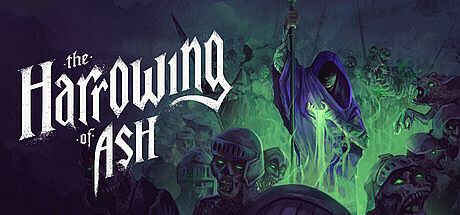


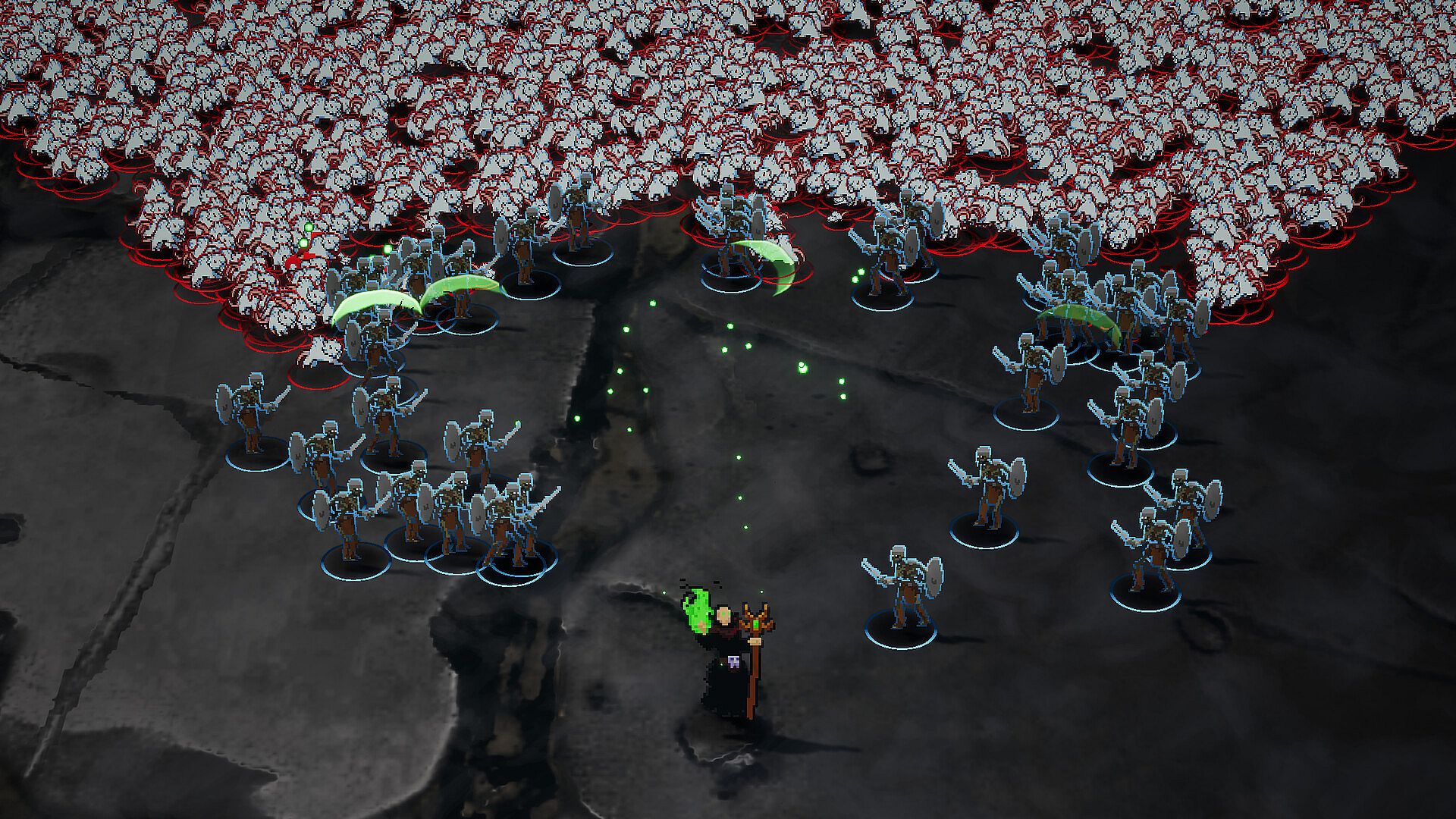
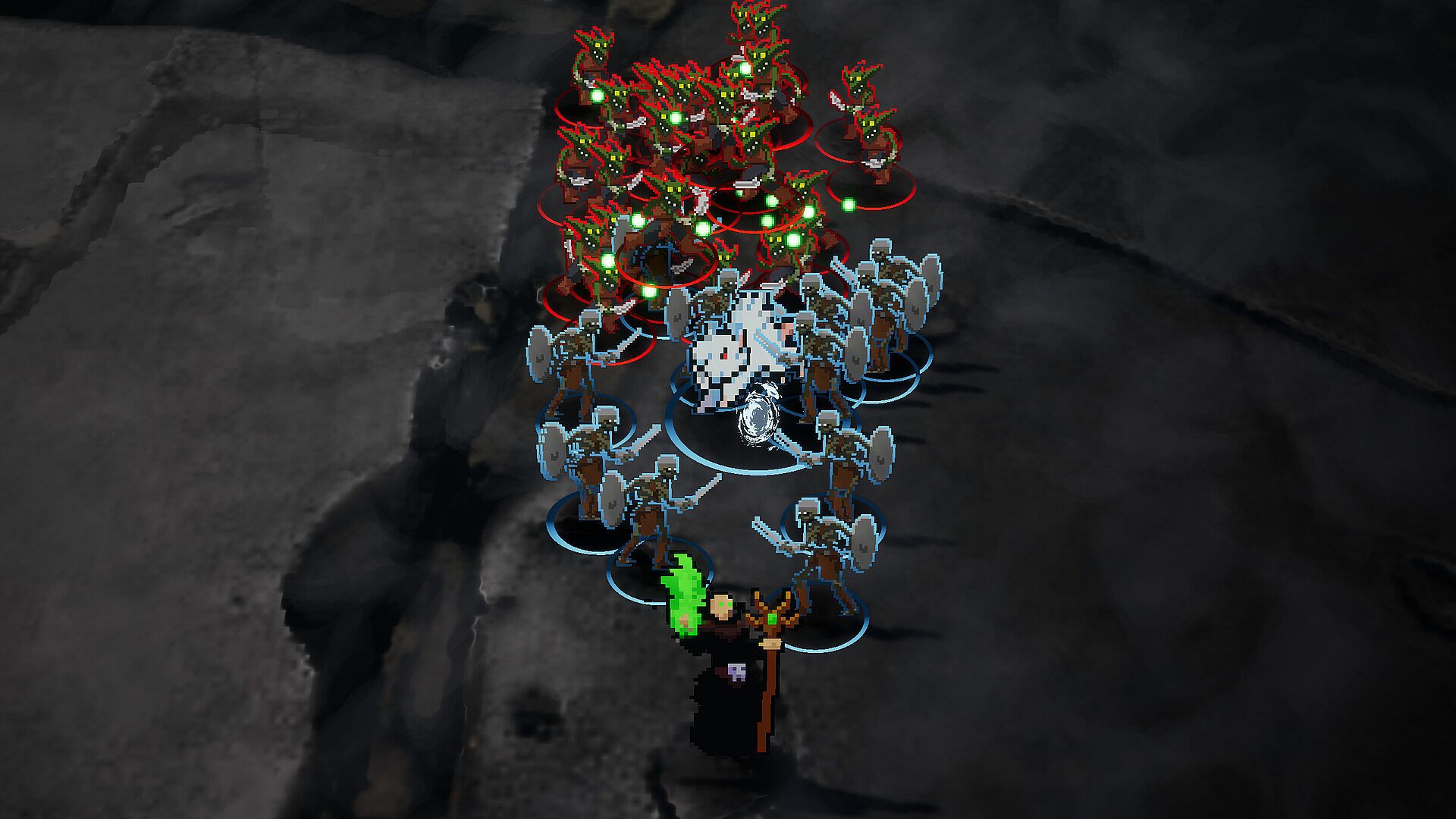
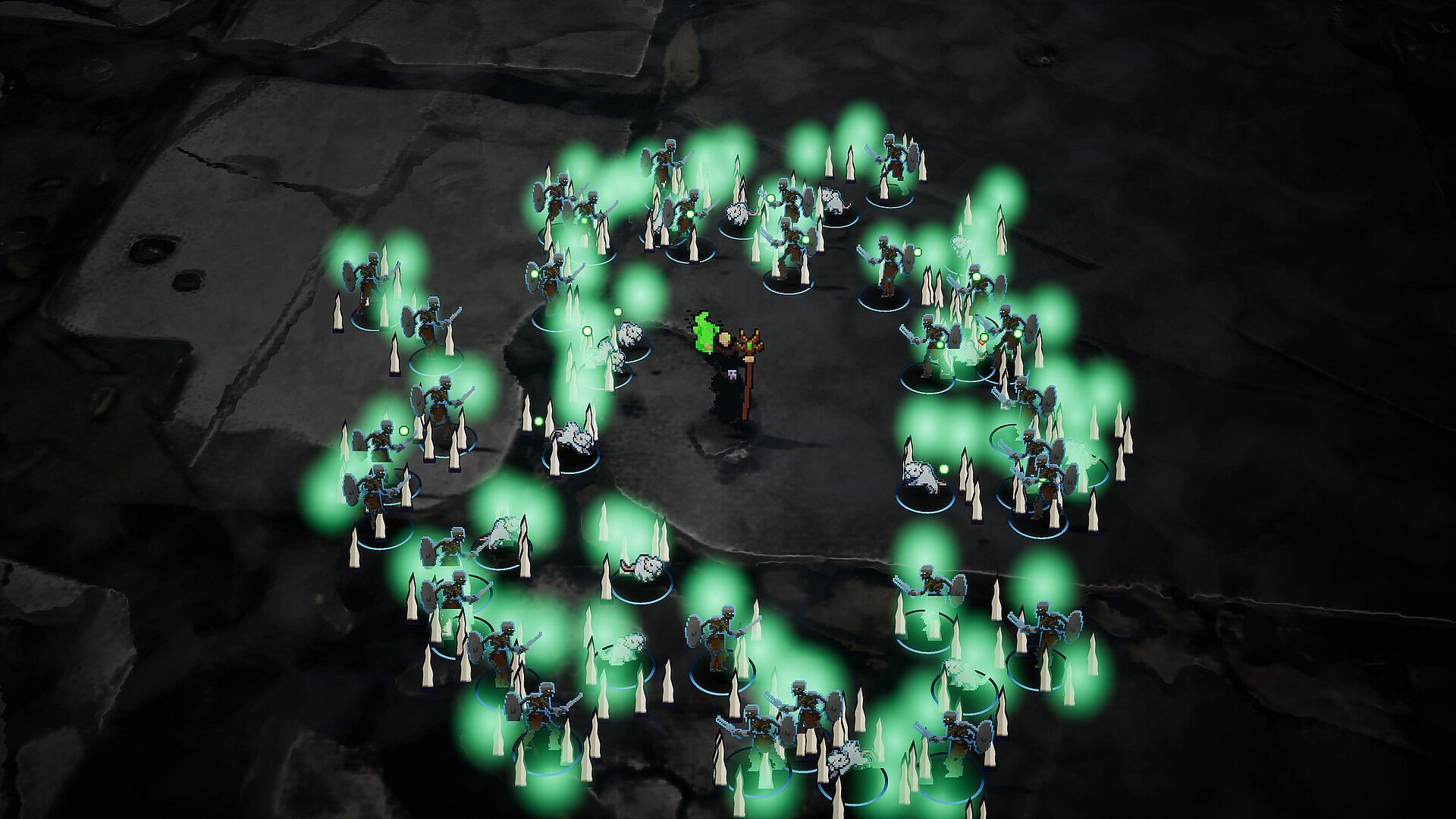
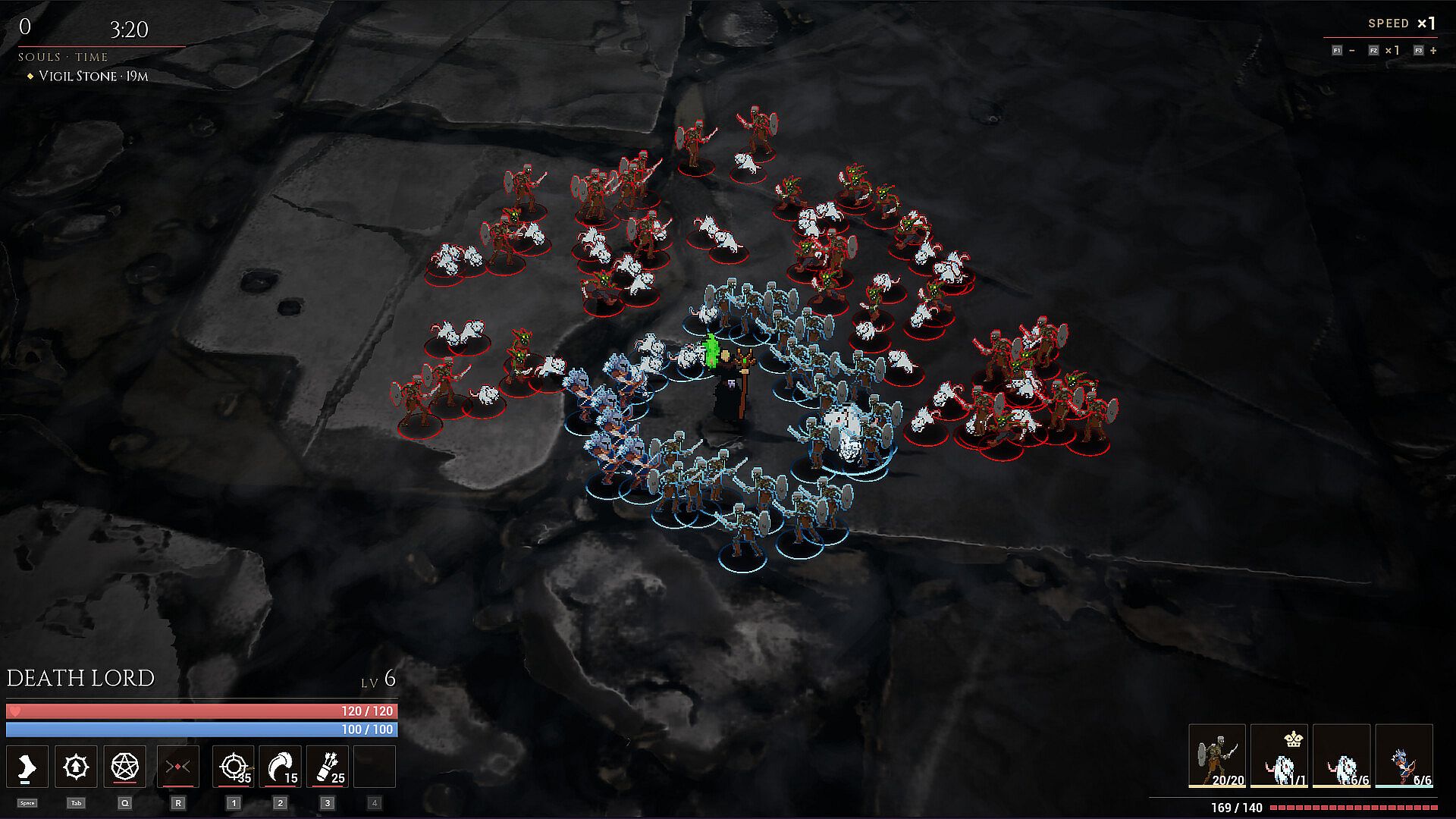

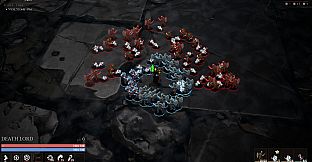
The Harrowing of Ash is a single-player action strategy indie RPG that places players in control of a necromancer revived after thousands of years in a decaying world. Souls linger without purpose, allowing the player to raise the dead as an army that grows with every kill. The core loop revolves around large-scale combat where fallen enemies become allies, supported by persistent progression across runs and choices that shape how the horde operates.
Gameplay
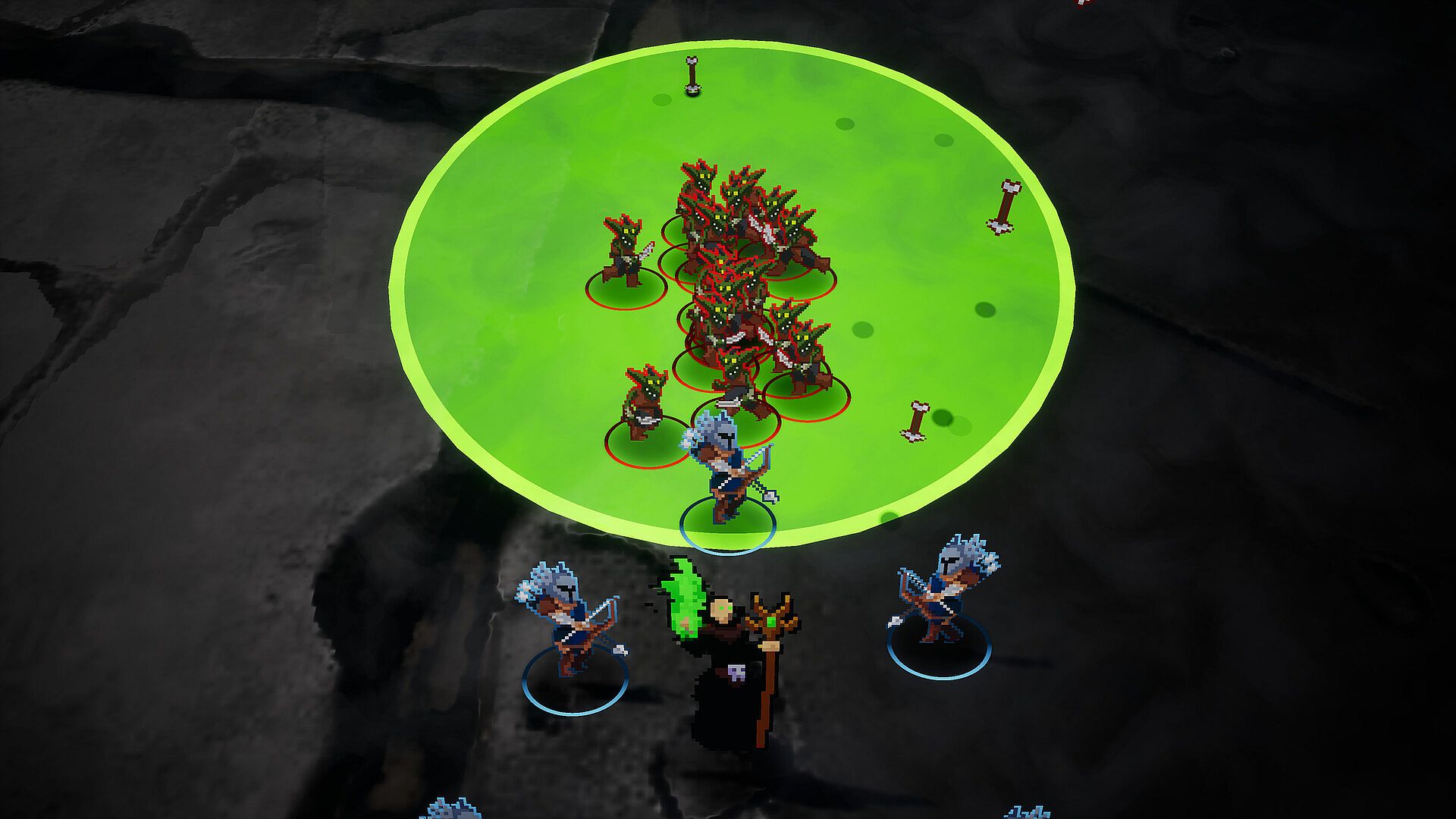
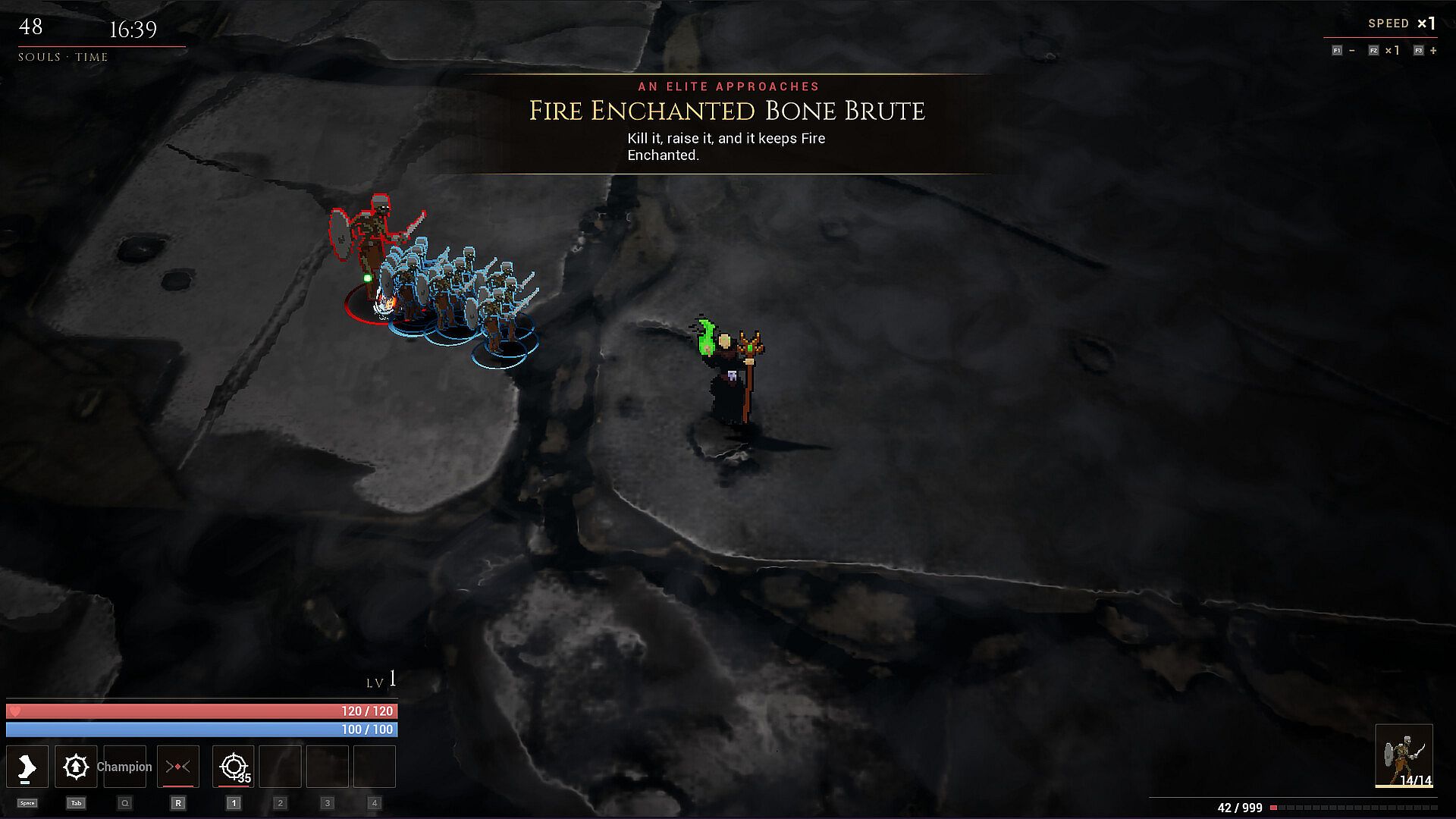
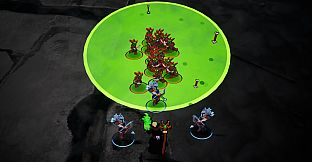
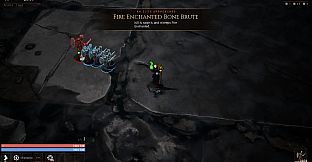
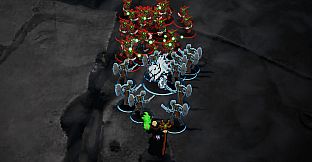
Combat centers on raising and directing minions in real time against waves of enemies. Everything that dies drops a soul, which can be used to resurrect foes with their original traits intact. An elite enemy defeated in one encounter returns as a powerful asset in later fights. The player does not micromanage every unit; instead, minions act autonomously while the necromancer issues broad commands and switches between stances to alter army behavior mid-battle. A coordinated pounce or volley of arrows can turn the tide when timed correctly.
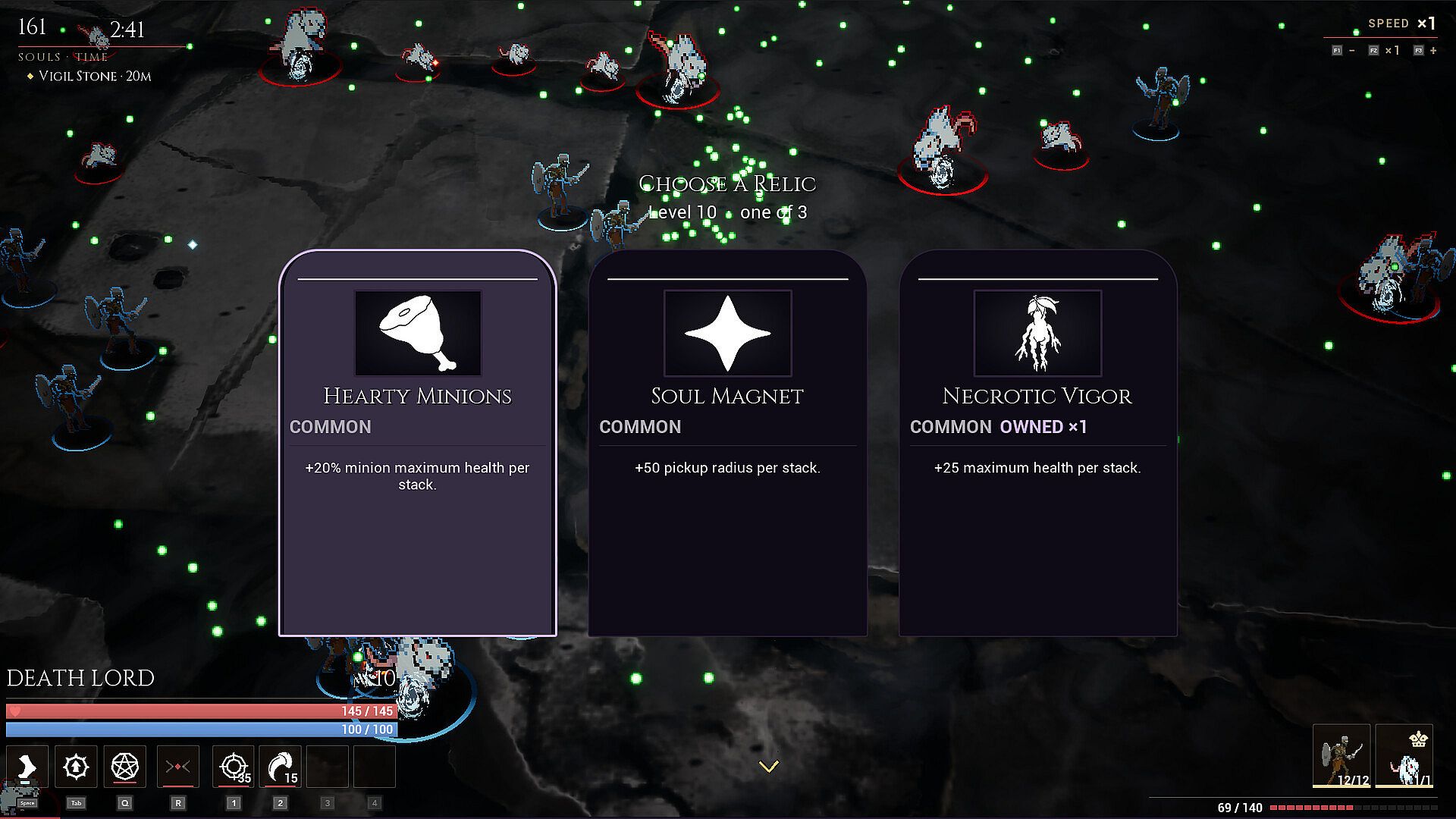
A standout element is the Champion, a single persistent minion that carries over between runs. Players invest in new bodies and affixes for this hero unit, rebuilding and refining it over multiple attempts. Between combat encounters, a ruined hub serves as a base for upgrades using relics and talents. Branching campaign maps present optional paths where shrines trade souls for knowledge about the world's decline, creating a direct competition between short-term power and long-term understanding.
Game Modes
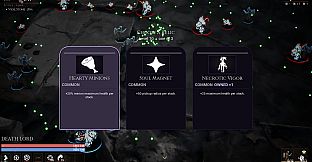
The game structures play around roguelike runs that begin with a doctrine selection. Deathlord focuses resources on a handful of massive champions. Horde Master spreads power across a numerous swarm that overwhelms through sheer numbers. Choirmaster emphasizes filling gaps in the army composition while increasing the cost of repeated unit types. Each doctrine reroutes how souls and abilities flow, leading to distinct army compositions and strategies.
Campaign progression occurs on branching maps that include themed stages, targeted elite hunts, random encounters, and boss fights. Multiple endings exist, and the game permits players to reach conclusions without uncovering the full reason for the world's rot. All activity remains single-player, with no multiplayer components described.
Core Mechanics and Progression
Soul management drives every decision. Souls fuel both army growth and the acquisition of knowledge at shrines, forcing players to weigh immediate combat strength against narrative insight. The persistent Champion adds a layer of long-term investment that survives individual run failures. Relics and talents collected in the hub provide additional customization that carries forward, encouraging repeated attempts to refine builds and explore different doctrines.
Thousand-enemy encounters emphasize spectacle and scale, with performance tuned for modern PCs. Elite units retain their strengths when raised, rewarding careful target selection during fights. The ruined hub offers a quiet contrast to the battlefield, where players allocate resources and prepare for the next campaign segment.
Is It Worth Playing?
The Harrowing of Ash targets players who enjoy roguelike progression combined with large-scale strategy and army-building mechanics. Those drawn to necromancer fantasies and the tension between power and discovery will find the doctrine system and soul economy particularly engaging. Because the title remains unreleased with no user reviews available, its reception cannot yet be assessed. The described systems suggest strong appeal for fans of indie action RPGs that emphasize creative army command over direct character control. Availability will depend on the eventual launch date and any future updates from the developer.