























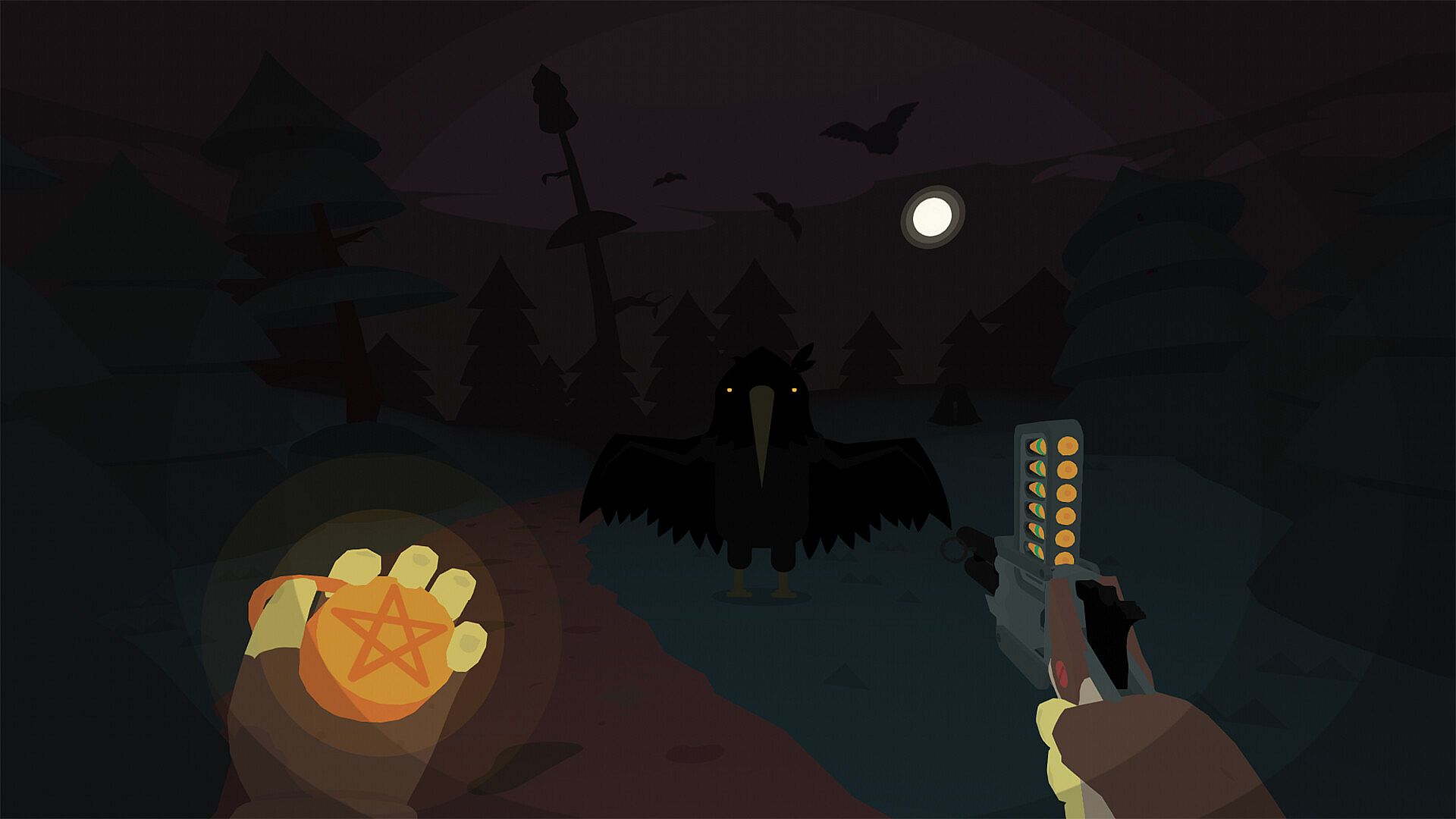
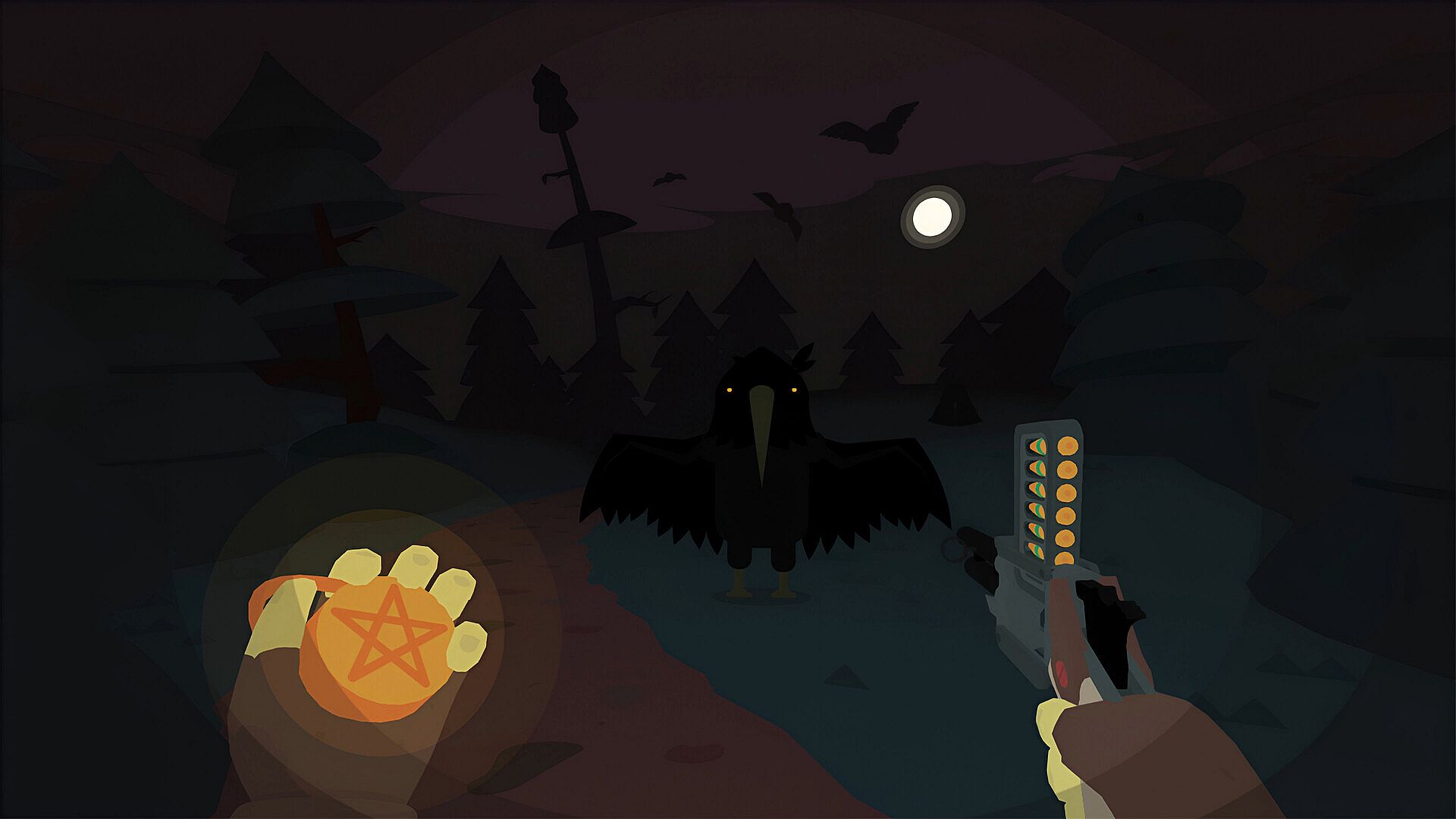

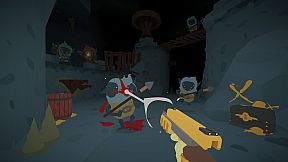
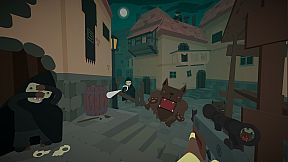
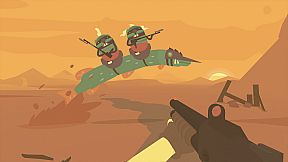

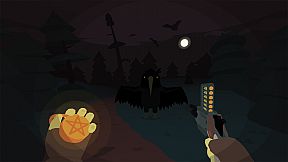
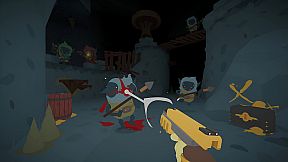
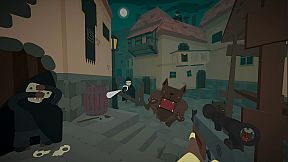
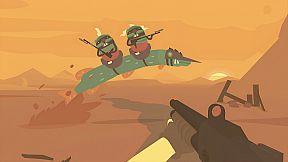
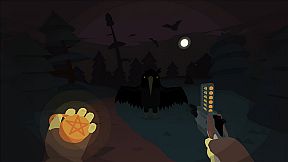

SULFUR es un FPS roguelite para un jugador que combina mecánicas de extraction shooter con un sistema profundo de personalización y gestión de recursos. El jugador encarna a un personaje que explora un mundo corrompido habitado por criaturas oscuras, utilizando armas de fuego y herramientas para sobrevivir en partidas procedurales mientras descubre la historia de una bruja y una iglesia incendiada. El juego se centra en la planificación, la evaluación de riesgos y la adaptación del equipo a lo largo de intentos que se vuelven más complejos con cada éxito o fracaso.
Jugabilidad
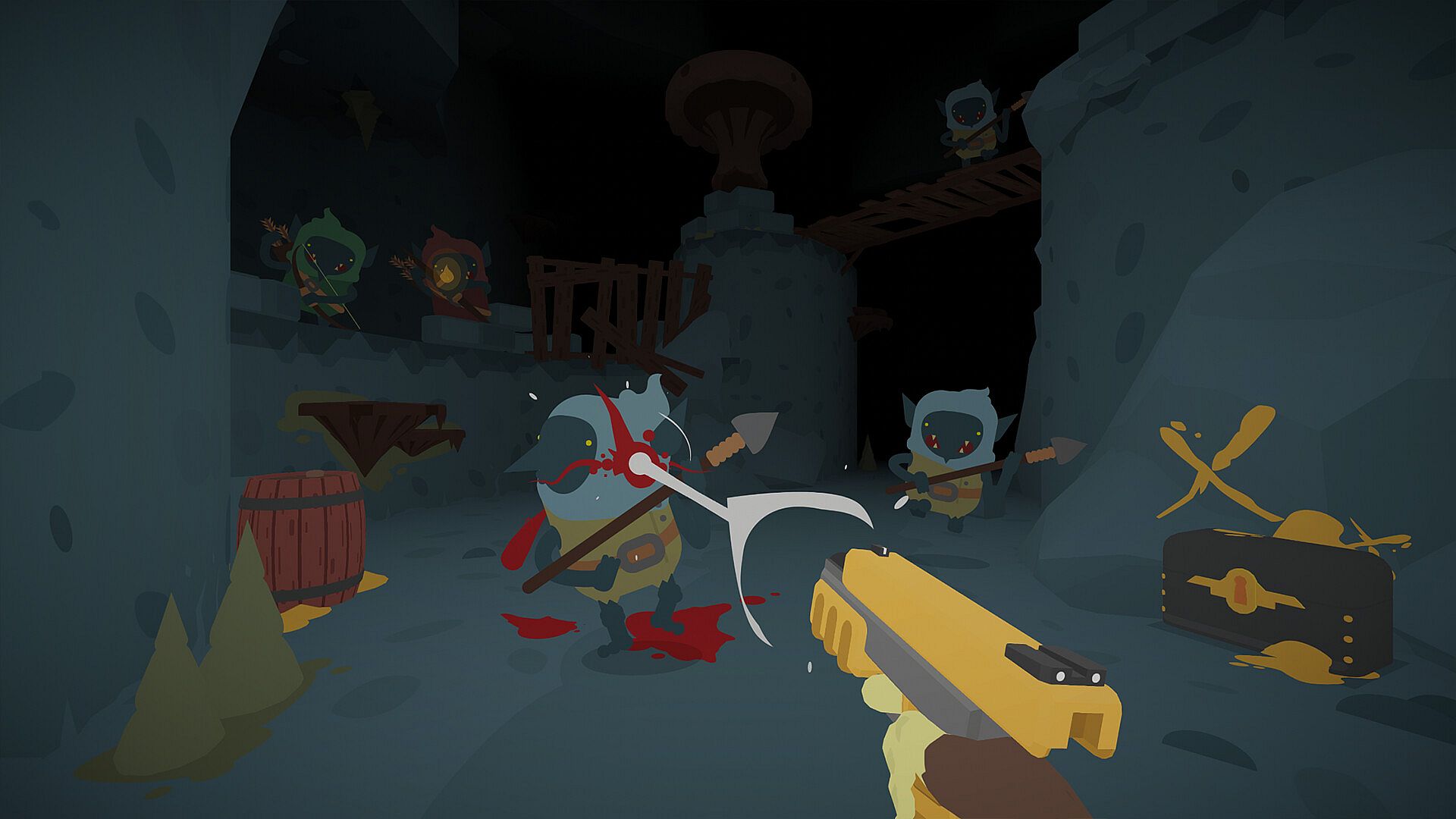
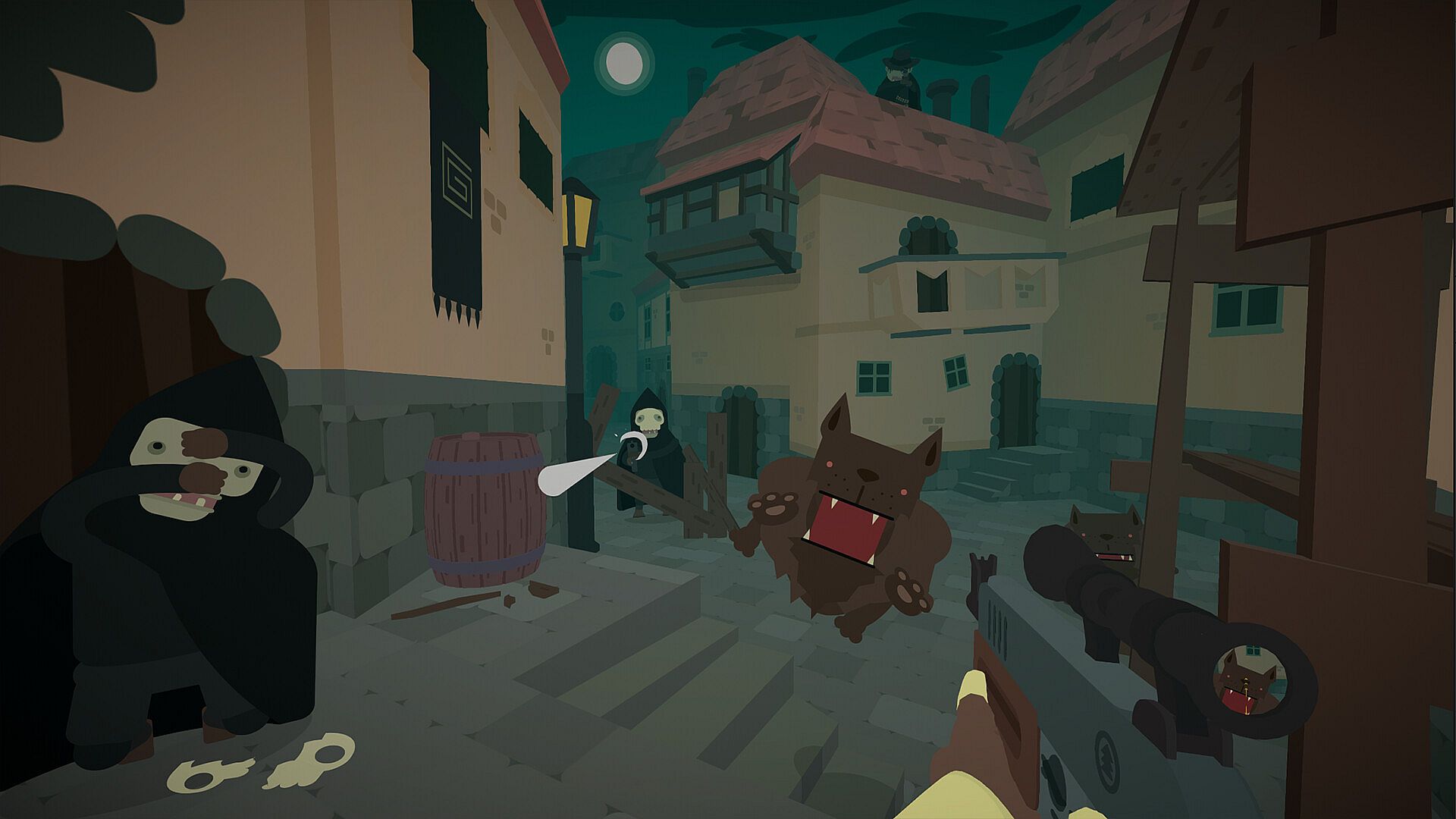
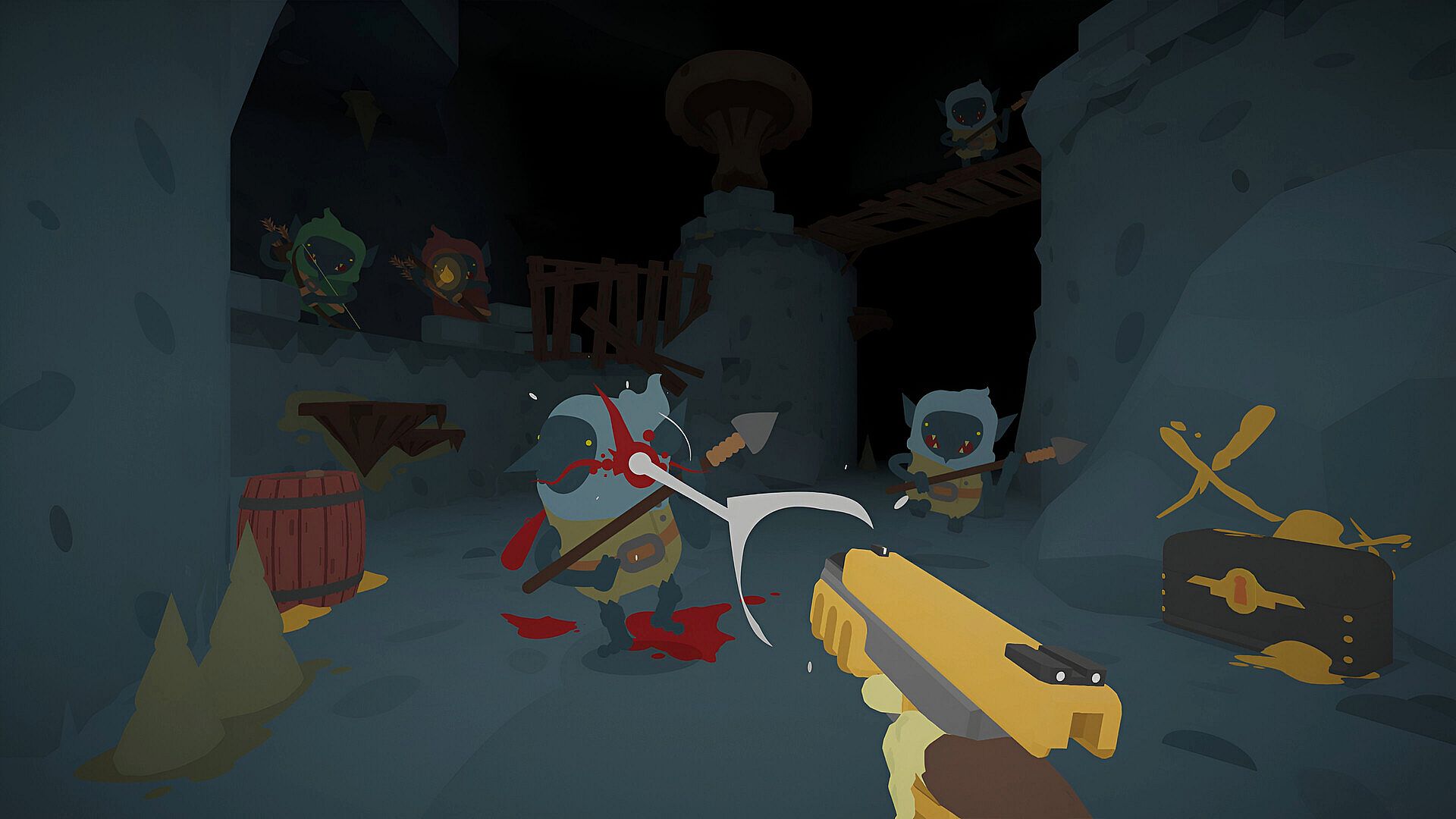
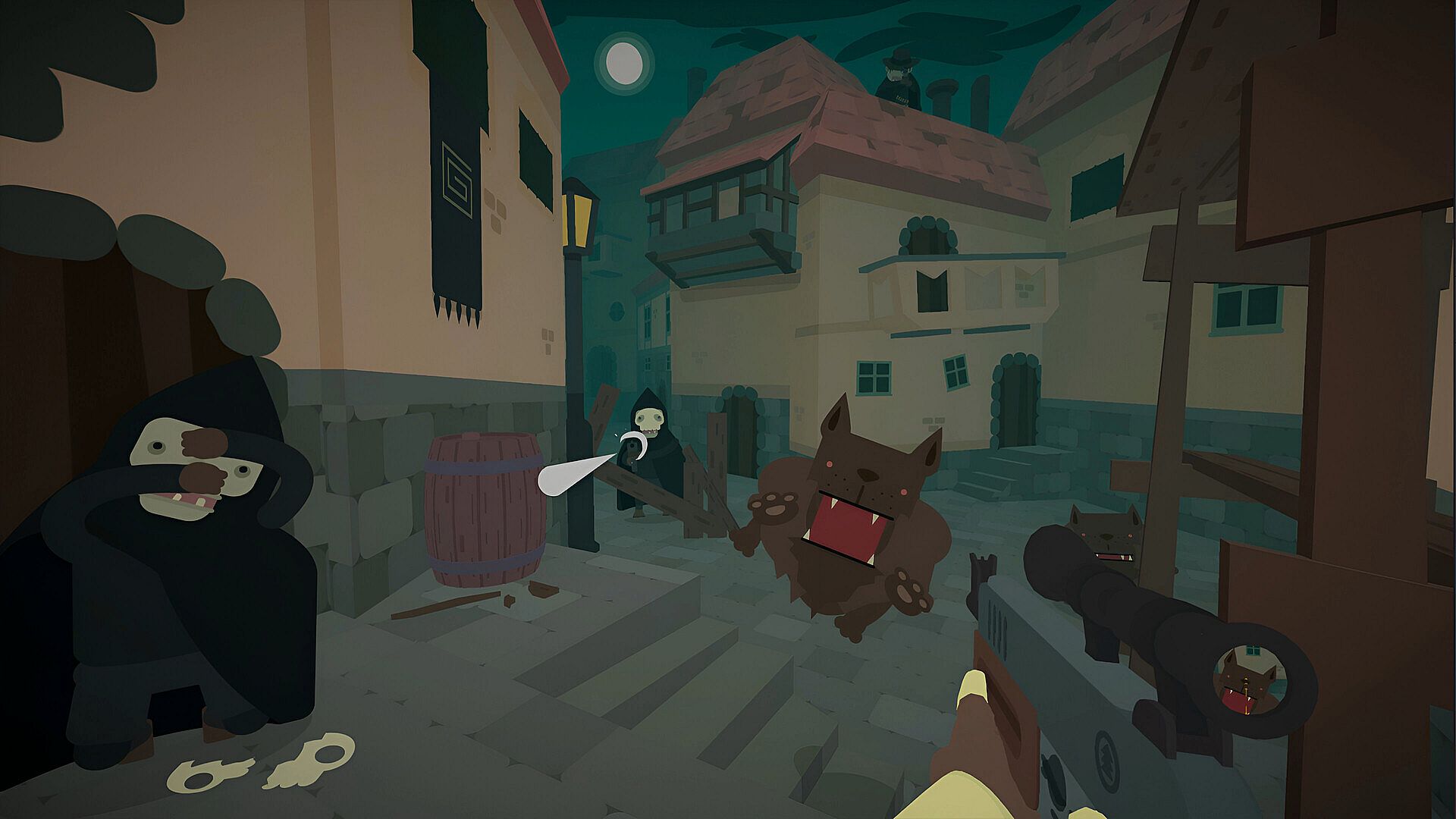
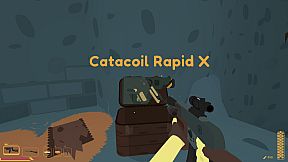
El núcleo del juego consiste en descender por redes de cuevas interconectadas y zonas de superficie como alcantarillas y puestos de gremios. El combate prioriza un gunplay visceral, con armas que se sienten distintas y reactivas, respaldado por una munición escasa que obliga a elegir bien cada disparo y a buscar suministros. Durante las partidas se recoge botín como piezas de armas, encantamientos y consumibles, y se decide si seguir avanzando o extraer para asegurar lo obtenido antes de arriesgarse a perderlo al morir.
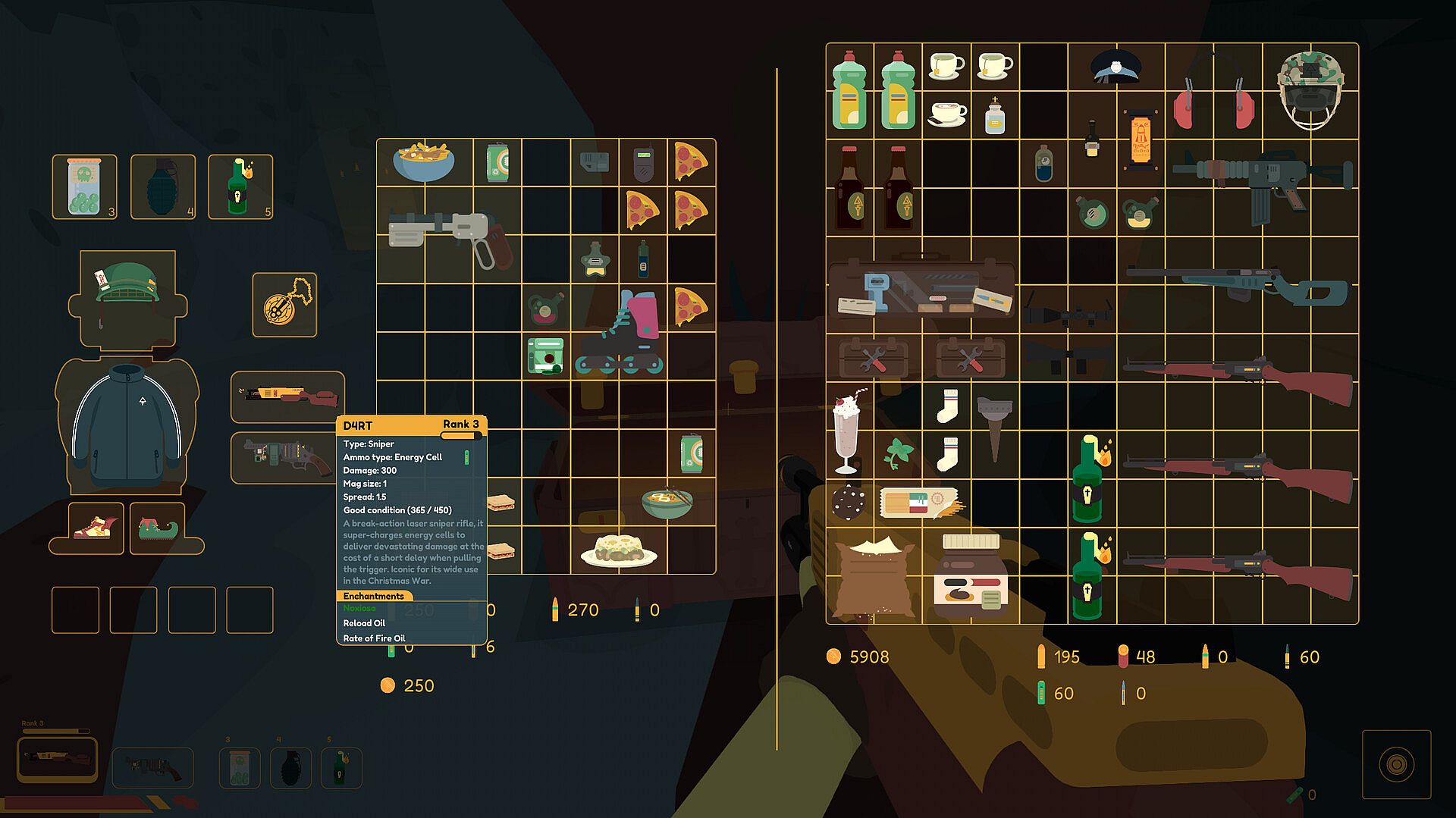
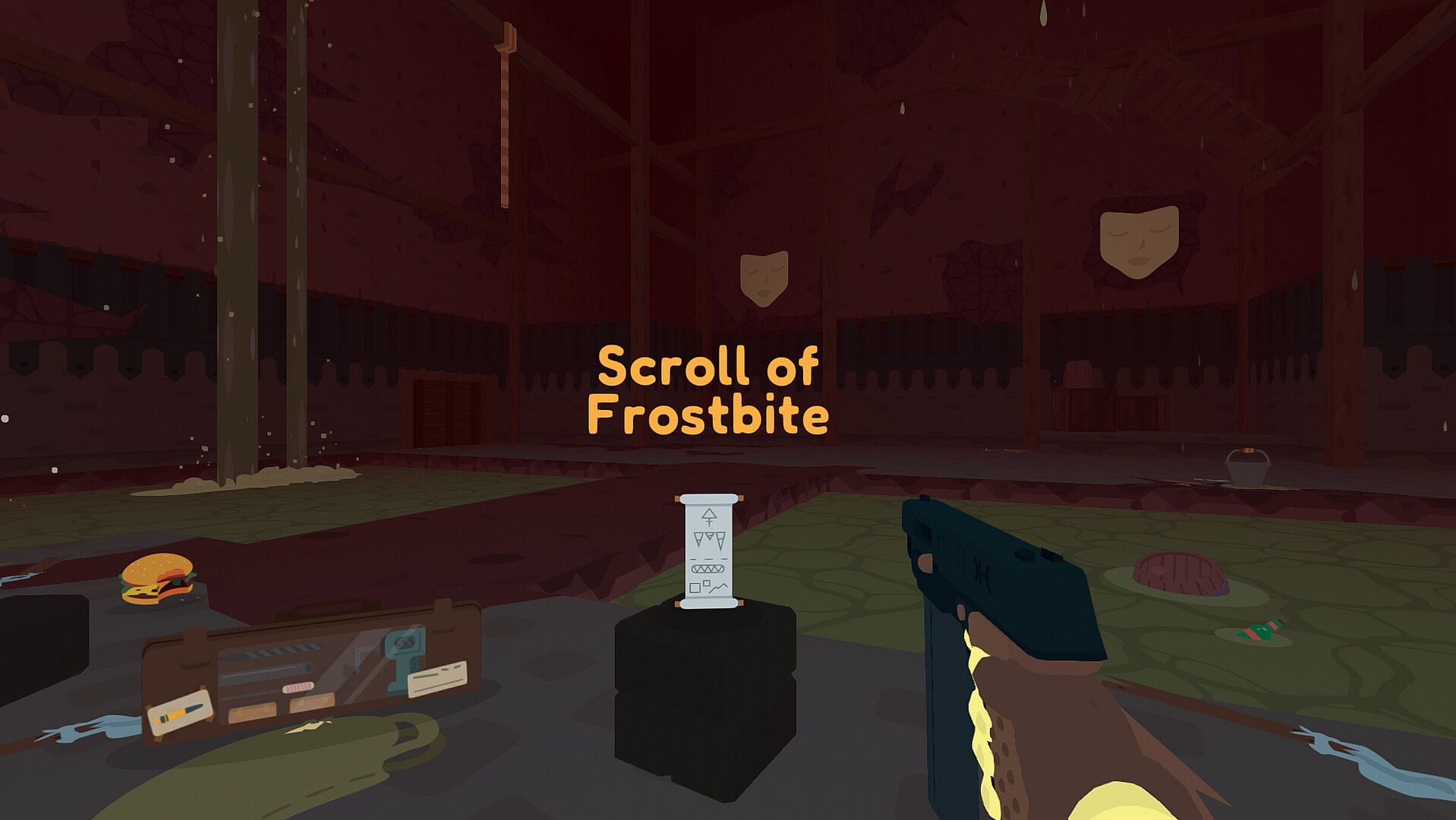
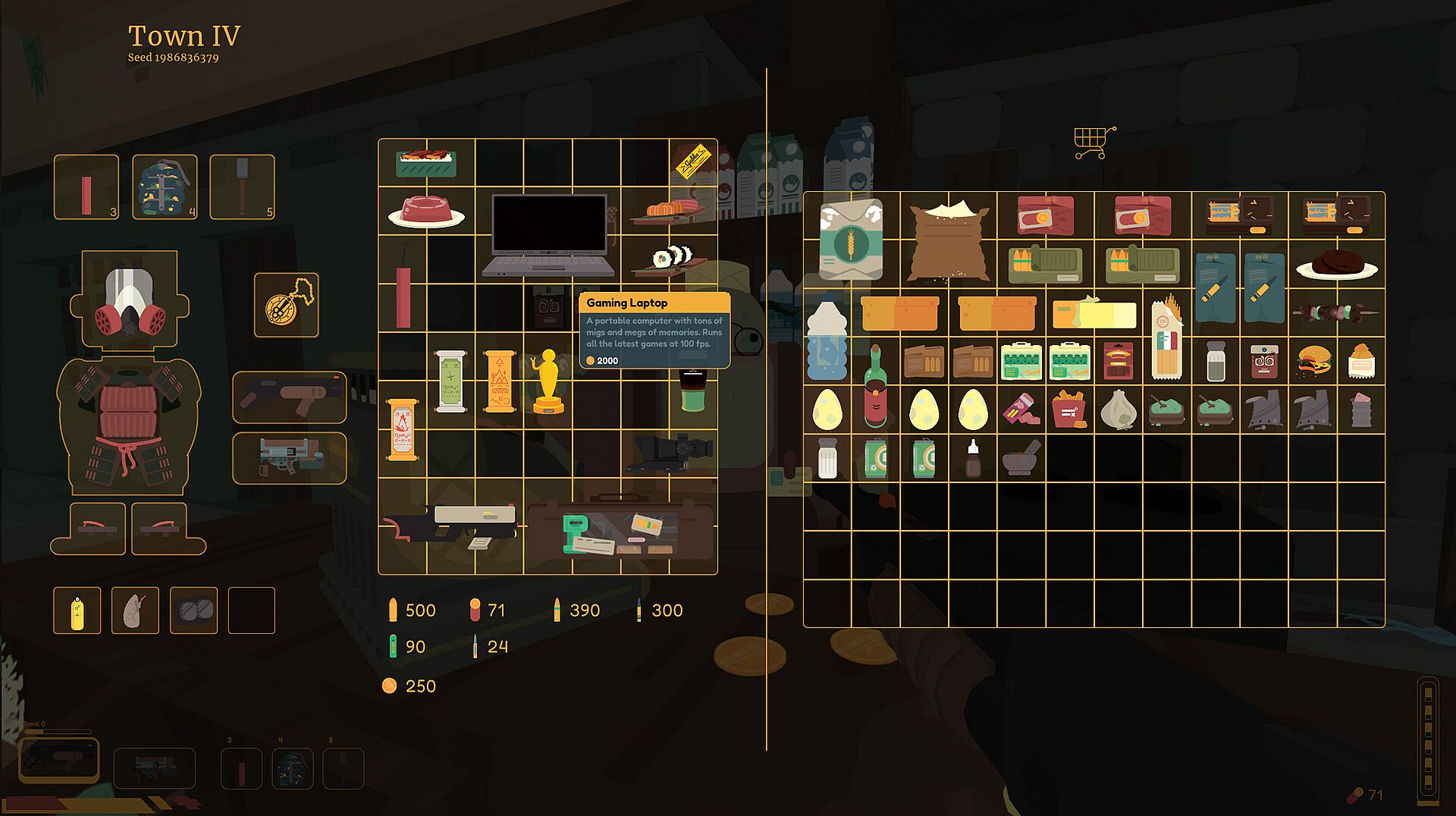
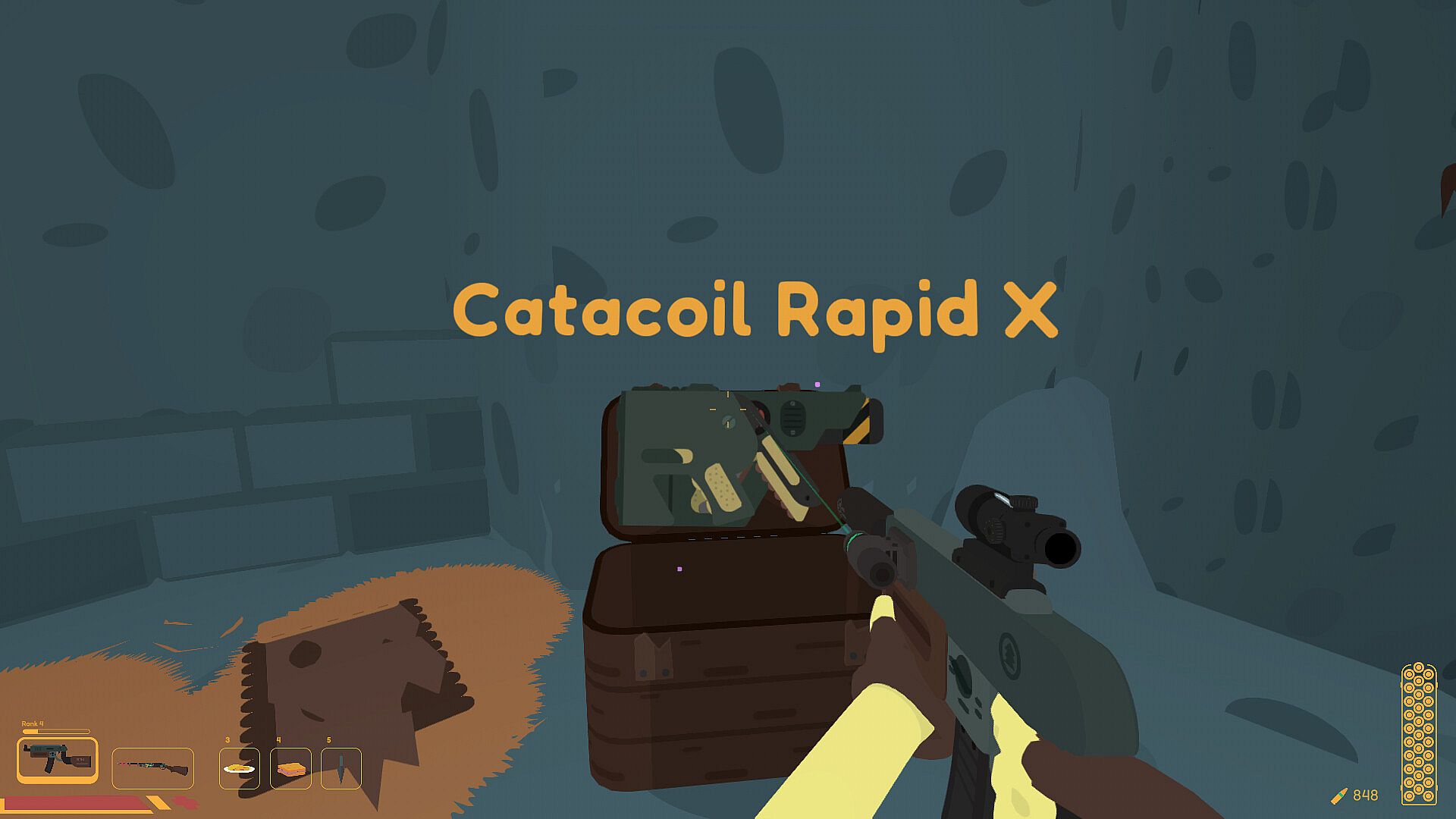
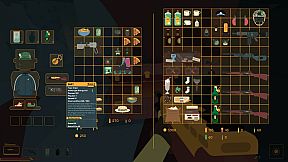
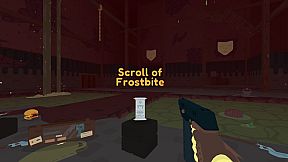
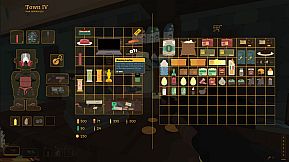
Los sistemas de recursos introducen capas estratégicas. Un mecánica de cocina permite combinar ingredientes para preparar comidas que otorgan mejoras temporales o curación, lo que exige gestionar el espacio del inventario y experimentar con recetas obtenidas de NPCs o del entorno. La modificación de armas incluye añadir mejoras, aplicar aceites para multiplicadores y combinar pergaminos de encantamiento para crear efectos adaptados al estilo de juego, desde builds agresivas de corto alcance hasta enfoques más calculados a distancia. La durabilidad y la necesidad de reparaciones refuerzan el bucle de riesgo-recompensa, ya que el equipo puede perderse si una partida termina mal.
La progresión se articula en torno a un sistema de amuletos que funciona como punto de control y fuente de orientación o mejoras de poder. Los encuentros con criaturas extrañas y NPCs ofrecen advertencias, intercambios o información que influyen en las decisiones sin marcar rutas fijas. Las actualizaciones recientes han añadido ranuras de guardado y opciones de dificultad roguelite vinculadas a cada partida, permitiendo ajustar el nivel de desafío mientras se conservan los desbloqueos permanentes conseguidos al sacrificar armas ante un personaje llamado Telia.
Modos de juego
La experiencia principal gira en torno a intentos de extracción basados en runs a través de zonas generadas de forma procedural. Cada partida implica recorrer varias etapas, reunir recursos y regresar con vida para construir una progresión meta. Esta estructura fomenta las repeticiones, ya que los jugadores refinan estrategias y prueban combinaciones nuevas desbloqueadas con el tiempo.
Los parches han incorporado elementos de estilo Endless, donde cartas desterradas u otros modificadores persisten entre sesiones, alargando las partidas para quienes buscan desafíos más largos. No hay modos competitivos ni cooperativos activos en este momento, por lo que el enfoque sigue centrado en la exploración solitaria de las profundidades corrompidas, con opciones de dificultad variable ligadas a los datos de guardado.
Exploration and Atmosphere
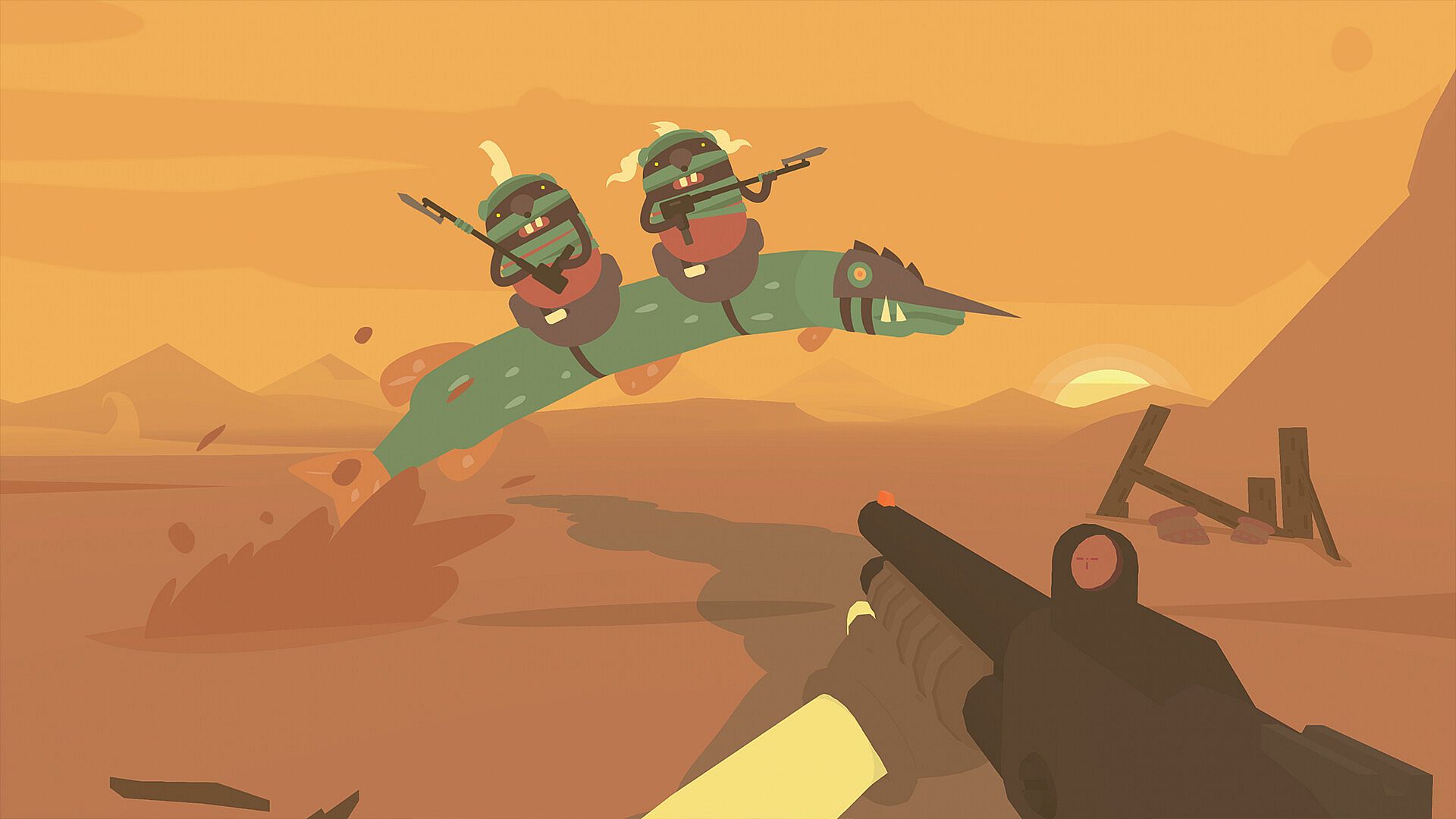
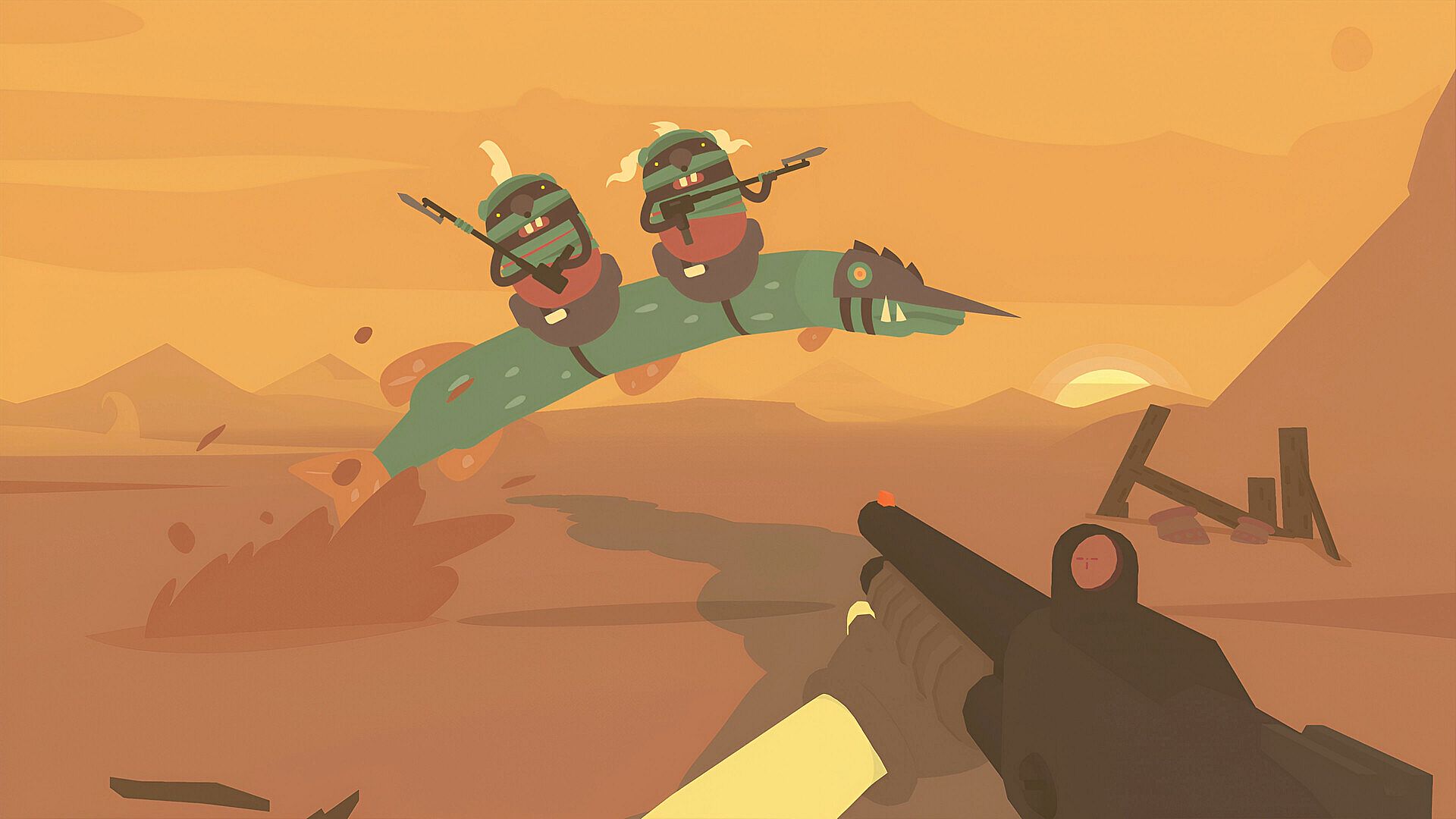
El mundo se despliega a través de cavernas inquietantes, alcantarillas putrefactas, chabolas del Black Guild y ruinas de castillos, cada zona con su propia sensación de decadencia y peligro oculto. La generación procedural hace que las distribuciones cambien entre partidas, mientras que elementos fijos como fragmentos de lore y tesoros raros recompensan la exploración minuciosa. La atmósfera se construye mediante narrativa ambiental en lugar de exposiciones directas, con detalles como cuellos manchados de sangre o motivos oceánicos que sugieren eventos mayores sin resolver todos los misterios de inmediato.
Los NPCs repartidos por el mapa aportan contexto a través de diálogos que van desde lo despectivo hasta lo informativo, moldeando la comprensión del jugador sobre las facciones y el conflicto central. Prestar atención a estas interacciones puede revelar atajos o avisos sobre amenazas próximas, integrando el descubrimiento narrativo en el bucle de supervivencia.
Progression and Customization
La meta-progresión se obtiene mediante desbloqueos permanentes al sacrificar armas de alto rango, lo que concede acceso continuo al equipo favorito a un coste. Este sistema recompensa el juego constante y permite flexibilidad en las builds. La variedad de encantamientos y accesorios da soporte tanto a enfoques temerarios como metódicos, mientras que los límites de munición y las mecánicas de reparación evitan depender en exceso de una única configuración.
La preparación de comida y la gestión del inventario añaden otra dimensión, ya que los jugadores equilibran las necesidades de supervivencia a corto plazo con las mejoras a largo plazo. Las actualizaciones han pulido estos sistemas junto con mejoras de rendimiento y nuevas animaciones para armas y enemigos, manteniendo el impulso durante la fase de Early Access.
¿Merece la pena?
SULFUR atrae principalmente a jugadores que buscan bucles roguelite exigentes combinados con un gunplay táctil y una personalización extensa. El ciclo central de saquear, modificar y extraer ofrece un alto valor de repetición gracias a la variedad procedural y la experimentación con builds. El desarrollo activo continúa con parches frecuentes que ajustan el equilibrio, incorporan funciones como ranuras de guardado y ajustes de dificultad, y amplían las opciones de armas.
Las opiniones destacan un gunplay satisfactorio, sistemas de recursos atractivos y un diseño atmosférico del mundo, aunque algunos señalan el carácter punitivo de las partidas y las exigencias del inventario como posibles obstáculos. Quienes se sientan cómodos con la progresión por prueba y error y la escasez de recursos encontrarán aquí una profundidad considerable, especialmente a medida que las actualizaciones sigan refinando la experiencia. El juego sigue en Early Access con soporte continuo, por lo que resulta adecuado para jugadores dispuestos a participar en un título en evolución en lugar de un producto terminado.