


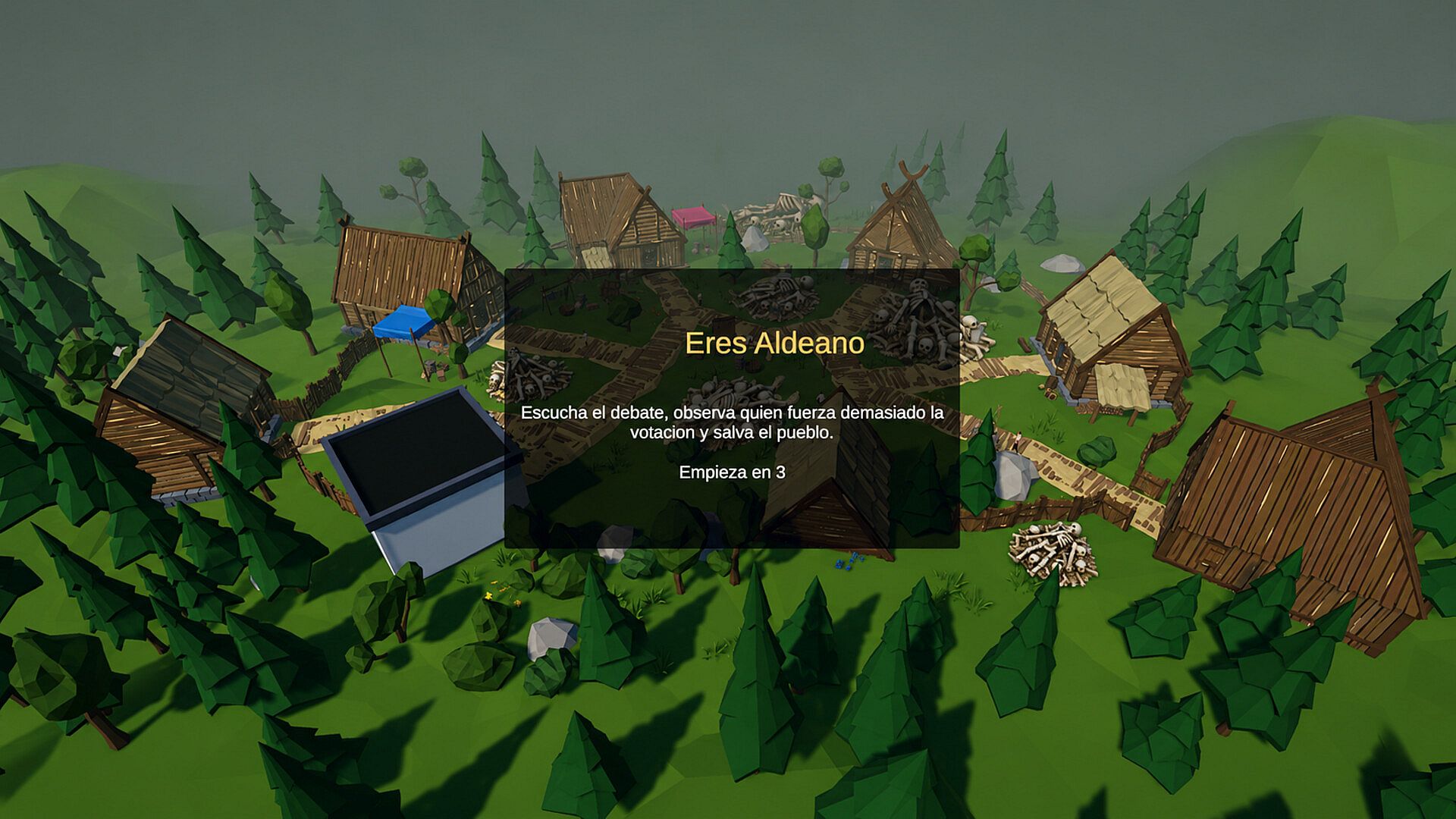
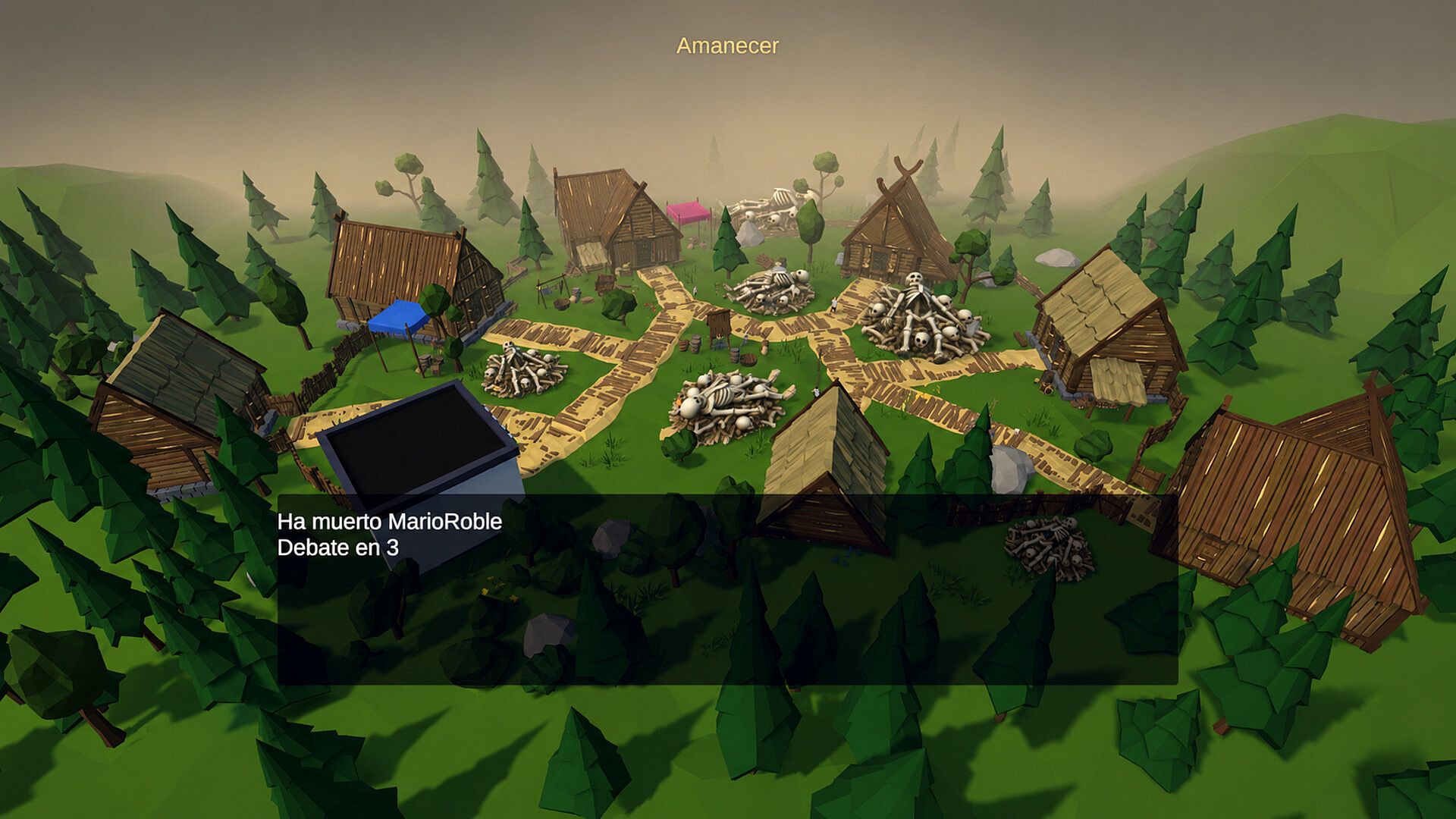
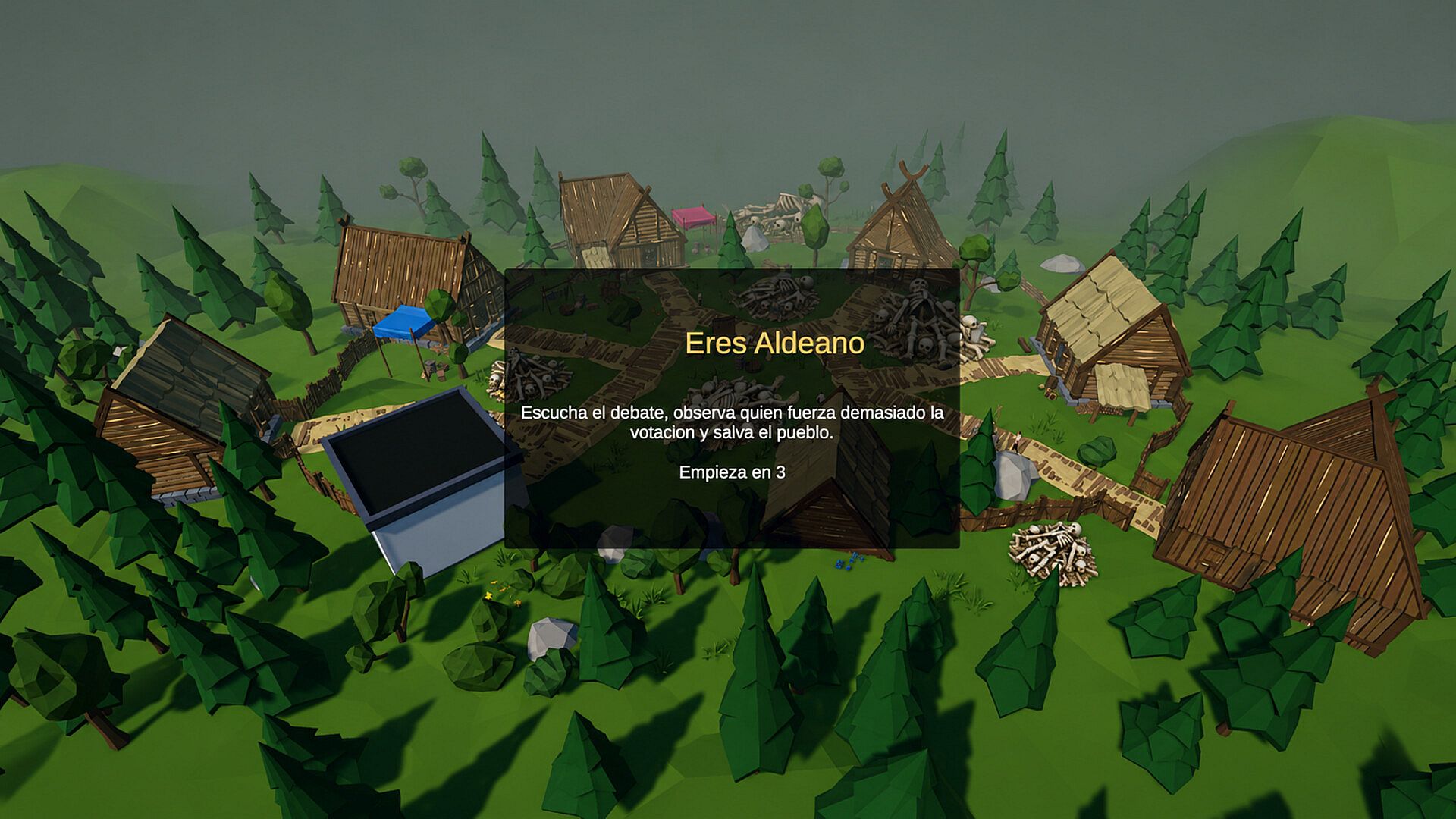
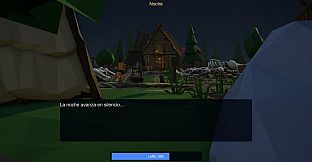
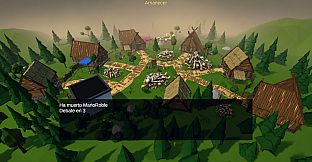
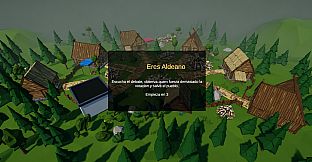
Pueblo Duerme es un juego de deducción social y estrategia para PC que combina partidas rápidas con decisiones más profundas. Los jugadores adoptan roles ocultos en un pueblo y deben sortear acusaciones, alianzas y eliminaciones a lo largo de fases de día y noche. La dinámica principal consiste en debatir durante el día y actuar en secreto por la noche, donde la supervivencia depende de interpretar intenciones, recordar lo dicho y manejar información limitada.
Gameplay
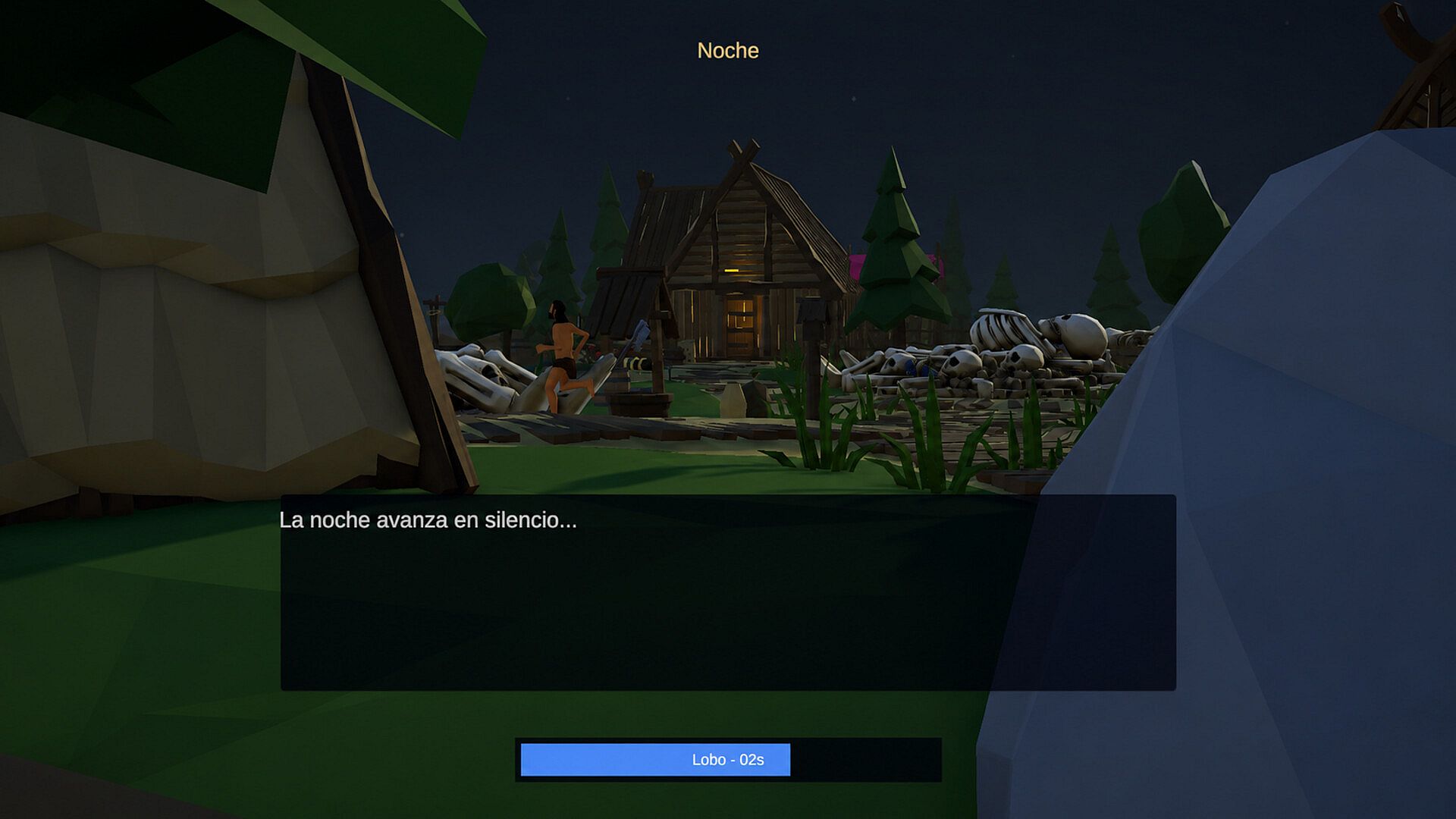
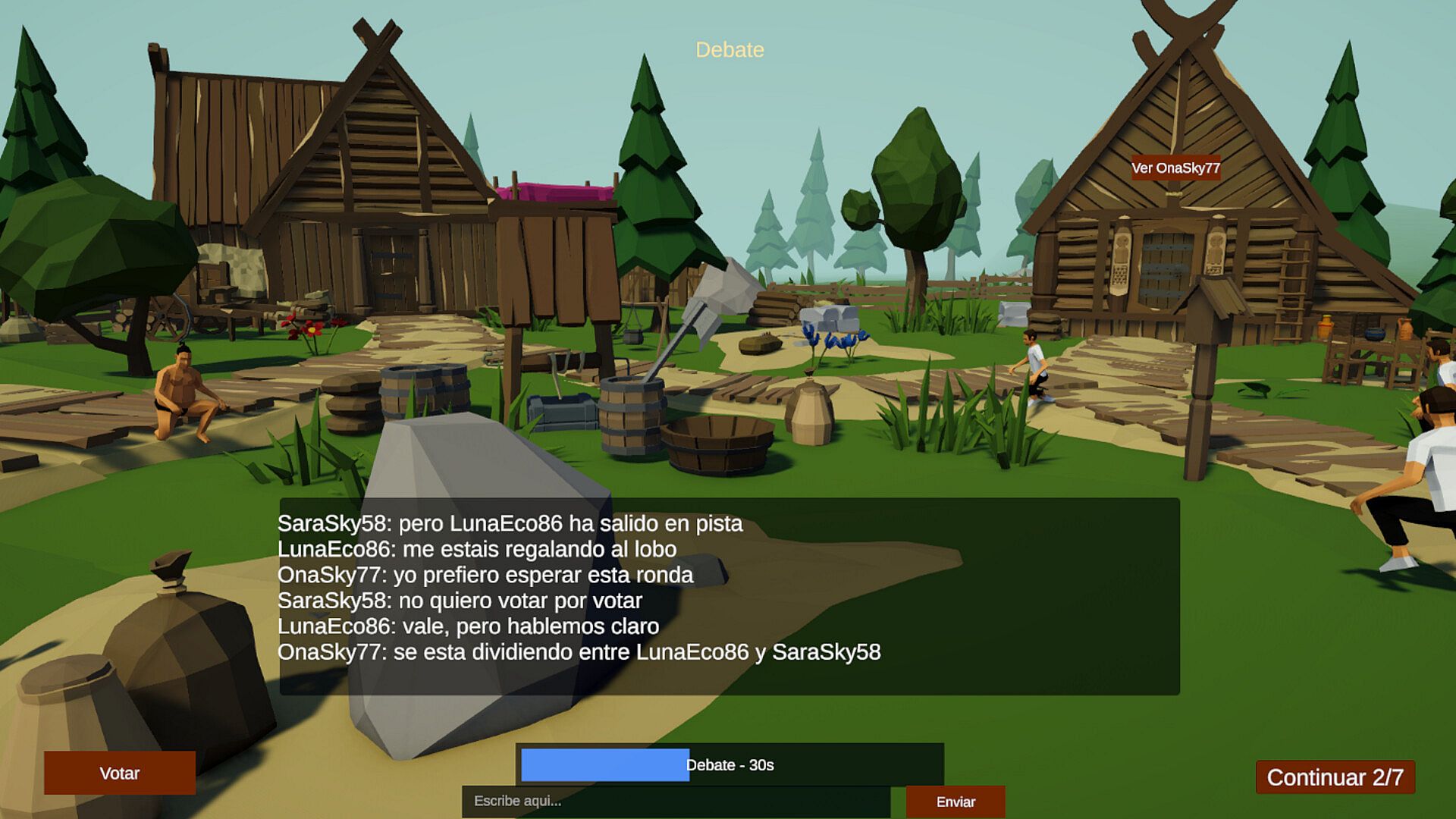
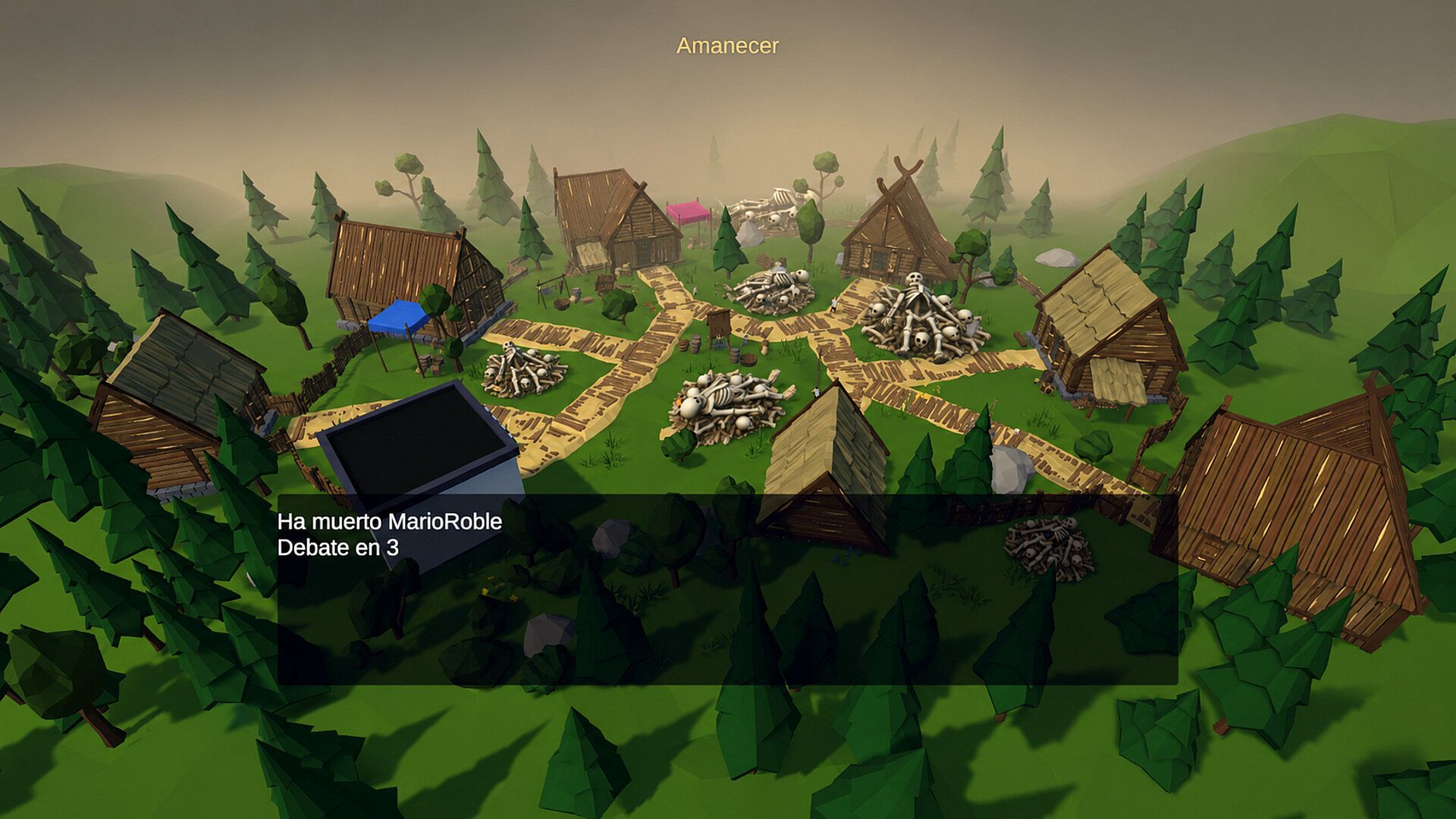
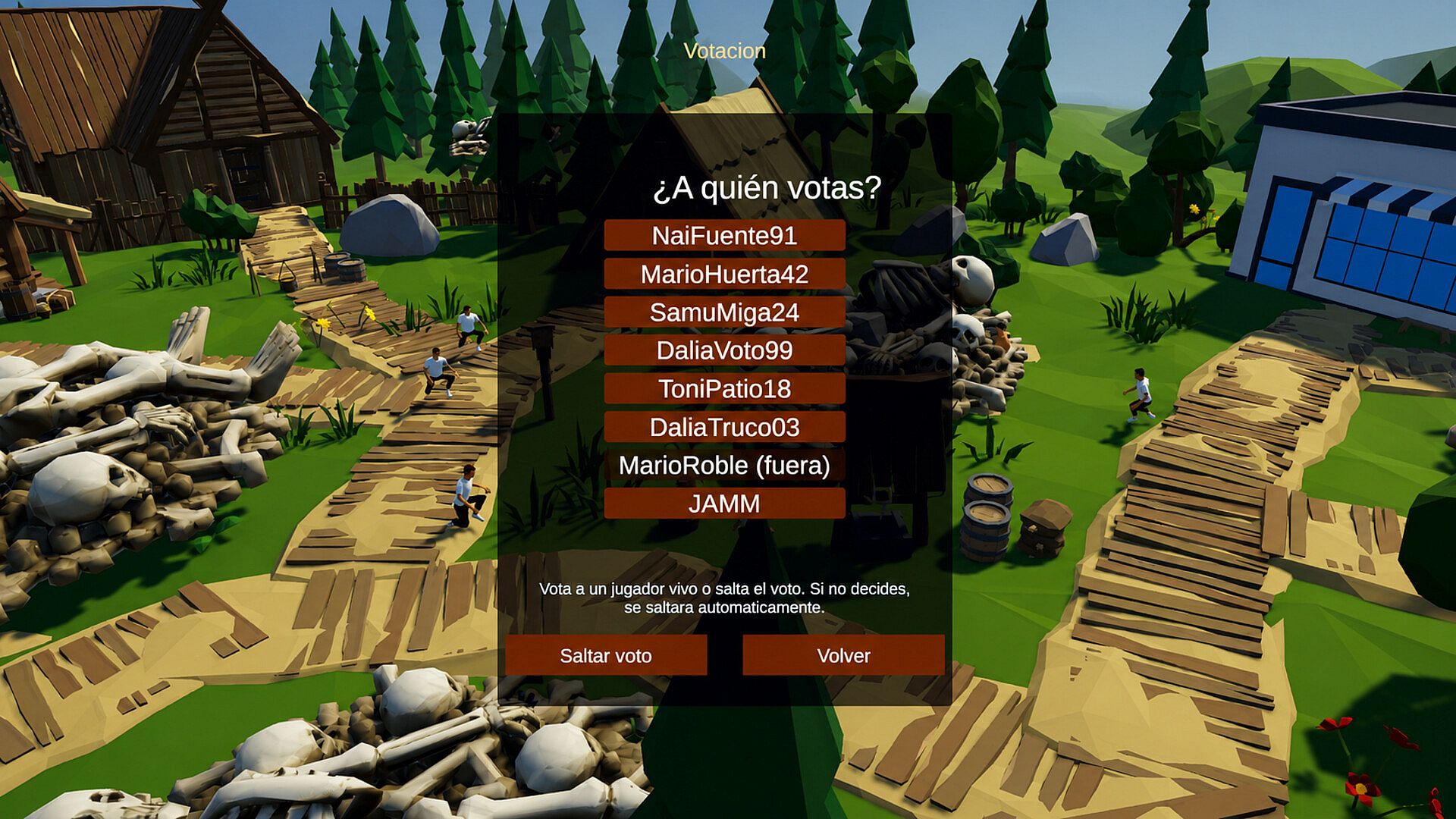
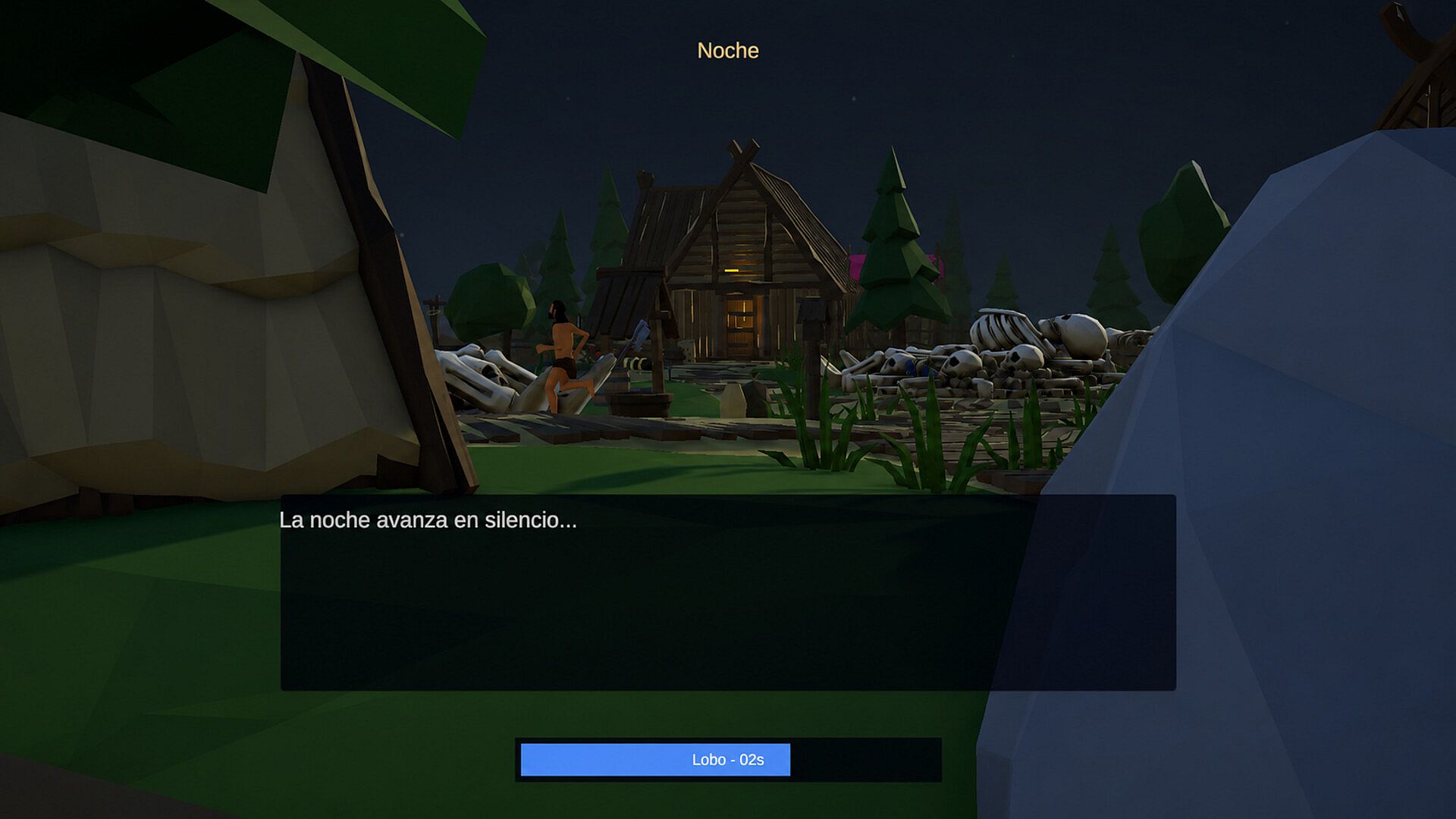
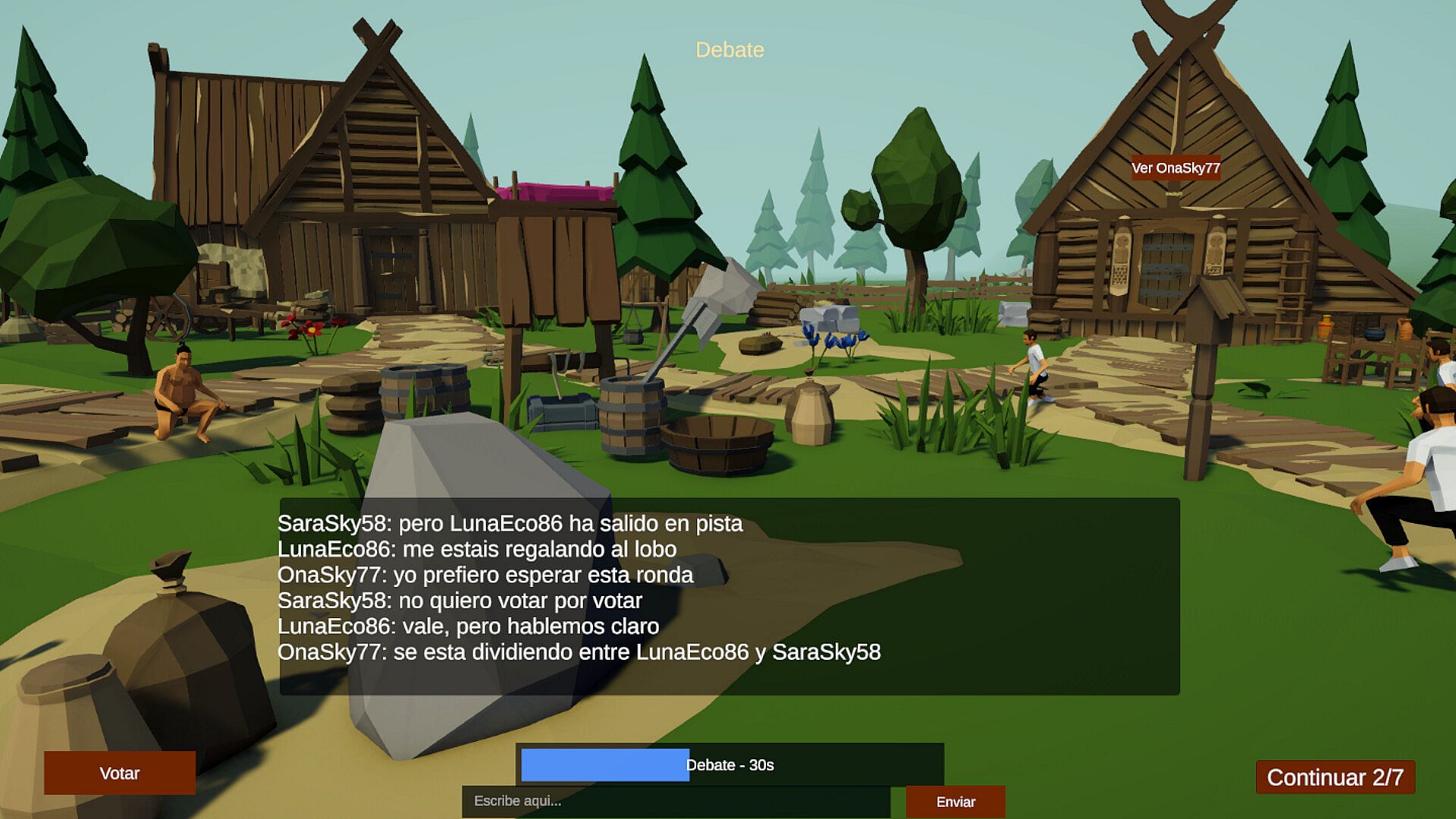
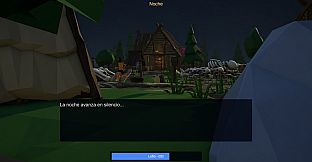
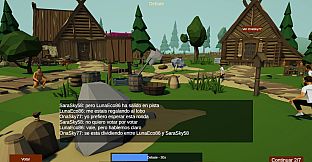
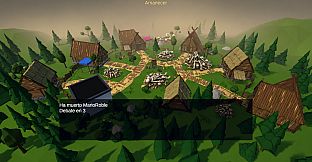
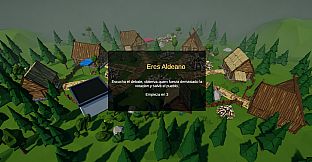
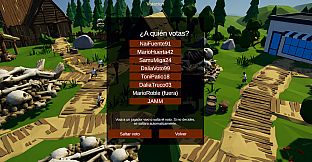
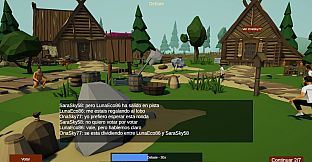
Las partidas se desarrollan en fases estructuradas que priorizan la conversación y la deducción. Durante el día, los participantes debaten en voz alta, lanzan acusaciones, se defienden y votan para expulsar a quienes consideren una amenaza. Por la noche entran en juego las habilidades secretas de cada rol: el hombre lobo elimina aldeanos mientras el vidente obtiene información sobre las identidades ajenas. El resto de jugadores debe apoyarse en la lógica, la memoria de lo hablado y el momento adecuado para sobrevivir.
Cuando faltan jugadores reales, bots completan las salas. Estos rivales de IA cuentan con nombres, personalidades y formas de expresarse propias que evolucionan según lo que ocurre en la partida. Dudan, se contradicen, responden a afirmaciones directas, cambian de postura con el tiempo e intentan imitar el comportamiento humano sin ser perfectos. Gracias a este sistema, las partidas se mantienen activas incluso con grupos reducidos o en horarios de baja actividad.
La comunicación se realiza mediante chat de texto y el juego emplea modelos generativos locales para crear diálogos variados de los bots que respetan las normas establecidas. Los roles especiales introducen asimetría y obligan a los jugadores a valorar cuándo conviene revelar información y cuándo es mejor coordinarse.
Modos de juego
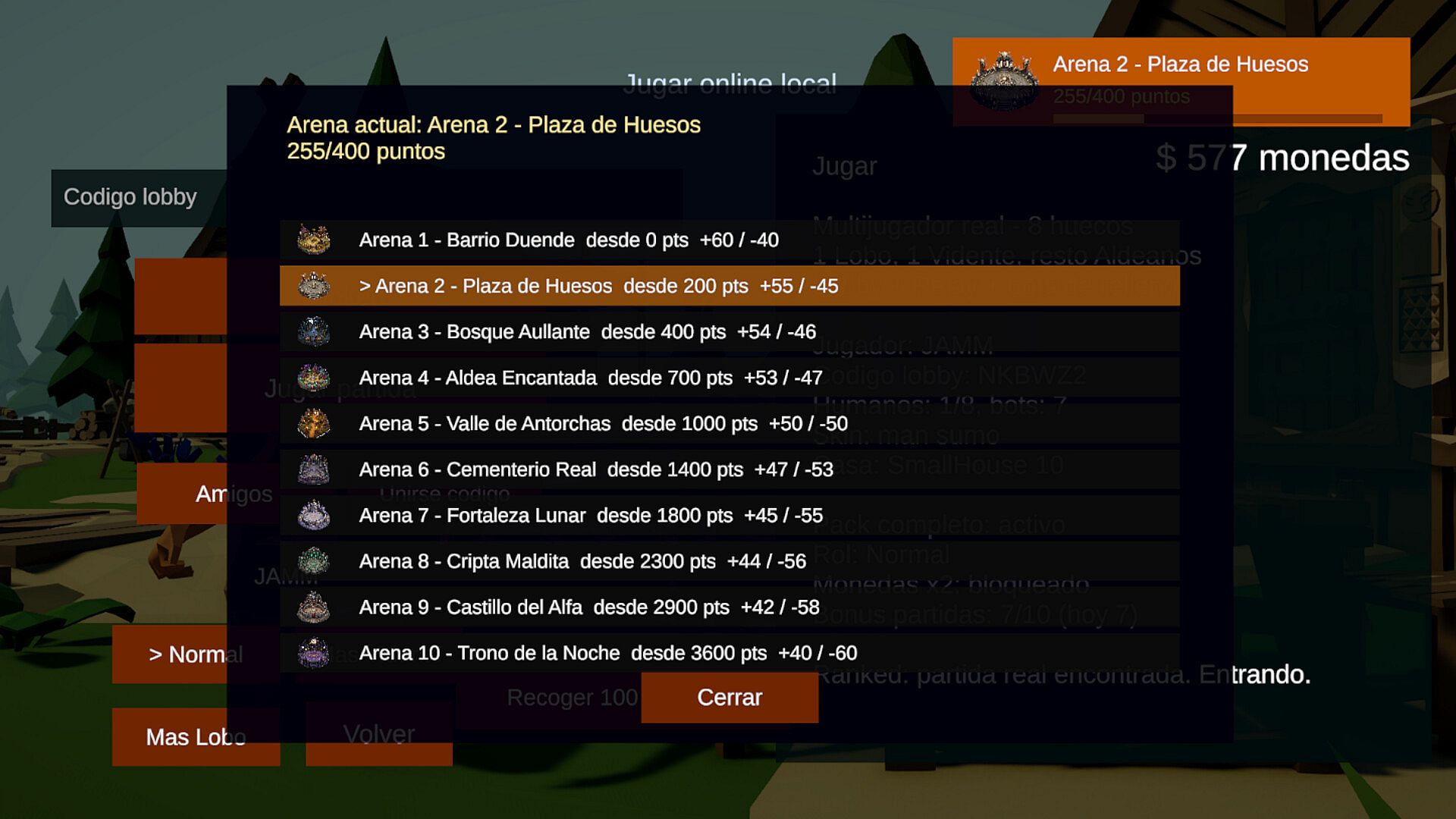
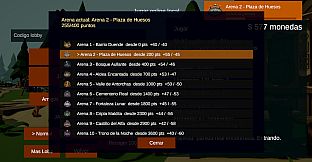
El modo clasificatorio constituye la estructura competitiva principal, con un sistema de progresión tipo arena que registra el rendimiento en cada partida. Los jugadores suben de rango según su capacidad de deducción y supervivencia; la participación constante se refleja en mejoras visibles de posición. Las partidas estándar admiten un número flexible de participantes combinando humanos y bots, ajustándose automáticamente según la disponibilidad.
La opción en solitario permite practicar contra equipos completos de bots para probar estrategias sin necesidad de coordinación externa. Las sesiones mixtas combinan jugadores reales e IA para mantener el ritmo cuando las colas son cortas. No hay otros modos con nombre propio, por lo que todas las variantes giran en torno al ciclo de deducción día-noche.
Mecánicas y características principales
Las eliminaciones se deciden por mayoría de votos durante el día, mientras que las acciones nocturnas se resuelven de forma privada entre los roles que pueden actuar. La sospecha surge de incoherencias en las declaraciones, actitudes defensivas o alineaciones con hechos conocidos. La memoria resulta clave, ya que hay que recordar quién respaldó cada afirmación y cómo cambiaron las posturas tras cada nueva información.
Una tienda de cosméticos ofrece personalizaciones visuales sin efecto en el equilibrio ni en las habilidades de los roles. Las recompensas vinculadas al progreso clasificatorio incentivan el juego repetido sin modificar las mecánicas principales. El diseño busca accesibilidad en sesiones cortas sin perder la tensión propia de la información incompleta que define los juegos de deducción social.
¿Merece la pena jugarlo?
Pueblo Duerme está dirigido a quienes disfrutan de los juegos de deducción social pero tienen dificultades para reunir grupos completos de jugadores humanos. El énfasis en bots creíbles y emparejamiento flexible resuelve un problema habitual del género, permitiendo acceder a partidas de forma constante en PC. Quienes buscan estrategia a través del debate, el reconocimiento de patrones y la evaluación de riesgos encontrarán que la estructura día-noche y las interacciones entre roles se ajustan a las expectativas habituales del estilo.
El juego aparece como próximo lanzamiento y aún no cuenta con reseñas de jugadores, por lo que su recepción está por confirmar. Las características verificadas se centran en el juego en solitario o mixto con IA adaptativa, el sistema de progresión clasificatoria y una clara separación entre recompensas cosméticas y elementos competitivos. Quienes busquen una experiencia centrada en la deducción sin necesidad de una sala completa de jugadores reales pueden encontrar interesante su propuesta una vez que salga, especialmente si valoran la posibilidad de jugar a su propio ritmo.