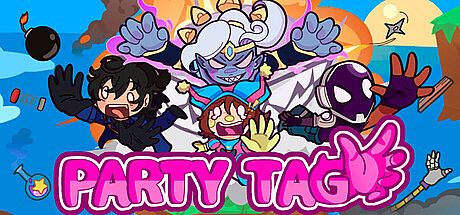


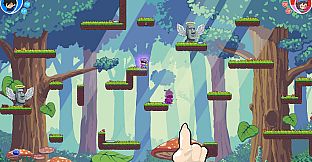
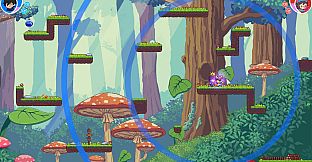
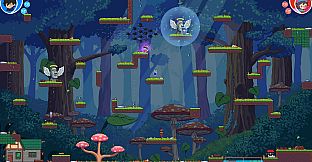
Party Tag is a multiplayer action and strategy game for PC that blends fast-paced tag mechanics with unpredictable twists and real-life consequences. Up to four players compete in short, chaotic rounds where passing a curse determines the loser, who then faces embarrassing dares performed in person. The game mixes competitive ability usage with social humor, making it suitable for groups seeking lively local or online sessions.
Gameplay
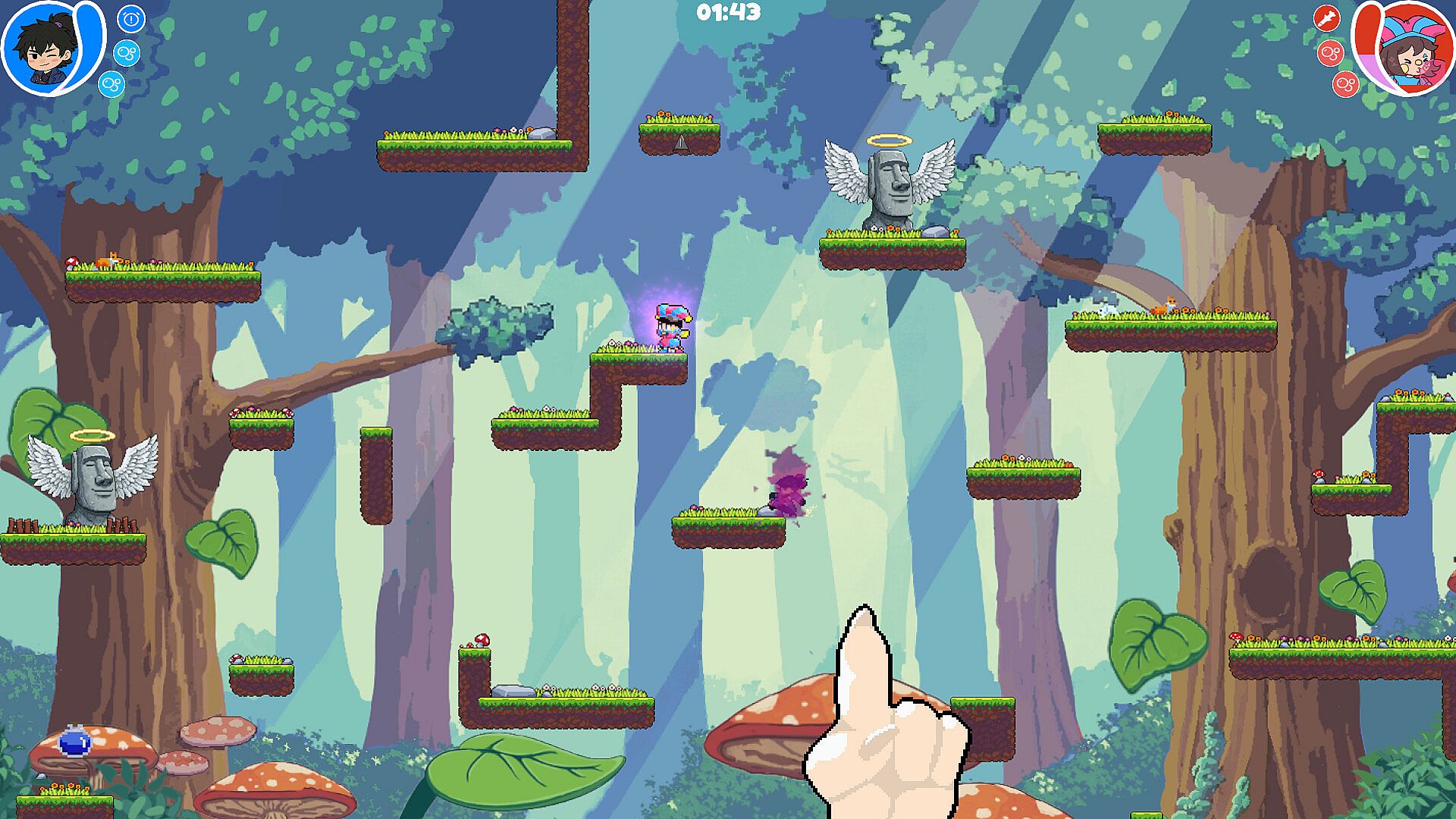
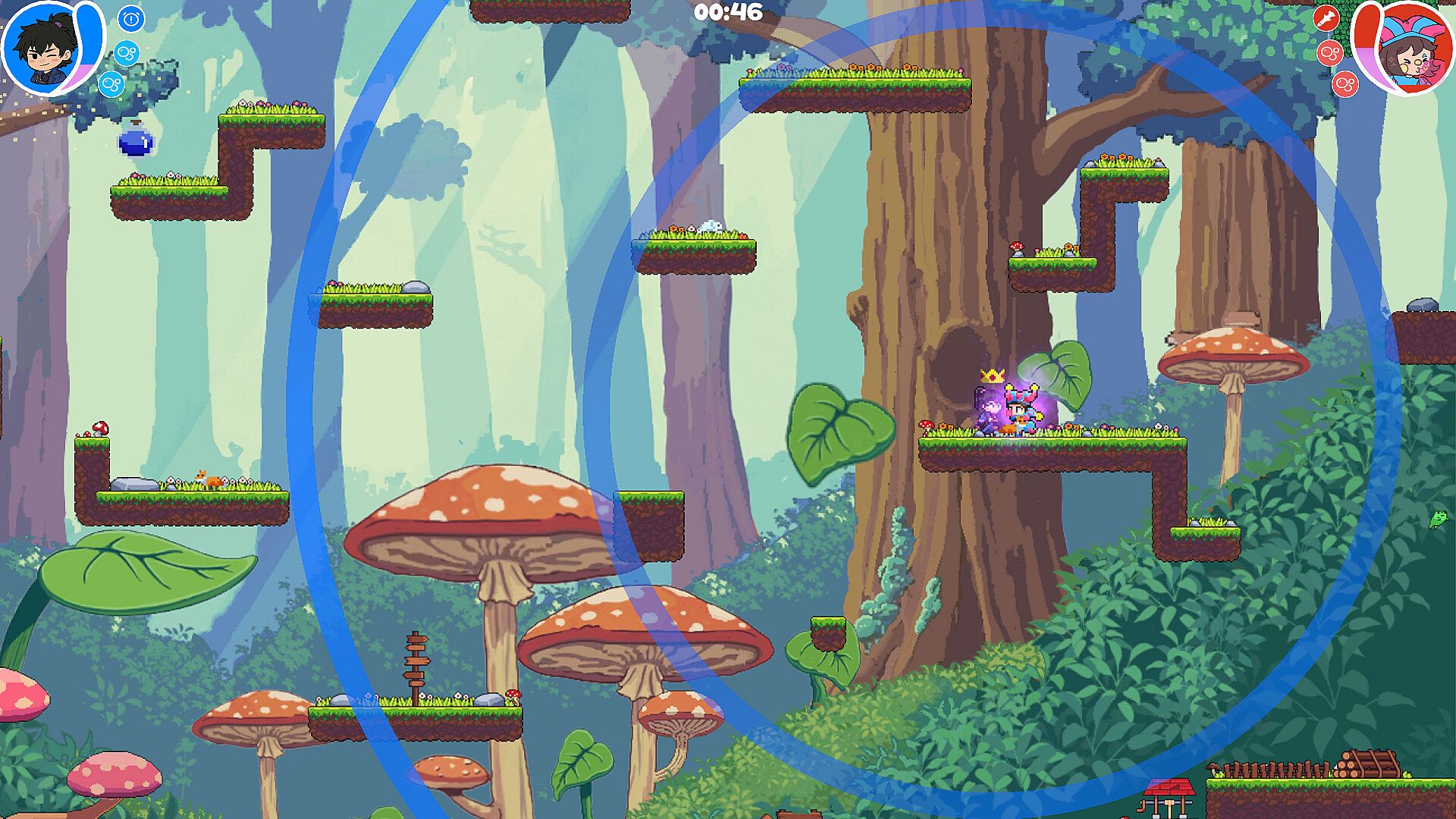
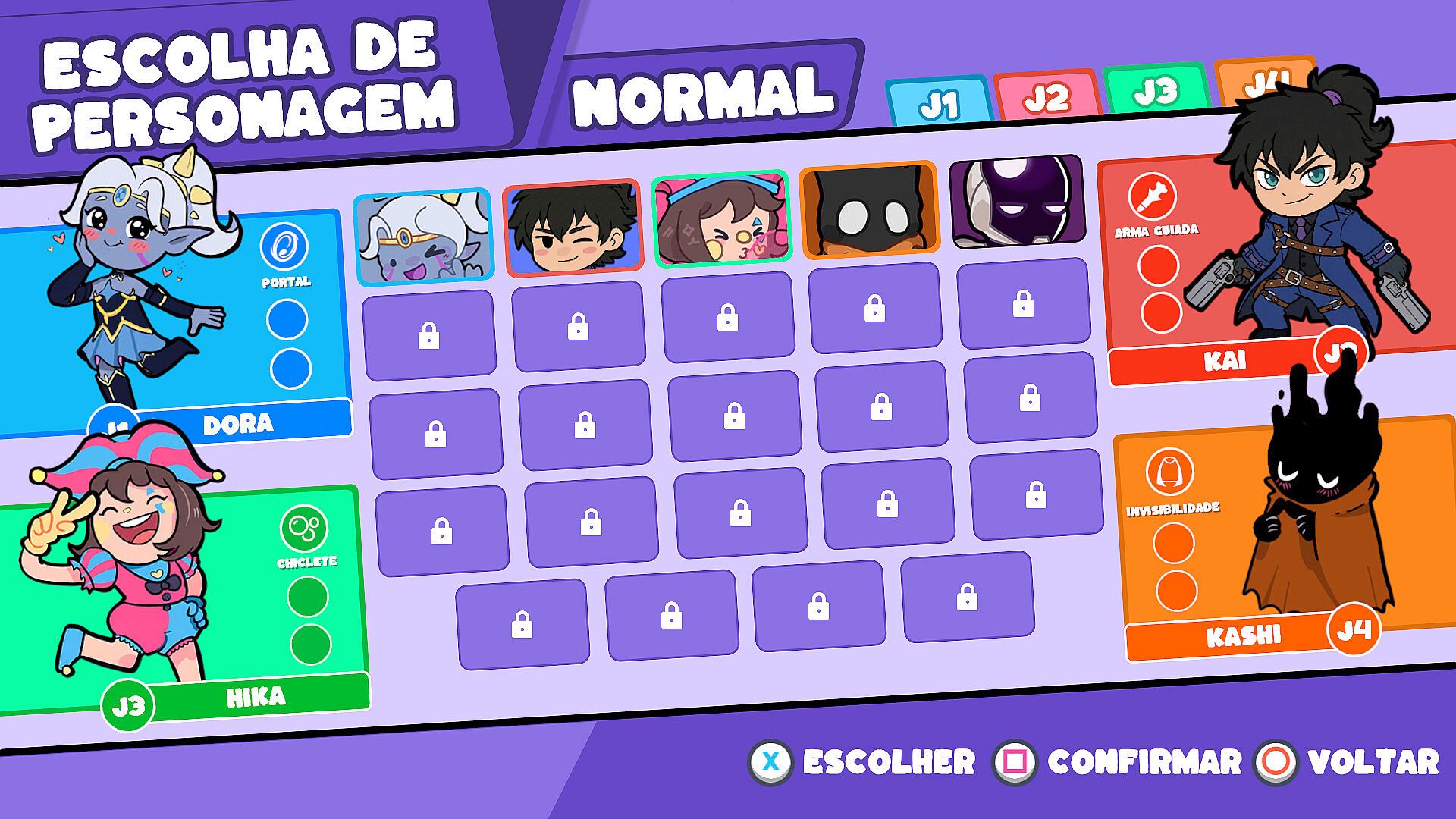
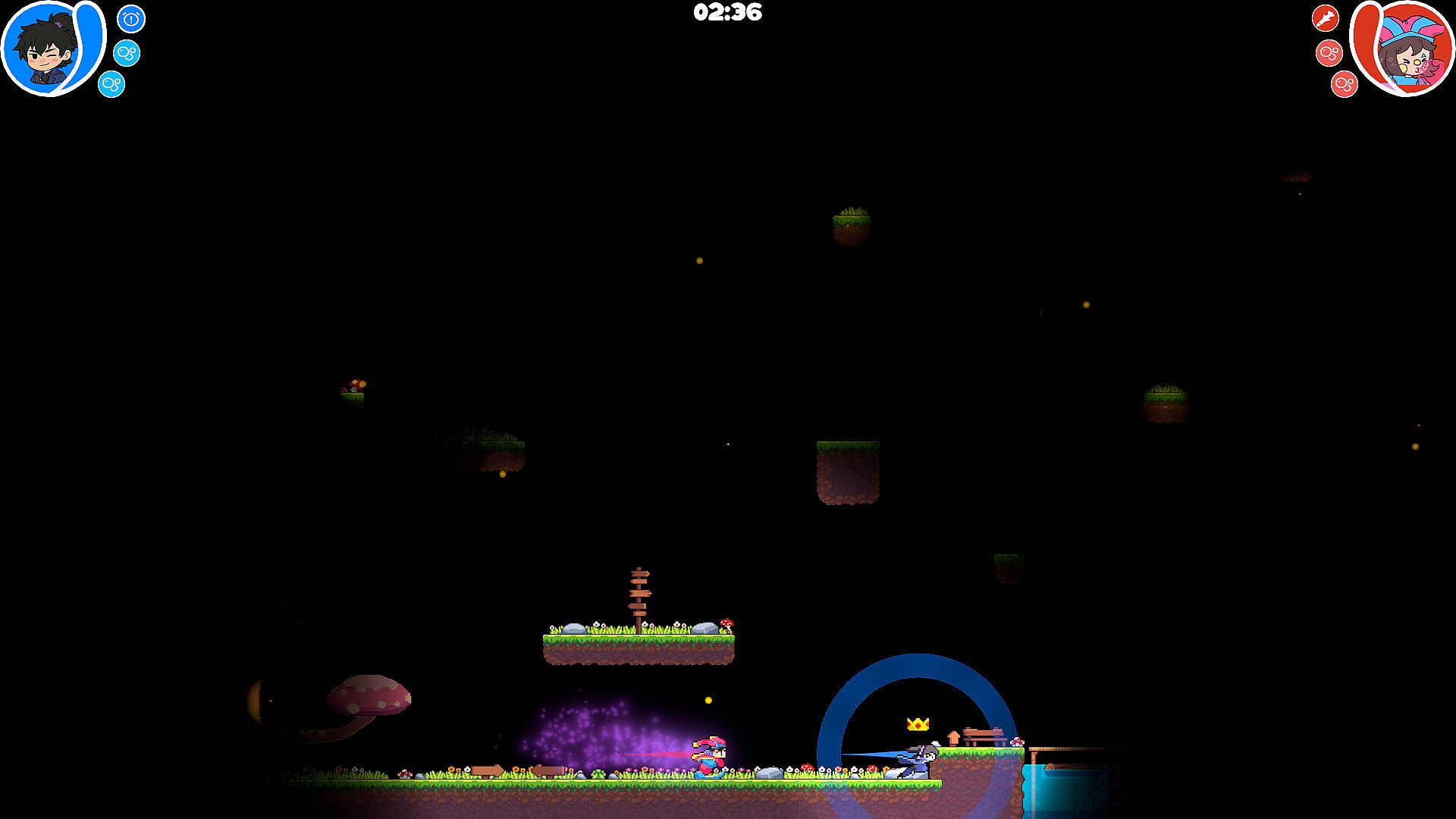
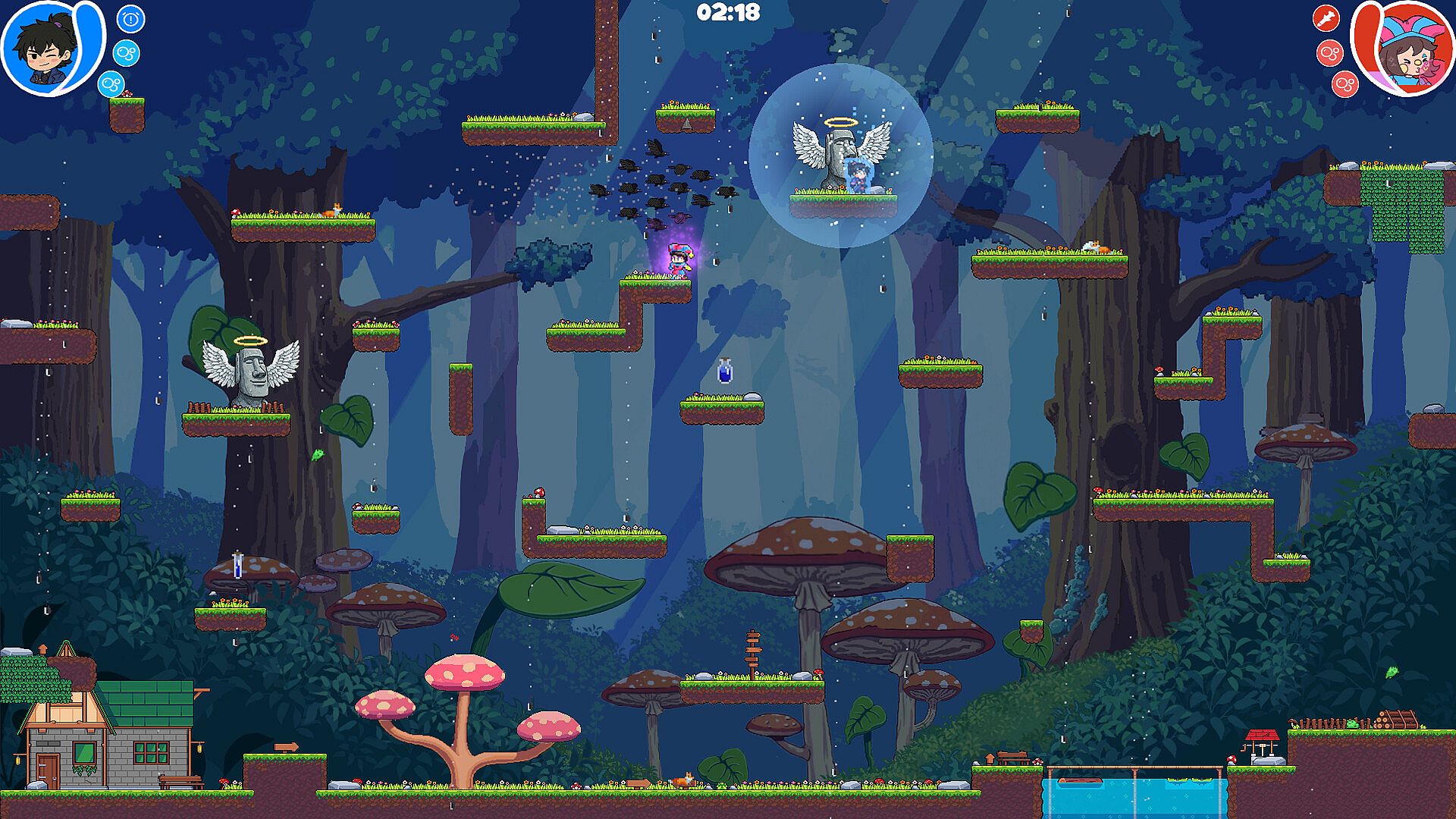
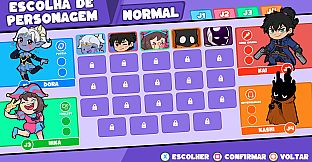
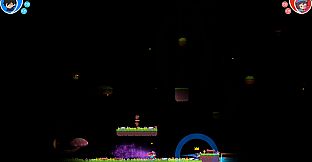
Core action revolves around one player holding the curse at any time. Touching another player transfers the curse, and the player with the most accumulated curse time when the round ends must complete a real-life dare. Rounds emphasize quick movement and ability deployment in an arena that can shift suddenly due to random boss appearances or rule changes. Players select from five characters, each featuring a distinct ultimate ability such as creating portals, firing guided shots, deploying gum, turning invisible, or stopping time. Loadouts combine these with seven abilities including dash, direction bomb, shield, platform creation, double jump, trampoline, and hook for varied movement and combat options. Bosses named Blotty, Flotty, and Plotty enter the arena at unpredictable intervals to alter the flow. Match events introduce temporary changes like complete darkness, inverted controls, or the arrival of Greedy Master to heighten tension. Respawns occur instantly to maintain momentum without downtime.
Game Modes
Two primary formats structure play. The straight round mode focuses on a single timed match where curse accumulation decides the outcome. The points format extends across multiple rounds, allowing players to accumulate scores over several chaotic sessions. Match sizes support 1v1 duels, triple duels pitting two players against the cursed individual, or full four-player group battles. Local couch play accommodates up to four participants on one system, while online multiplayer connects friends through standard PC networking. Real-life punishments integrate directly after losses, with cards prompting challenges such as delivering a Nobel Prize-style speech, performing charades for a favorite movie, or serenading another player, each timed for added pressure under group observation.
Characters and Abilities
Character selection encourages experimentation with unique ultimates that can swing matches when deployed effectively. The portal ultimate opens pathways for repositioning or escapes, while the guided gun provides targeted offense. Gum creates sticky traps or mobility aids, invisibility enables stealth approaches, and time stop freezes the action for strategic advantage. The seven supporting abilities allow customization of movement and defense, such as using the hook for traversal or the trampoline for vertical plays. Players build loadouts before each match to suit preferred playstyles, balancing offense, defense, and mobility in the fast rounds.
Match Events and Bosses
Dynamic interruptions keep sessions fresh. Boss encounters with Blotty, Flotty, and Plotty occur randomly and can redirect strategies mid-round through direct interference. Separate events trigger environmental shifts including sudden darkness that obscures vision, control inversion that flips inputs, or Greedy Master interventions that impose additional handicaps. These elements combine with the core curse-passing loop to create layers of unpredictability beyond standard tag gameplay.
Is It Worth Playing?
Party Tag suits players who enjoy short, high-energy multiplayer experiences with a mix of competitive strategy and lighthearted real-world interaction. The combination of ability loadouts, sudden bosses, and rule-altering events supports repeated sessions without repetition, while the dare system adds a social dimension absent from purely digital party games. Local and online options make it accessible for both in-person groups and remote friends. Those preferring structured competitive play or longer campaigns may find the emphasis on quick chaos less appealing, but the game delivers consistent variety for casual gatherings focused on laughter and quick reflexes. Early Access status indicates ongoing development, with the listed features providing a complete foundation for immediate play.