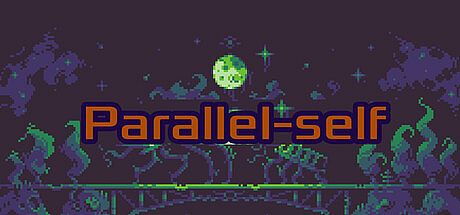



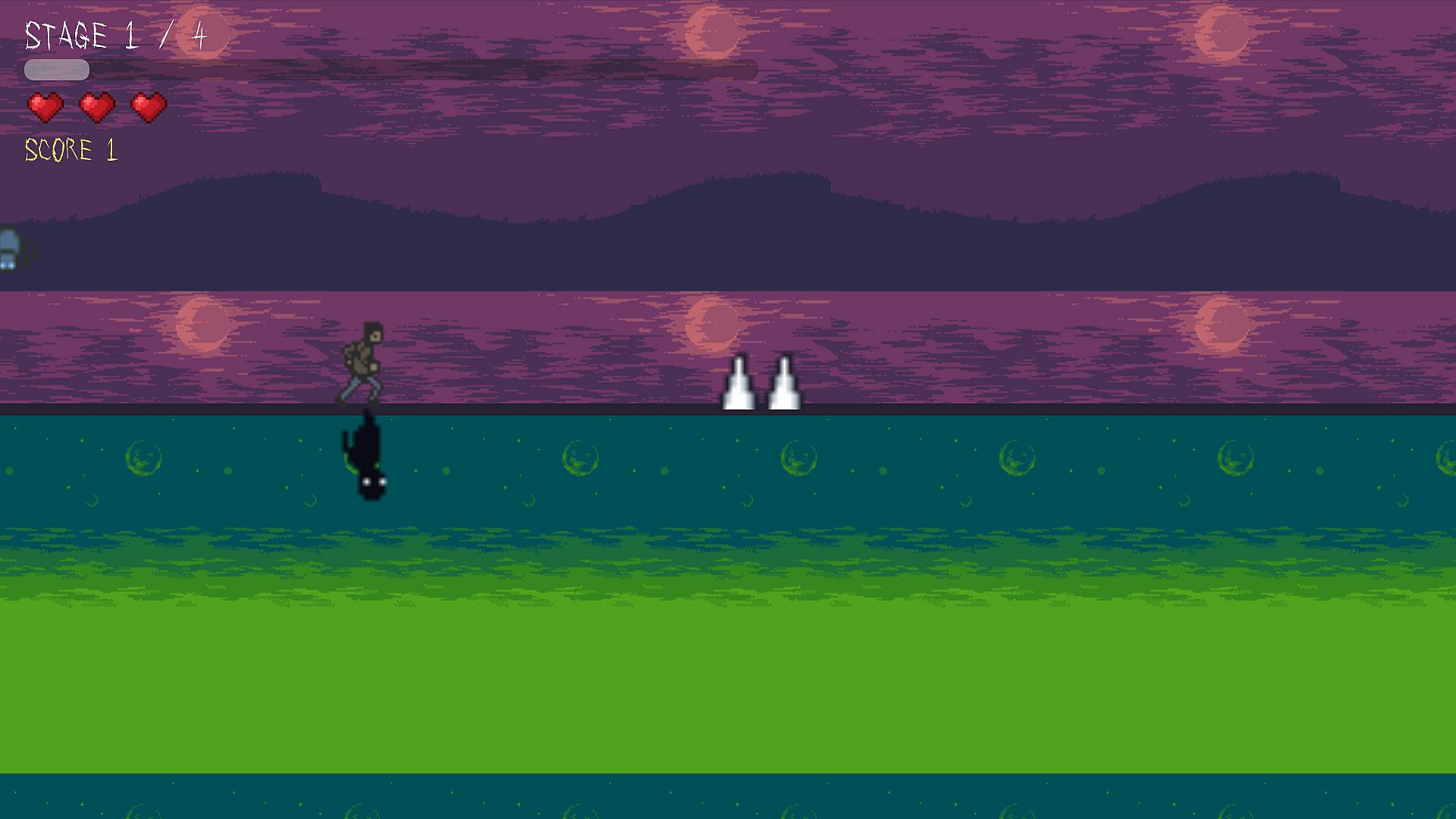
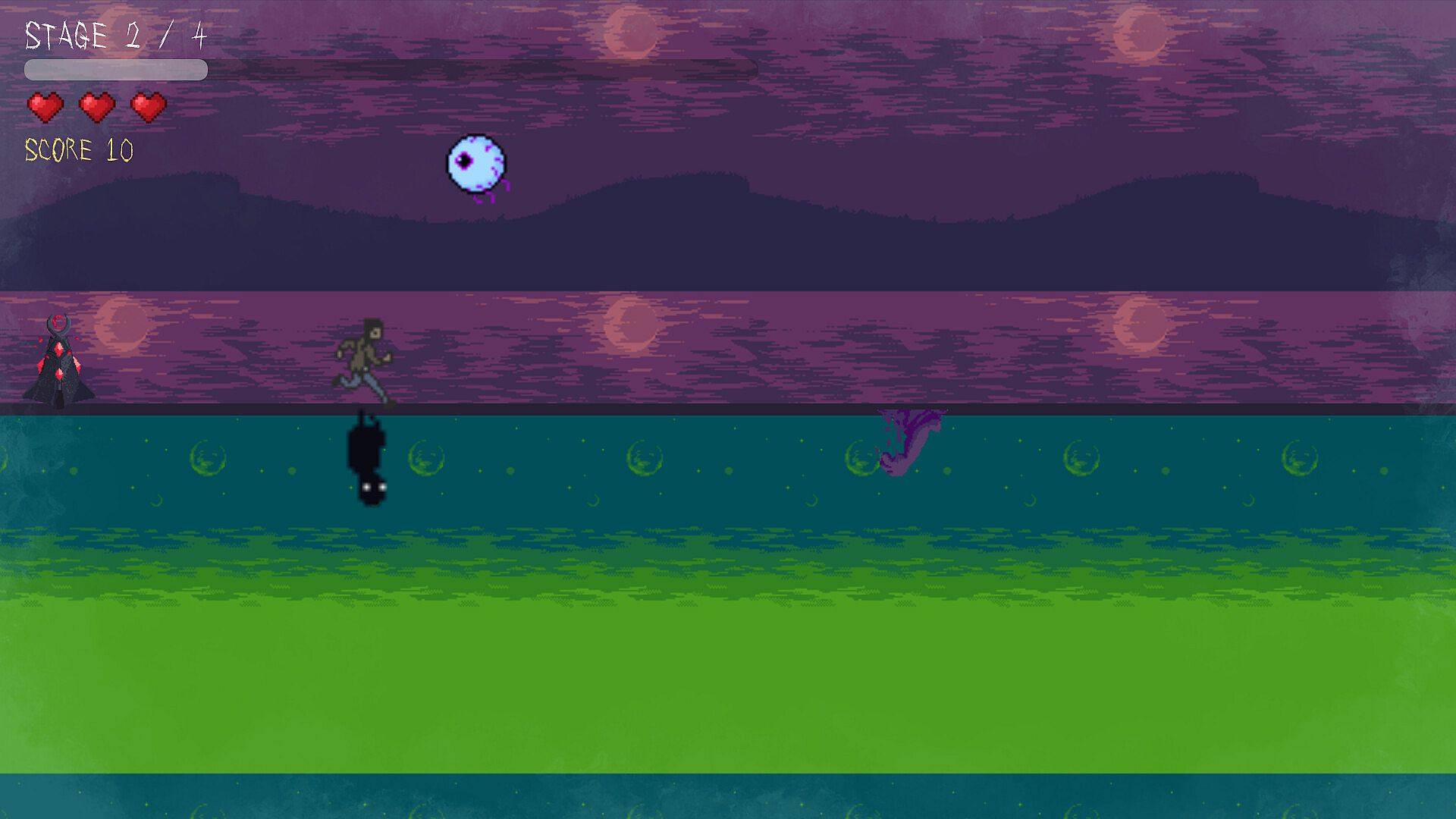
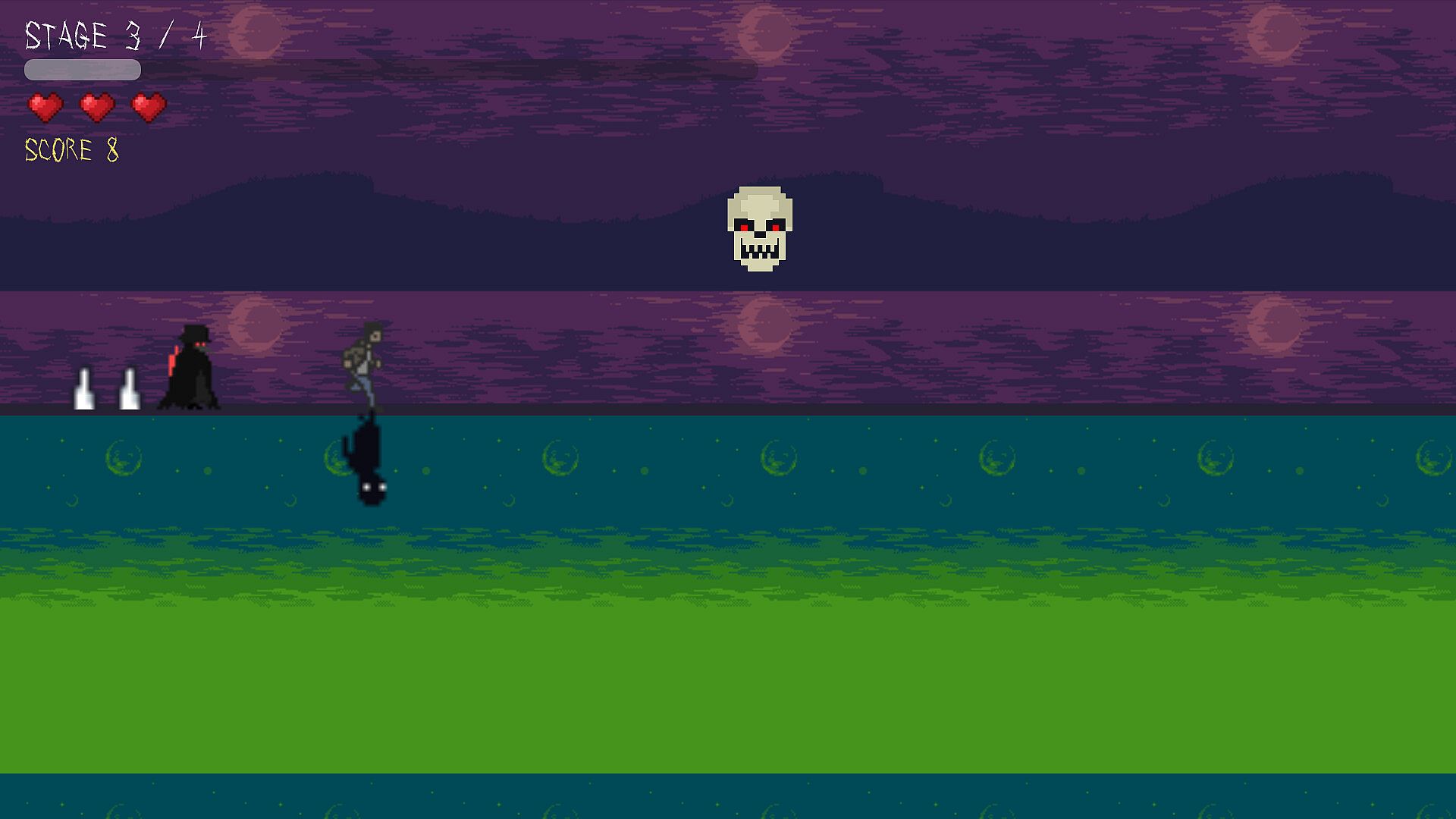
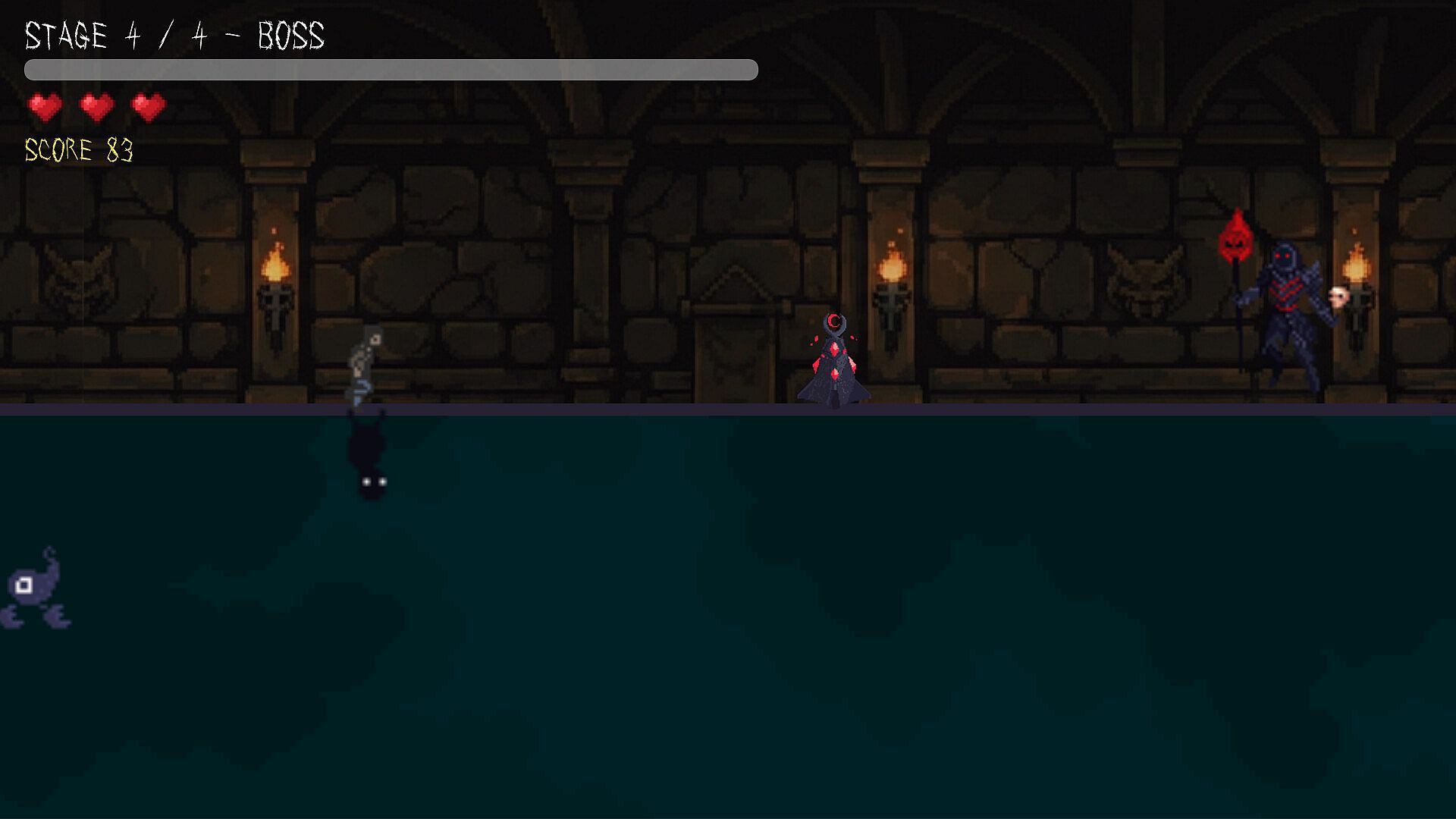
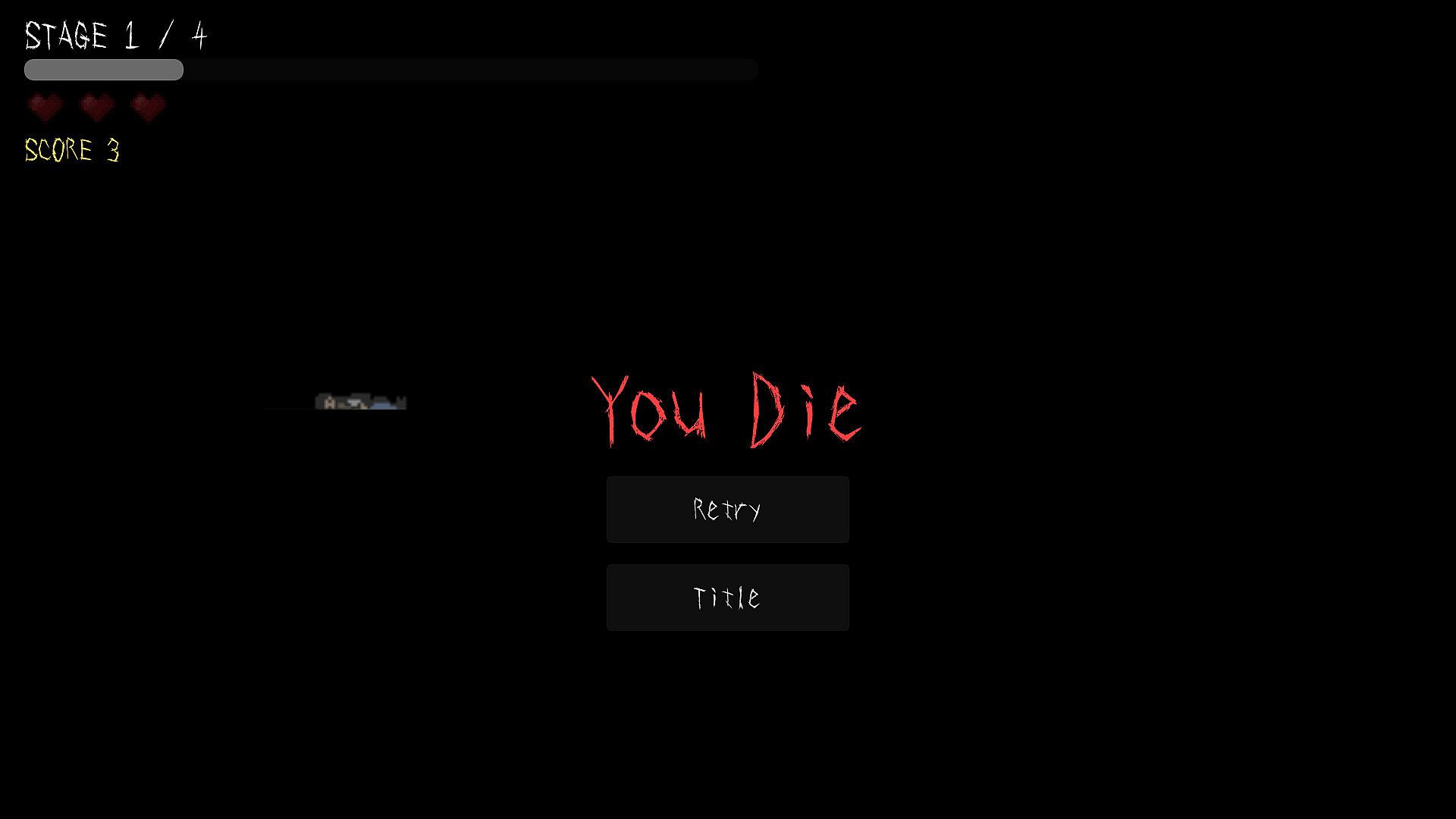
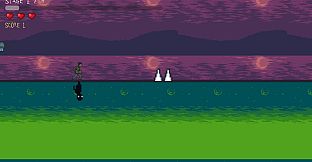
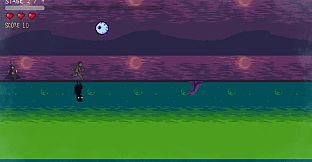
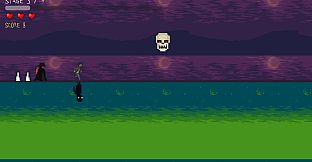
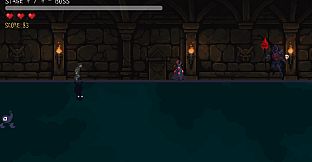
Parallel Self es un juego de acción 2D para PC que se controla con un solo botón y combina una plataforma precisa con una narrativa que se revela a lo largo de varias partidas. El jugador guía a un niño que corre por dos pantallas sincronizadas, superior e inferior, para rescatar a su madre del Señor de los Demonios, mientras una sombra lo acompaña en todo momento. El ciclo principal consiste en sincronizar un único salto para superar obstáculos que se vuelven más exigentes con cada intento.
Gameplay
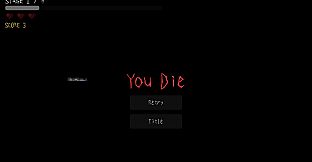
Los controles se limitan a un botón durante toda la partida. Al pulsarlo se ejecuta un salto que debe coincidir con precisión con las plataformas y peligros en movimiento de ambas mitades de la pantalla, que permanecen siempre sincronizadas. Esta configuración obliga a prestar atención constante a patrones que se repiten entre fases, pero que exigen mayor precisión a medida que avanza el juego. Cada fallo devuelve al jugador al inicio del tramo actual, fomentando la repetición para memorizar las secuencias de obstáculos.
Una sombra sigue al niño en todo momento y se convierte en un elemento clave de la experiencia. Su presencia sugiere conexiones más profundas que solo se entienden tras completar la primera partida. La historia se transmite mediante detalles del entorno y breves momentos narrativos, sin recurrir a cinemáticas largas, para mantener el foco en la acción. La banda sonora, de estilo barroco, se inspira en el Invierno de Vivaldi para reforzar el tono tenso y emotivo del viaje.
Modos de juego
Parallel Self es una experiencia para un solo jugador sin opciones multijugador ni competitivas. Su estructura se basa en dos recorridos por las mismas fases. En el primero se presenta la historia directa del niño que persigue a su madre. En el segundo se repiten los mismos niveles, pero con un contexto narrativo distinto que cambia el sentido de los eventos anteriores y revela la verdadera naturaleza de la sombra.
El progreso depende del aprendizaje a través de los errores, sin caminos alternativos ni variantes desbloqueables. Cada fase aumenta la complejidad de los movimientos sincronizados y la precisión de los saltos respecto a la anterior. No existen otros modos como contrarreloj, carreras infinitas o cooperativo.
Historia y temas
La narrativa gira en torno a la determinación de un niño por recuperar a su madre, secuestrada por el Señor de los Demonios. Las primeras fases establecen el objetivo inmediato de persecución y huida. La sombra que acompaña al protagonista funciona como elemento visual constante cuya importancia cambia por completo al iniciar la segunda partida. Esta estructura premia a quienes regresan tras completar el juego por primera vez, ya que la nueva perspectiva transforma las fases ya conocidas sin modificar los desafíos de plataforma.
Los temas de identidad y verdades ocultas se desarrollan de forma gradual a través de los recorridos repetidos. El juego evita la exposición directa y deja que el contraste entre ambas partidas genere el impacto emocional. De este modo, las sesiones se centran en los retos mecánicos mientras se construye hacia una revelación que redefine toda la experiencia.
¿Merece la pena jugarlo?
Parallel Self está dirigido a jugadores que buscan plataformas de un solo botón que prioricen el reconocimiento de patrones y la precisión temporal por encima de controles complejos. El sistema de pantallas duales sincronizadas añade una capa de coordinación visual que lo diferencia de los plataformas laterales habituales. Quienes prefieren experiencias indie breves y rejugables con un componente emocional pueden encontrar valor en completar ambas partidas para descubrir la historia completa.
El juego no incluye checkpoints indulgentes ni ajustes de dificultad, por lo que resulta más atractivo para quienes se sienten cómodos aprendiendo a base de intentos fallidos. Su disponibilidad se limita a PC y la experiencia se centra en el ciclo principal de correr, saltar y descubrir la verdad en el segundo recorrido. Para los aficionados a los juegos de acción indie que combinan mecánicas puras con una historia compacta, el título ofrece una sesión enfocada que recompensa la persistencia sin elementos superfluos.