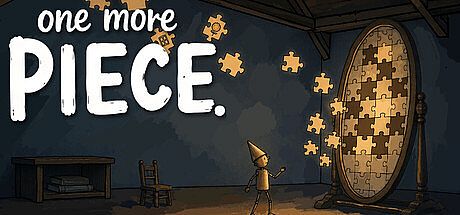


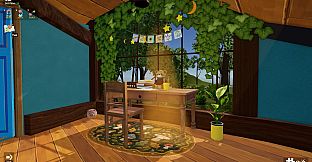
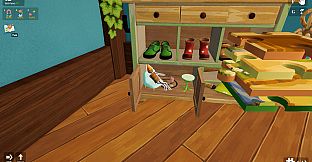
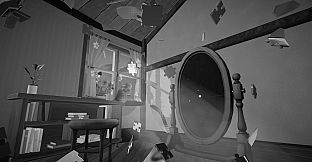
One More Piece is an indie casual adventure game centered on exploration, observation, and jigsaw puzzle solving. Players step into the shoes of Mei as she navigates a space that blends the familiar with the subtly off-kilter, searching for scattered pieces to restore order and reflect on lingering memories.
Gameplay
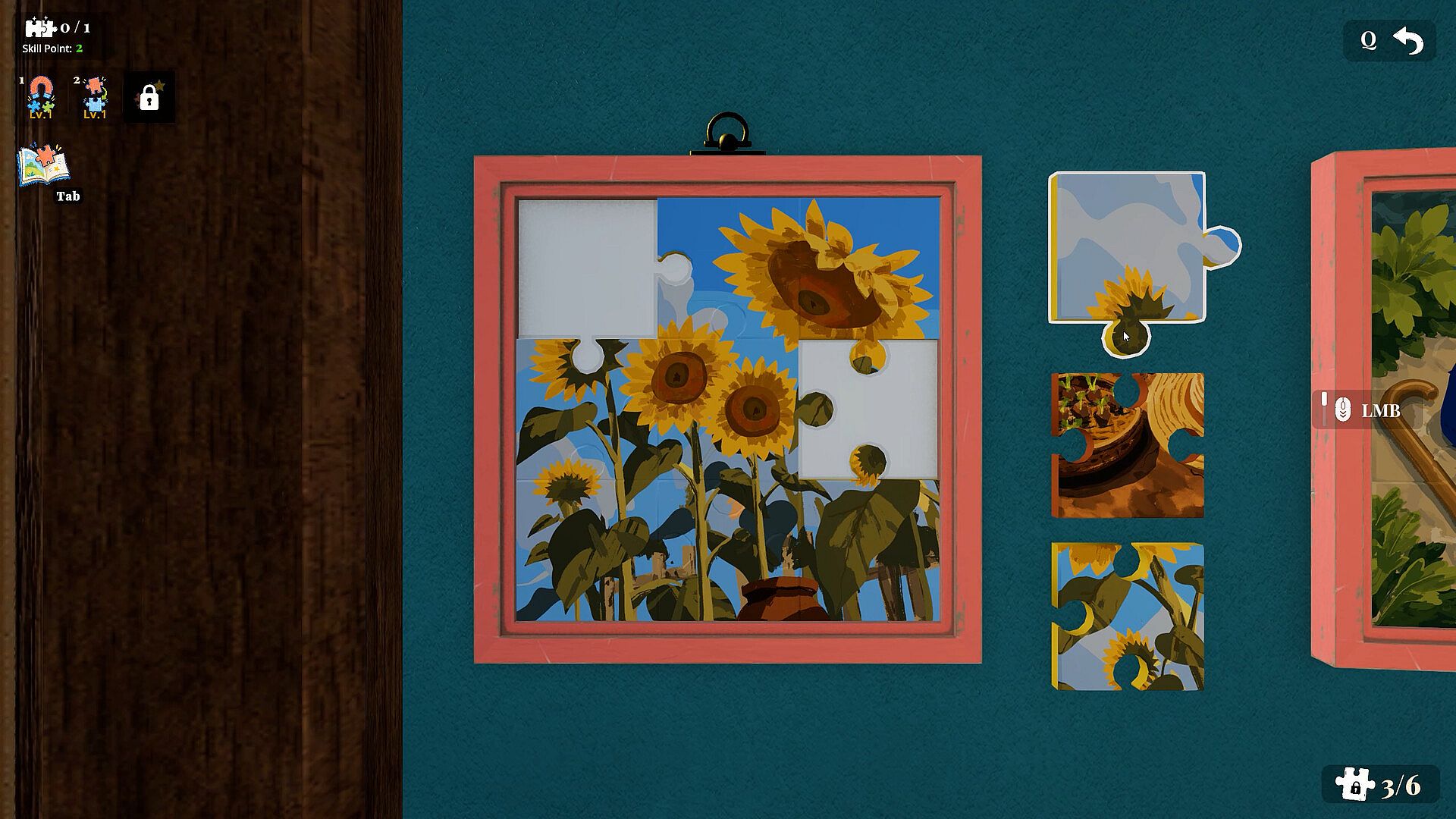
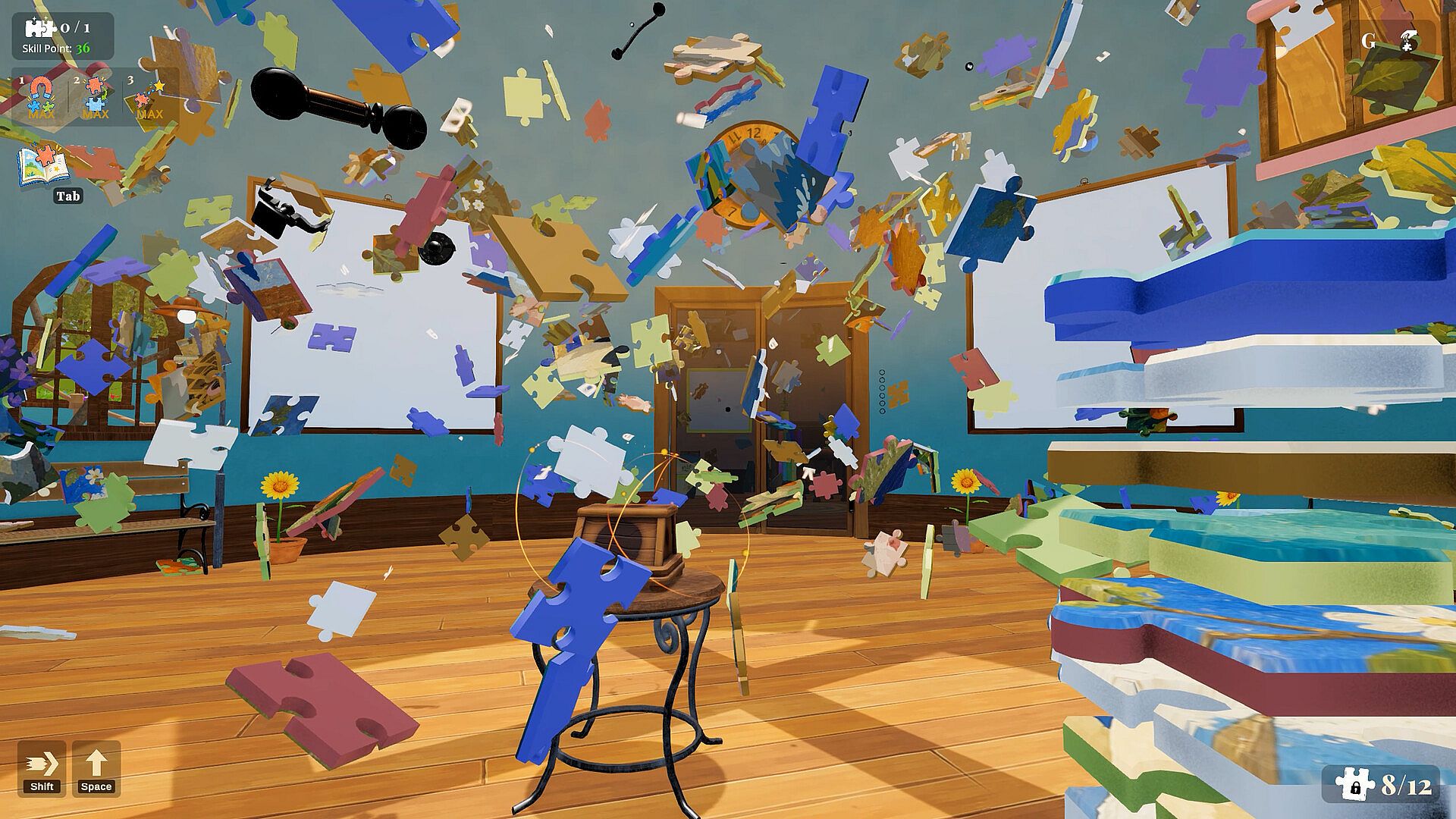
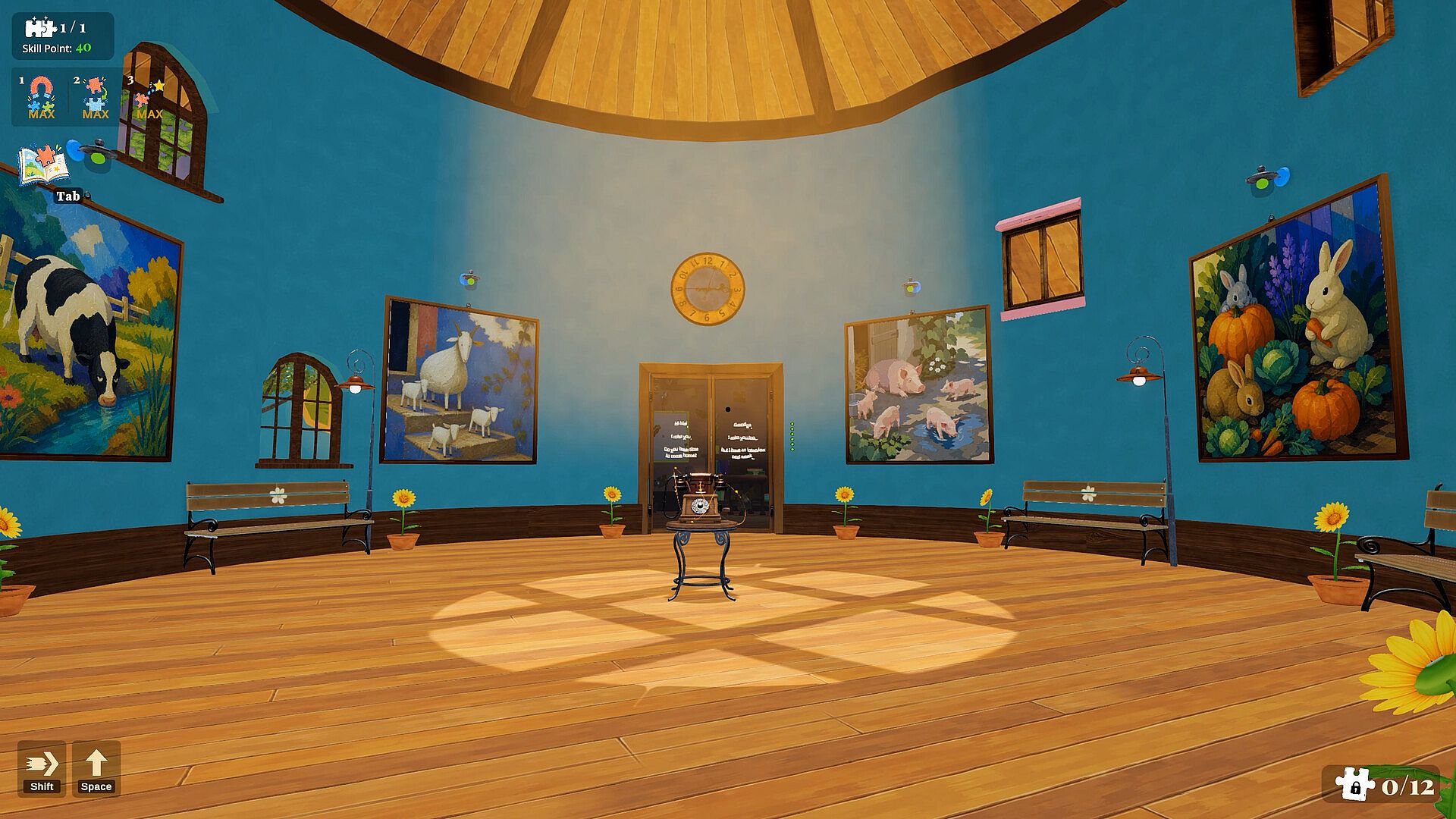
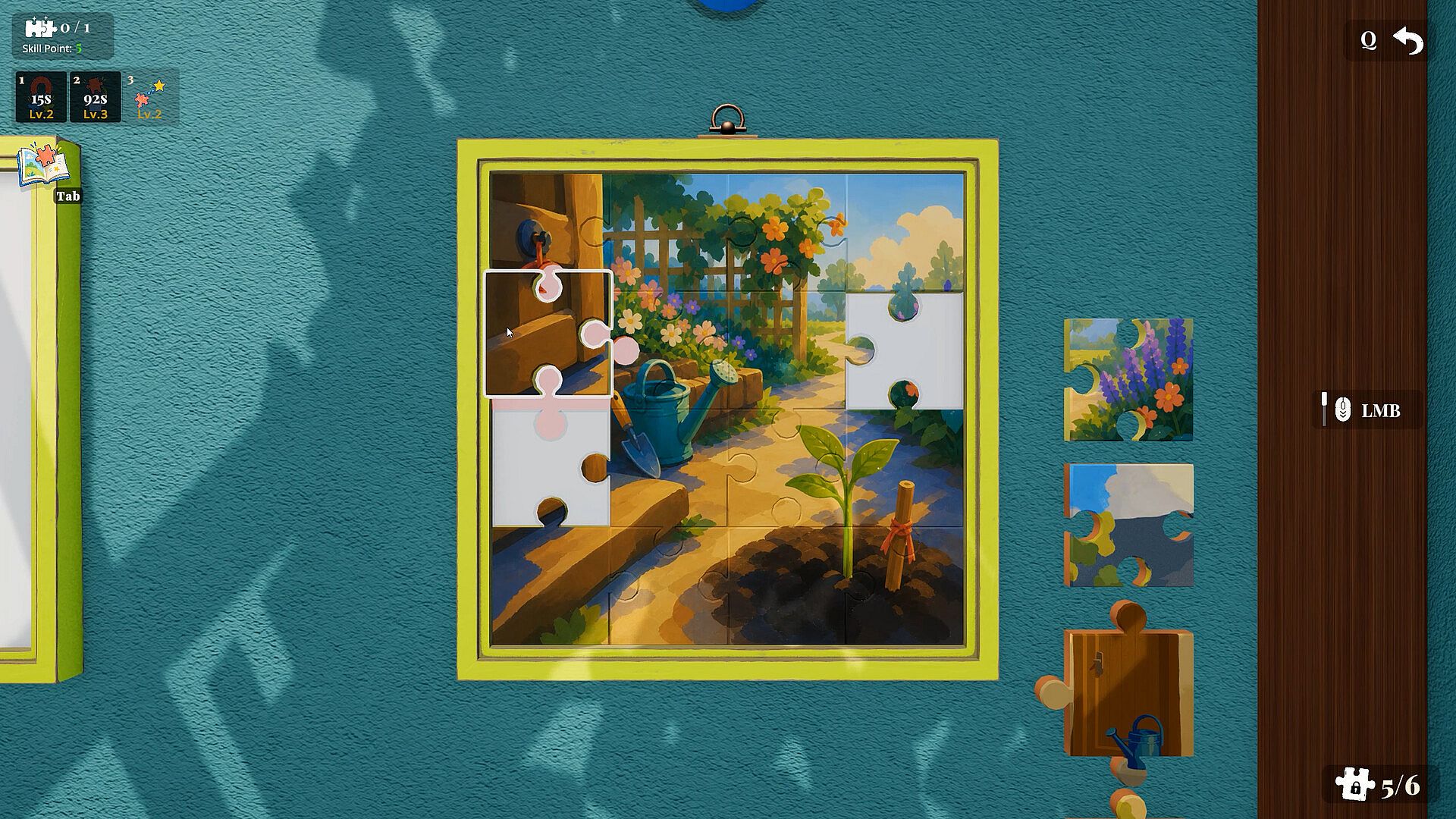
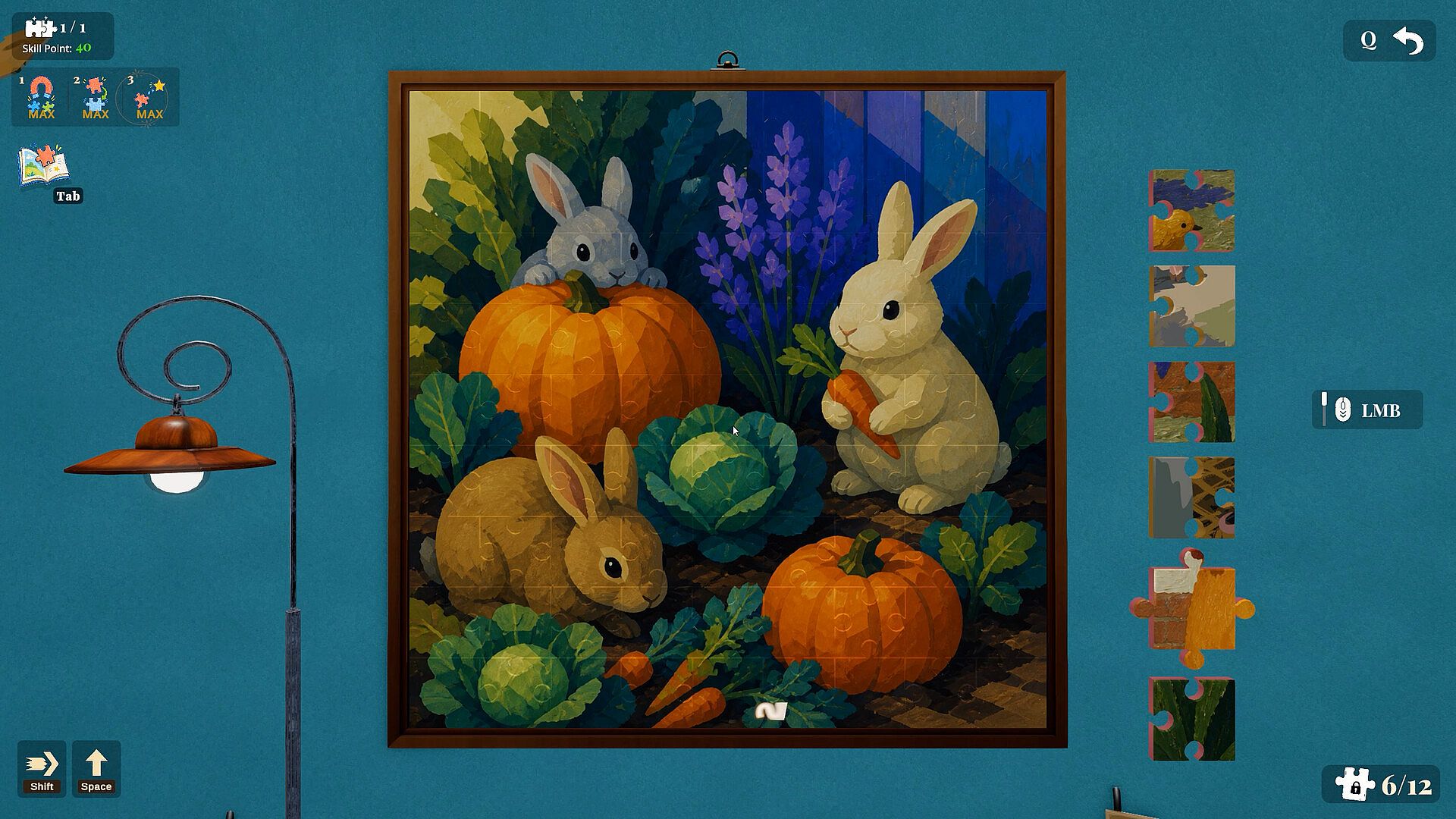
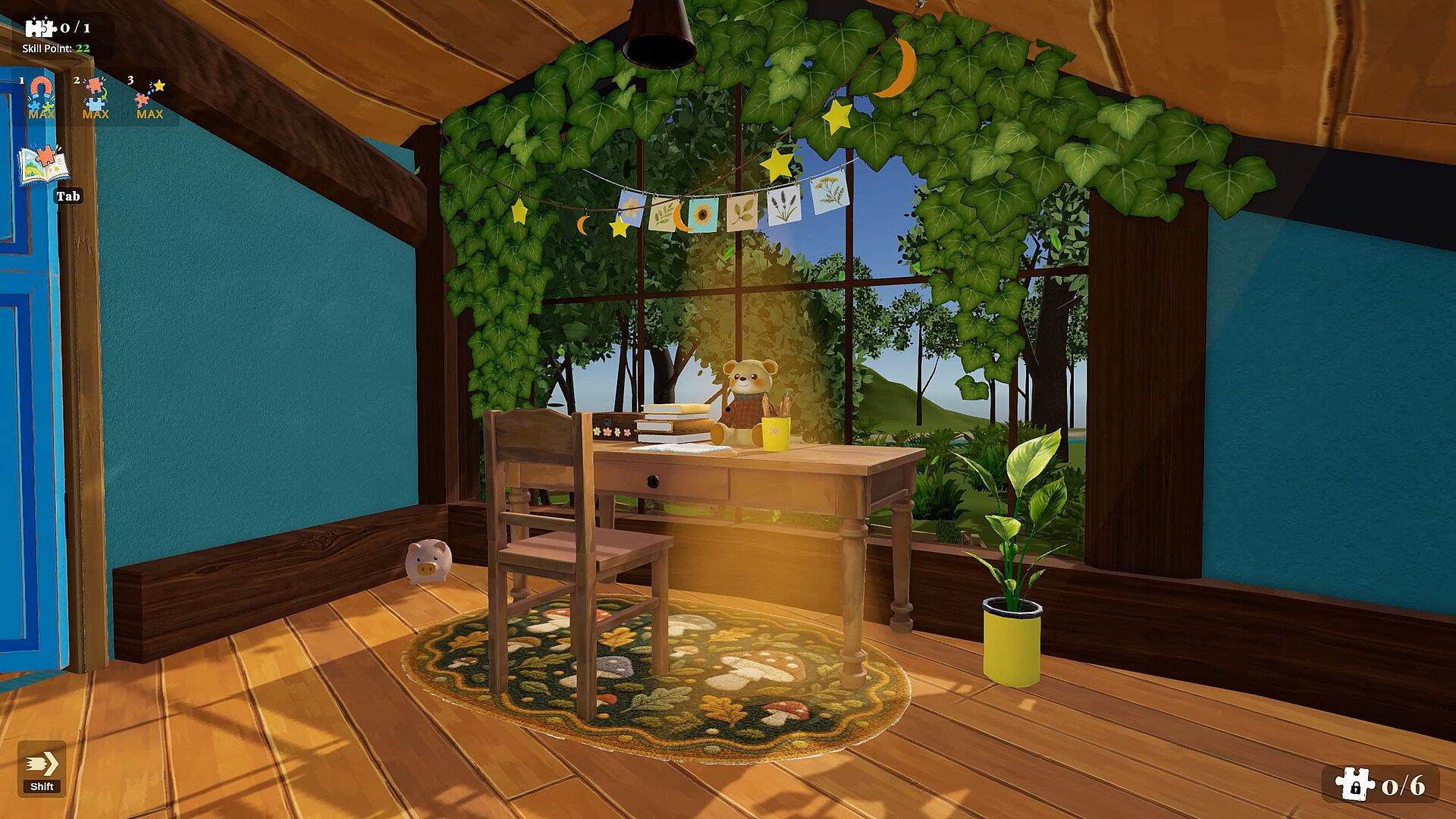
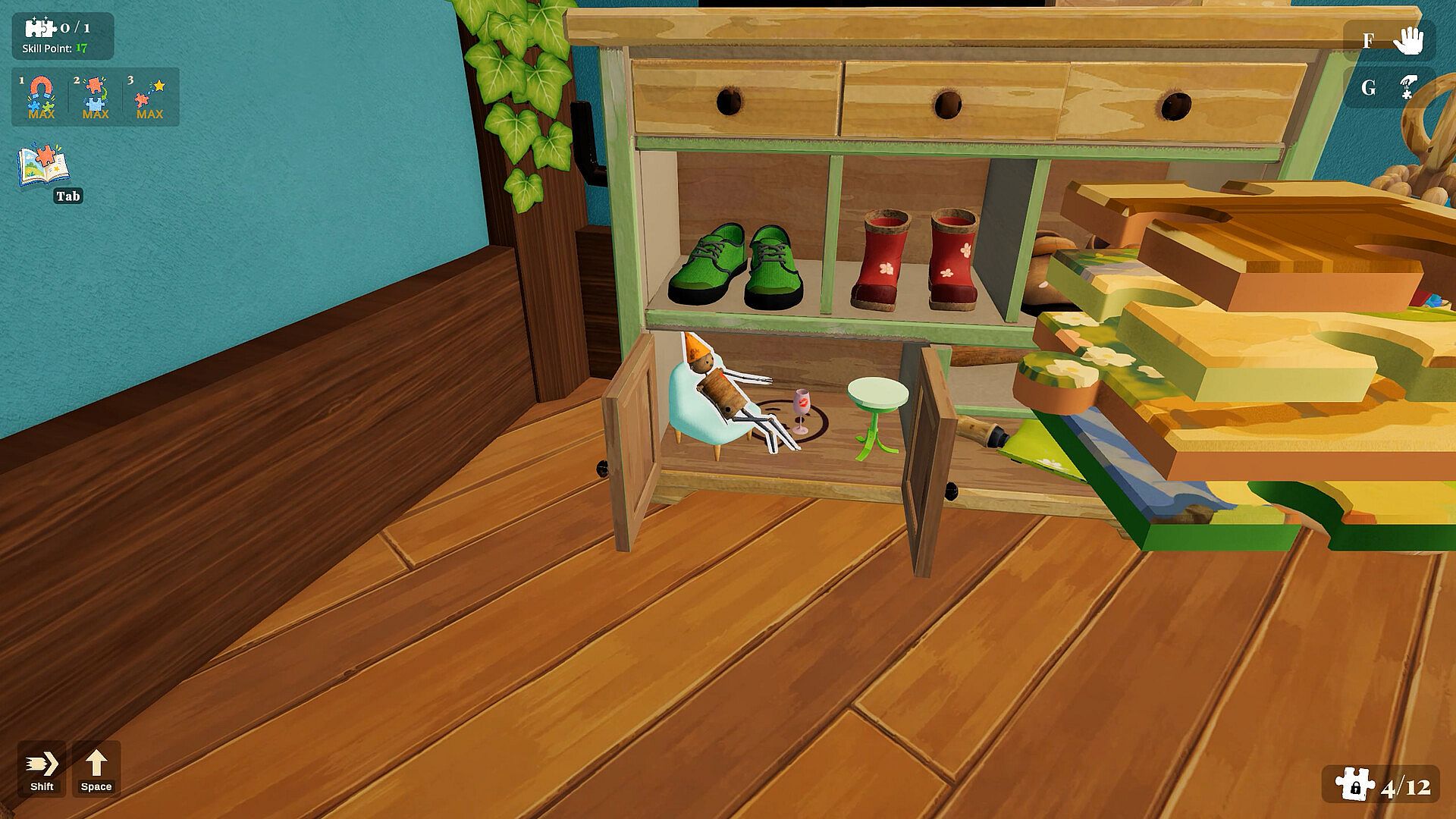
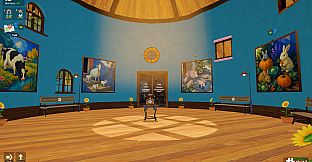
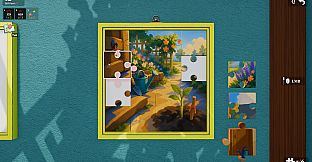
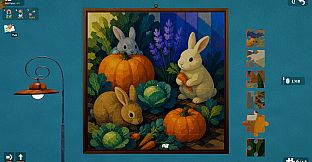
The core loop revolves around first-person exploration of nine distinct rooms. Players examine furniture, open drawers, and inspect everyday objects to locate missing puzzle pieces hidden in plain sight or tucked away in small details. Once collected, these pieces fit into one of 34 hand-illustrated boards that depict simple, warm scenes from daily life. Completing a puzzle triggers changes in the surrounding room, gradually returning misplaced objects to their proper places and bringing the environment into sharper focus. The experience emphasizes a relaxed pace, allowing players to move at their own speed without timers or pressure.
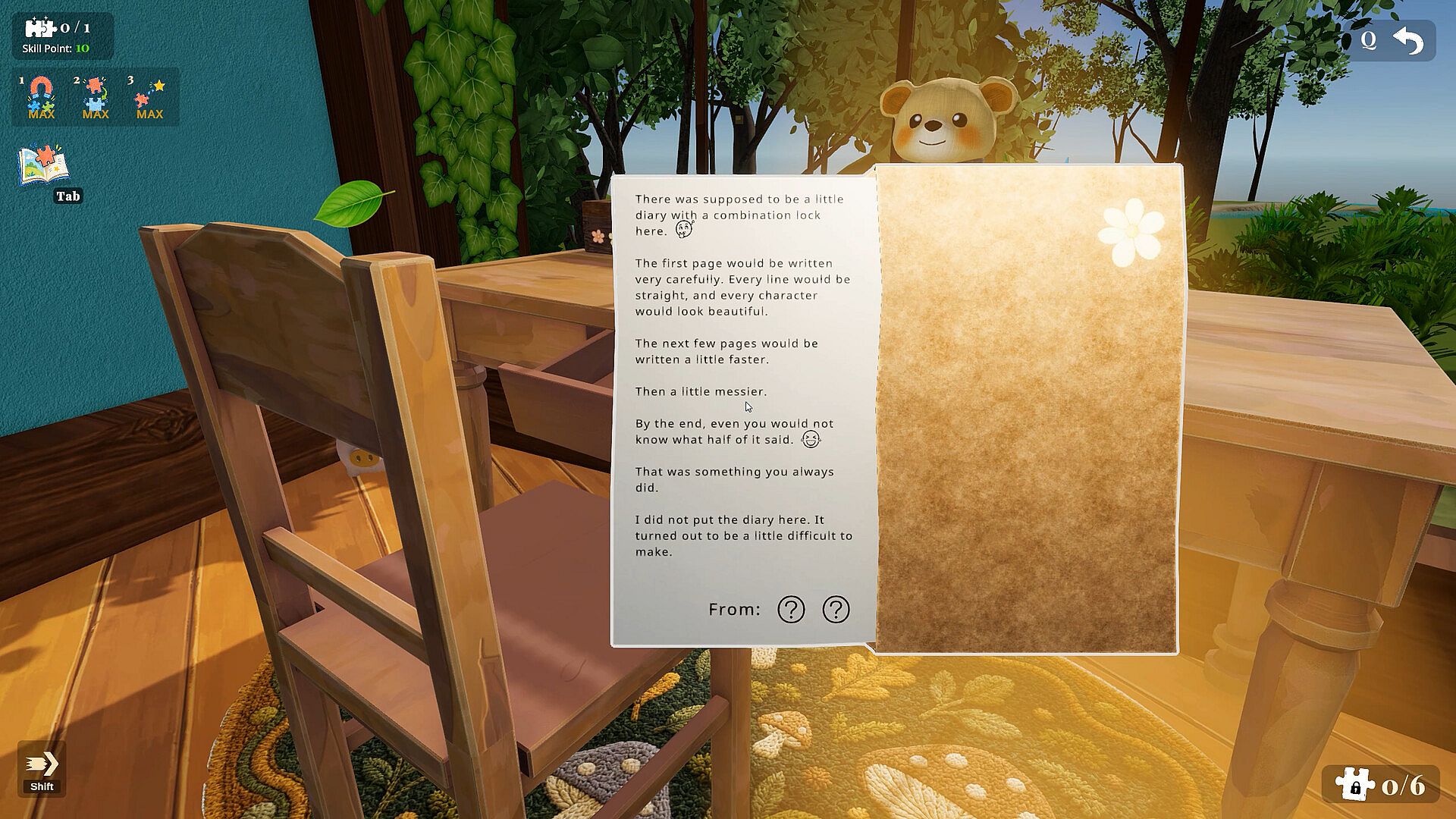
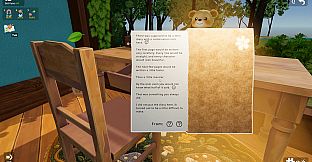
Alongside the physical searching and assembly, scattered letters appear throughout the rooms. These notes carry ambiguous voices that sometimes echo a younger version of Mei and at other times suggest an outside perspective, adding layers to the quiet narrative about memory and release. The hand-drawn puzzle artwork captures ordinary moments with a gentle, inviting style that rewards close attention to line work and color.
Game Modes
One More Piece offers a single-player experience built around its central loop of room exploration and puzzle completion. There are no separate competitive or multiplayer modes. Instead, the game structures progression through the nine rooms and the sequence of 34 puzzles, with each completed board directly influencing the visible state of the environment. Players advance by finding pieces at their own rhythm, revisiting areas as needed, and piecing together both the physical space and the emotional threads carried in the letters.
Story and Themes
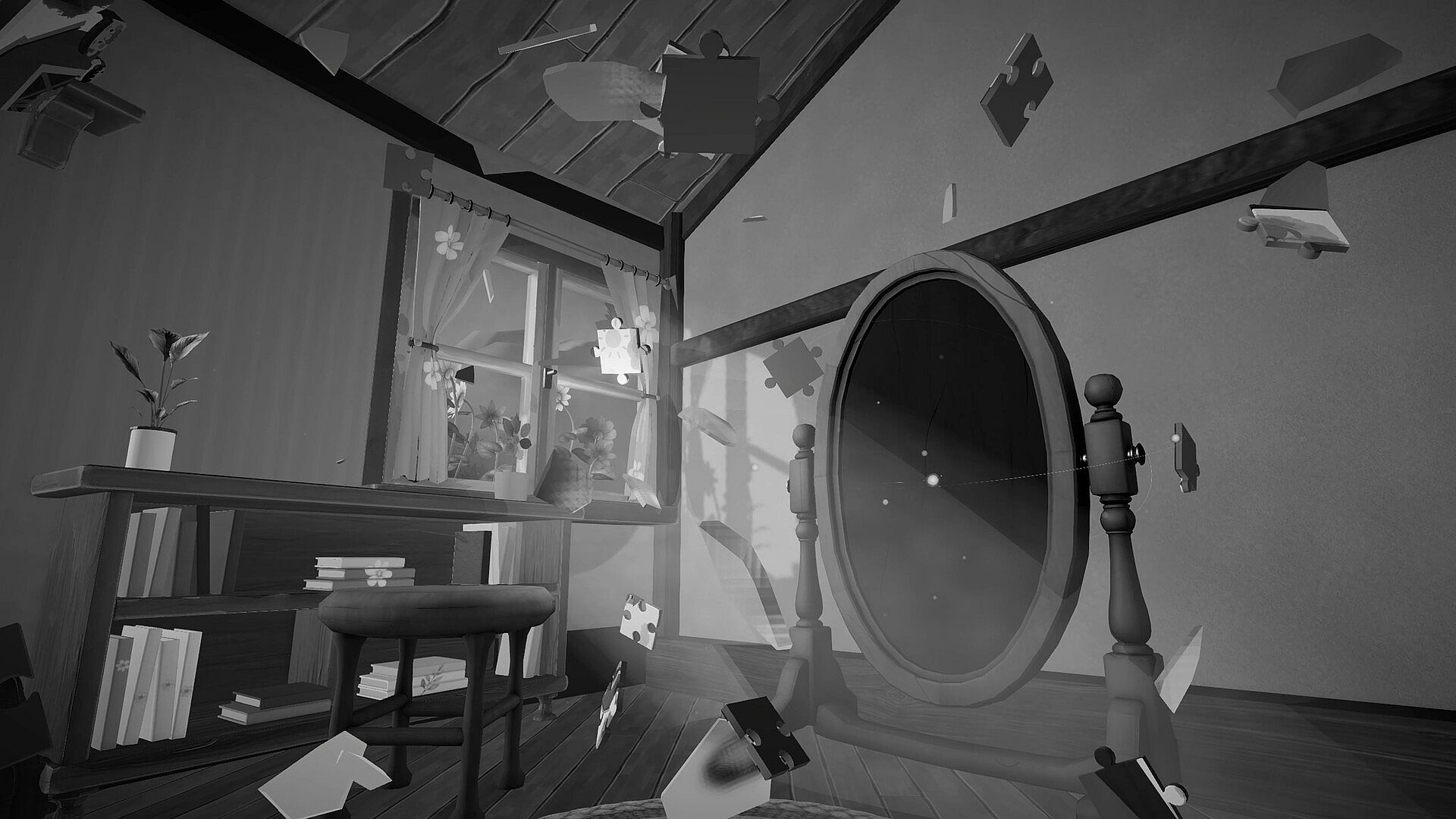
The narrative unfolds quietly through Mei's observations and the letters she discovers. As rooms regain their intended shape, players witness how small acts of restoration connect to broader reflections on what remains from the past and what can be set aside. The setting begins with a sense of subtle wrongness in familiar surroundings, and the gradual return to wholeness mirrors the introspective journey toward acceptance. No voice acting or heavy exposition interrupts the focus on visual discovery and thoughtful assembly.
Is It Worth Playing?
One More Piece suits players who appreciate low-pressure puzzle games and reflective single-player adventures. Its gentle mechanics and emphasis on personal pacing make it accessible for casual sessions, while the hand-illustrated puzzles and room-restoration feedback provide satisfying visual progression. Those drawn to themes of memory and quiet emotional resolution will find the letters and environmental changes particularly resonant. The game's focused scope on nine rooms and 34 puzzles delivers a contained experience without unnecessary complexity, appealing to anyone seeking a thoughtful break from more demanding titles.