




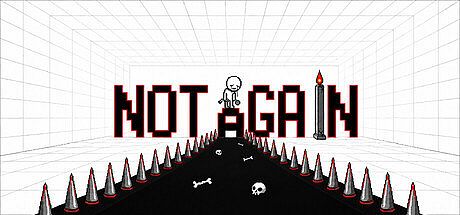


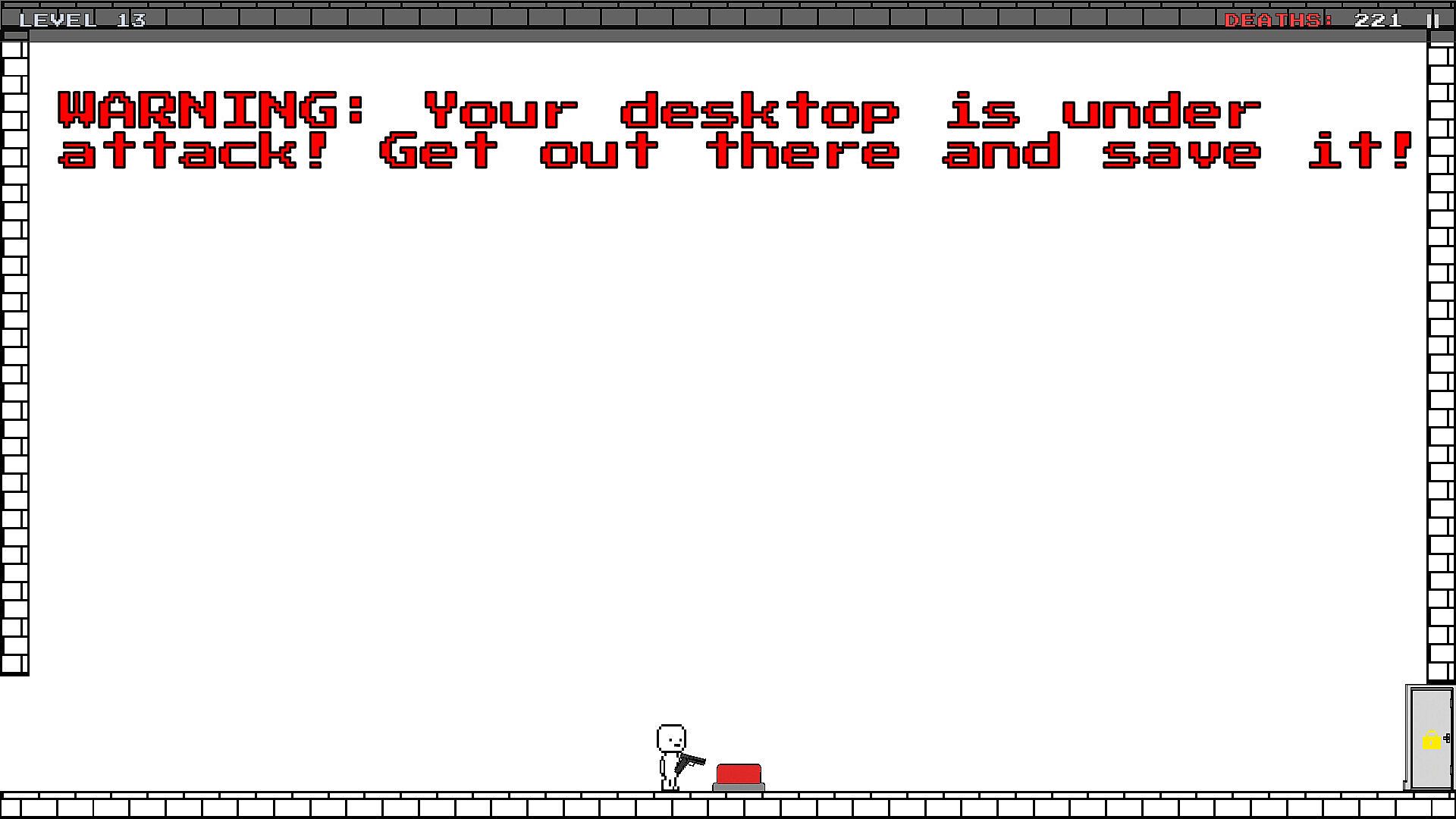
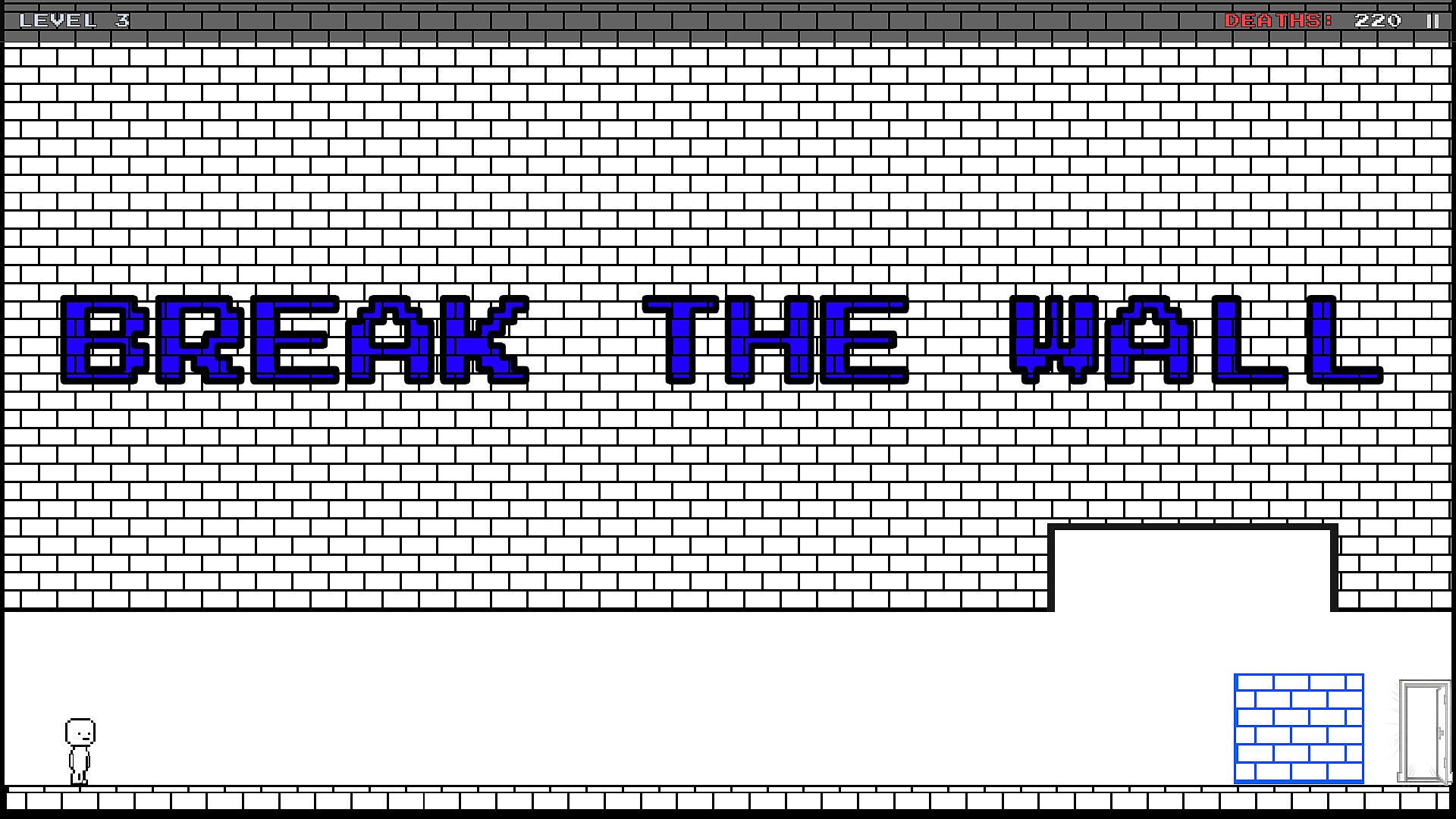
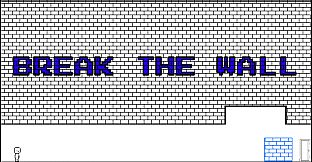
Not Again is a 2D puzzle-platformer that blends action and adventure elements into a deliberately deceptive experience on PC. The game uses clean pixel art to mask its core intent of challenging player expectations at every turn. Players navigate levels where the environment and interface cannot be trusted, turning simple platforming into a test of observation and adaptability.
Gameplay
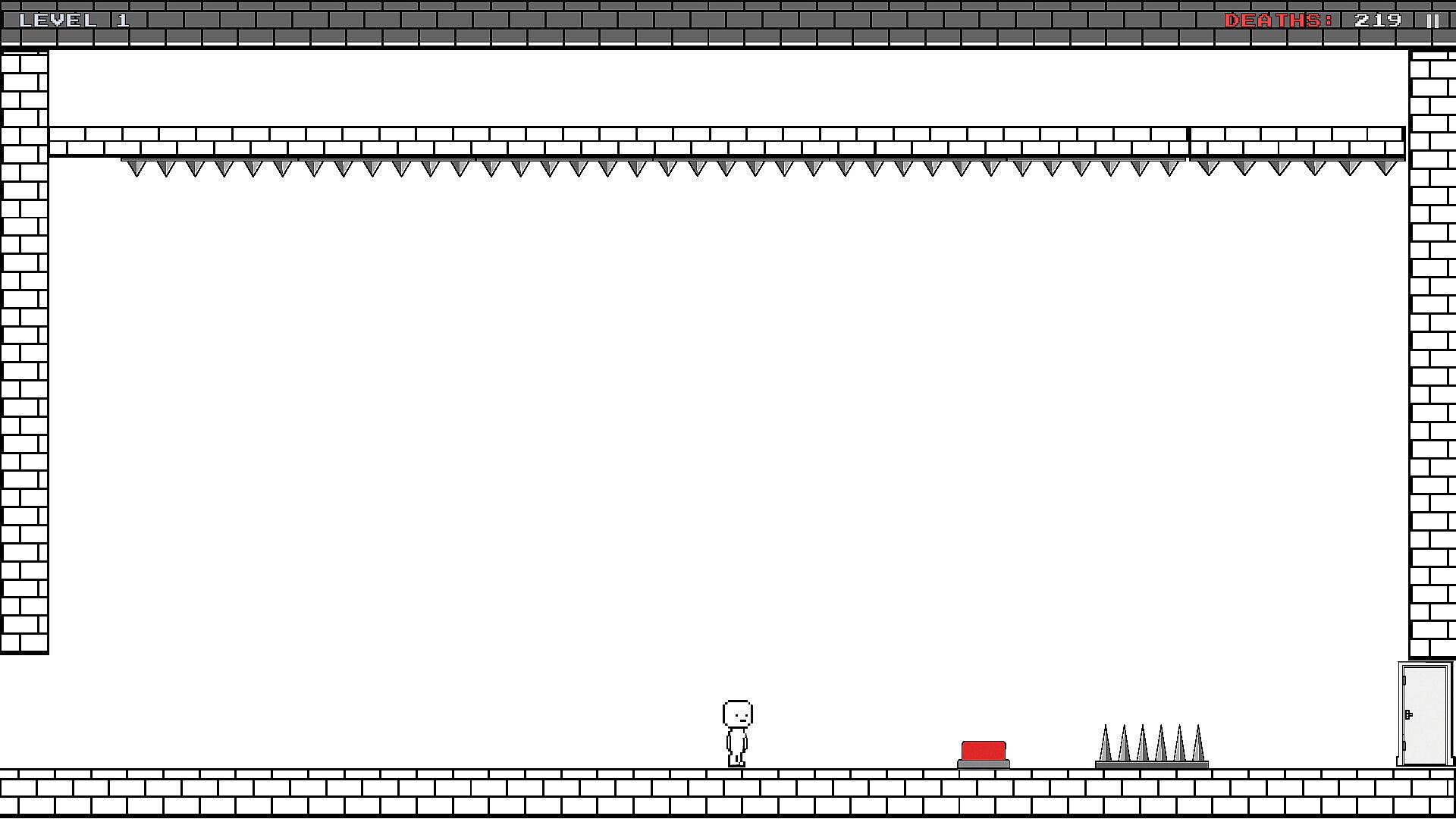
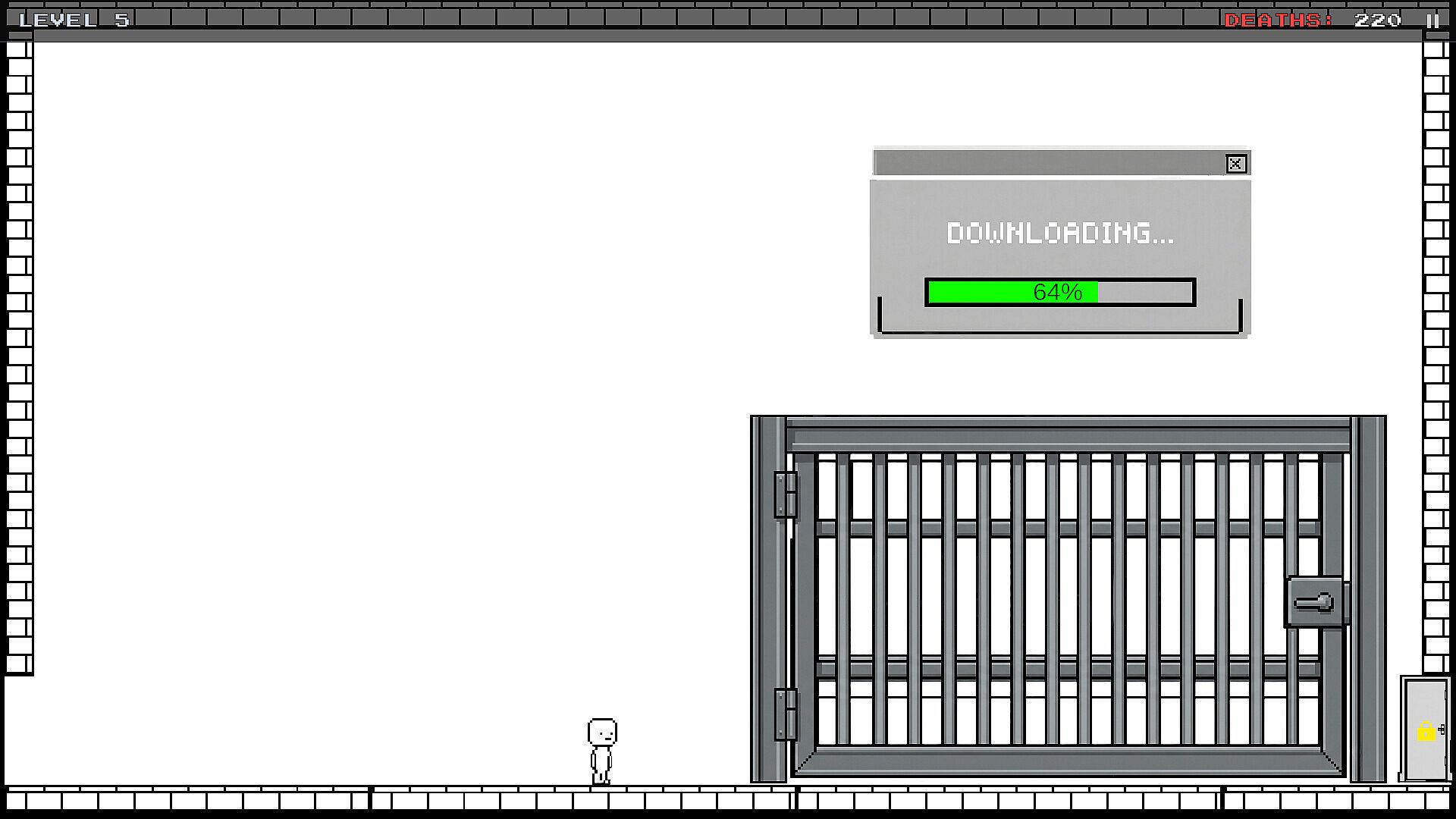
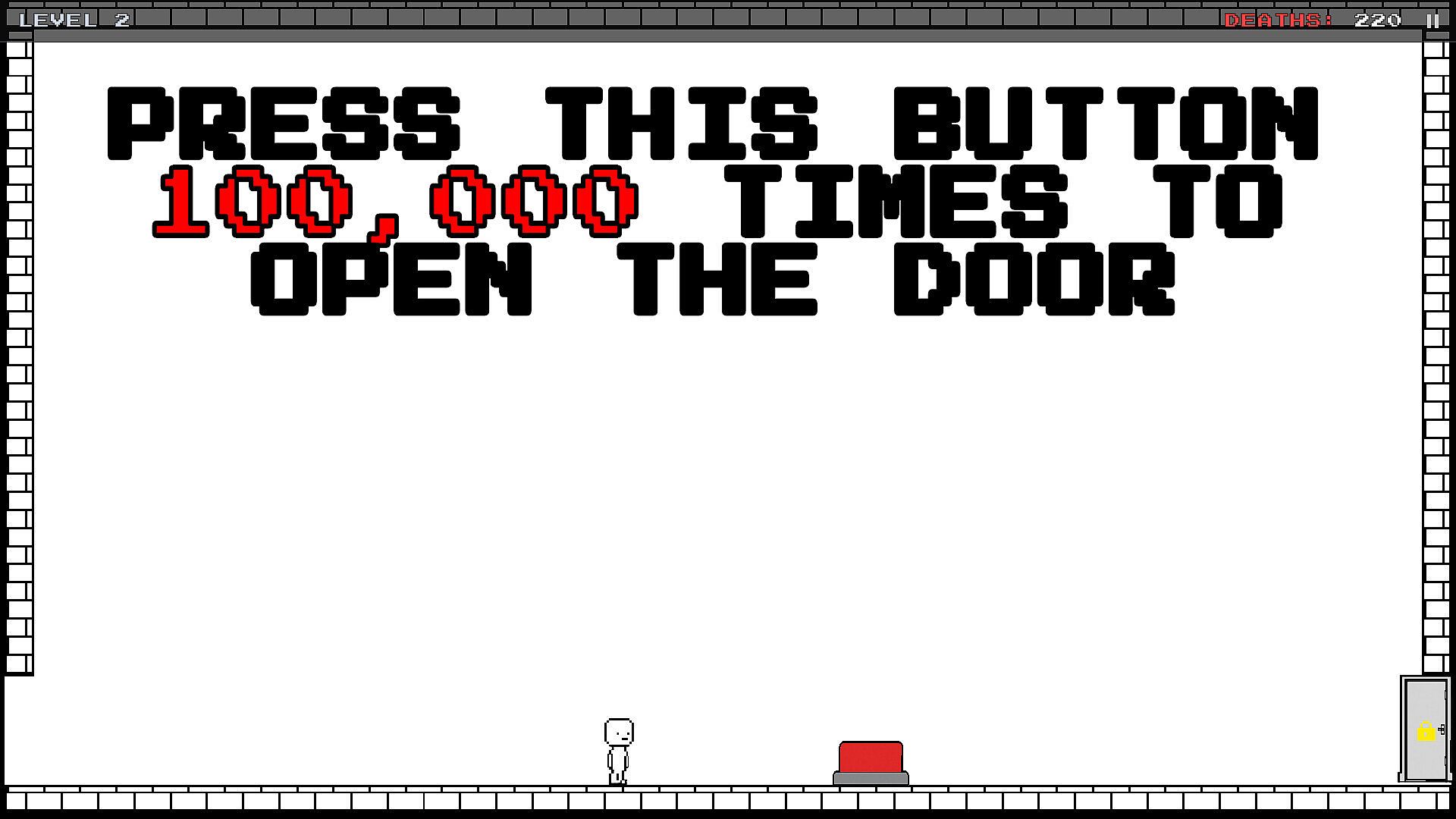
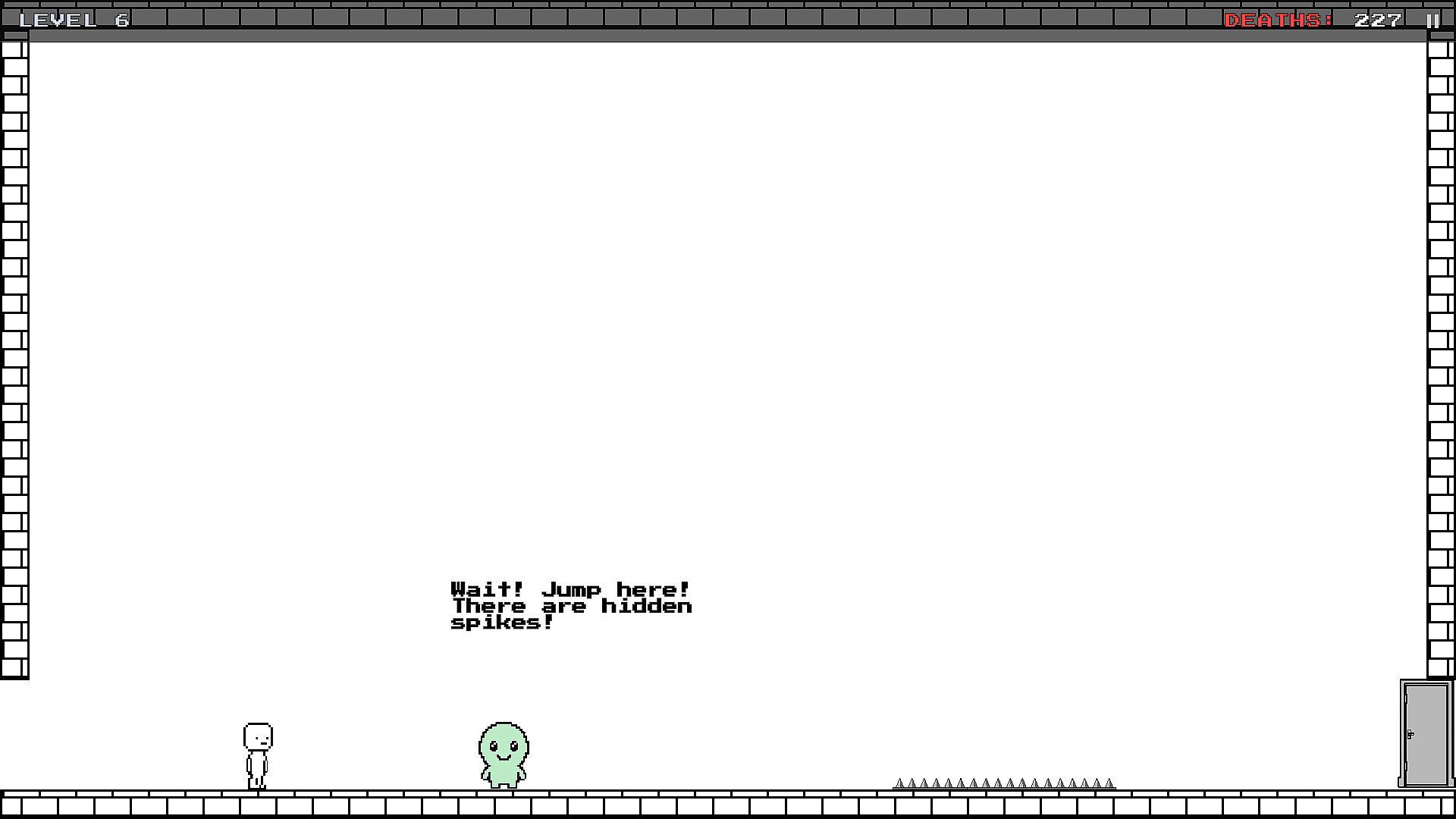
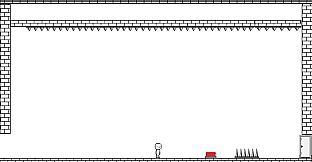
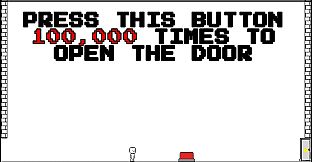
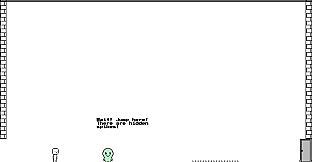
The core loop revolves around precise movement and puzzle solving in a side-scrolling format. Controls feel tight and responsive, placing full responsibility on the player for every misstep or failed jump. Platforms may vanish without warning, spikes can appear where none were visible before, and buttons often lead to traps rather than progress. This setup forces constant reevaluation of the surroundings instead of relying on visual cues alone.
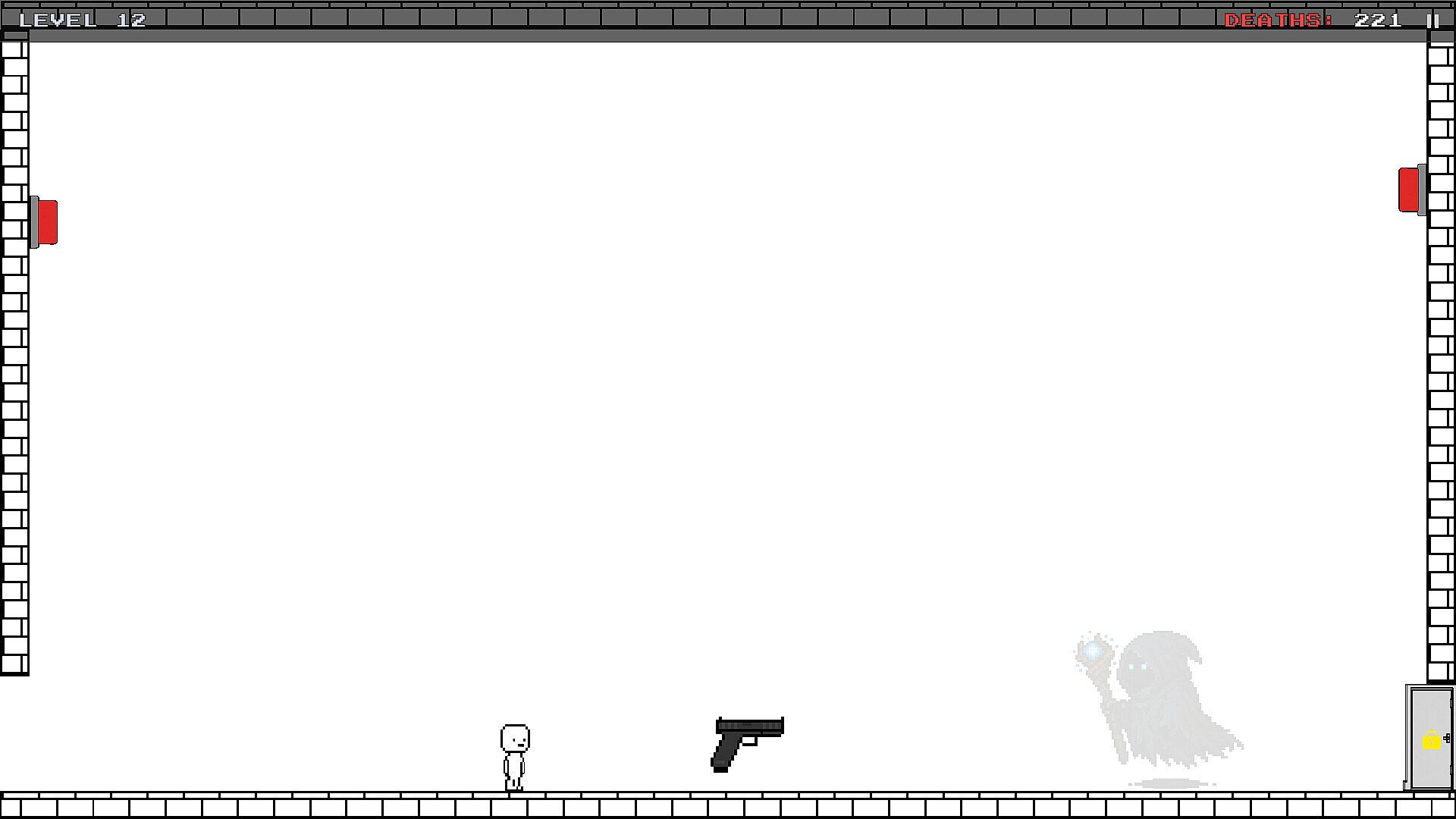
Progression involves navigating increasingly complex stages that incorporate moral decisions. One such choice involves deciding the fate of an NPC guide who has already shown disloyalty, with the outcome altering subsequent level layouts. The minimalist aesthetic keeps focus on these mechanics without distraction, using high contrast to highlight dangers only after they activate.
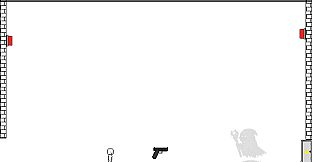
Combat against enemies takes a backseat to environmental hazards and self-inflicted errors. Encounters emphasize evasion and timing over direct confrontation, reinforcing the theme that the game itself acts as the primary adversary through its unreliable systems.
Game Modes
Not Again operates as a single-player title without separate multiplayer or cooperative options. The experience centers on a linear campaign of puzzle-platforming stages designed for solo progression. Players advance through these levels by mastering the deceptive rules, with no alternate modes or variations confirmed beyond the main sequence.
Replay value stems from the punishing difficulty and the impact of earlier choices on later stages. Each attempt reveals new layers of the design, encouraging multiple runs to uncover all paths and outcomes without external assistance or shared sessions.
Key Mechanics and Features
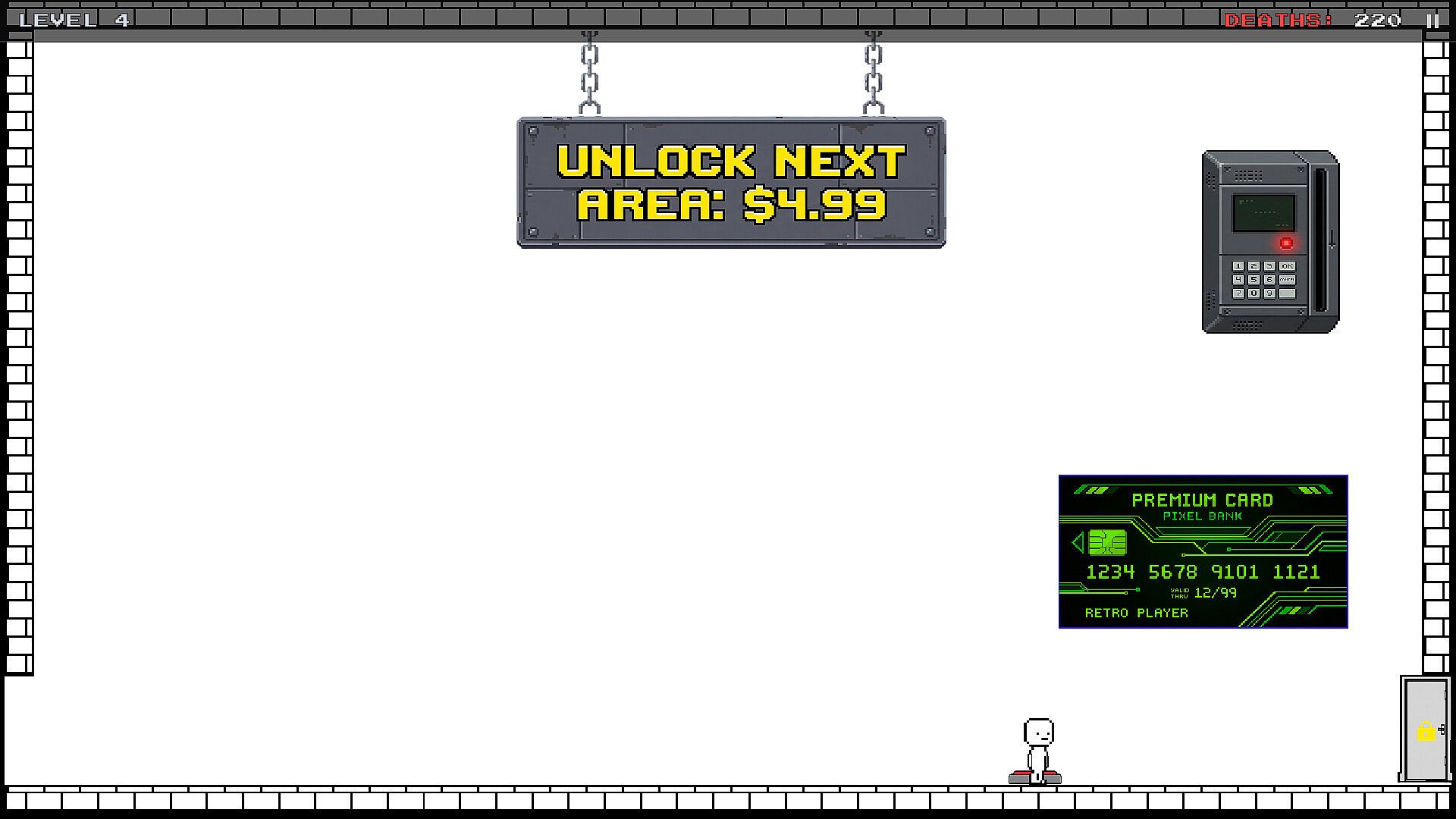
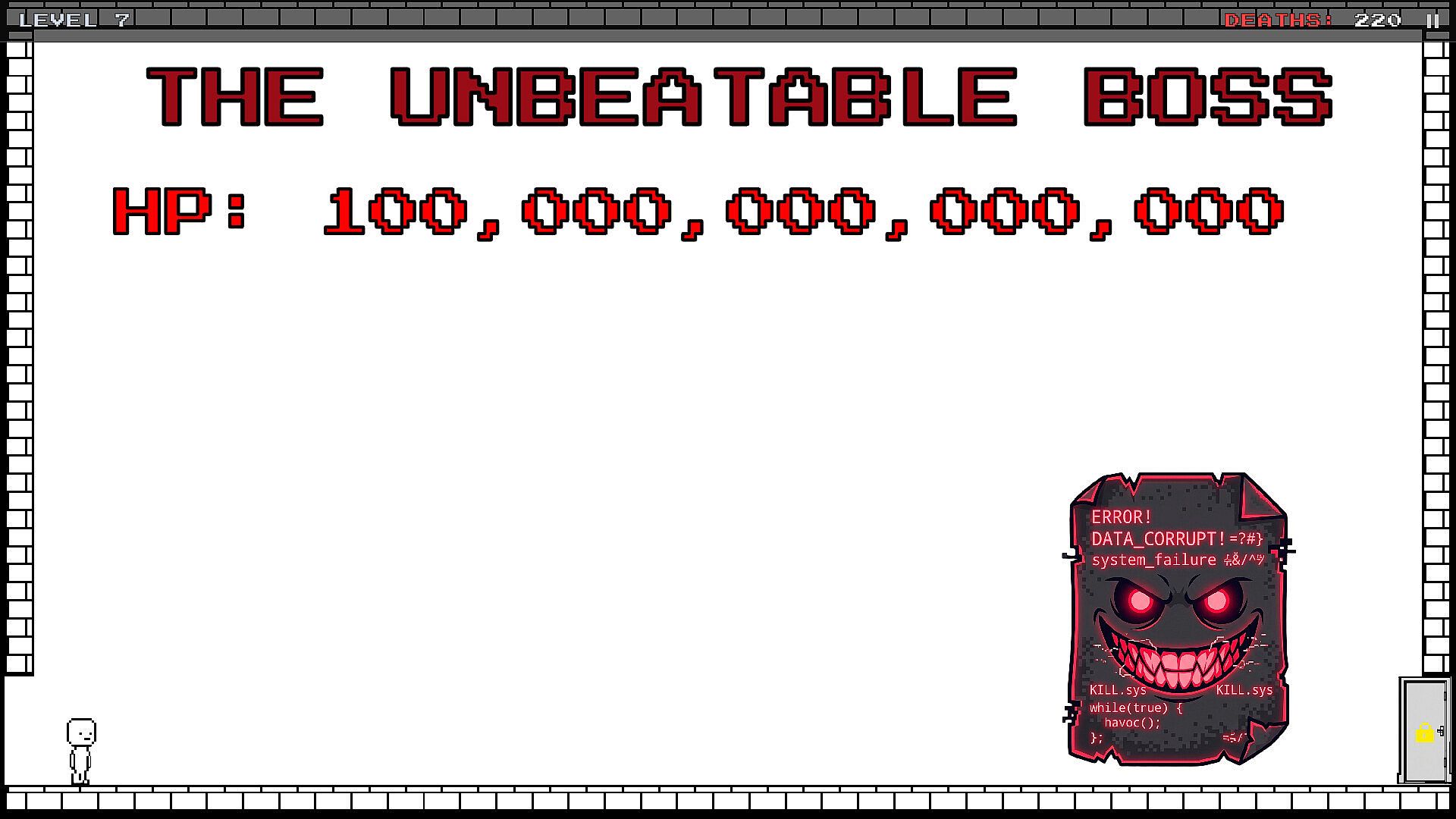
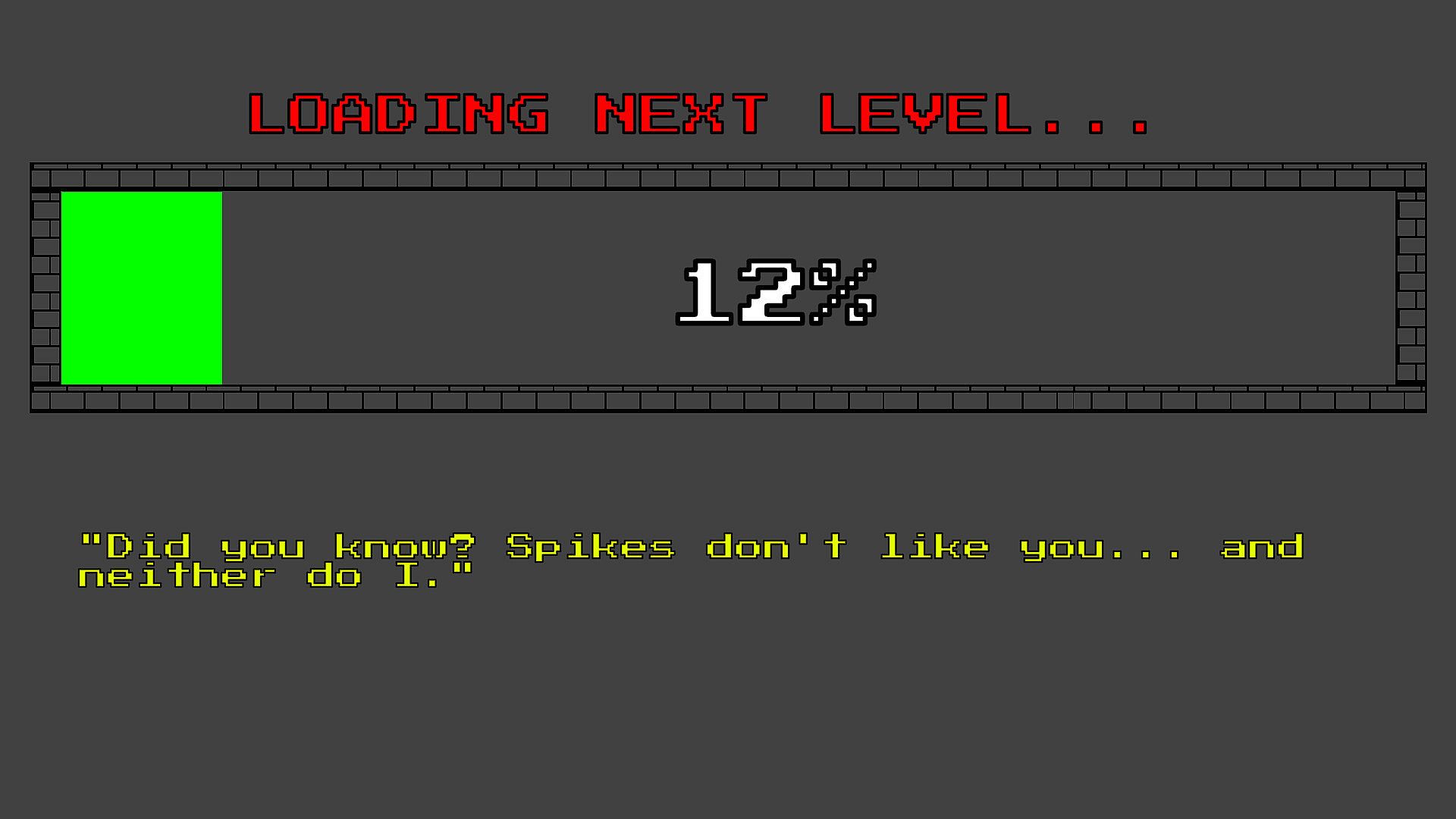
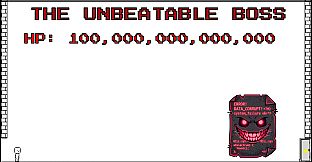
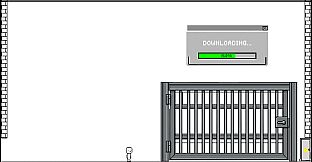
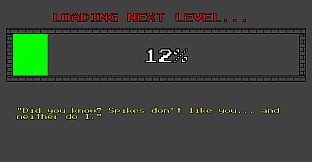
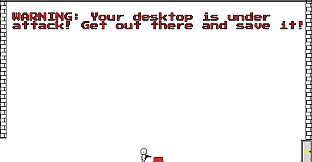
Several systems stand out for their direct challenge to standard platformer conventions. Fake user interface elements mislead navigation, while loading screens serve no functional purpose and exist only to disrupt flow. NPCs introduce betrayal risks that tie into the moral choice system, and certain bosses interact with game files or screen integrity to create fourth-wall effects.
The retro pixel style supports these layers by presenting a deceptively simple appearance. High-contrast visuals draw attention to potential hazards only in hindsight, rewarding careful study over rapid movement. Pure platforming precision remains the foundation, with deaths attributed solely to player execution rather than external factors.
Is It Worth Playing?
Not Again targets players who seek deliberate frustration and repeated failure as part of the enjoyment. Its design rewards persistence through trial and error, with mechanics that punish assumption and reward skepticism. Those who appreciate tight controls and self-contained challenges will find satisfaction in overcoming the layers of deception.
The game offers no free modes, trials, or ongoing seasonal updates based on available information. Its standalone nature means the full experience requires commitment to the complete set of levels. For fans of indie action-adventure titles that prioritize mental engagement over spectacle, the title delivers a focused test of patience and adaptability. Players sensitive to high difficulty or meta disruptions may find the approach too abrasive for extended play.











