

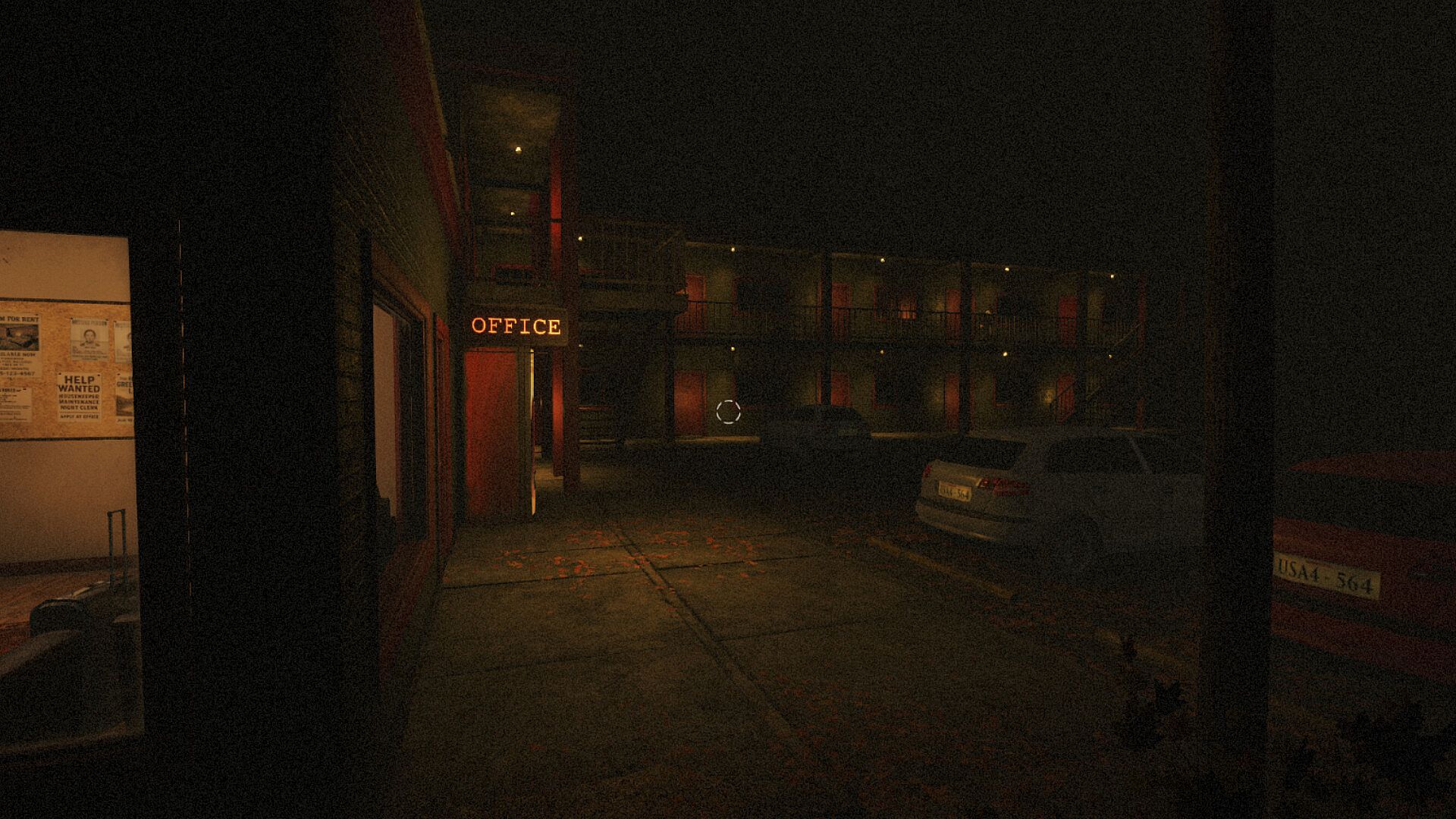
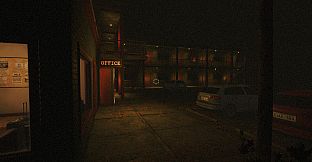
Morrow Creek Tales - Missing Friend is a first-person psychological horror adventure game developed as the opening episode in an episodic series. Set in the small town of Morrow Creek, the title follows residents who share unsettling personal stories, with this installment centering on Ryan Carter's search for his missing friend Ethan.
Gameplay
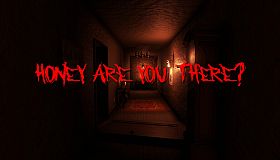
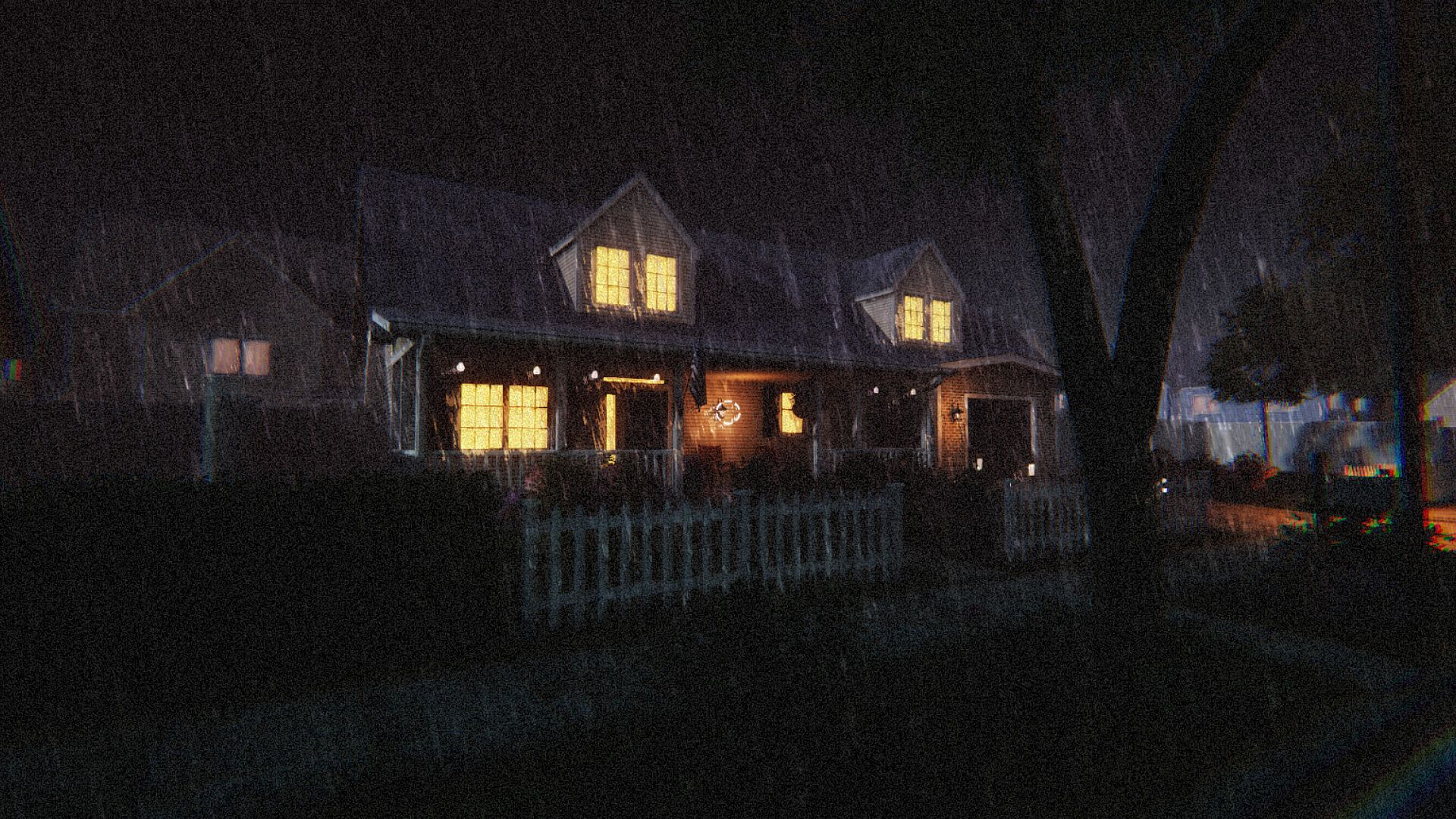
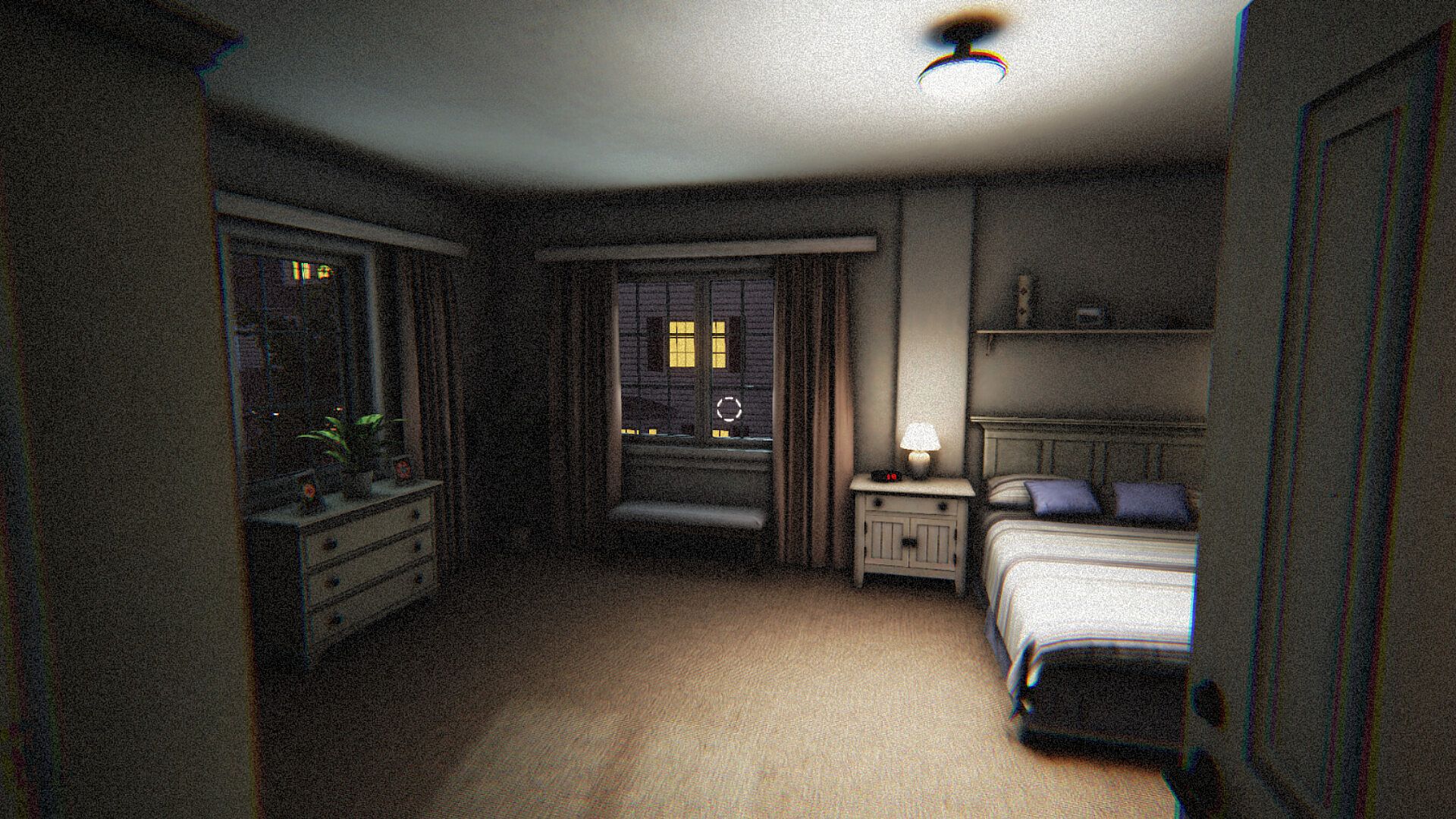
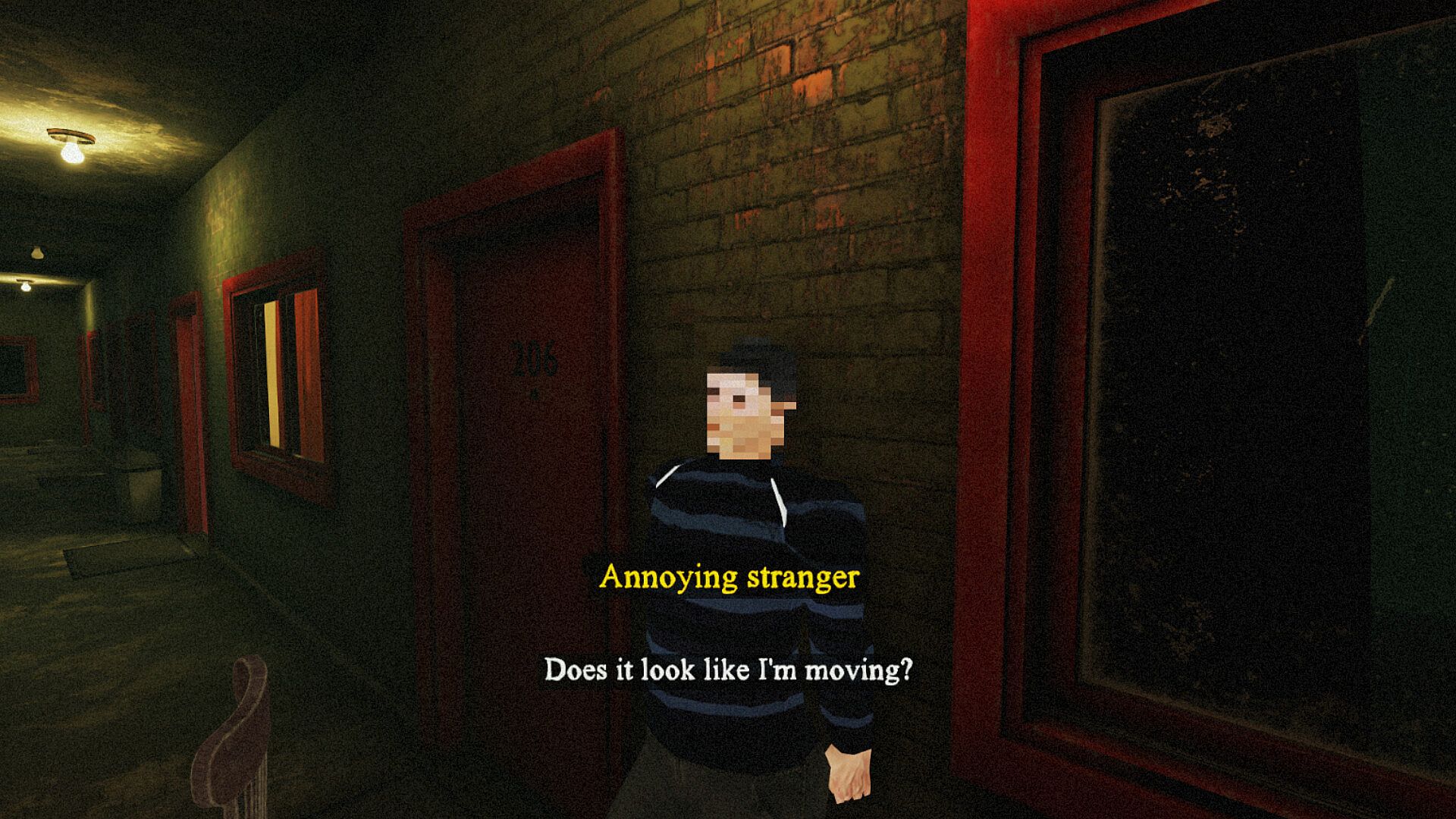
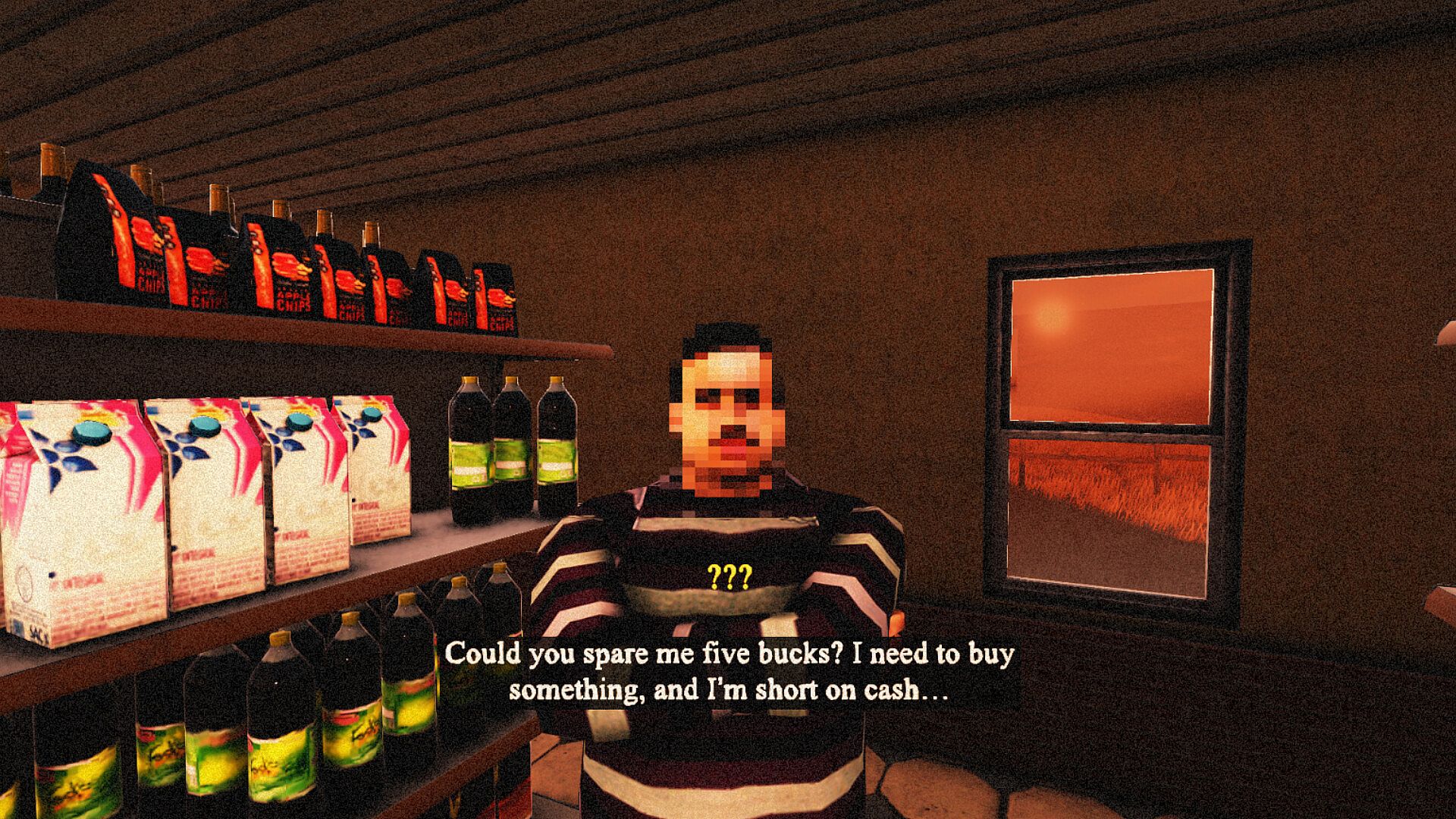
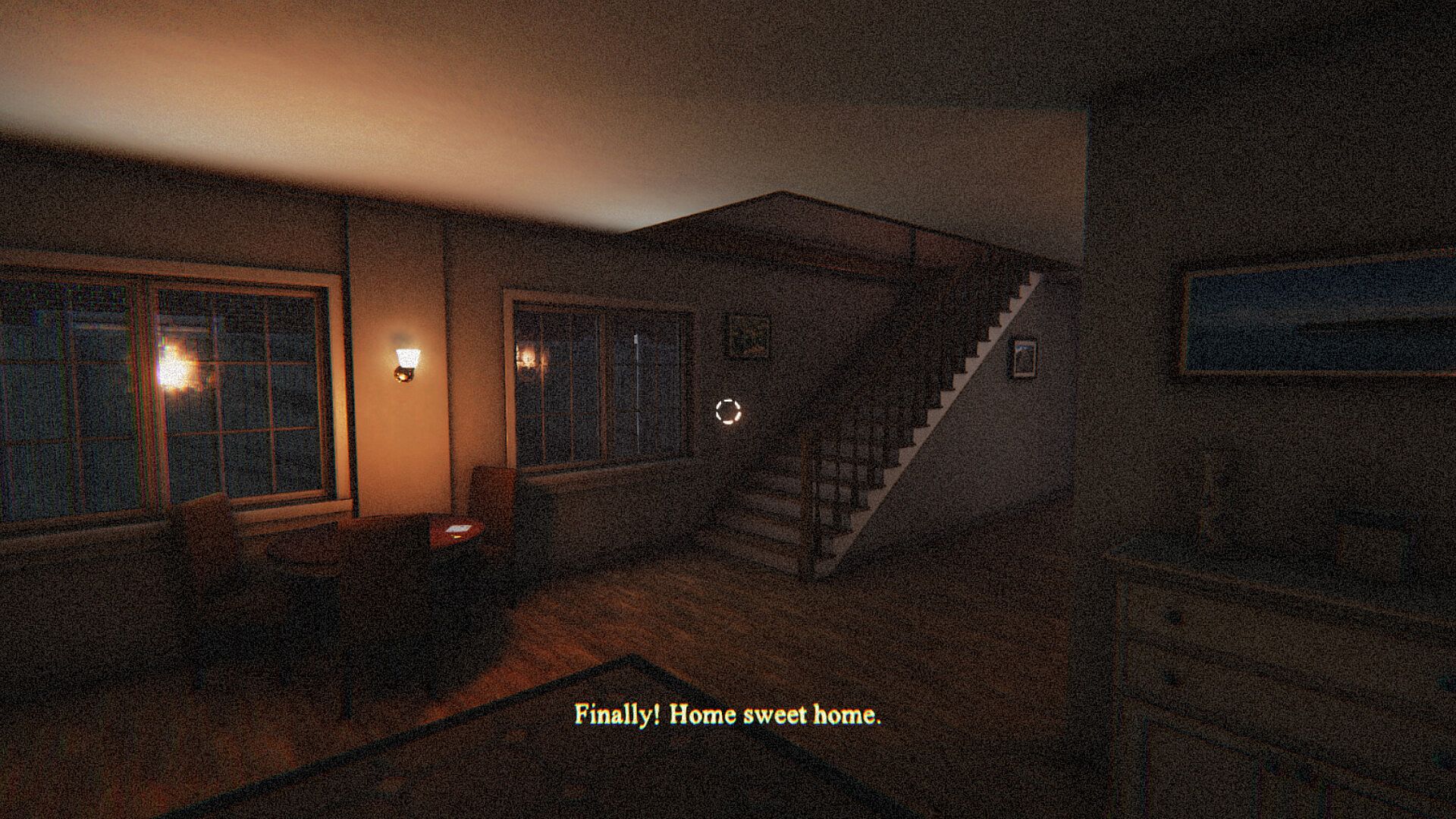
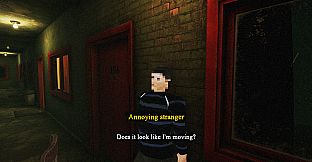
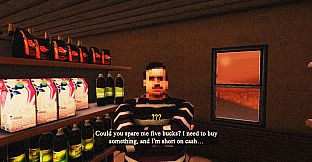
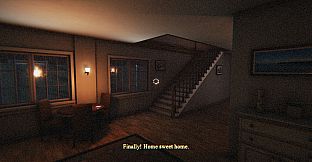
The core experience revolves around a narrative walking simulator that emphasizes exploration and light conversation mechanics. Players navigate environments in first person, uncovering details through careful observation and interactions with non-player characters. A driving segment adds variety to movement across the rural setting outside town. The presentation relies on a VHS film aesthetic that contributes to the overall atmosphere, paired with photo-realistic graphics that highlight the isolated cabin and surrounding areas. Two distinct endings encourage replaying the short story to see different outcomes based on choices made during the investigation.
Game Modes
This episode delivers a single-player narrative experience without additional multiplayer or competitive modes. Progression follows a linear yet exploratory path through the story, where players piece together events by examining locations, speaking with inhabitants, and responding to the mysterious email that initiates the search. The structure supports the episodic format, allowing each installment to stand alone while building toward the larger series of resident tales.
Story and Atmosphere
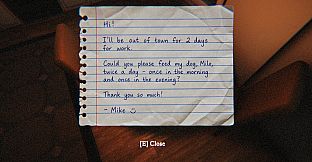
Ryan Carter receives a scheduled message that directs him to an old cabin after his best friend Ethan vanishes for four days. What starts as a personal quest quickly shifts into something more disturbing as the night unfolds. The small-town backdrop and focus on individual accounts create a grounded sense of unease, with every resident holding fragments of unsettling history. The photo-realistic visuals and VHS styling reinforce the intimate, documentary-like feel of the psychological horror elements.
Key Features
Atmospheric environments form the foundation of the experience, supported by photo-realistic graphics and the distinctive VHS film aesthetic. Players can interact with NPCs to gather information and drive between key locations. The presence of two endings provides replay value within the compact episode length. These elements combine to deliver a focused adventure centered on exploration and narrative discovery rather than action or combat.
Is It Worth Playing?
The game targets players who appreciate deliberate pacing in first-person walking simulators and psychological horror stories told through personal accounts. With no user reviews available ahead of its release and its status as the first episode in a planned series, it offers an accessible entry point for those drawn to atmospheric single-player adventures on PC. The confirmed mechanics of exploration, conversation, driving, and multiple endings align with the described style, making it a consideration for fans of narrative-driven indie titles that prioritize mood and discovery over fast-paced challenges. Availability on PC supports straightforward access once the episode launches.