




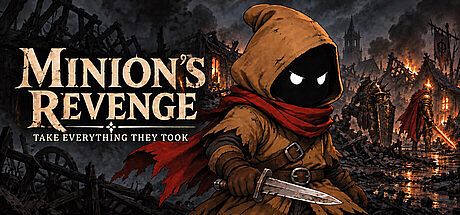


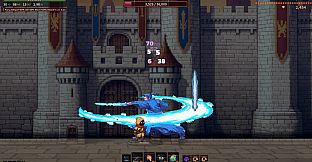
Minion's Revenge: Take Everything They Took is a side-scrolling action roguelite built around one core idea: a lone minion turning the tables on the heroes who have always treated soldiers like disposable numbers. Players control the weakest fighter on the battlefield, moving through linear stages while collecting skills stolen directly from fallen heroes. The game runs on PC in Early Access and emphasizes direct control over movement and attacks rather than automated systems or character progression trees.
Gameplay
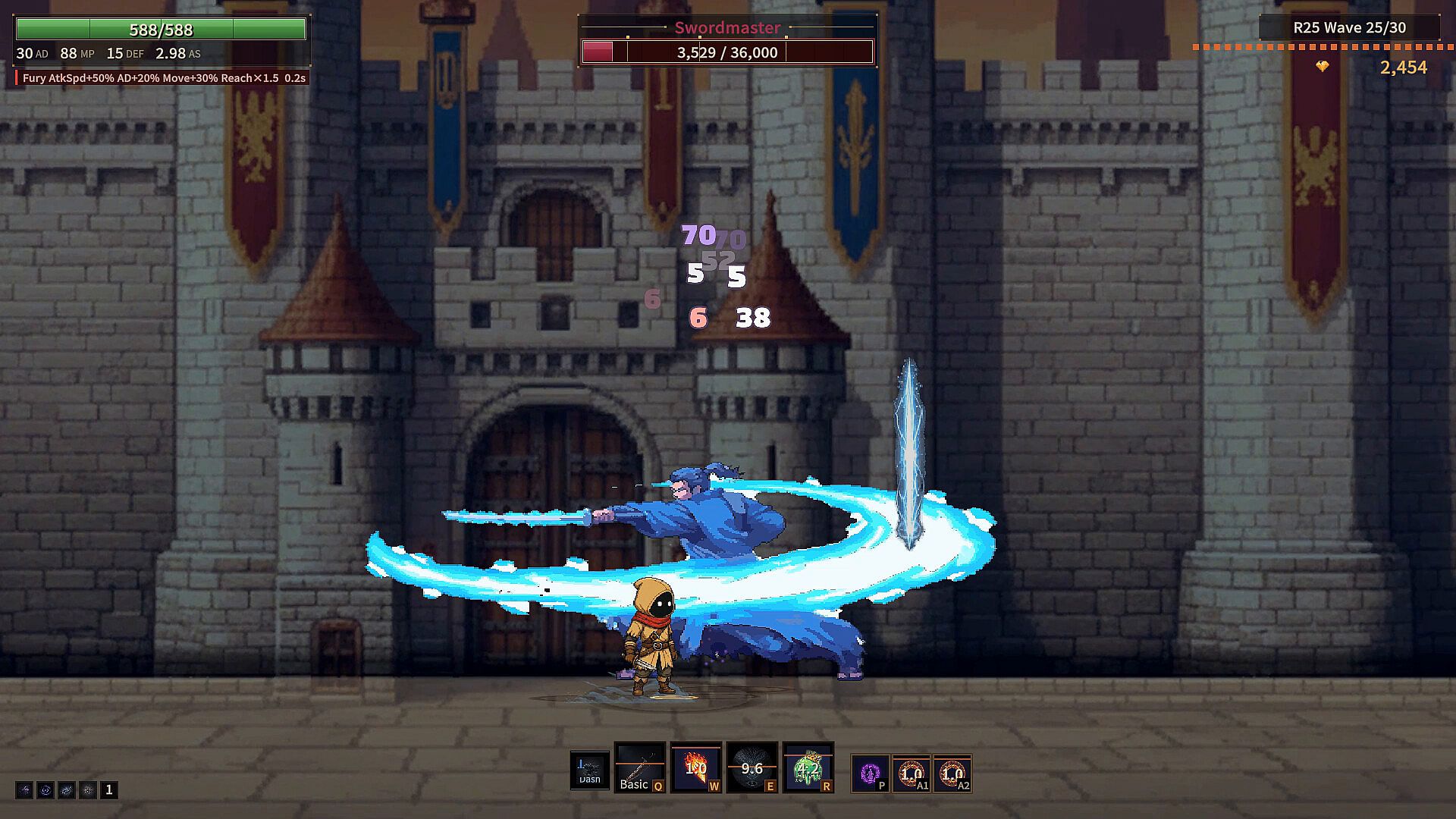
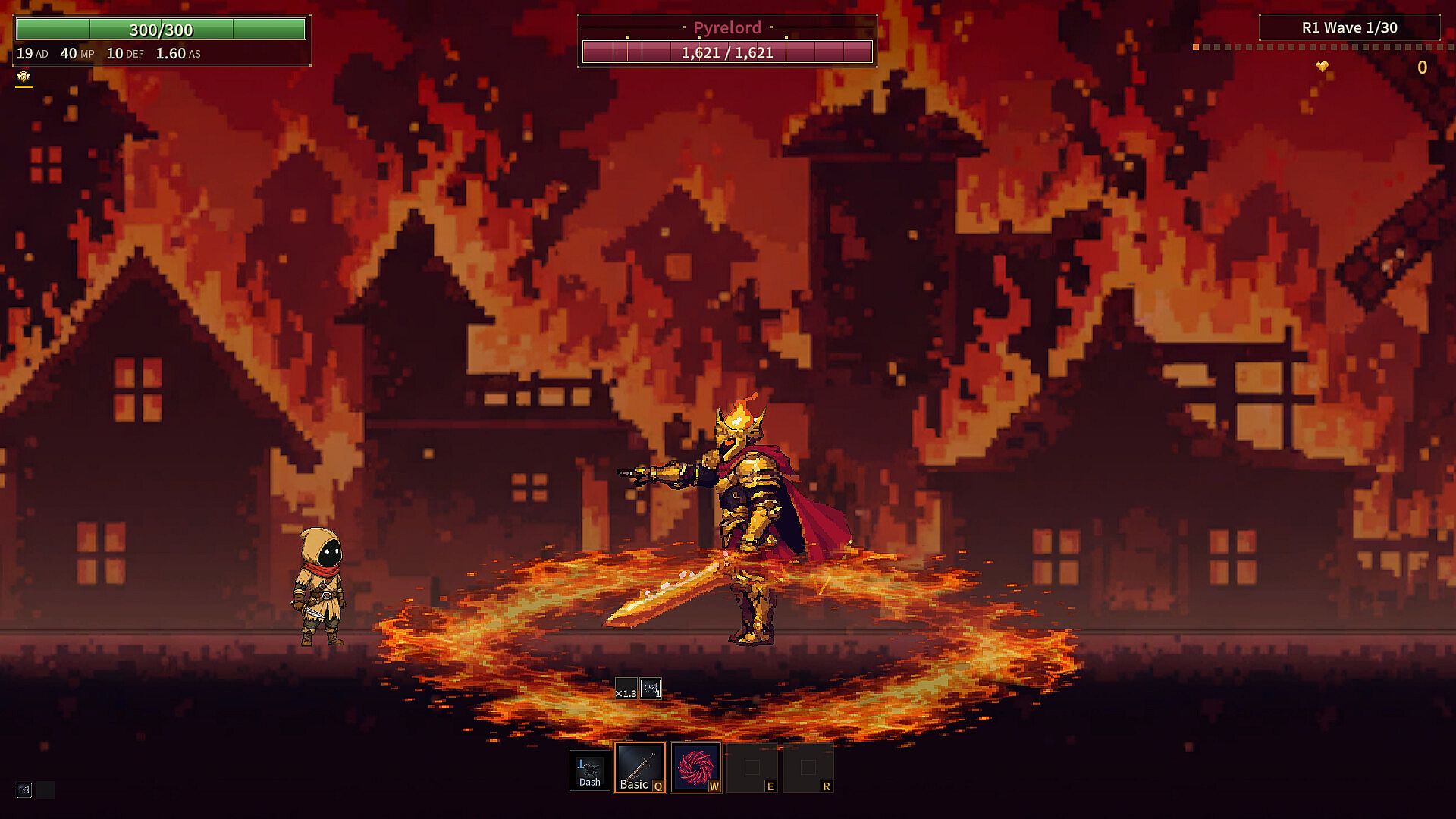
The loop centers on short runs where the player selects one of twelve heroes at the start to determine which four skills become available for theft. Defeating that hero during the run grants a choice among those skills, and up to six stolen abilities can be equipped at once. Three slots require manual activation through the W, E, and R keys while the remaining three operate automatically. Basic movement uses the arrow keys for walking, jumping, and dashing, with Q handling the default melee swing. An air-combo system lets players launch enemies upward with Space, follow up in the air, and slam them back down for extra damage.
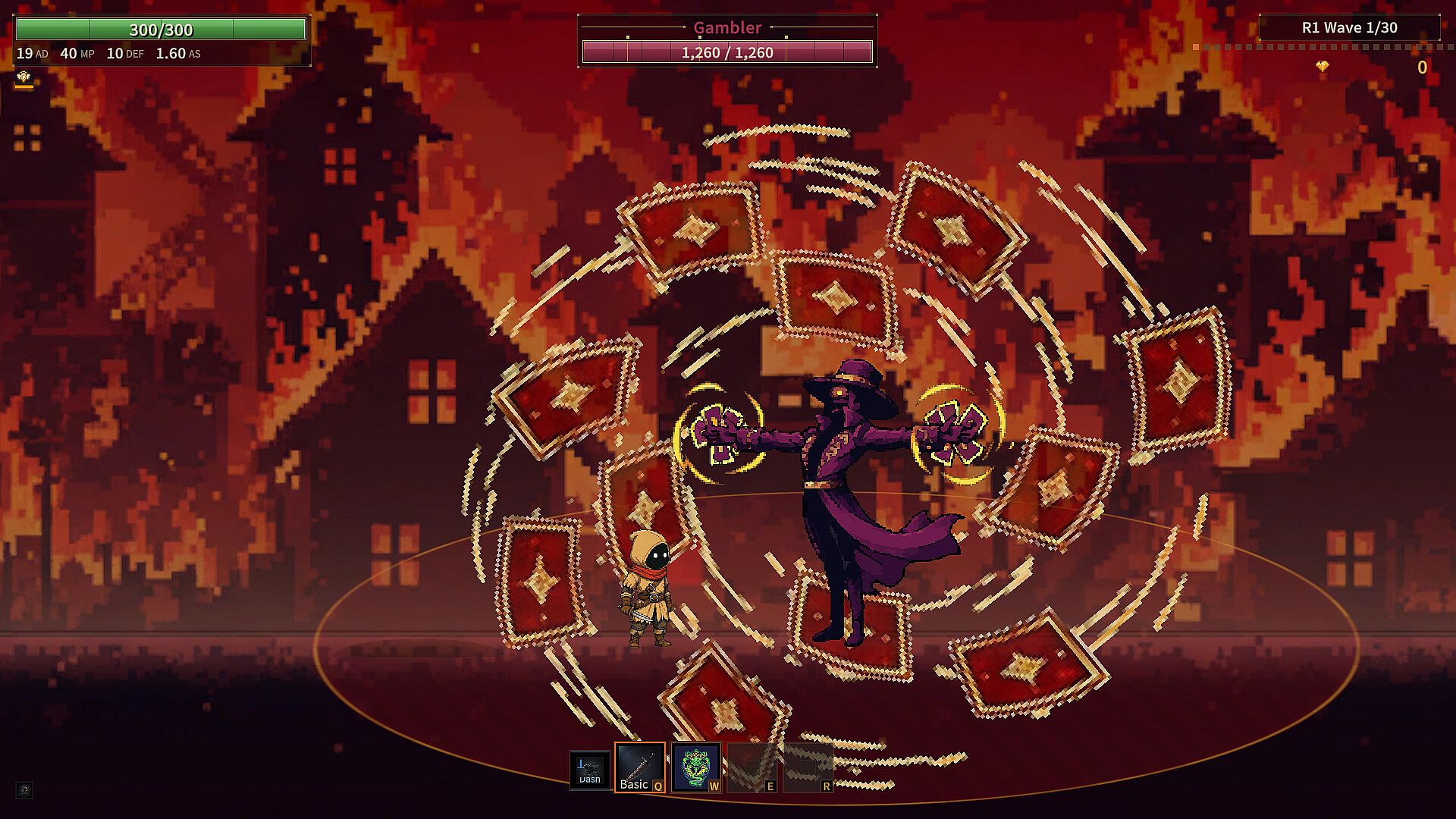
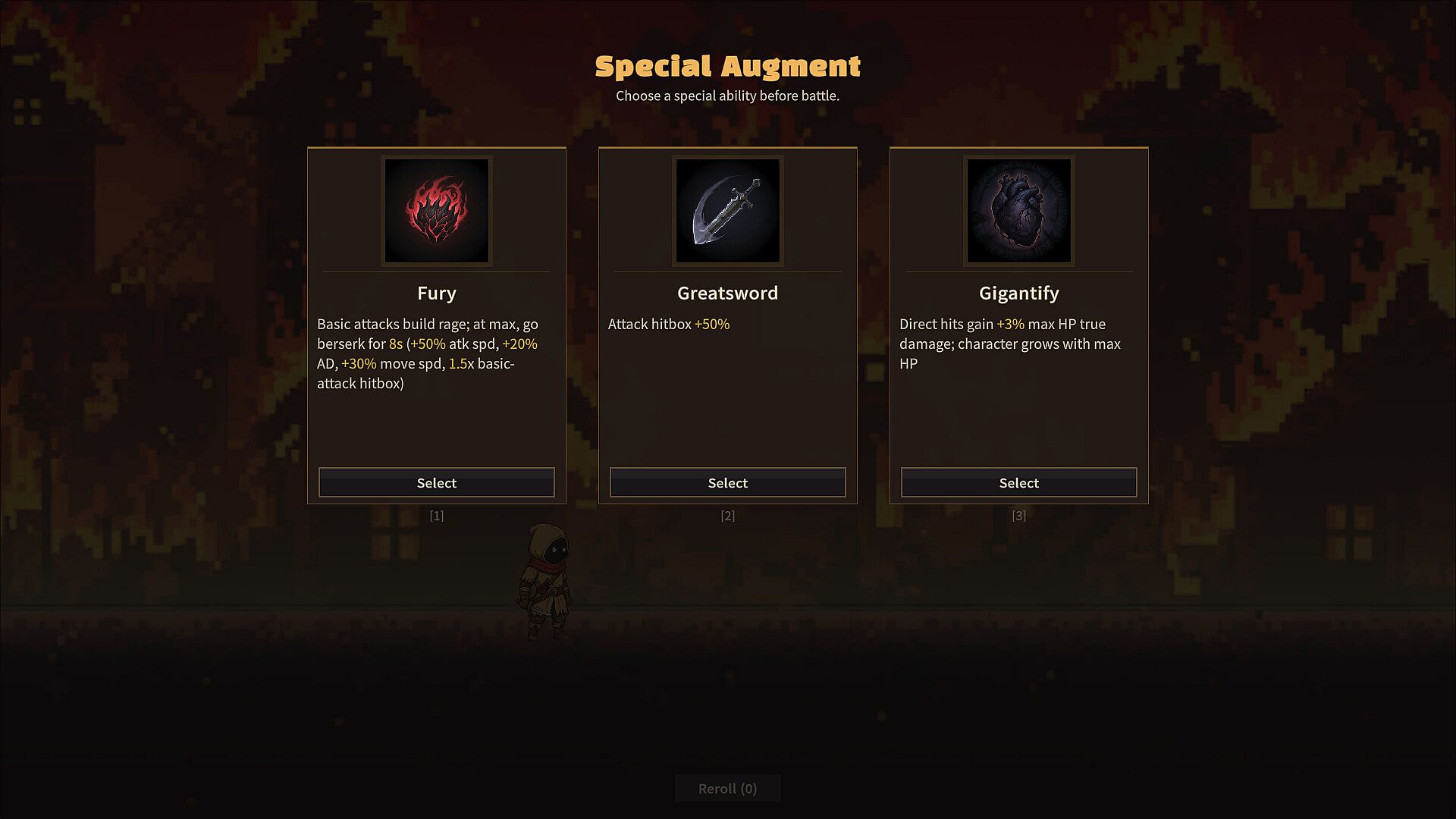
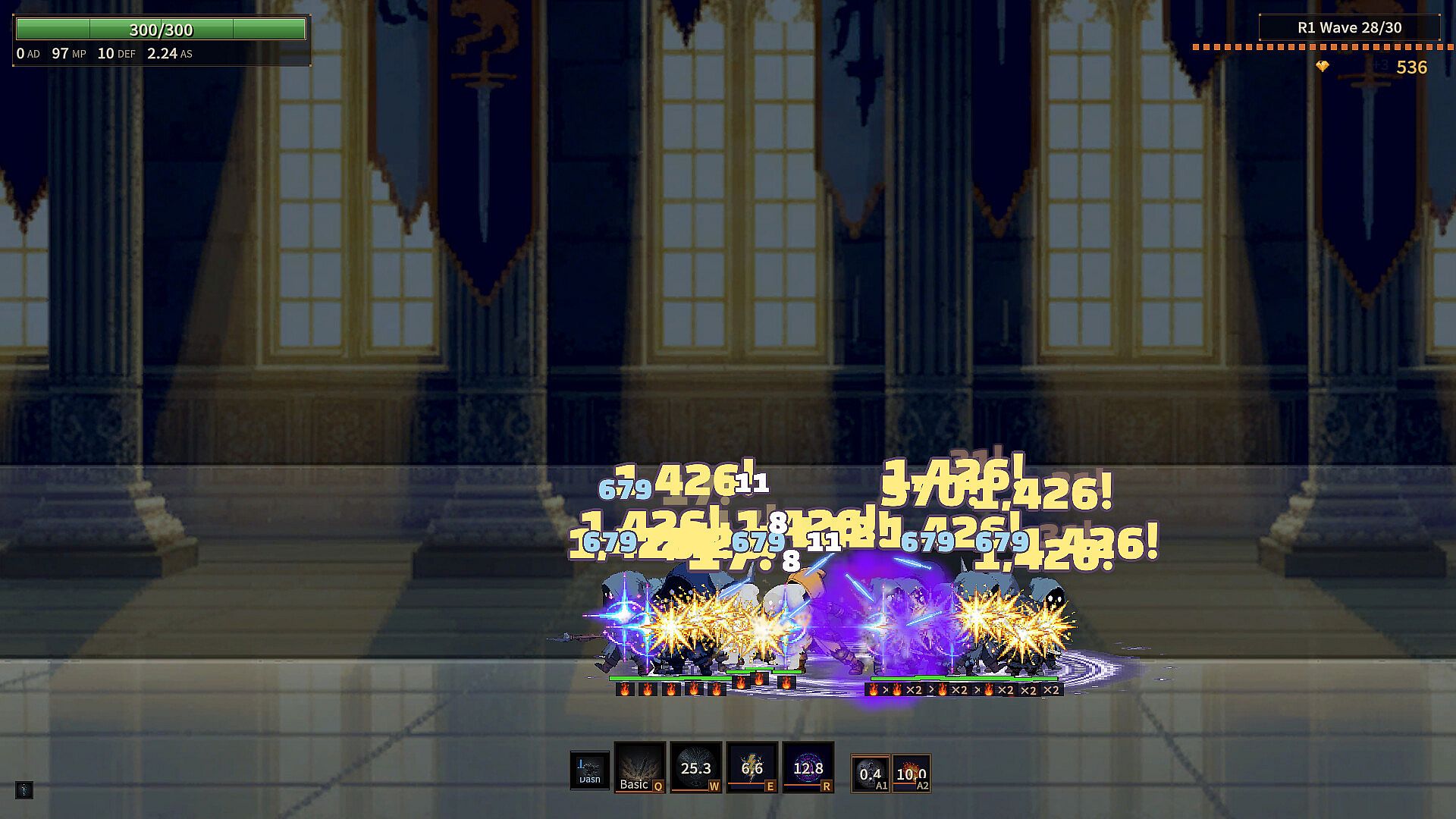
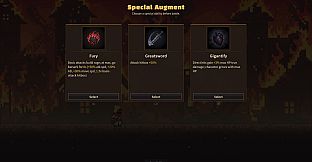
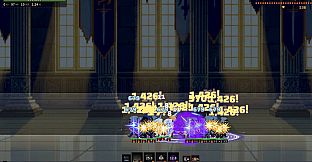
Each of the twelve heroes features distinct attack patterns that must be learned and dodged. There are no experience points or level-ups; power instead comes from the combination of stolen skills and augments chosen after clearing rounds. Basic augments appear after every round while special augments drop from hero defeats. Thirty-two special augments exist in total, covering effects such as critical hits, poison, burn, and bleed that stack onto the active skill set until damage numbers grow extreme. The absence of traditional progression keeps every run focused on immediate build decisions rather than long-term grinding.
Game Modes
The primary experience consists of runs spanning six stages and thirty rounds total. A hero encounter occurs every fifth round, with six heroes appearing per run from the full roster of twelve. The lineup changes each attempt, forcing adaptation to different skill pools. Falling ends the current run, after which the Rune Shop offers permanent upgrades that carry forward to strengthen future minions. This structure creates a roguelite loop of repeated attempts with incremental power gains between failures, without any separate campaign or versus options confirmed at present.
Key Mechanics and Progression
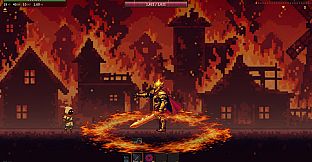
Skill theft forms the heart of decision-making. Players preview a hero before committing to the first fight, then decide which of its four abilities to claim upon victory. Automatic skill slots free attention for positioning and manual ability use, while the augment system layers additional effects onto the stolen kit. The thirty-round structure breaks into distinct environments that escalate from a burning village toward the enemy castle interior. Permanent Rune Shop upgrades provide the only form of meta-progression, letting players return stronger after each defeat without altering the no-level-up rule inside individual runs.
Interface support covers English, Korean, and Simplified Chinese. All combat remains single-player with direct keyboard input for every action, including the basic attack and air maneuvers. The developer has noted that the current build serves as a foundation for ongoing balance adjustments based on player reports.
Is It Worth Playing?
Minion's Revenge suits players who enjoy roguelite runs built on skill combinations and direct combat control rather than character leveling or resource management. The single-developer Early Access status means the experience focuses on core systems with plans for art polishing, regular hero additions, a longer Classic mode reaching thirty-six rounds plus a final boss, and eventual Story mode. Feedback through discussion channels directly influences updates, which the developer reviews individually. Those drawn to side-scrolling action with theft-based builds and permanent meta-upgrades will find a focused loop that rewards learning hero patterns and experimenting with augment stacks. The lack of XP systems keeps attention on moment-to-moment choices, making it a clear fit for fans of concise, high-variance runs over lengthy campaigns.











