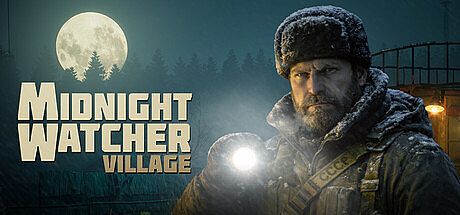


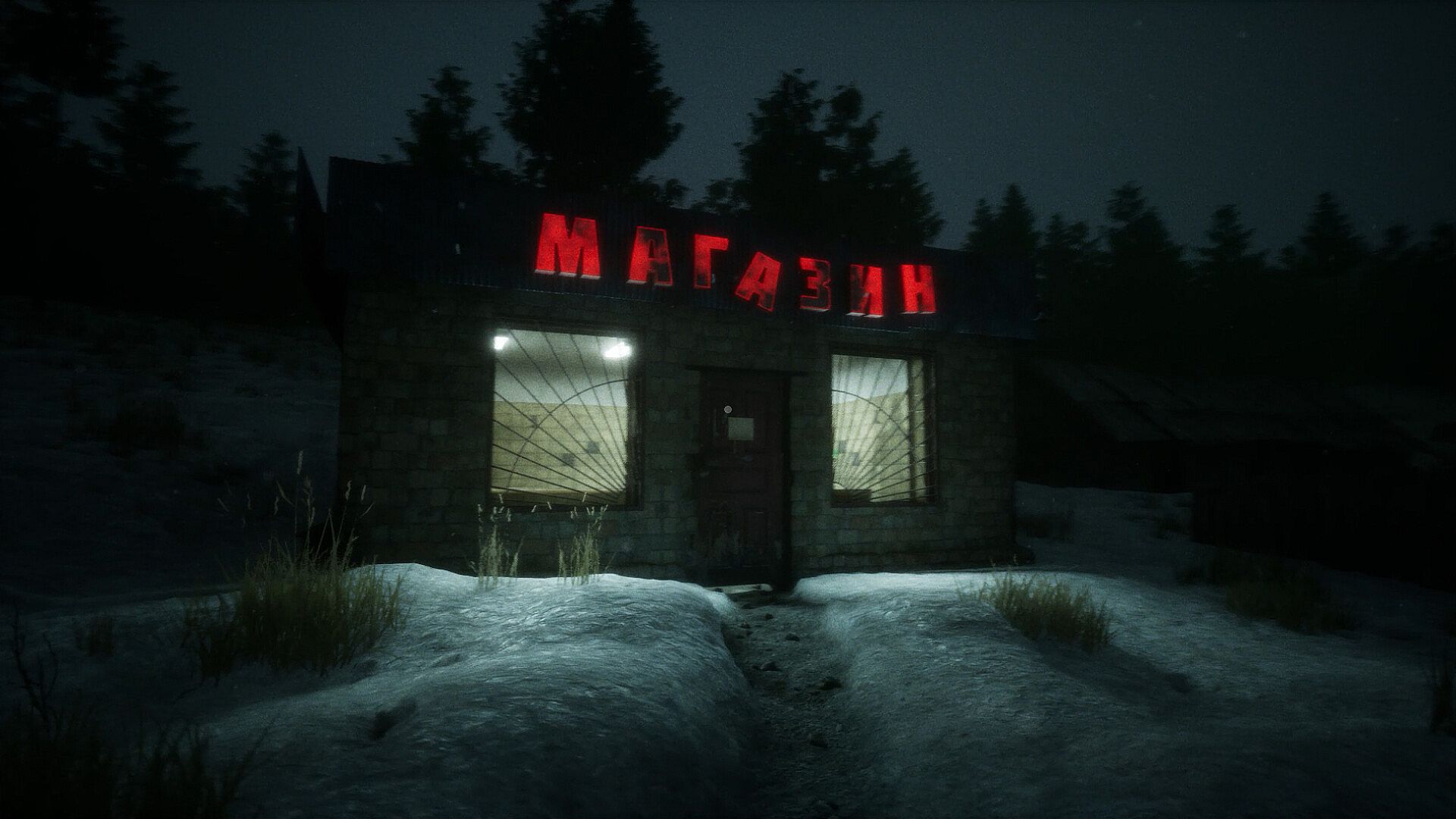
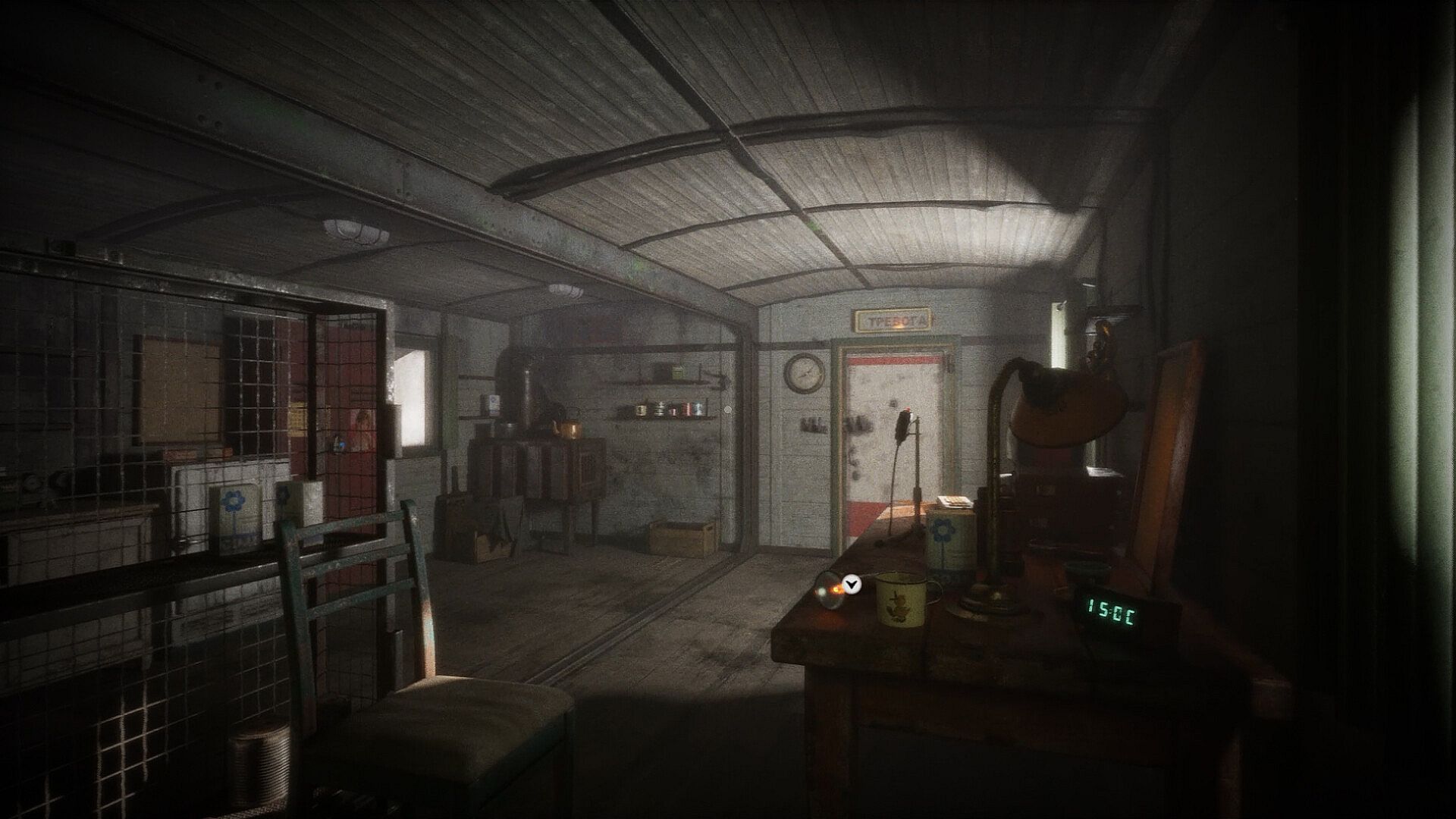
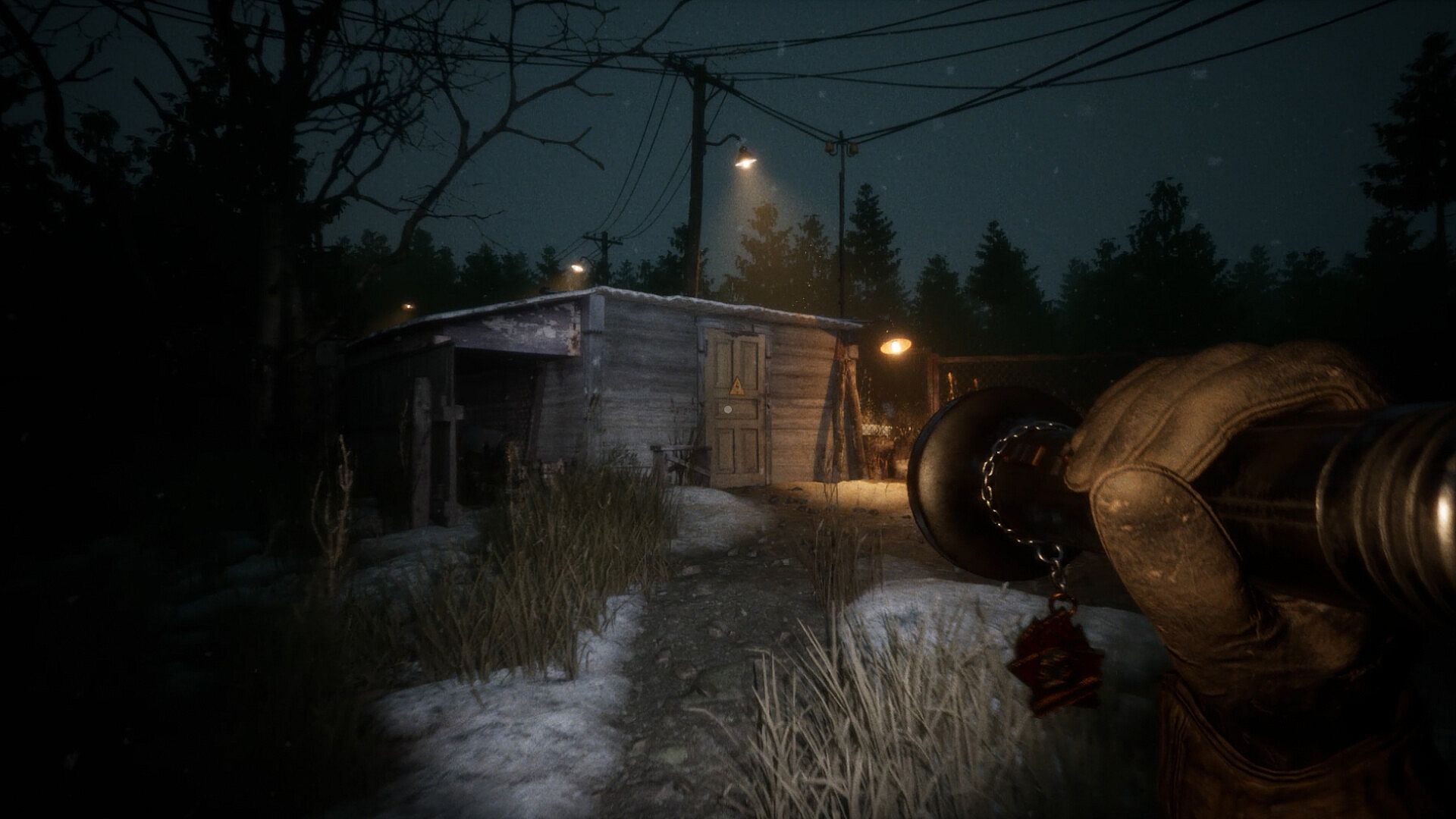
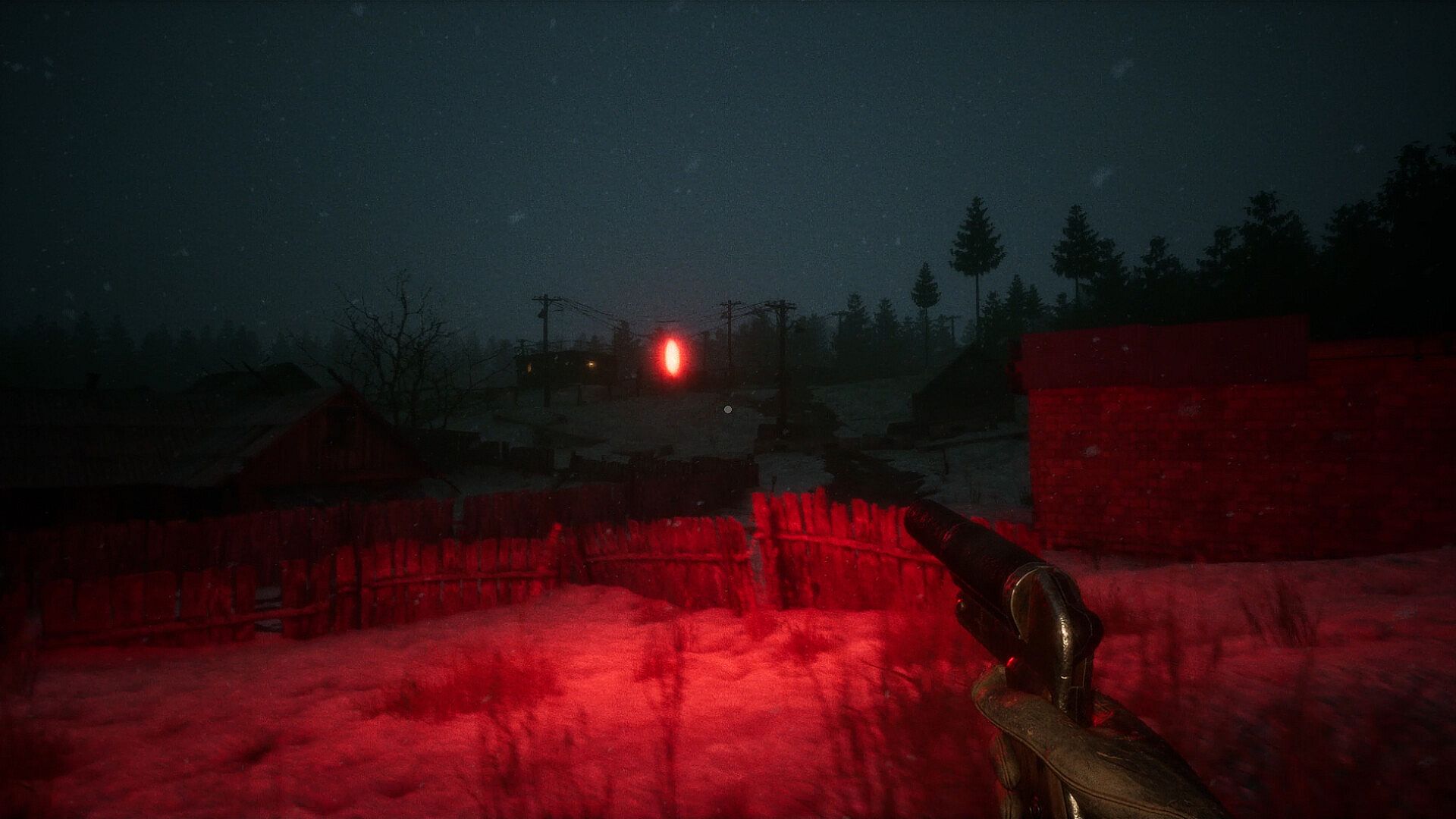
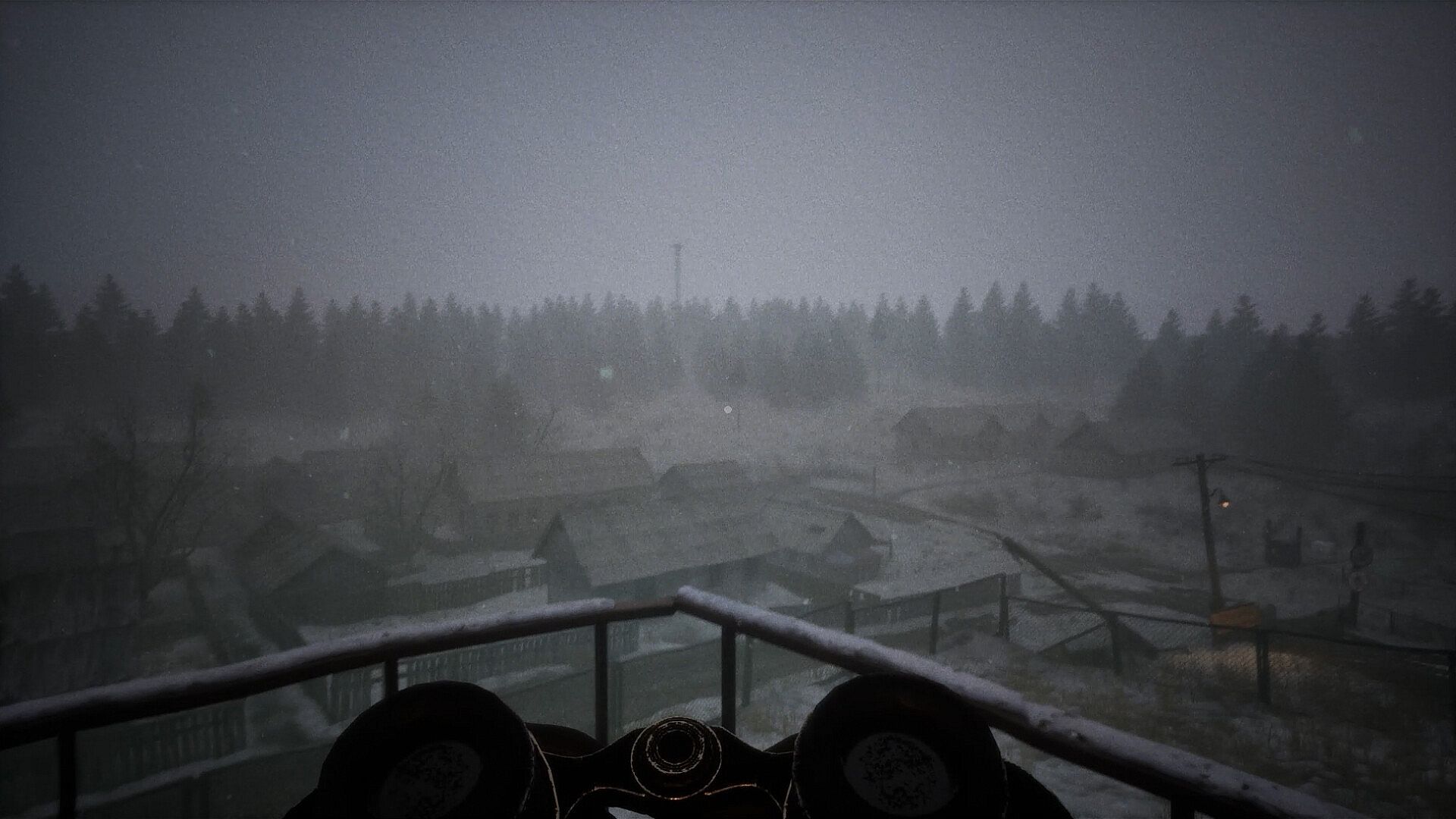
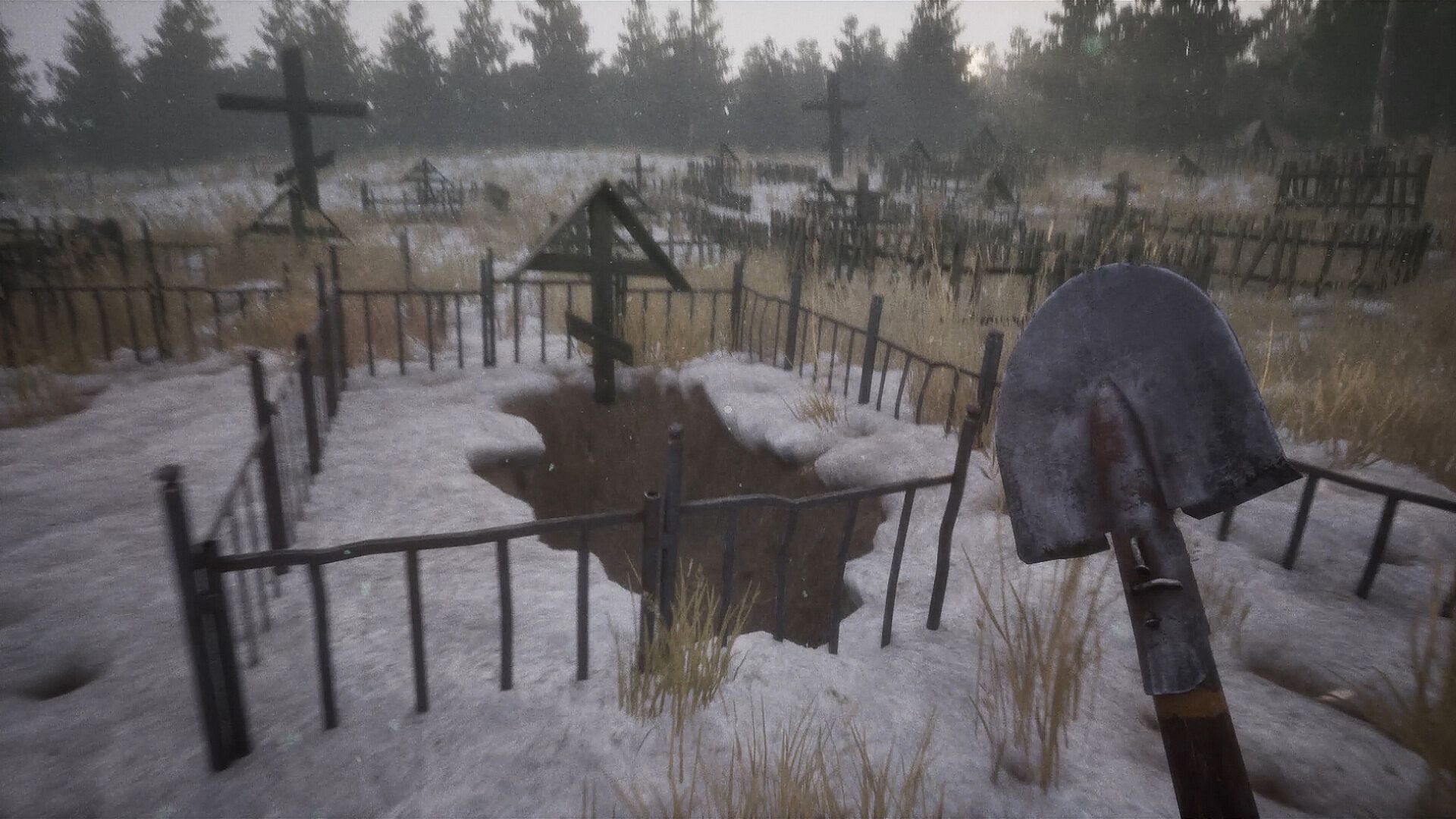
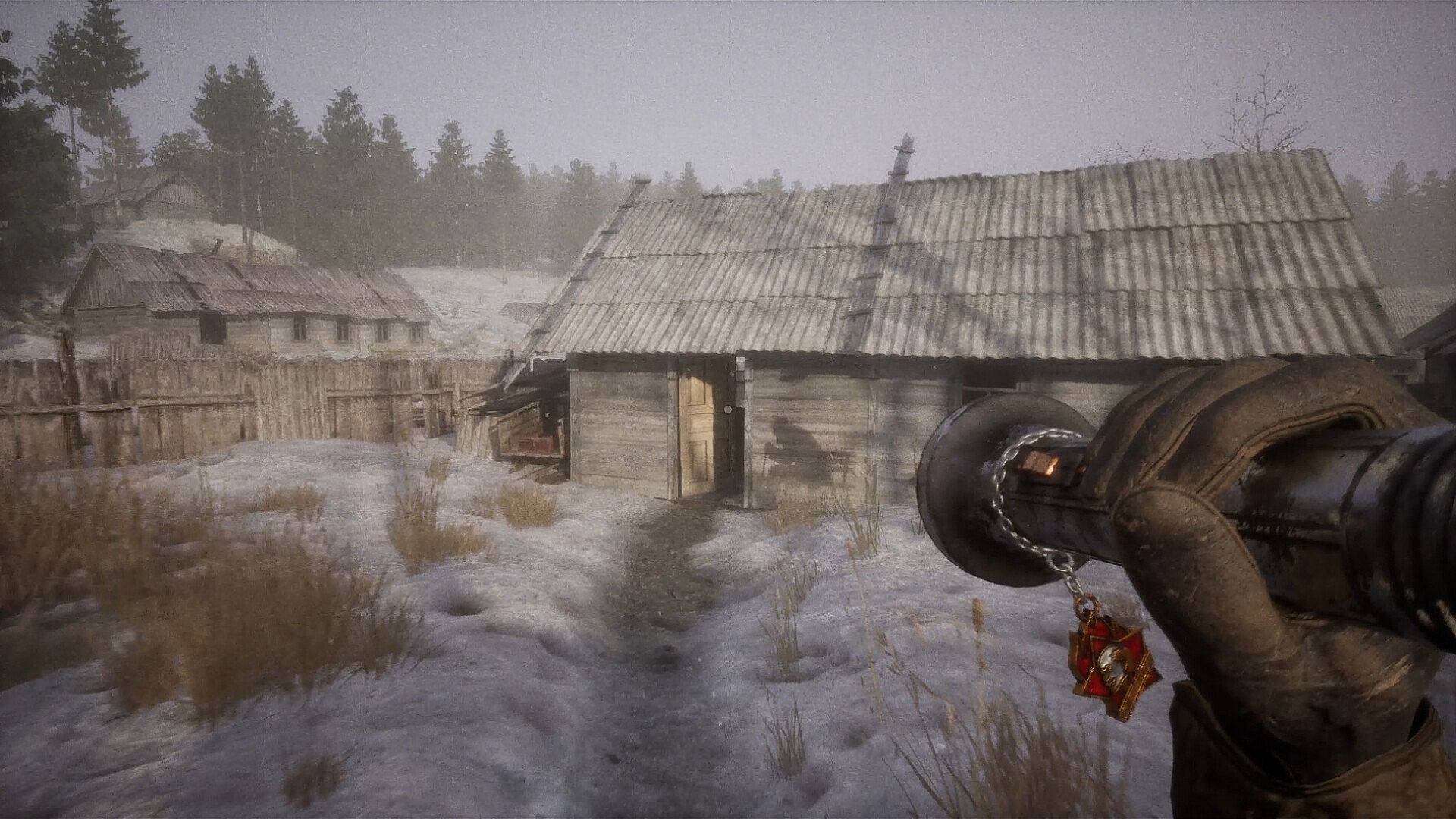
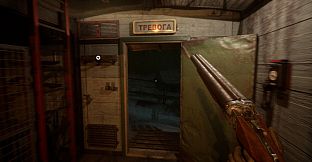
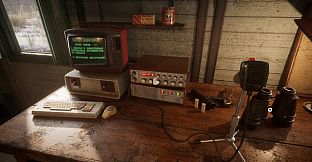
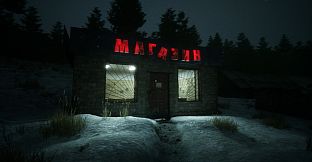
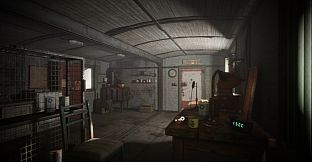
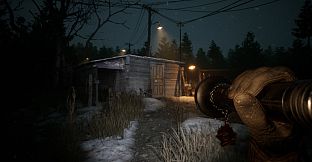
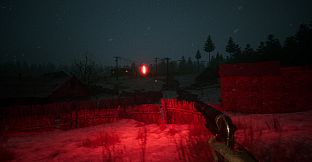
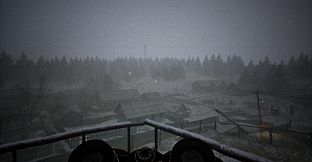
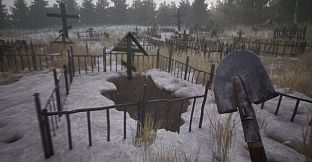
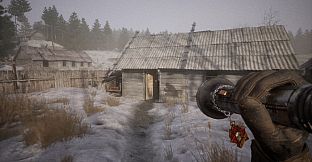
Midnight Watcher: Village es un juego de terror de supervivencia con elementos de acción y aventura para PC. El jugador encarna a un vigilante nocturno destinado en un asentamiento abandonado en la taiga siberiana, donde las tareas rutinarias del día dan paso a amenazas cada vez mayores cuando cae la noche. Cada decisión diurna influye directamente en la supervivencia nocturna, creando una capa de simulación que premia la gestión cuidadosa de recursos y la exploración, mientras castiga las decisiones imprudentes.
Gameplay
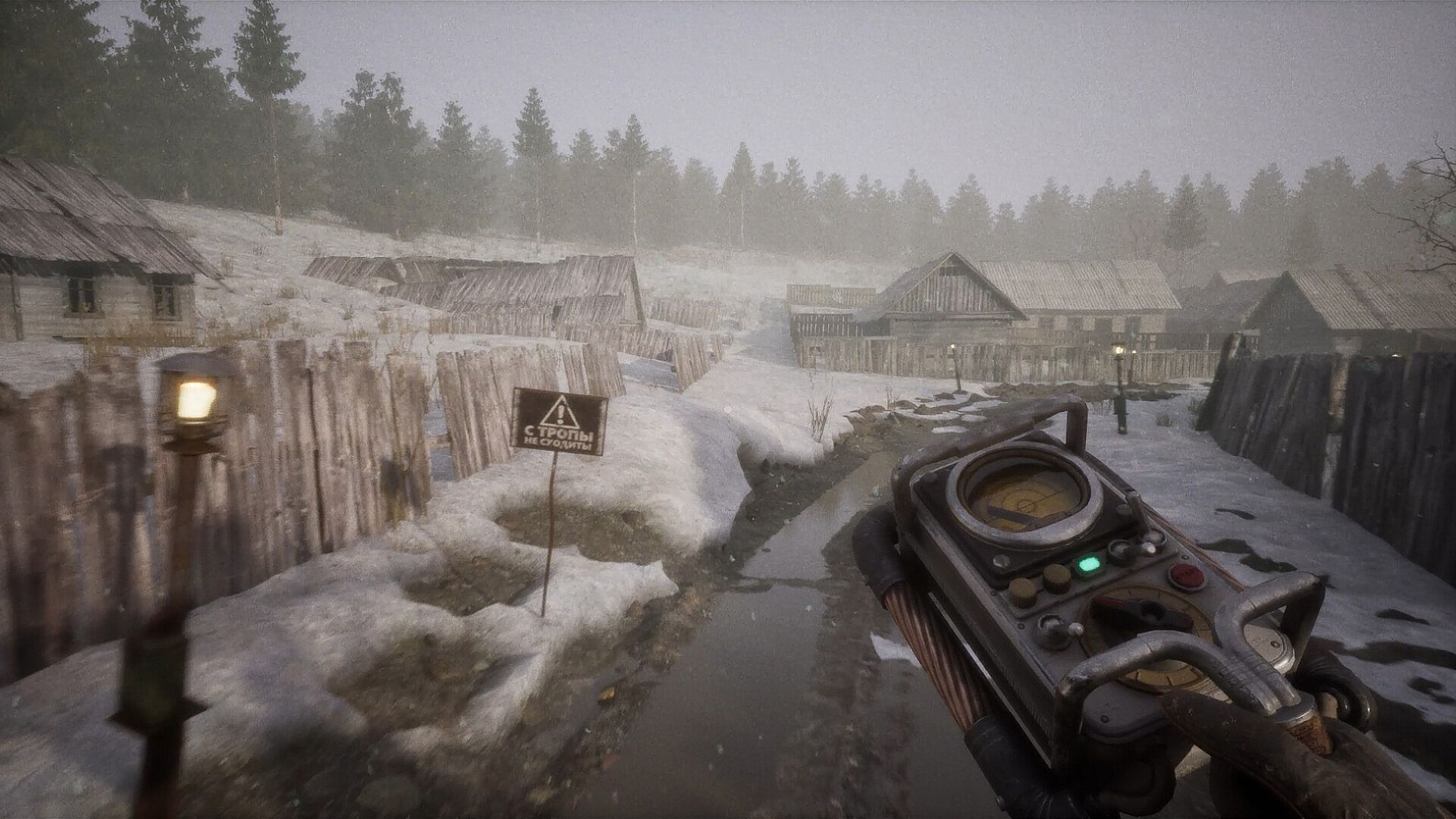
Durante el día, las actividades se centran en mantener el orden en la aldea y sus alrededores. Esto incluye recolectar leña, preparar té, completar tareas básicas y realizar patrullas. La gestión de recursos ocupa un lugar central en estas horas, ya que el jugador debe equilibrar los suministros esenciales con la tentación de los tesoros dispersos por la zona. Recoger estos objetos es posible, pero está estrictamente prohibido y afecta al desarrollo de los eventos posteriores.
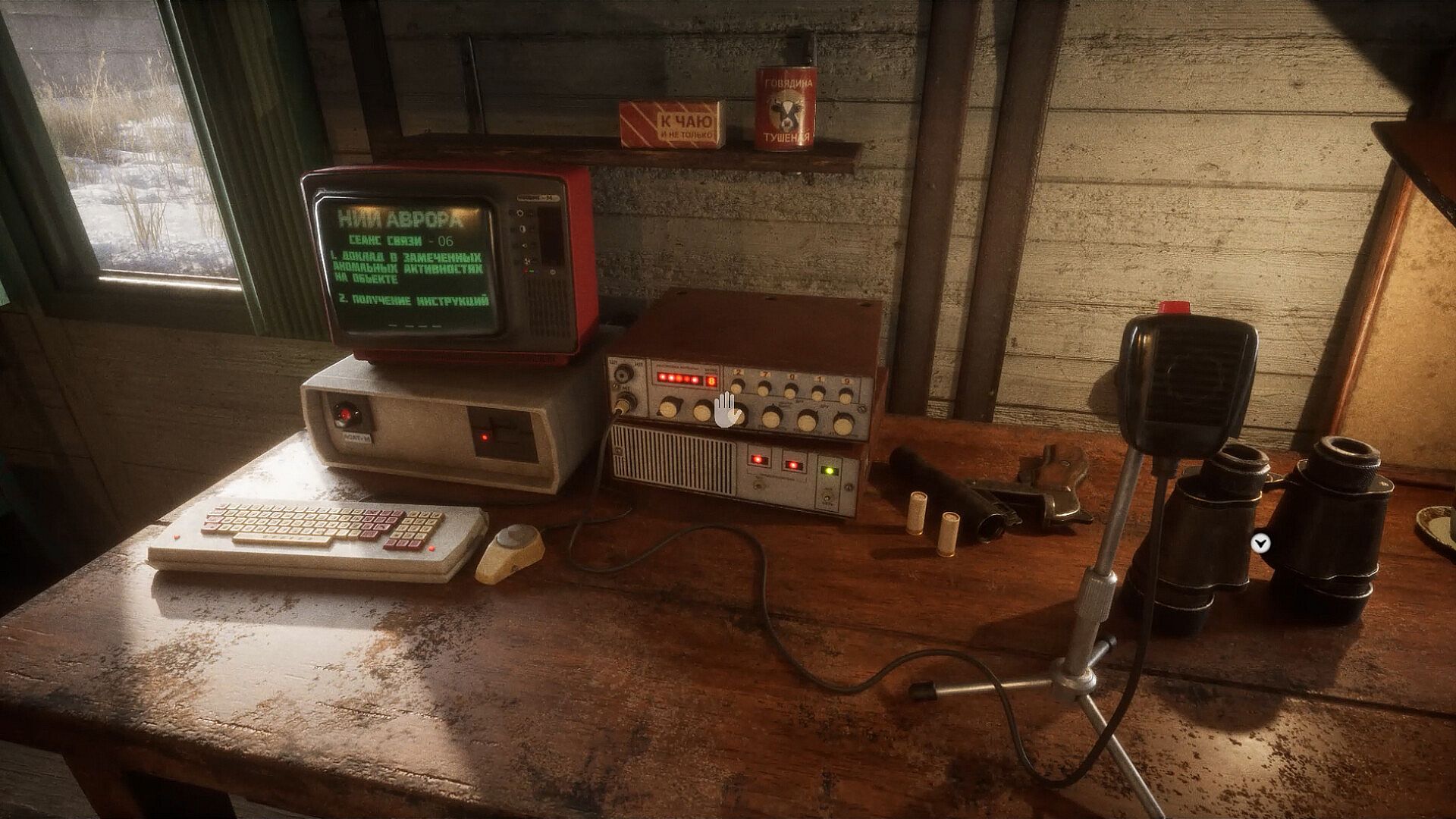
La exploración invita a registrar a fondo los edificios y el entorno salvaje cercano para encontrar objetos útiles y preparar defensas. Los elementos de simulación se manifiestan en la necesidad de gestionar la logística diaria, como el combustible y las provisiones, que influyen directamente en la preparación cuando se pone el sol. El jugador no es un héroe, sino una persona corriente que depende de herramientas prácticas en lugar de habilidades especiales.
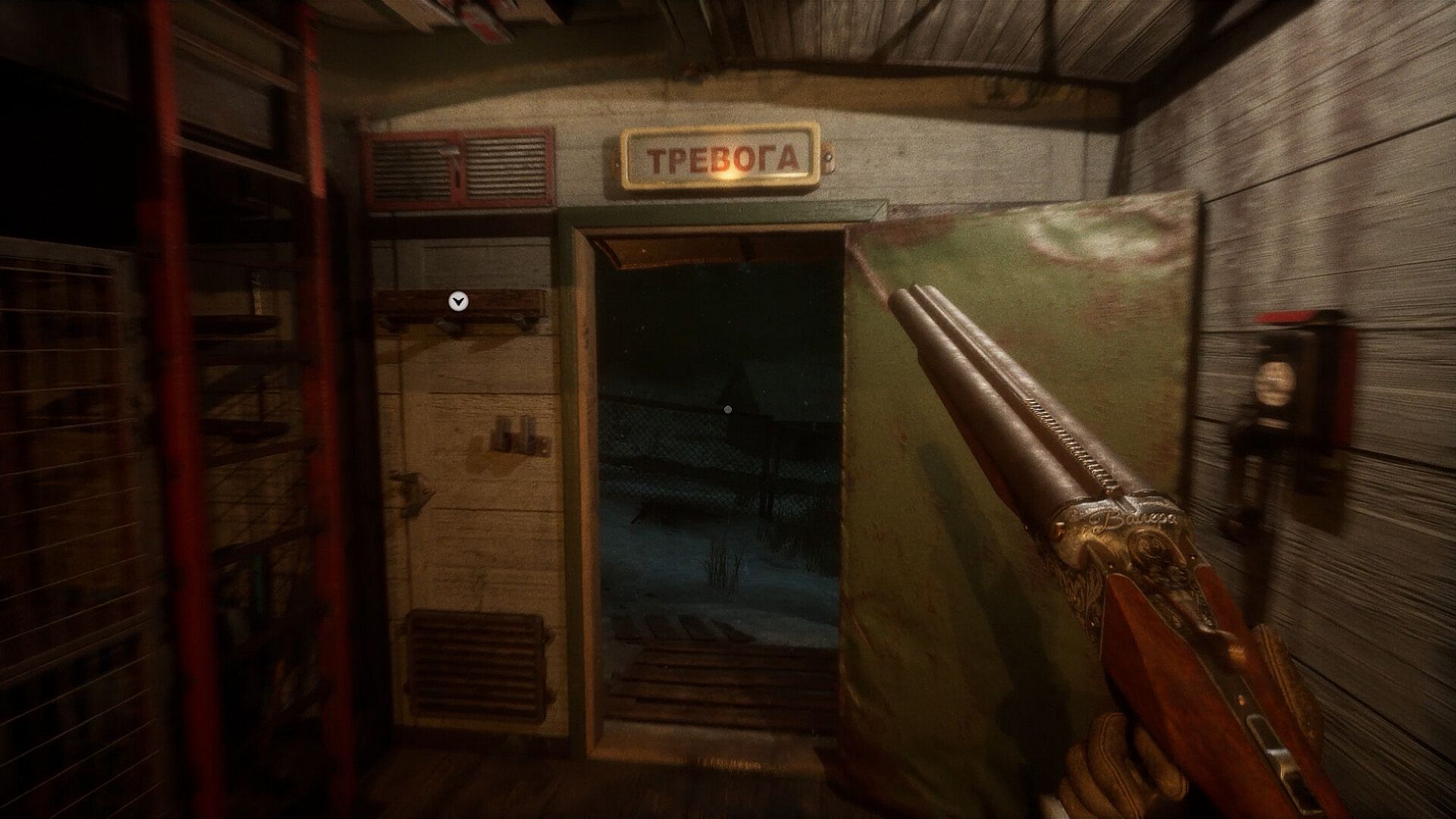
Por la noche, las consecuencias de las acciones diurnas se hacen evidentes. Las entidades atraídas por los tesoros se vuelven más agresivas según el comportamiento previo, obligando al jugador a improvisar defensas con las fuentes de luz, la sal, las armas y las barricadas disponibles. El objetivo de cada ciclo es simplemente llegar hasta el amanecer, momento en que llega un alivio temporal antes de que comience el siguiente día. Cada elección se acumula, convirtiendo las patrullas sencillas en preparativos de alto riesgo.
Game Modes
La experiencia consiste en una única campaña continua basada en ciclos repetidos de día y noche. No existen modos competitivos ni cooperativos separados. El progreso avanza a través de las noches sucesivas, y la intensidad de las amenazas aumenta según las decisiones acumuladas sobre las normas y los recursos. Esta estructura mantiene el enfoque en la estrategia personal de supervivencia dentro del entorno aislado de la aldea.
Exploración y preparación
Durante las horas diurnas, el jugador recorre la aldea y el terreno circundante para localizar suministros y evaluar el entorno. Las tareas sencillas y las patrullas aportan estructura, mientras que la opción de recoger tesoros prohibidos genera una tensión entre riesgo y recompensa. La preparación implica acumular leña y otros elementos esenciales que resultan cruciales cuando llega la noche. Los aspectos de simulación exigen prestar atención al inventario y al estado del refugio, garantizando que el puesto de vigilancia siga operativo a lo largo de varios ciclos.
Tácticas defensivas
Durante la noche, el énfasis se desplaza hacia la protección y la resistencia. La luz ahuyenta la oscuridad, la sal crea barreras contra las entidades que se acercan y las armas actúan como último recurso. Cuando aumenta el nivel de agresividad, fortificar puertas y reforzar el refugio se convierten en prioridades. El jugador debe decidir si conservar la munición limitada o intentar ahuyentar a los visitantes por otros medios. Cada noche pone a prueba la eficacia de las decisiones tomadas durante el día, y la supervivencia depende del uso adaptativo de las herramientas disponibles.
¿Merece la pena jugarlo?
Midnight Watcher: Village está dirigido a jugadores que buscan un terror de supervivencia que combine mecánicas de simulación con sistemas de consecuencias directas. La estructura de día y noche genera una tensión constante a través de las decisiones de recursos y la improvisación defensiva, en lugar de depender únicamente del combate. Quienes se sienten atraídos por entornos aislados y dilemas morales en experiencias de terror indie encontrarán que la premisa se ajusta a sus preferencias. Como próximo lanzamiento para PC, el juego sigue en fase previa al lanzamiento y aún no cuenta con opiniones de jugadores ni historial de actualizaciones. Quienes busquen esta combinación específica de preparación, exploración y defensa nocturna pueden seguir su desarrollo para futuras novedades.