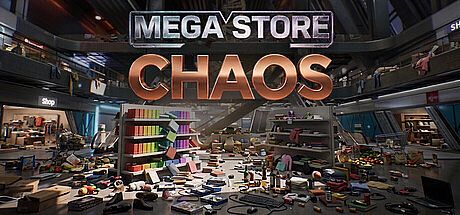





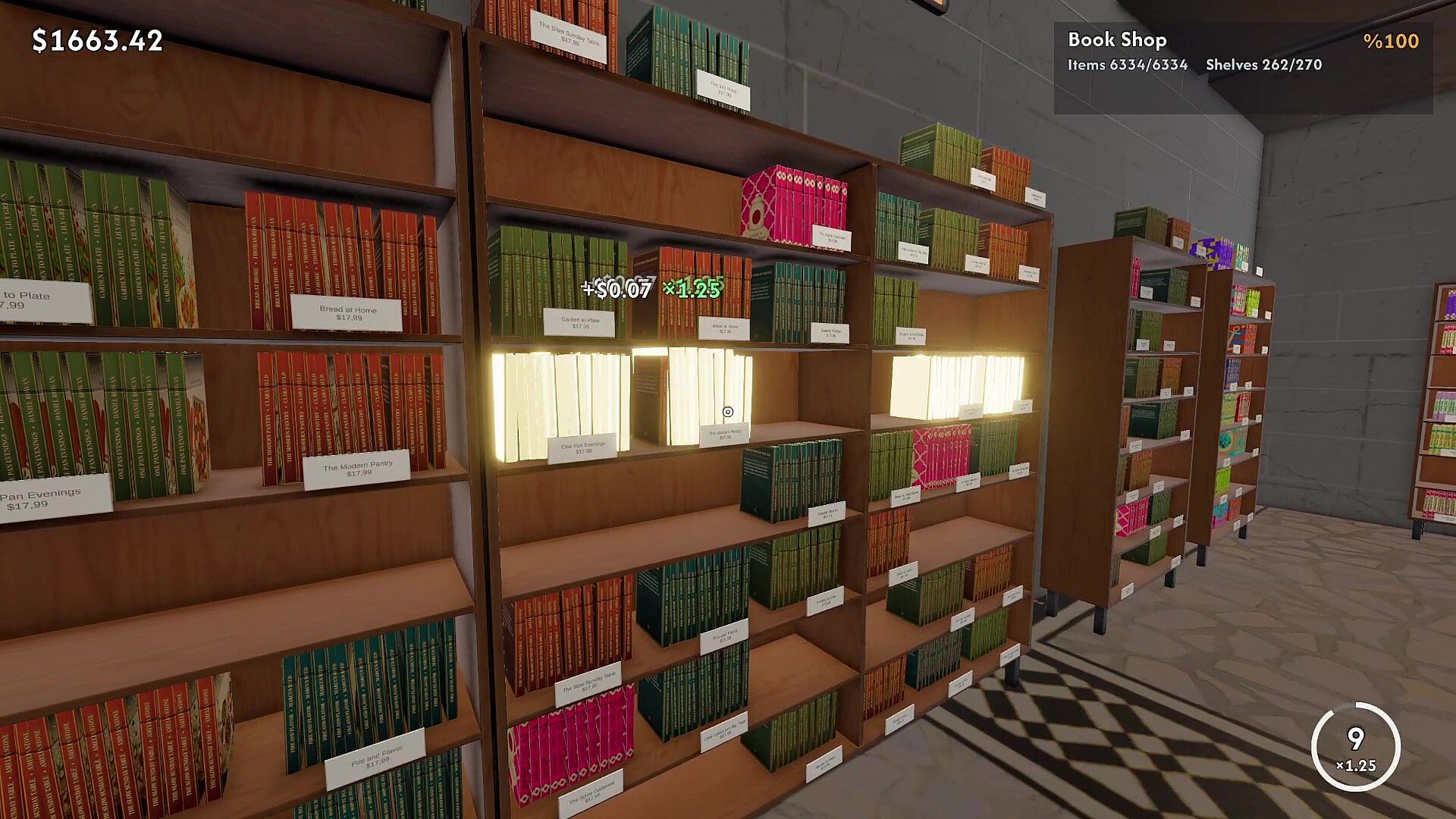
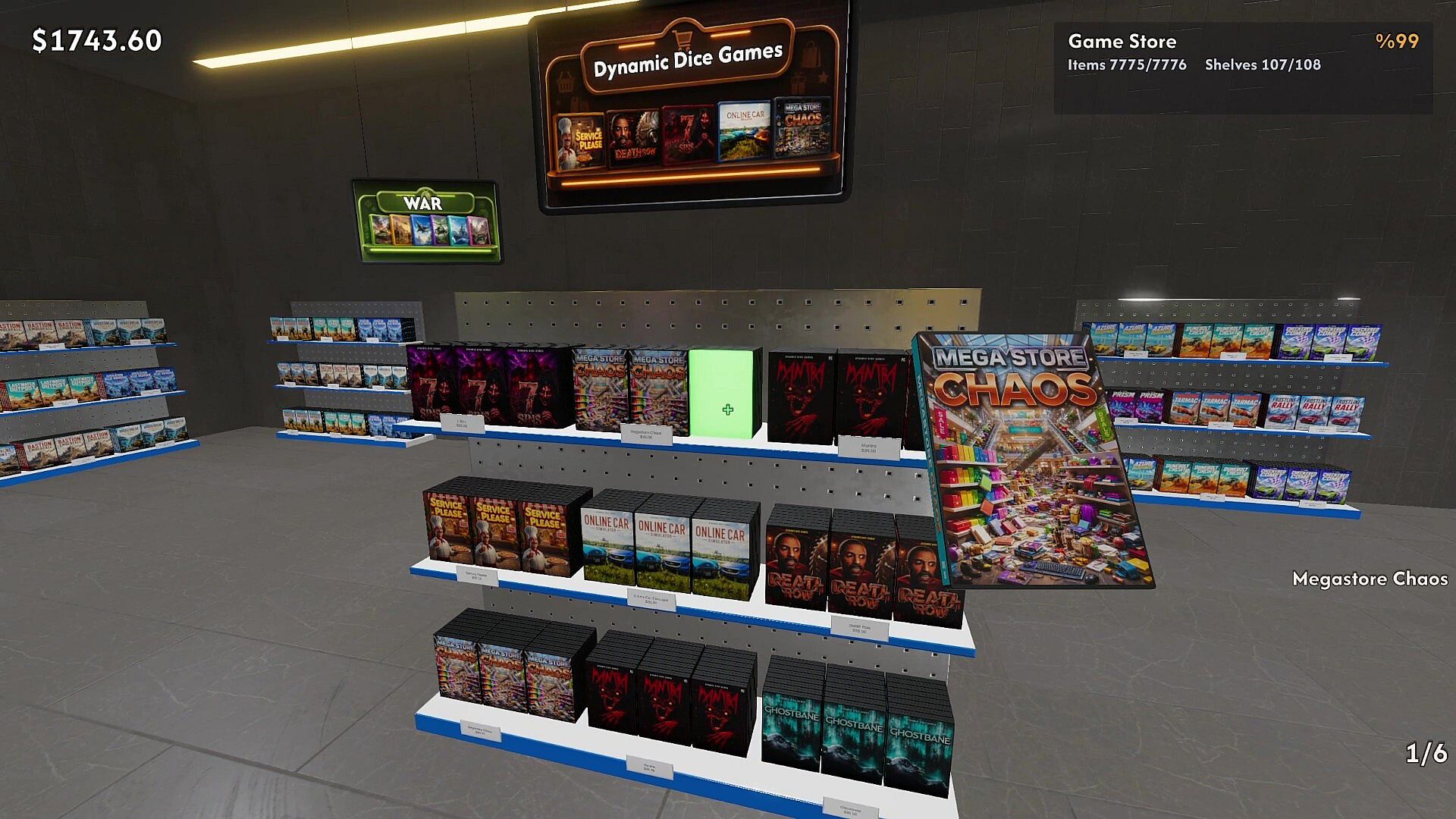
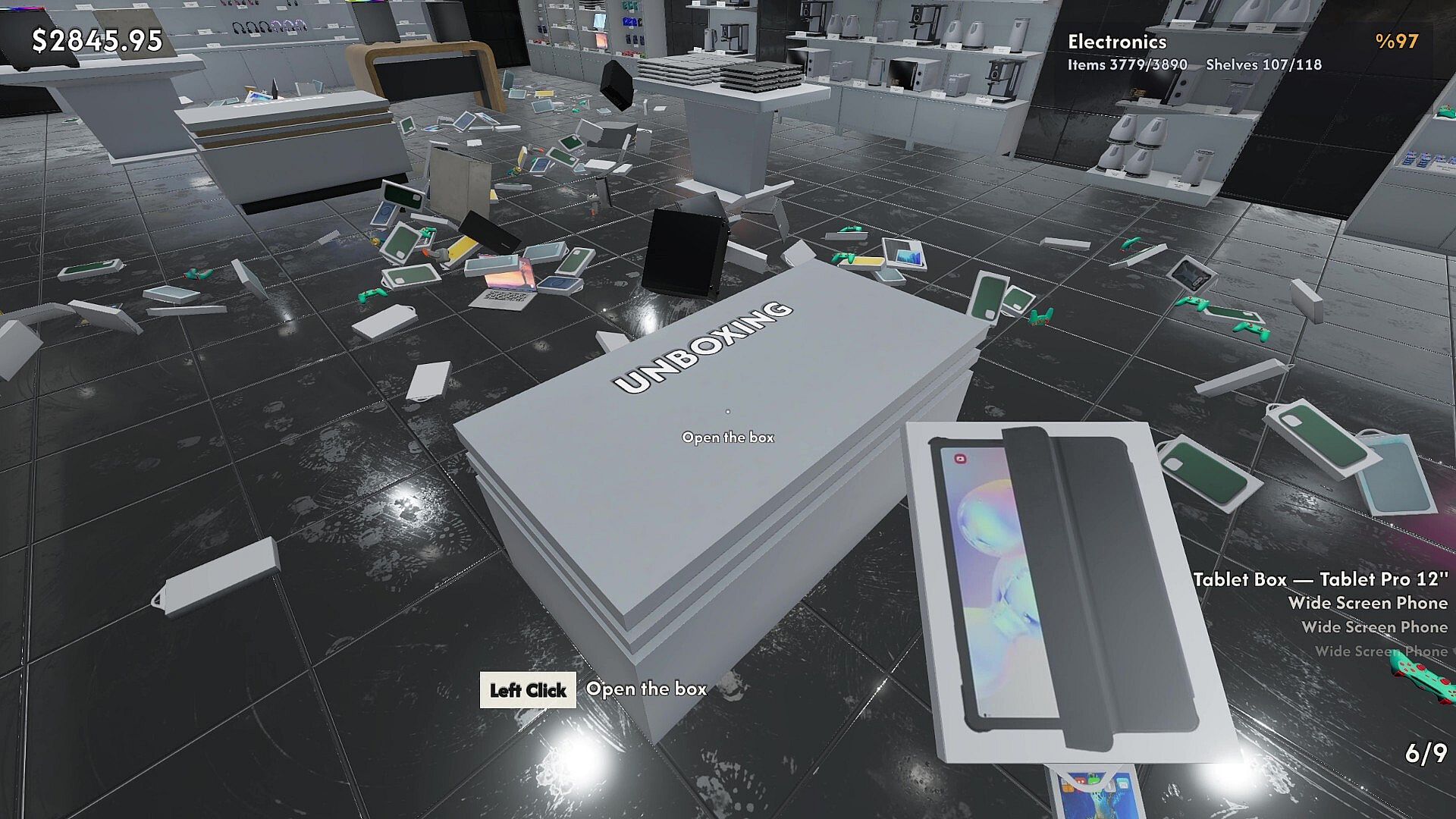
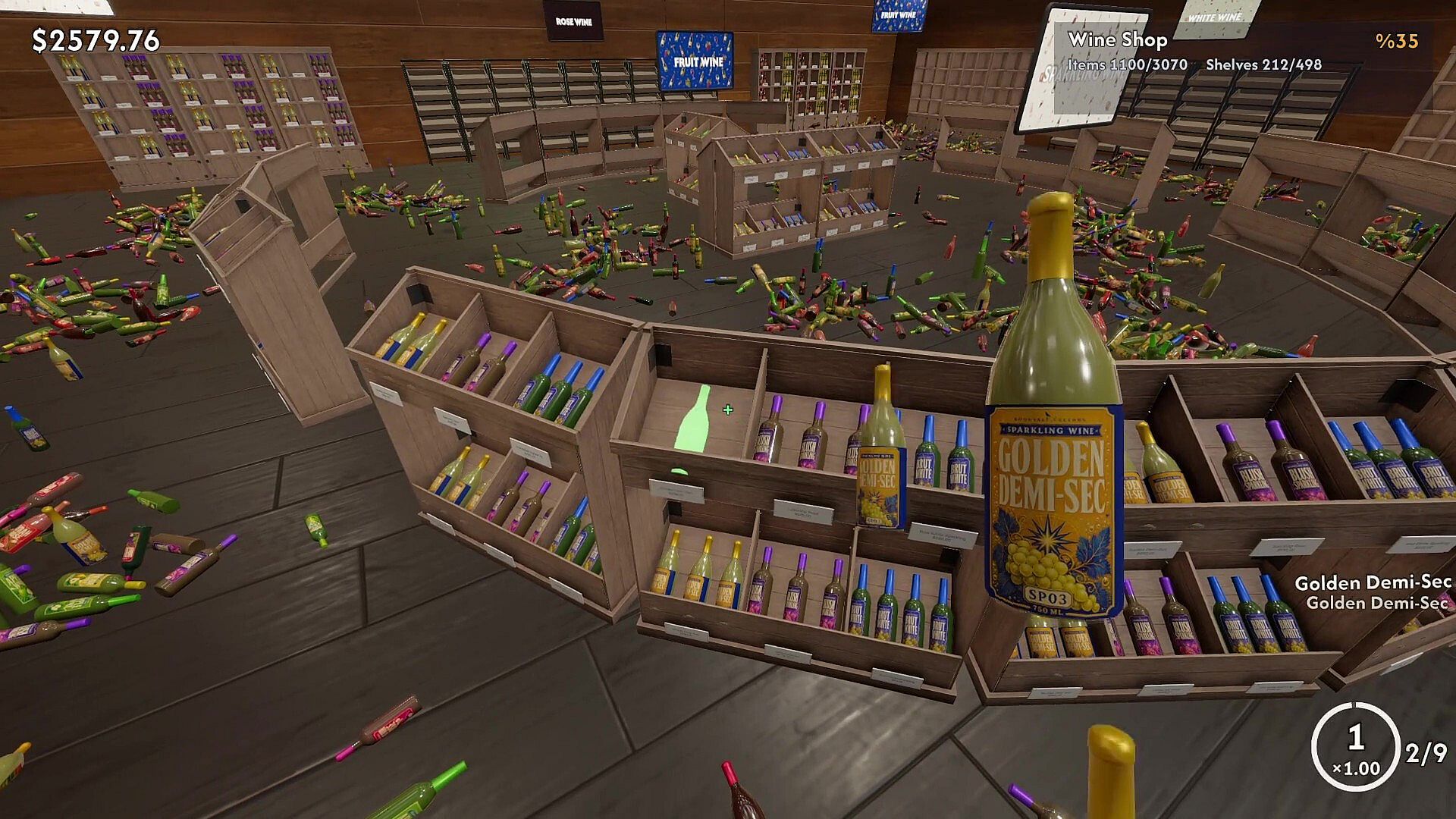
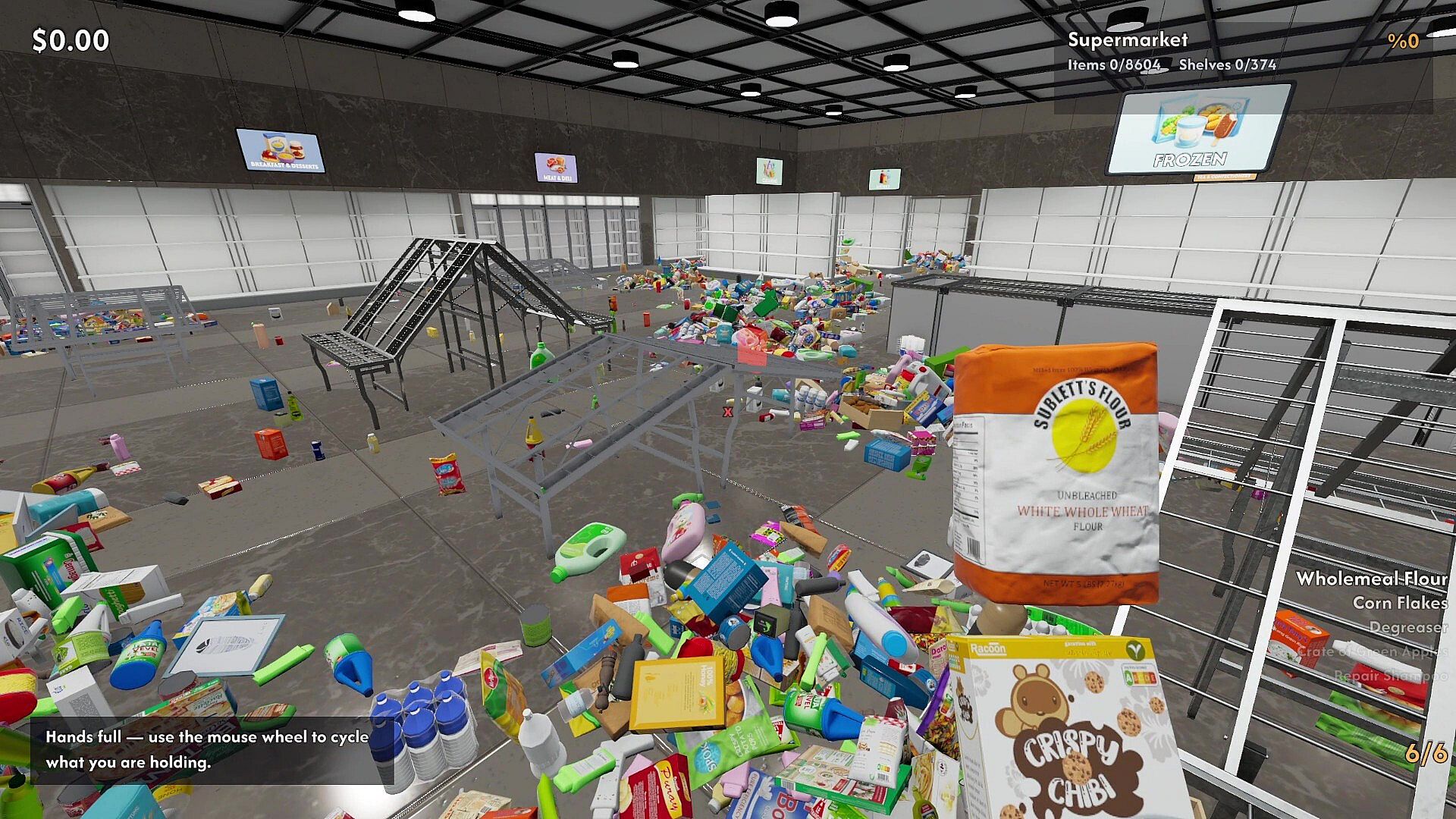
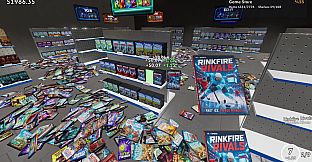
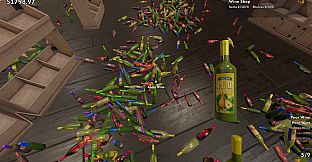
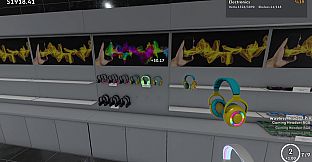
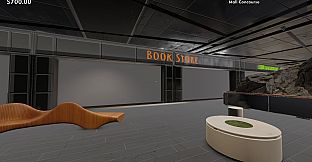
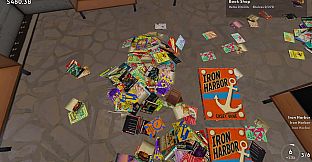
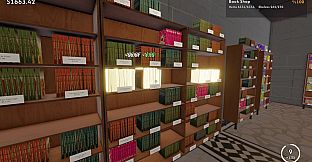
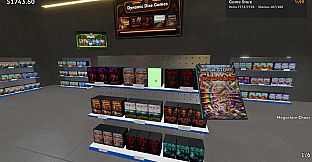
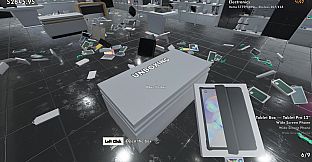
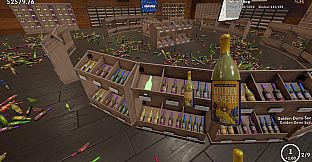
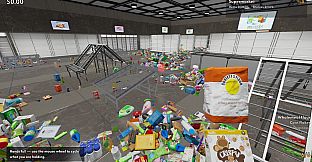
Megastore Chaos is a single-player indie simulation game focused on restoring order to disorganized retail spaces inside a large shopping mall. Players take on the role of an organizer tasked with sorting and arranging thousands of individual items across multiple themed stores, all without any timers or competitive pressure.
Gameplay
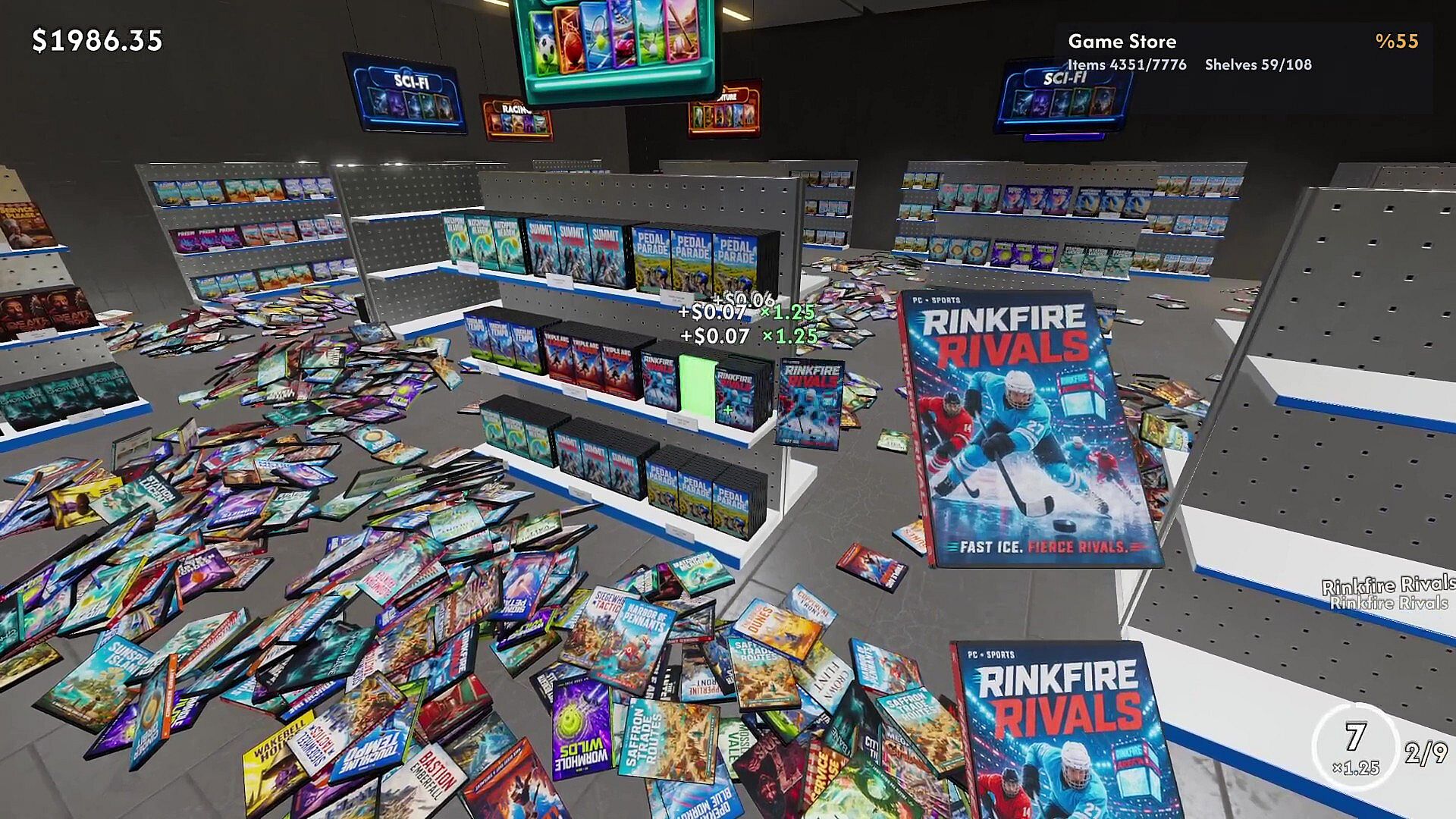
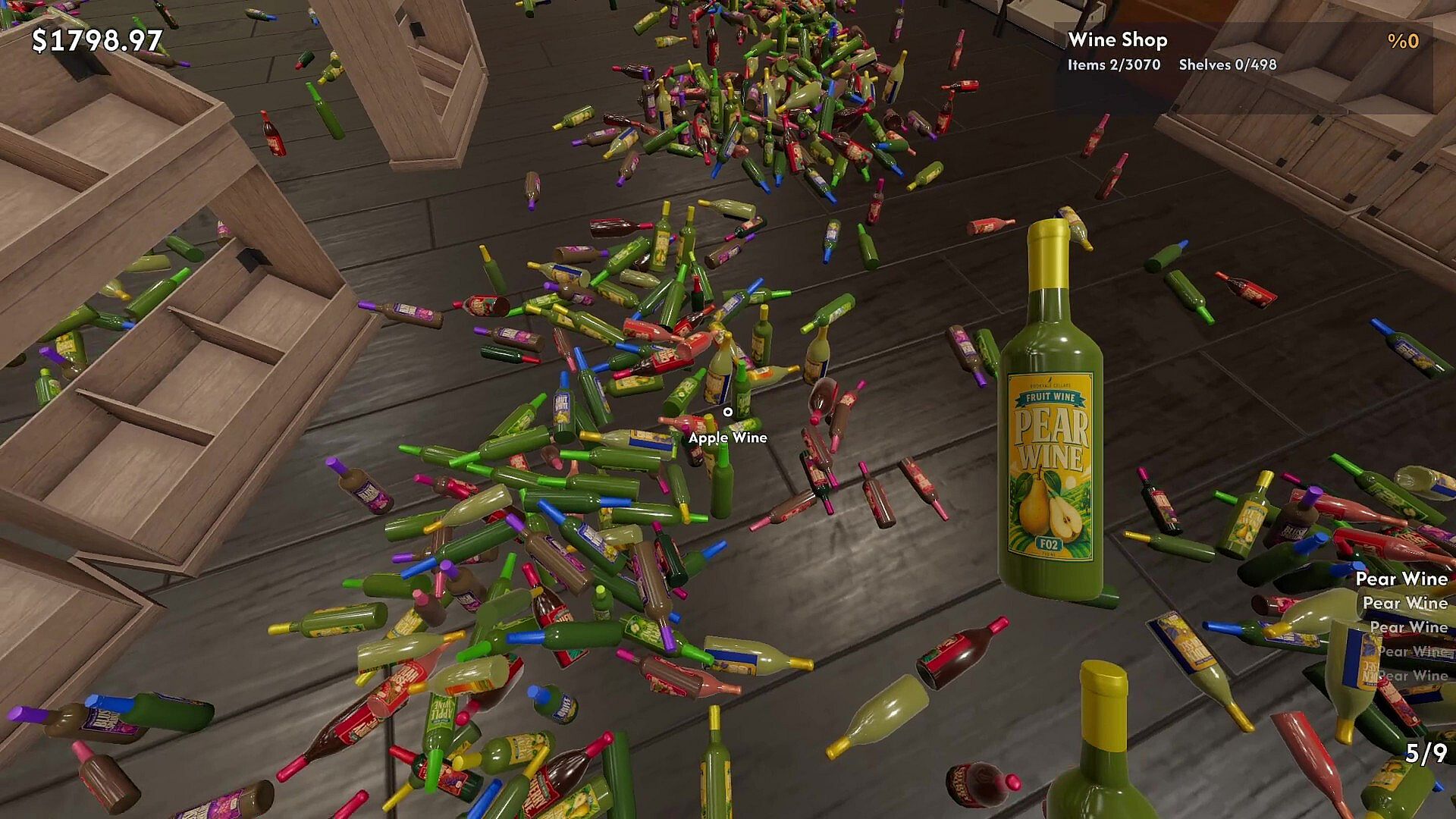
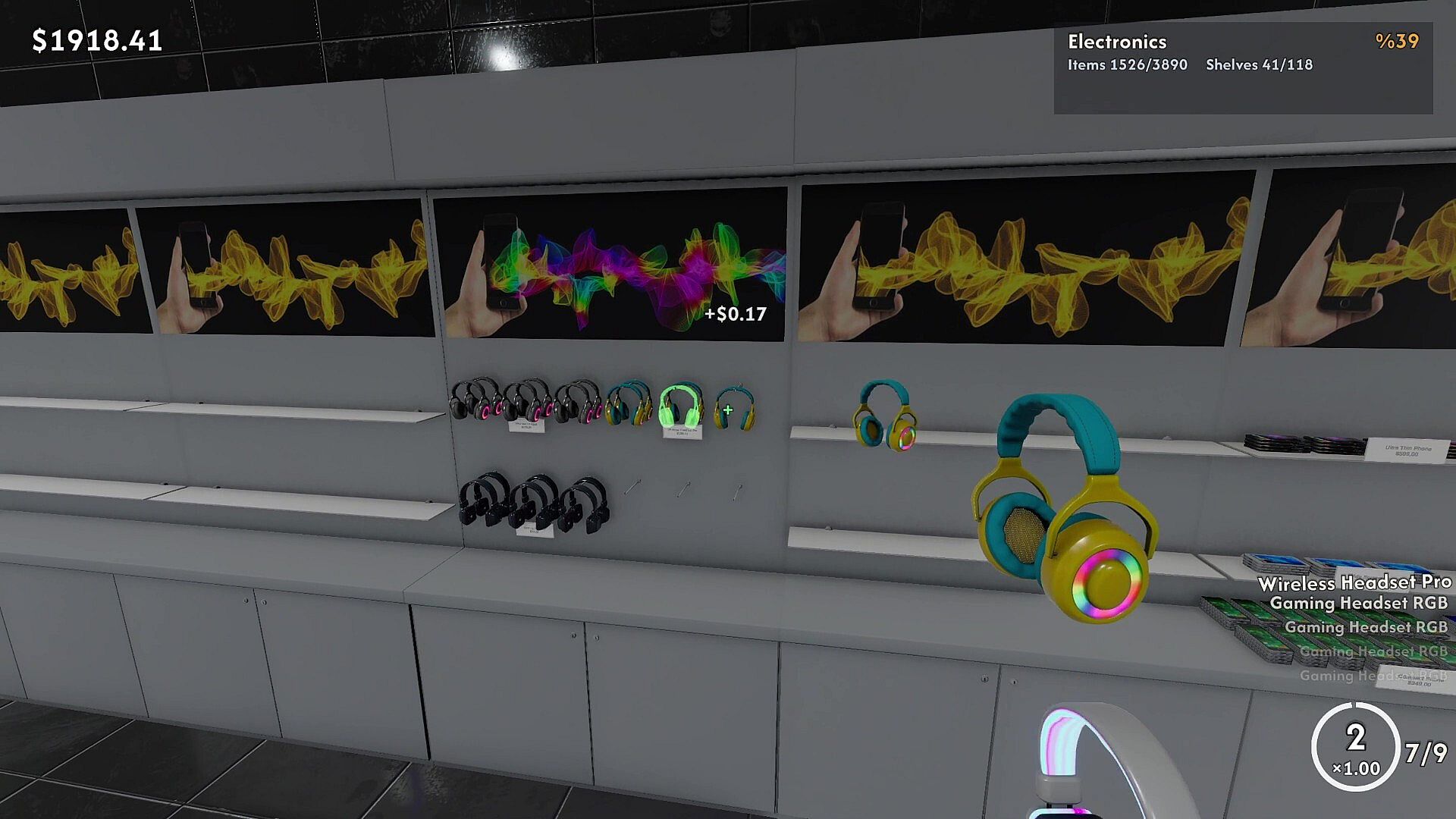
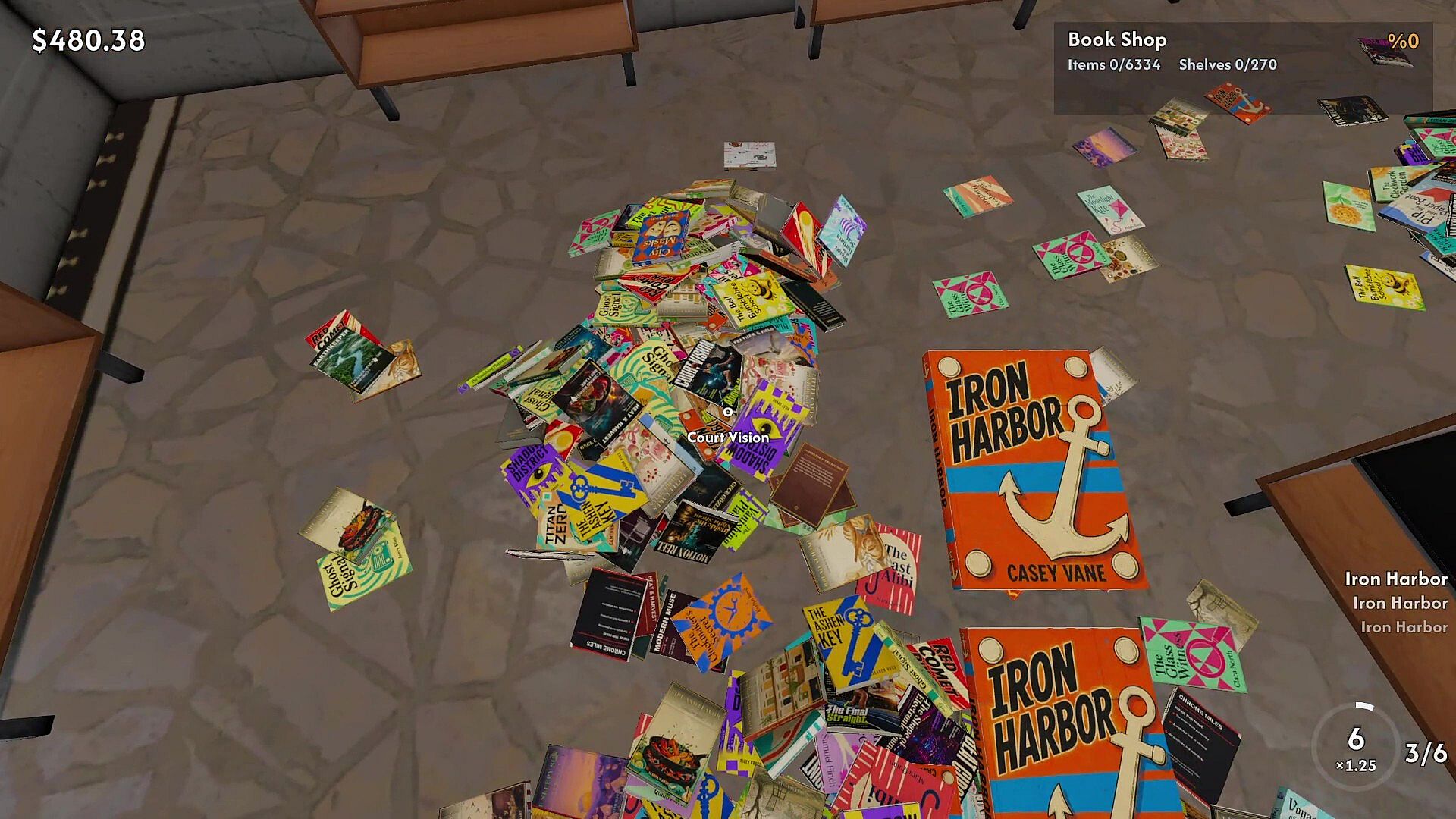
The core loop centers on methodical cleanup and categorization. Each store begins in complete disarray, with products scattered across floors and shelves. Players pick up items one by one or in small groups and return them to the correct sections based on type, genre, or function. Shelves must be filled neatly, displays arranged for visual appeal, and every product matched to its proper category. The process unfolds at a deliberate pace, emphasizing the tactile satisfaction of creating neat rows and balanced layouts. A character skill system lets players invest experience points to improve efficiency, such as increasing carry capacity or speeding up placement accuracy. Progression comes from completing stores and earning currency that unlocks new areas within the mall.
Game Modes
Megastore Chaos offers a single-player experience built entirely around relaxed organization sessions. There are no multiplayer options, competitive leaderboards, or time-limited challenges. Instead, the game supports freeform play where individuals work through the available shops in any order they choose after unlocking them. Each store functions as a self-contained task with its own item count and layout requirements, allowing players to focus on one area at a time or revisit completed spaces for further refinement.
Shops and Scale
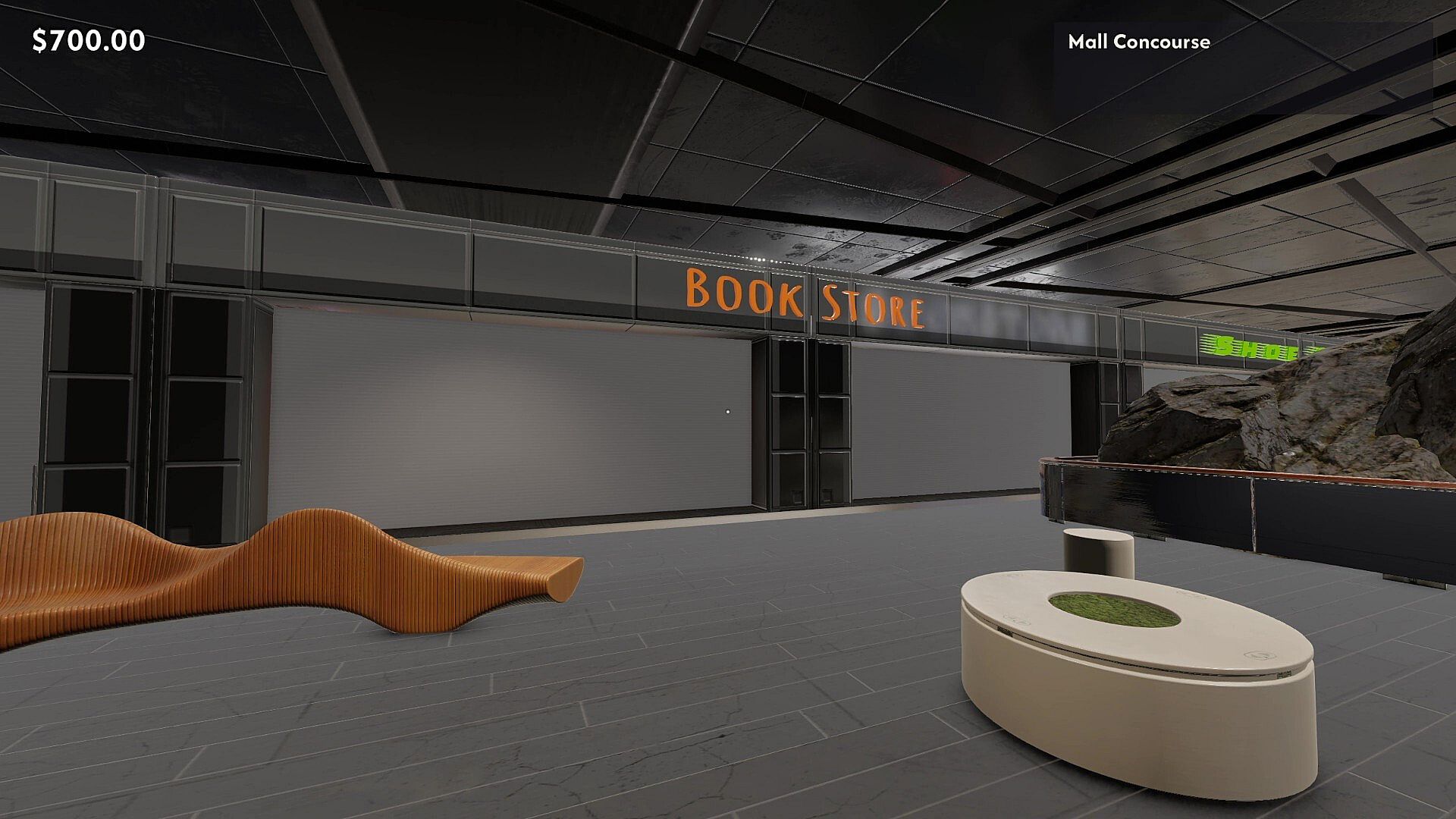
Six distinct retail environments await organization. The supermarket holds the largest collection at 8,748 products that must be sorted into food and household categories. Game World contains 7,776 game DVDs requiring genre-based stacking. The book store features 6,334 books and magazines sorted by literary type. Electronic City presents 3,508 tech items arranged for a modern aesthetic. The wine store challenges players with 3,070 bottles placed to evoke an elegant cellar. Finally, the shoe store involves 845 pairs organized into boxes and display areas. Across all locations the total exceeds 30,000 individual items, creating substantial variety in sorting criteria and visual outcomes.
Is It Worth Playing?
This title suits players who enjoy methodical, low-stress simulation games centered on tidying and categorization. The absence of timers or failure states makes it accessible for short sessions or extended playthroughs. Those drawn to satisfying visual feedback from neat arrangements will find consistent appeal in the progression from cluttered floors to polished displays. Early access status means the experience remains focused on the core organizing loop without additional layers such as story campaigns or complex management systems. If the appeal lies in deliberate, hands-on arrangement rather than fast-paced action or resource juggling, the game delivers a consistent and repeatable sense of accomplishment through its item-by-item restoration process.