




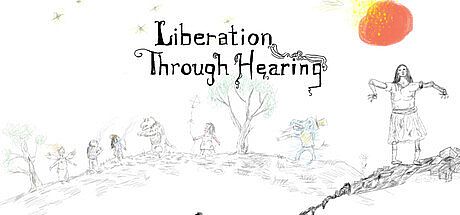


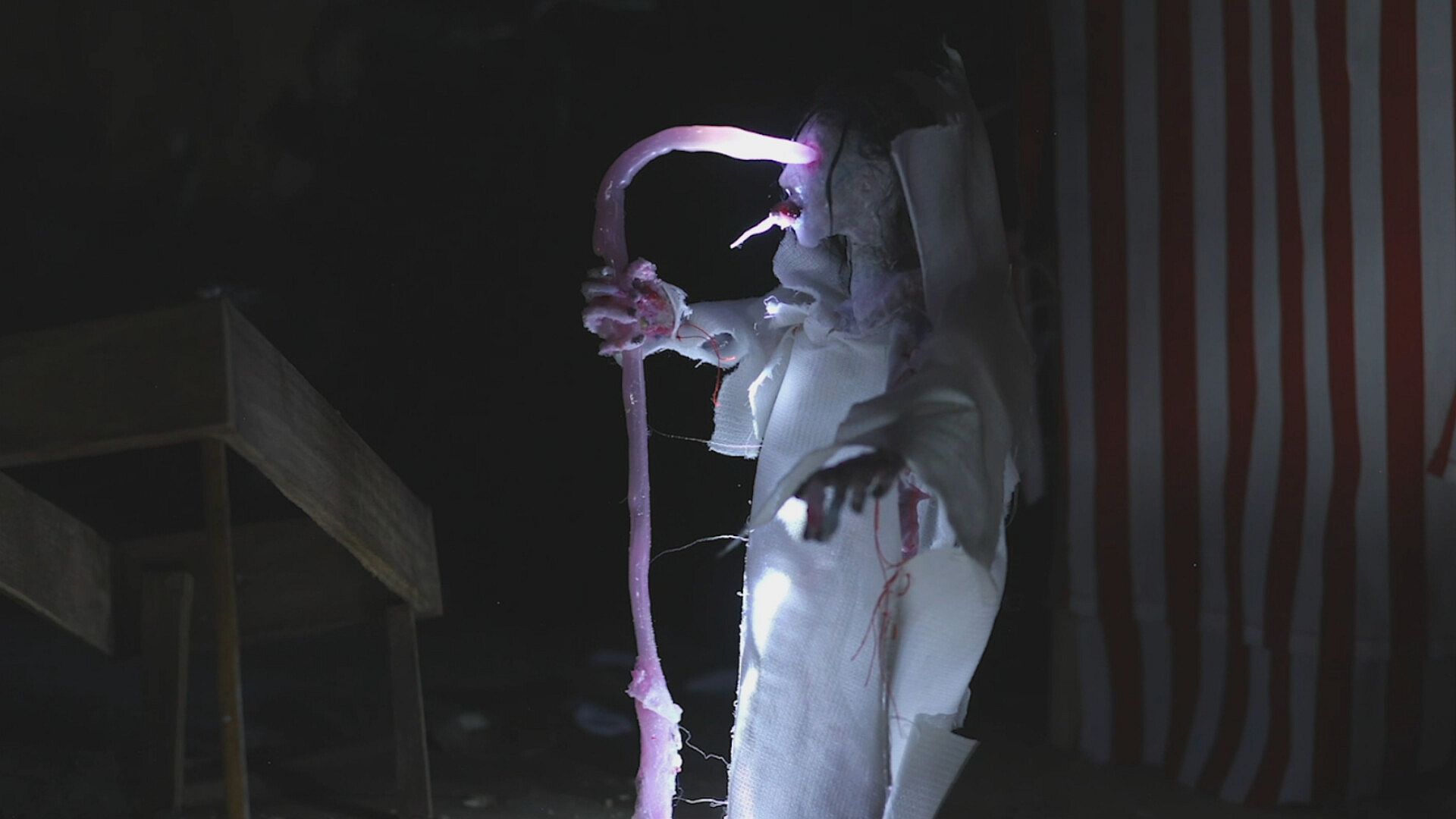
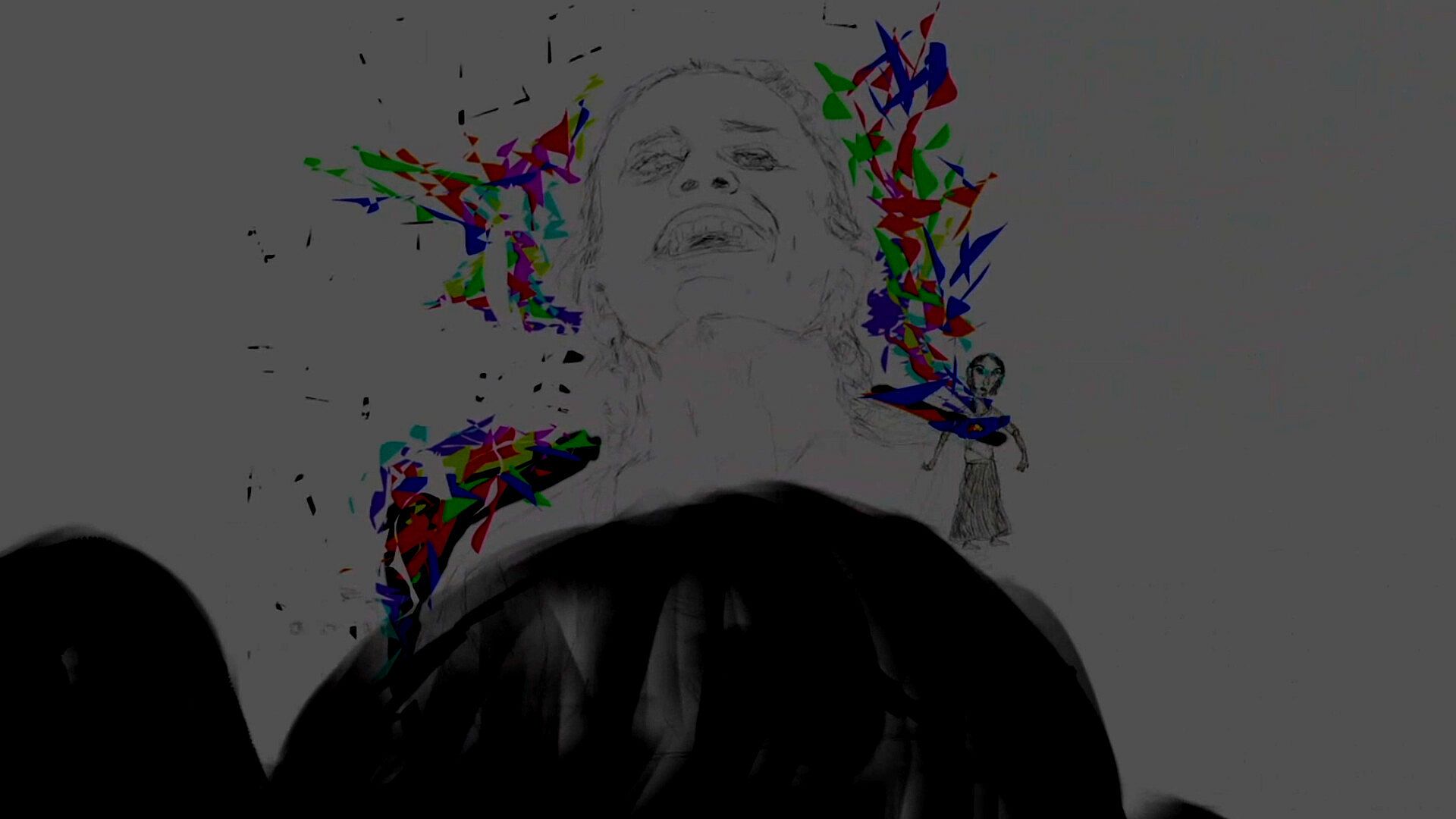
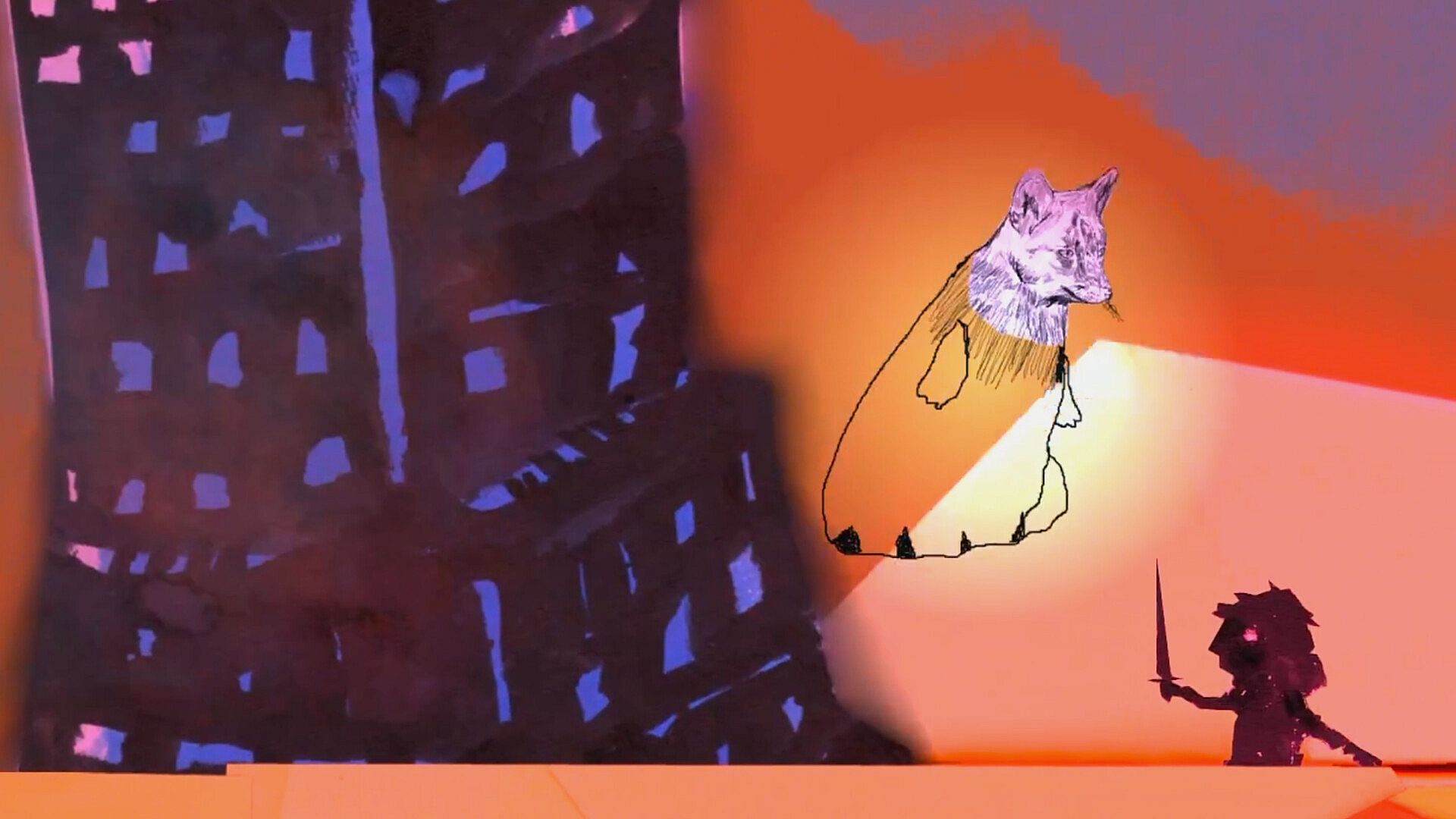

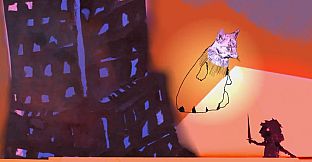
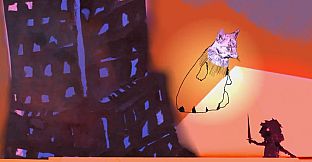
Liberation Through Hearing is an indie title for PC that blends the structure of a platform game with the form of an interactive opera. The experience centers on a morphing protagonist whose journey unfolds through hand-drawn visuals and original music composition, drawing directly from the Bardo Thodol, also known as the Tibetan Book of the Dead. Players navigate a two-dimensional space without scores, victories, or defeats, focusing instead on forward movement and the creation of sound as the primary activity.
Gameplay
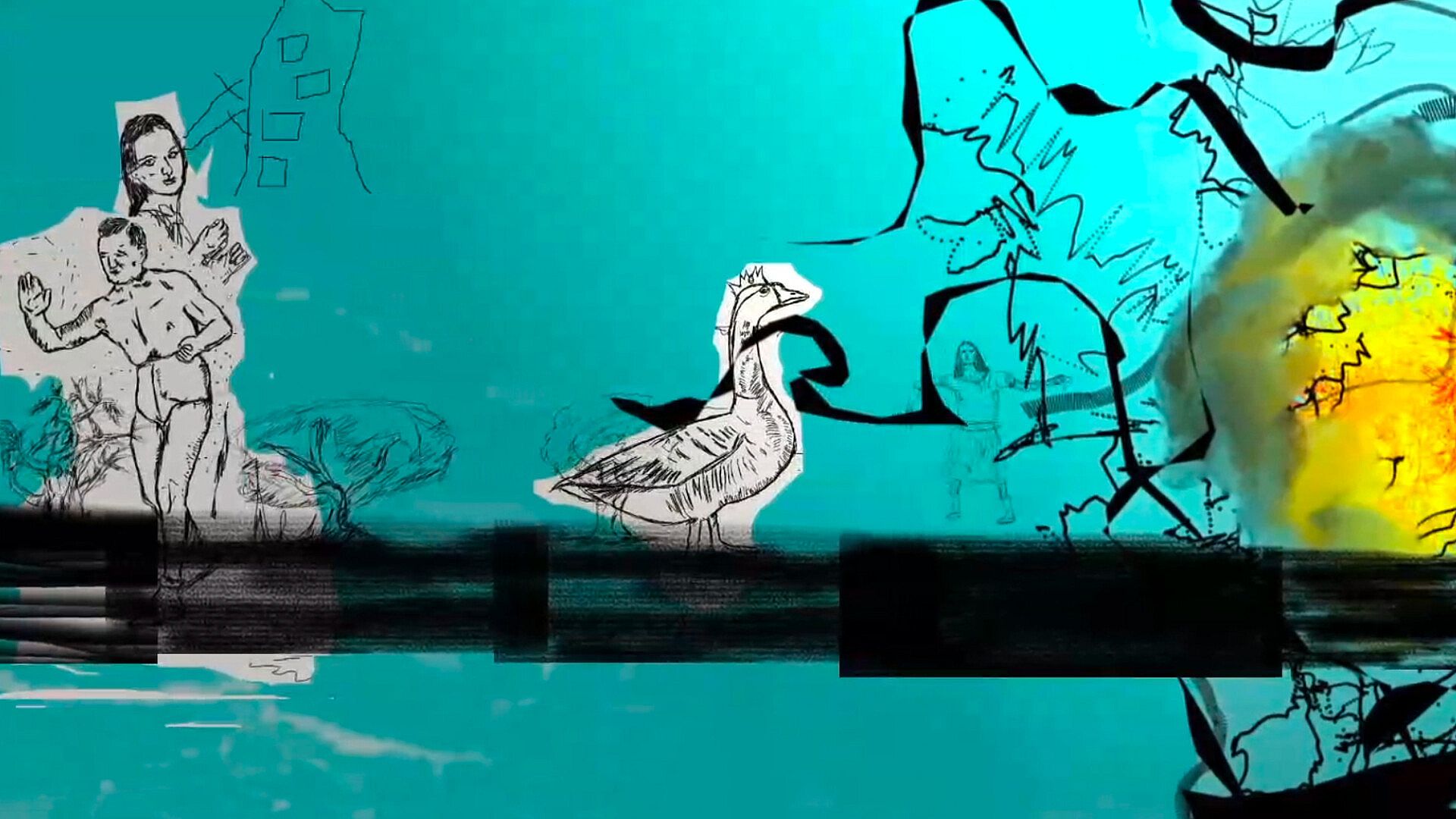
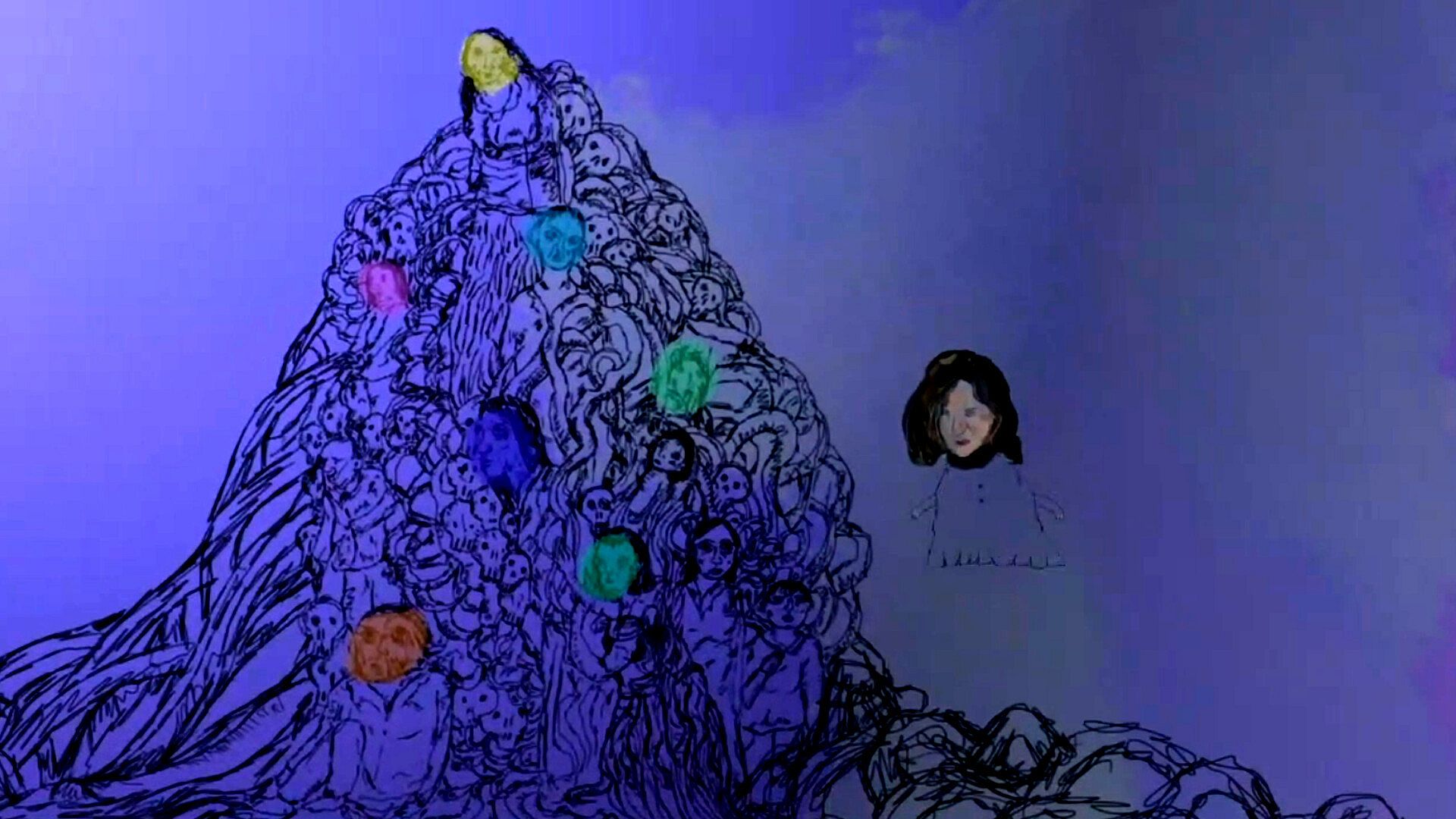
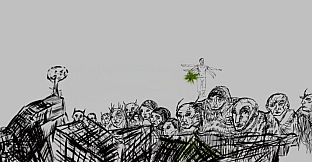
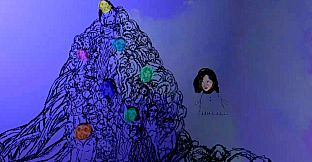
The core loop involves guiding the protagonist through hand-drawn environments that function as a continuous, non-repetitive painting. Each section presents a distinct theme tied to the libretto, with the character encountering varied imaginary figures along the way. Movement occurs in two-dimensional space, and interaction generates music in real time rather than following pre-set tracks or loops. The visuals remain entirely hand-crafted, avoiding the tiled patterns common in traditional platformers, so every moment offers unique artwork and composed audio elements. The protagonist morphs during the journey, reflecting the shifting states described in the source text about post-death consciousness.
Game Modes
No traditional game modes exist in Liberation Through Hearing. The single continuous experience replaces competitive structures, scoring systems, or win conditions with an open wandering format. Progress depends solely on advancing through the levels, each built around themes from the Bardo Thodol that explore intervals between death and rebirth. This approach eliminates multiplayer options or separate scenarios, keeping the focus on individual exploration and musical creation within the hand-drawn world.
Story and Themes
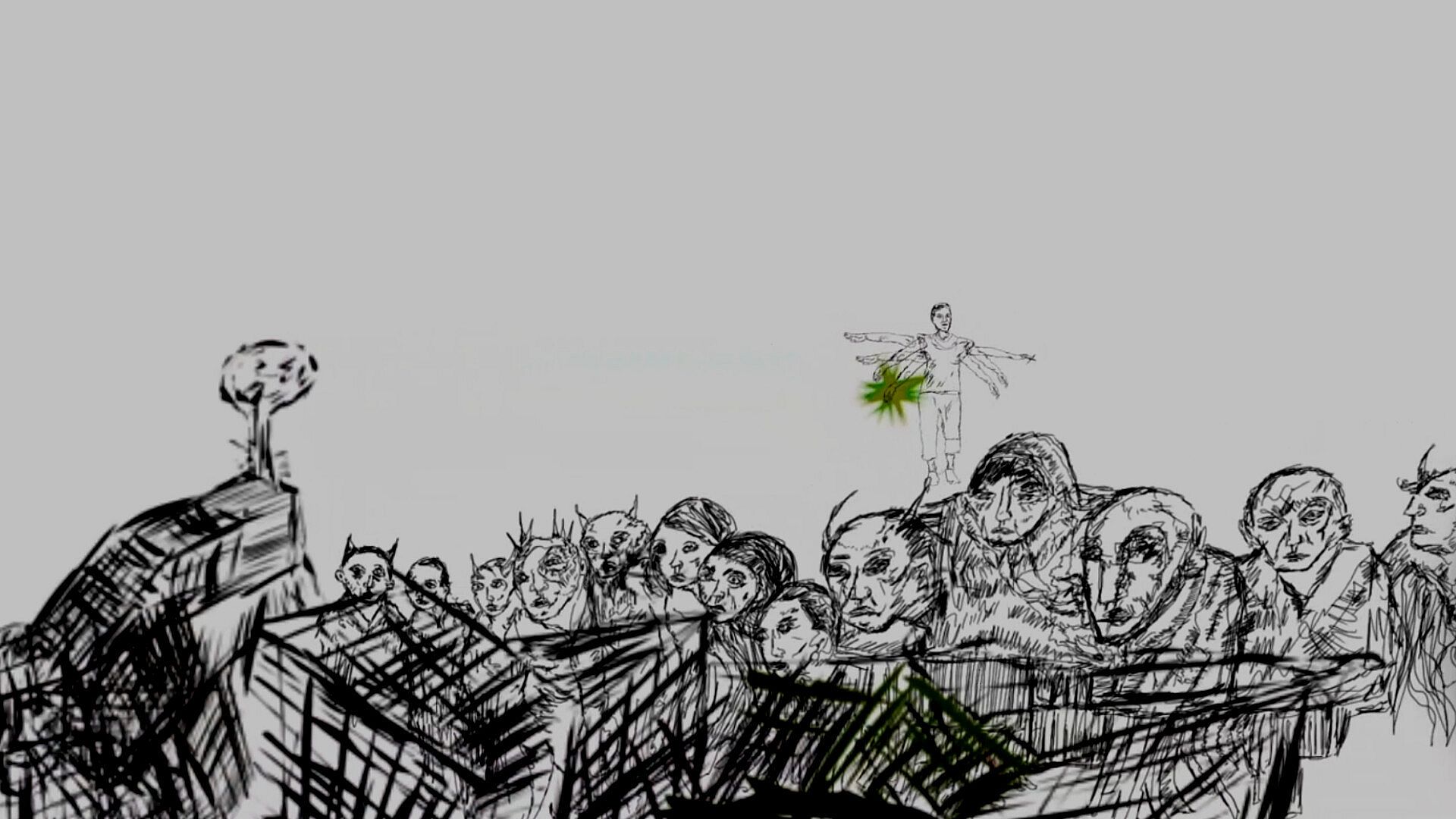
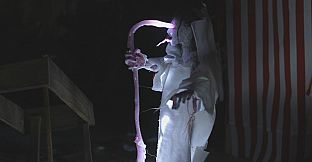
The narrative follows the protagonist through vivid representations of after-death experiences drawn from the Tibetan Book of the Dead. These sequences can include intense, hellish ordeals that form the dramatic core of the opera. The libretto guides the journey without providing conventional dialogue or cutscenes, instead embedding the story in the visual and audio progression. Themes of death and transition receive direct treatment, which the game itself notes may make the content unsuitable for young children.
Visual and Audio Design
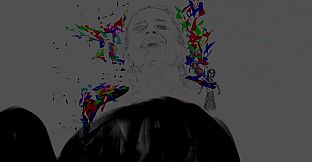
Hand drawings serve as the foundation for every visual element, creating large-scale paintings that players traverse and interact with. No sections repeat patterns or assets, ensuring each level maintains its own distinct artistic identity aligned with the libretto. Music emerges directly from player actions in the two-dimensional space, with every second of the experience composed rather than looped or randomized from existing tracks. This integration turns the entire work into an audio-visual performance where sound and image develop together without separation.
Is It Worth Playing?
Liberation Through Hearing suits players seeking an artistic, non-competitive experience that prioritizes exploration and music generation over conventional gameplay challenges. Its structure as an interactive opera with platform-like navigation offers a focused single-player journey rooted in specific cultural and philosophical source material. Those drawn to hand-crafted visuals, original composition through movement, and themes of mortality will find the absence of scoring or failure states aligns with its contemplative intent. The game remains available on PC as an indie release with no additional modes or updates altering its core presentation.











