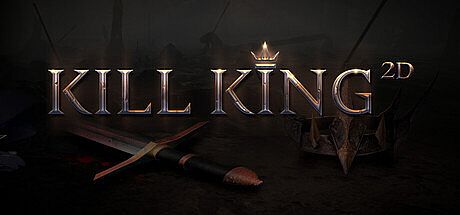


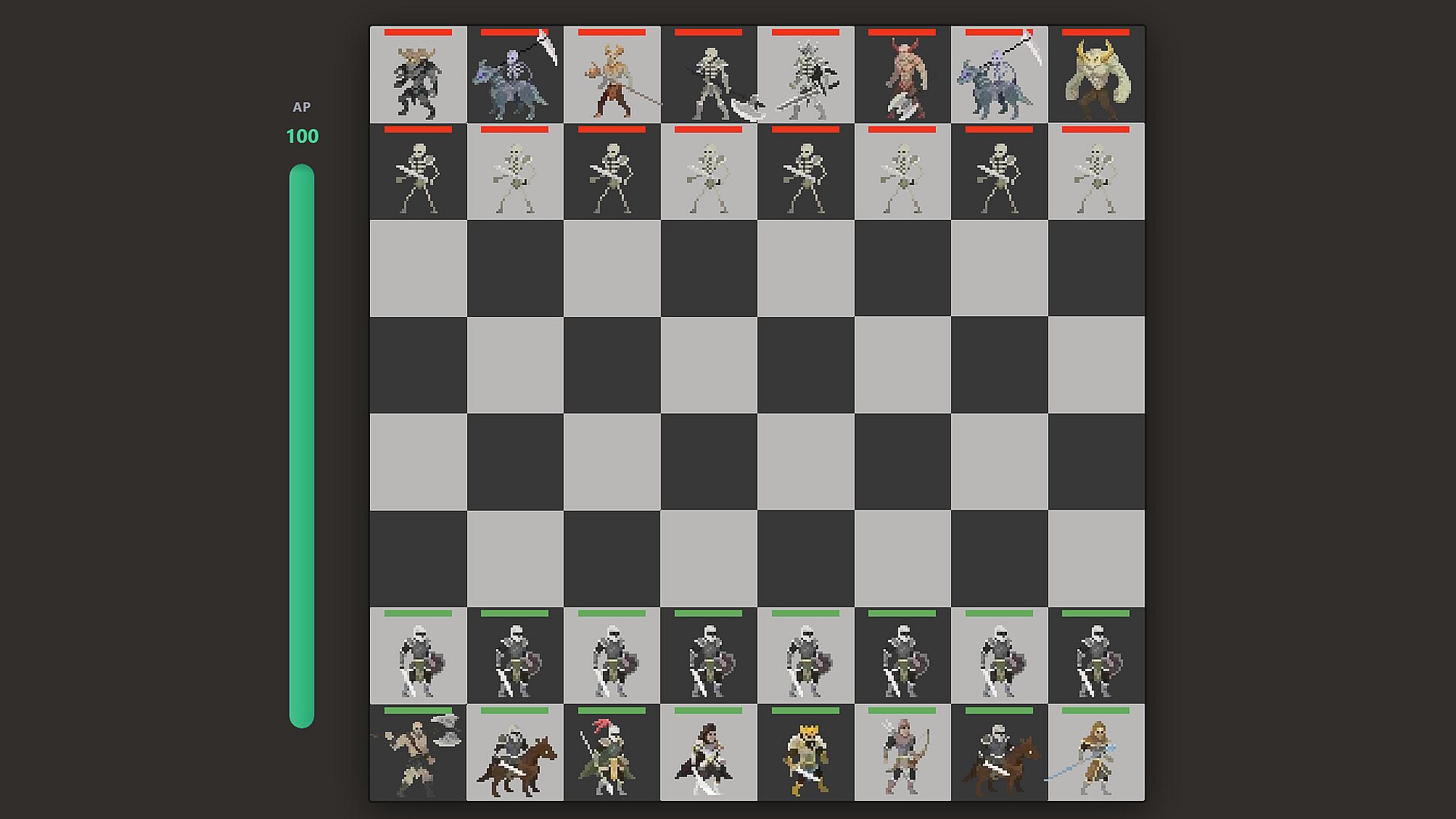
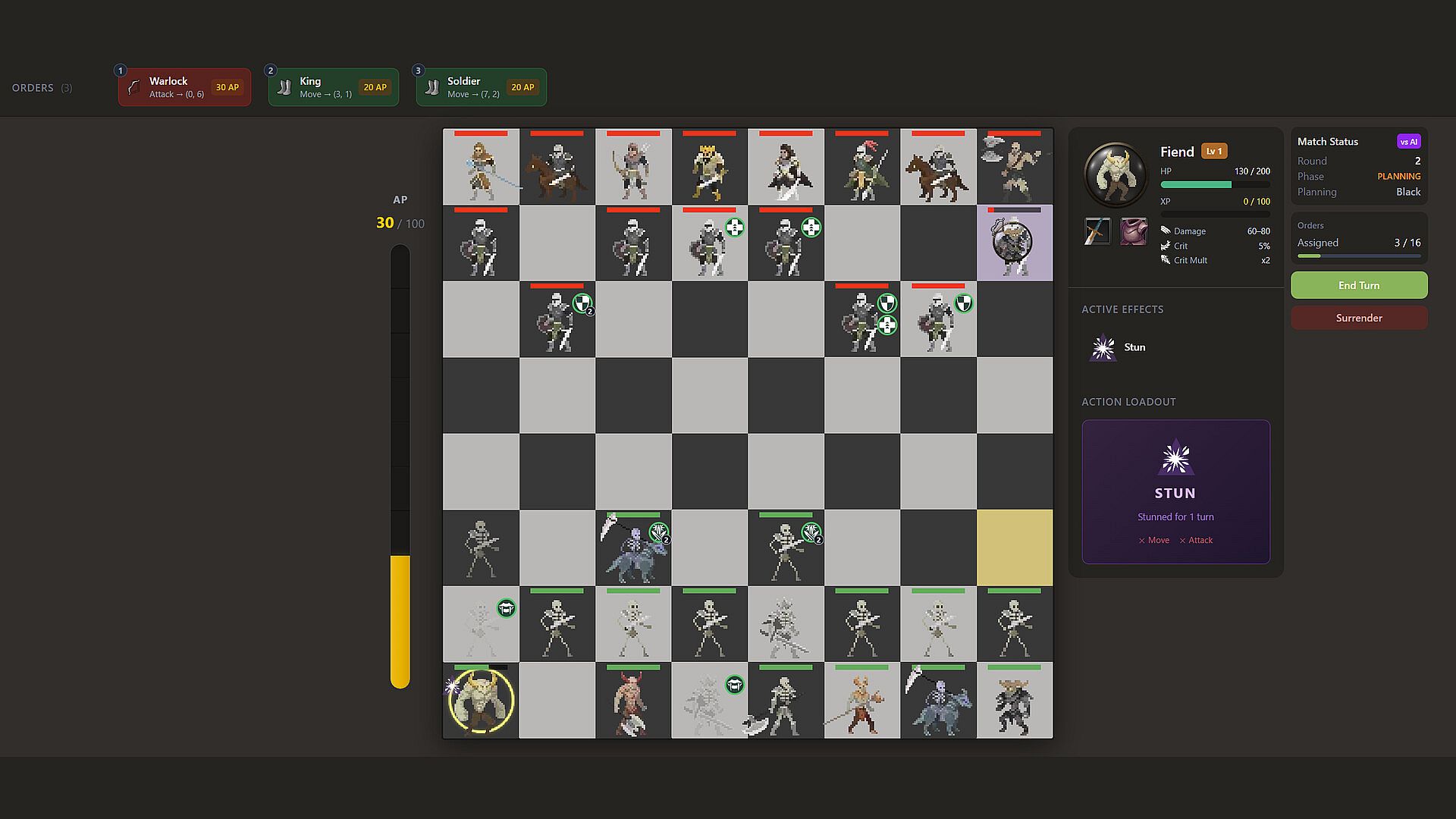
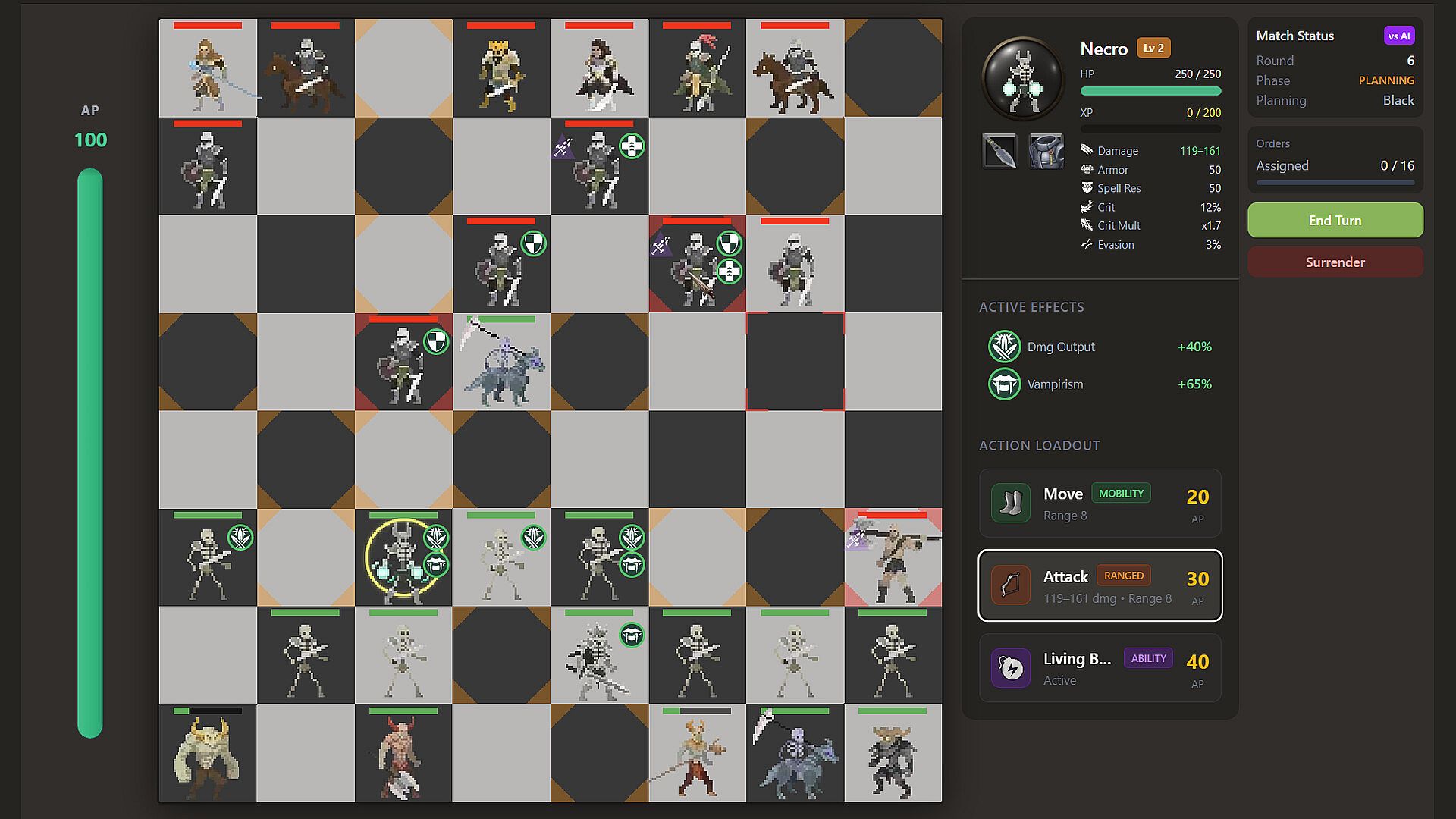
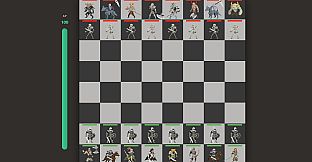
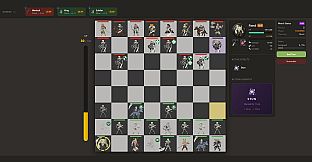
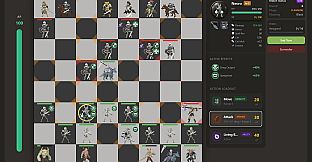
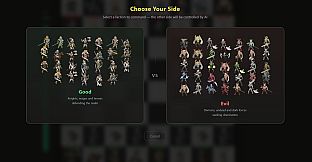
Kill King 2D is a 2D competitive tactical auto-battler that blends strategy and action on an 8x8 battlefield. Players engage in hidden simultaneous planning before watching units execute orders automatically in alternating sequence. The core loop centers on assigning movement, attacks, and abilities with a limited pool of Action Points, then observing how those commands interact on a shifting board. Units draw from chess-inspired movement patterns but carry health, statistics, abilities, buffs, debuffs, and terrain effects that shape each encounter. The sole objective remains killing the enemy King, often through precise predictions that turn an anticipated square into an instant elimination.
Gameplay
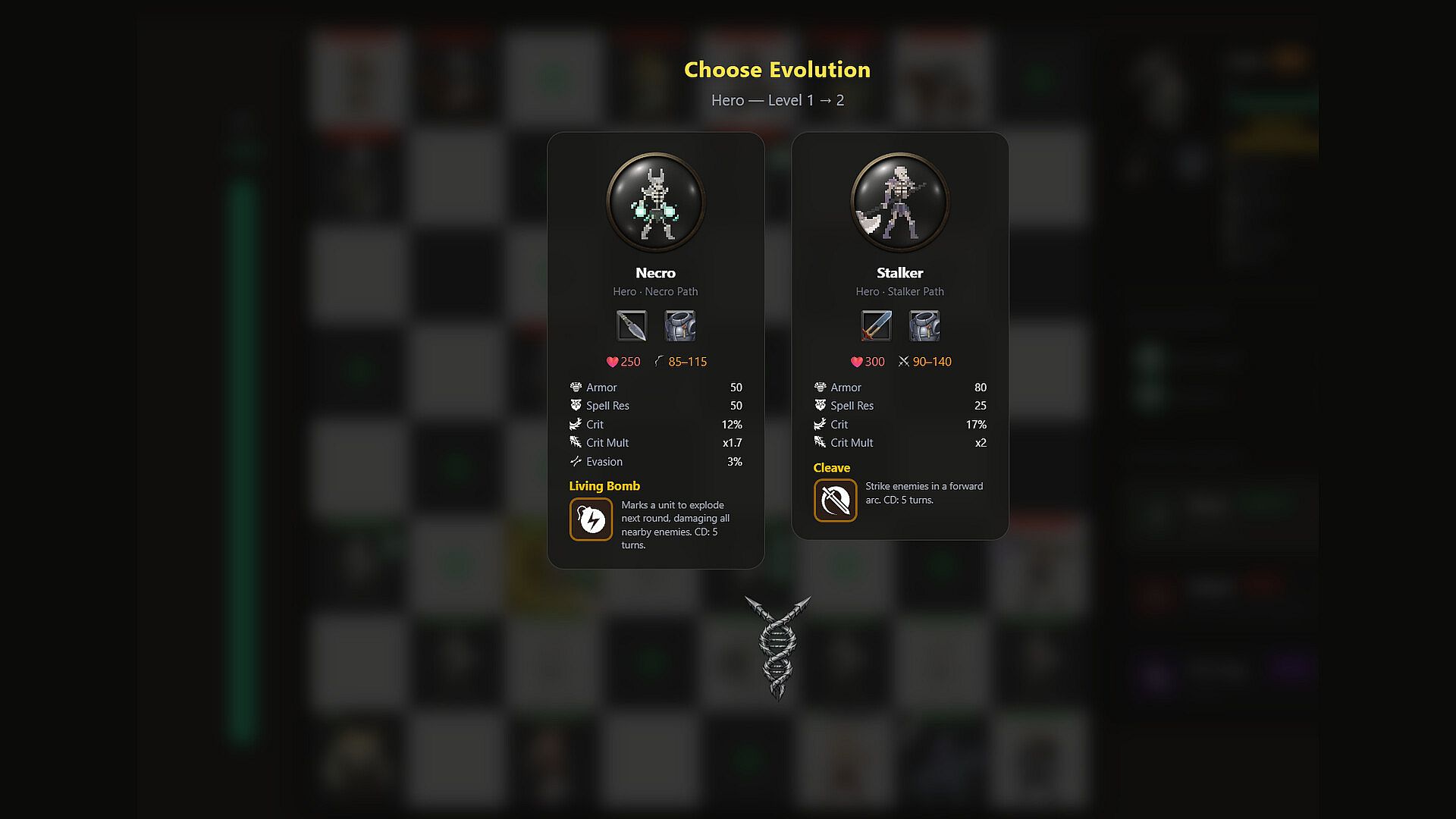
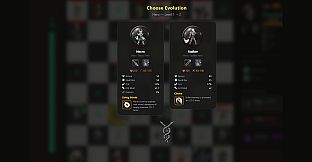
Planning occurs in secret while both sides view the full board state. Each player queues orders for their units and sequences their execution order before committing the plan. Once locked in, the battle resolves automatically with commands alternating between the two sides. This forces units to respond to earlier actions, creating opportunities for traps or collapses when timing misaligns. Units gain experience from combat and unlock branching upgrades that alter statistics, abilities, appearance, and tactical roles mid-match. Prediction mechanics allow attacks on empty squares that become lethal if an enemy enters them, rewarding accurate reads of opponent intent. The system emphasizes calculated risks over direct control once action begins.
Game Modes
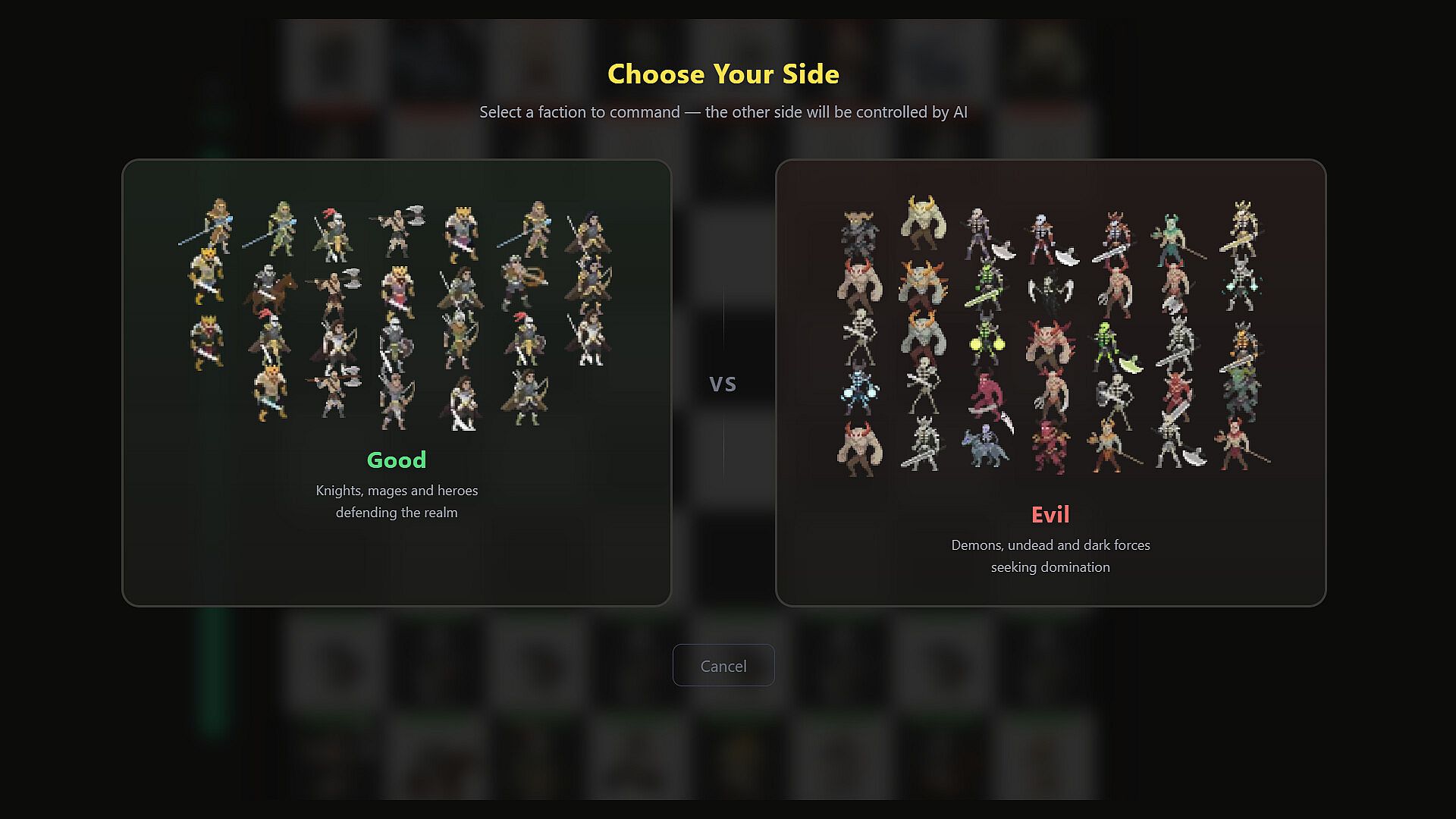
The game centers on competitive 1v1 matches where two players prepare opposing plans on the same 8x8 grid. Matches support online PvP and include single-player options for practice or solo scenarios. No additional named modes appear in confirmed details, keeping focus on the core hidden-order resolution loop. Terrain effects, cooldowns, and unit progression apply consistently across encounters.
Key Mechanics and Progression
Every unit starts with distinct roles drawn from familiar movement patterns yet expanded through health pools, combat stats, and special abilities. Experience earned in combat opens upgrade paths that modify performance and visuals, allowing the same piece to shift from support to frontline threat as a match unfolds. Action Points limit the number and complexity of orders per planning phase, adding resource management to the prediction element. Buffs, debuffs, and battlefield changes accumulate across the automatic resolution phase, turning early decisions into cascading consequences.
Is It Worth Playing?
The title remains listed as coming soon with no user reviews available at present. Its appeal rests on interest in tactical auto-battlers that reward foresight and opponent reading over real-time reflexes. Players who enjoy chess-like positioning combined with hidden information and unit evolution may find the planning and prediction systems engaging. Availability on PC through standard digital storefronts will determine access once released, and the listed features of online PvP and single-player support provide a clear entry point for those drawn to 1v1 strategy matches. Those seeking established communities or post-launch updates should monitor its status after release.