



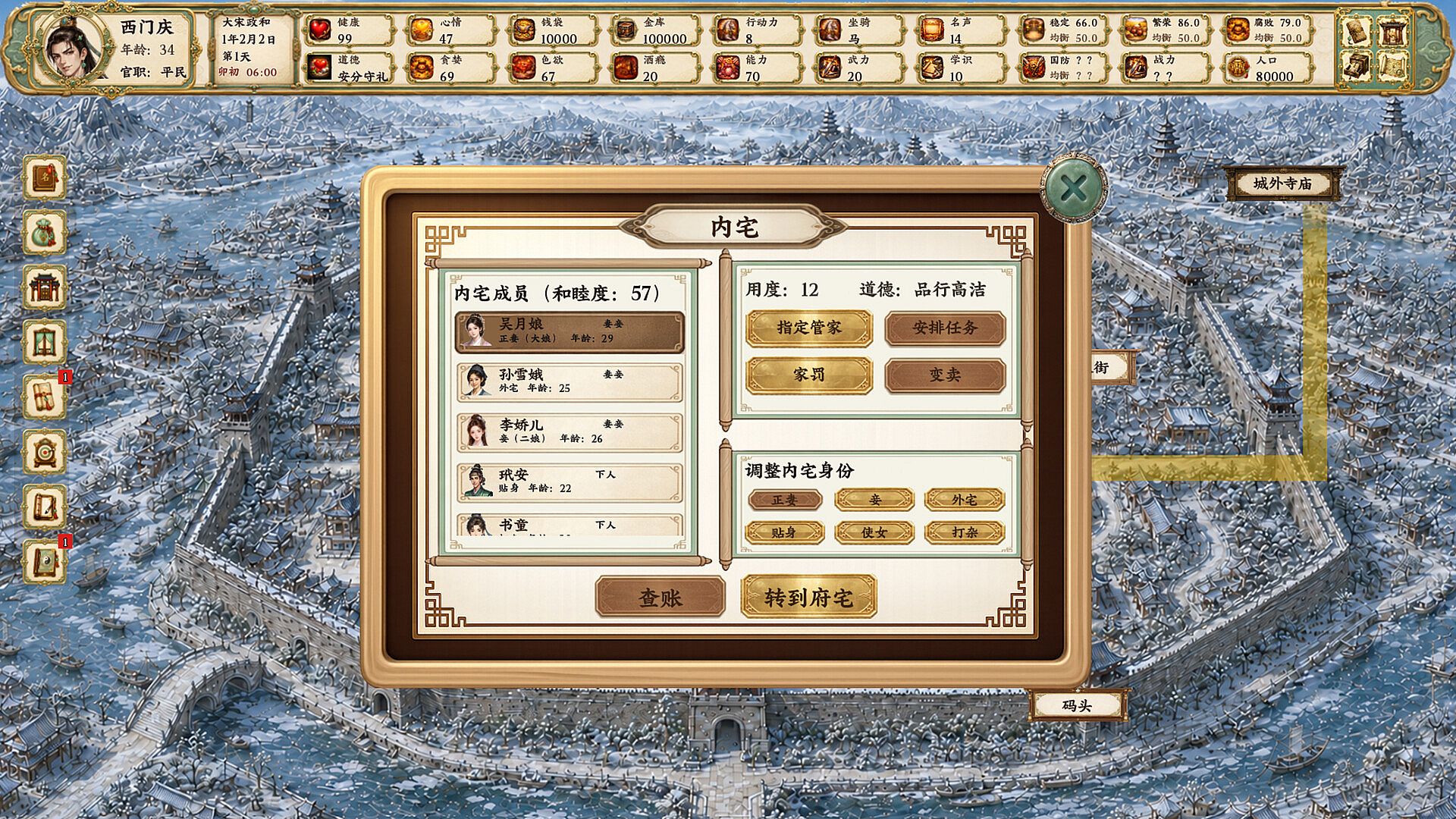
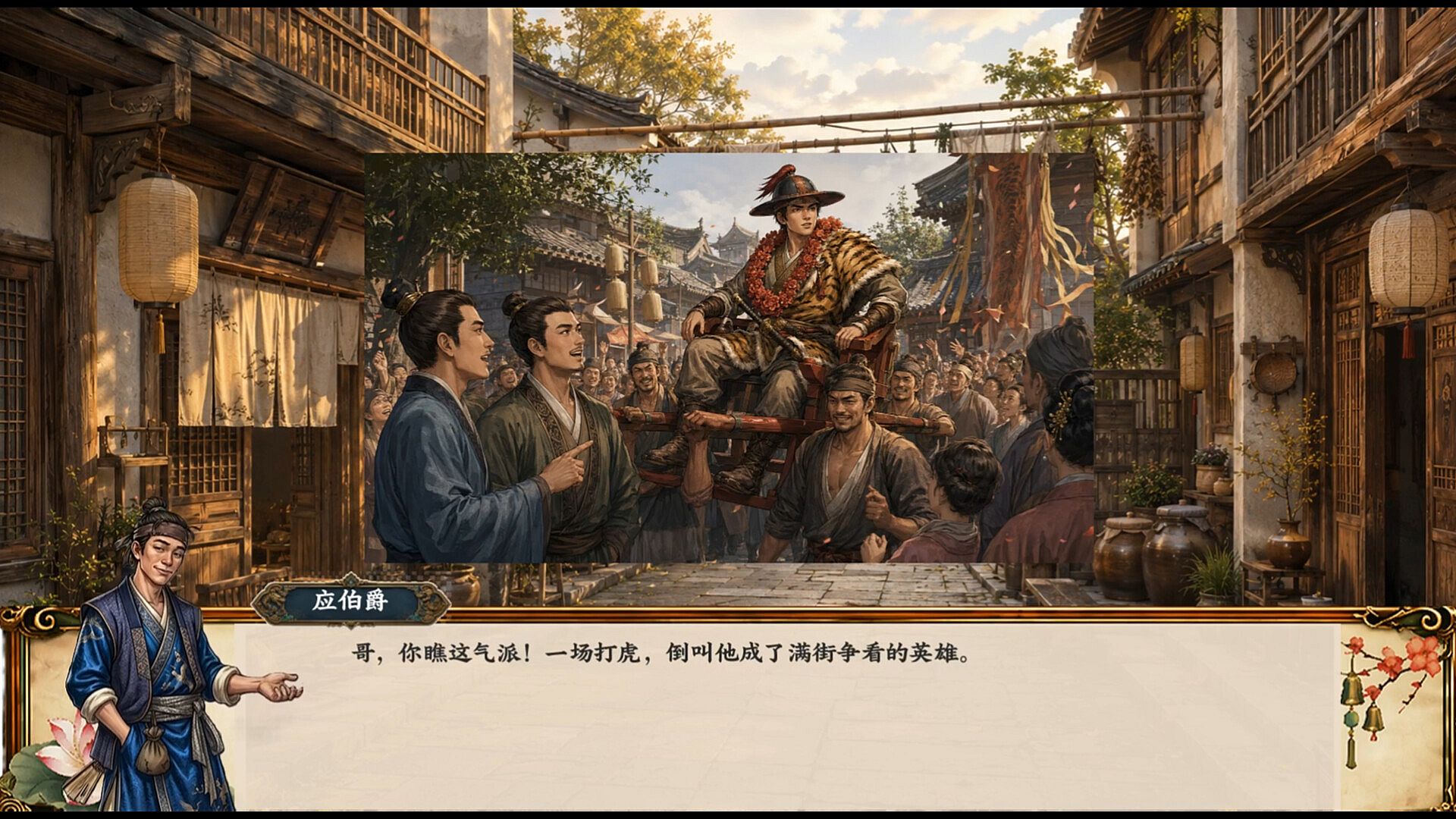
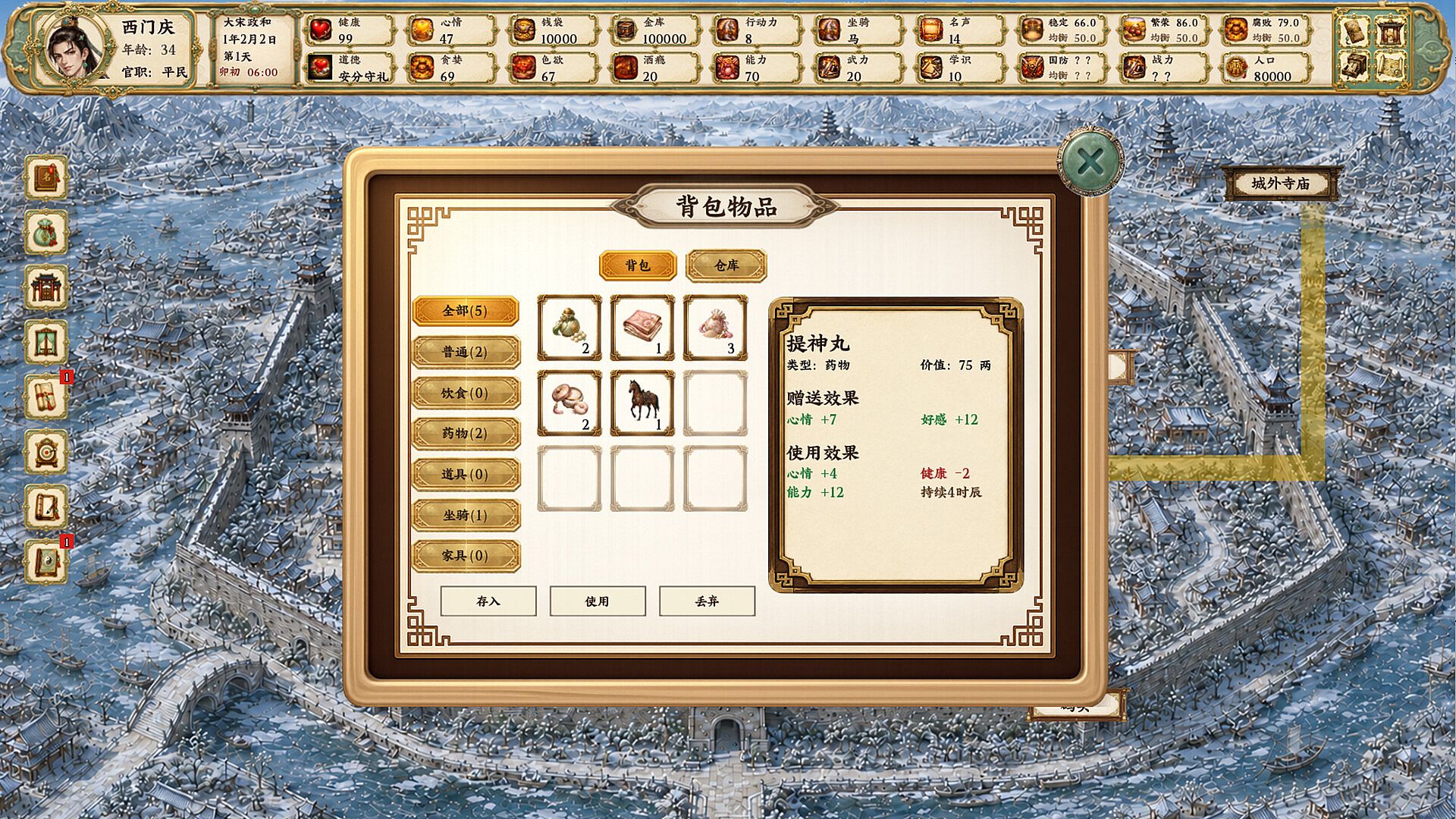
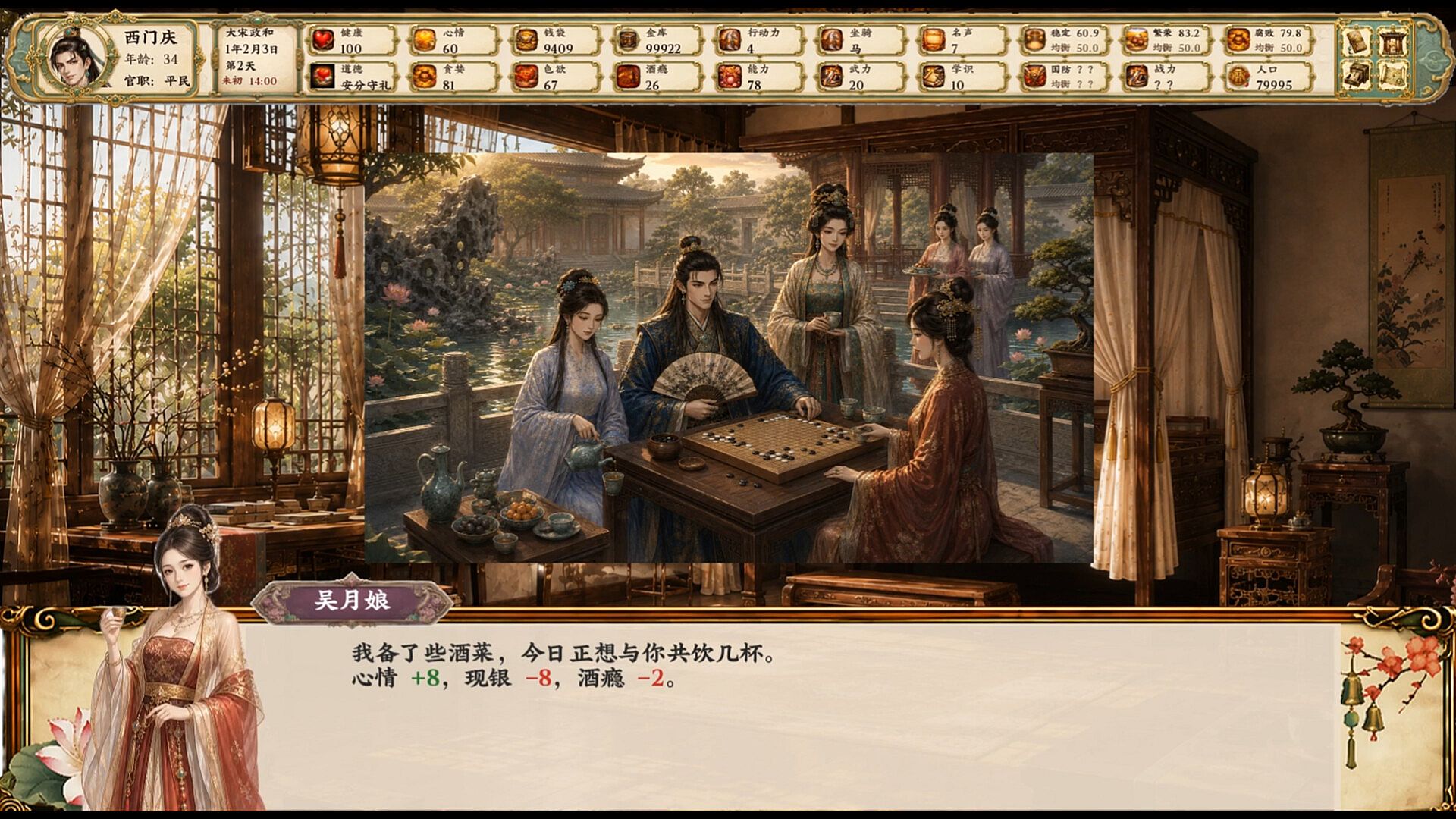
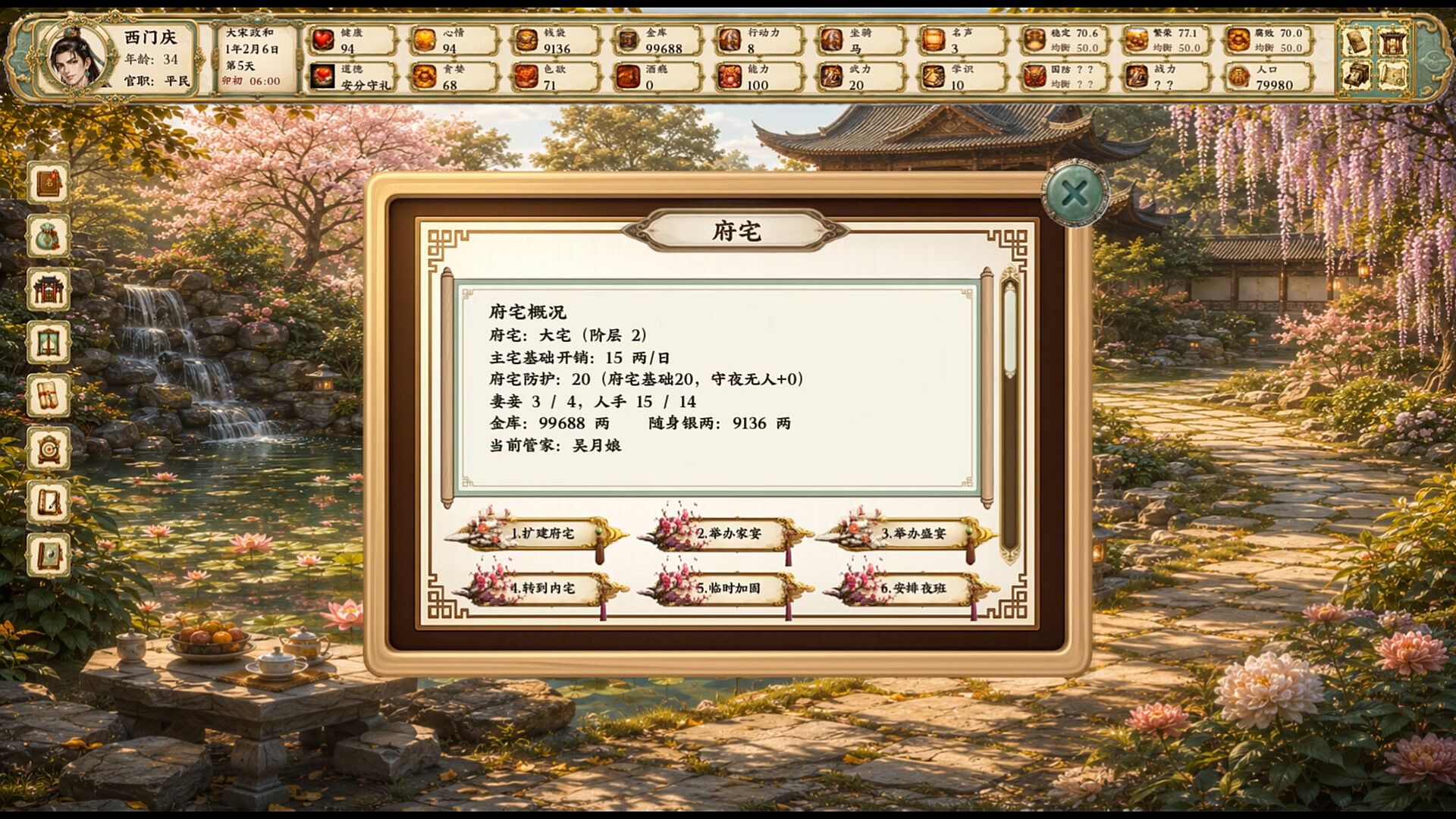
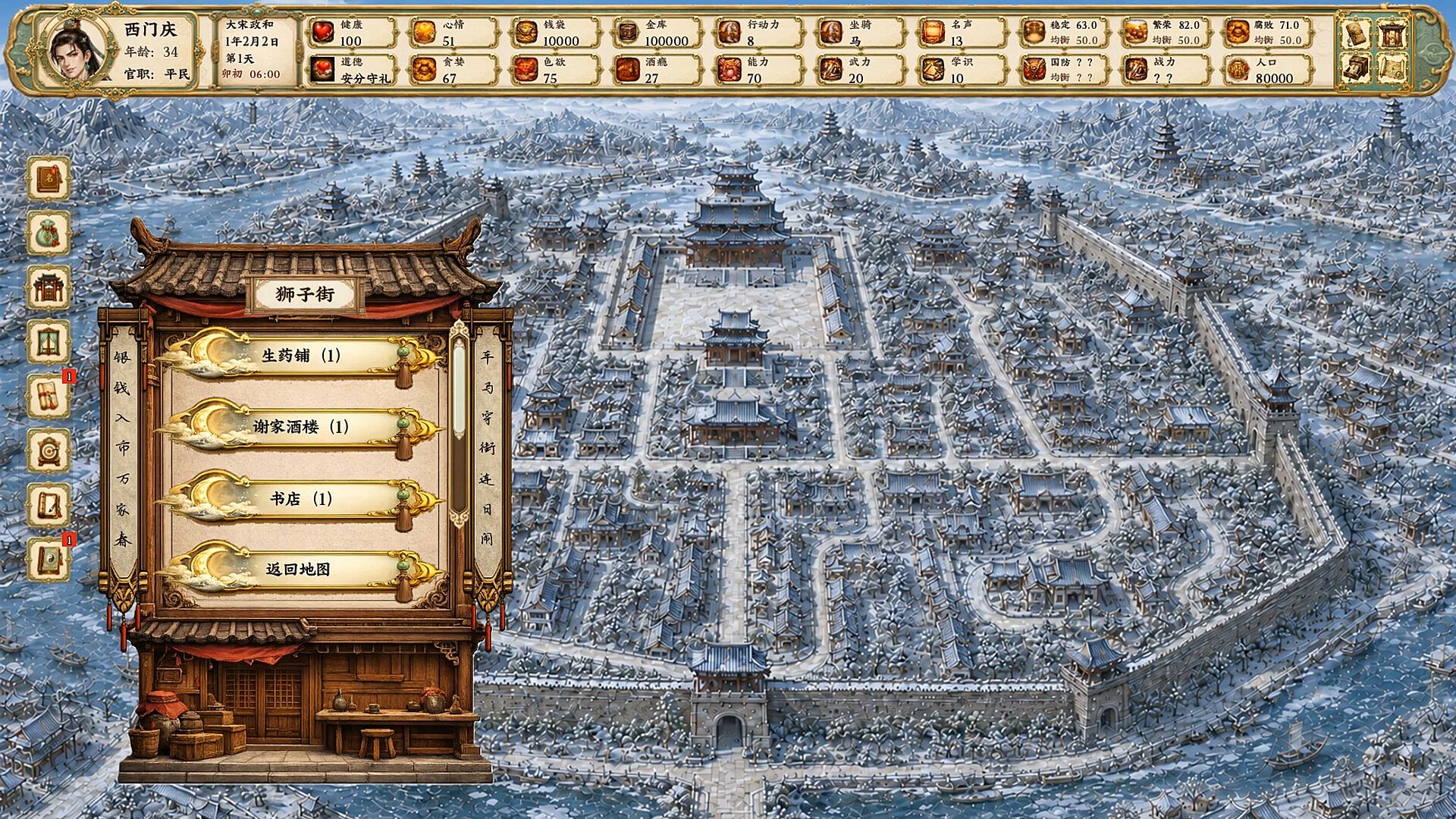





Jin Ping Mei: Qinghe Reverie is a single-player historical life-simulation and narrative management RPG set in Qinghe County during the Northern Song dynasty. Players assume the role of Ximen Qing and navigate daily life among merchants, officials, household members, servants, and townspeople through a combination of business operations, personal connections, and strategic planning.
Gameplay
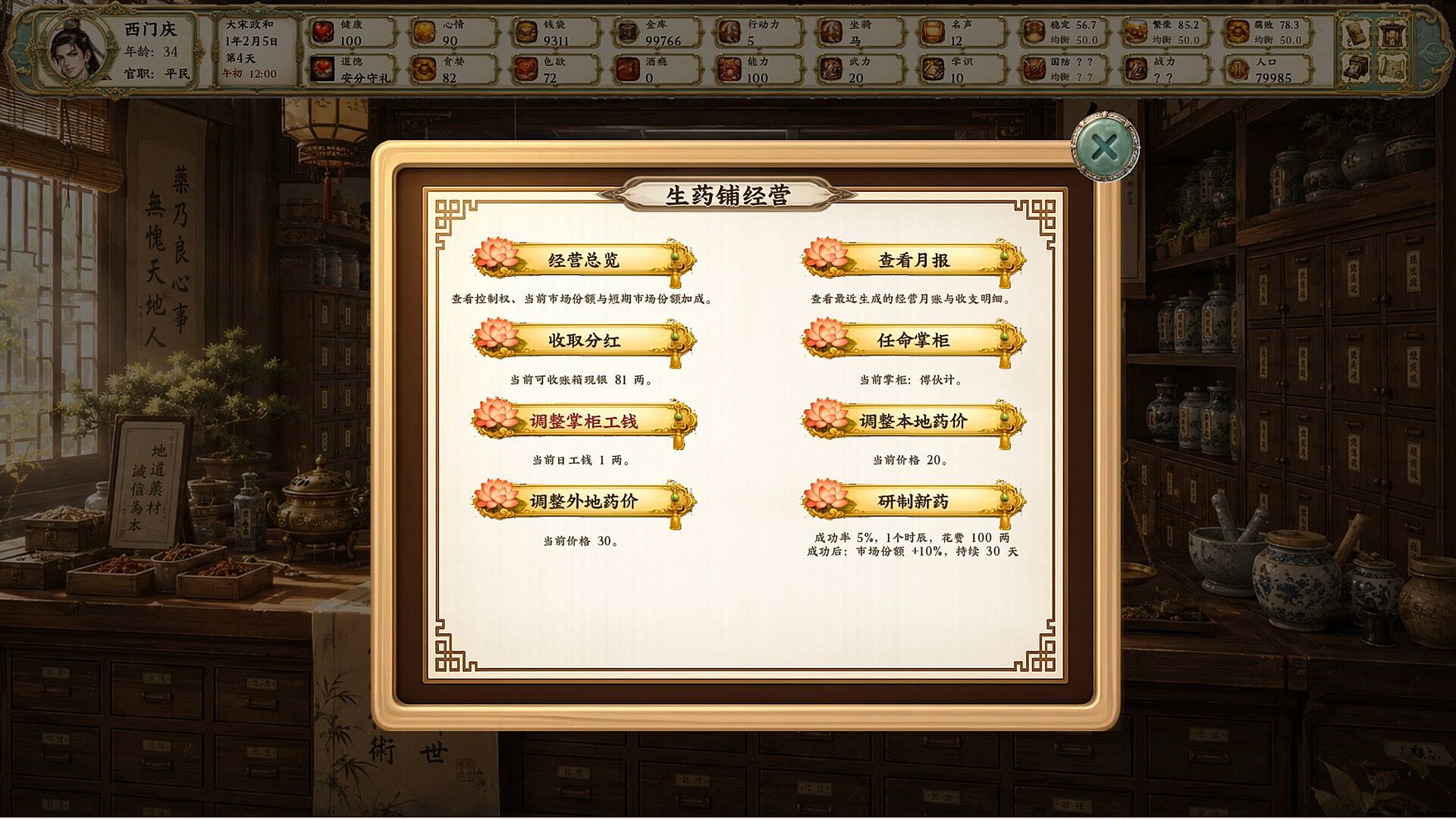
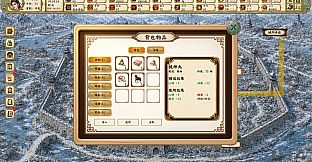
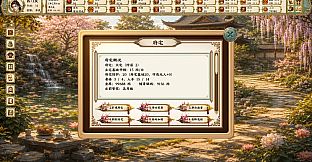
The core loop centers on managing household operations and commercial ventures. Players operate businesses by appointing managers, setting prices, tracking inventory, and expanding family property. Each decision requires balancing available time, funds, and focus, since investments in one area reduce capacity elsewhere. A growing estate increases both opportunities and obligations, introducing new pressures from expanded responsibilities.
Relationships form another central system. Residents of Qinghe follow independent routines and hold distinct motivations, allegiances, and hidden information. Interactions influence personal standing, mutual favors, and lingering grudges, which in turn affect how characters interact with one another even when the player is absent. Progress depends on sustained contact rather than instant results.
Information gathering requires deliberate effort. Players converse directly with townspeople, dispatch servants on investigative tasks, and compile rumors alongside concrete evidence. Partial or inaccurate knowledge can shift the outcomes of ongoing conflicts, formal inquiries, and private dealings, creating layers of uncertainty that influence later choices.
Schemes allow players to coordinate actions across multiple characters using accumulated resources and insights. Selecting participants, timing, and methods determines success, yet external changes or opposing moves can alter results. Time advances with every action, allowing the broader world to evolve through health changes, aging, births, deaths, and shifting family circumstances.
Game Modes
The game operates entirely in single-player format. Players advance through a persistent world where narrative branches emerge from accumulated decisions across household management, relationship networks, and planned schemes. Multiple routes support different ambitions, such as building commercial success, pursuing official status, or safeguarding specific individuals. Endings vary according to the balance of choices made throughout the simulation.
Progression unfolds without separate competitive or cooperative structures. All activity occurs within one continuous timeline where characters pursue their own paths independently of player input. This structure emphasizes long-term observation and adjustment rather than isolated sessions or match-based play.
Story and Setting
The setting recreates daily life in a Northern Song county town. Historical context shapes available professions, social hierarchies, and economic patterns, yet the experience remains focused on personal agency within that framework. Players encounter ordinary townspeople alongside officials and merchants, each following schedules that continue regardless of direct involvement.
Narrative development arises from the interplay of business results, interpersonal dynamics, and gathered intelligence. Small actions accumulate into larger shifts, allowing a single overlooked detail or misjudged alliance to redirect an entire sequence of events toward alternate conclusions.
Is It Worth Playing?
The title suits players who enjoy detailed simulation mechanics combined with branching narrative outcomes in a historical Chinese setting. Its single-player design rewards careful planning across multiple interconnected systems, including business oversight, relationship tracking, and timed decision-making. With a planned release in October 2026 and support limited to Simplified Chinese at launch, interested players can monitor development for confirmation of final features and language options. Those drawn to management-focused RPGs that emphasize consequence and gradual world evolution will find the described systems align closely with that preference.