




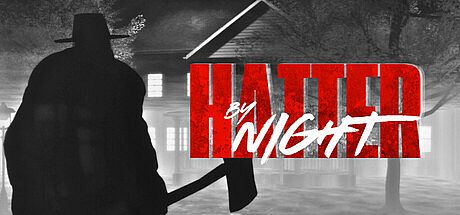


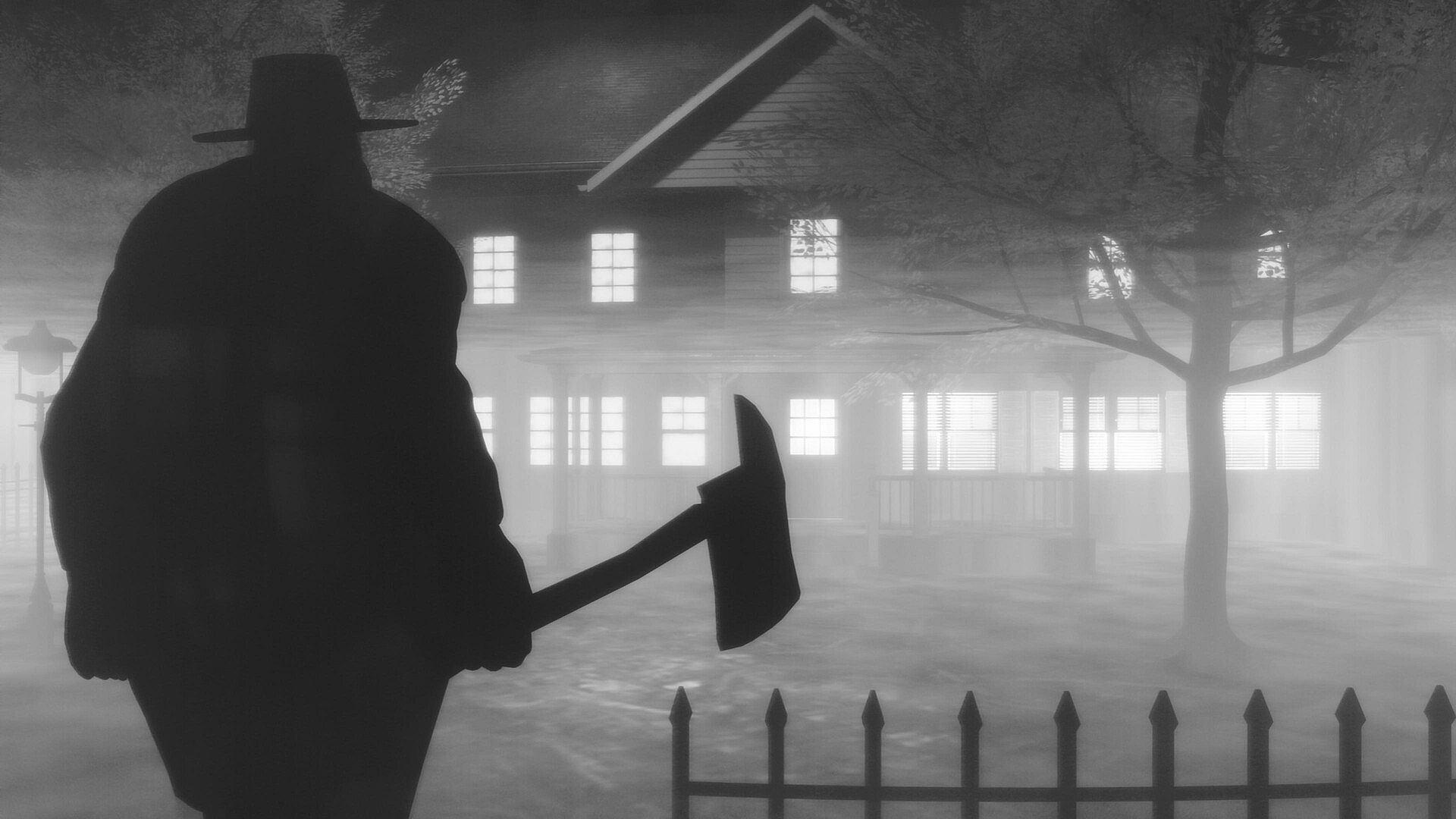
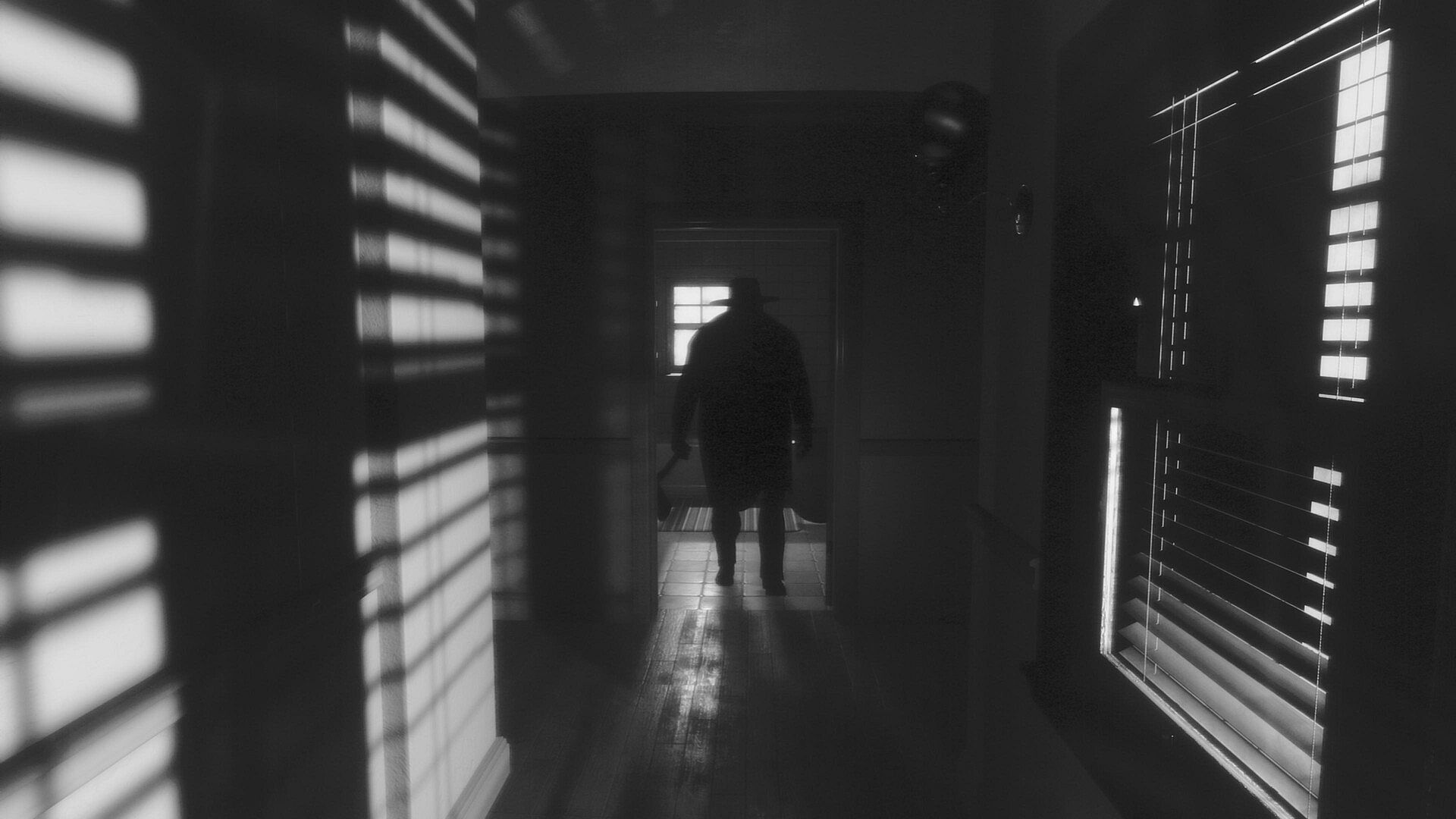
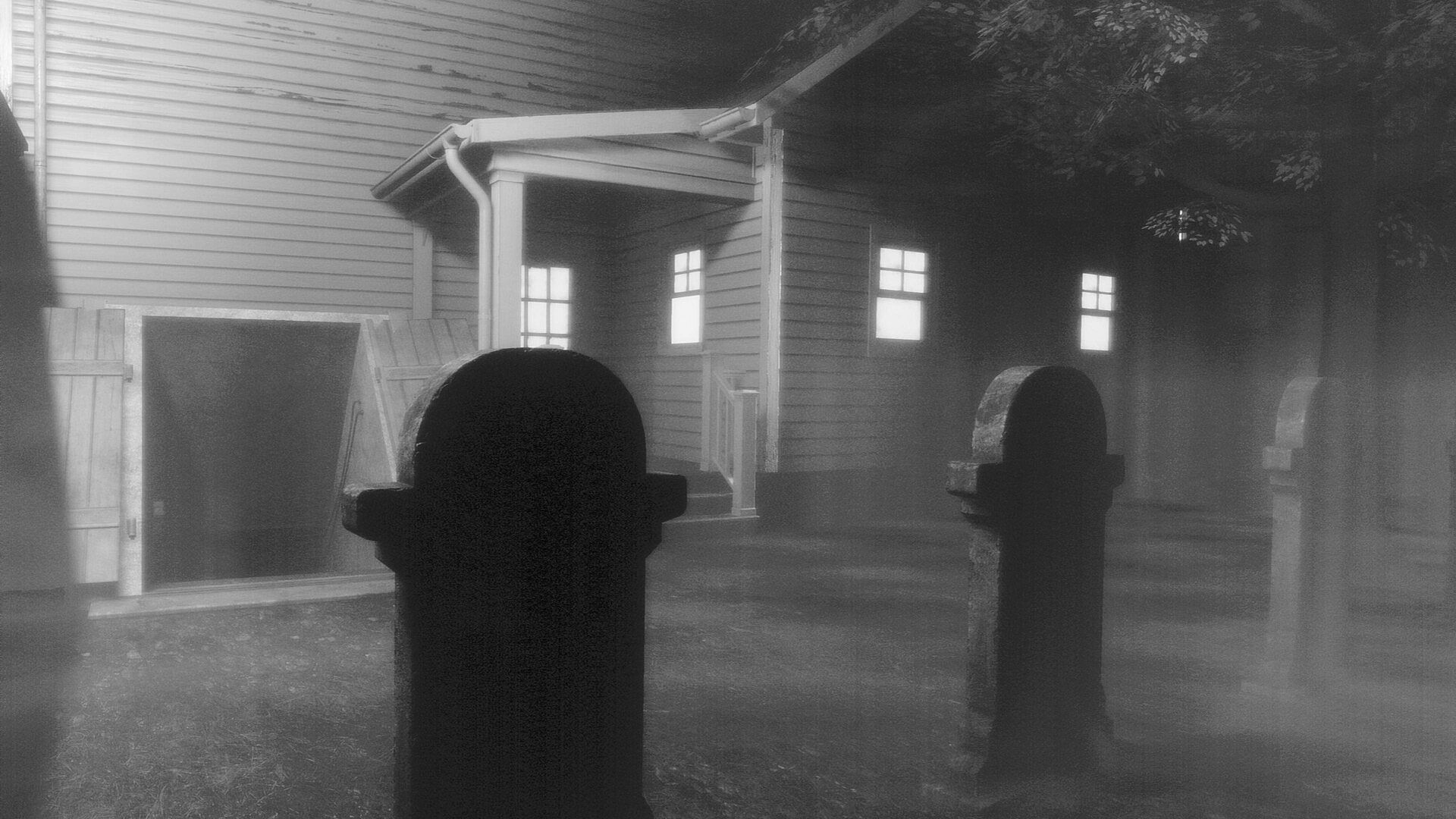
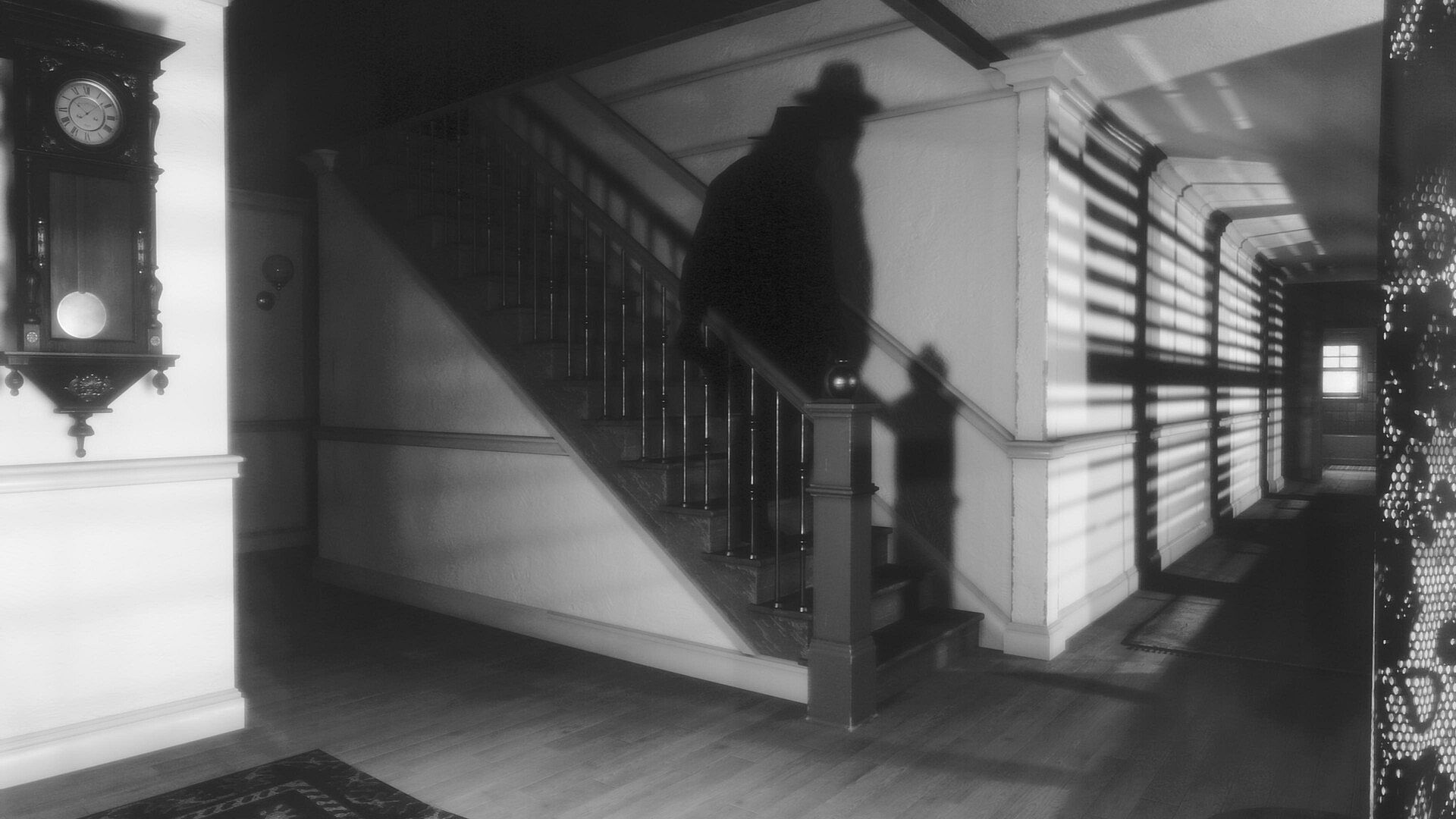
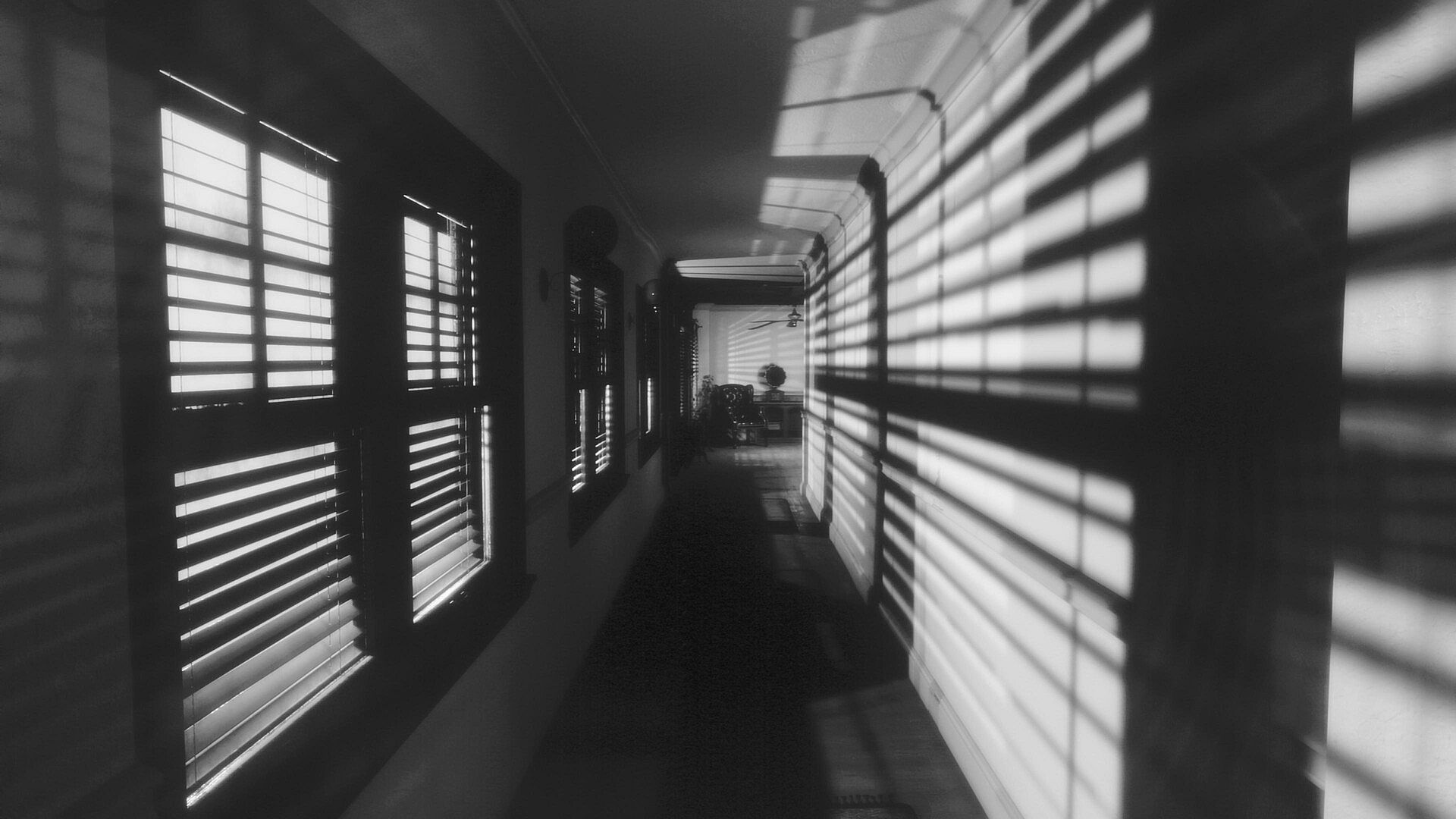
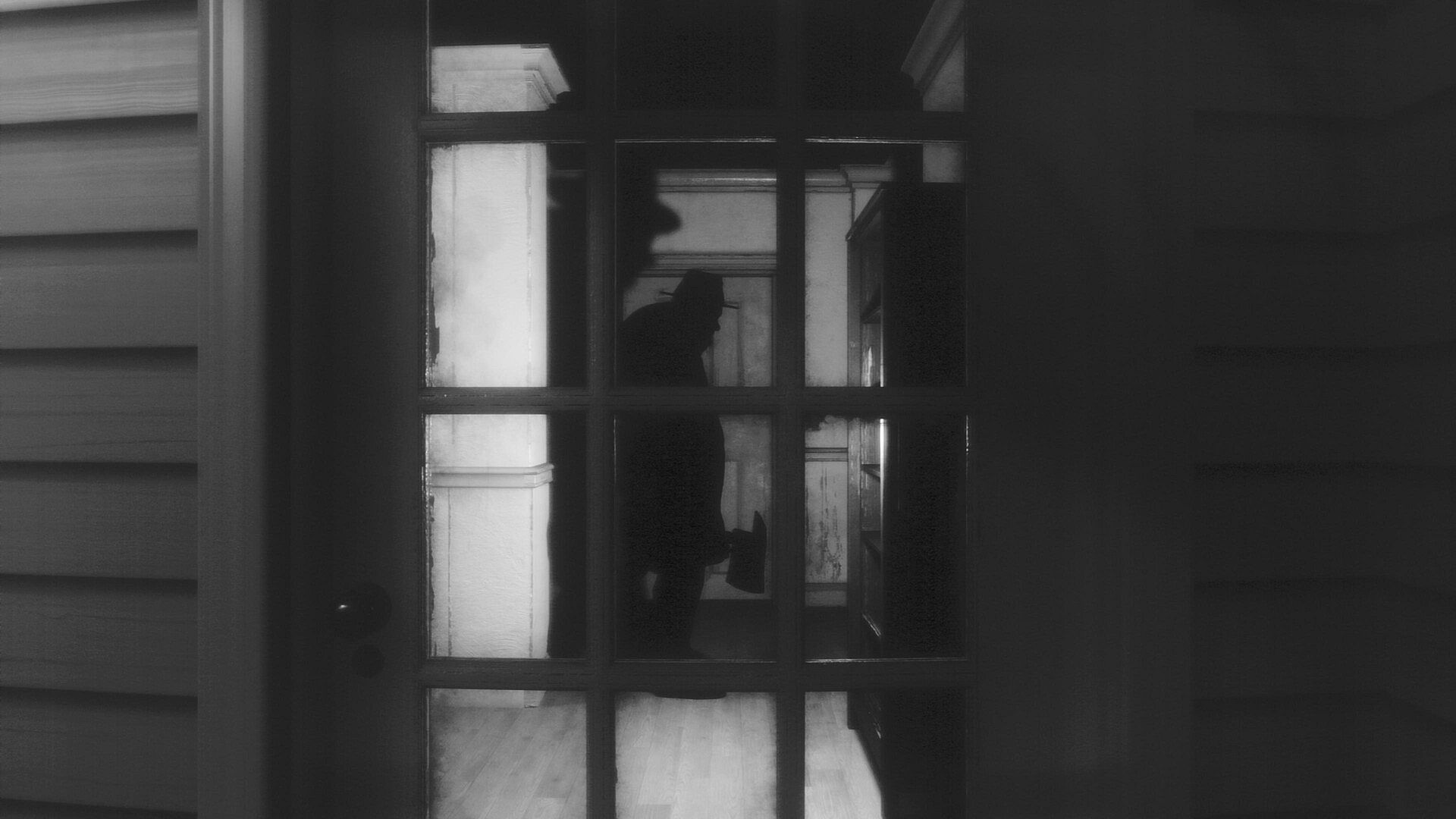
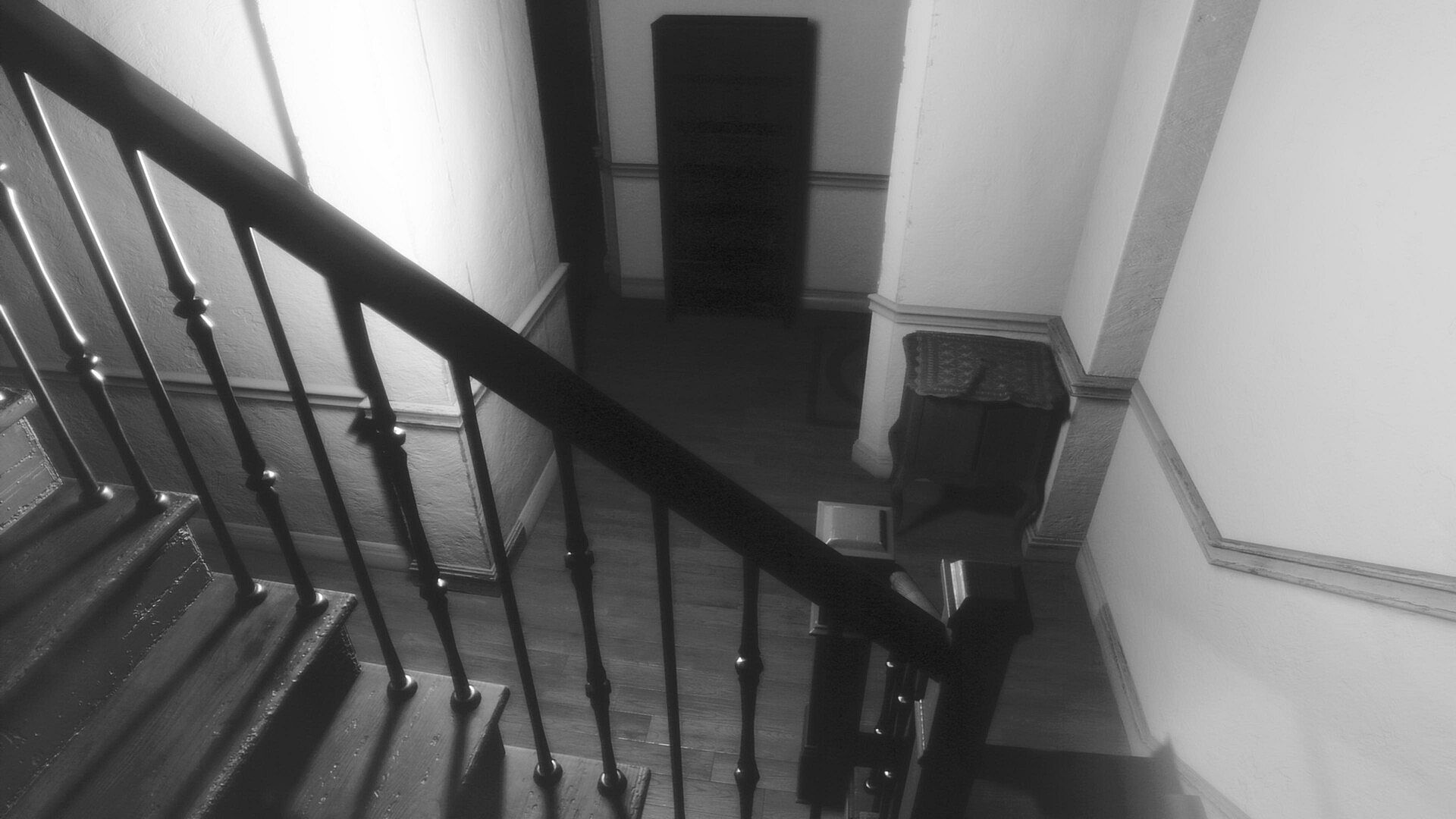
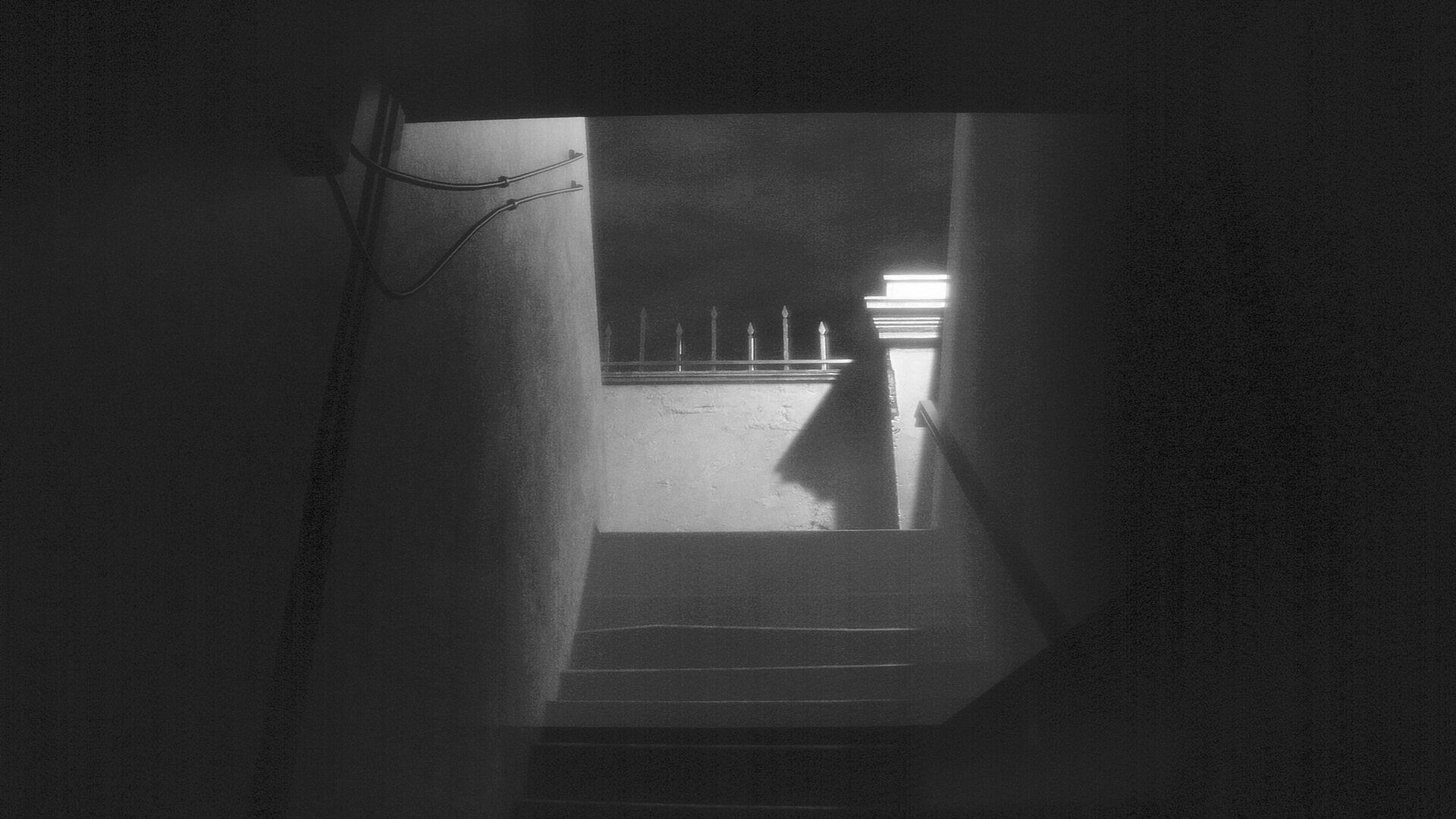
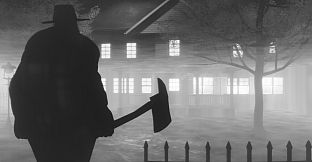

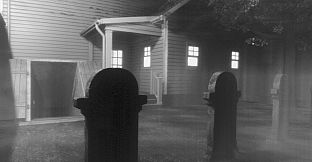
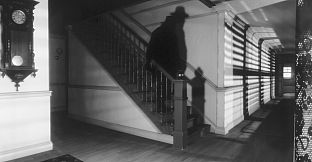

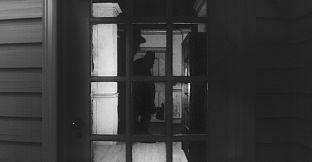
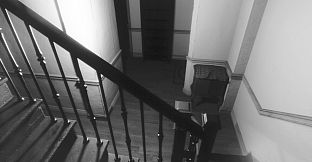
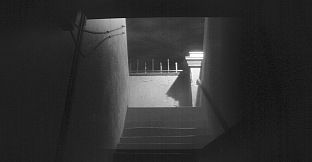
Hatter by Night is a first-person survival horror game set in a single location, where players take on the role of one of Jack Hatter's captives and must navigate his house to find an exit. The title draws inspiration from 1960s horror films and places heavy emphasis on tension, resource management, and careful movement as the former detective stalks the halls with an axe.
Gameplay
The core loop revolves around exploring a multi-level house while avoiding direct confrontation with the pursuer. Players start unarmed in terms of combat options and instead rely on stealth to stay out of sight. Any noise or line of sight can trigger a chase, forcing an immediate retreat to the nearest hiding spot such as behind furniture or inside closets. The house contains scattered items that support survival, from tools that aid in opening locked areas to consumables that help manage limited stamina or health during tense moments.
Jack Hatter's artificial intelligence drives much of the challenge. His patrol routes remain unpredictable, allowing him to open doors, ascend stairs, check potential hiding places, and react to faint sounds. This creates constant pressure to listen for footsteps or creaking floors while moving. Exploration encourages thorough searching of every room and container because useful objects appear in different spots across play sessions. Resource scarcity means decisions about when to use an item or risk exposure carry real weight.
Investigation elements appear naturally during the search for escape routes. Notes, documents, and environmental clues scattered throughout the property gradually reveal background details about the captor's past and motivations. These discoveries tie into the central goal without interrupting the survival focus.
Game Modes
Hatter by Night operates as a single-player experience with no separate multiplayer or co-operative options. The entire session centers on one continuous attempt to escape the house, supported by systems that emphasize replayability through randomized item placement and variable enemy behavior. Each run presents a fresh layout of resources and a new pattern of patrols, encouraging players to adapt their route and hiding strategies rather than relying on memorized paths.
Puzzle-solving integrates directly into progression. Locked doors, secured chests, and other barriers require observation and item combination to bypass. These challenges scale with the house's layout and force players to balance time spent solving them against the risk of drawing attention. The absence of traditional difficulty settings or alternate modes keeps the focus on mastering the core stealth and exploration loop in its intended form.
Key Mechanics and Features
Stealth forms the foundation of survival. Players must move deliberately, avoid open sightlines, and use sound cues to track Jack Hatter's location. Hiding is temporary at best because the pursuer actively searches likely spots and can force relocation multiple times in a single encounter.
Resource management extends beyond simple inventory limits. Items serve multiple potential purposes, so deciding whether to expend a tool on a puzzle or save it for a later obstacle adds layers of decision-making. The house itself acts as both playground and prison, with its interconnected rooms and vertical spaces offering routes for evasion or dead ends that heighten risk.
Replay value stems from procedural variation rather than added content layers. Item locations shift, Jack Hatter's starting position and patrol tendencies change, and new clues may surface in different areas. This structure supports multiple attempts without requiring external progression systems.
Is It Worth Playing?
Players who enjoy deliberate, tension-driven survival horror with strong emphasis on stealth and environmental awareness will find the described systems align closely with that preference. The single-player structure and focus on one contained environment reward patience and repeated attempts to improve escape efficiency. Those seeking fast-paced action or multiplayer competition should look elsewhere, as the experience prioritizes careful movement and sound management over direct confrontation. Availability on PC makes it accessible for those with compatible hardware, and the core loop described in the title's design offers a self-contained session length suited to focused play sessions. Overall, the game suits fans of atmospheric indie horror titles centered on evasion and discovery within a confined space.











