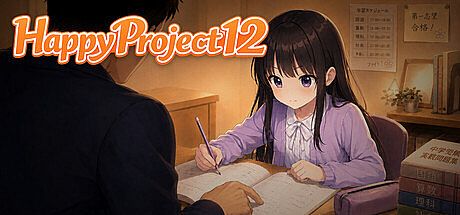


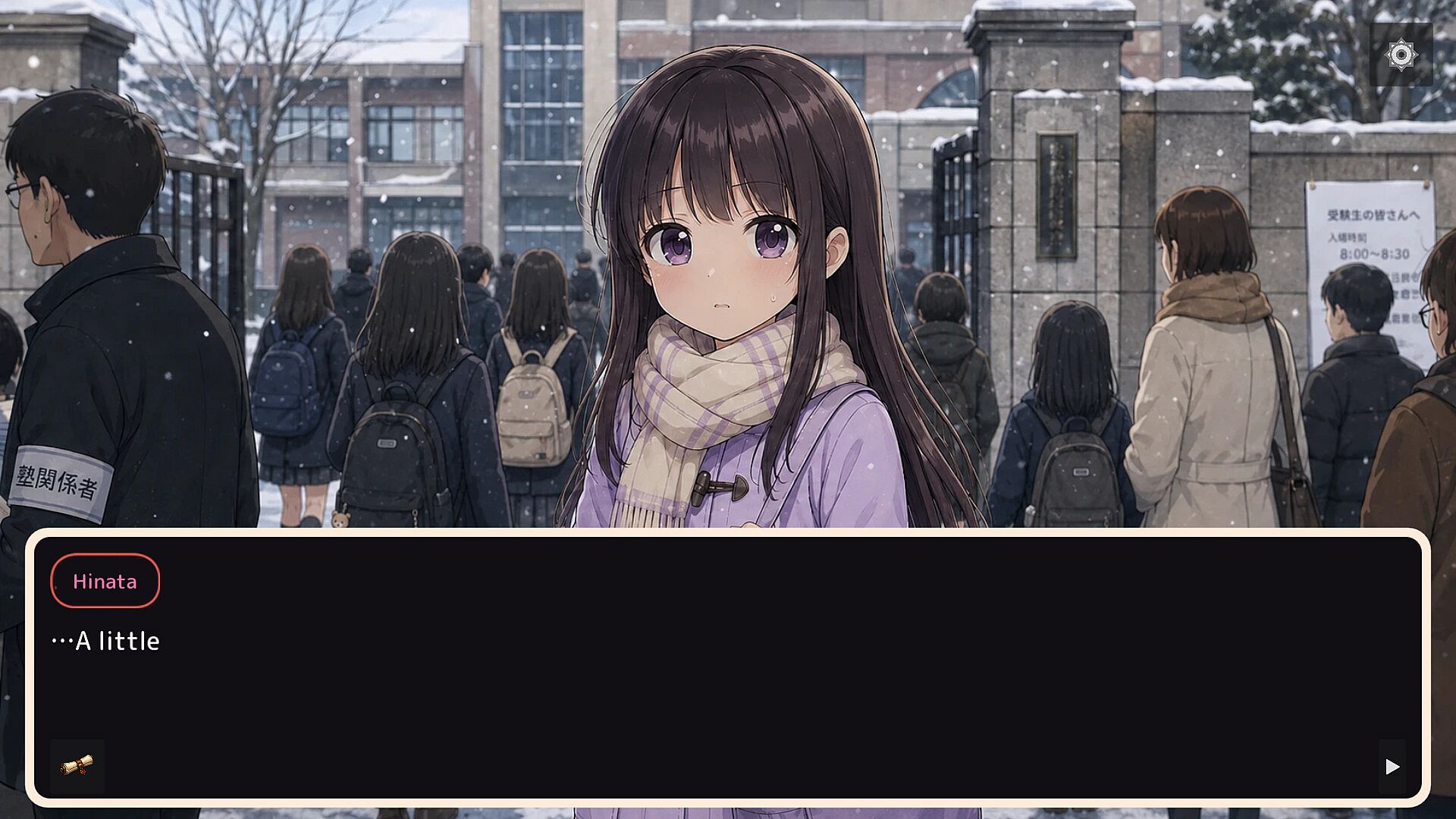
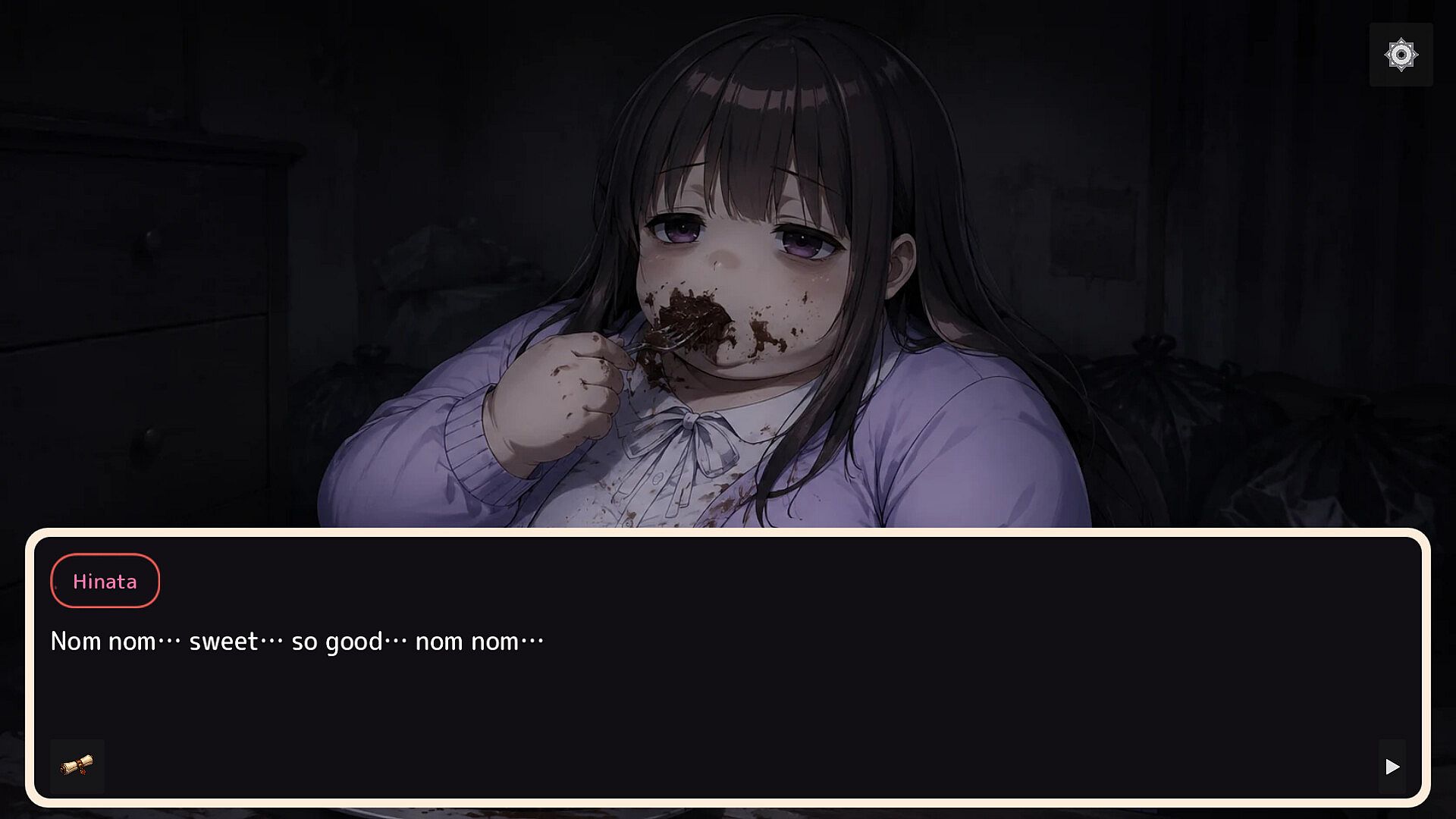
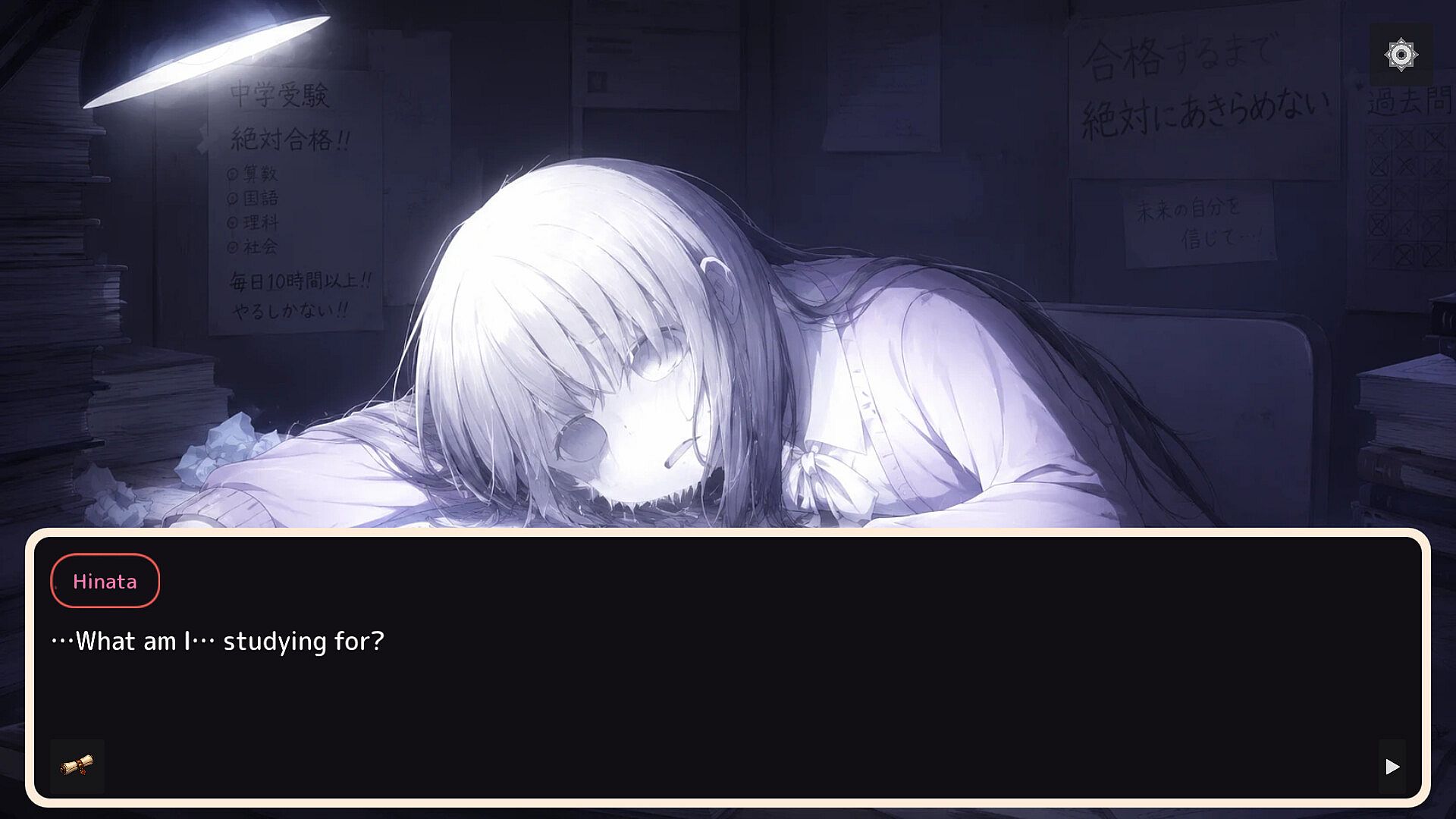

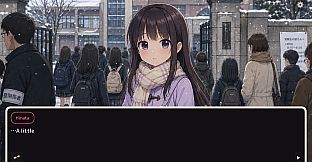
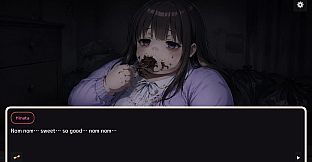
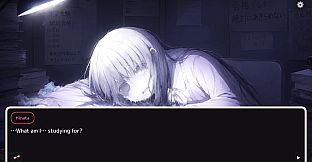
Happy Project 12 is an indie life simulation adventure game set in modern Tokyo. Players take on the role of a father in his forties who must guide his fourth-grade daughter Hinata through three years of preparation for junior high entrance exams. The experience unfolds across roughly seventy weekly turns, where every decision shapes academic progress, family dynamics, and long-term outcomes.
Gameplay
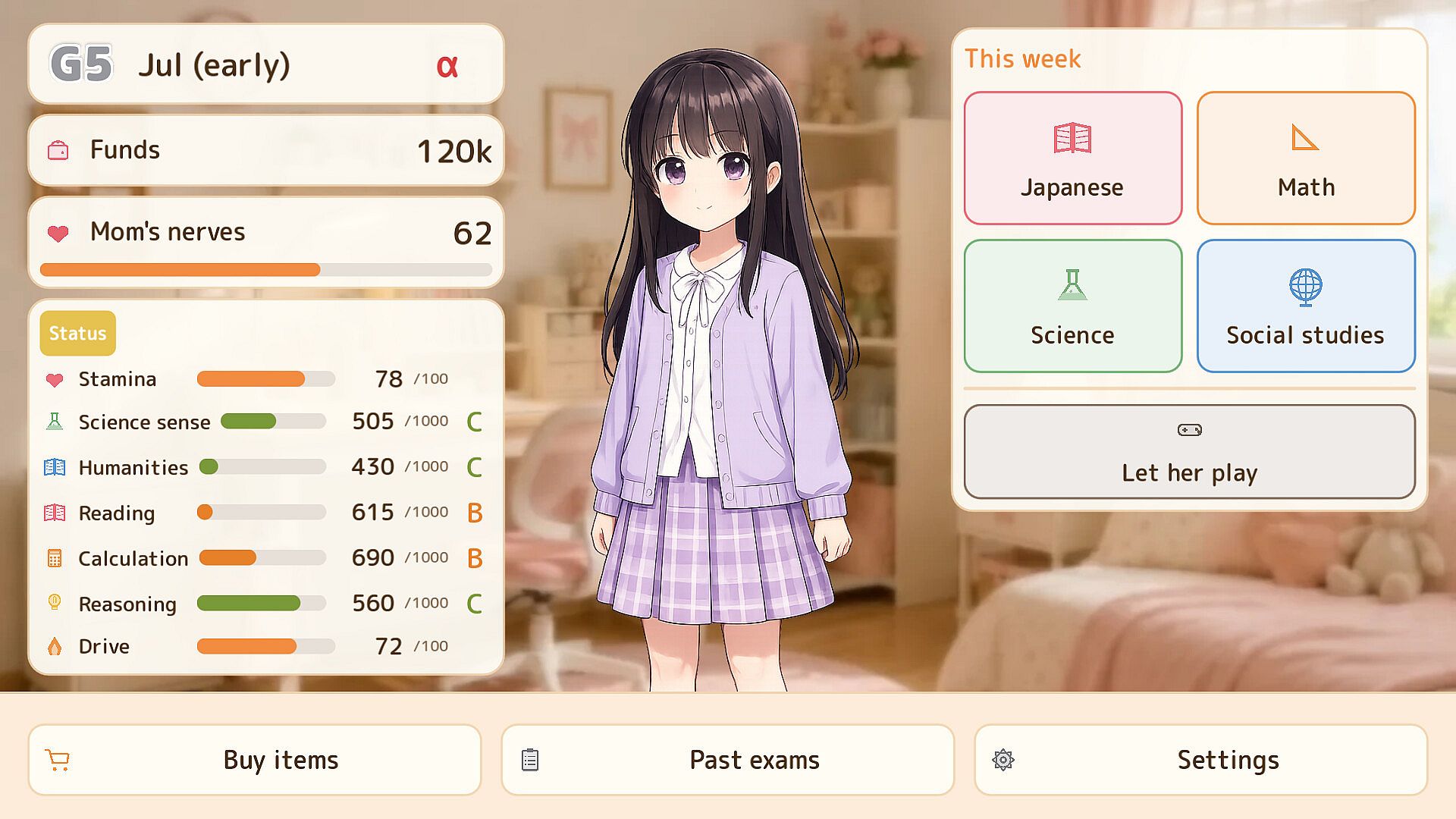
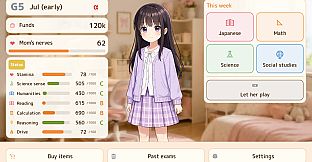
The core loop centers on managing Hinata's weekly schedule. Each turn requires choosing between focused study sessions in subjects like Japanese, math, science, and social studies or allowing time for play and rest. Study builds six key stats including STEM Knowledge, Humanities, Reading, Calculation, Reasoning, and Drive. Play restores stamina and motivation but skips academic gains for that week. Low Drive can lead to refusal, wasting planned time and forcing adjustments to the overall strategy.
Mock exams occur six times across the three years and provide objective feedback on progress. Results influence placement in cram school classes, affecting confidence and family atmosphere. Beyond numbers, the game tracks an invisible trust level between parent and child. Responses to requests for help, reactions to setbacks, and daily interactions accumulate without direct display, influencing narrative branches and final results.
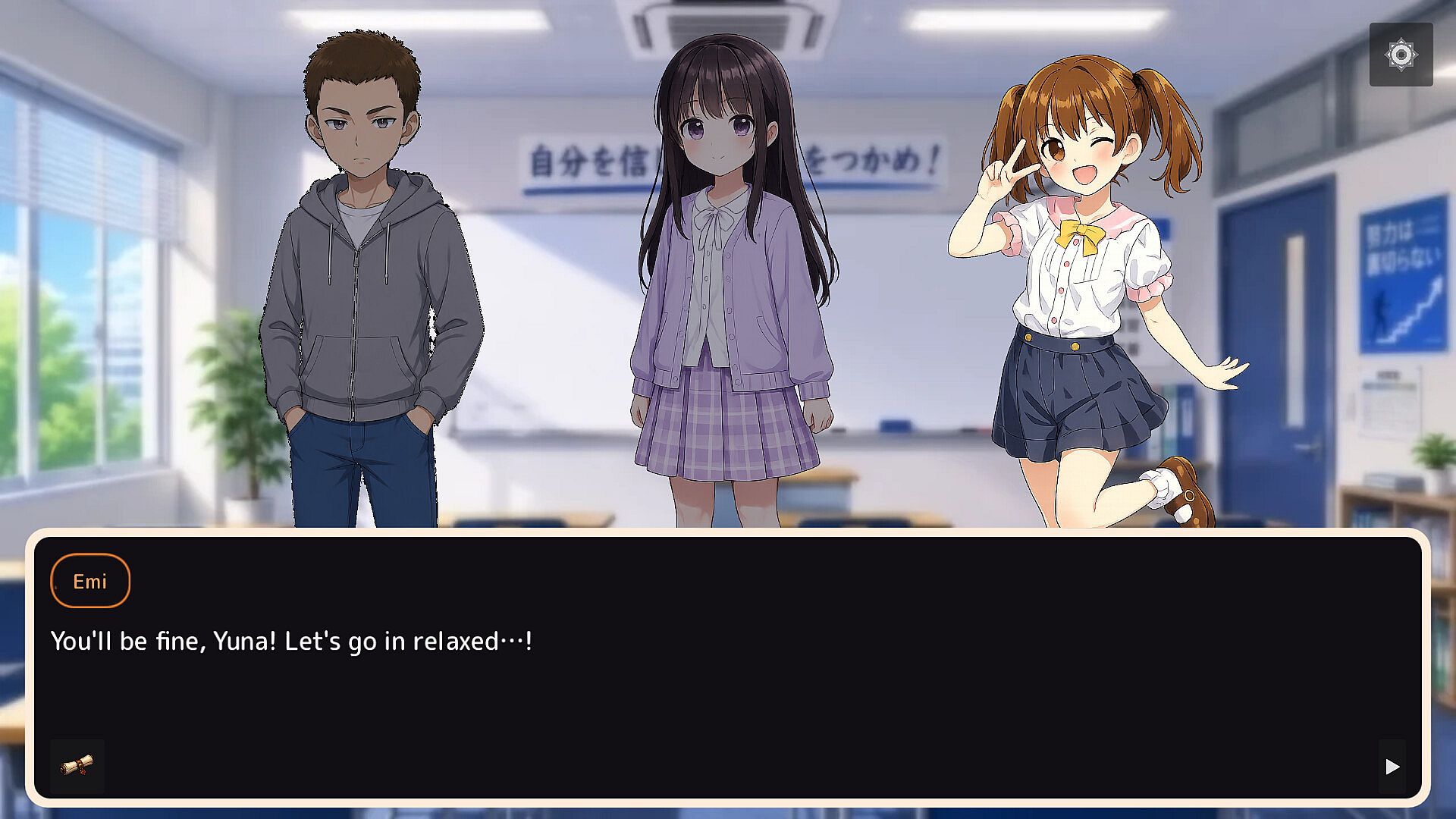
Over fifty story events cover everyday moments such as afternoons with friends, family dinners, holidays, and exam-related discussions. The wife Naomi participates in the household narrative, reacting to grades and decisions in ways that can strain or strengthen the family unit. Players must balance academic goals with emotional well-being to avoid breakdowns before the exams conclude.
Game Modes
Happy Project 12 offers a single continuous campaign that spans the full three-year period leading to the entrance exams. The structure emphasizes replayability through multiple possible conclusions rather than separate modes. Eleven distinct endings await depending on the combination of academic performance and relationship choices made along the way. An ending gallery records completed paths, encouraging additional playthroughs to explore alternate outcomes.
Features such as event skipping for previously seen content, a dialogue log, and multiple save slots support repeated runs without repetition. The game runs entirely in single-player format with no competitive or cooperative elements. Localization covers ten languages to broaden accessibility for international audiences.
Narrative and Themes
The story explores the pressures of academic competition in Japan through a personal lens. Players confront the tension between wanting the best for a child and recognizing the emotional costs of intense preparation. Events highlight small daily interactions that carry lasting weight, from quiet dinners after poor results to moments of encouragement during high-stakes periods.
Family dynamics add depth, as the mother's involvement reflects real-world parental stress. Outcomes demonstrate that exam success alone does not determine happiness, while failure does not preclude positive resolutions when trust remains intact. The narrative avoids simple win-or-lose framing and instead presents nuanced results based on consistent parenting choices.
Is It Worth Playing?
Happy Project 12 suits players who enjoy thoughtful simulation experiences focused on long-term decision making and character relationships. The weekly choice system creates meaningful trade-offs between short-term gains and sustained motivation. Those interested in stories about family responsibility and personal growth will find the three-year arc engaging, especially across multiple playthroughs to reach different endings.
The game emphasizes reflection over action, rewarding careful attention to both visible stats and hidden emotional factors. Availability on PC makes it accessible for those seeking a contained narrative experience that can be completed in a few focused sessions per run. Its focus on realistic parenting dilemmas sets it apart from more conventional simulation titles.