




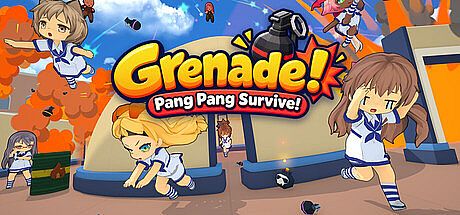


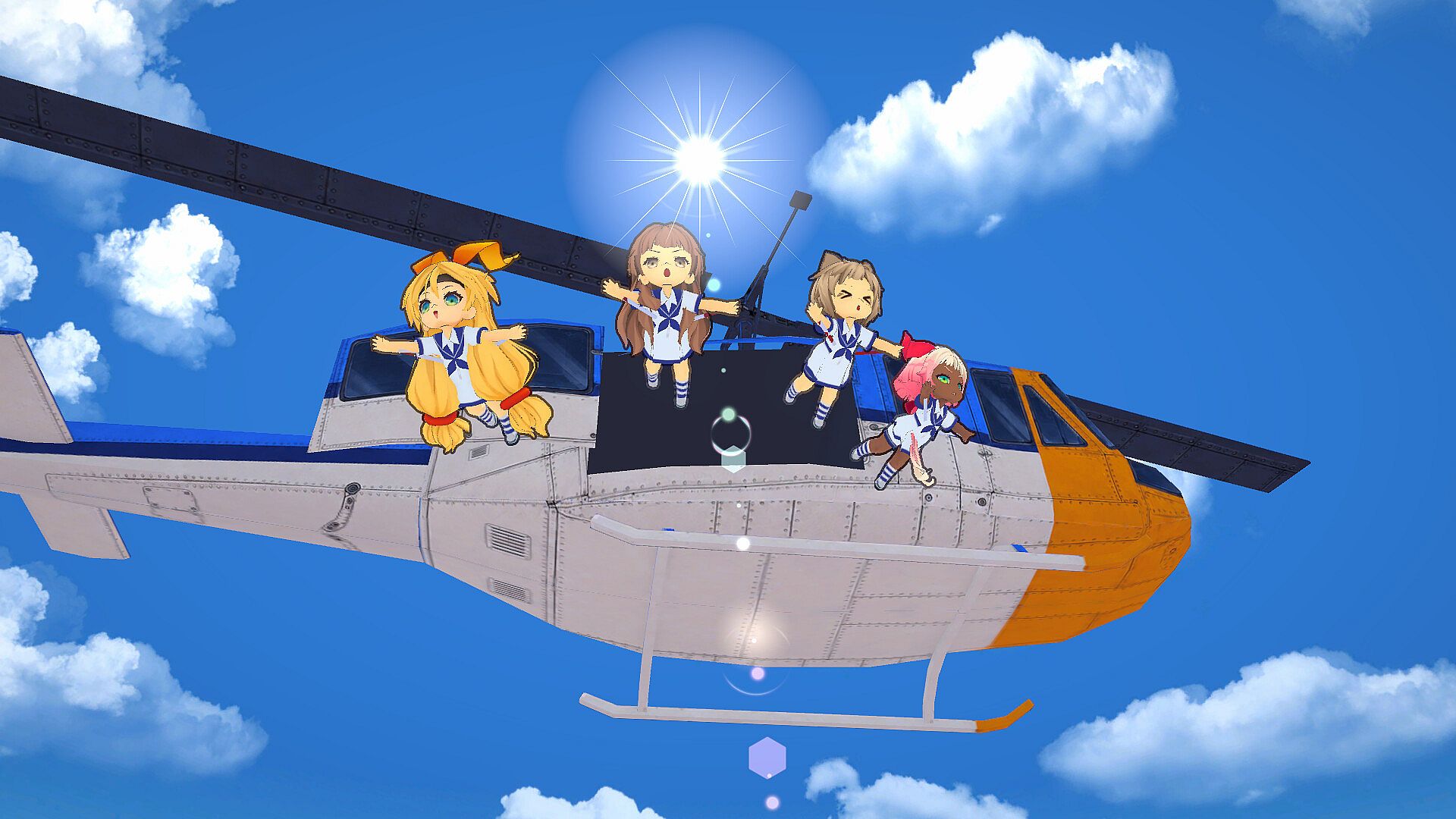

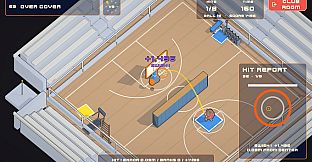
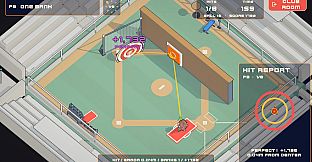
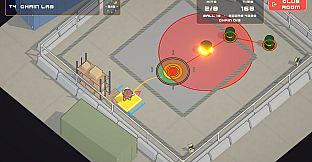

Grenade! : Pang Pang Survive! is an action indie sports game set in postwar Kogen City where dodging and redirecting falling explosives has turned into a competitive pastime. Players step into the role of a rookie aiming for the pro league on courts filled with timed grenades. The core loop revolves around picking up live explosives, throwing them strategically, and outlasting opponents in fast rounds that reward quick reactions and clever positioning.
Gameplay
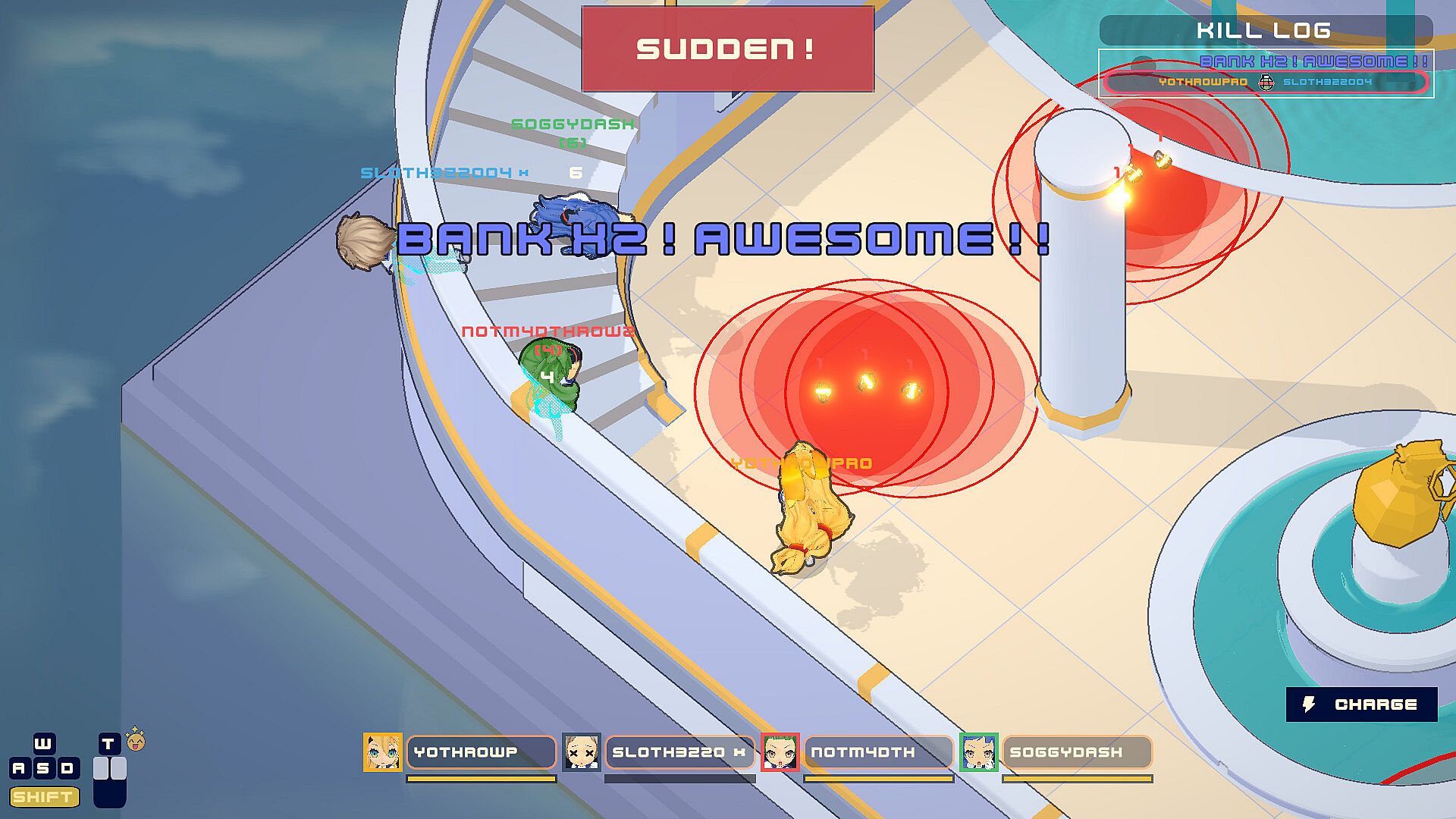
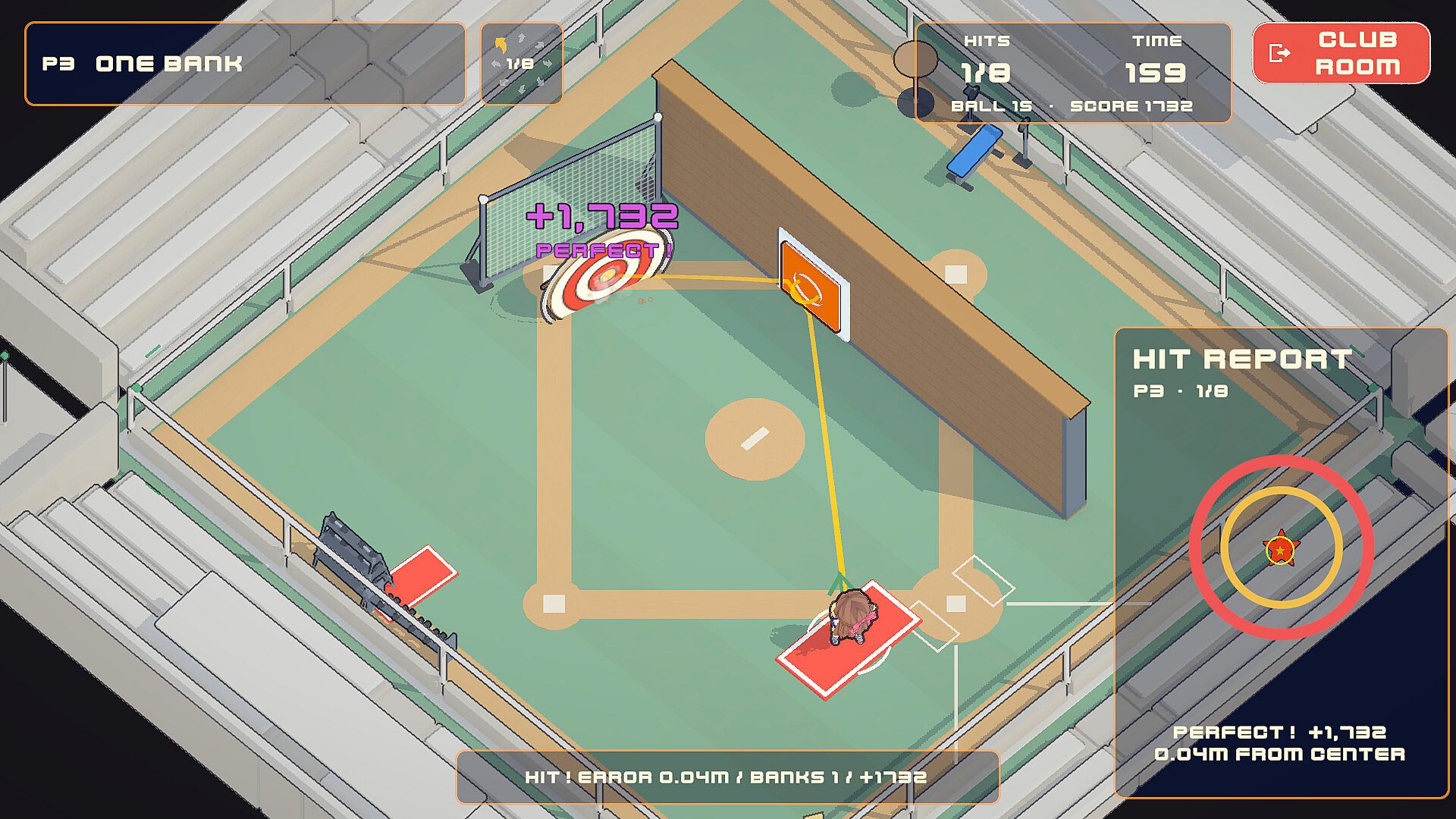
Every grenade lands with a random fuse between five and fifteen seconds that never pauses or resets when picked up. Empty hands allow a diving catch to snag one midair and immediately throw it back. With a grenade in hand the same controls launch it forward or in a high lob to clear obstacles. Bank shots bounce off walls to reach hidden targets while flat throws deliver direct hits. Missing a catch leaves the player face down and vulnerable for a brief window as fuses continue ticking.
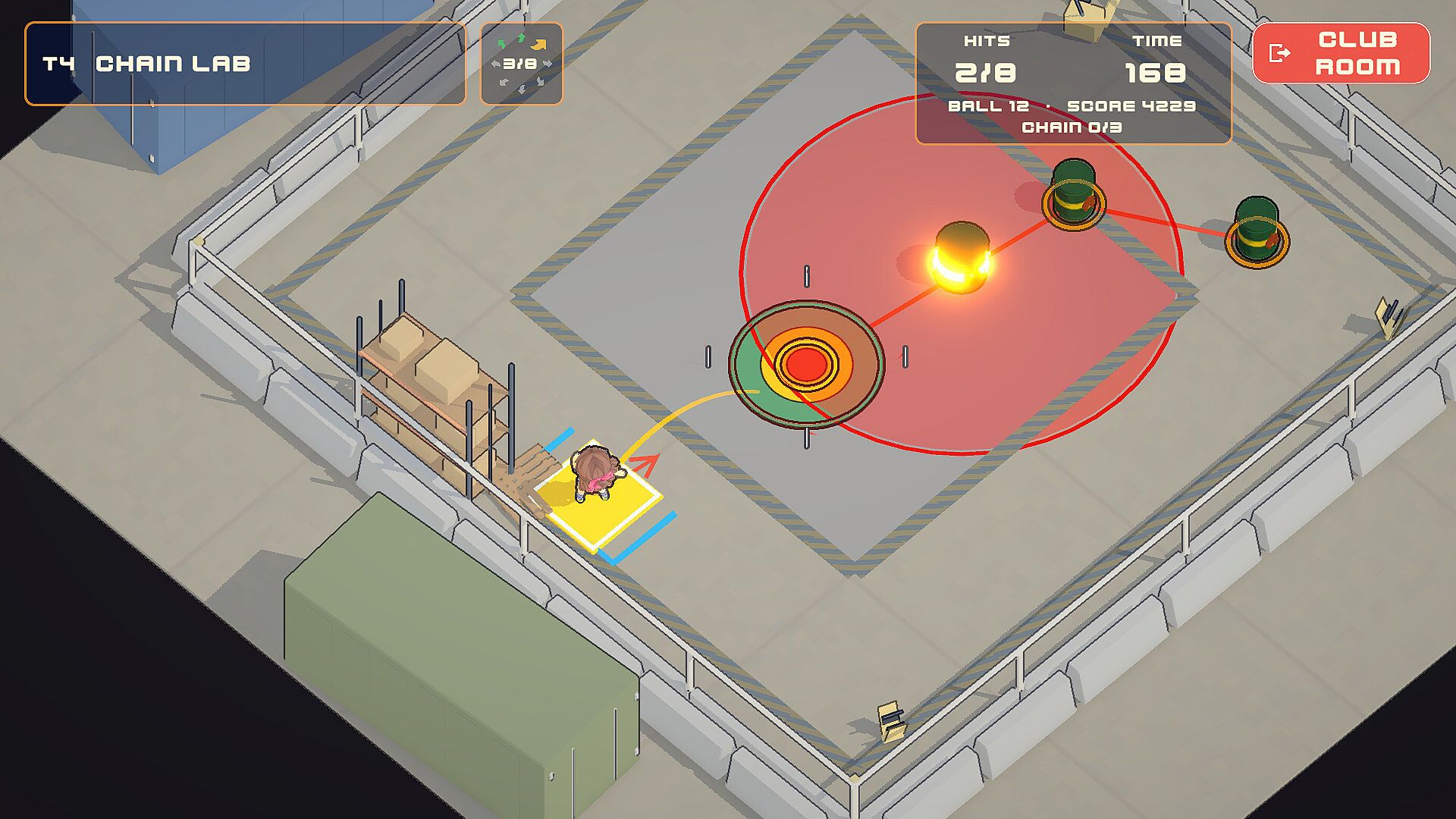
Three grenade varieties appear on the court. Regular ones explode in a standard radius. Sticky versions adhere to surfaces. Cluster types split into smaller bomblets on detonation. A heavier BOMB requires carrying it overhead and demands quick disposal due to its larger blast. Barrels ignite from nearby explosions and propagate fire. Supply crates offer temporary boosts such as speed increases or shields but some are trapped and detonate when opened prematurely by blasts.
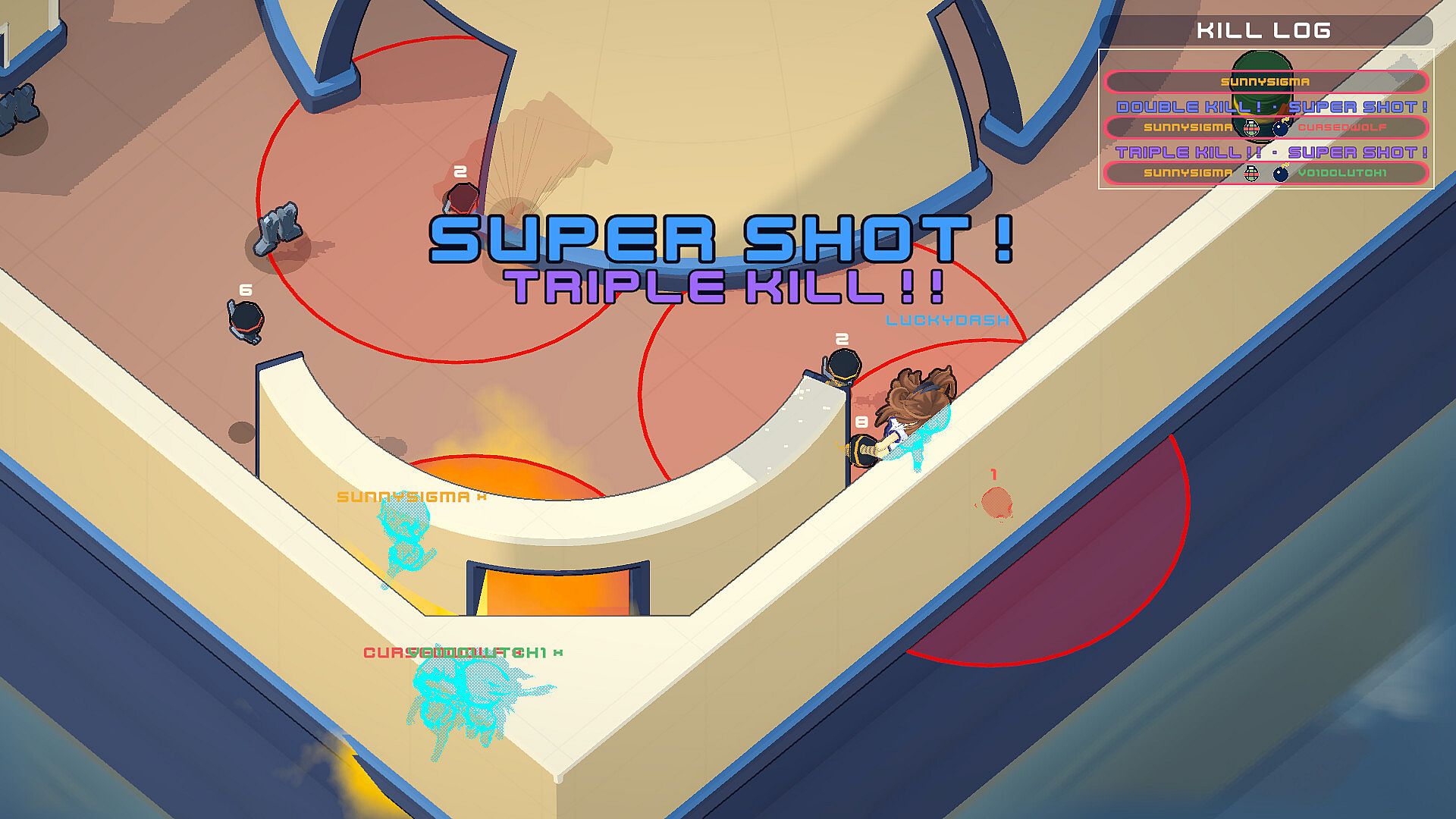
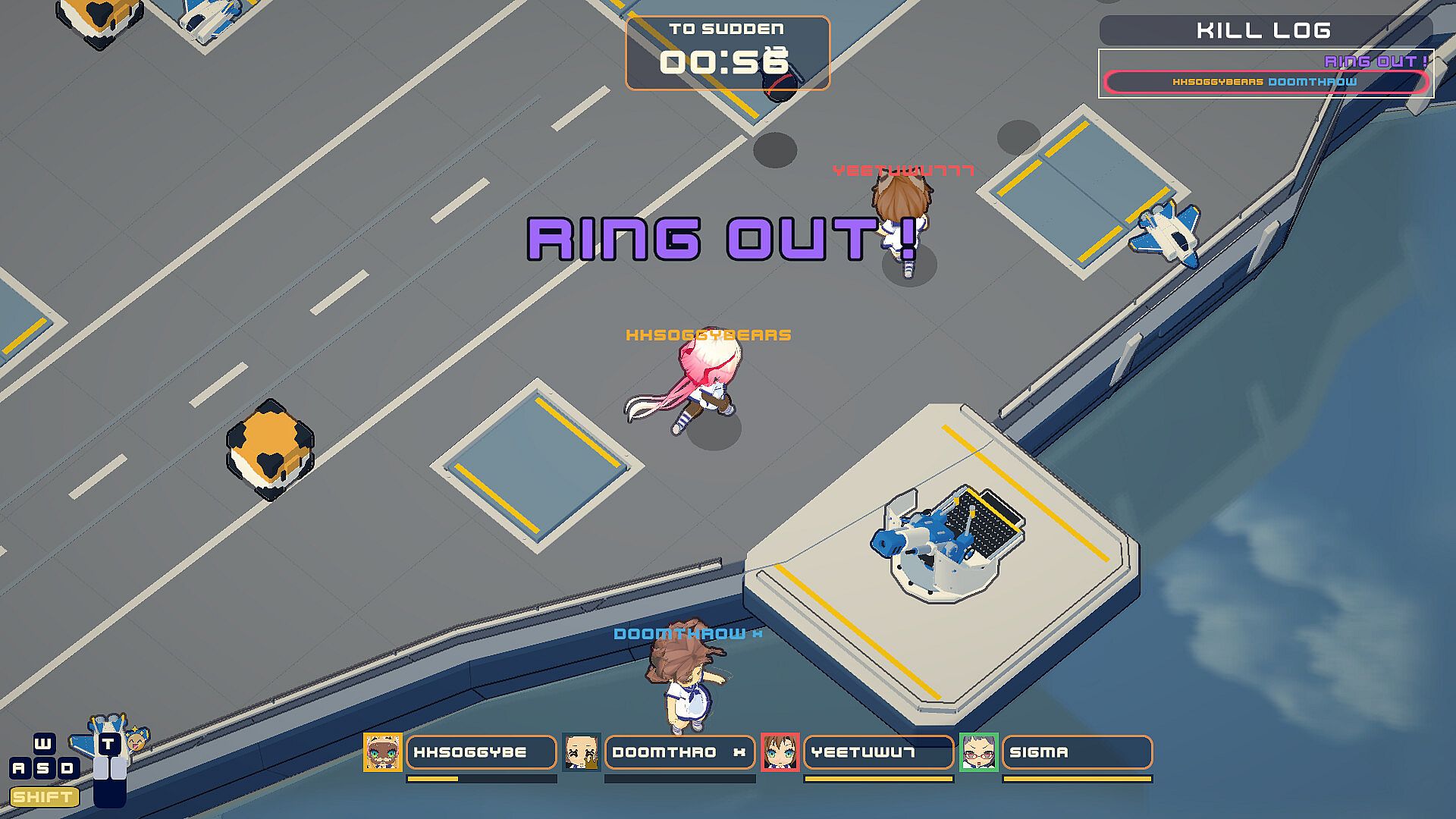
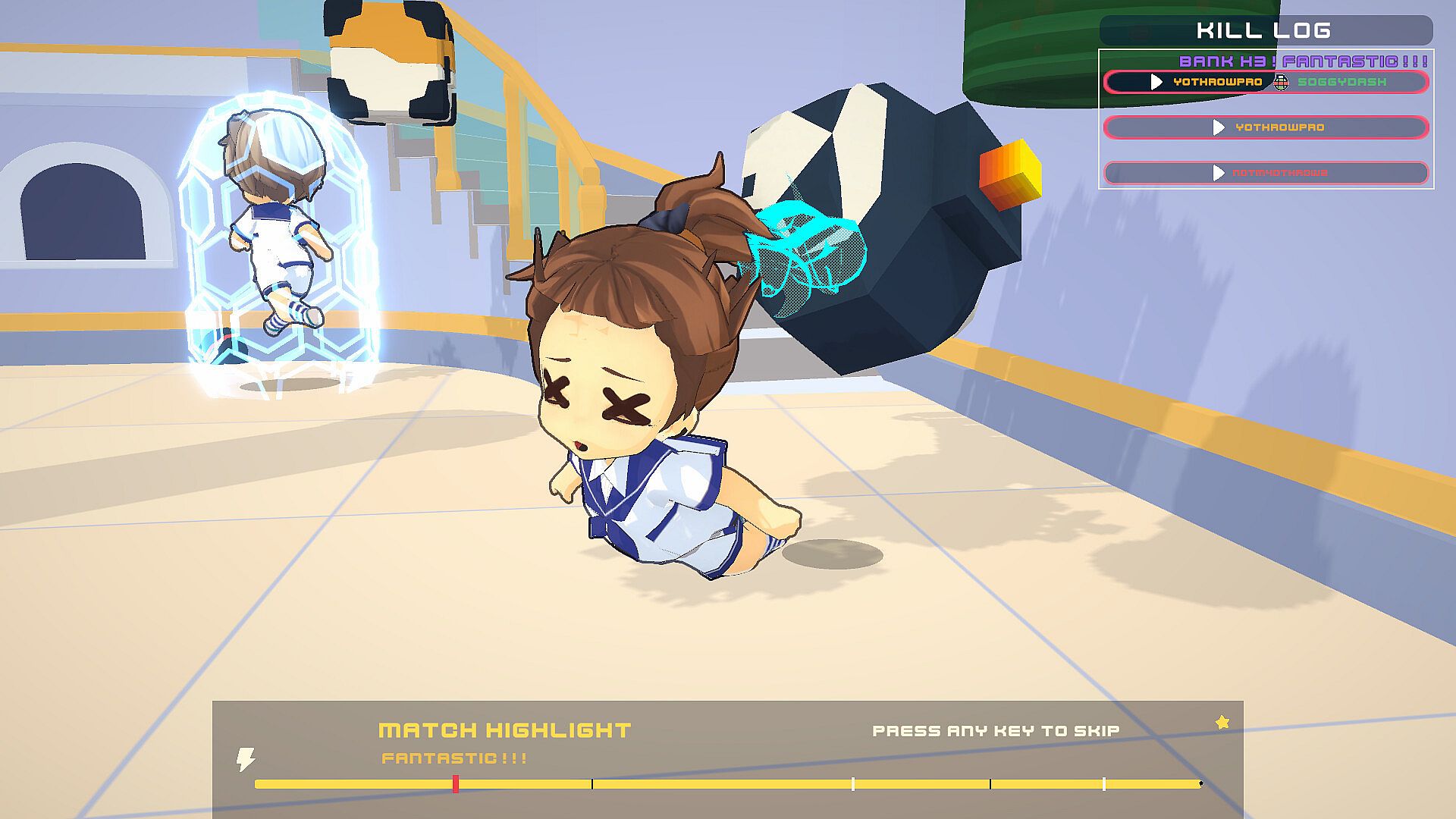
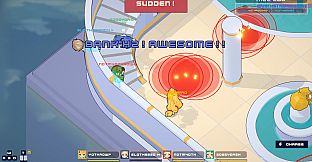
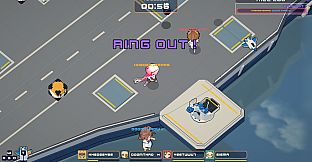
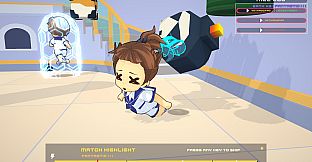
Chain reactions occur when one explosion triggers others. The announcer tracks these sequences and calls out escalating praise for longer combos or multi-bounce eliminations. Double triple and quadra kills receive dedicated voice lines. After each round highlight replays automatically showcase standout moments like ring outs or multi-kill chains with varied camera angles and slow motion playback available on the results screen.
Game Modes
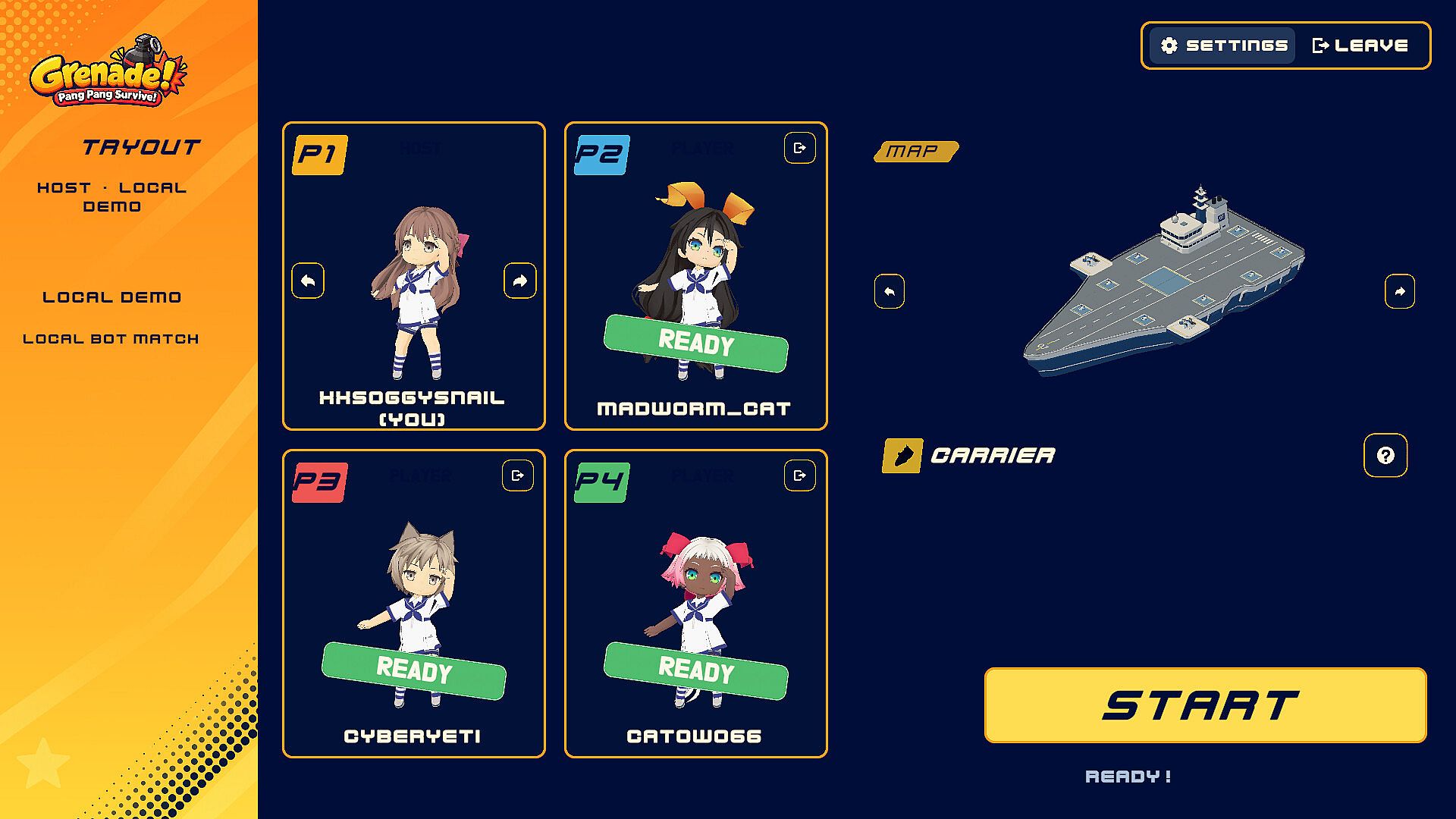
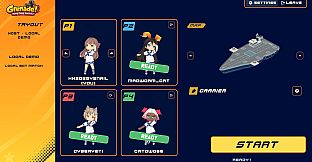
A full match consists of three rounds with the highest cumulative score determining the winner. If time reaches sixty seconds sudden death activates and grenades fall at an accelerating rate while blast sizes increase. The primary experience supports one to four players online. Friends join via invite code while bots fill remaining slots at varying skill levels. Bots demonstrate awareness of fuse timers cover usage and multi-level movement. Solo play works the same way with bots occupying all opponent positions.
Short rounds leave little time for text chat so an emote wheel lets players display up to eight quick reactions as speech bubbles both in the waiting area and during active play. Rooms are created by selecting a region and court then voting for rematches once a match concludes.
The Courts
Three distinct arenas shape the action. Concrete Dome offers a compact single-floor layout with curved cover wall slits sized only for grenades and corner angles ideal for bank shots. Terrace features an L-shaped upper level grand staircases a forty-five degree bank corner and a central fountain. Glass railings weaken after the first blast and shatter on the second opening new sightlines and fall-through opportunities. Explosions in the fountain splash water across nearby screens. Carrier places the action on an aircraft carrier deck where small fighter jets can be thrown mounted cannons provide elevated positions and a tank deploys during sudden death.
Is It Worth Playing?
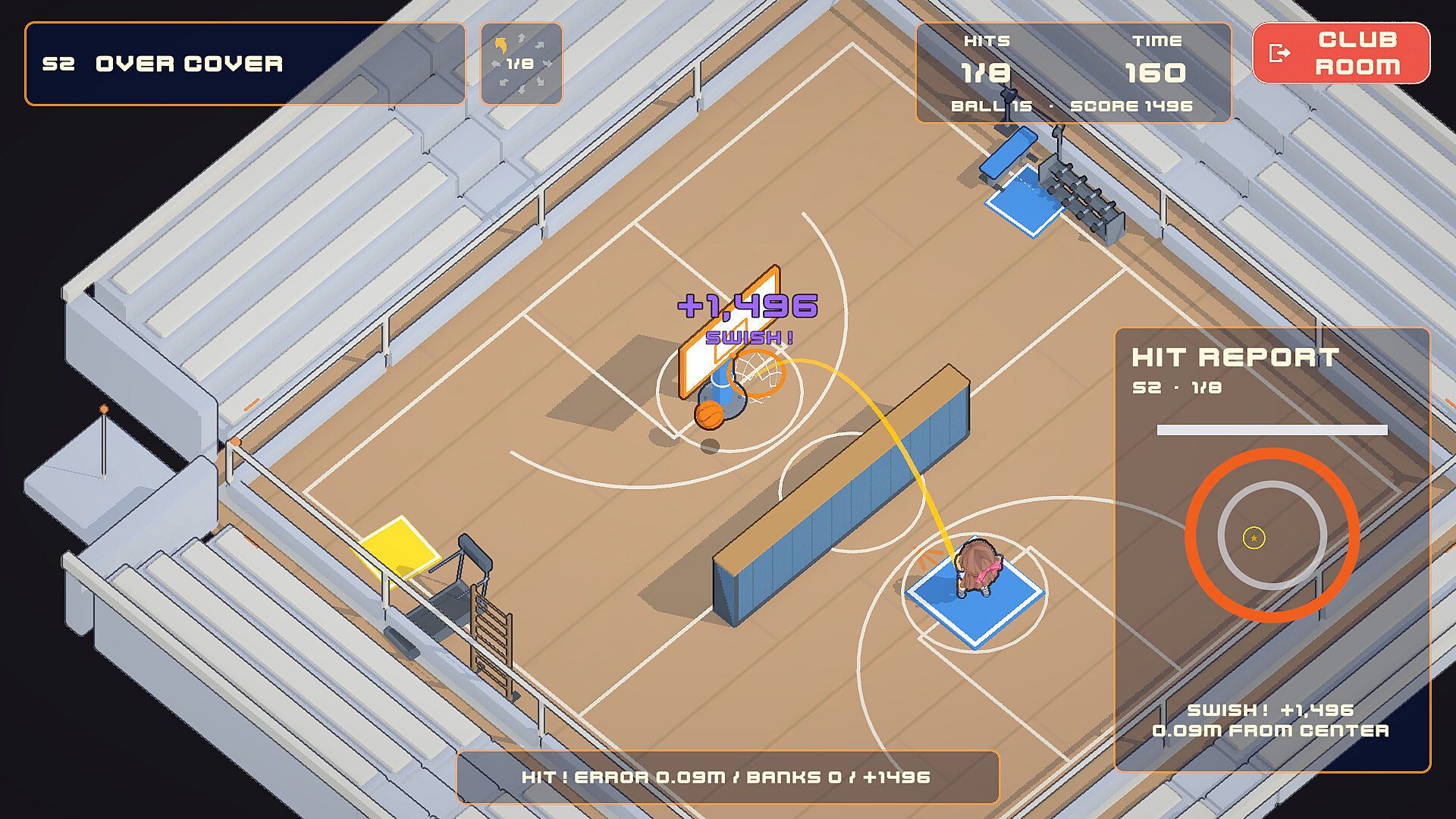
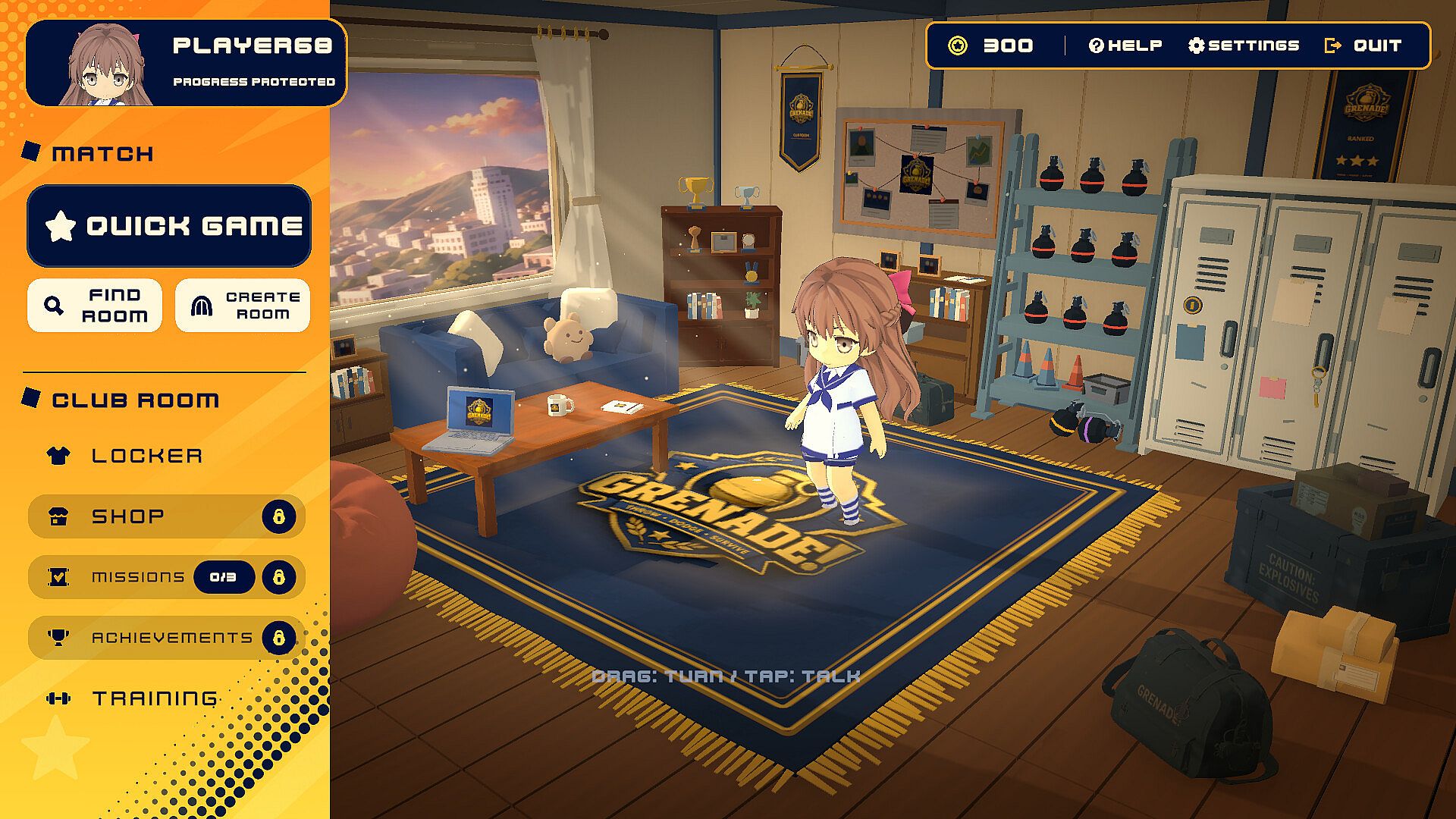
The game delivers a focused arcade survival experience centered on timing throws and managing live explosives in compact arenas. Its mix of direct competition and bot-supported sessions suits players who enjoy short intense rounds of party-style action without requiring a full lobby. The club room serves as the hub for character selection outfit changes and progression through a tryout before entering matches. With a demo available ahead of the full release those interested in top-down arena mechanics and physics-driven throws can test the systems directly. The emphasis on chain reactions announcer feedback and replay highlights adds replay value for groups seeking chaotic yet skill-based encounters.











