

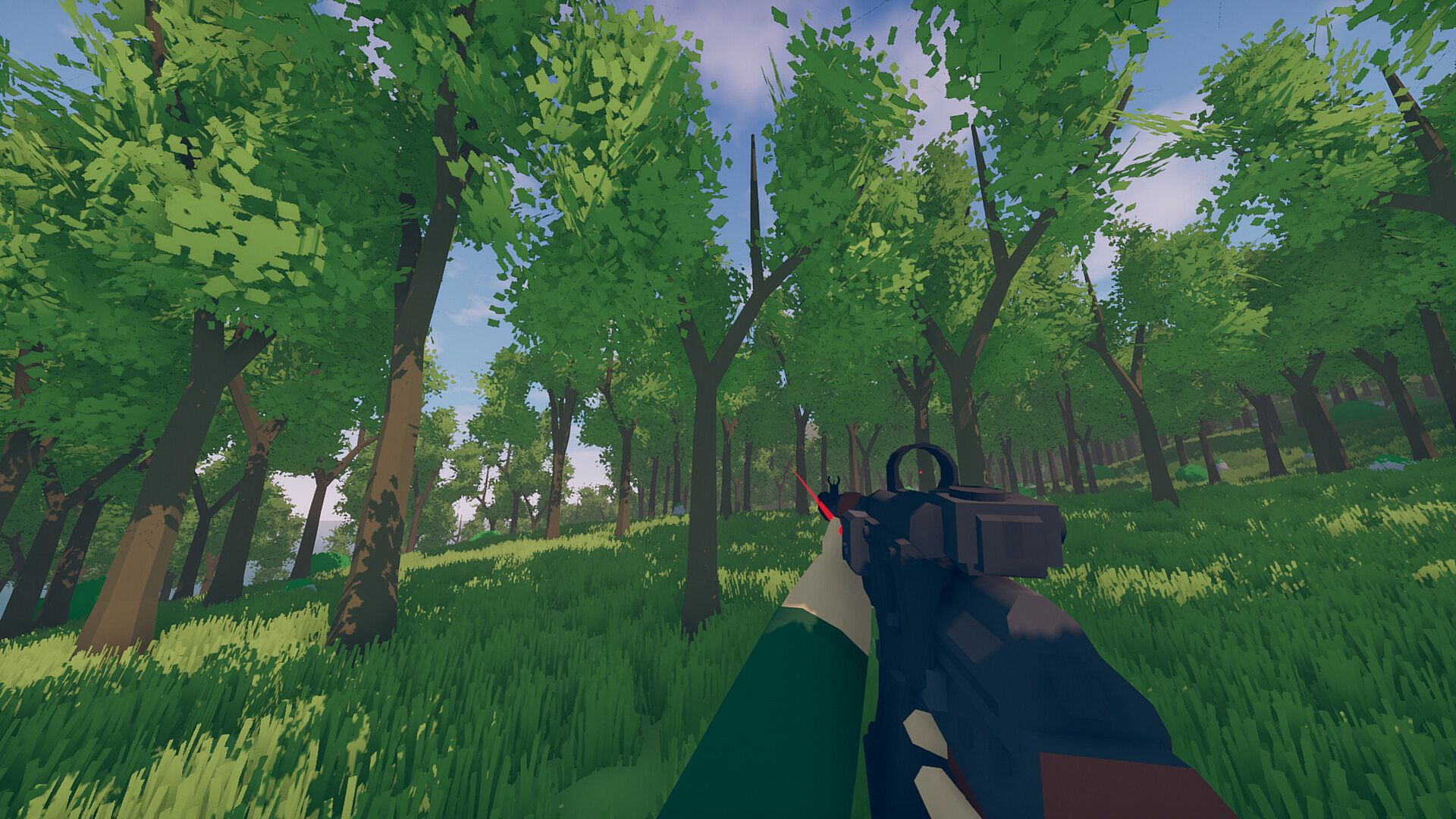
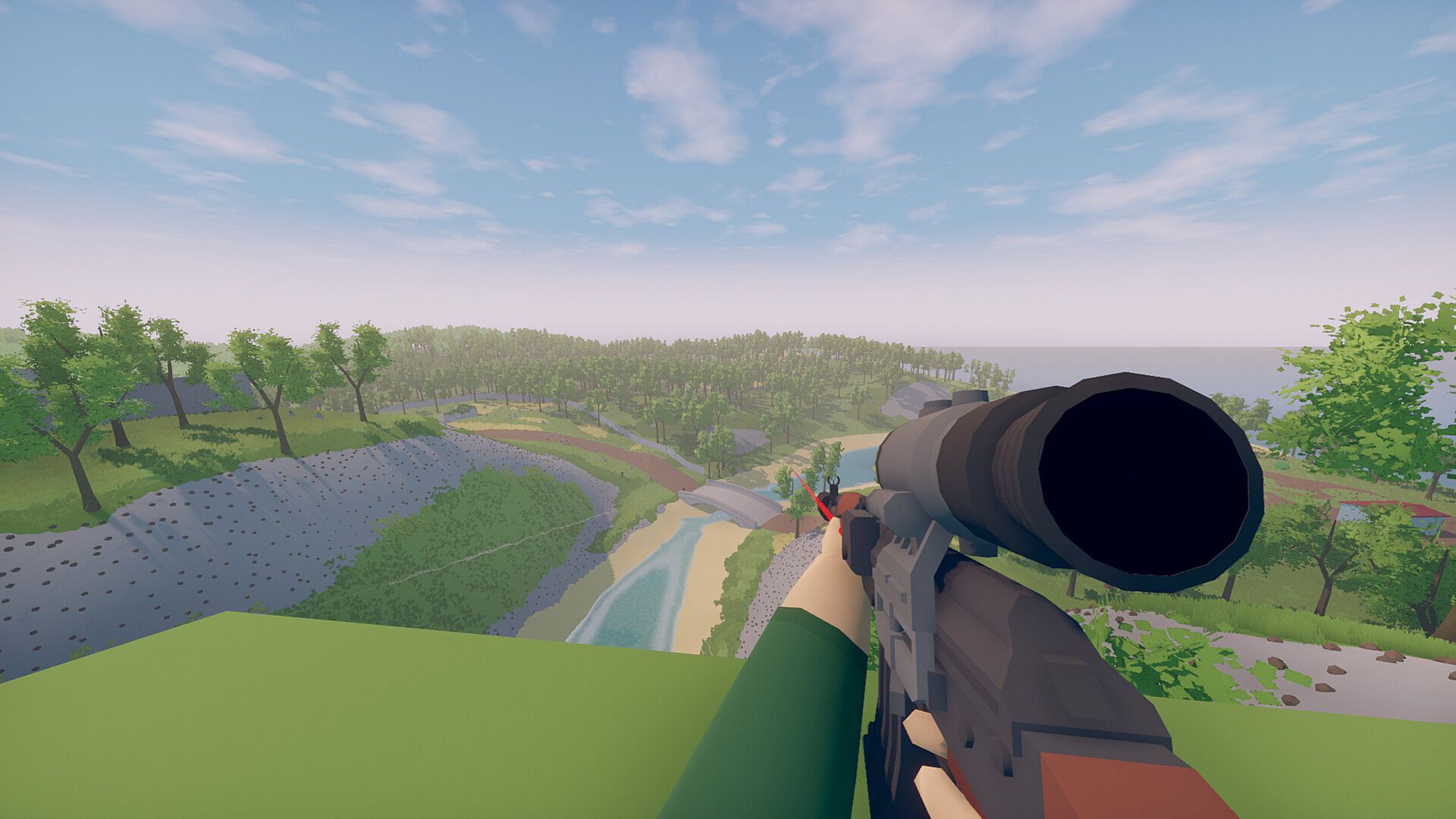
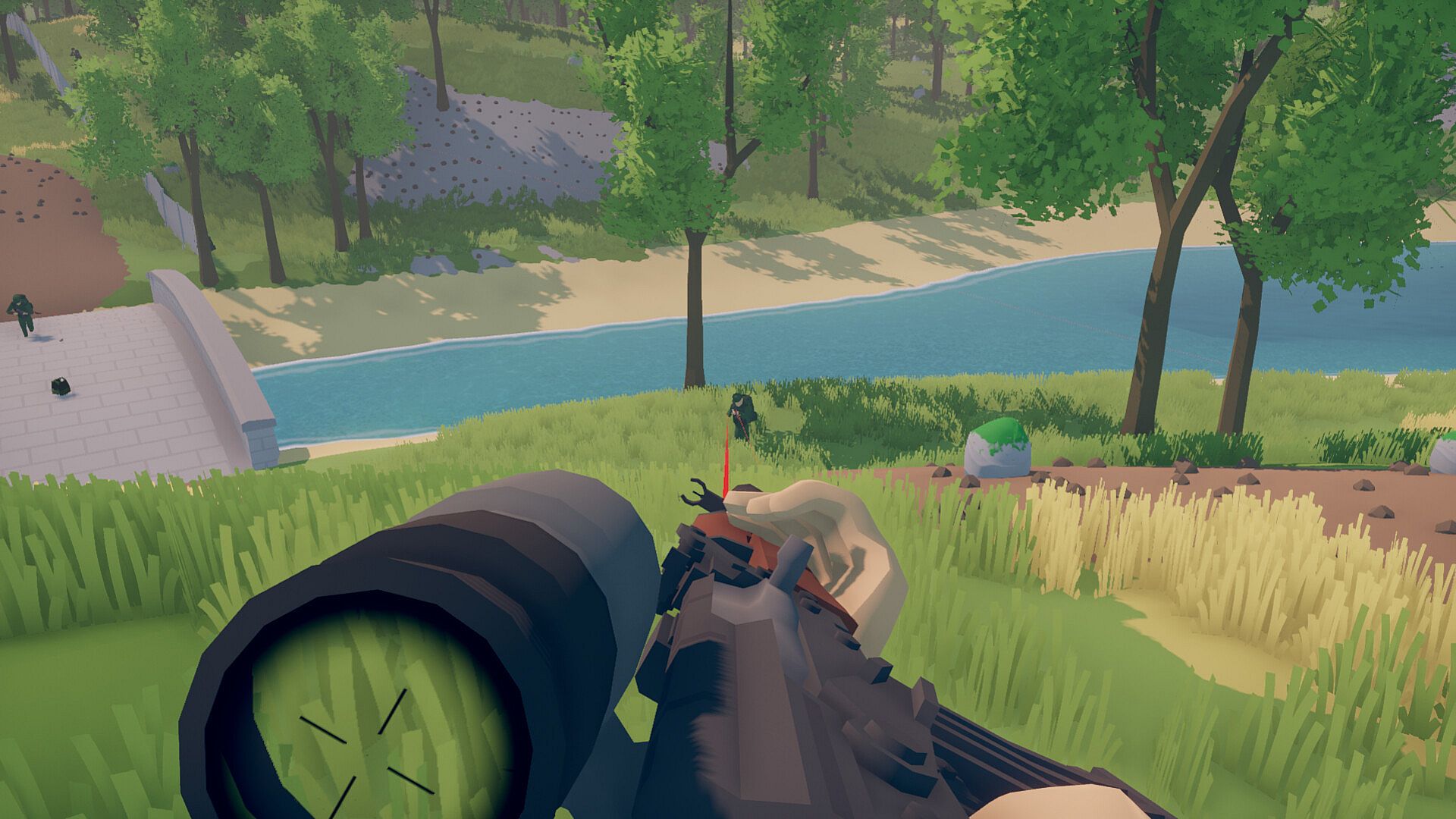
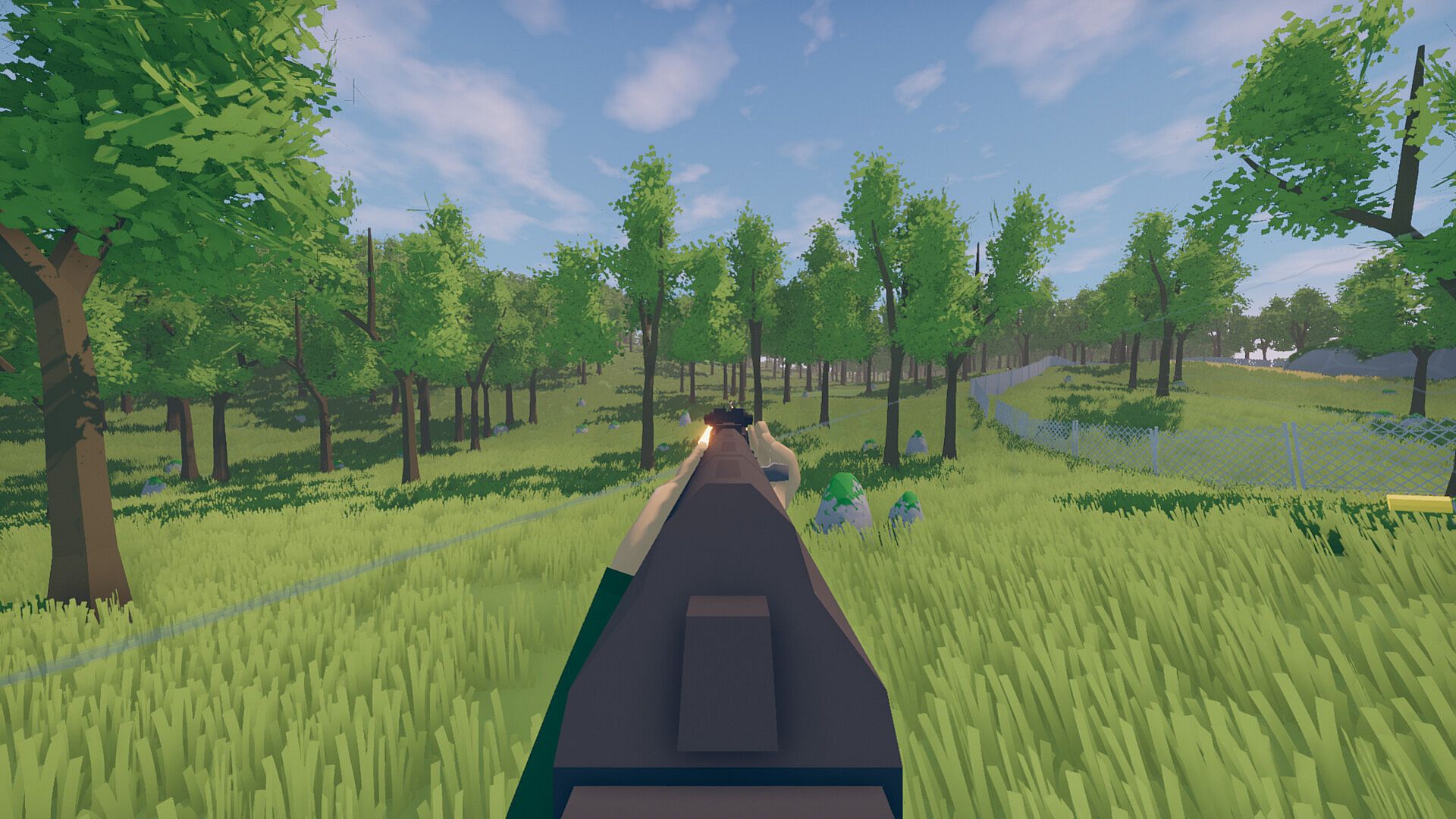
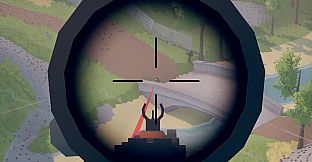
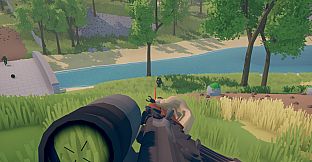
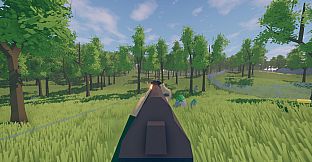
Embargo is a first person shooter built around extraction gameplay, where players enter a dangerous zone to gather resources and valuable loot while contending with both rival teams and hostile AI enemies. The experience blends exploration across abandoned sites, tense combat encounters, and deep weapon customization options that let players adapt their loadouts on the fly. Developed as an indie title in the action and strategy genres, it places heavy emphasis on decision making before and during each run, with survival hinging on careful planning and quick reactions in a multiplayer setting that supports both cooperation and betrayal.
Gameplay
Core loops revolve around preparing an expedition, entering the map, and attempting to extract with gathered items before time or threats run out. Players search abandoned locations for resources that fuel weapon modifications, allowing changes to performance, attachments, and handling characteristics to suit different combat styles. Hostile NPCs patrol key areas and guard high value zones, forcing constant awareness and turning routine scavenging into potential firefights. Encounters with other players add another layer, as teams can coordinate to secure loot or fracture under pressure when valuable items are at stake. Every choice about gear carried in, routes taken, and alliances formed carries weight, since extraction requires reaching a safe exit point while managing inventory and health.
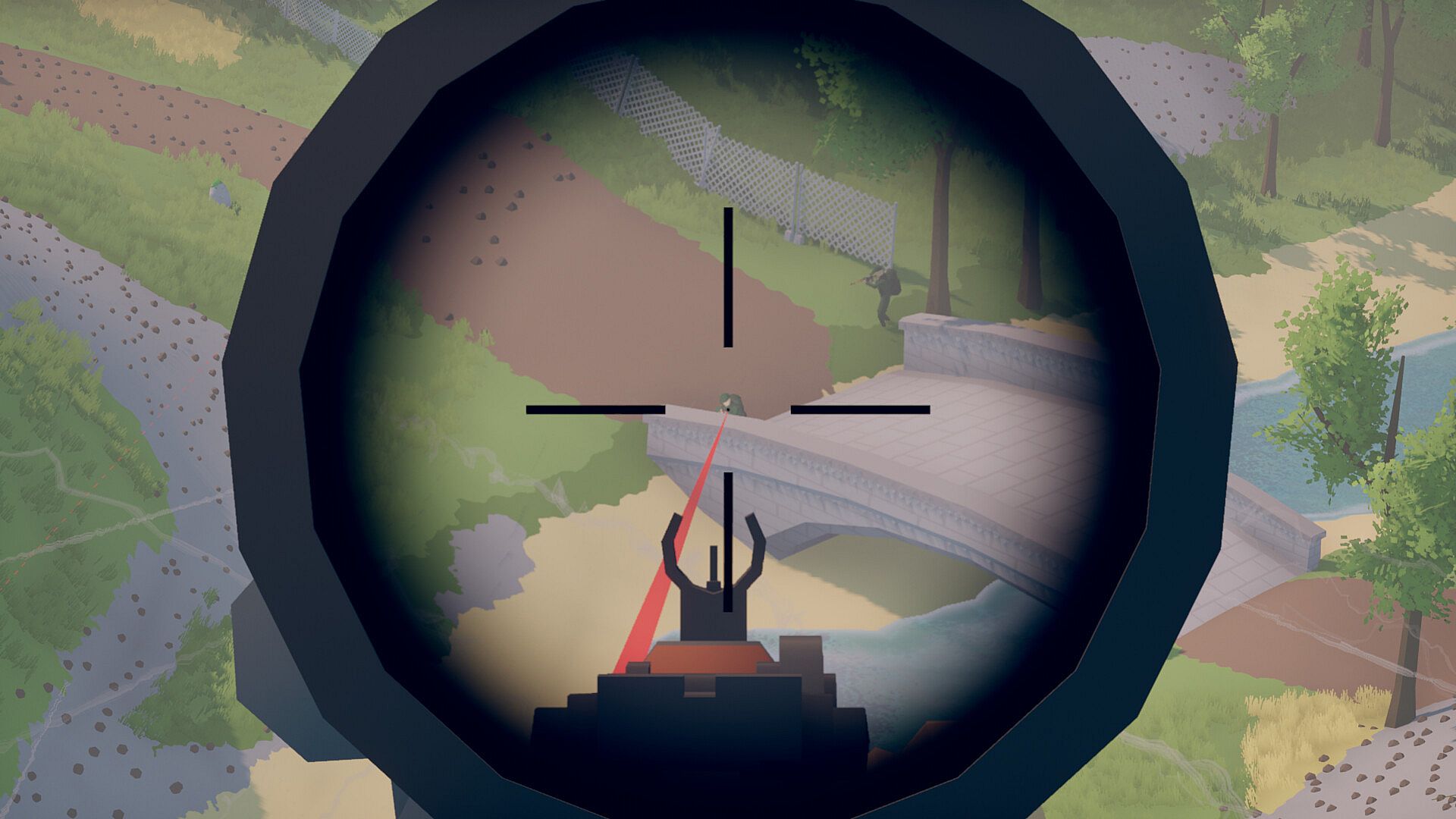
Weapon modding stands out as a central system, encouraging experimentation with found parts to create specialized tools for different situations. Exploration rewards thorough searching but increases exposure to patrols and ambushes. The harsh environment demands resource management, with limited carrying capacity pushing players to prioritize what they keep and what they risk leaving behind. Combat mixes ranged engagements and close quarters threats, where positioning and loadout choices determine outcomes against both AI and human opponents.
Game Modes
Matches center on multiplayer extraction runs that pit players against each other and the environment in a shared map. Teams form to tackle objectives and secure loot, yet the structure allows for shifts in allegiance when high value items appear or extraction windows narrow. The format supports variable group sizes, with emphasis on PvPvE dynamics that keep every session unpredictable. No separate competitive ladders or standalone single player campaigns are detailed at this stage, keeping focus on the core loop of entry, engagement, and escape.
Preparation happens outside the map, where players select starting equipment and plan approaches. Once inside, the session unfolds as an open ended expedition until extraction succeeds or fails. This setup rewards players who balance aggression with caution, adapting to NPC movements and rival player actions in real time.
Exploration and Risk Management
Abandoned locations scattered across the map serve as primary sources for loot and modification materials. Thorough searches yield better rewards but heighten the chance of drawing NPC attention or crossing paths with other teams. Players must weigh the benefits of deeper dives against the need to reach an exit point in time. Resource scarcity shapes these decisions, as carrying too much slows movement and increases vulnerability during combat.
Hostile NPCs add persistent pressure, patrolling routes and defending resource rich zones. Their presence turns exploration into a calculated risk rather than a simple scavenger hunt. Successful runs often involve mapping patrol patterns mentally and timing movements to avoid unnecessary fights while still gathering enough to justify the trip.
Is It Worth Playing?
Embargo targets players who enjoy extraction shooters that combine looting, customization, and multiplayer tension without relying on large scale battles. The emphasis on weapon modding and pre run planning appeals to those who like strategic preparation alongside direct combat. Since the title is scheduled for Early Access with plans for ongoing updates based on community input, interested players can expect the experience to evolve over time. Those comfortable with early stage development and willing to provide feedback may find value in shaping its direction. Availability on PC positions it for users seeking a focused indie take on the genre, though the lack of completed content means expectations should center on core systems rather than polished breadth. If the described loop of exploration, modding, and extraction matches preferred playstyles, it offers a solid foundation worth monitoring as development progresses.