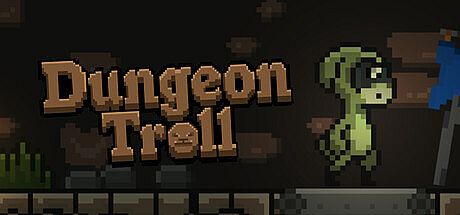


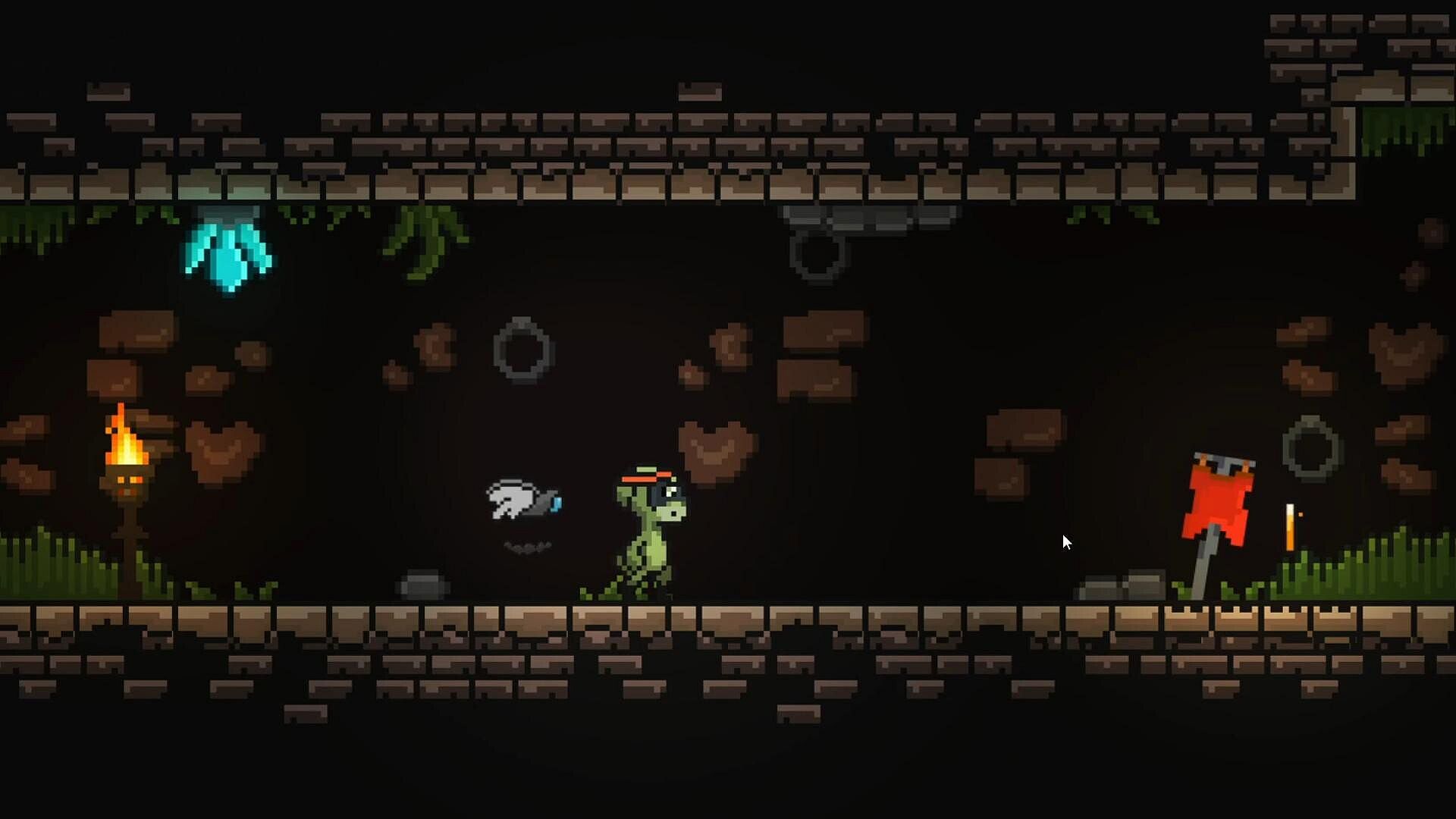
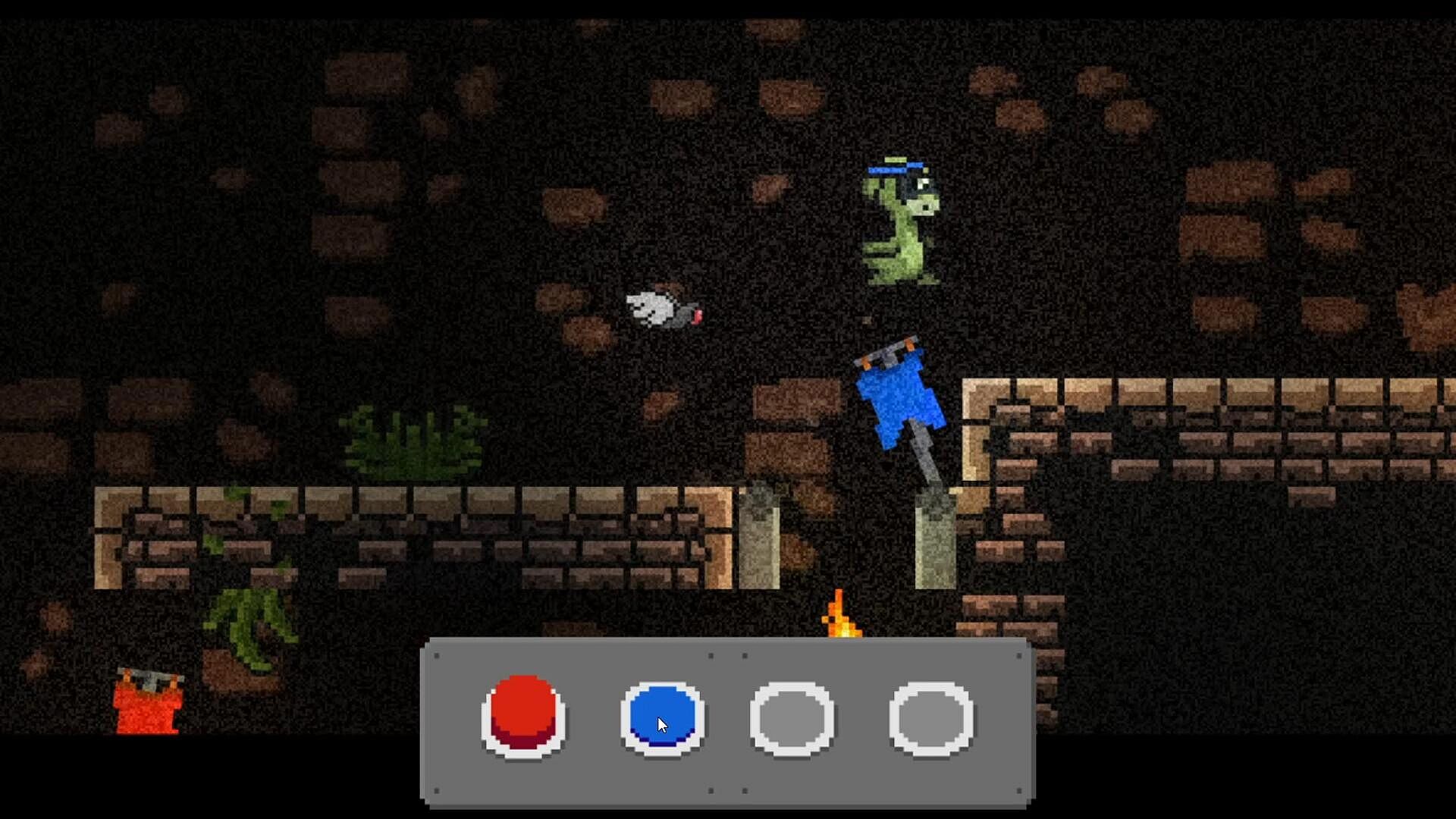
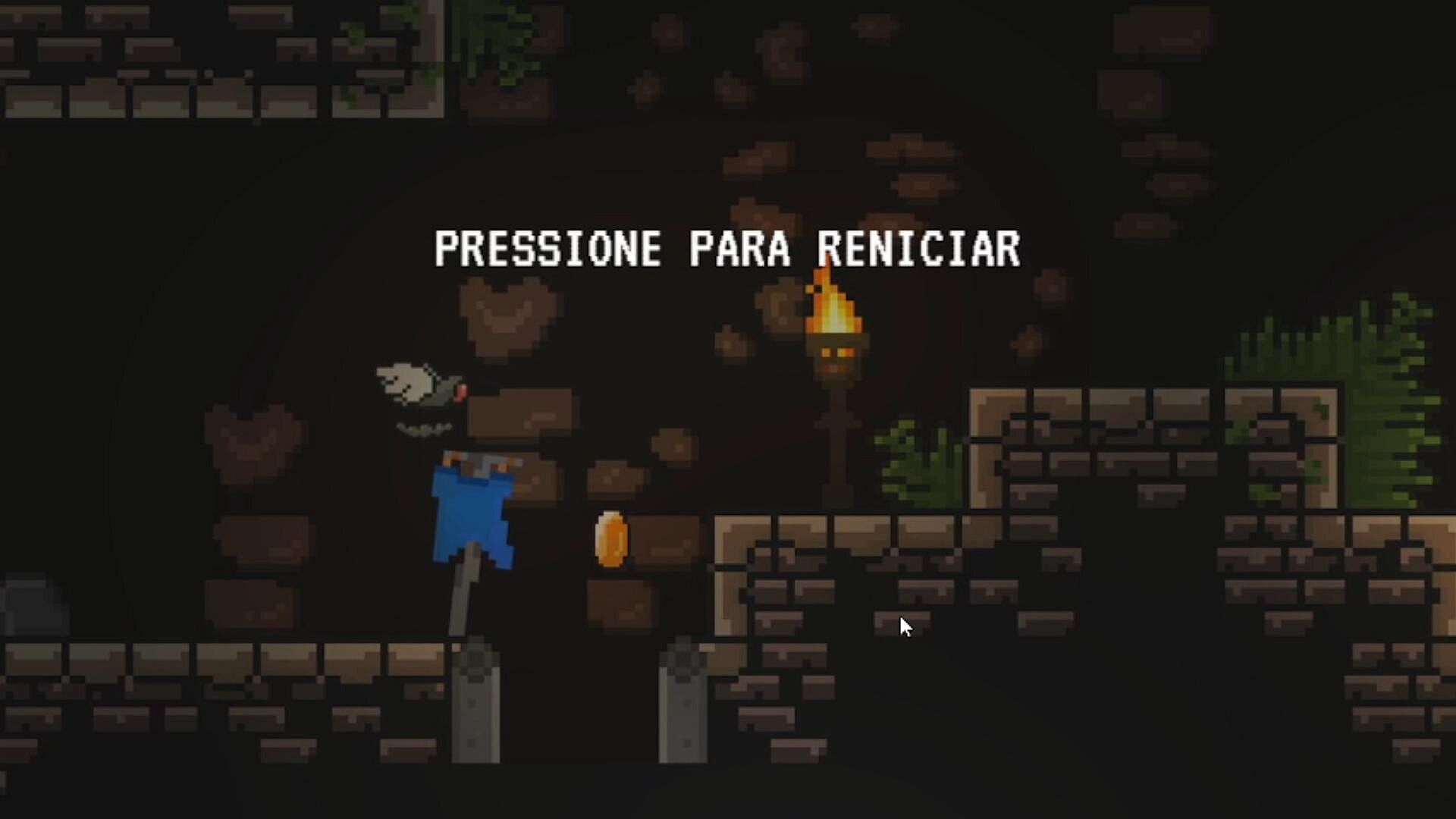
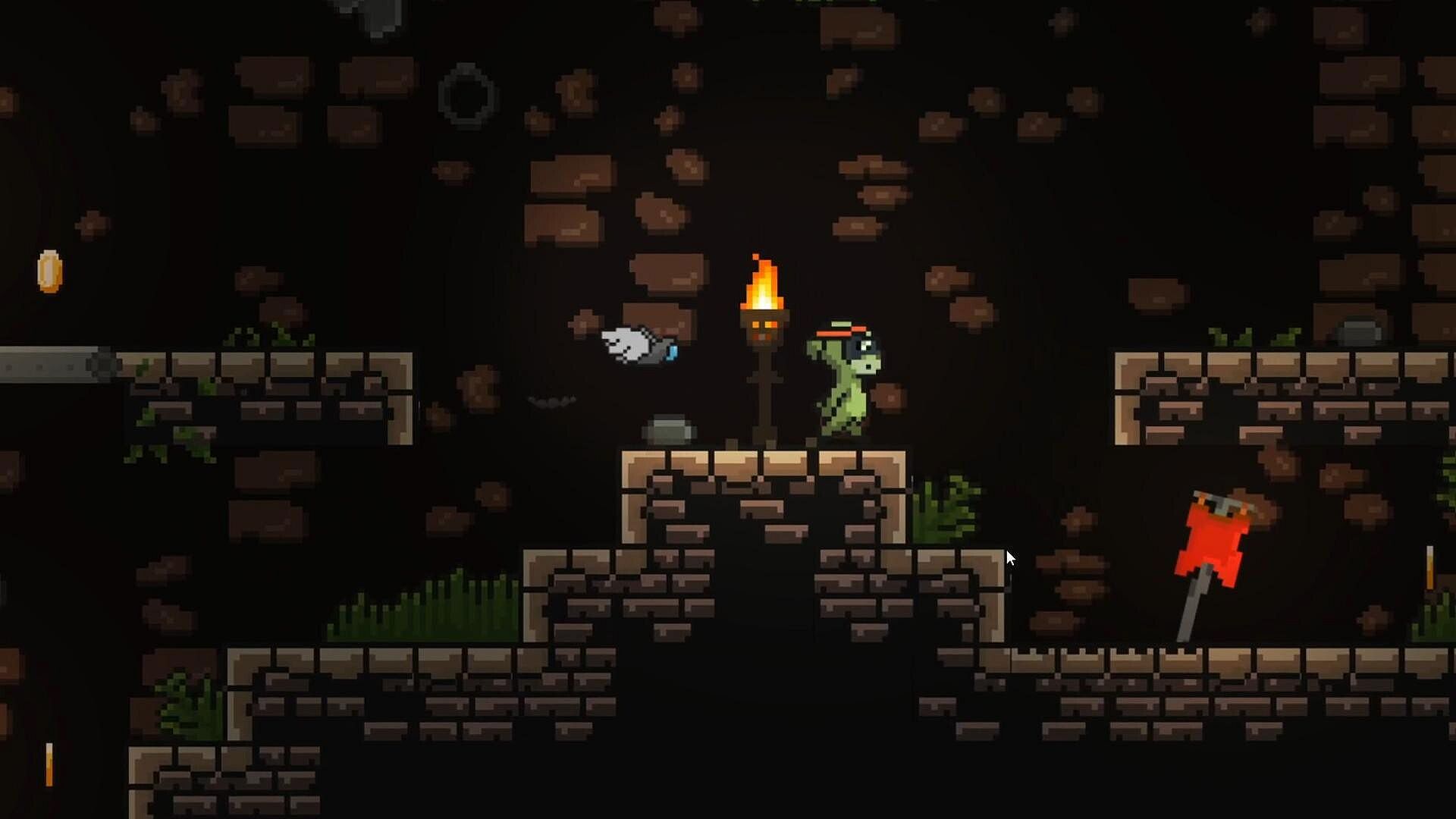
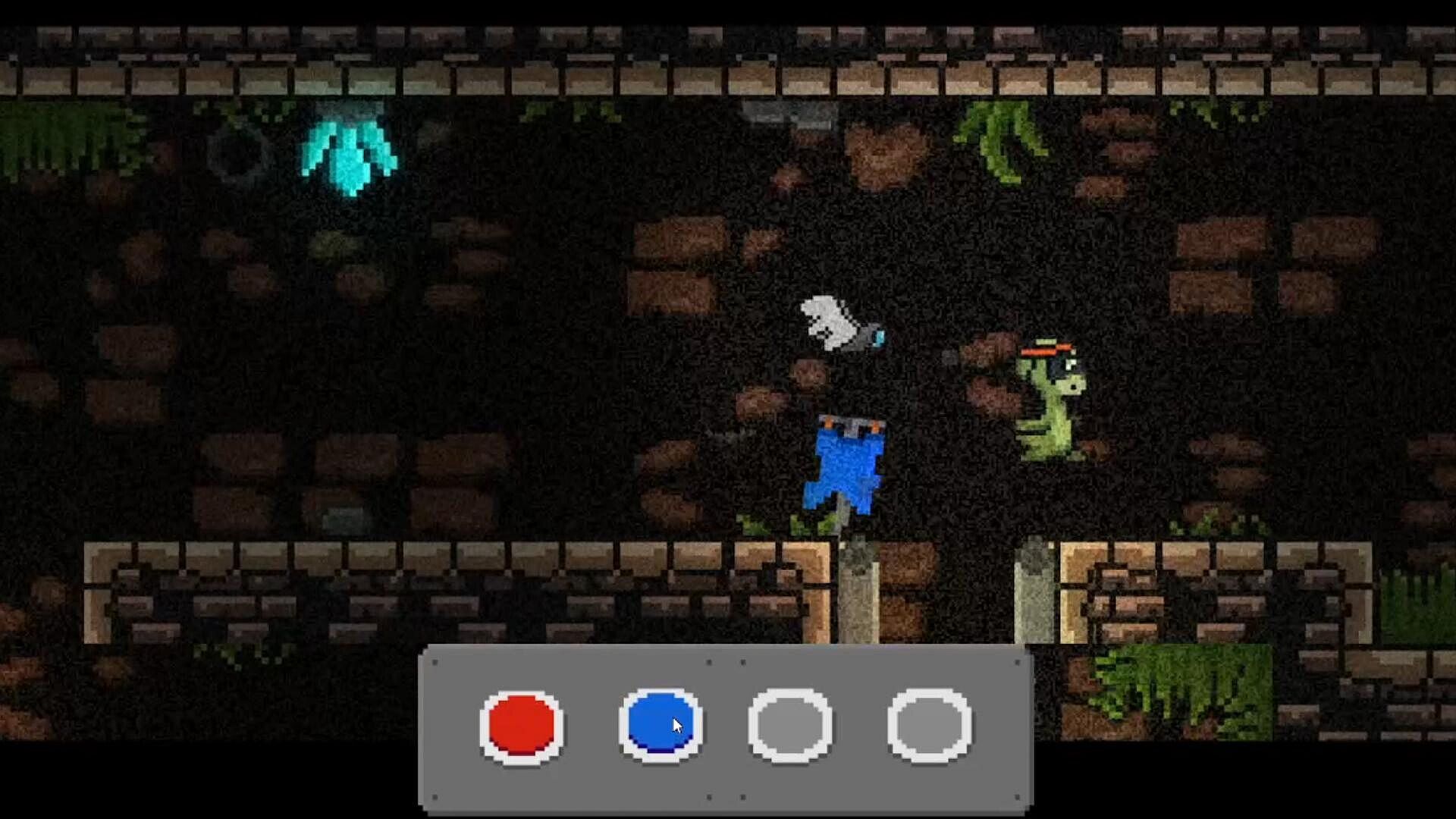
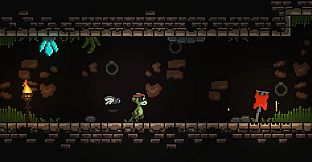
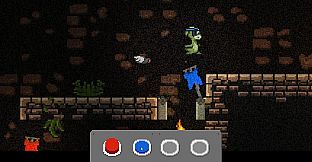
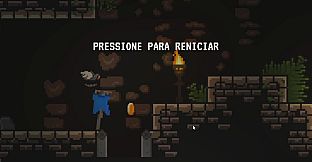
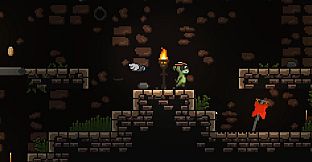
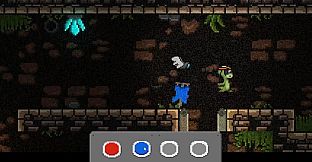
Dungeon Troll is a 2D platformer built around online multiplayer for exactly two players. The core idea pits one friend against the other in a race through trap-heavy dungeon levels where survival and timing decide the outcome. Each stage presents a fresh set of hazards designed to catch the unwary, turning every jump and dash into a test of reflexes and observation. The game runs on peer-to-peer connections, so players connect directly and compete head-to-head without additional servers or matchmaking layers.
Gameplay
The loop centers on progressing through successive levels while avoiding or triggering the many traps scattered throughout the environment. Players move side to side, jump across gaps, and react to sudden obstacles that appear without warning. Because the dungeon itself acts as the main antagonist, the emphasis stays on reading the layout quickly and anticipating where the next cheap trick will appear. Falling behind or misjudging a platform often results in elimination, which hands the lead to the surviving player. The pressure increases level by level as patterns grow more complex and the margin for error shrinks. Success depends on maintaining composure under that mounting tension rather than on collecting items or upgrading abilities.
Game Modes
The only confirmed mode is the two-player competitive race. Participants connect online and attempt to reach the end of each stage before their opponent does. One player finishes first and claims the win for that level, while the other must start over or accept the loss. No cooperative option exists, and the design deliberately frames the experience as a direct contest between the pair. Levels do not repeat identical layouts, so each run introduces new trap placements and surprises that keep the competition fresh across multiple sessions.
Core Mechanics and Level Design
Platforming relies on precise movement and jump timing rather than advanced abilities. The environment supplies the challenge through hidden triggers, moving hazards, and deceptive safe-looking paths. Because the focus remains on outlasting the other player, mechanics reward quick adaptation and the willingness to learn from immediate failures. Peer-to-peer play keeps latency low for responsive controls during these tight moments. The absence of single-player content means every session requires a second participant, which shapes the game around short, repeatable matches rather than long solo campaigns.
Who the Game Targets
Dungeon Troll suits players who enjoy competitive platformers and already have a reliable partner for online sessions. It appeals to those comfortable with short, high-stakes rounds where one mistake ends the attempt. The casual and indie tags reflect its straightforward presentation and lack of complex systems, while the action and adventure elements come from the constant forward momentum through dangerous spaces. Anyone seeking deep progression, multiple classes, or large-scale multiplayer will find the scope intentionally narrow.
Is It Worth Playing?
The game delivers exactly what its description promises: a focused two-player contest built on trap navigation and direct competition. Those who like racing a friend through punishing platforming sections and laughing at each other's mishaps will find consistent entertainment in the level-by-level structure. Because support details and player statistics remain unconfirmed beyond the initial release information, the decision rests on whether the core loop of outlasting one opponent in trap-filled stages matches personal preferences. For pairs already playing similar local or online platformers, the direct peer-to-peer setup and emphasis on luck and composure provide a lightweight alternative without extra features to learn.