

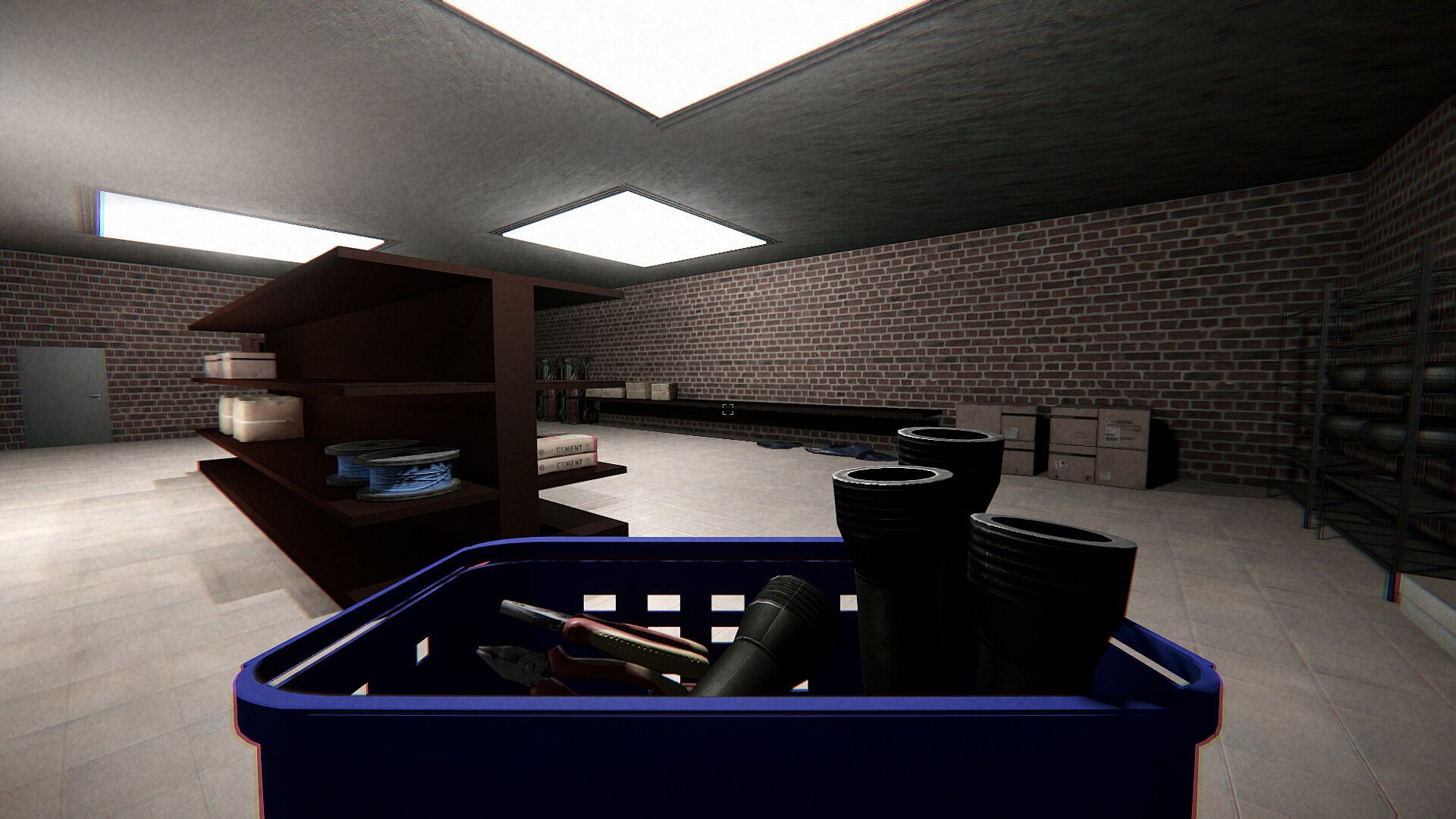
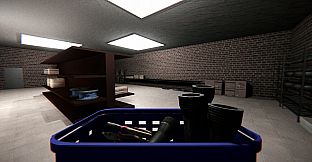
Dreads to Digest - Hunter or Hunted is a first-person psychological horror adventure game developed for PC. Players take on the role of investigator Ethan Mercer as he pursues a serial killer through deliberate clues that lead deep into a dark forest. The narrative centers on a shift from evidence gathering to survival as the situation turns dangerous, raising questions about who holds the advantage in the encounter.
Gameplay
The core loop revolves around first-person exploration and interaction in an oppressive forest setting. Players examine objects for clues, engage in dialogue with interactive NPCs, and navigate the environment while managing threats through stealth. Hiding mechanics allow evasion of dangers, and the experience incorporates a walking simulation pace that emphasizes tension over speed. The microphone feature listens to player input, adding an element of unpredictability to encounters. Mysterious phone calls interrupt progress and deliver narrative fragments, while advanced enemy AI responds to player actions and position.
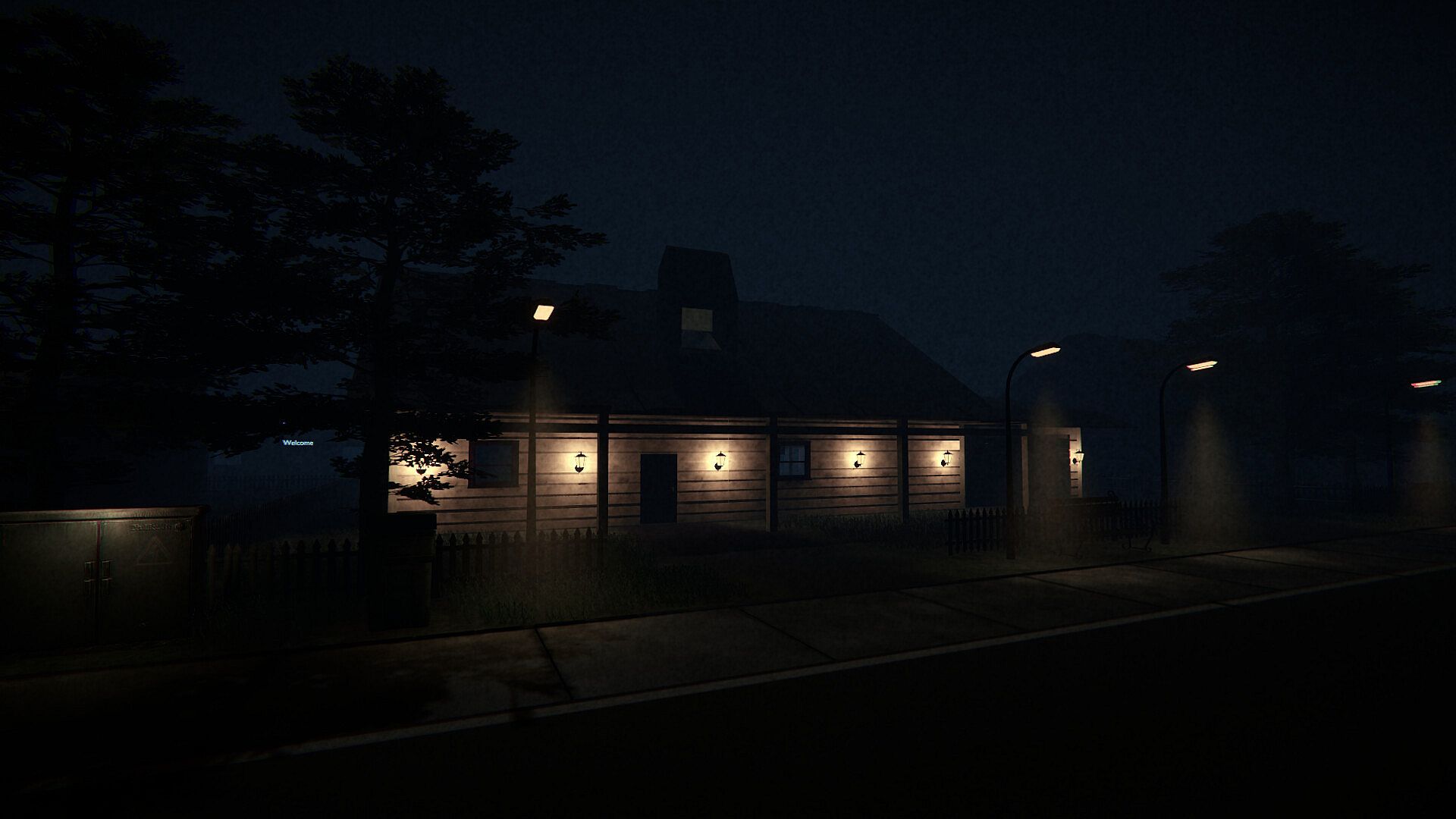
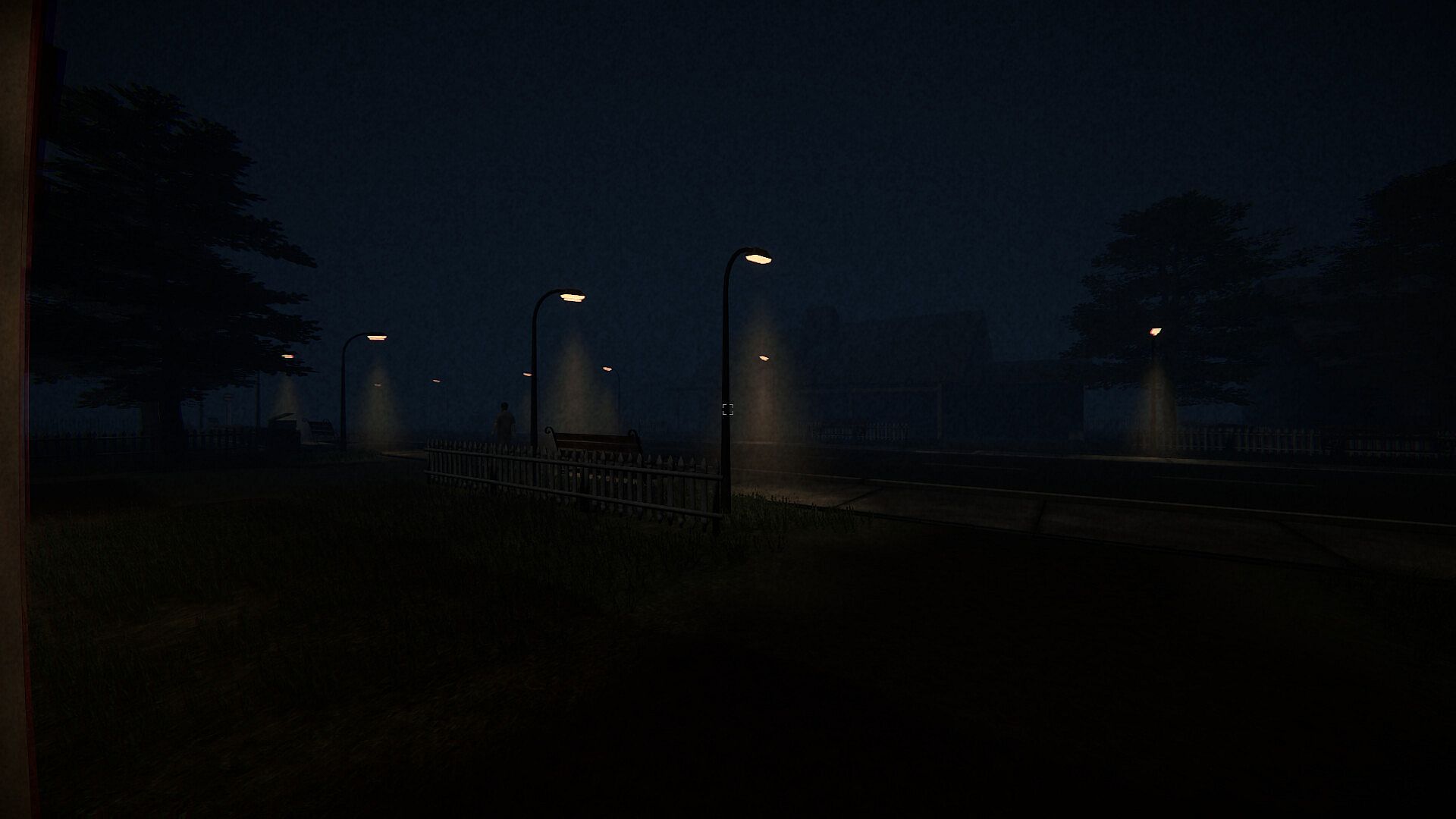
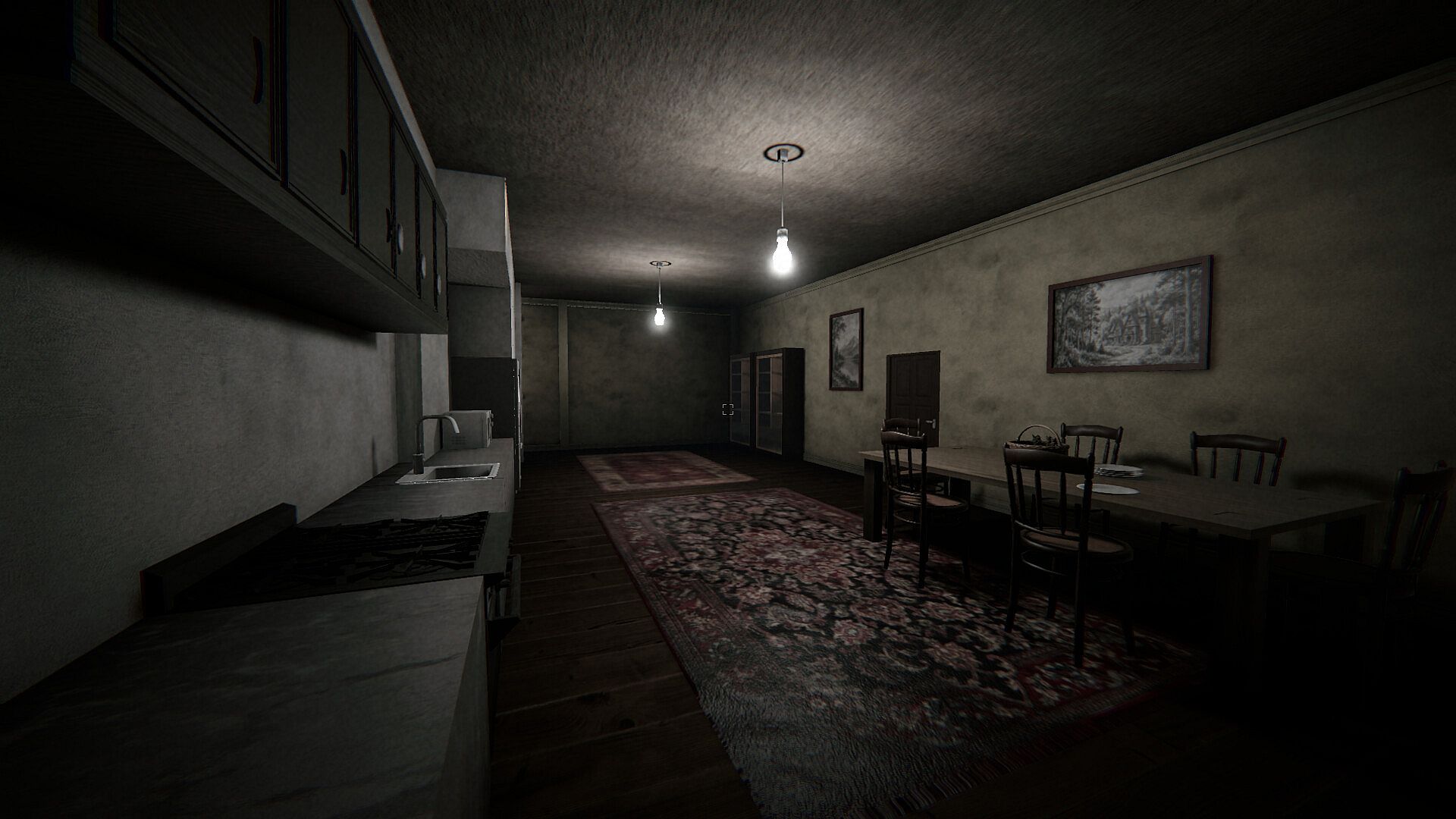
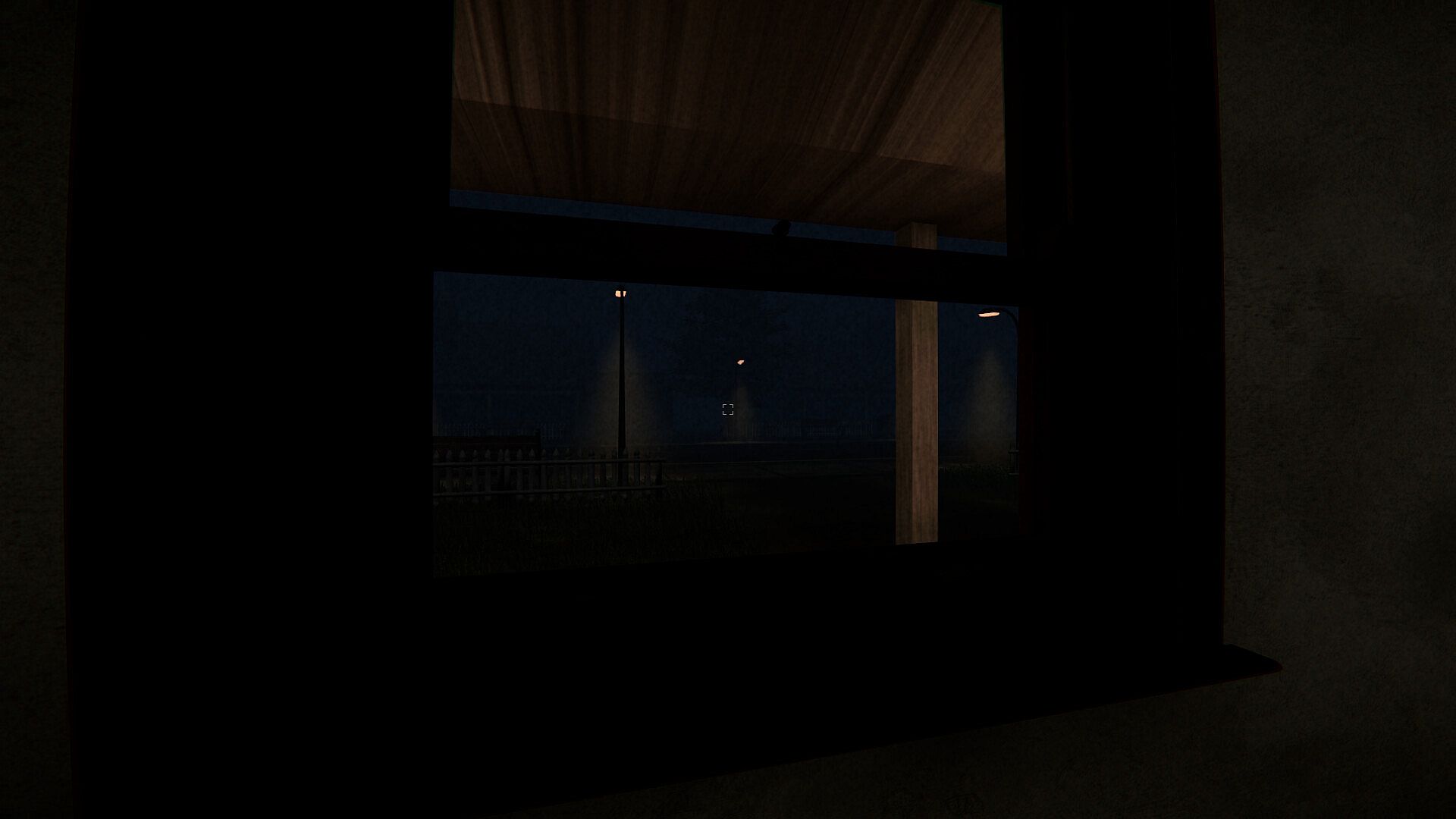
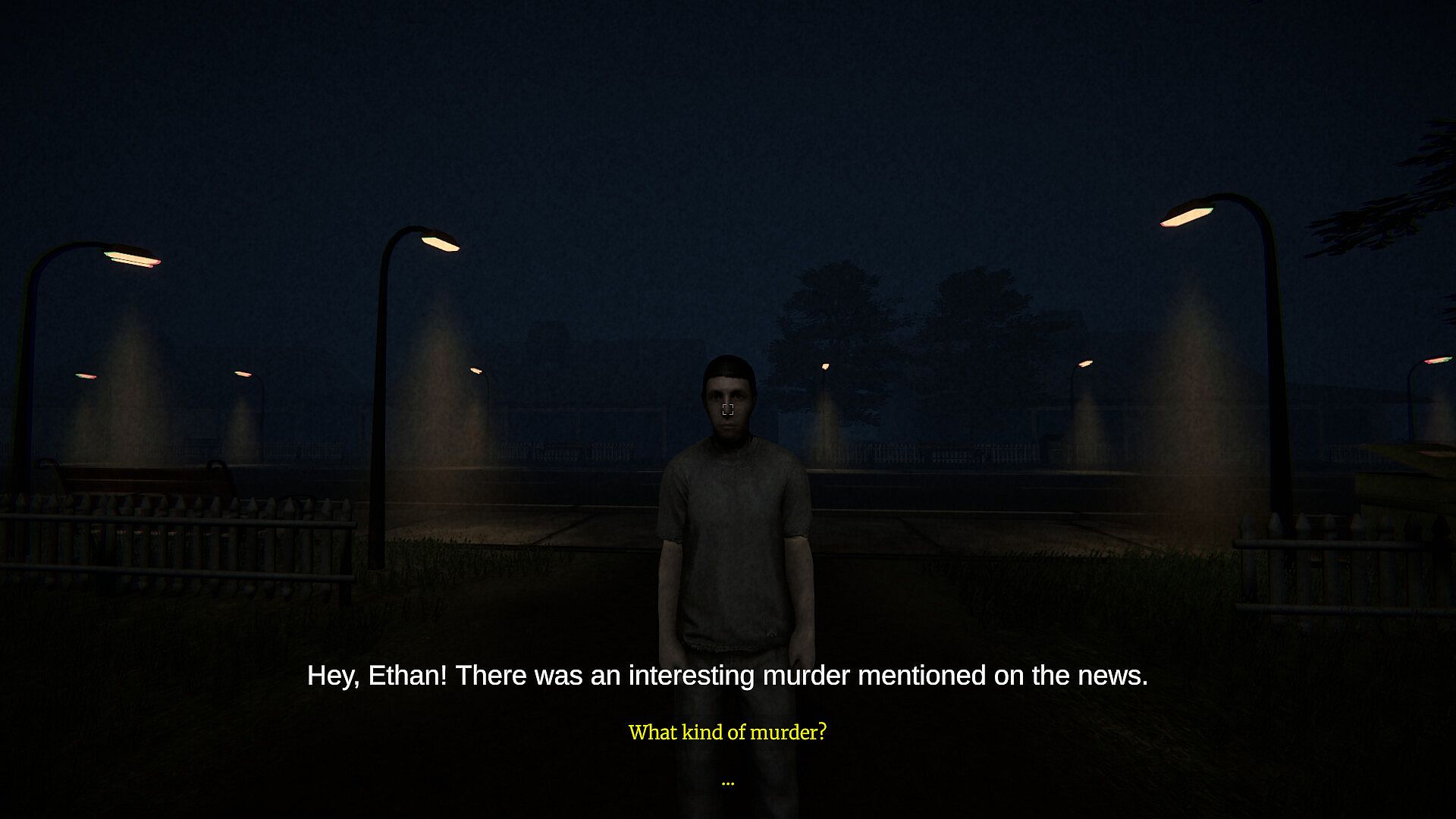
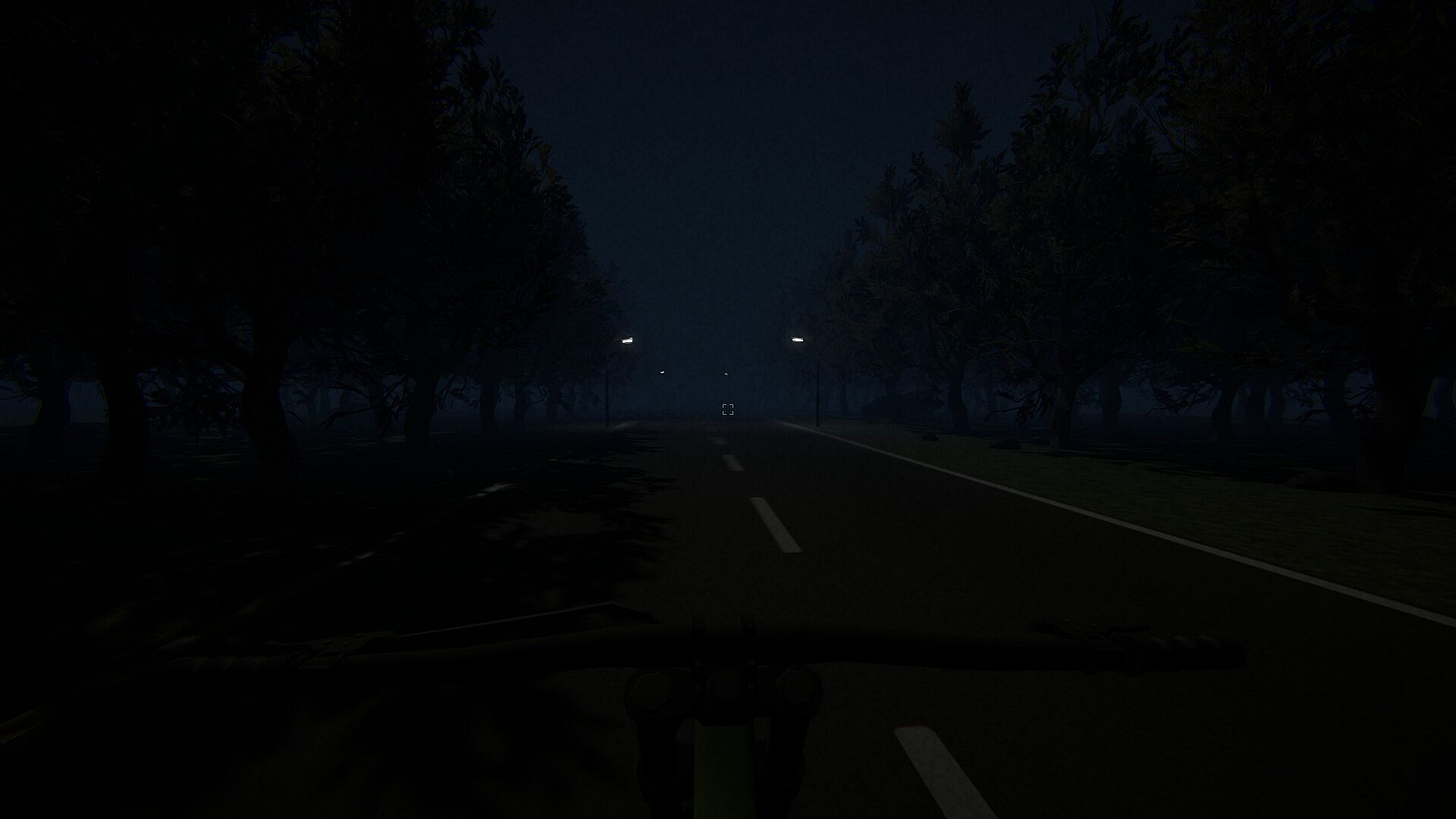
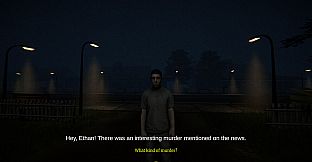
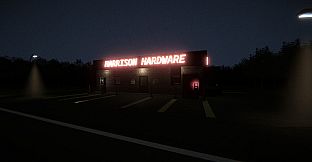
Atmospheric details shape every moment. The VHS film aesthetic overlays the visuals with a grainy, retro quality that heightens unease. Environments feel confined and hostile, with limited visibility and sound design that amplifies isolation. Dialogue systems branch based on choices, revealing secrets about the killer and Ethan's own background. Object interaction extends beyond simple examination to include hiding spots and environmental tools that support survival decisions.
Game Modes
The game operates entirely as a single-player experience. There are no multiplayer components or separate modes listed. Progression follows a linear story path punctuated by exploration segments, dialogue sequences, and stealth challenges. Players advance by uncovering clues and confronting fears in the forest, with no alternate campaigns or competitive elements available.
Key Features and Mechanics
Several systems define the horror approach. Stealth and hiding form the primary defense against the advanced enemy AI, which tracks movement and sound. The listening microphone integrates real player audio into the experience, forcing careful communication or silence during tense moments. Interactive NPCs provide information through dialogue trees that influence later events. Mysterious phone calls serve as both plot devices and audio cues that disrupt the quiet forest atmosphere.
The oppressive environment encourages careful movement. Limited resources and the need to confront personal fears push players toward deliberate decisions rather than direct confrontation. Object interaction supports puzzle-like moments where evidence must be pieced together to progress. These elements combine into a focused adventure that prioritizes psychological pressure over action sequences.
Is It Worth Playing?
This title suits players who enjoy atmospheric single-player horror with emphasis on exploration, dialogue, and stealth. The first-person perspective and VHS style create a consistent sense of dread in an isolated forest setting. Mechanics such as the listening microphone and advanced AI introduce unique tension that differentiates it from standard walking simulators.
Since the game remains unreleased with no user reviews available, reception cannot be assessed yet. It targets fans of indie psychological horror who value narrative discovery and evasion over combat or large-scale action. Those drawn to casual adventure pacing mixed with oppressive tension will find the listed features align with that preference. Availability is limited to PC once it launches, and the single-player structure keeps the focus narrow and personal.