




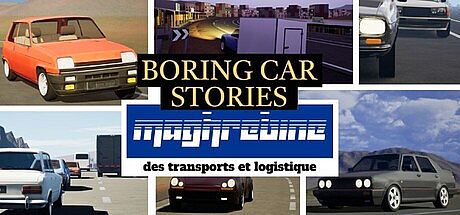



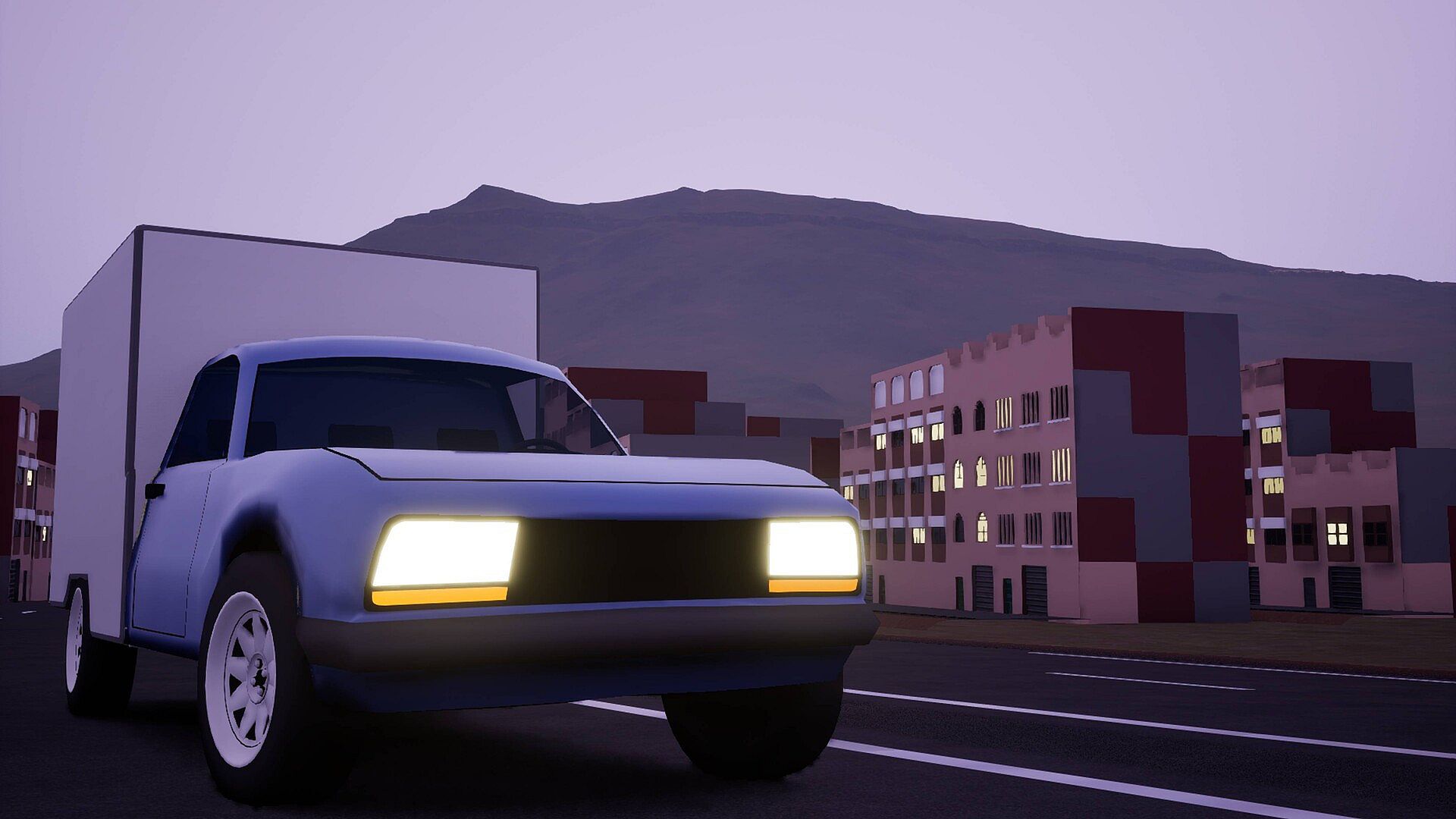
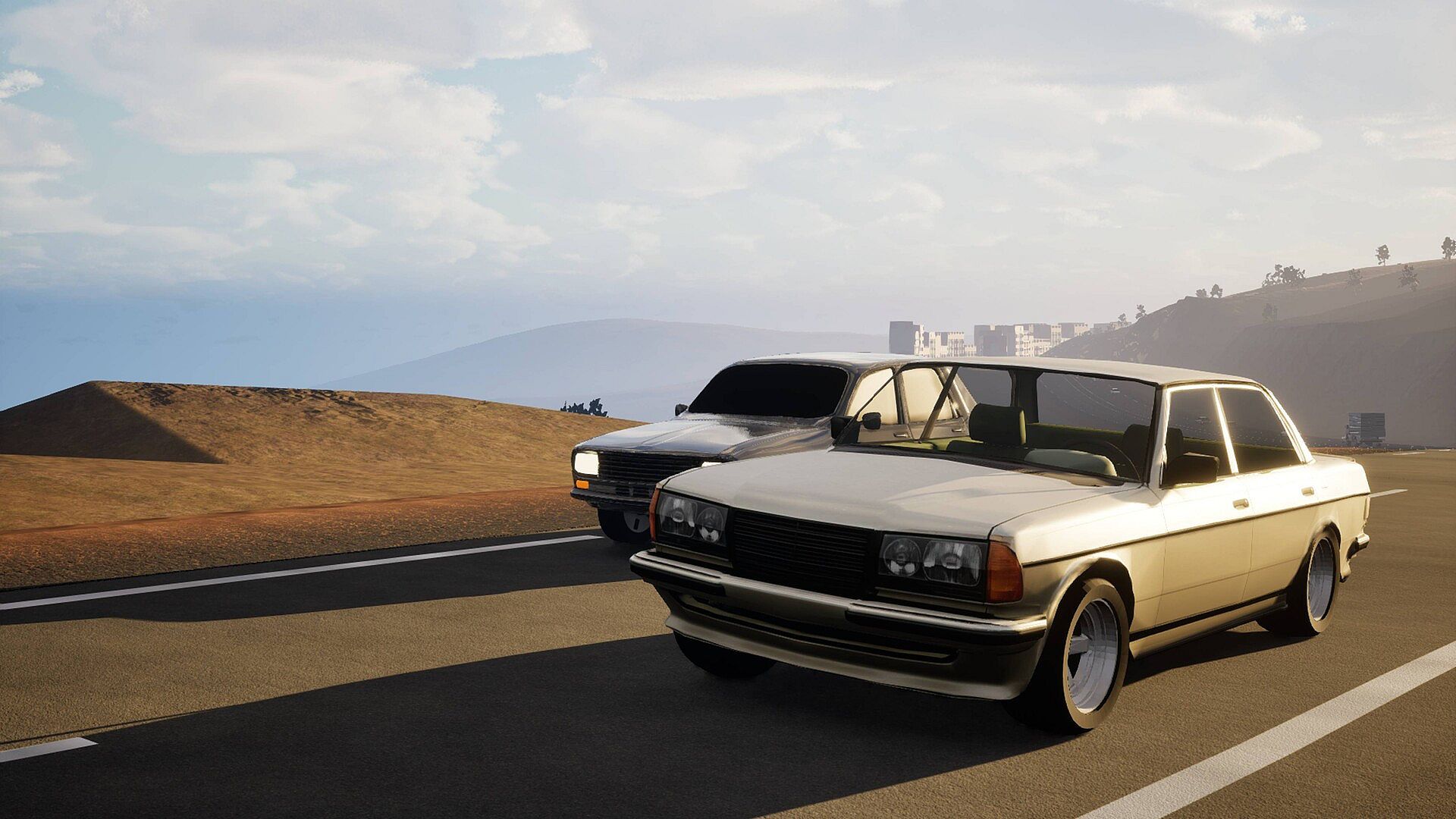
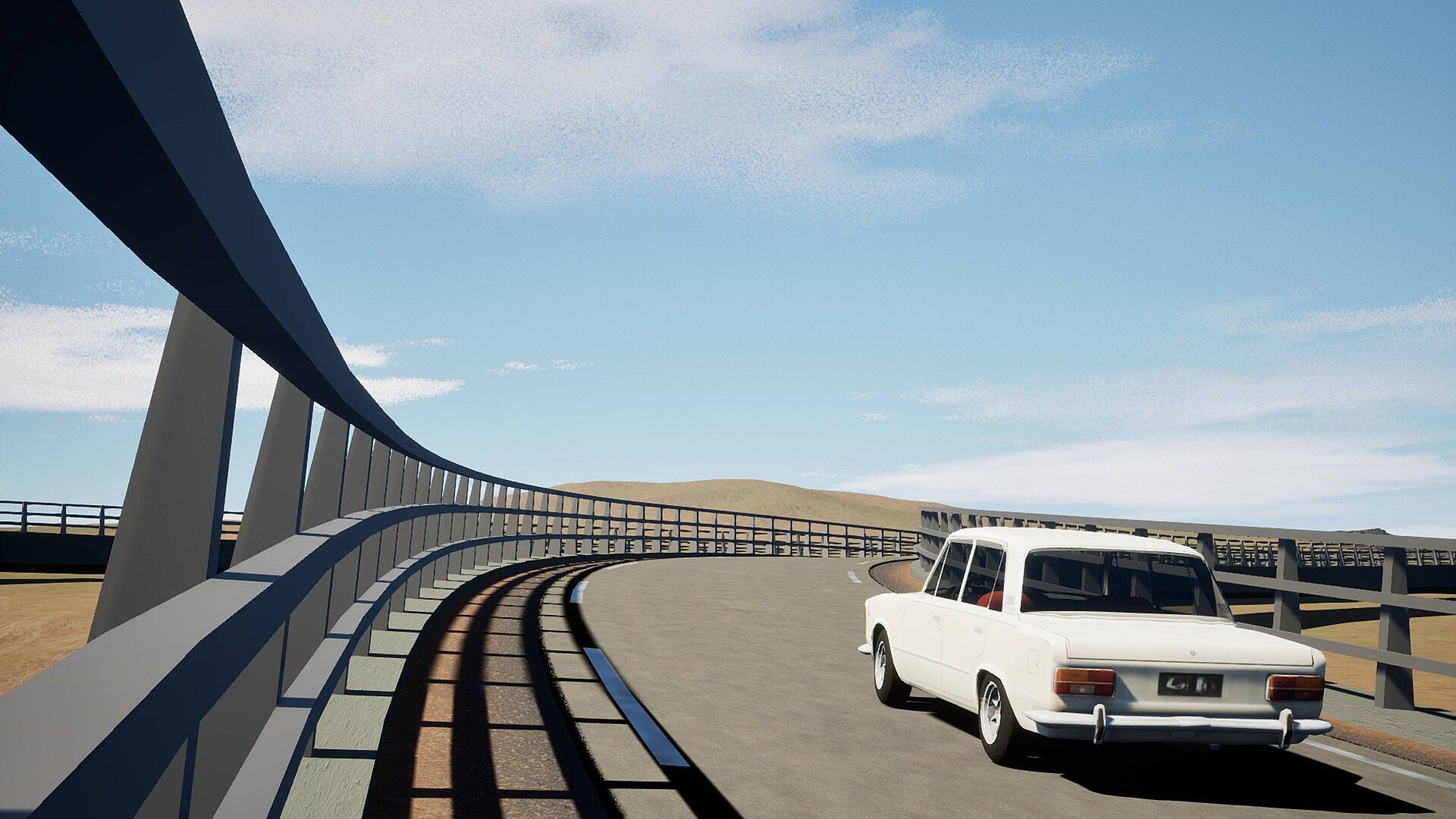
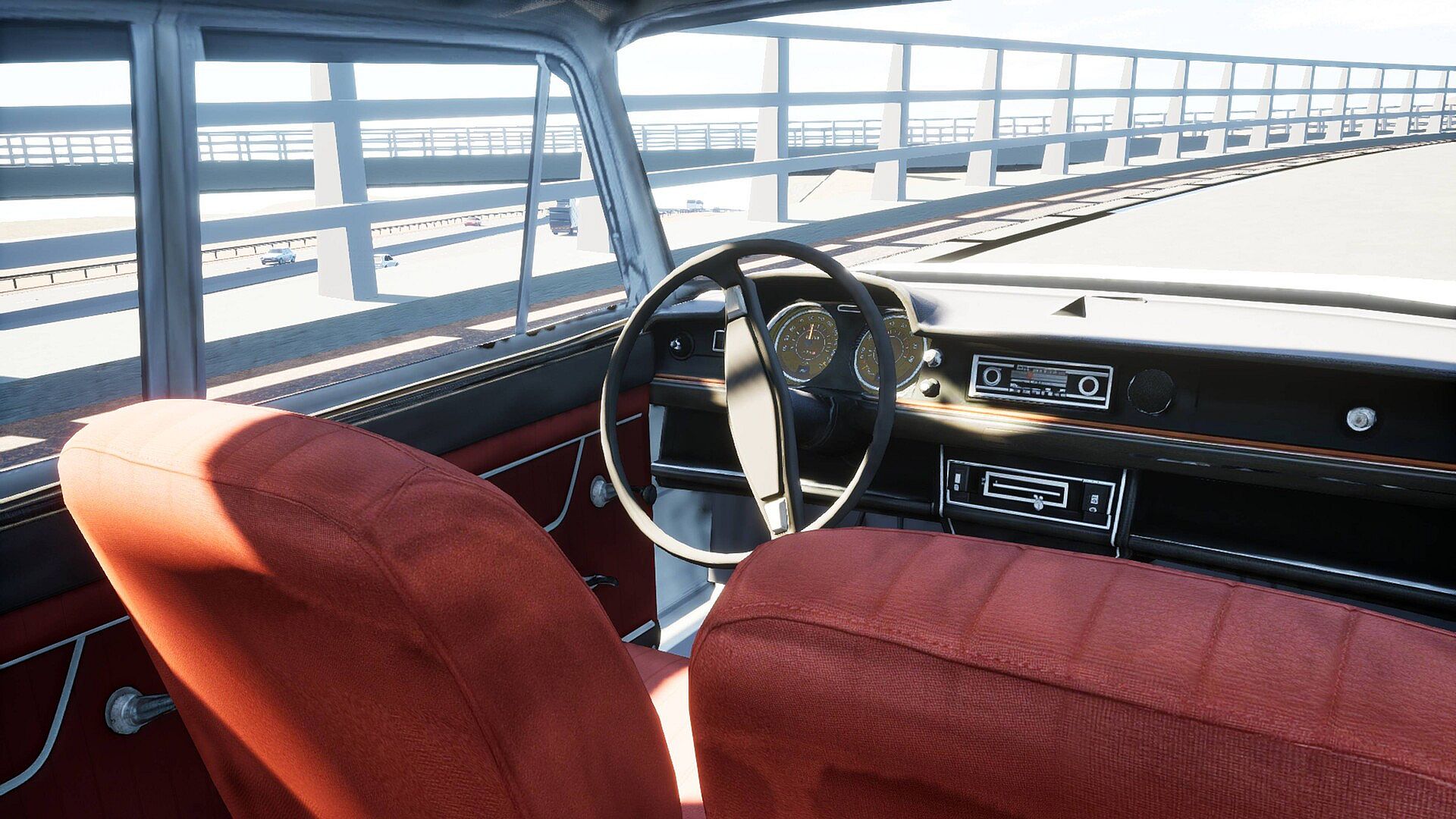
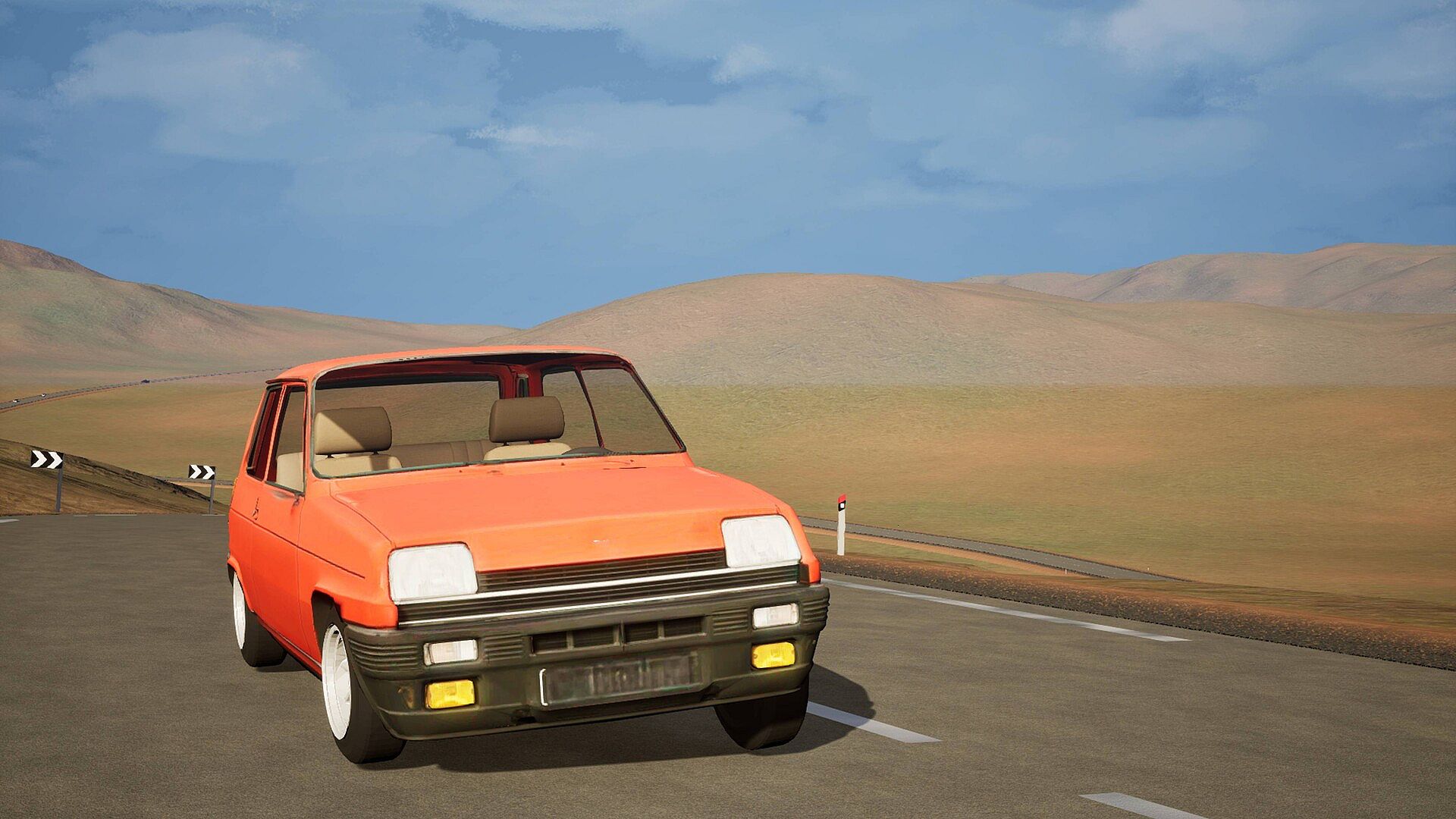
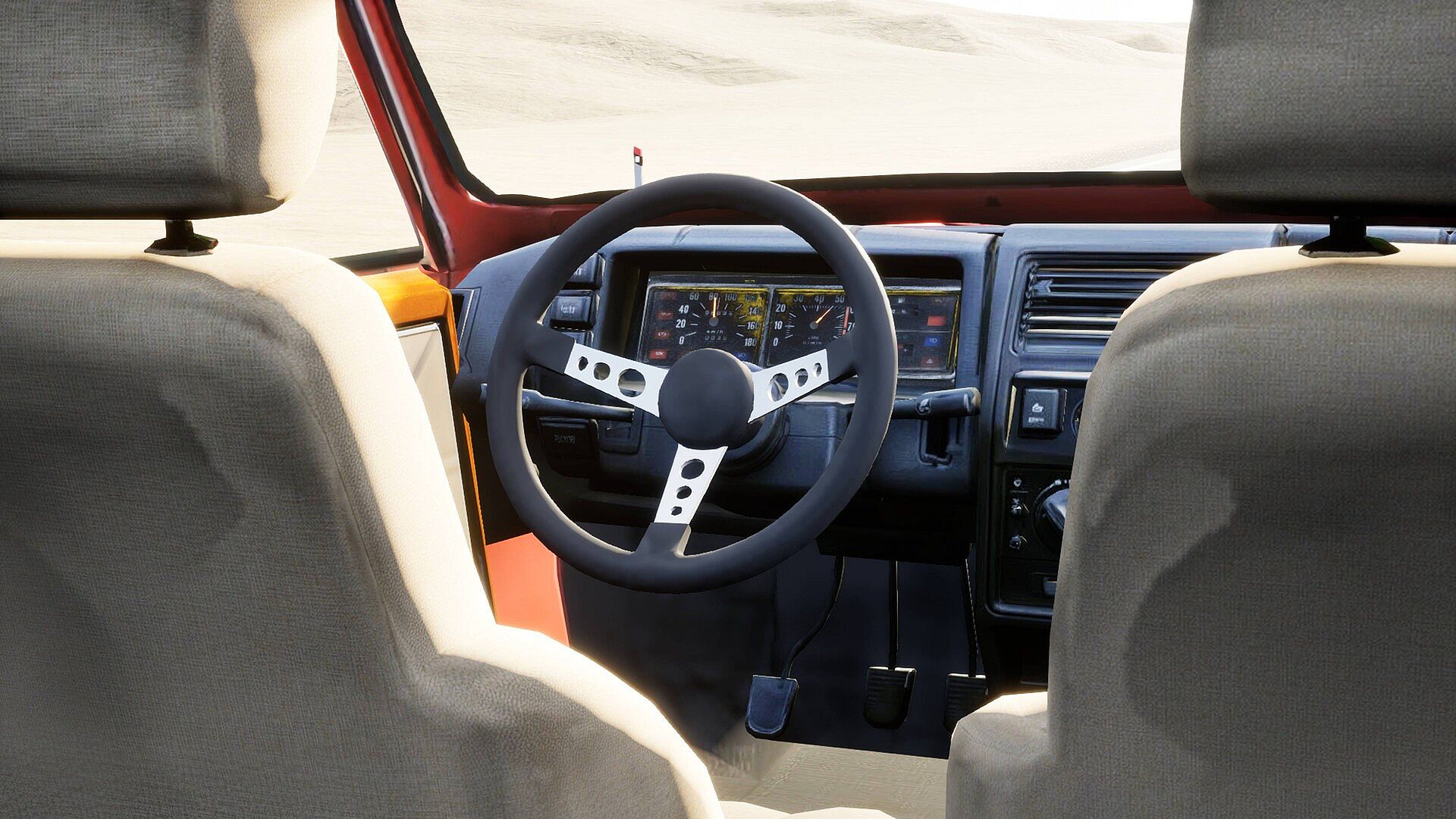
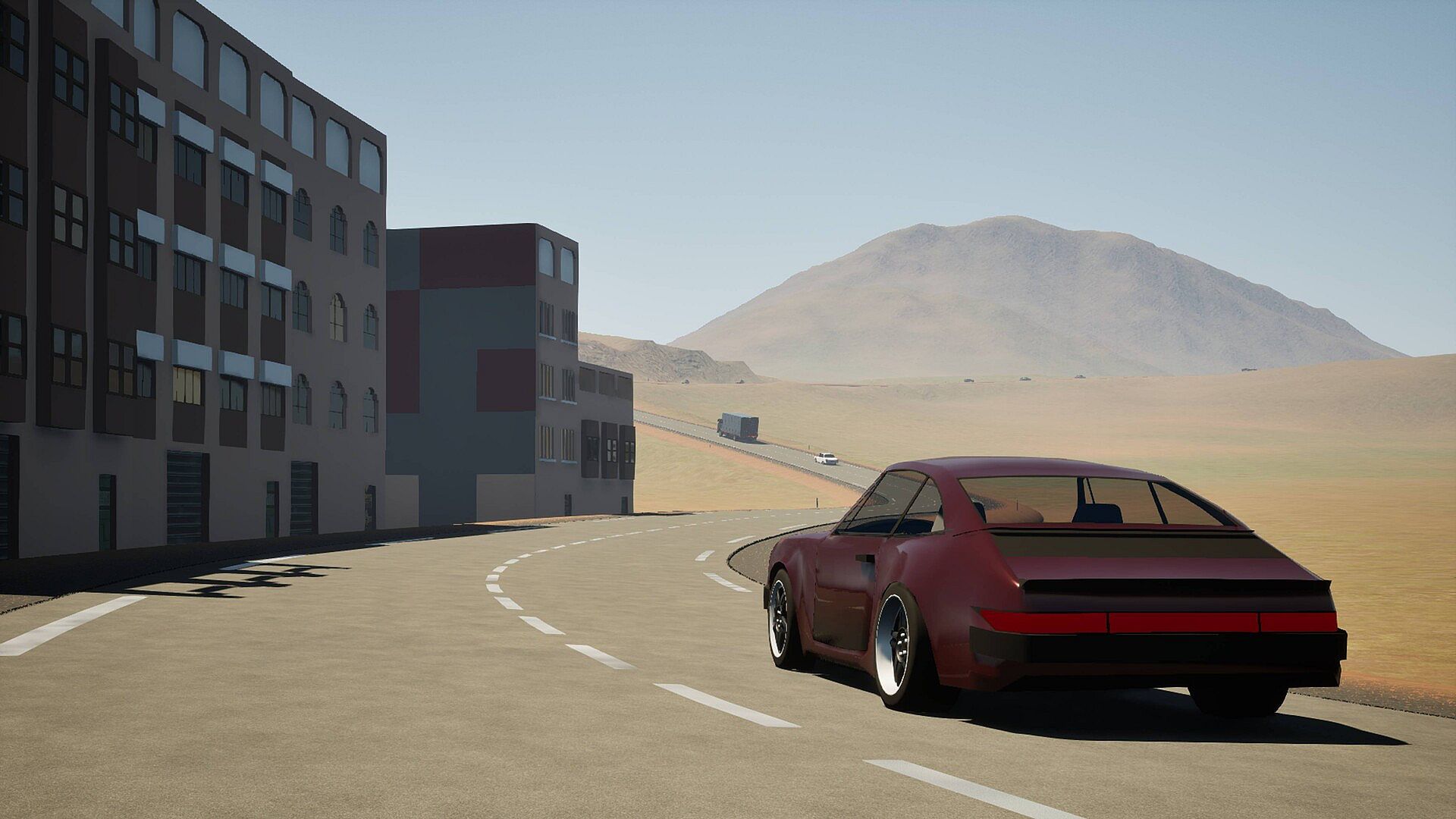
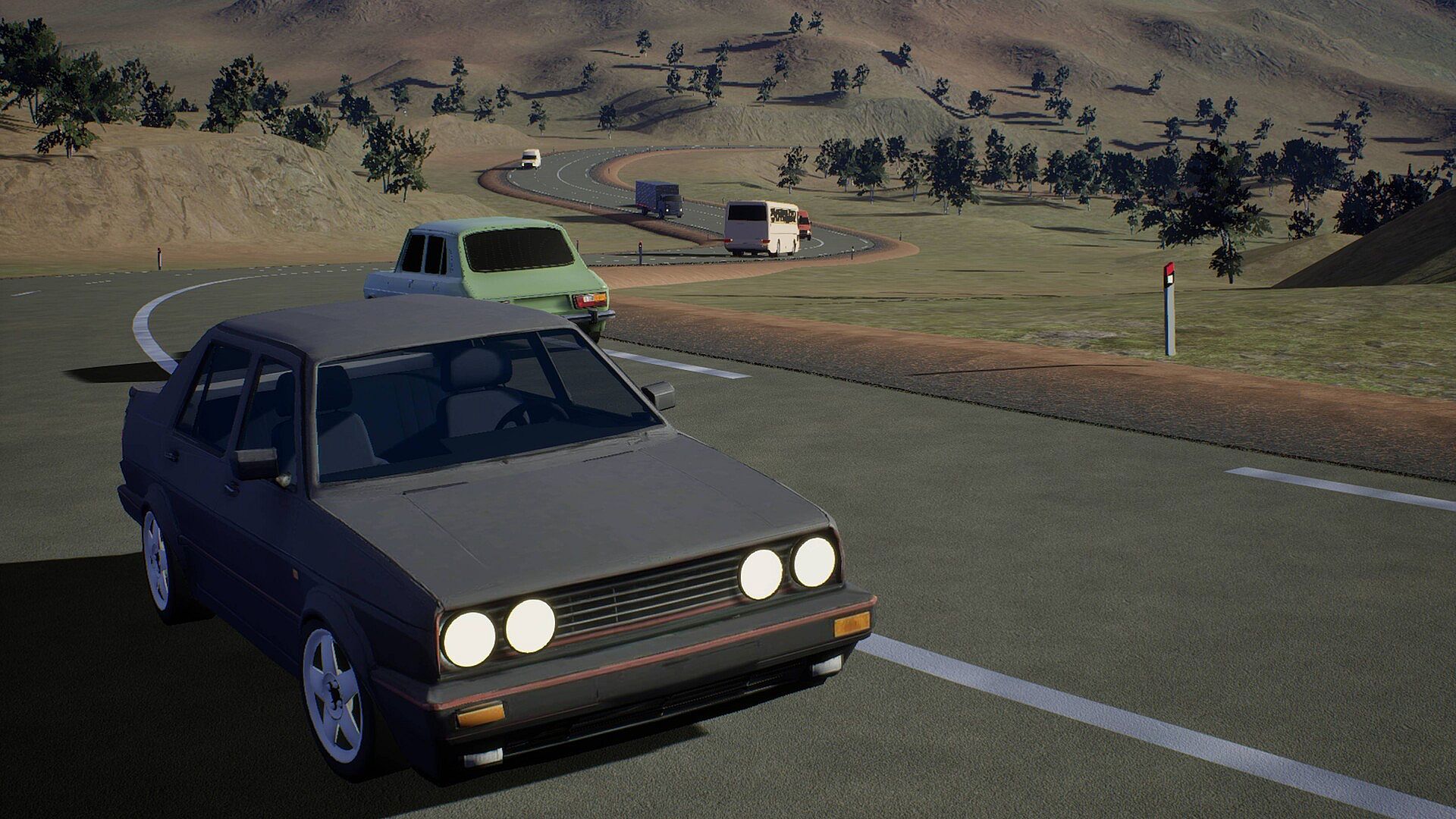
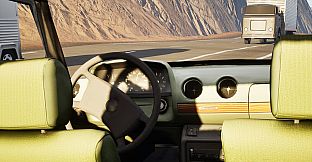
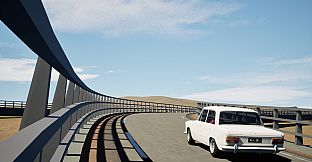
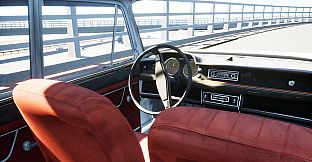
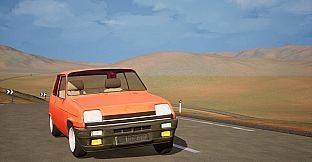
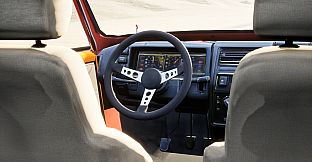
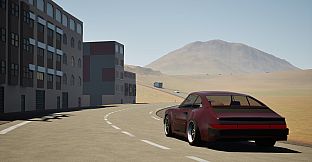
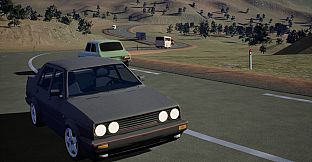
Boring Car Stories Maghrebine des Transports et Logistique es un juego indie de simulación de conducción centrado en la experiencia de manejar vehículos modestos de los años ochenta por carreteras acordes a sus prestaciones. El jugador encarna a Yassine, un joven que se enfrenta a la vida adulta mientras trabaja para una empresa de transporte y logística en el Magreb durante esa década. El título destaca por el realismo en el ancho de las vías, las cajas de cambios manuales y los motores de entre 80 y 180 CV, disponibles en configuraciones de tracción delantera, trasera o motor trasero, con opciones diésel, gasolina, atmosféricos o turbo. No hay ayudas electrónicas y el énfasis recae en cómo responden estos coches sobre diferentes superficies, más que en la velocidad punta.
Gameplay
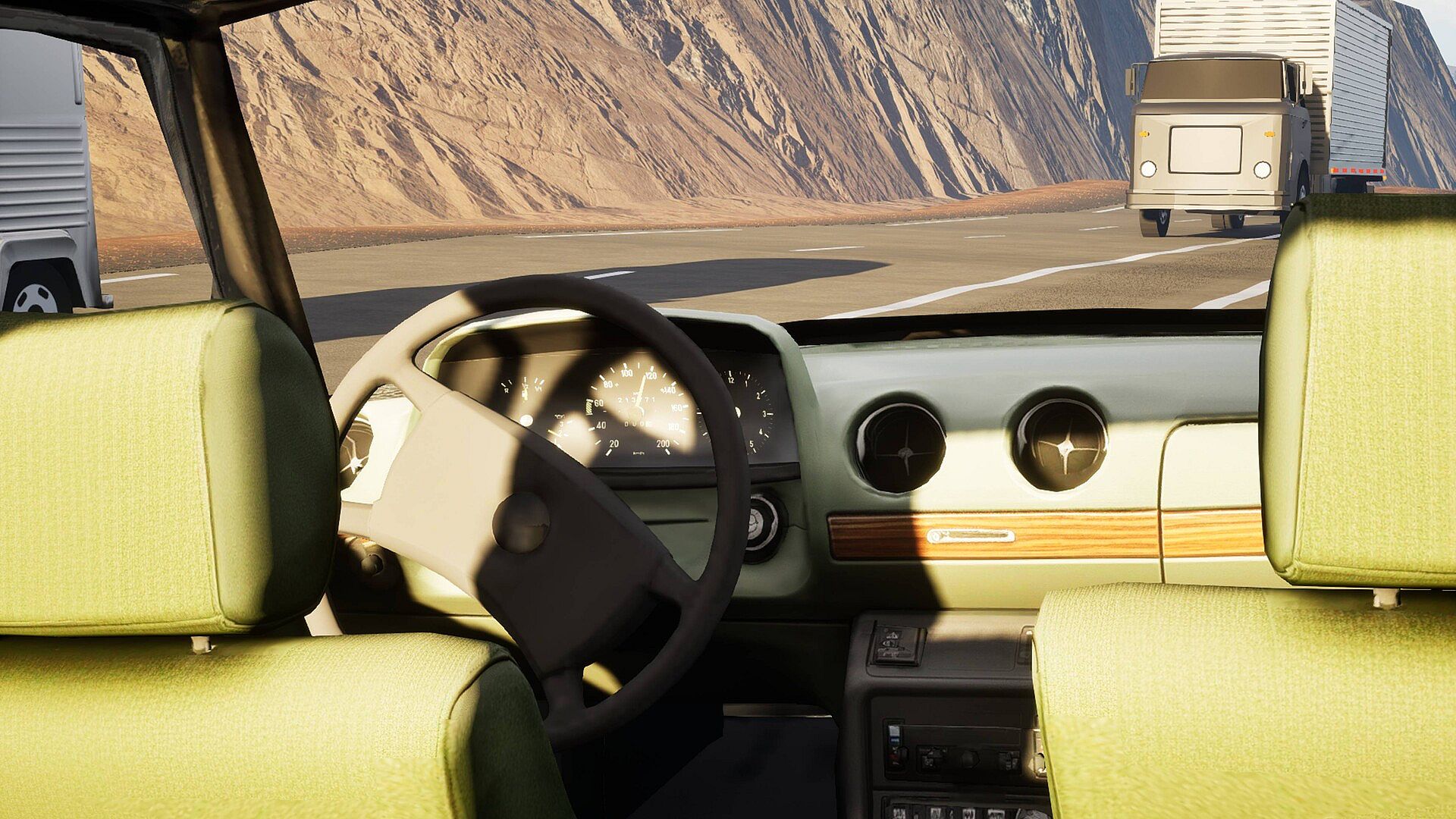
El bucle principal consiste en completar entregas y tareas de representación que exigen un control preciso de coches de baja potencia entre el tráfico y las condiciones cambiantes de la carretera. La física se sitúa en un punto intermedio entre simulación y arcade, ofreciendo un manejo sensible que premia los movimientos fluidos y el uso correcto de marchas sin exigir precisión profesional. El force feedback funciona con varios volantes, transmitiendo directamente la sensación de la carretera y el agarre de los neumáticos. Aunque se puede jugar con teclado y mando, la experiencia mejora notablemente con volante. Los entornos recrean paisajes del Magreb, con carreteras de anchura realista para la época que hacen que un coche de 80 CV resulte estimulante en lugar de lento. Los vehículos de tráfico muestran comportamientos diferenciados, lo que añade imprevisibilidad a los trayectos y entregas. El juego funciona sin problemas en hardware modesto y mantiene un rendimiento estable sin necesidad de ajustes gráficos elevados.
Game Modes
La progresión sigue una estructura narrativa en la que el jugador avanza por etapas que incorporan nuevos vehículos, rutas y responsabilidades. Cada etapa comienza con un fragmento de narración en audio que contextualiza el trayecto siguiente. La carrera principal se compone de trabajos secuenciales que van desde entregas básicas hasta tareas de representación más variadas, sin sistemas de progresión por repetición ni desbloqueos. Algunas etapas incluyen tráfico controlado por IA u otros vehículos que interactúan con la ruta del jugador. El diseño centra las sesiones en trayectos individuales en lugar de eventos competitivos o exploración en mundo abierto, permitiendo completar el juego en aproximadamente 90 minutos a través de las etapas disponibles. En el estado actual del desarrollo no existen modos multijugador ni contrarreloj independientes.
Setting and Vehicles
El escenario del Magreb de los años ochenta define tanto las carreteras como la selección de coches, priorizando vehículos de uso cotidiano frente a modelos deportivos. Las configuraciones y mecánicas varían lo suficiente como para modificar la sensación de conducción entre trabajos, desde robustos diésel hasta opciones más ligeras de gasolina. Las carreteras incorporan anchuras y cambios de superficie realistas que ponen de relieve las cualidades de estos vehículos modestos cuando se conducen a velocidades adecuadas. La ausencia de autopistas anchas o grandes desniveles mantiene el foco en el control del acelerador, los puntos de frenada y la interacción con el tráfico en lugar de en las velocidades máximas.
Is It Worth Playing?
Este título está dirigido a jugadores que valoran un ritmo pausado y la respuesta mecánica por encima de la potencia bruta o el espectáculo visual. Quienes prefieren un manejo simcade con force feedback encontrarán la física gratificante en los trayectos repetidos por las mismas rutas. El formato narrativo ofrece una historia compacta sin exigir sesiones largas ni intentos repetidos de la misma tarea. Al tratarse de un título en acceso anticipado, la versión actual se centra en la conducción principal y un número reducido de etapas, con posibilidad de contenido adicional en el futuro. Quienes busquen superdeportivos, vueltas rápidas en circuito o máxima fidelidad visual encontrarán el alcance limitado. El juego recompensa la paciencia con vehículos de baja potencia y la atención a la sensación de la carretera, convirtiéndolo en una opción especializada dentro del género de simulación de conducción para quienes compartan su filosofía de diseño.












