

Battleships: FleetForge is a roguelite strategy game that reimagines the classic grid-based naval combat of Battleship. Developed as an indie title in early access for PC, it blends turn-based tactics with procedural progression where players command expanding fleets against escalating threats in a persistent run structure.
Gameplay
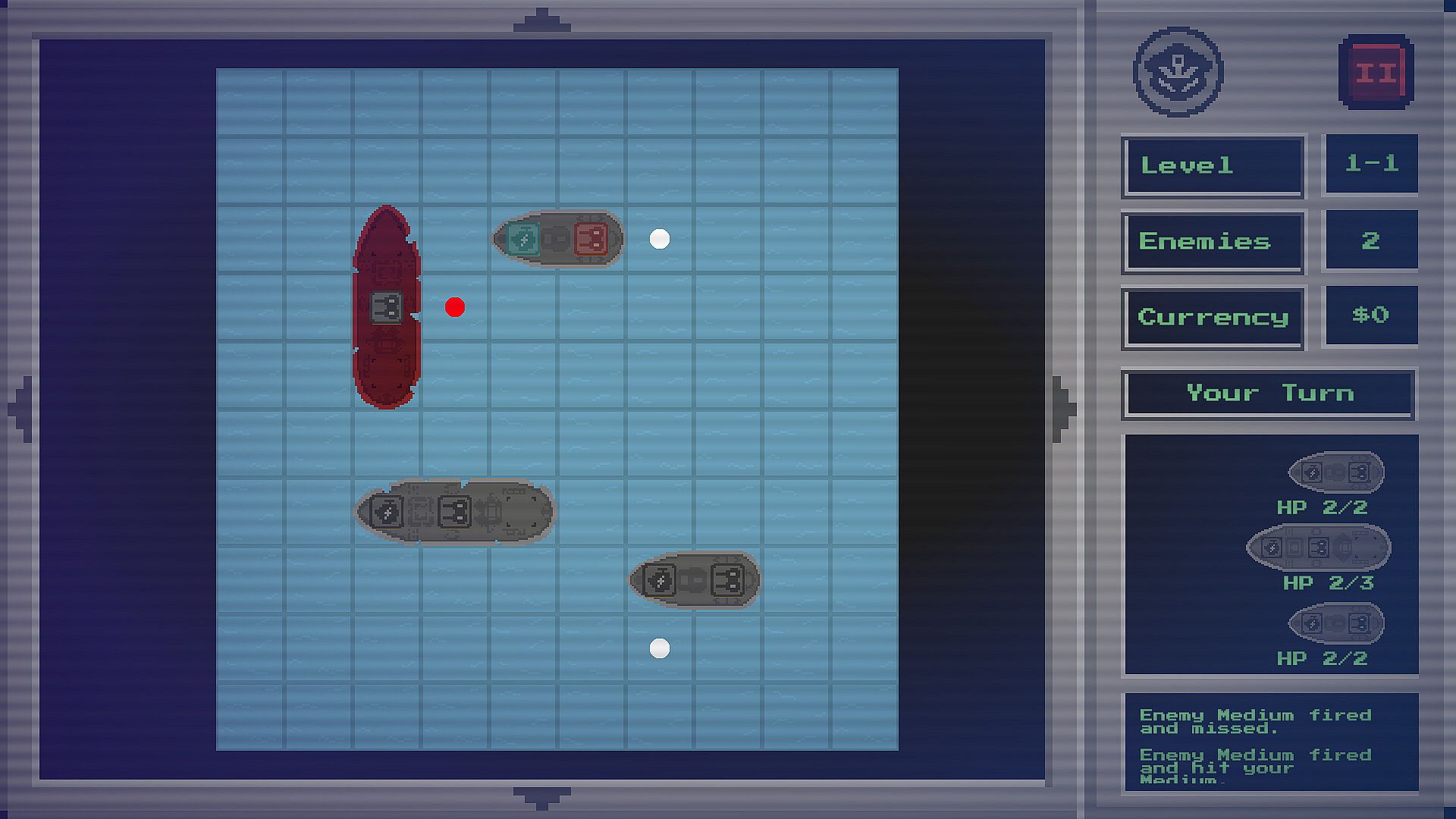
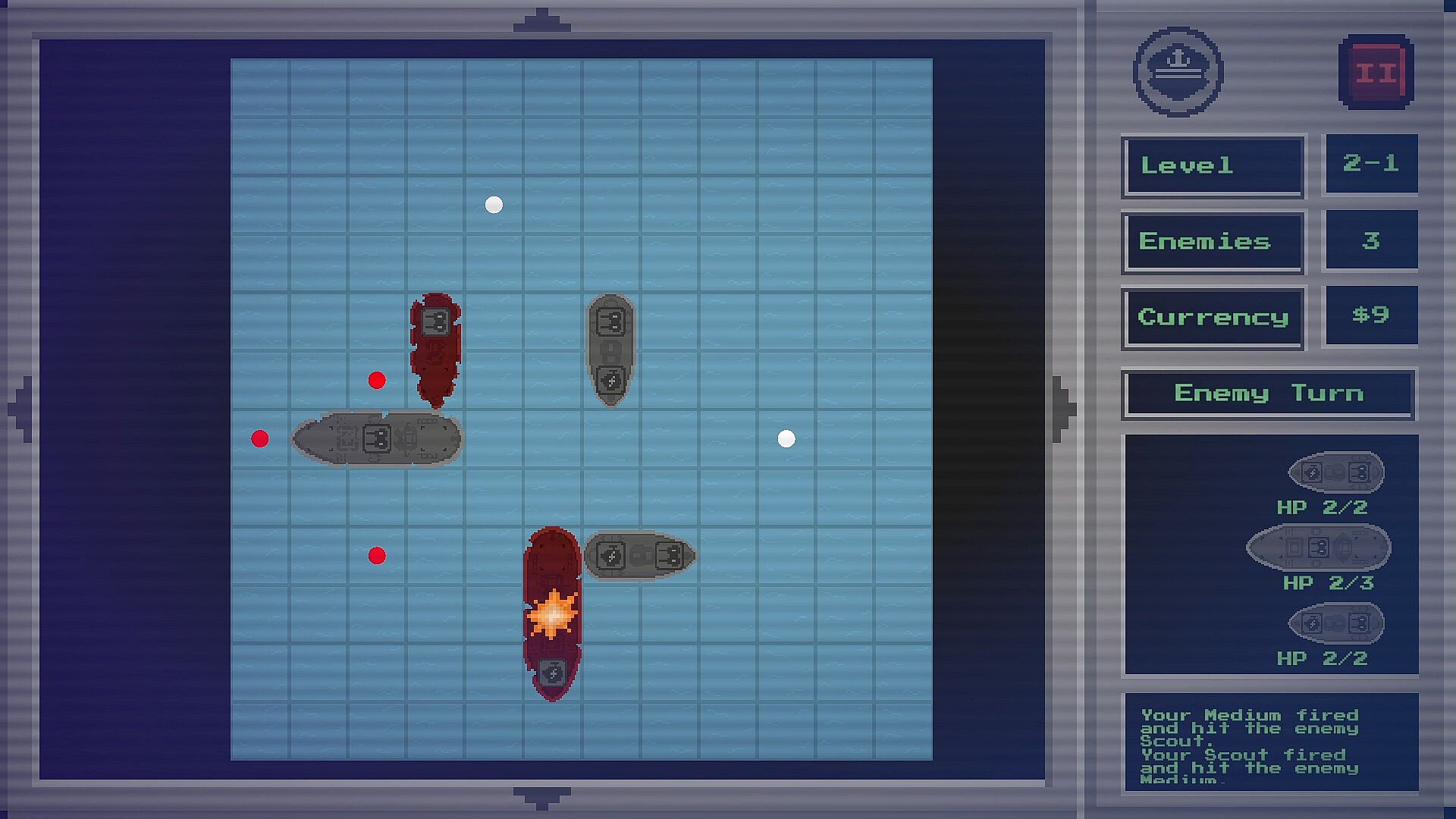
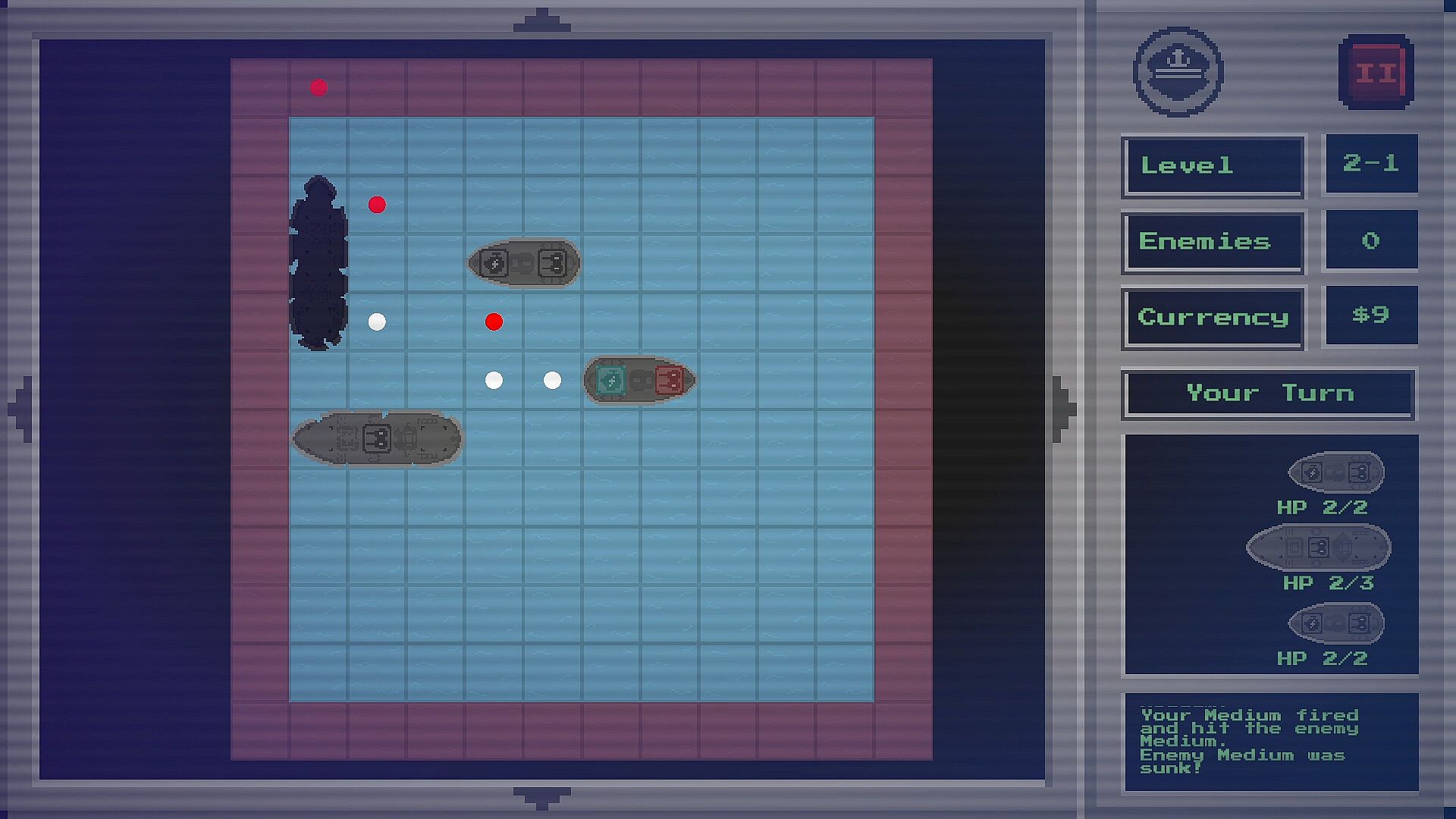
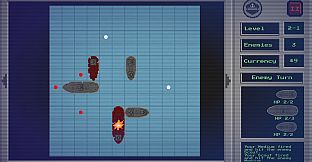
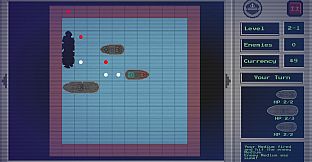
The core loop centers on tactical grid combat that follows traditional Battleship rules but expands them into layered decision-making. Players position and manage a fleet across a grid that grows with each tier of difficulty. Combat unfolds in turns where shots reveal positions in true fog of war, requiring careful probing before committing firepower. The battlefield itself changes over extended fights as sections degrade, forcing adaptive positioning.
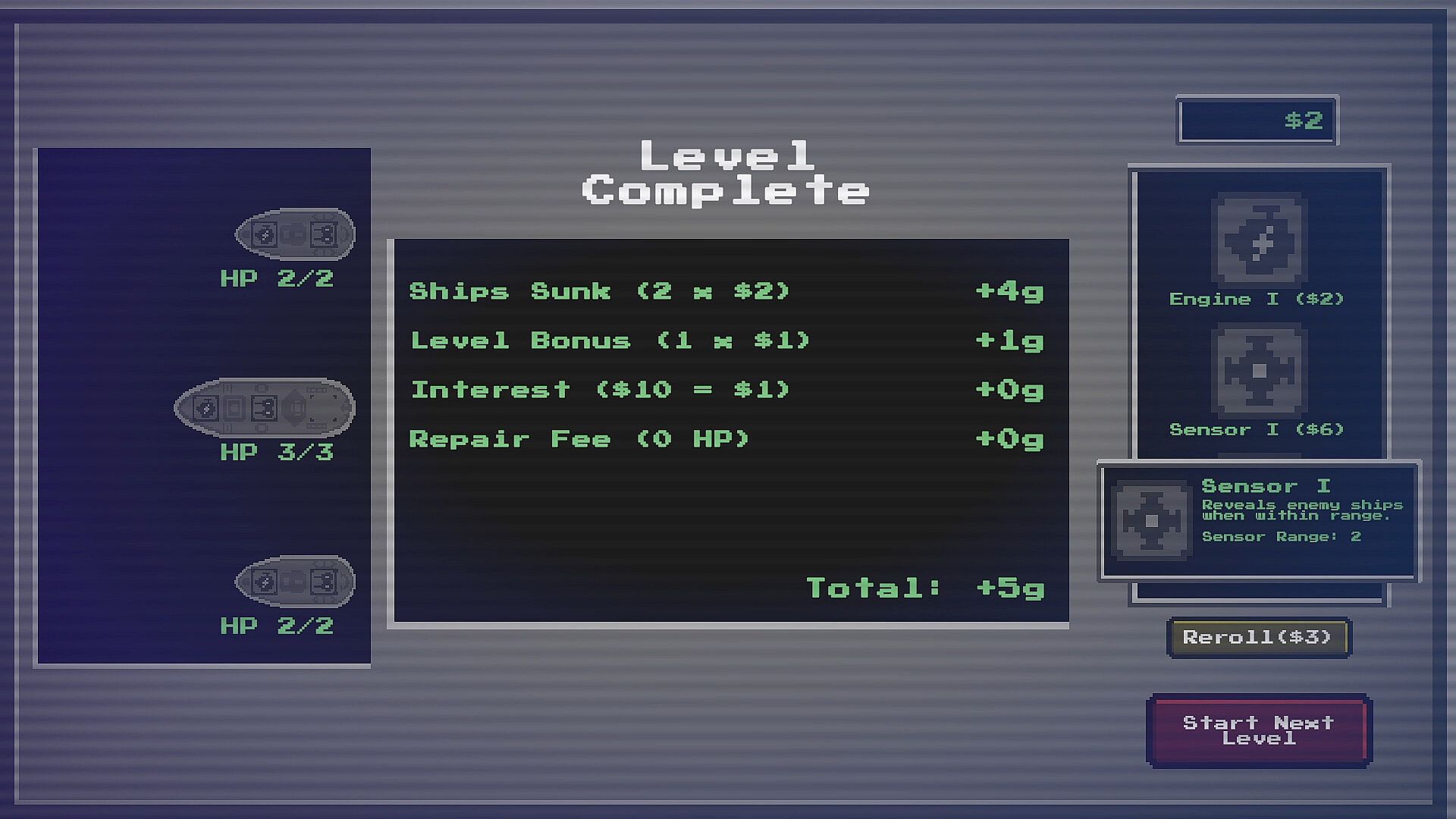
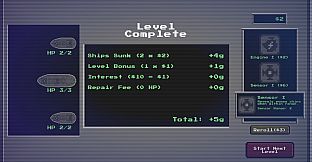
Every ship functions as a modular vessel built from components. Hull size determines capacity for equipment, with larger options offering more slots at the cost of increased vulnerability. Basic setups start with engines for movement and naval guns for attacks. Additional modules include shields that absorb hits, jammers that mask position at the expense of durability, and sensors that reveal nearby threats. Components can be dragged, swapped, or sold between rounds in a shop system where currency choices directly influence survival odds in upcoming tiers.
Progression escalates without a fixed endpoint. Enemy fleets gain size, equipment quality, and aggression every few levels, matching the expanding grid. A run ends when the entire fleet is lost or combat capability drops to zero. Rewards from successful levels feed back into fleet growth and customization, creating a cycle of risk assessment around each purchase or reroll.
Game Modes
The game operates as a single-player roguelite experience built around endless, escalating runs. Each session starts with a basic fleet and builds through successive levels of increasing challenge. No separate competitive or cooperative modes appear in available details, keeping focus on solitary progression against AI opponents that scale in tier and composition.
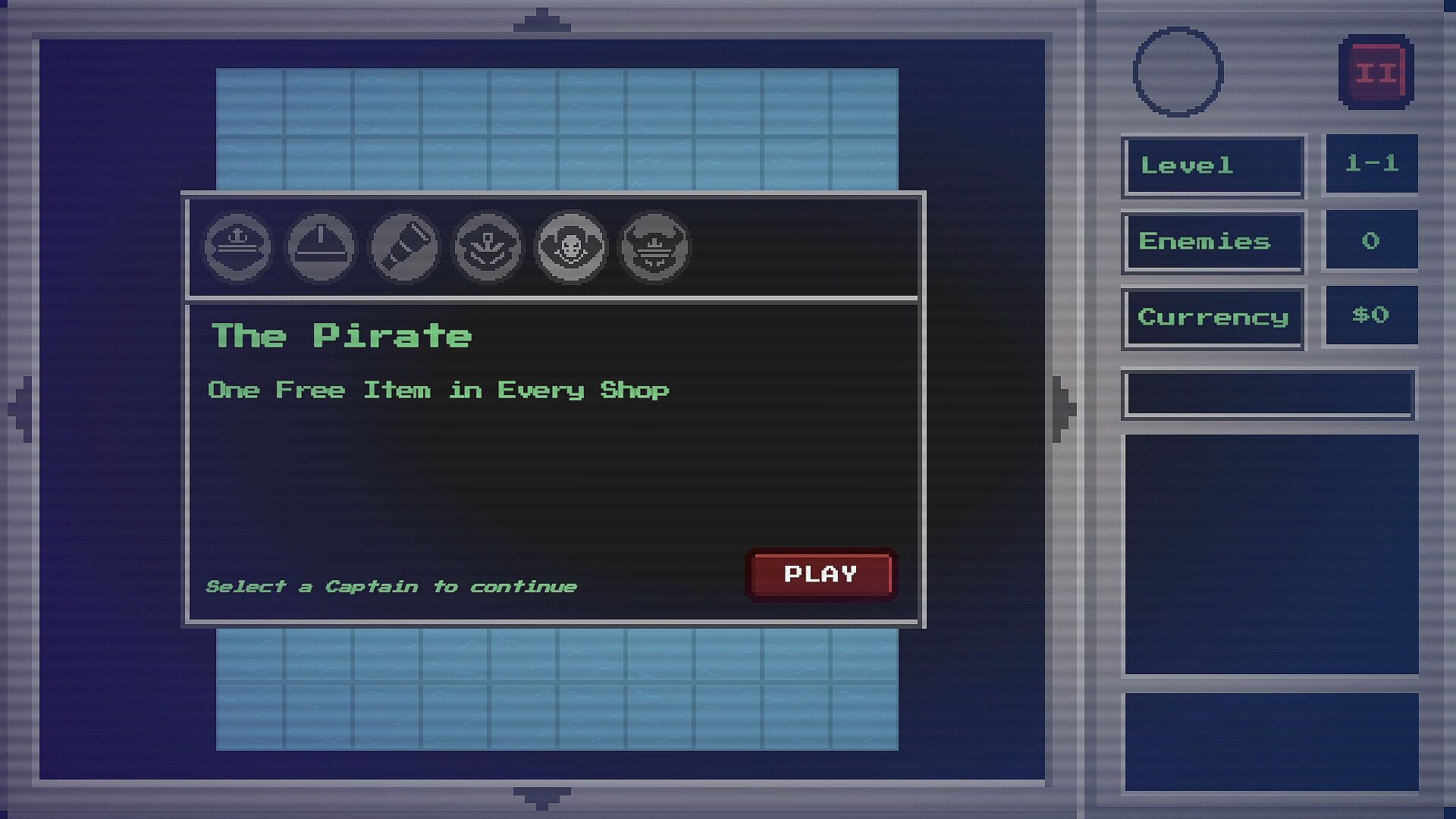
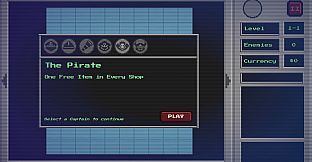
Captain selection adds variety within this structure. Up to five distinct captains unlock over time, each providing unique passive effects that alter fleet behavior or resource management without changing the fundamental grid combat rules.
Customization and Progression Systems
Modular ship building forms the heart of long-term strategy. Players mix engines for range and mobility, naval guns for direct damage, shields for protection, jammers for concealment, and sensors for reconnaissance across the fleet. Trade-offs arise constantly in the build-your-run shop, where affordability must balance against immediate and future needs.
Retro CRT-inspired visuals reinforce the classic roots while supporting the tactical clarity required for grid play. The presentation stays functional, highlighting ship positions, component status, and fog-of-war reveals without unnecessary effects.
Is It Worth Playing?
Battleships: FleetForge suits players who enjoy roguelite structure combined with deliberate, turn-based strategy on a grid. The endless escalation rewards careful resource allocation and component experimentation across repeated runs. Those seeking quick matches or multiplayer options may find the single-player focus limiting, while fans of modular builds and fog-of-war tension will appreciate the depth in fleet composition decisions. As an early access title, the experience centers on core systems that emphasize one more level of survival over narrative or social features.