






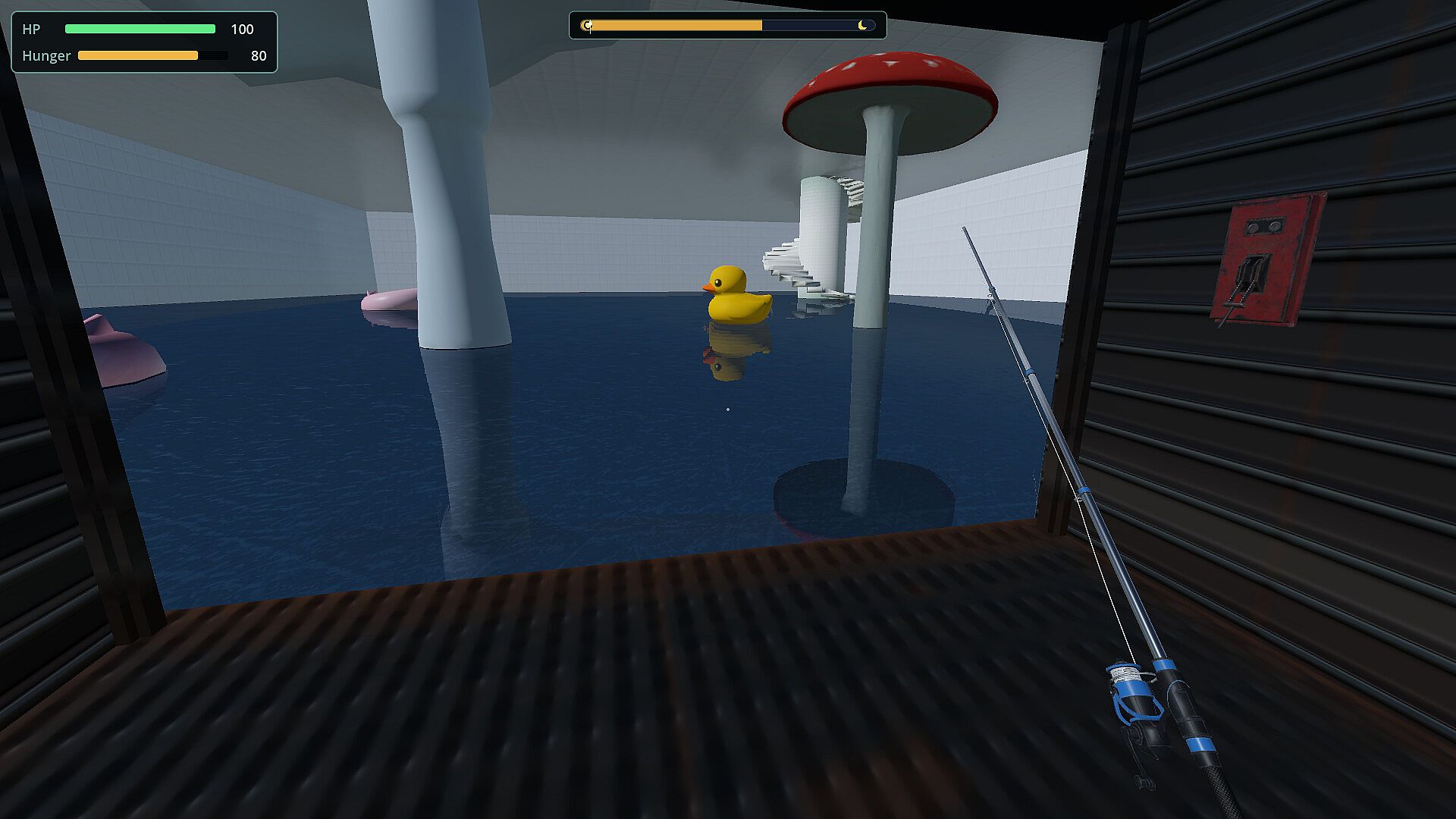
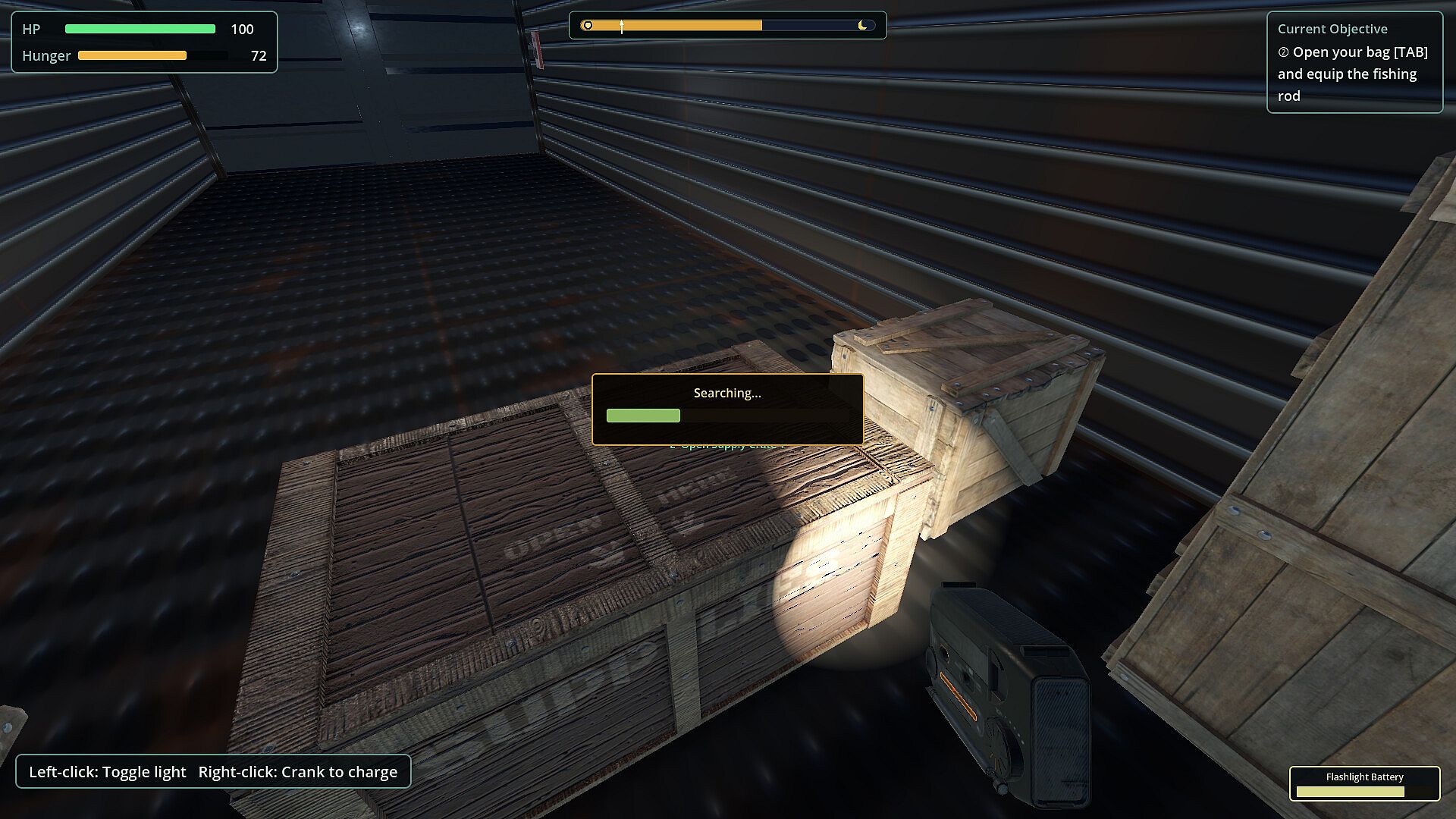
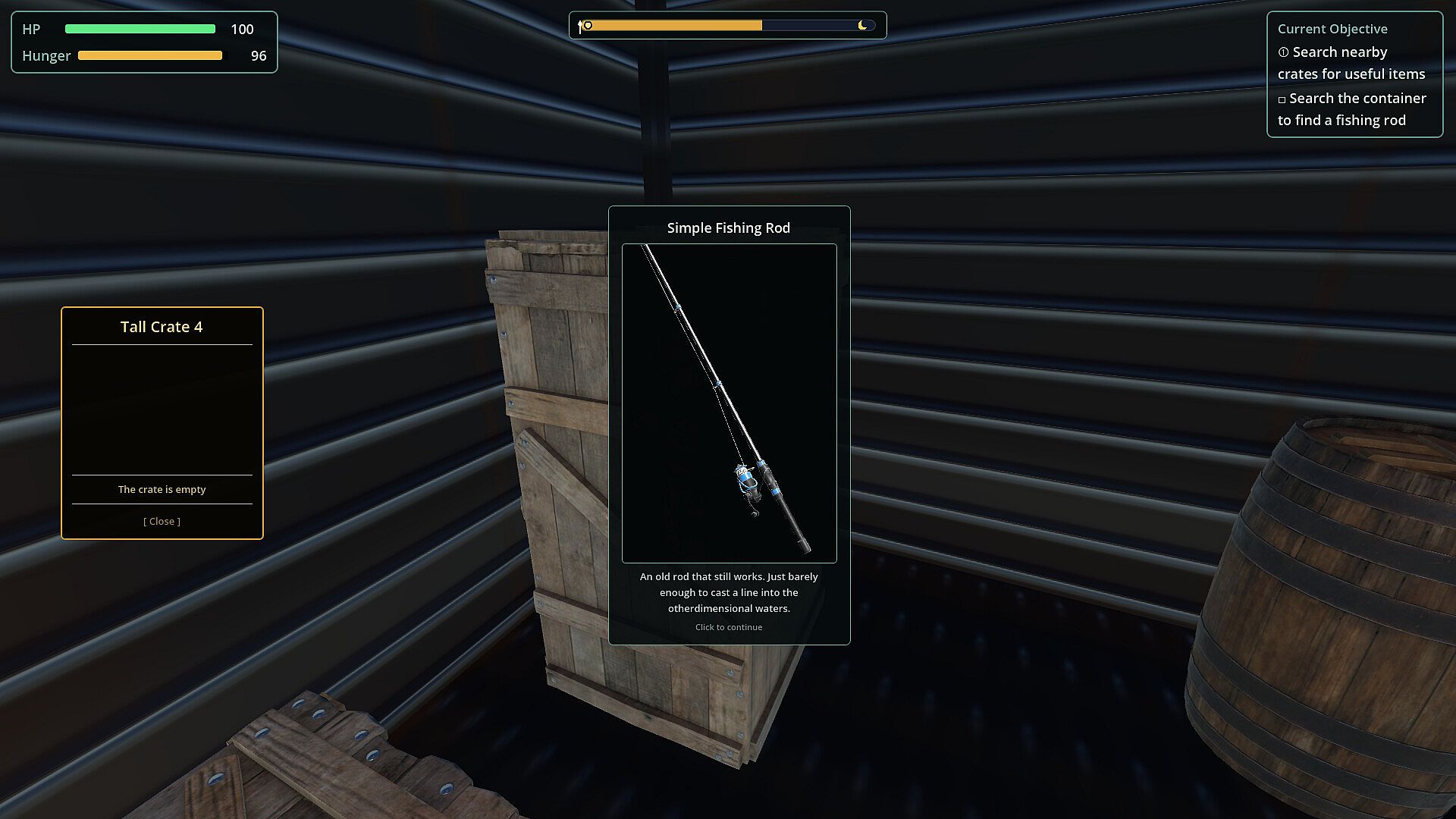
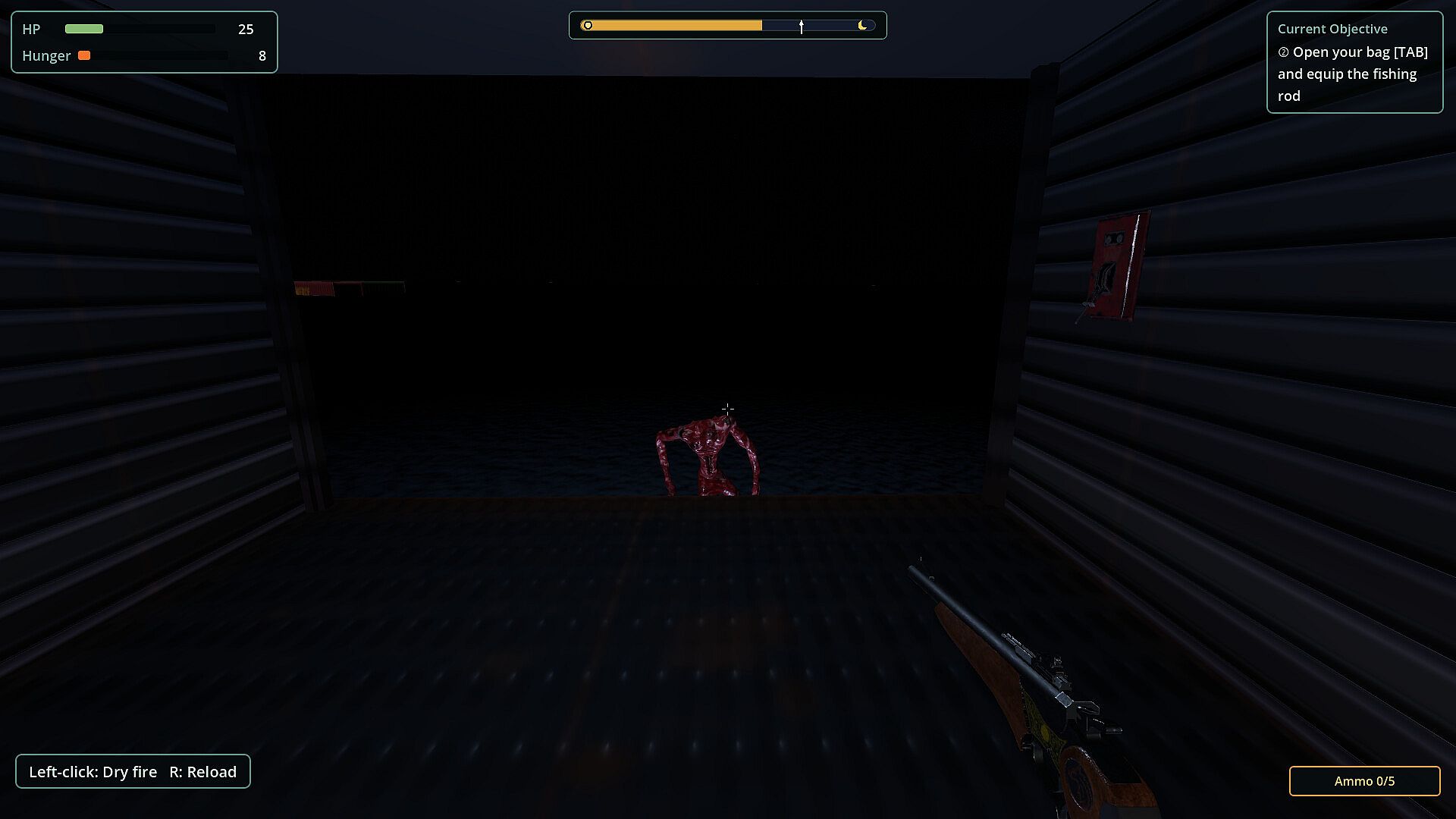
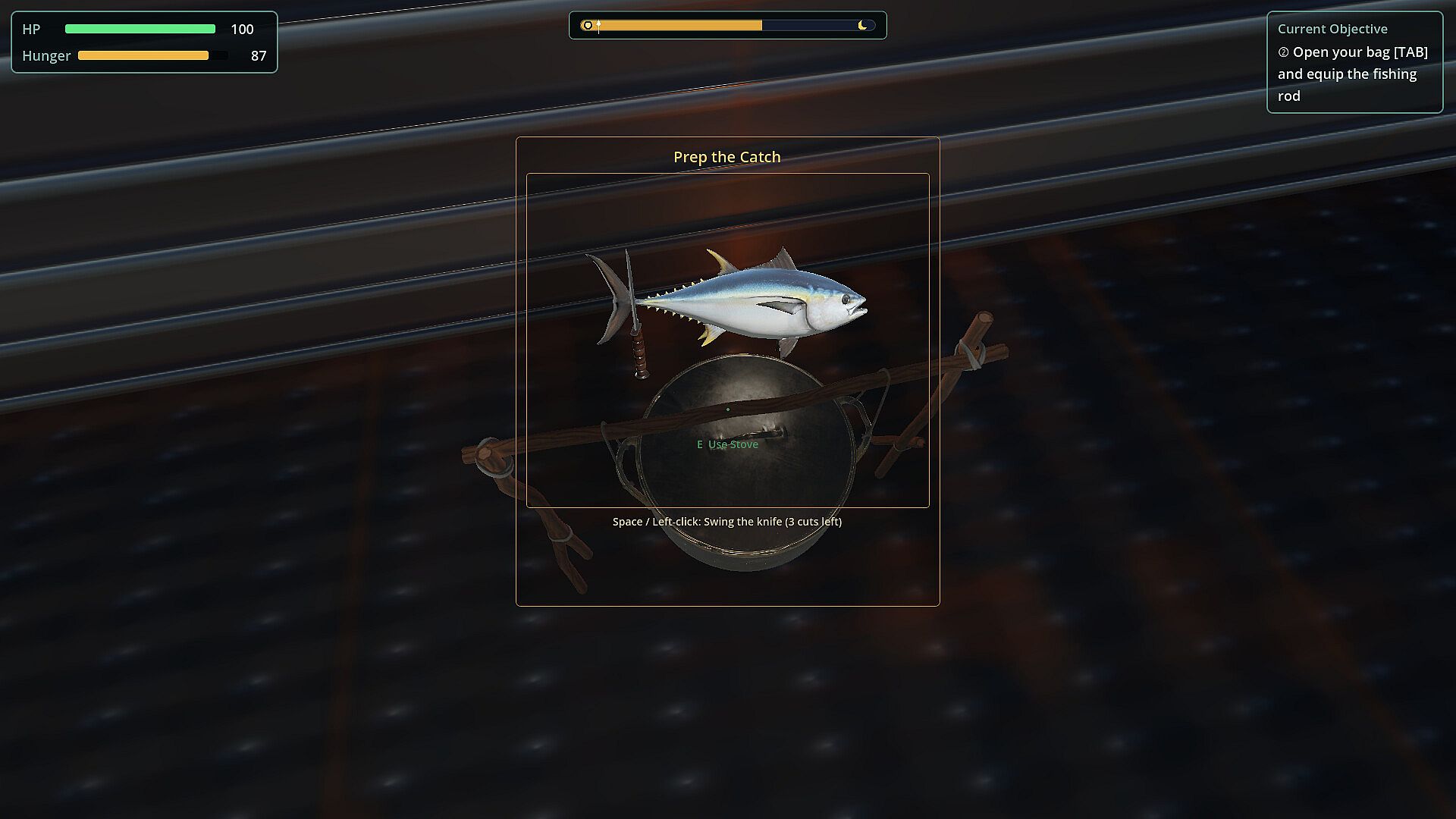
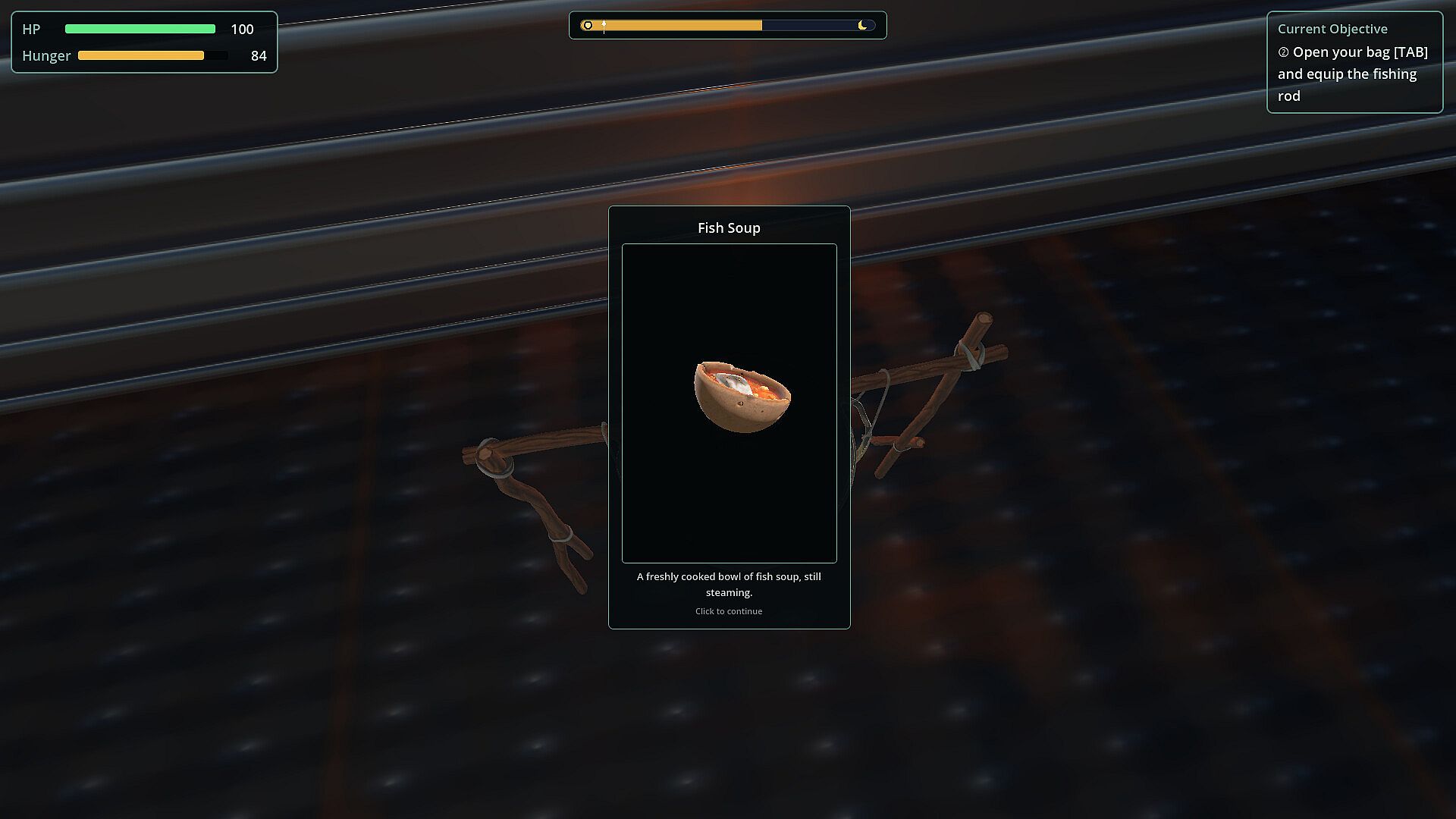
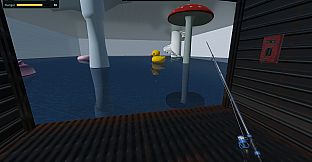
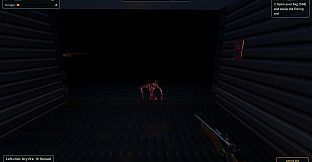
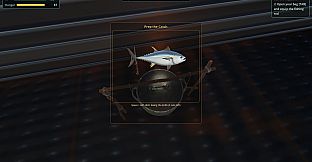
Baitcore is a first-person survival horror game that places players in the role of a lone survivor adrift in the open ocean after a shipwreck. Waking inside a drifting shipping container with no memory of the event, the experience centers on scavenging limited resources and managing basic needs to stay alive in an unforgiving environment. Developed as an indie title in the simulation and adventure genres for PC, it emphasizes isolation, resource scarcity, and gradual discovery of a larger mystery through environmental storytelling.
Gameplay
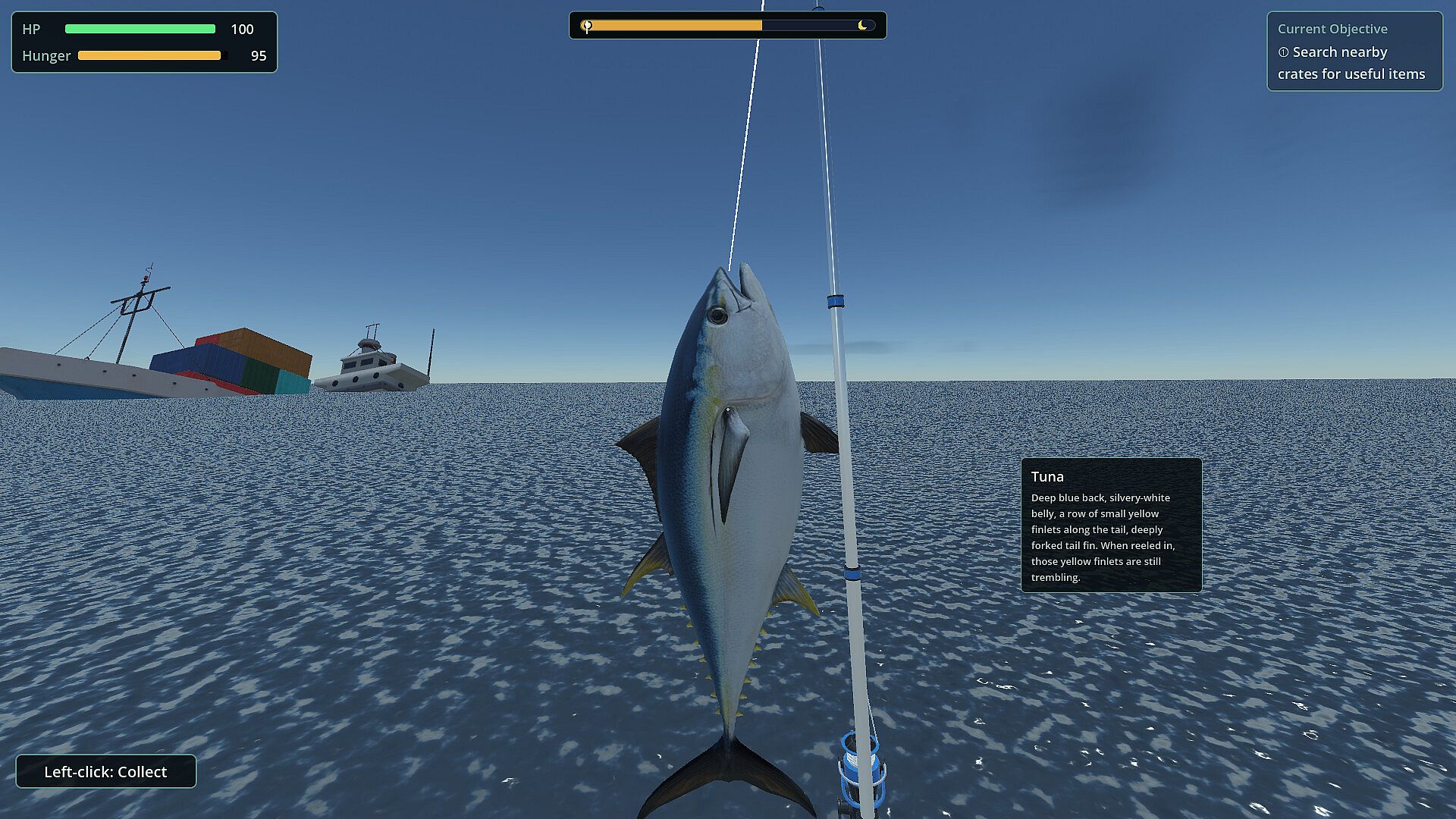
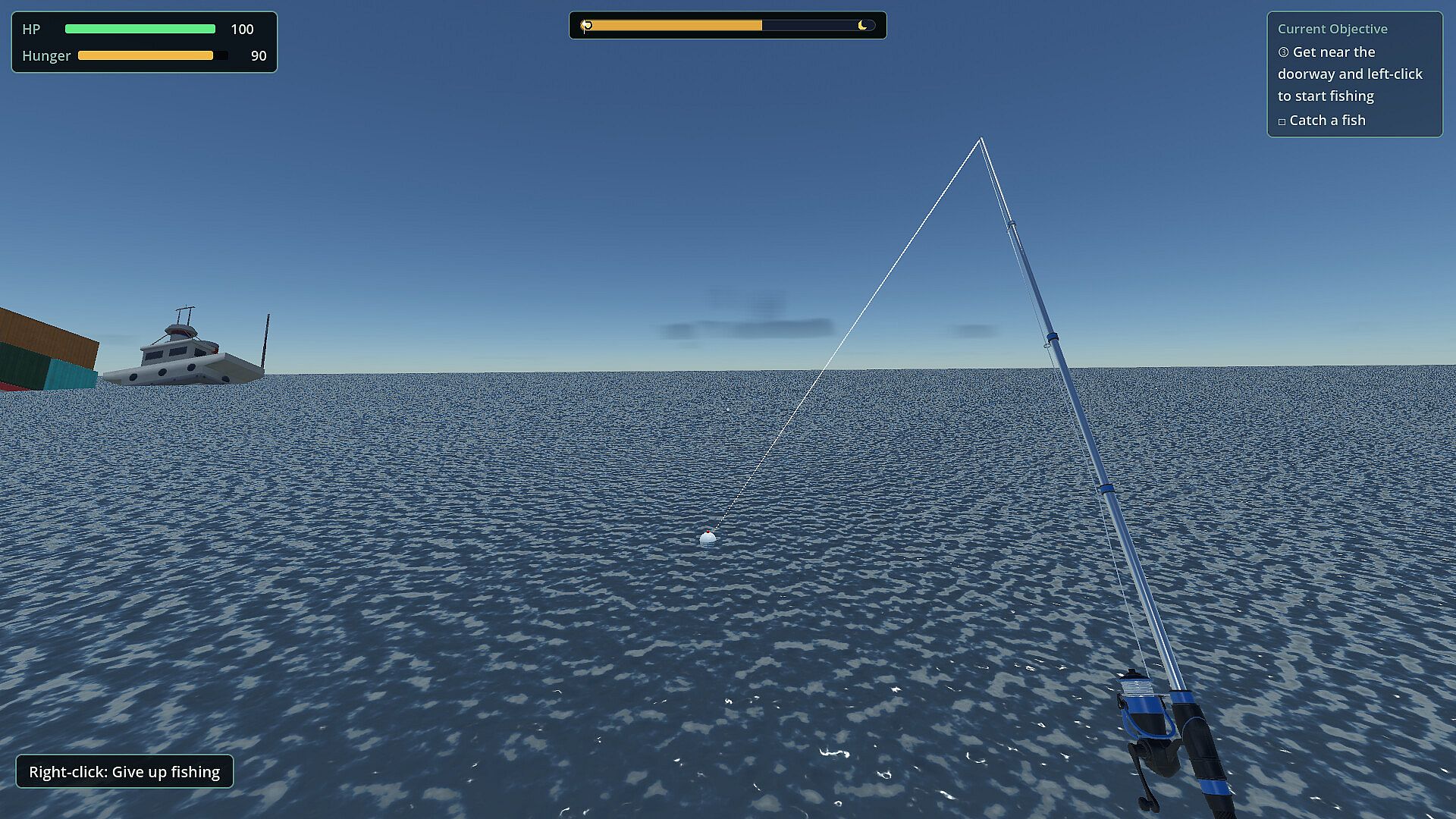
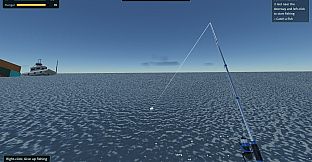
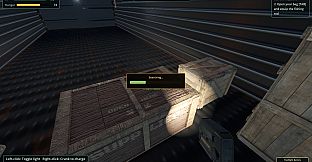
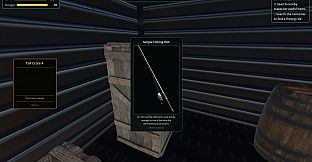
The core loop revolves around exploration of wreckage and containers scattered across the water. Every item found carries weight in survival decisions, from basic tools to food and materials that must be rationed carefully. Fishing serves as a primary mechanic for sustaining life, requiring attention to timing and conditions that introduce tension during each attempt. Success depends on reading the ocean's behavior rather than guaranteed rewards.
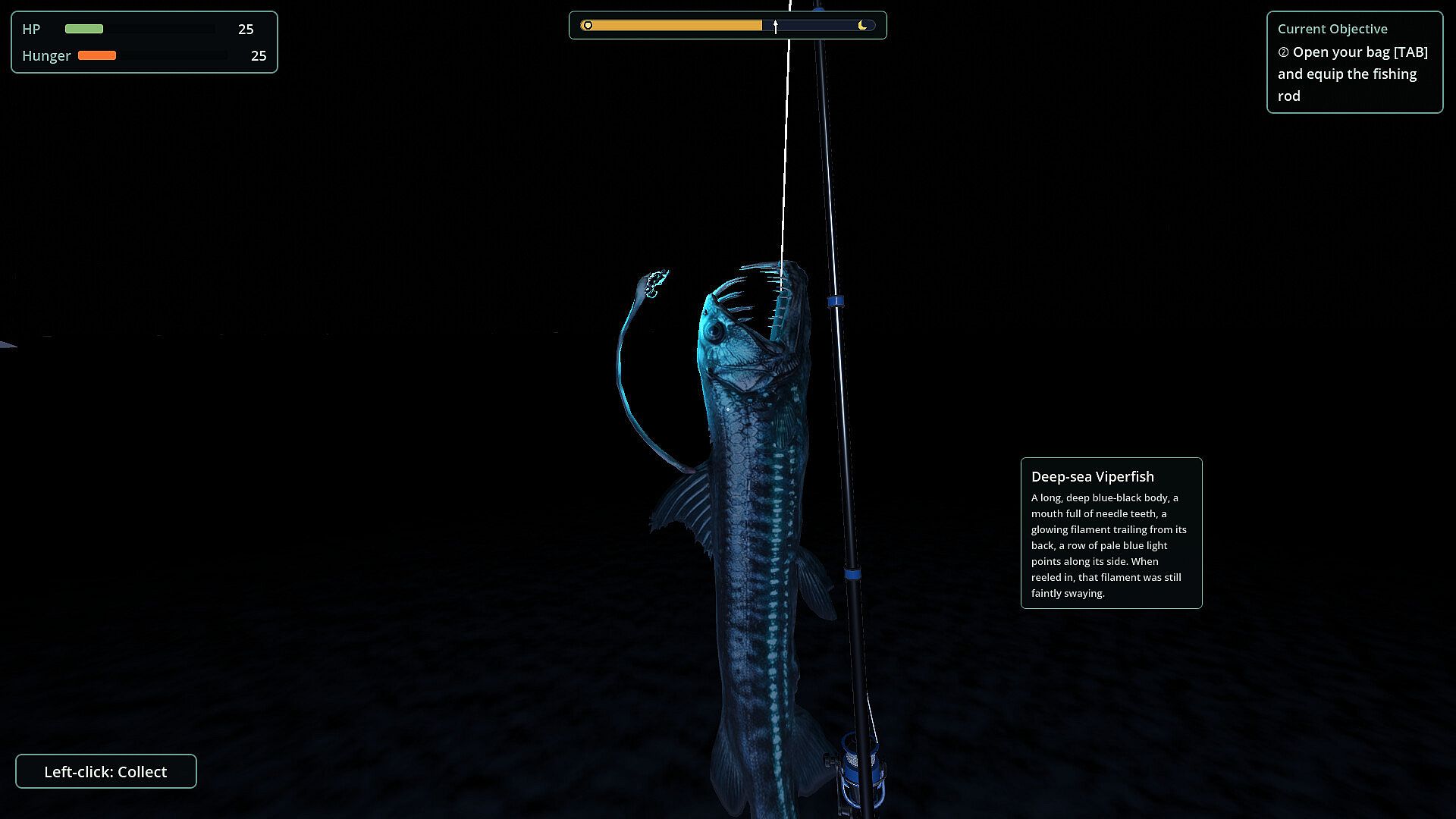
Day and night cycles directly influence risk levels. Daylight periods allow safer movement and scavenging, while darkness brings heightened threats that force players to adapt strategies, seek shelter, or conserve energy. This shift creates a rhythm where preparation during safe hours determines survival odds after sunset. Journal entries and notes scattered throughout the environment provide fragments of context about the incident, encouraging thorough searches without overt guidance.
Resource management extends beyond simple collection. Items must be used strategically because replacements are rare, and the drifting nature of the setting means locations change or become inaccessible over time. The first-person perspective heightens immersion in the physical acts of searching, casting lines, and monitoring surroundings for changes in light or water conditions.
Game Modes
Baitcore operates as a single-player survival experience with no separate multiplayer or competitive modes. Progression follows a continuous narrative-driven loop where players balance immediate survival needs against longer-term investigation of the shipwreck events. The structure encourages repeated playthroughs through different choices in scavenging priorities and fishing approaches, though the core challenge remains consistent across sessions.
Mechanics integrate seamlessly without distinct phases or selectable variants. Scavenging, fishing, and environmental observation form the unified gameplay flow, with day-night transitions serving as the main variable that alters difficulty and pacing. This design keeps focus on personal decision-making in a solitary setting rather than external competition or cooperative elements.
Story and Atmosphere
The narrative unfolds indirectly through collected notes and observations rather than direct exposition. Players piece together details about the vessel and its fate while managing daily survival, creating a sense of discovery tied to exploration efforts. The open-ocean setting reinforces themes of vulnerability and uncertainty, with visual and auditory cues emphasizing isolation.
Atmospheric tension builds from the contrast between calm daylight scavenging and the dangers that emerge after dark. Limited starting resources and the constant need to fish or find supplies maintain pressure without relying on frequent combat or scripted events. The simulation elements ground the horror in practical survival tasks, making each successful day feel earned through careful planning.
Is It Worth Playing?
Baitcore suits players who enjoy deliberate, mechanics-focused survival horror with an emphasis on resource gathering and environmental interaction. The fishing system and day-night cycle provide distinctive tension that differentiates it from broader survival titles, rewarding patience and observation over fast reflexes. Those drawn to atmospheric single-player adventures that blend simulation with light narrative discovery will find the core loop engaging.
Without confirmed updates or additional content post-launch, the experience stands on its initial systems. The indie scale keeps the scope intimate, focusing on personal survival rather than expansive worlds or multiple endings. It appeals most to fans of tense, self-contained horror where every action carries consequences in a confined, drifting environment.











