







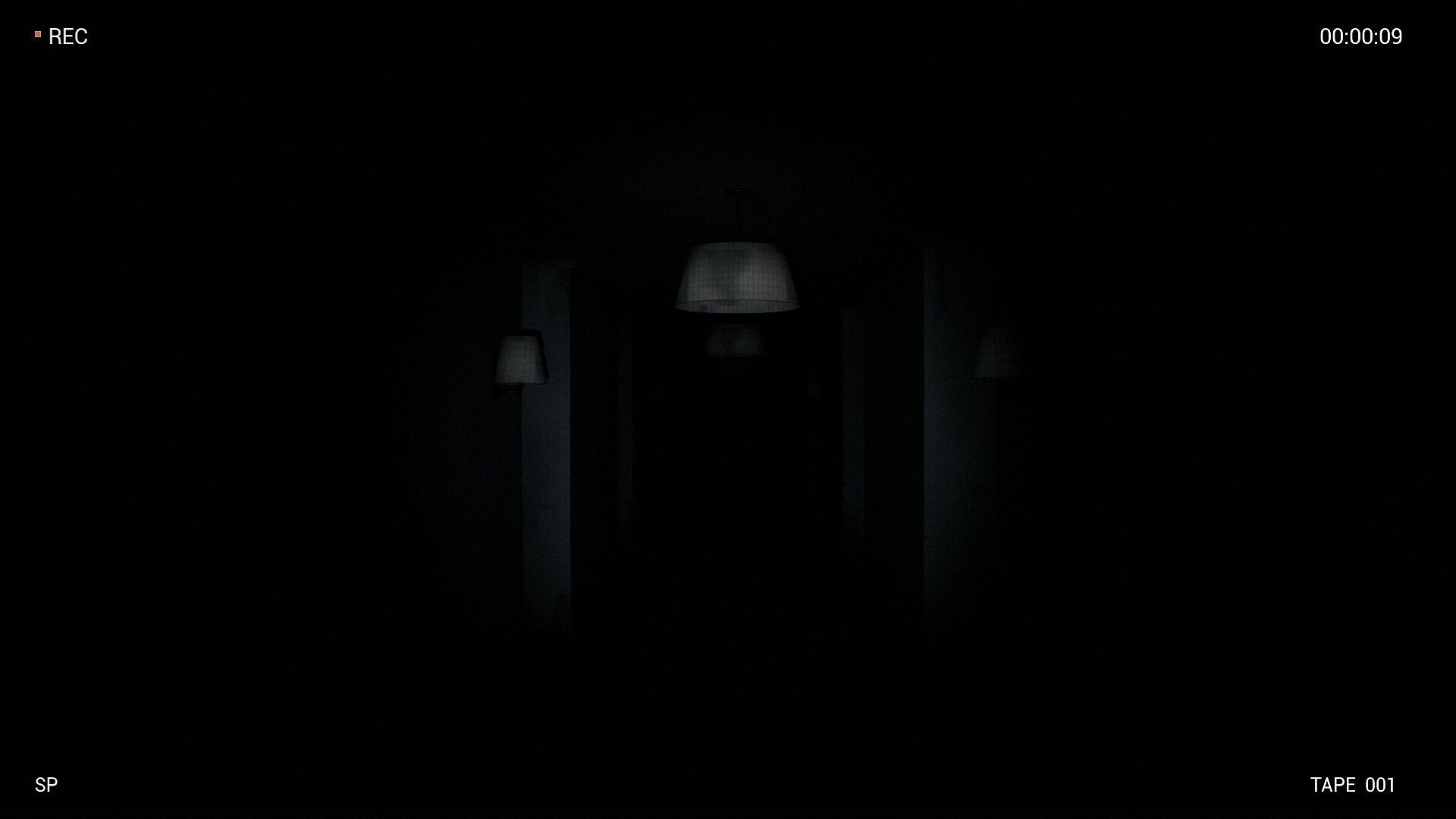
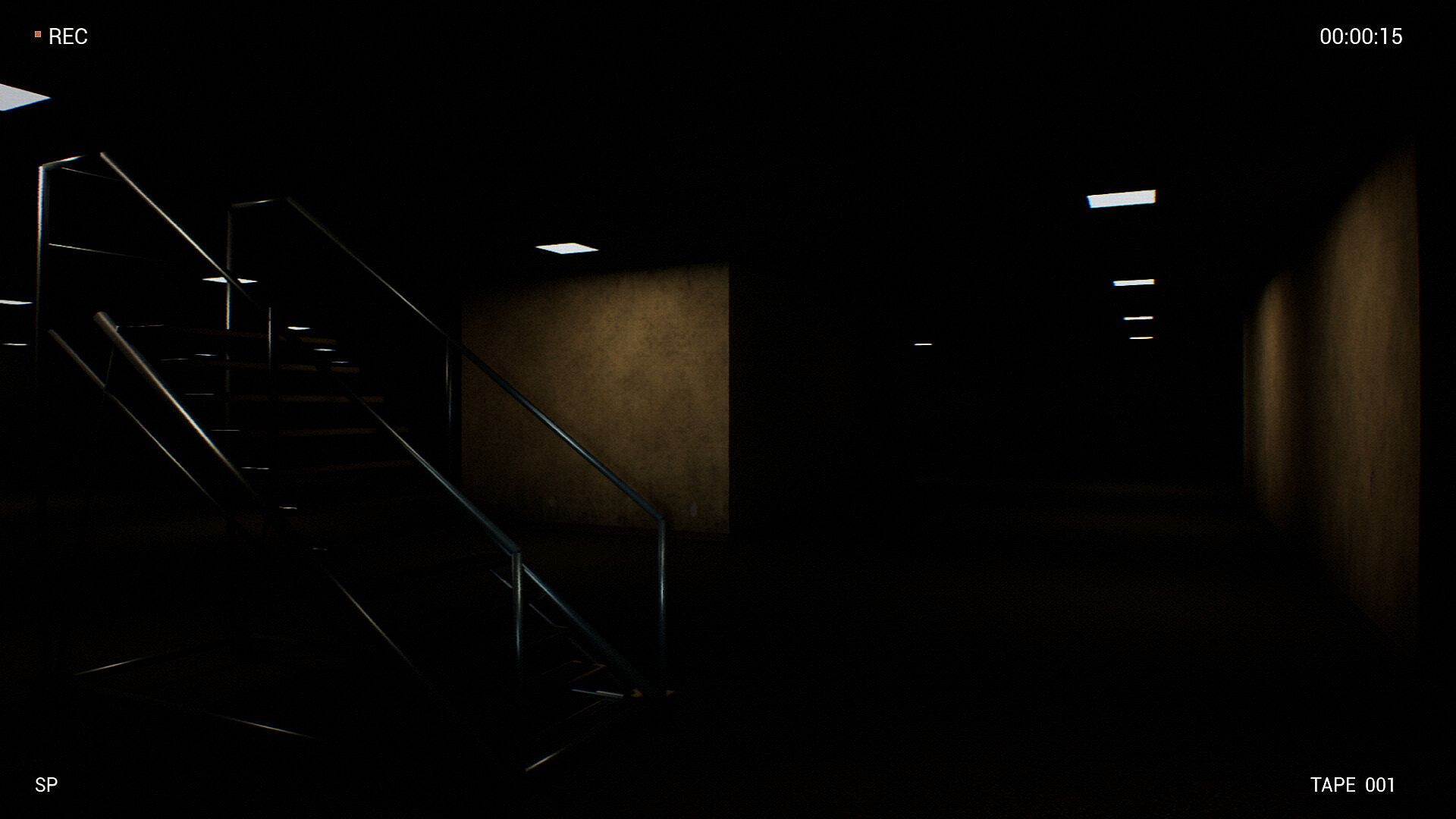
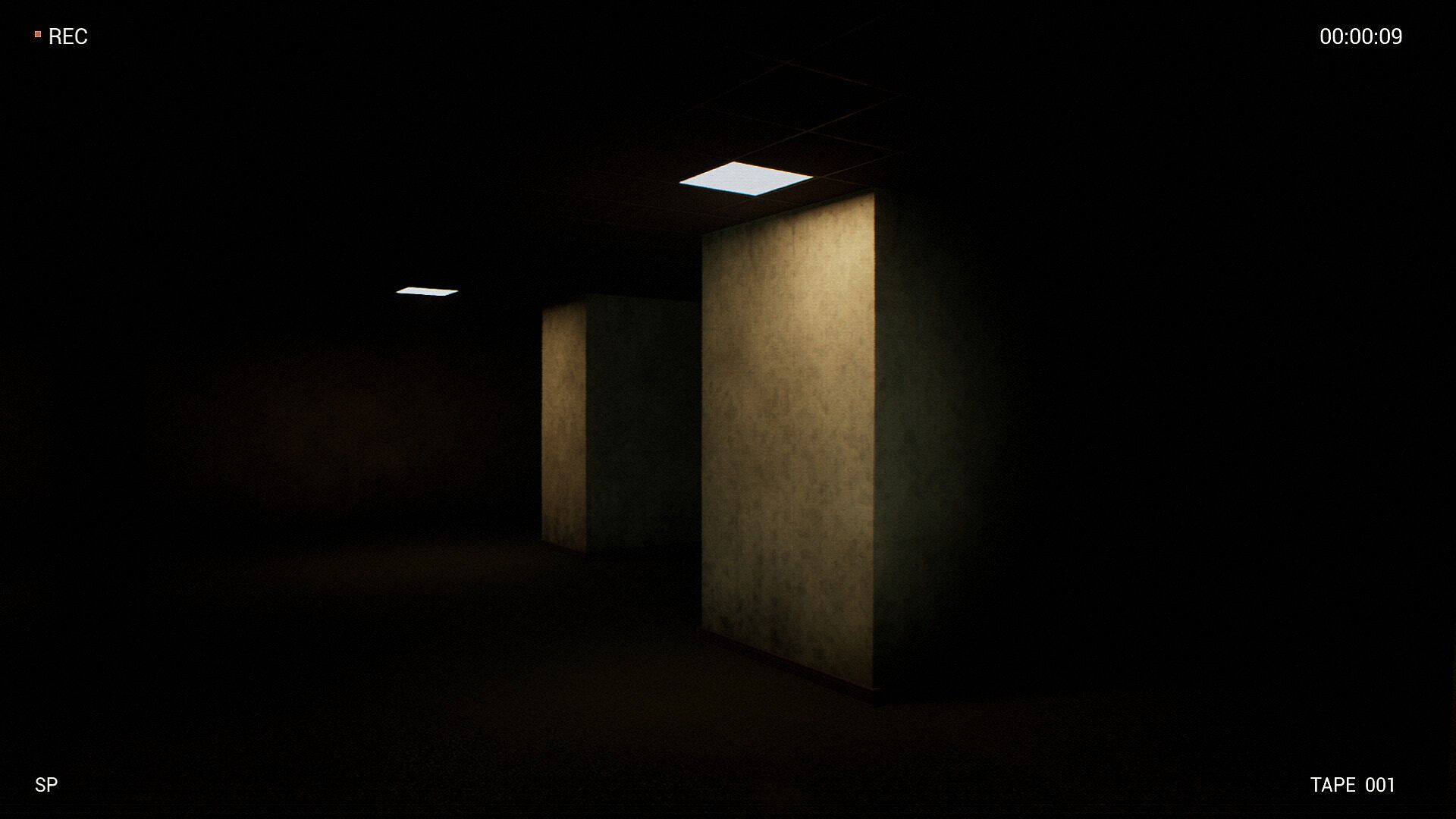


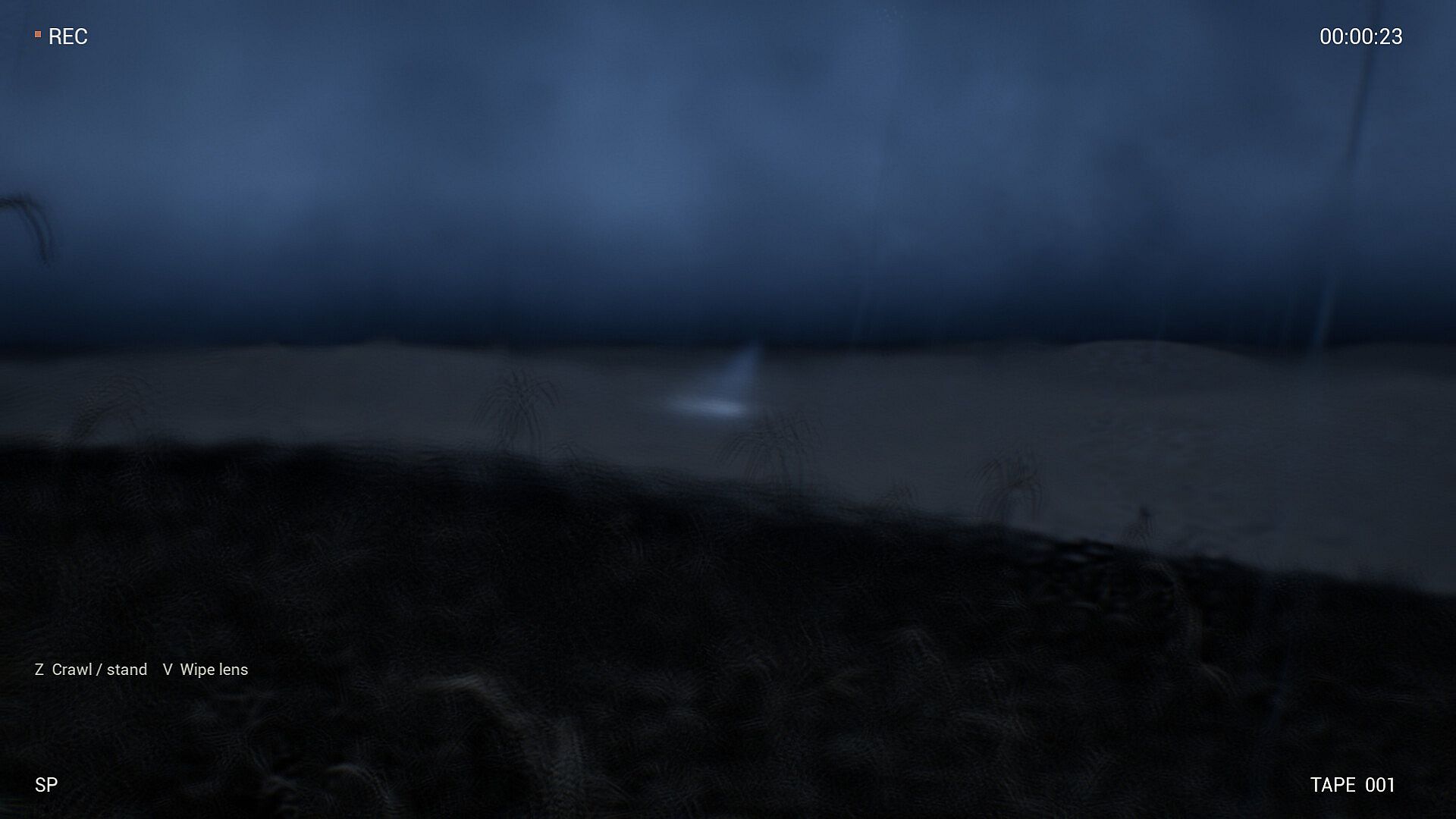






Backrooms: False Exit is a first-person action-adventure survival horror game developed for PC. Players navigate a sequence of seven connected environments, each presenting distinct survival challenges in a tense, atmospheric setting drawn from Backrooms lore. The experience centers on careful movement, environmental awareness, and physical interactions as threats close in from unexpected directions.
Gameplay
The core loop revolves around progressing through linked areas while managing immediate dangers. Navigation relies on sound design, with distant footsteps signaling the need to hide quickly or risk pursuit. Players interact directly with the world through actions like paddling across water, crawling low to avoid detection, climbing ledges, and breaking line of sight by entering rooms. Hands reach for supports, knees contact surfaces, and rain or water effects appear on the view, reinforcing the physical presence in each space.
Sound cues guide decisions throughout. Breathing, machinery hums, water movement, and shifting footsteps provide information about nearby threats or safe paths. In open or exposed sections, staying low reduces visibility to patrols or overhead observers, while standing offers better sightlines at greater risk. The journey emphasizes observation and timing over direct confrontation, with each environment introducing new hazards that demand adaptation.
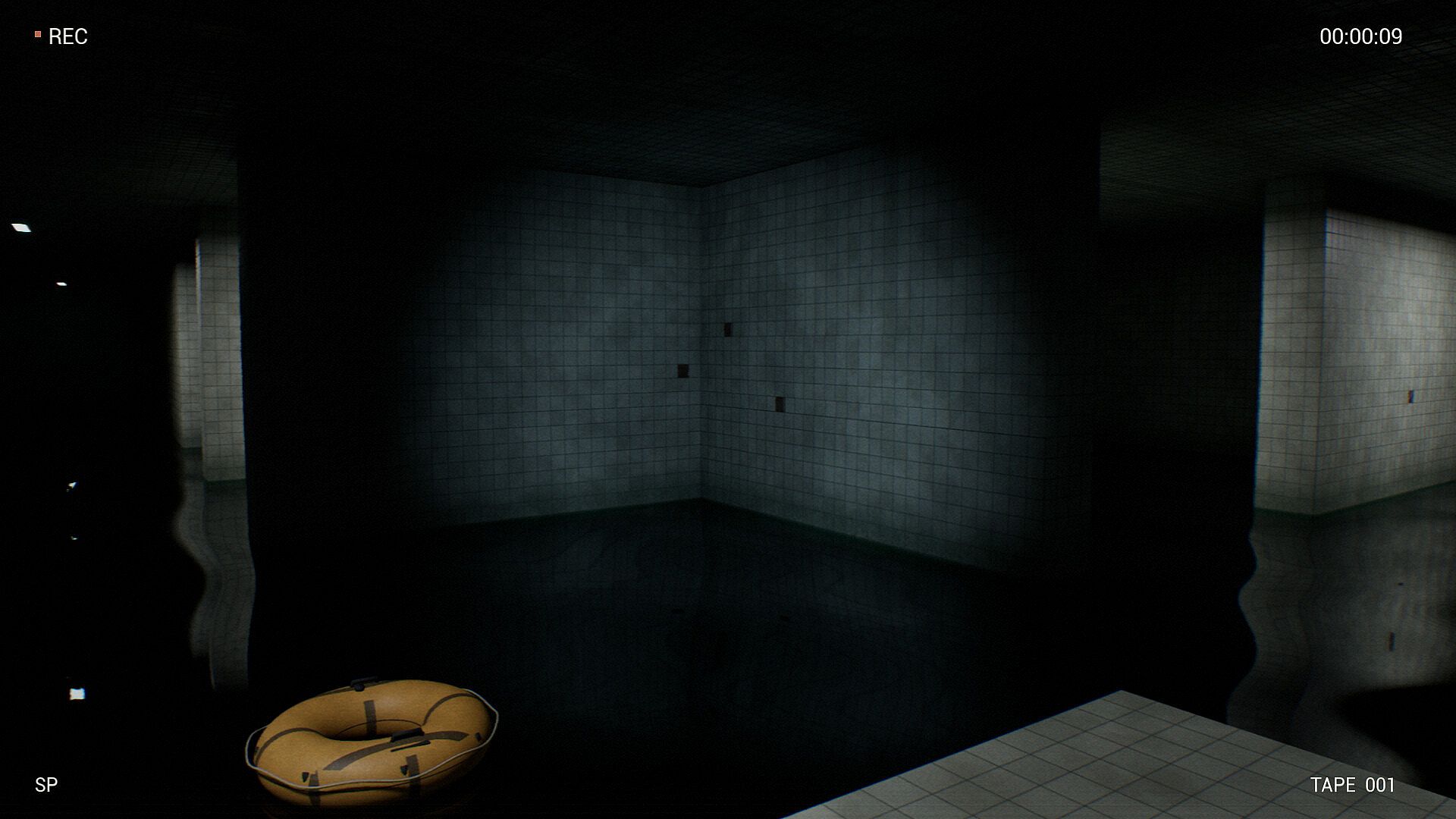
Seven distinct sections form the connected path. Fluorescent corridors with stained yellow walls require listening for heavy movement overhead. Flooded passages involve an inflatable ring for crossing dark water while watching for pulls from below. Open seas bring waves and rain, with navigation by stars toward a distant waterfall. Grass fields demand crawling under drone lights. Returning yellow rooms lead to ventilation ducts navigated on hands and knees. A final hotel corridor features fast-approaching threats that require quick room entries for cover.
Game Modes
Backrooms: False Exit presents a linear single-player progression through its seven environments. No separate multiplayer modes or competitive options appear in the available details. The structure follows one continuous journey, with survival mechanics tailored to each section rather than repeatable rounds or team-based play.
Progression depends on completing the physical and observational challenges in sequence. Each area builds on the last by altering the primary threats and required actions, from ceiling chases to underwater pulls and patrol avoidance. The design keeps focus on solitary exploration and evasion without branching campaigns or additional variants.
Is It Worth Playing?
Backrooms: False Exit suits players who enjoy deliberate, sound-driven horror experiences with emphasis on physical movement and environmental tension. The seven-section structure delivers varied survival scenarios that reward patience and attention to audio details over fast reflexes or combat.
Those drawn to indie titles that prioritize atmosphere and direct interaction will find the connected environments engaging. The absence of confirmed updates or additional content at this stage means the core experience stands on the described journey alone. Players seeking short, focused sessions through distinct horror set pieces may appreciate the compact scope.
Overall, the game appeals most to fans of first-person survival adventures centered on evasion and exploration rather than action or multiplayer coordination. Its strength lies in the consistent physical feedback and shifting threats across the seven areas, creating a cohesive test of awareness and composure.











