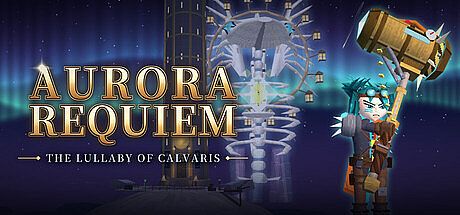


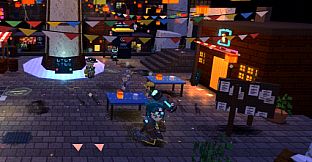
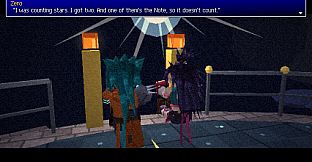
AURORA REQUIEM: The Lullaby of Calvaris is an indie action RPG for PC that delivers a single-player experience styled after late-1990s JRPGs. The game places players in the sunless city of Calvaris, a settlement constructed within the skeleton of an enormous sea creature, where lighthouses fueled by memories hold back the darkness. The narrative follows mechanic Zero Solace as he joins the rebel group Undertow on a mission involving a lighthouse and a bomb, while uncovering forgotten events tied to the sealed Nadir Lighthouse.
Gameplay
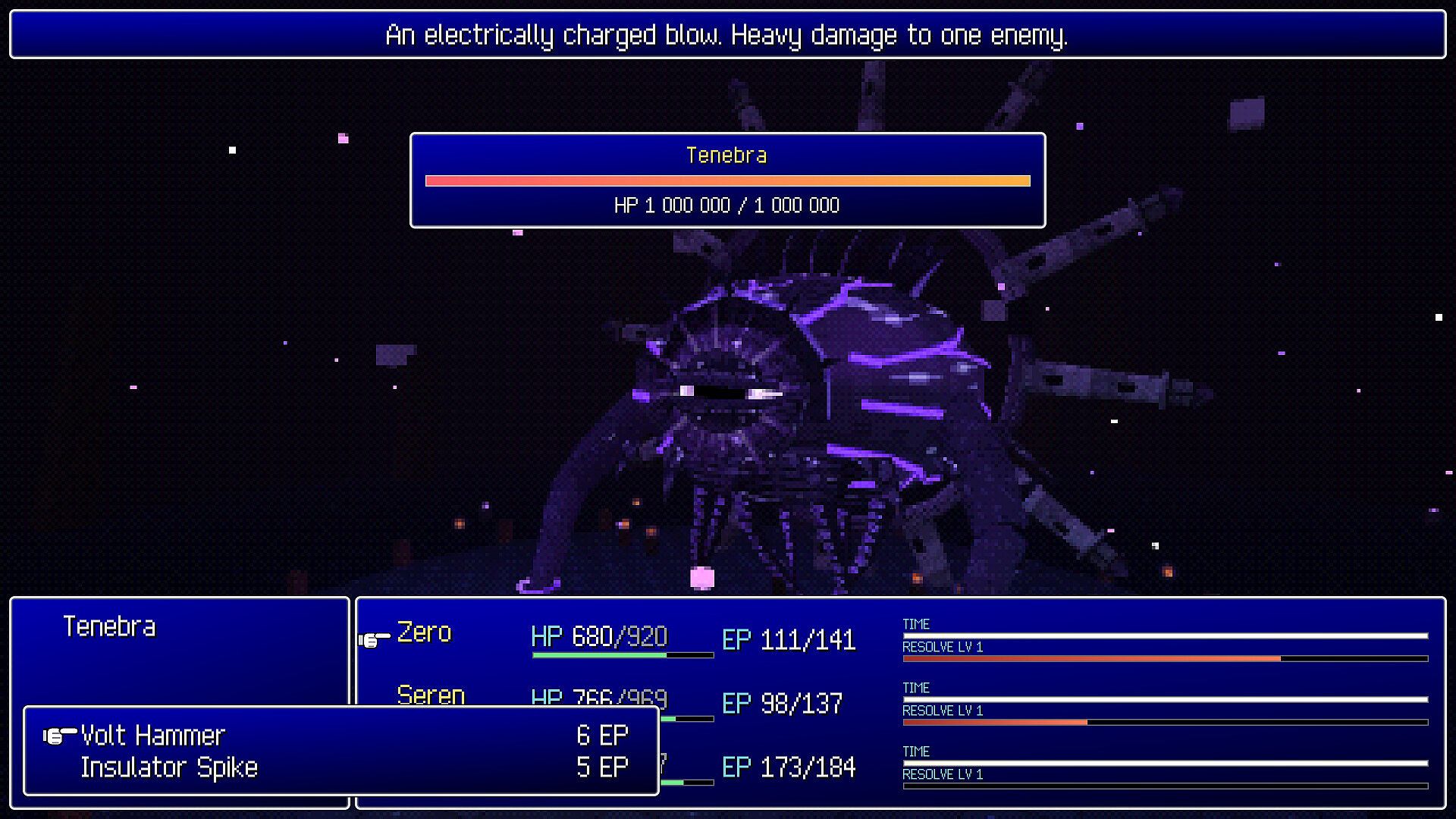
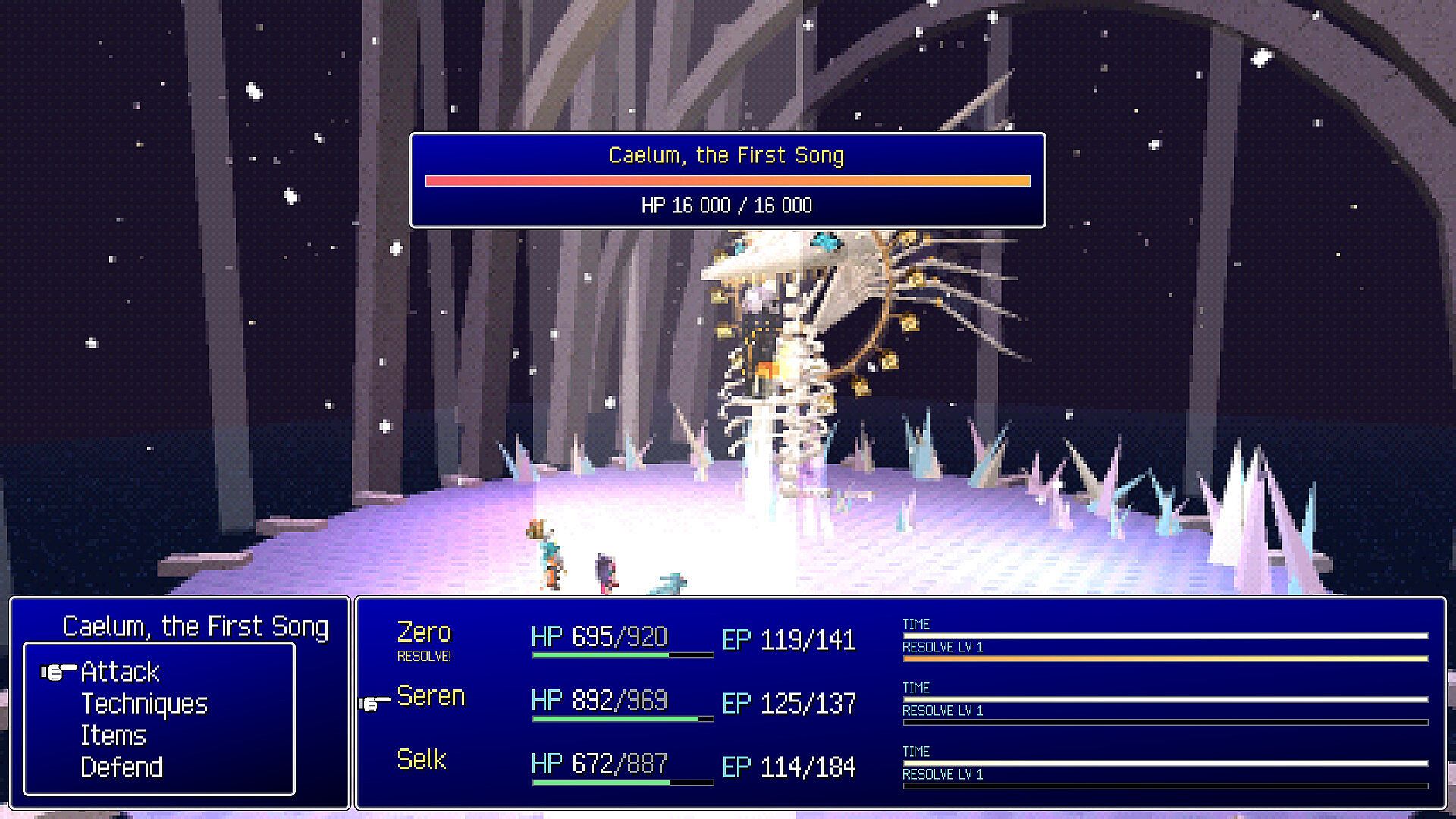
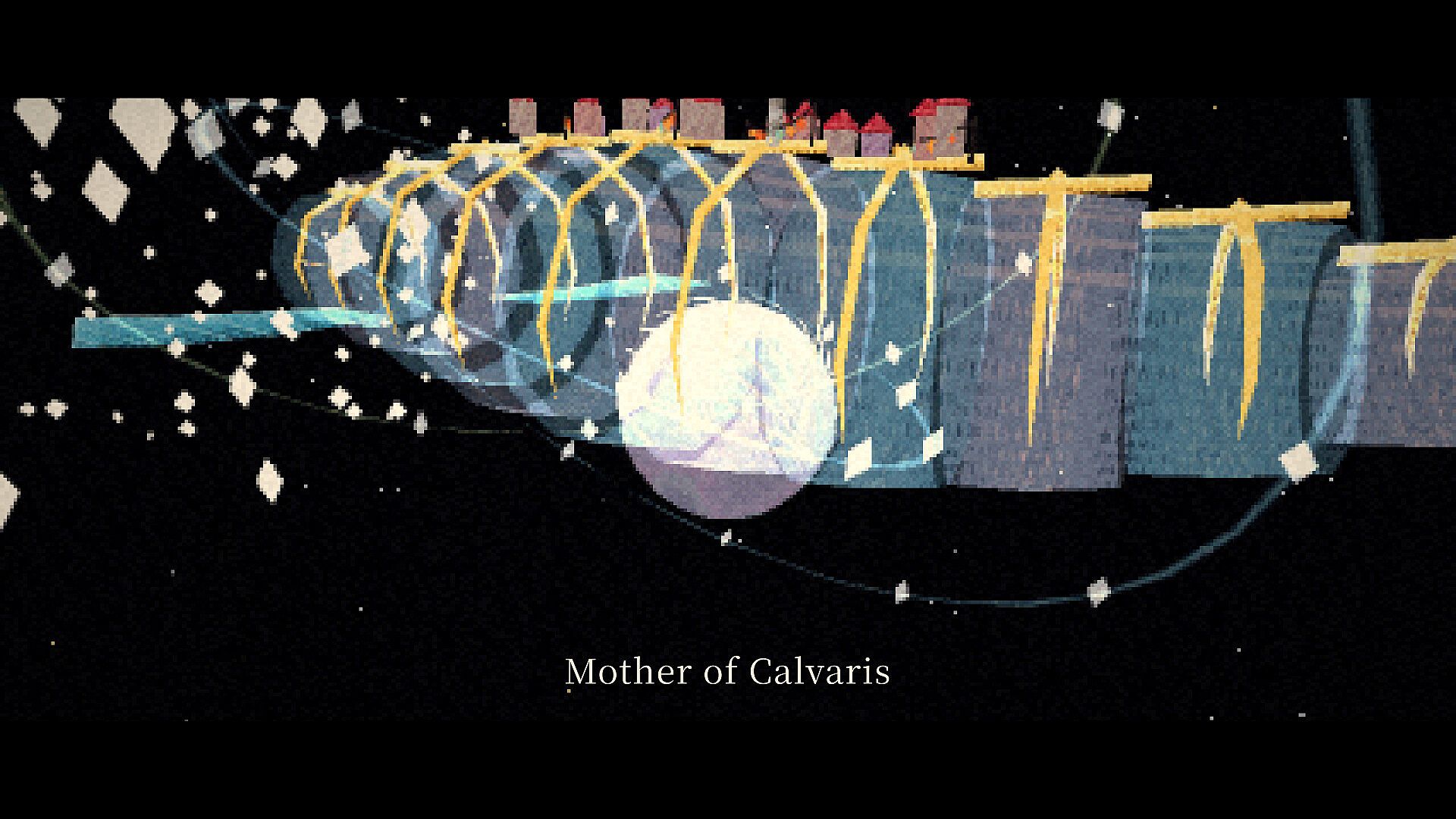
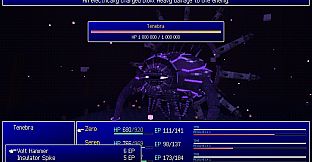
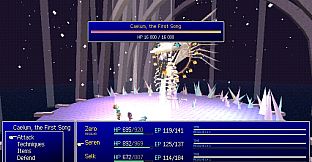
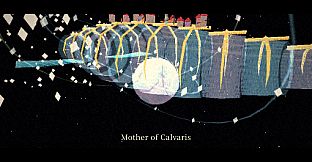
Combat uses a time-gauge system that supports both Active and Wait modes, with adjustable battle speed. Three characters fight at once from a roster of nine playable party members. Players build resolve by taking hits to fill a bar and unleash special moves, with four levels available per character and the final level unlocked via a secret manual. Weapons feature linked slots for five types of orbs-technique, support, attribute, command, and summon-that level up and duplicate upon mastery. The Stolen Echo mechanic lets characters learn enemy techniques upon being hit, which are then tracked in a bestiary. Additional options include Double Strike, Steal, Mimic, and Counterattack. Status effects carry distinct visual cues, such as one that shrinks a hero into a tiny crab. Summons appear as large-scale sequences, including Mother of Calvaris and The Thirteen Lighthouses, with an optional setting to shorten their duration.
Game Modes
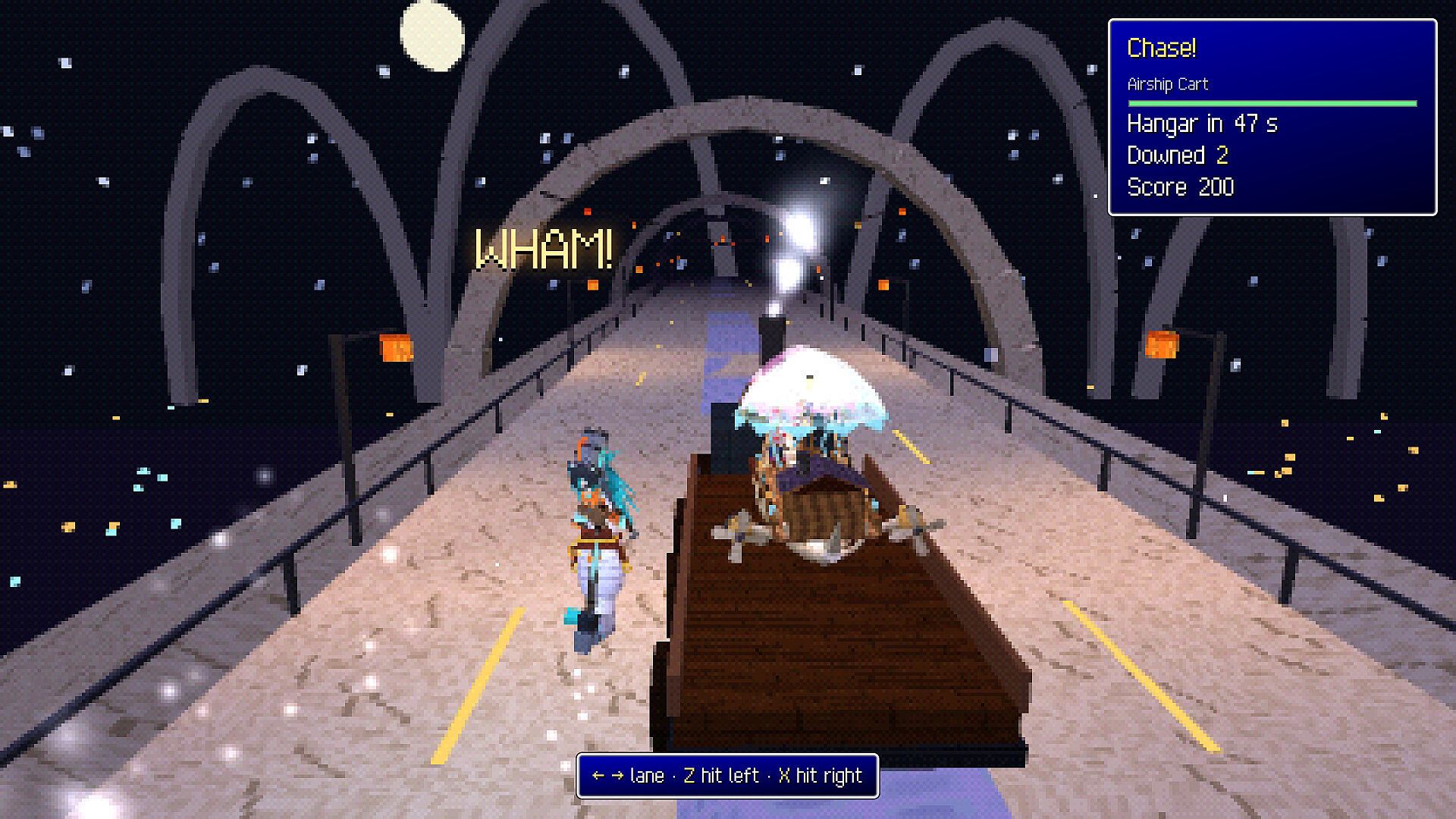
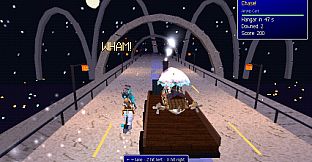
The core experience runs as a linear single-player story divided across three discs, including a playable prologue, a segment where the party continues without its leader, and a finale that splits the group into three teams. A card game called Calvaris Cards operates in three lanes and features rivals throughout the world. Side activities function as integrated minigames, such as seahorse races with betting, arm wrestling, spine surfing, a roller-coaster shooting gallery, a Ferris wheel sequence influenced by party relationships, and a push-up contest at the Bone Gym. An optional 50-floor dungeon called the Nadir Lighthouse includes guardians every ten floors and a superboss at the bottom. Loose memories scattered across the world support side quests and an extended ending when all are collected.
Exploration and Progression
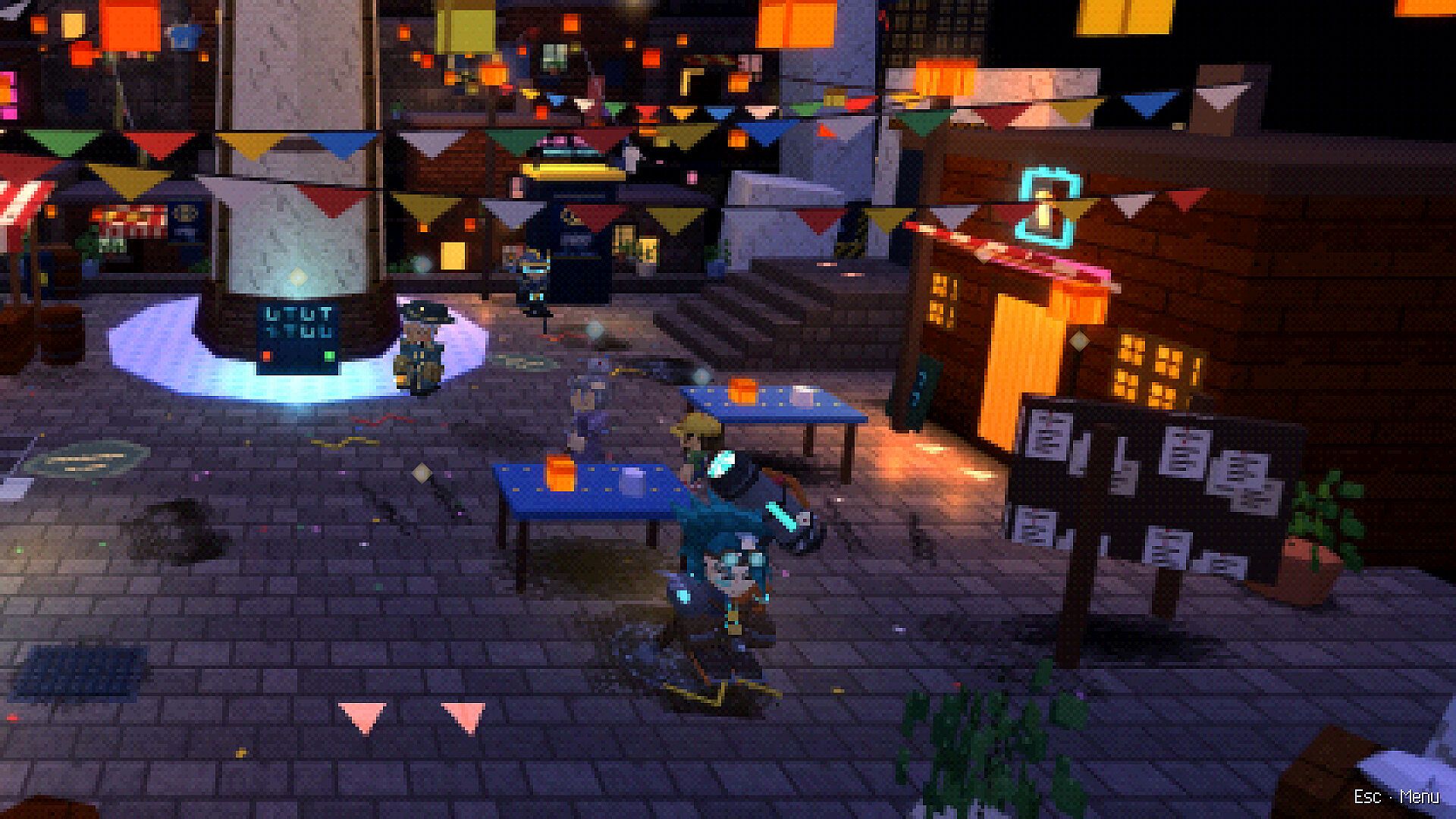
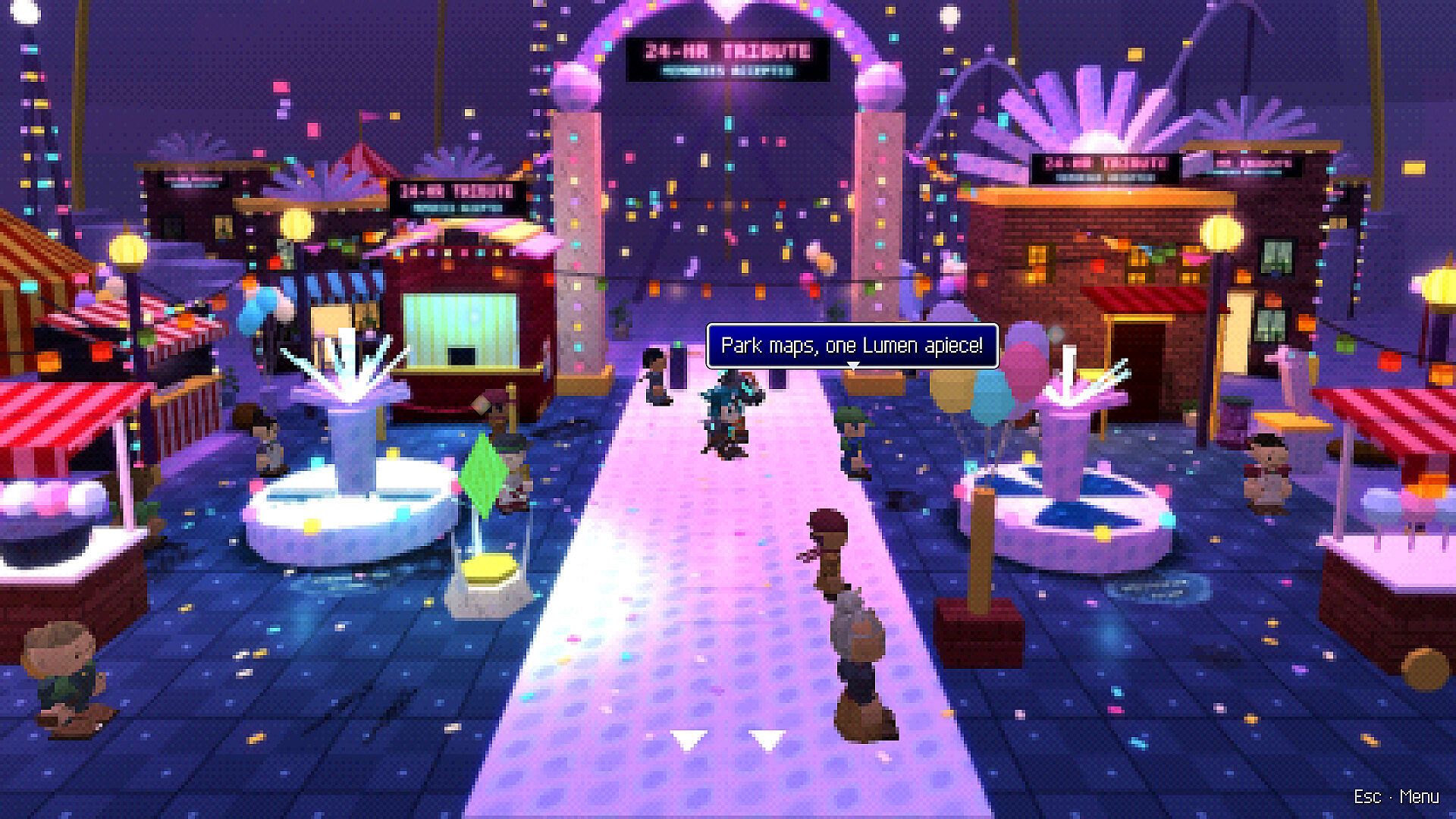
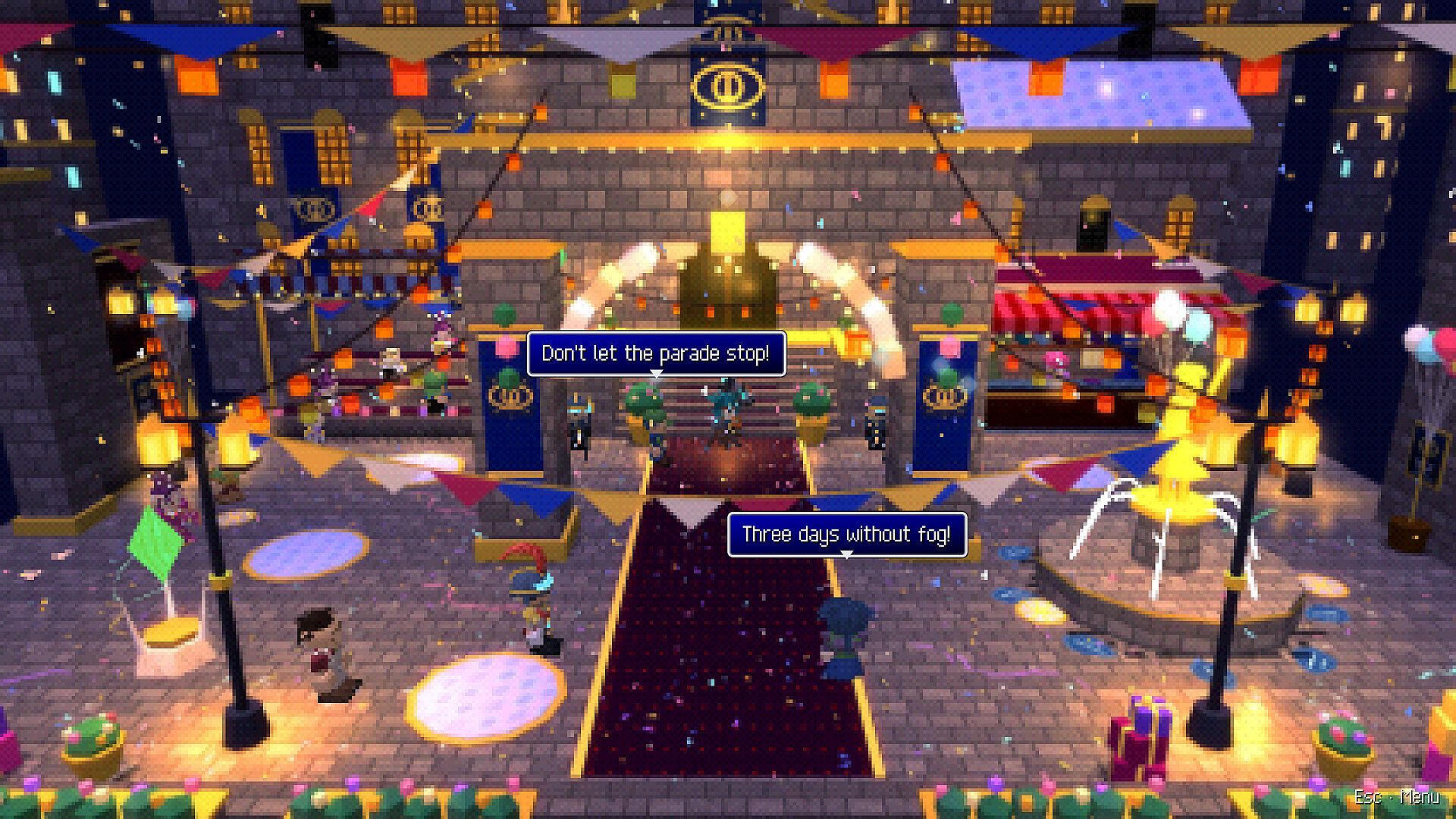
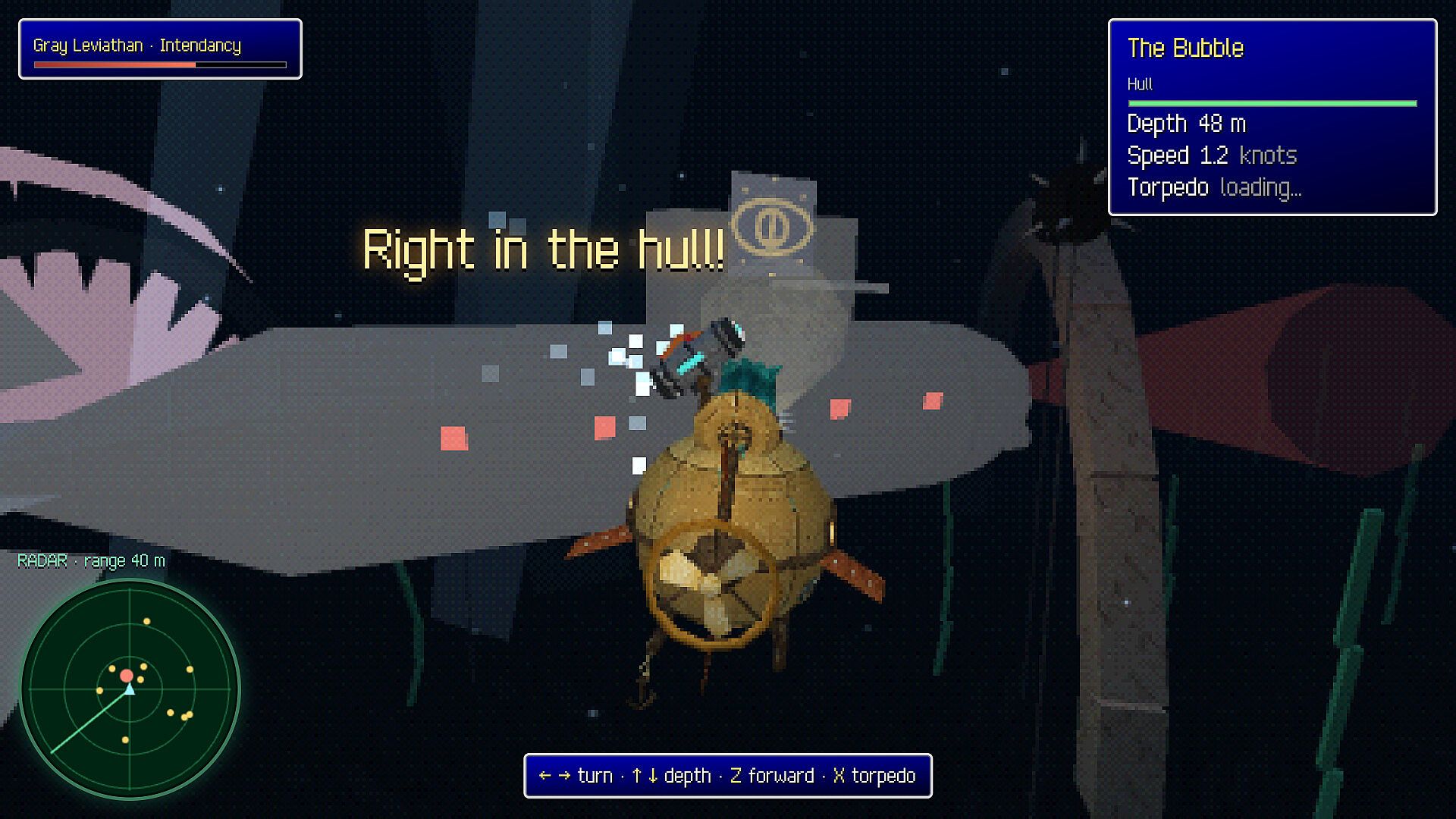
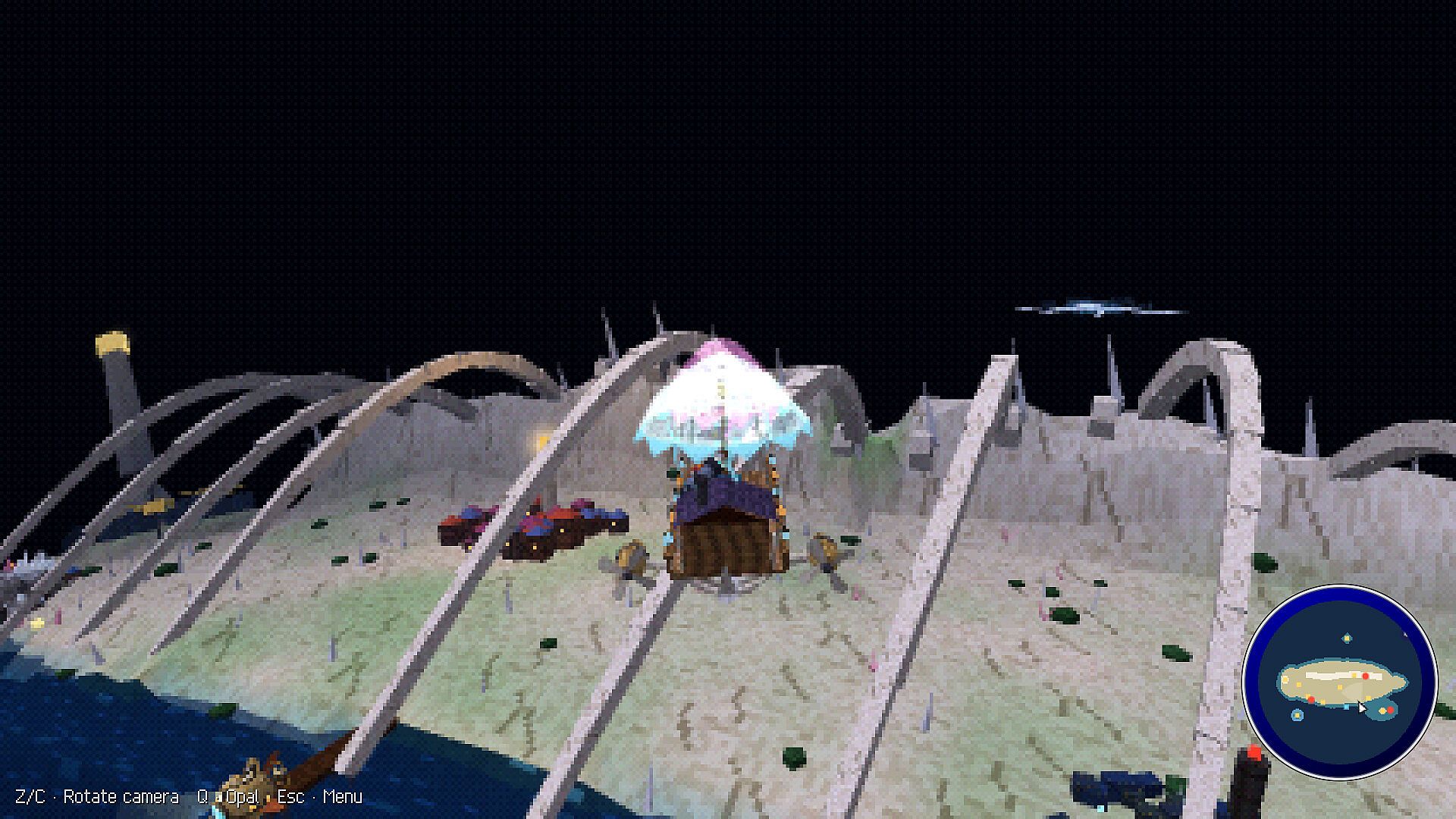
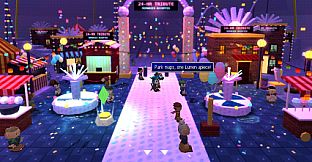
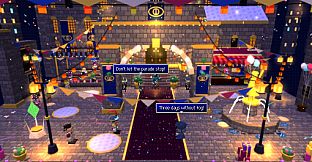
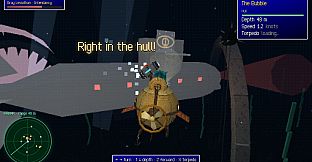
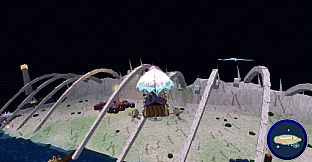
The 3D world map depicts the creature's skeleton resting in a night sea. Travel options include riding and breeding seahorses in multiple colors to access restricted areas, piloting the bathyscaphe Bubble for underwater sections, and using the airship Winged Rib for flight. Three colossal Custodians patrol the map, with one reachable only by air. Ultimate weapons for each character tie to specific challenges. A fairground inside a massive pearl offers additional activities like the Jellyfish Basket and Colosseum events with handicap roulette. A catwalk sequence in Aurea involves shopping and participating in a parade, where the right outfit can lead to a crown. The main story lasts around five hours, with extensive optional content extending playtime.
Is It Worth Playing?
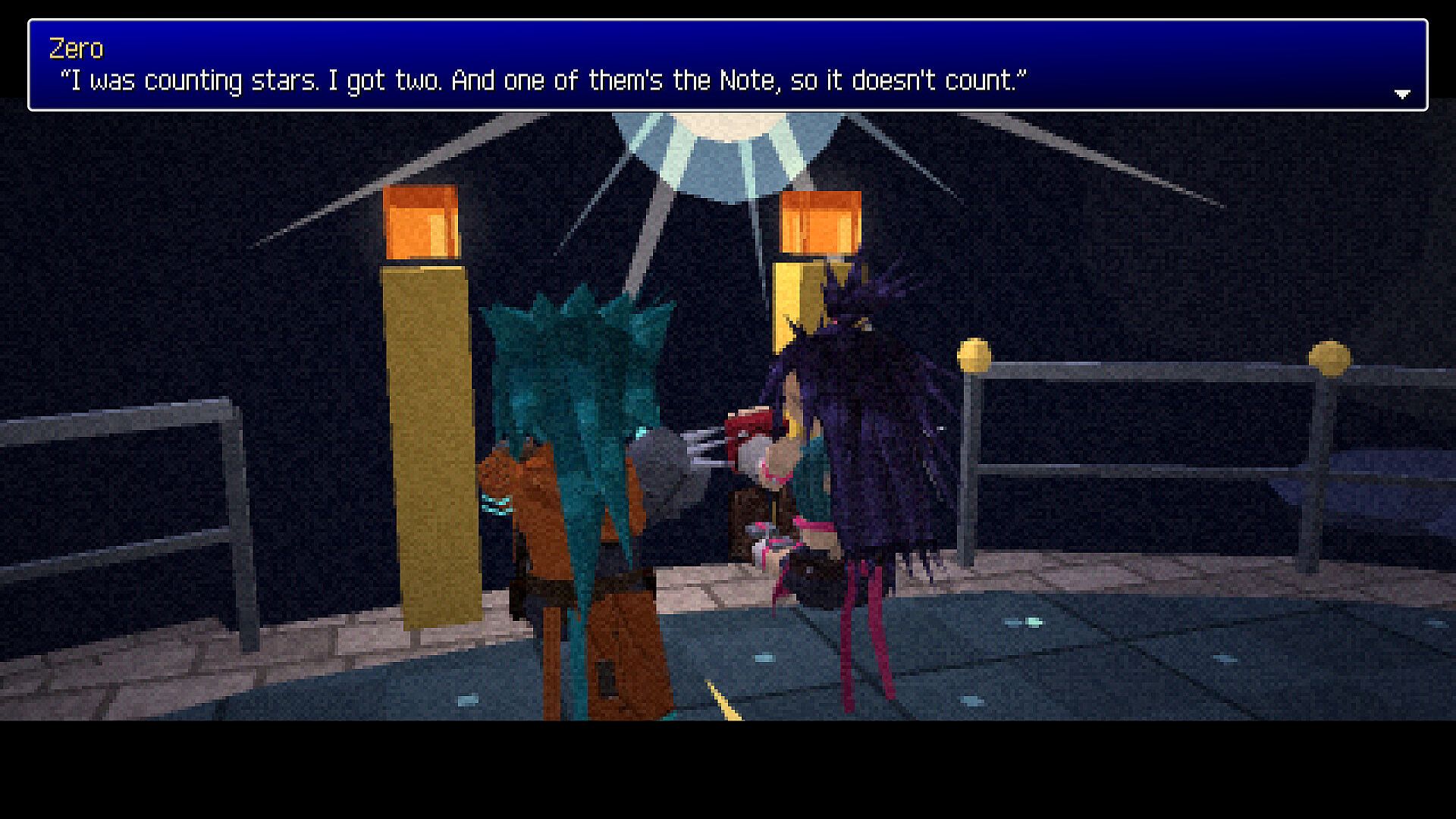
The game targets players who appreciate fixed-camera perspectives, pre-rendered backgrounds, chunky polygon models, blue menu windows, a 3D world map, grainy cutscenes, and a MIDI-orchestra soundtrack. All characters, story beats, graphics, songs, and sound effects are original. It includes support for English, Spanish, and Japanese. Those drawn to deliberate pacing, layered progression through orbs and techniques, memorable summons, and a mix of story-driven combat with varied minigames will find substantial depth. The structure rewards thorough exploration through hidden memories and secret party members while delivering a self-contained narrative with recurring musical themes across more than 40 tracks.