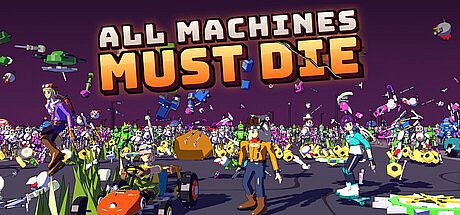


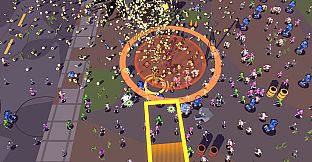
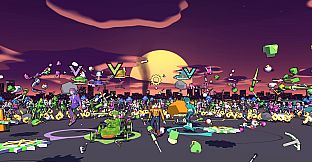
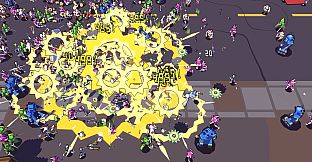
All Machines Must Die is an action indie game set on PC where players control one of four kids fighting back against a world overrun by machines. The core premise centers on a broken device that can shut down the robotic threat, split among the protagonists who must work together or alone to reassemble its power through combat and exploration in a ruined cityscape.
Gameplay
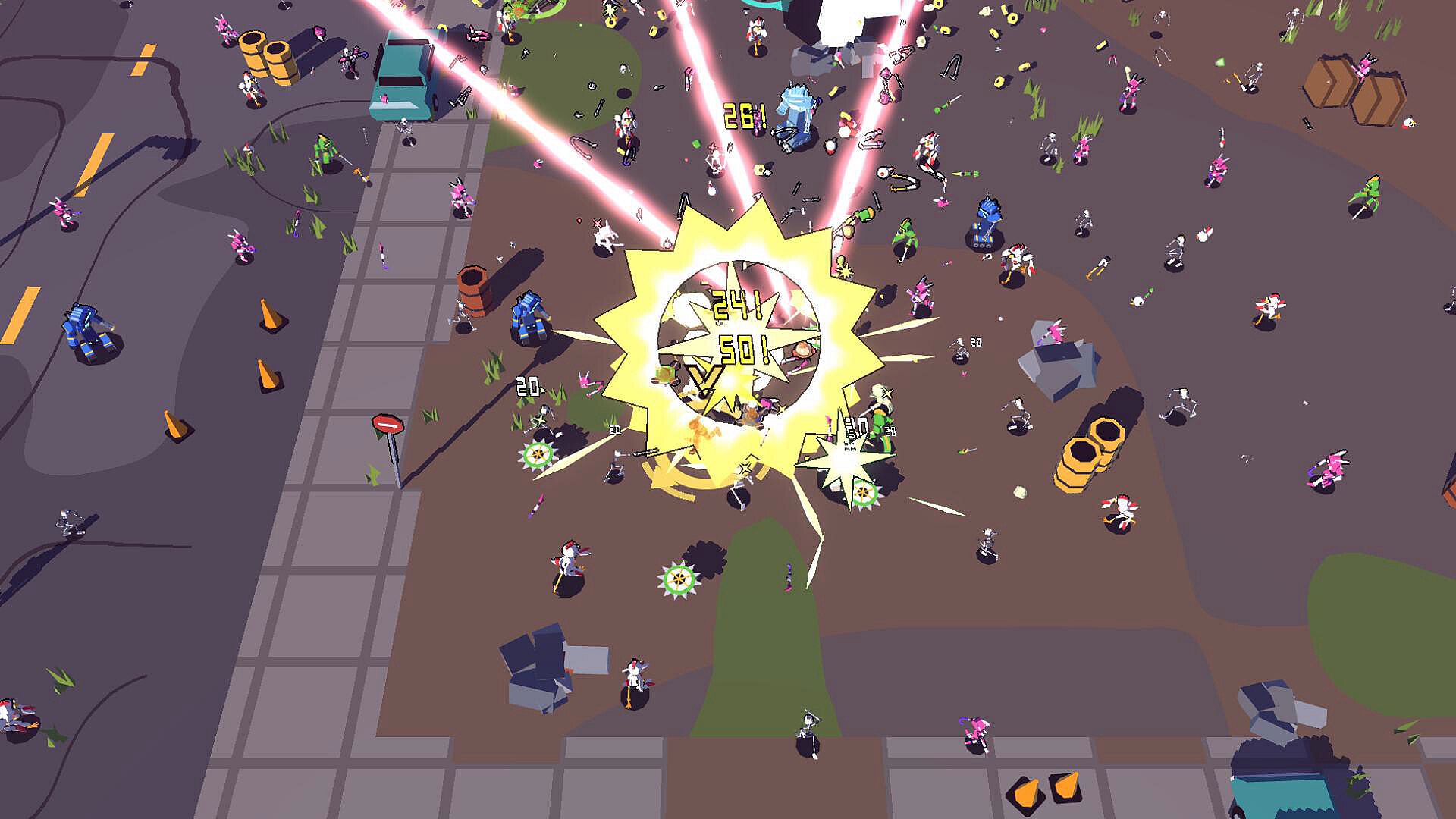
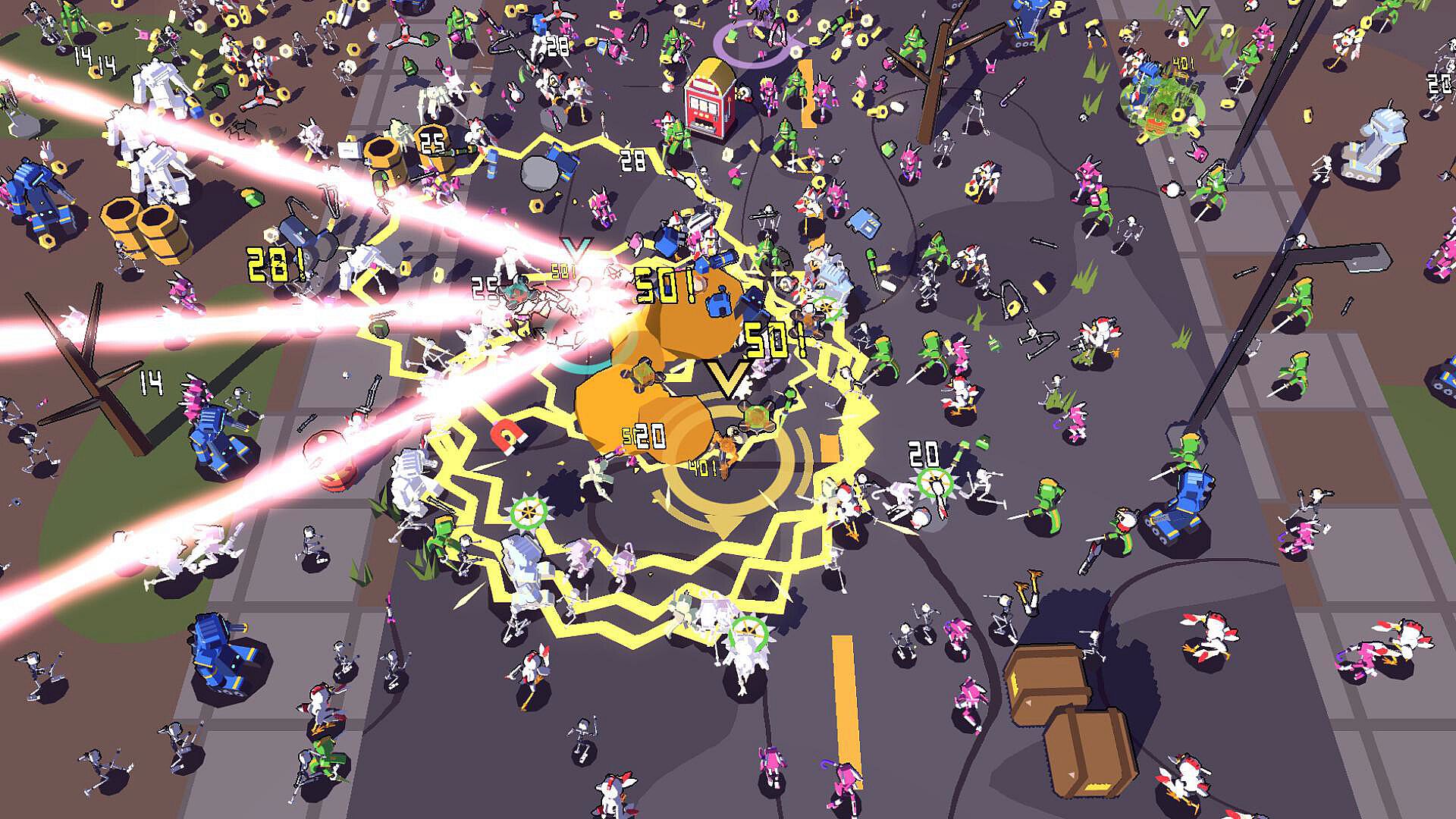
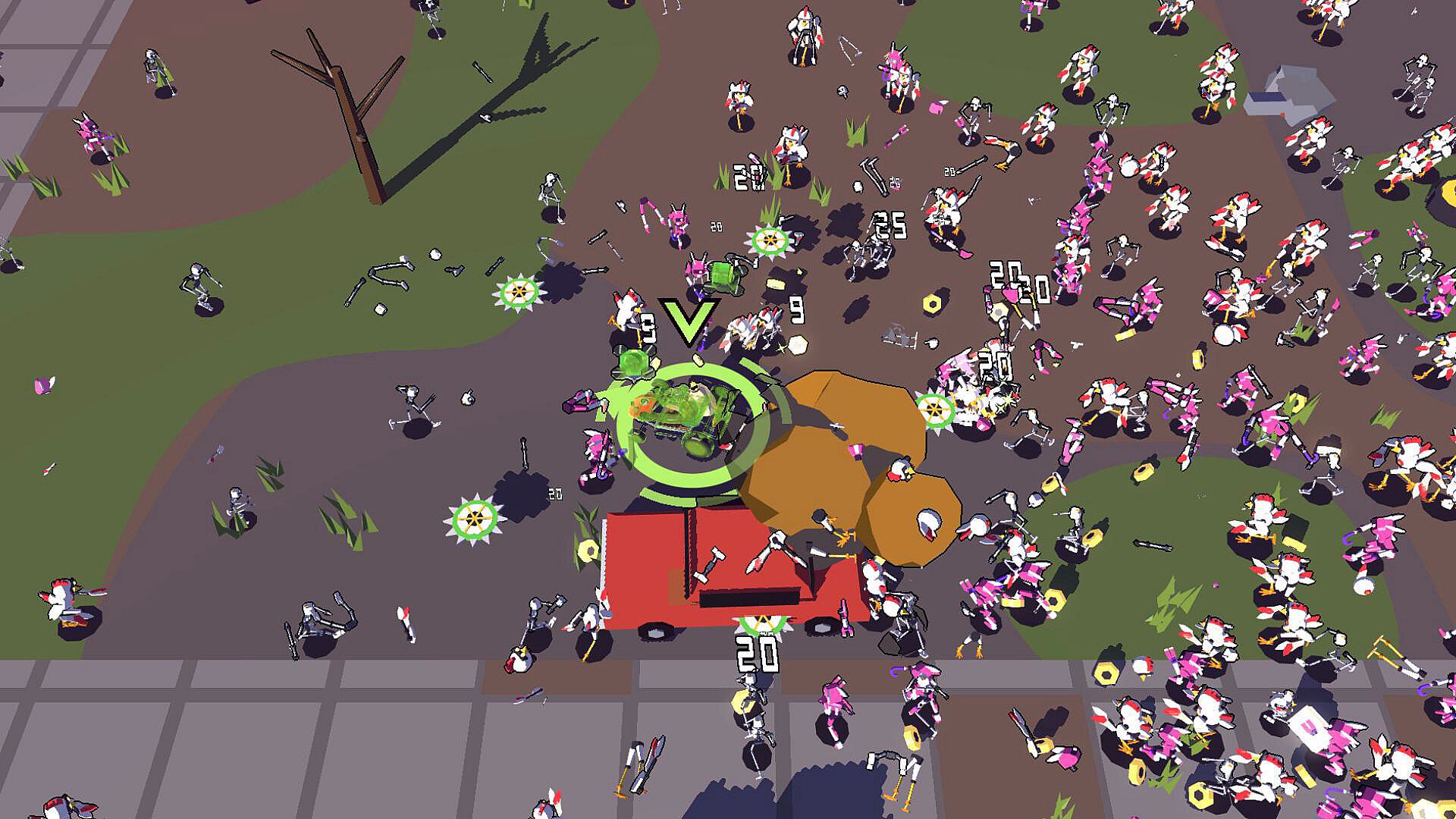
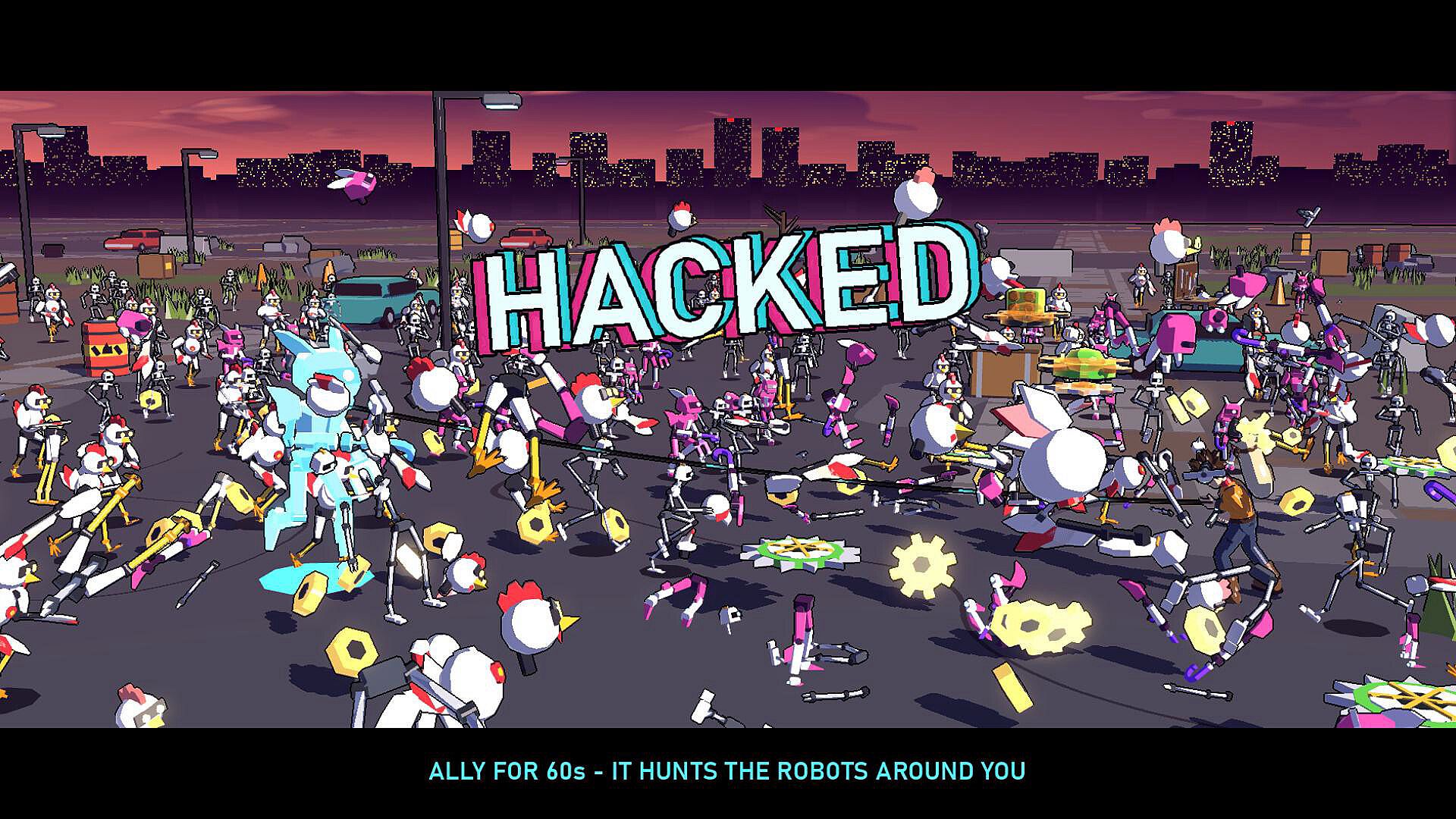
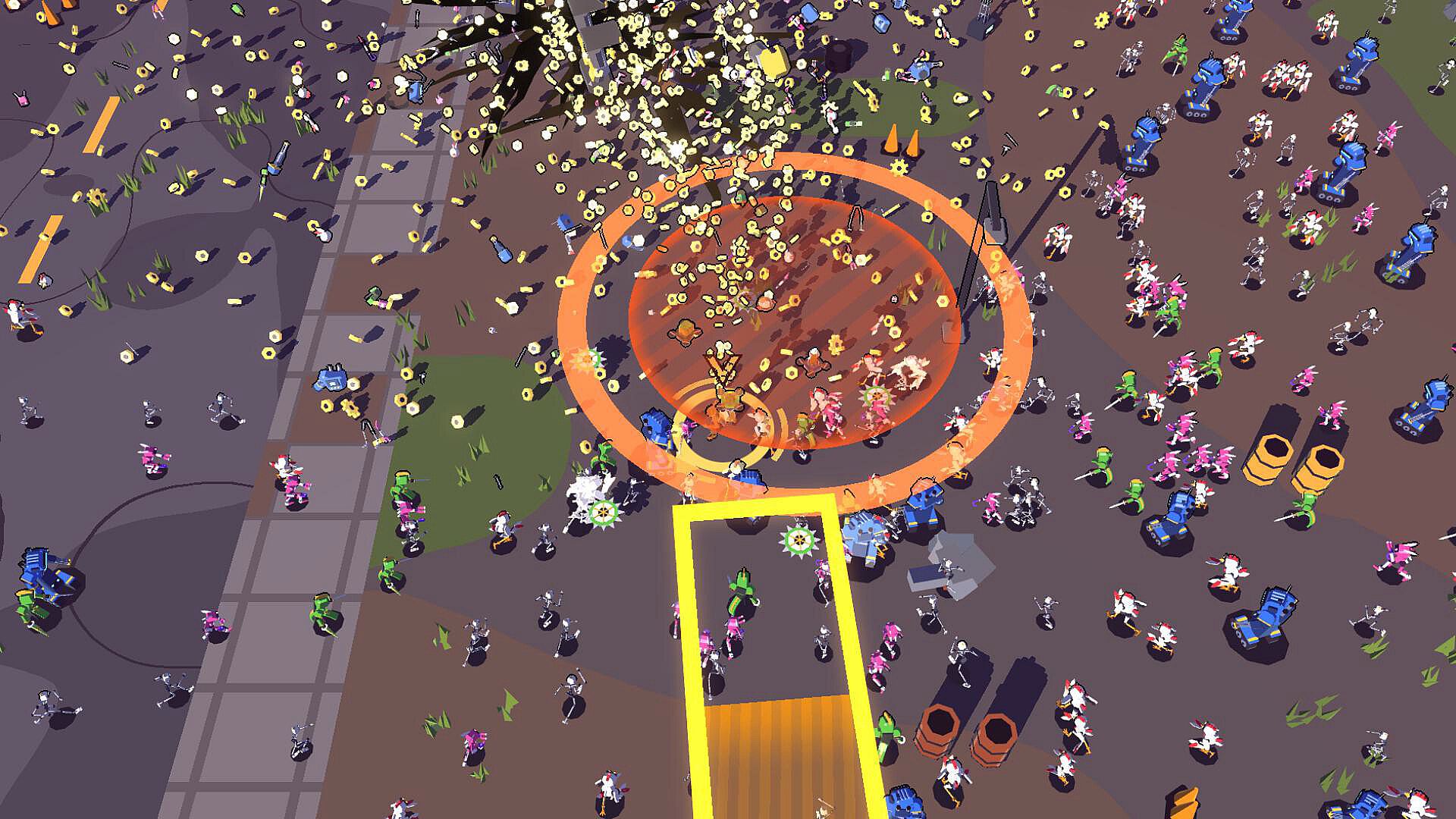
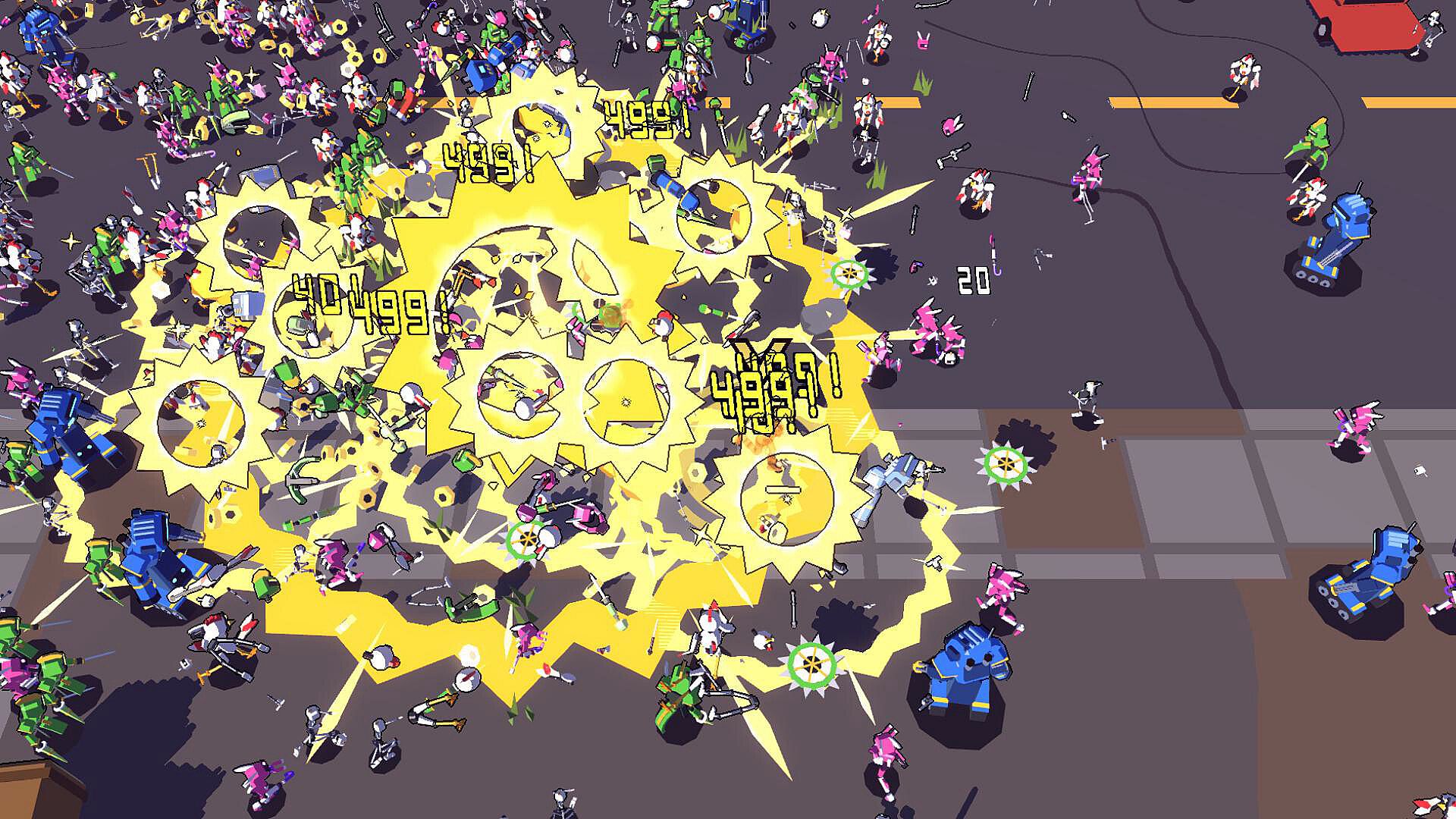
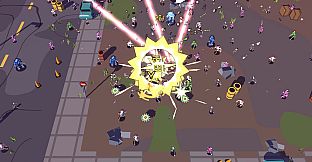
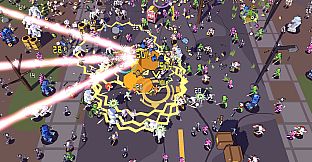
Players move through environments filled with thousands of robots that break apart realistically under fire. Armour detaches, limbs snap off, and wheels roll away as salvage pieces glow gold for collection. Movement controls the character while gadgets activate automatically, including options like laser eyes, tesla packs, saw wheels, rocket pods, and railguns. This setup creates a fluid horde survival experience where destruction yields resources for upgrades back at the bunker.
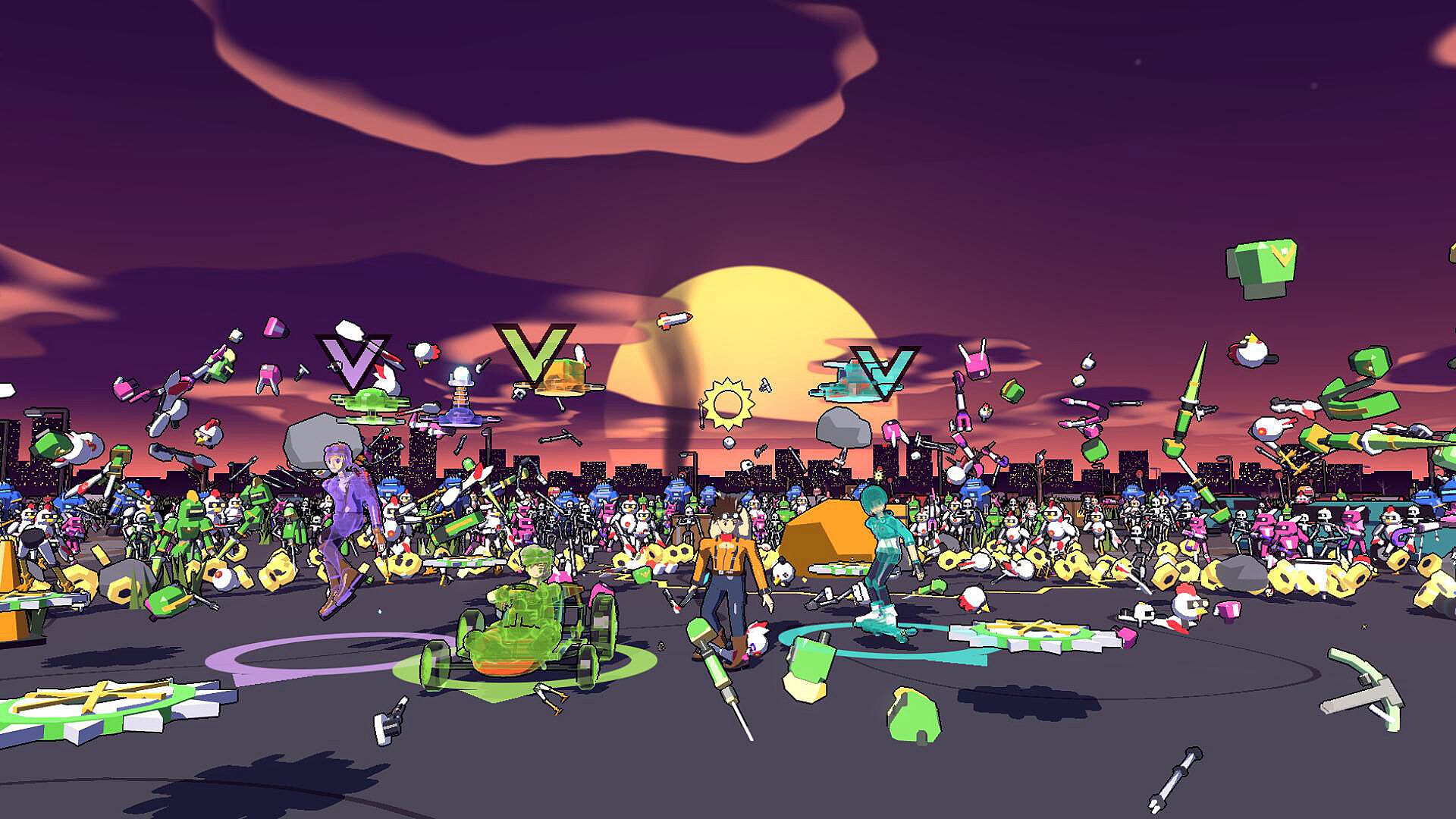
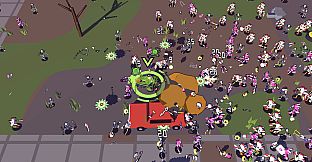
Each of the four playable kids brings distinct mobility and tools. Milo operates on foot with a hand blaster and quick dodge. Juno rides a hoverboard for a long dash that slices through robots. Bruno pilots a heavy scrap kart suited for ramming. Skye uses a jetpack for burst jumps that create shockwaves on landing. These differences encourage varied approaches to the same encounters.
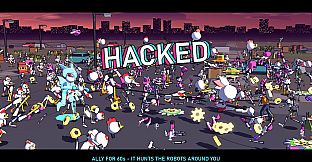
Larger machines require special handling. Knocking them down allows connection via a wrist computer to turn them friendly, after which players can mount and steer them into crowds. The hijacked unit gathers junk from kills until it risks exploding, at which point the rider jumps clear. This mechanic adds layers to crowd control without replacing the primary gadget system.
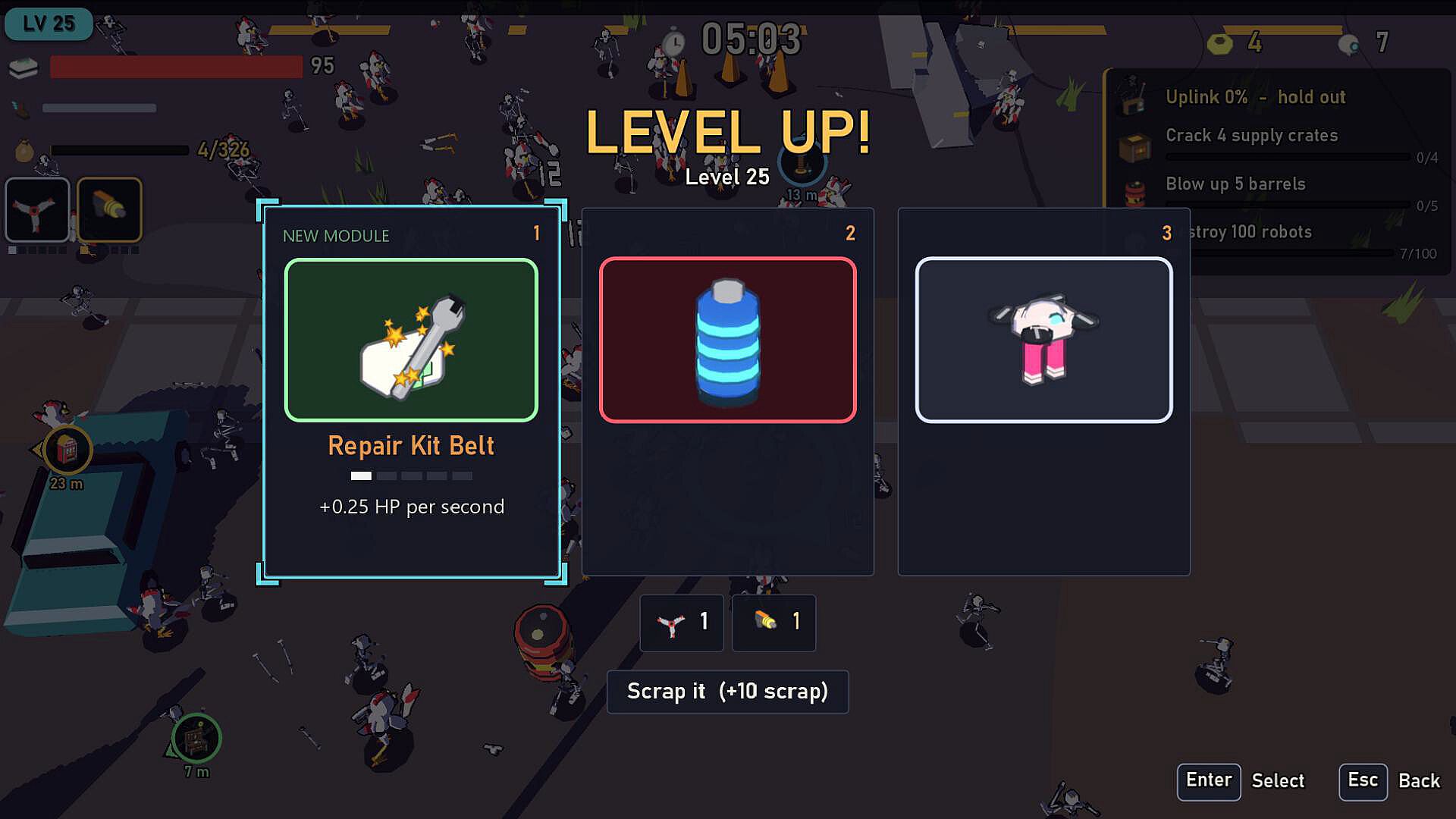
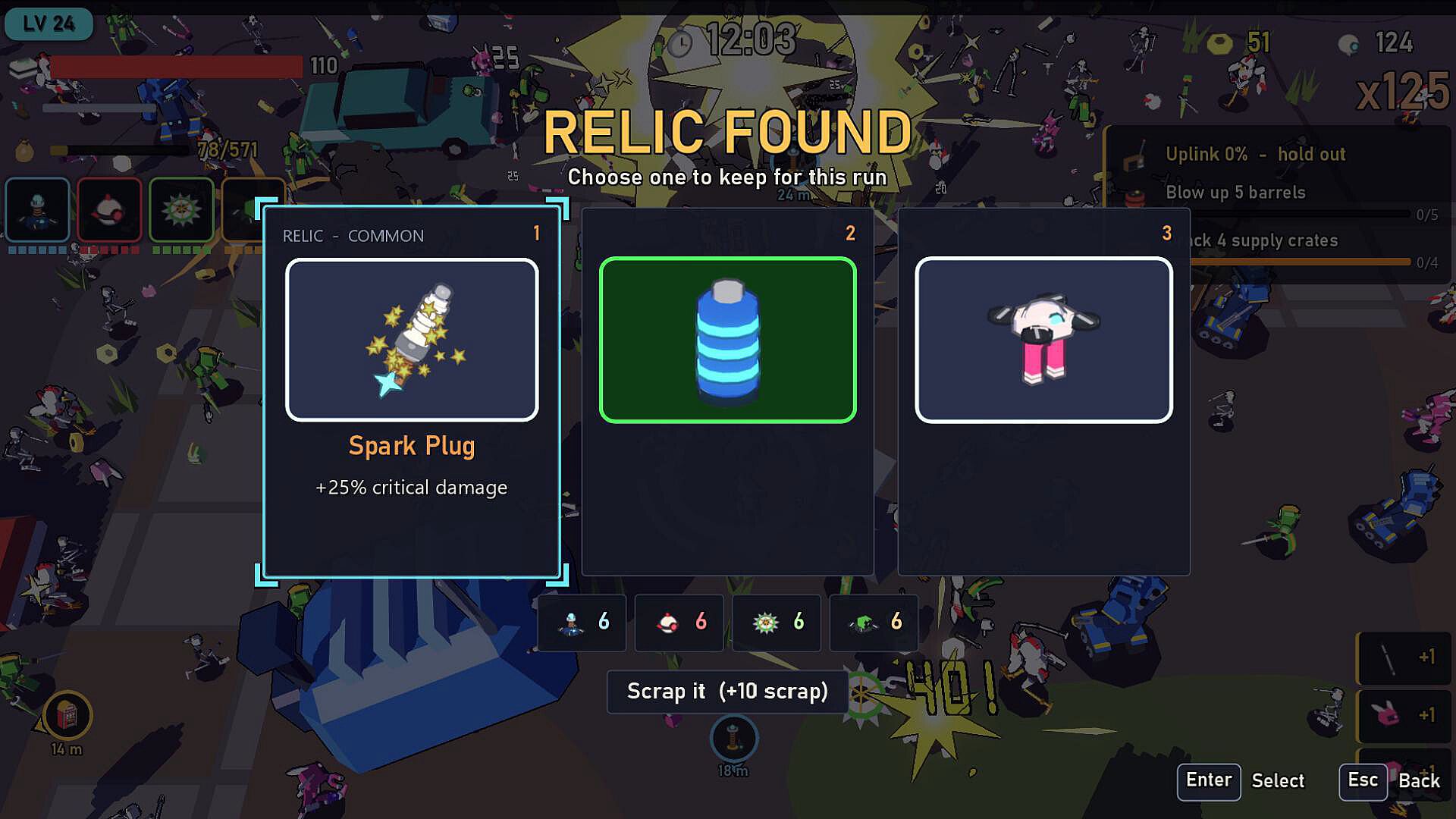
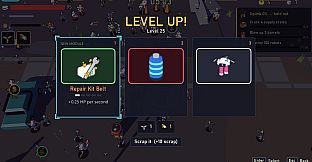
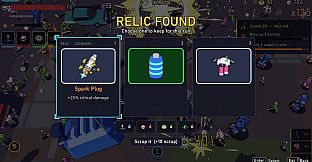
Between outings, time at home involves crafting at a workbench using collected scrap and parts. Permanent upgrades become available through purchases, alongside journal entries that expand the narrative. Builds draw from 17 gadgets and 10 modules across four slots each, plus 50 relics that alter run rules for variety.
Game Modes
Story mode consists of five hand-built chapters that advance through short in-engine cutscenes. The sequence begins with a clue from an old tape and progresses toward a city-wide blackout, focusing on the four kids and their shared goal without lengthy text dumps.
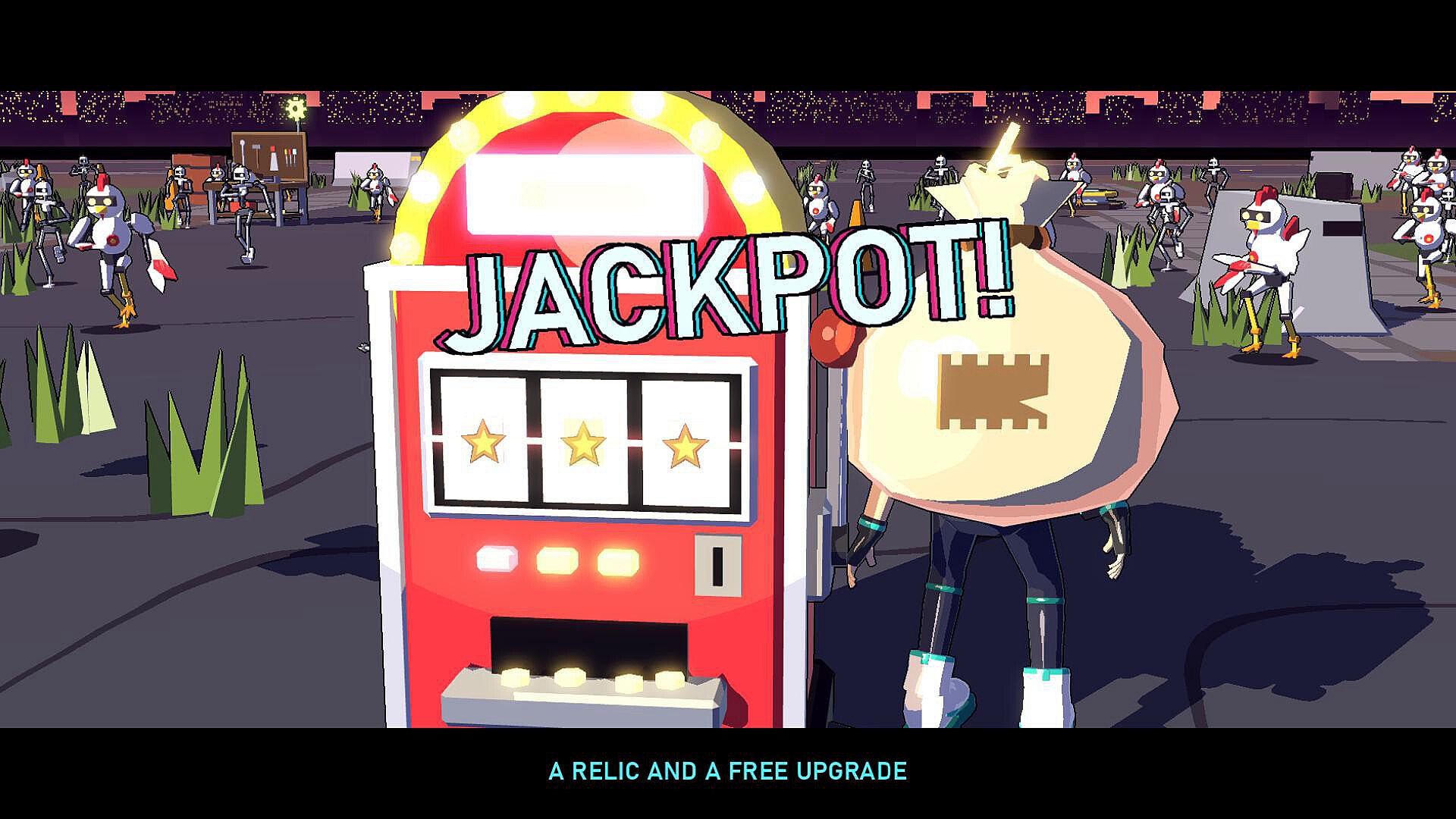
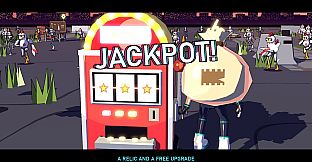
Endless mode generates a fresh city layout each session with no time limit. Objectives include charging relays, surviving periodic Warden arrivals, using one-shot slot machines, and defeating the Overseer, an early design from the kids' father. Difficulty escalates steadily with faster and tougher machines as time passes, testing endurance.
Both modes support solo play or online co-op with up to three friends via Steam invites. In co-op, the robot threat scales with group size, loot divides evenly, and teammates can revive fallen players. Every chapter and Endless run functions independently for either style.
Key Mechanics and Progression
Robots arrive in massive numbers that the game maintains at playable frame rates even on modest hardware. Destruction emphasizes physical feedback rather than simple disappearance, turning each fight into a source of visible salvage. Relics introduce run-specific twists that encourage experimentation across repeated attempts.
Wardens appear at intervals as mid-run threats, while story bosses like the Crusher, Harvester, Stormcaller, and Warbringer carry device components. Defeating them advances the plot and sets up later encounters where defeated wrecks may reactivate together.
Leaderboards track performance per character and chapter, complemented by 23 achievements. Full controller support extends to all menus, removing any mouse requirement for navigation.
Is It Worth Playing?
The game targets fans of horde survival action with co-op elements and character variety. Its emphasis on destructible enemies, build customization through gadgets and relics, and seamless solo-to-group switching provides a focused loop without extraneous systems. Since the title remains unreleased with no user reviews available, reception depends on how well the promised performance on integrated graphics and detailed robot disassembly hold up in practice. Those drawn to indie action experiences centered on robot combat and light progression will find the verified features align closely with that interest, while players seeking extensive narrative depth or additional modes beyond the confirmed story chapters and Endless option may want to monitor post-launch updates.