







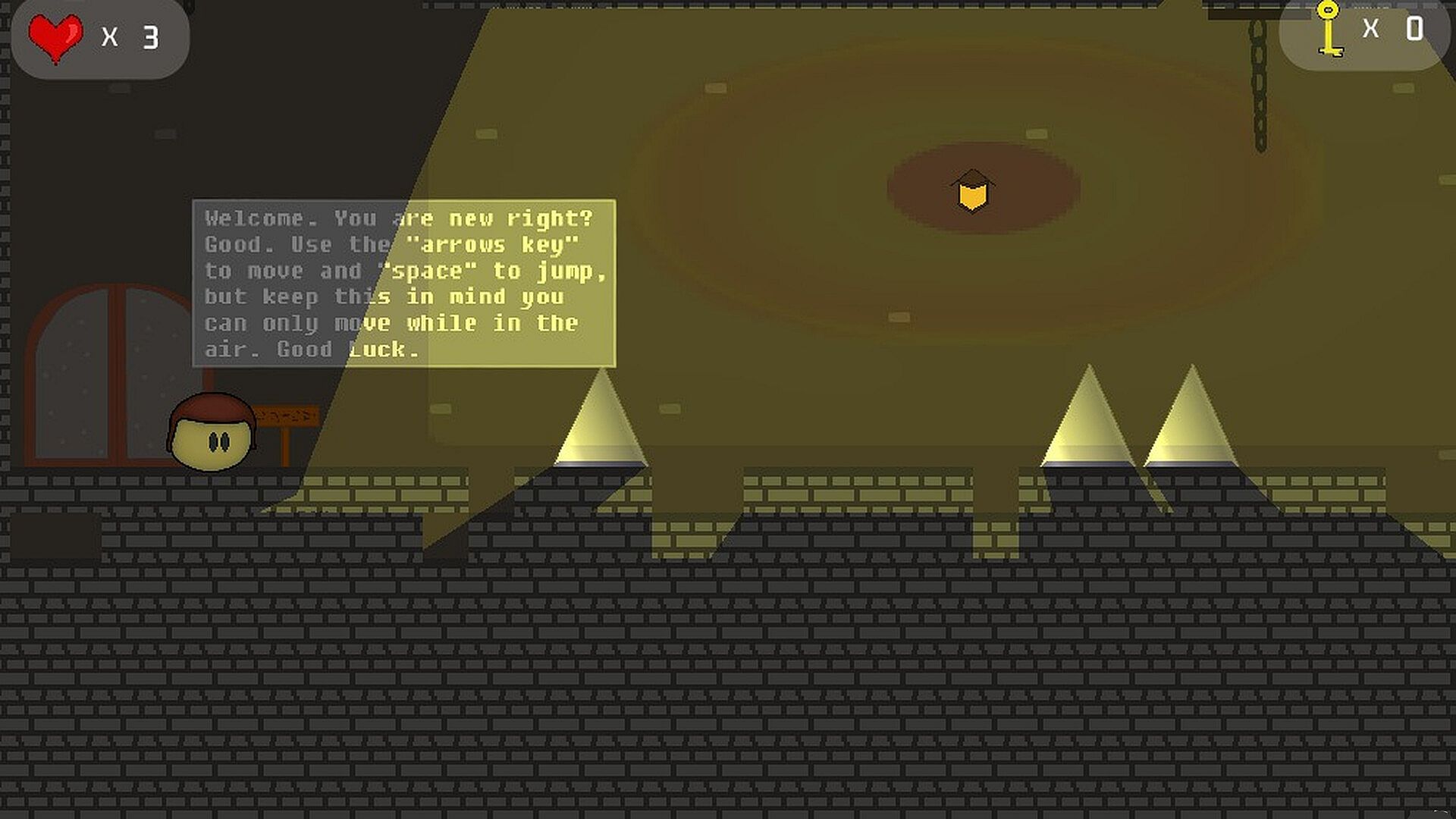
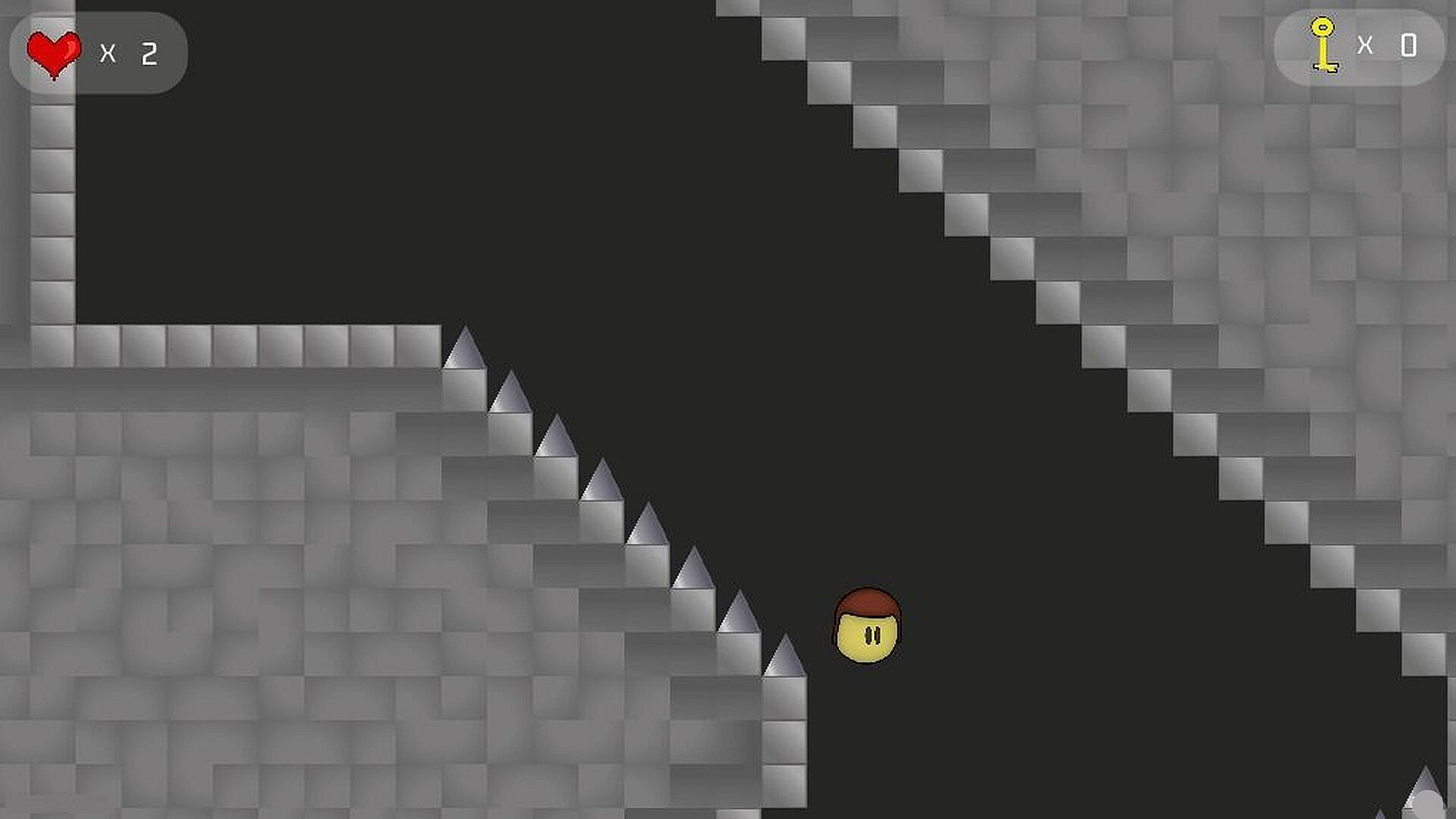
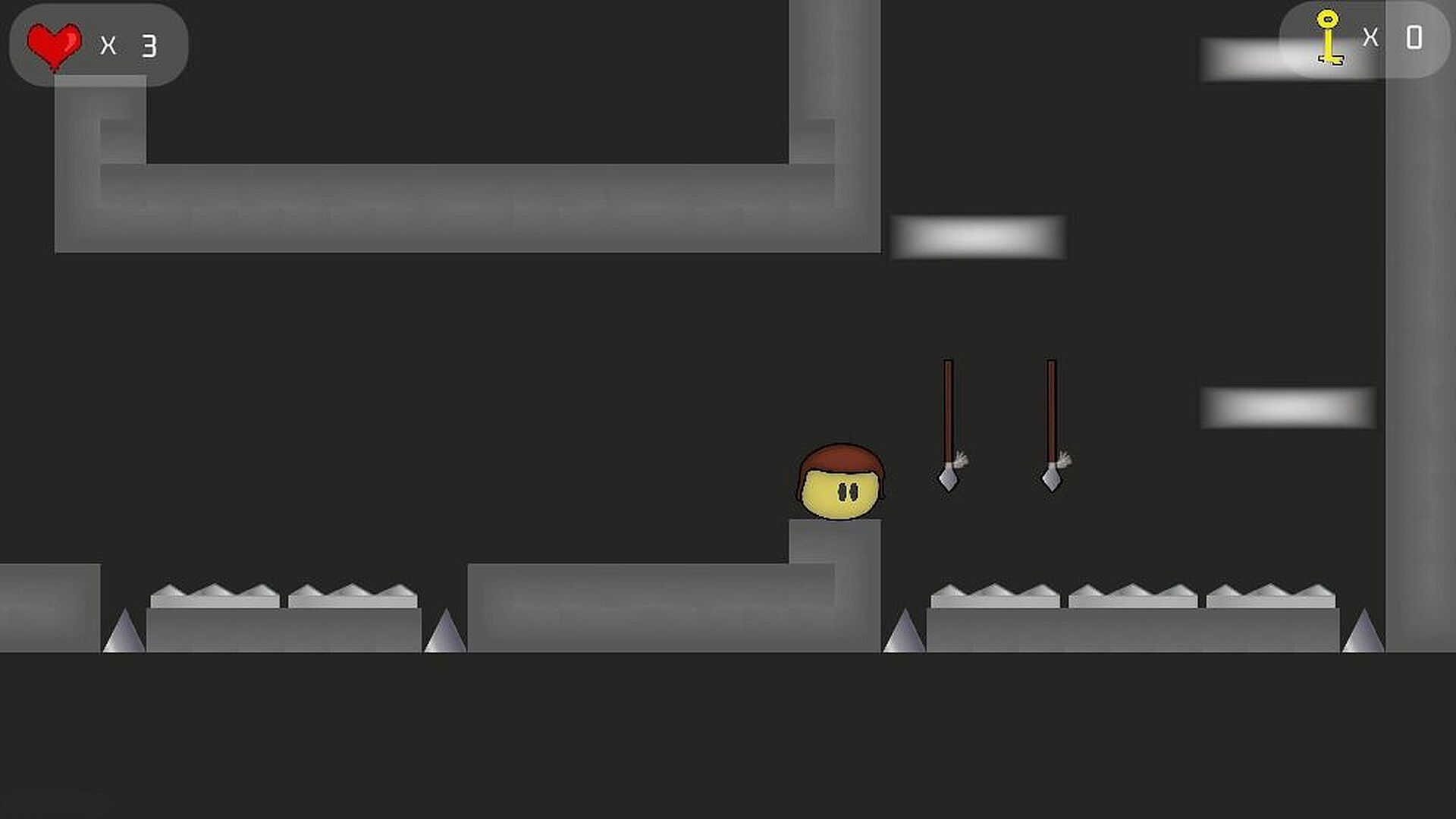
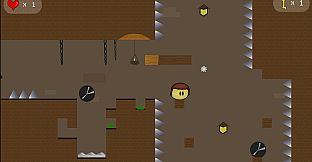
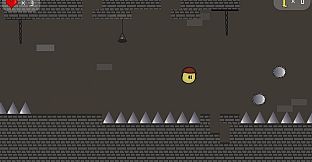
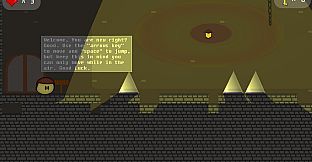
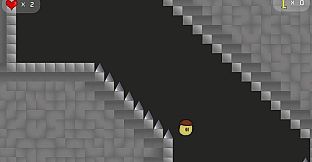
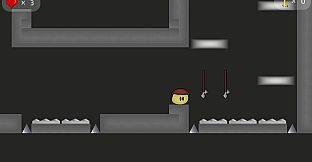
Aknua Tower is an indie casual adventure game on PC that puts players in control of a determined climber navigating a mysterious vertical structure. This 2D platformer challenges participants to ascend floor by floor, adapting to fresh mechanics and obstacles with each new level in a single-player campaign focused on precision and persistence.
Gameplay
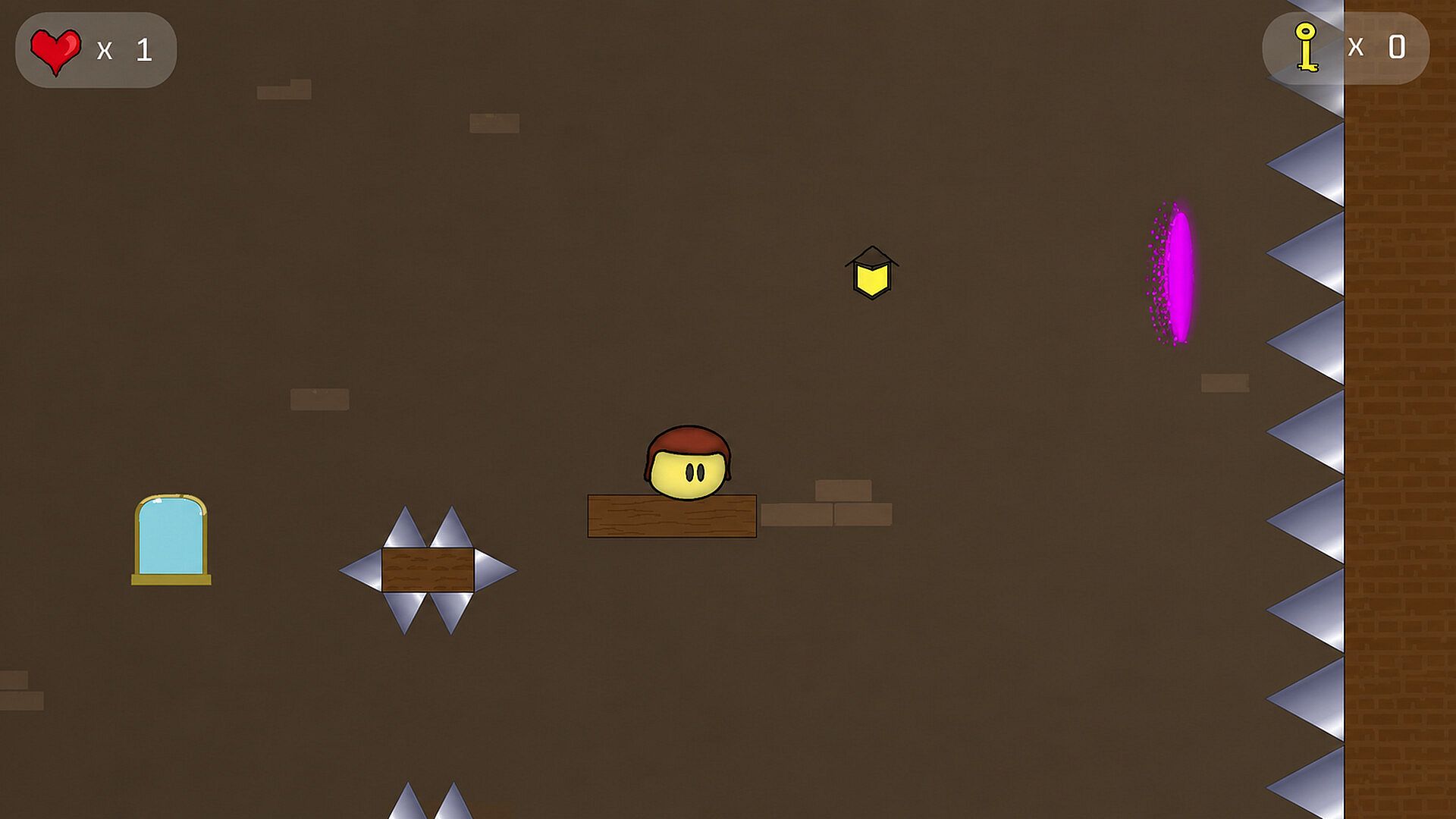
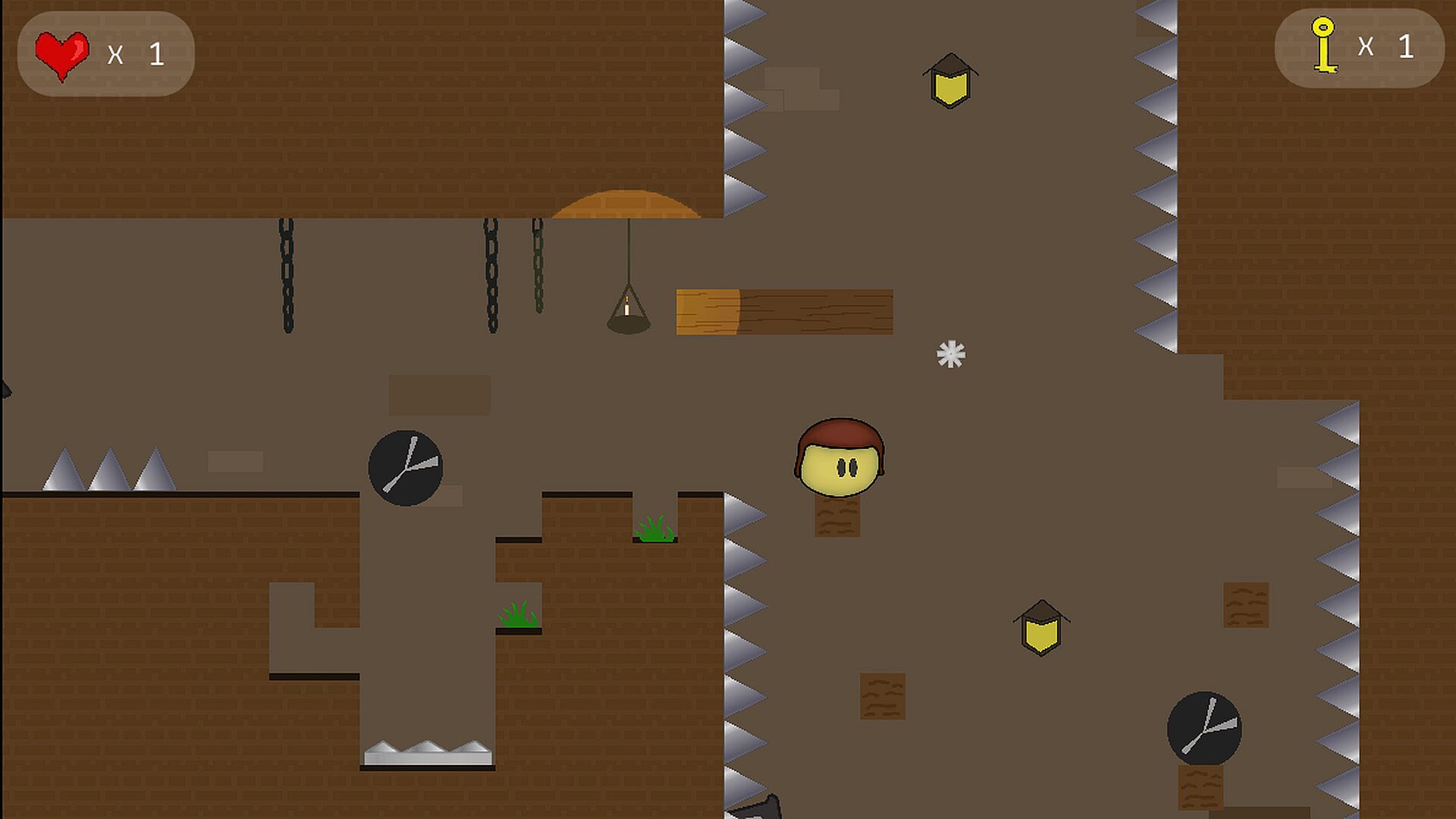
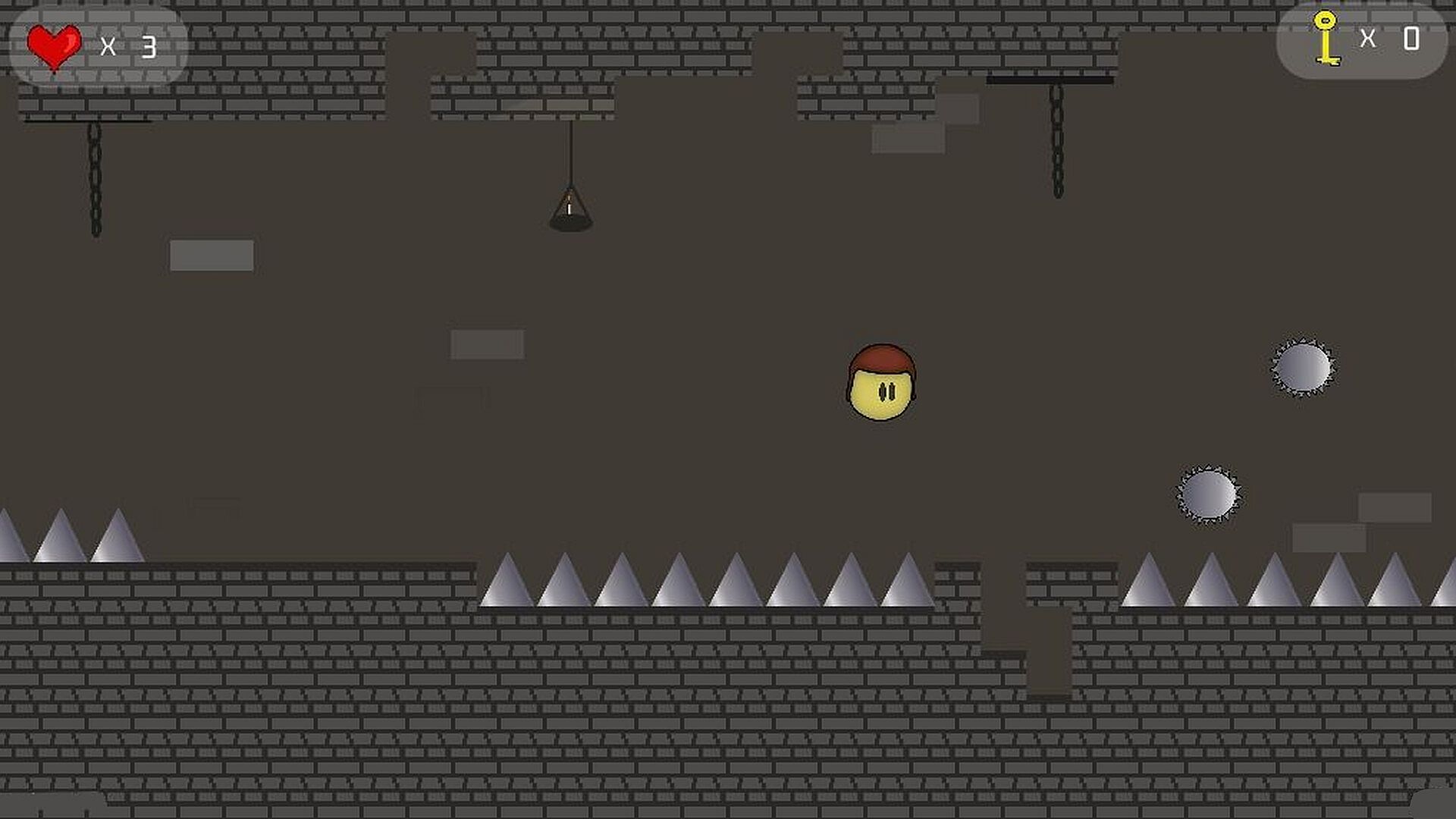
The core loop revolves around climbing the tower one attempt at a time. Players begin each floor with unique challenges that introduce new movement rules and hazards. Success depends on learning from falls rather than relying on chance. The character cannot walk normally on solid ground. Instead, movement starts with a jump using the spacebar to build momentum, followed by arrow keys to steer mid-air and the Z key for a quick dash that extends reach or avoids dangers. This system creates a rhythmic, momentum-based traversal style where timing and trajectory planning become essential. Each floor adds layers of complexity, such as altered physics, environmental hazards, or timing-based puzzles that force constant adaptation. A pause function activated by the K key allows brief breaks during intense sections. Levels include a code displayed in the bottom left corner that lets players resume from that exact point on future attempts, supporting focused practice on specific sections without restarting from the beginning.
Game Modes
Aknua Tower operates as a single-player experience centered on progressive ascent through the tower's floors. There are no separate multiplayer or competitive modes confirmed. The structure encourages repeated runs on individual levels or full climbs, with the code system enabling targeted retries. This design supports a solitary, self-paced adventure where the emphasis stays on personal improvement and exploration of the tower's varied challenges rather than external competition or cooperative elements.
Key Mechanics and Progression
Progression ties directly to mastery of the movement system and floor-specific rules. Early floors establish the basics of jumping, steering, and dashing, while later ones layer in surprises that alter how those tools apply. The fair difficulty curve rewards observation and repetition, turning each failed attempt into actionable insight for the next try. The indie casual adventure framing keeps the focus on accessible yet demanding platforming without overwhelming complexity in controls. Players encounter a steady stream of new mechanics that refresh the experience across the tower's height, maintaining engagement through variety rather than repetition of the same patterns.
Is It Worth Playing?
This title suits players who enjoy deliberate, skill-based platformers that prioritize practice over instant success. The unique movement mechanics and floor-by-floor surprises create a loop built around adaptation and incremental improvement. With its single-player focus and emphasis on fair challenges, it appeals to those seeking a thoughtful indie adventure on PC. Since the game remains in a coming-soon state with no player reviews or post-launch updates available yet, potential buyers can assess fit based on the described controls and structure alone. Those drawn to momentum-driven traversal and persistent climbing will find the core systems align closely with that preference.












