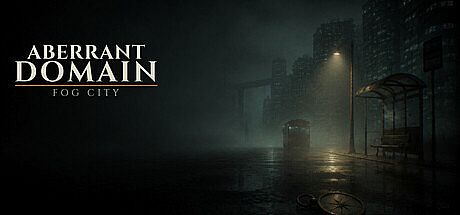


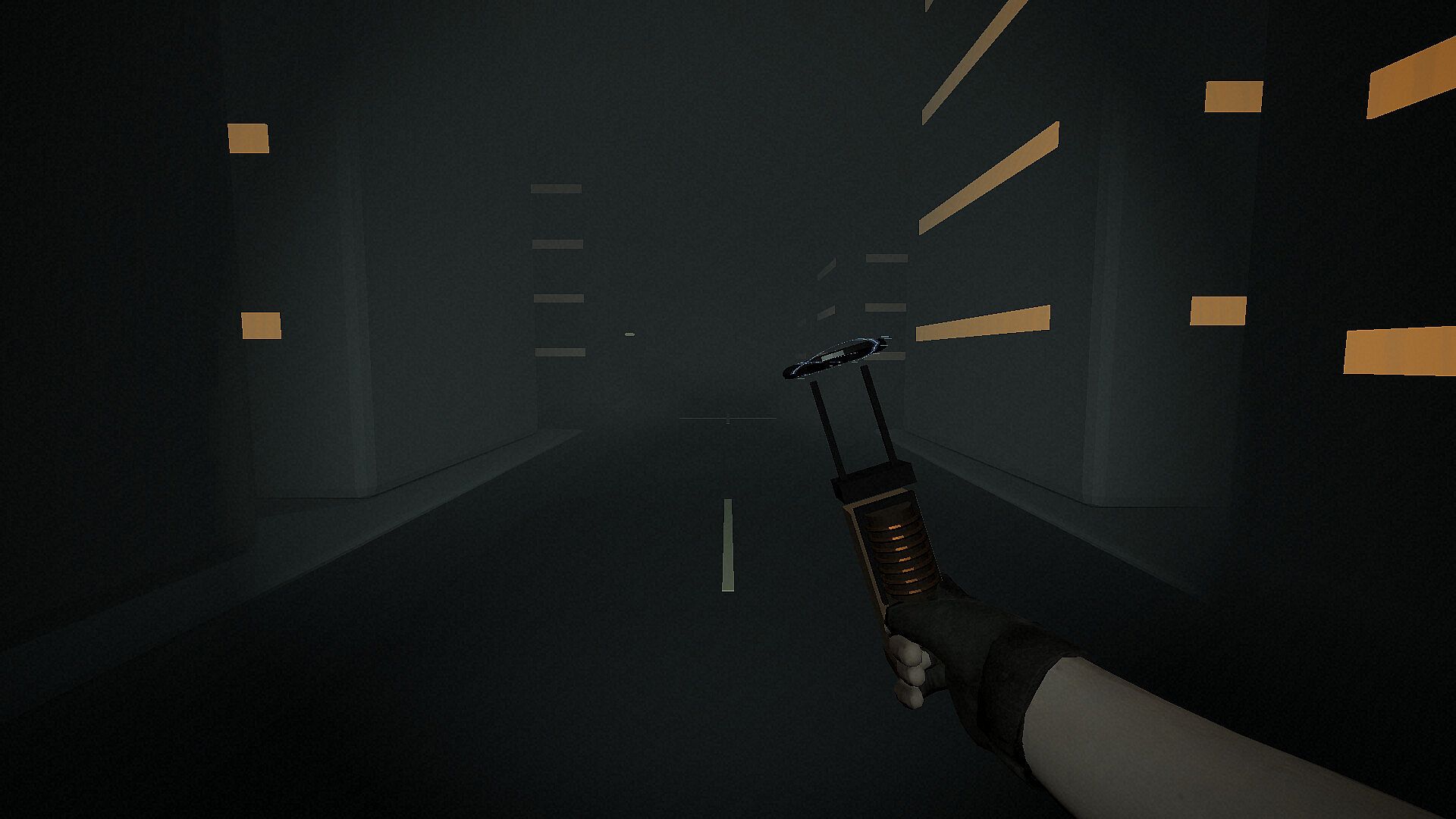
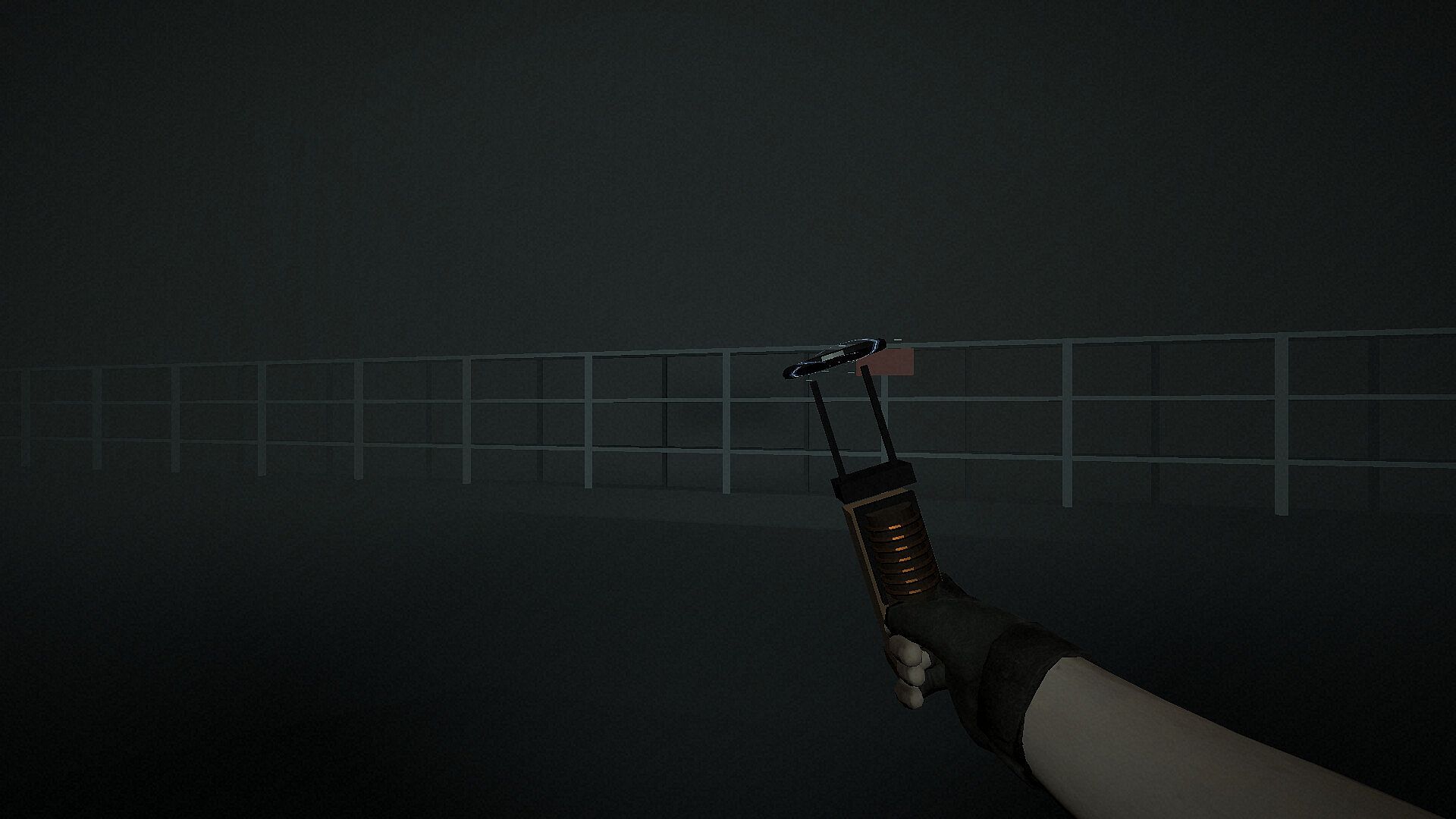
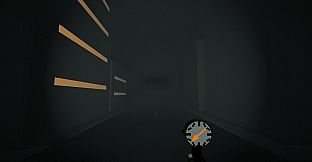
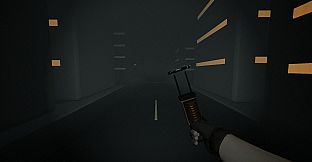
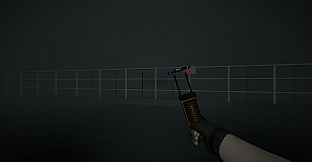
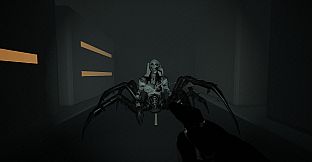
Aberrant Domain: Fog City is a compact survival horror adventure built around minimalist exploration and a pervasive sense of dread. Players step into the role of a once-celebrated horror novelist who finds himself trapped in a looping, fog-choked city that appears to have been shaped by his own stories. Tower blocks repeat endlessly, street numbers lead nowhere, and the dense fog itself seems alive with unseen threats. The experience runs roughly two hours from start to finish, delivering a tightly scripted descent into paranoia rather than an open-ended sandbox.
Gameplay
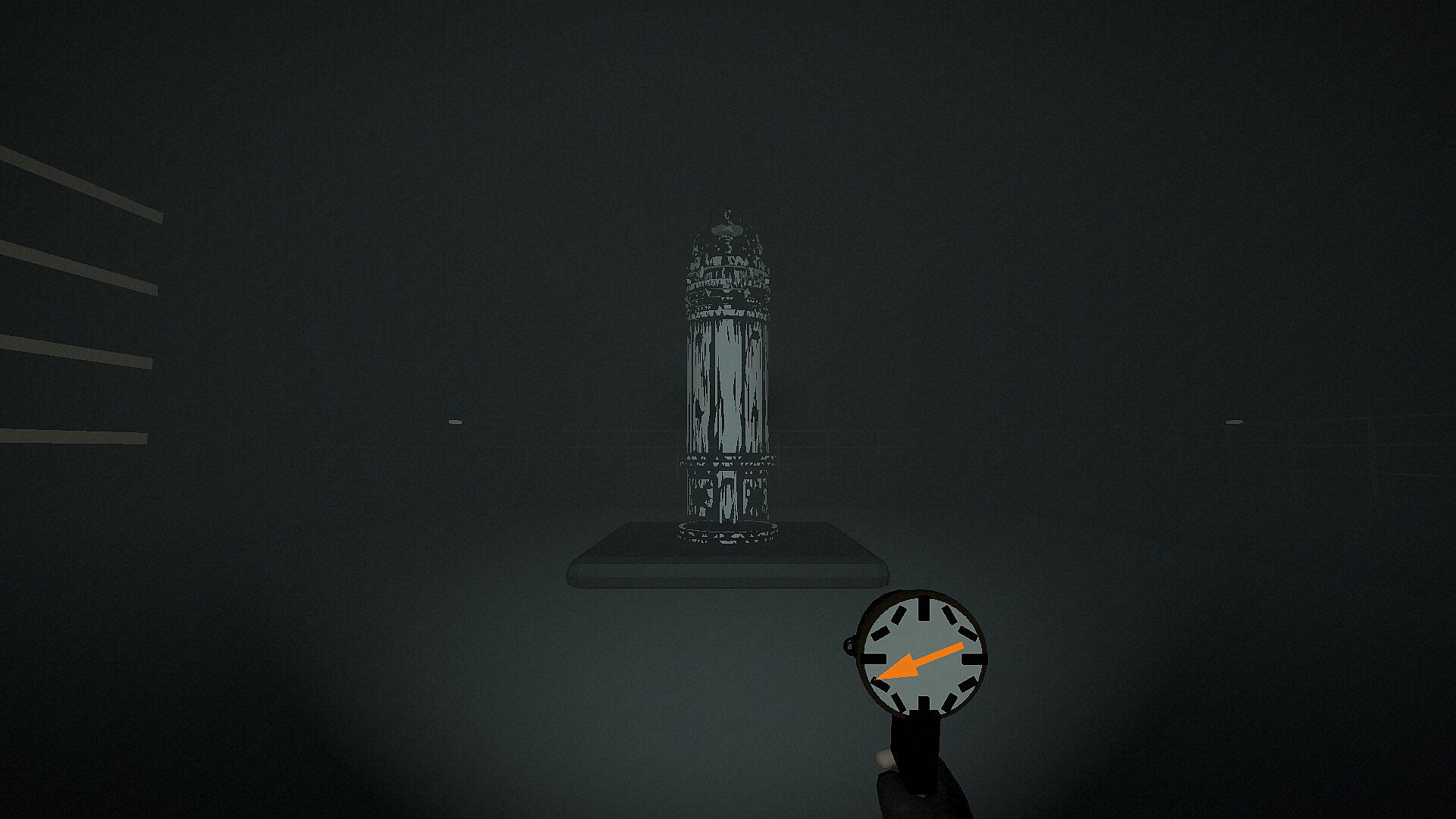
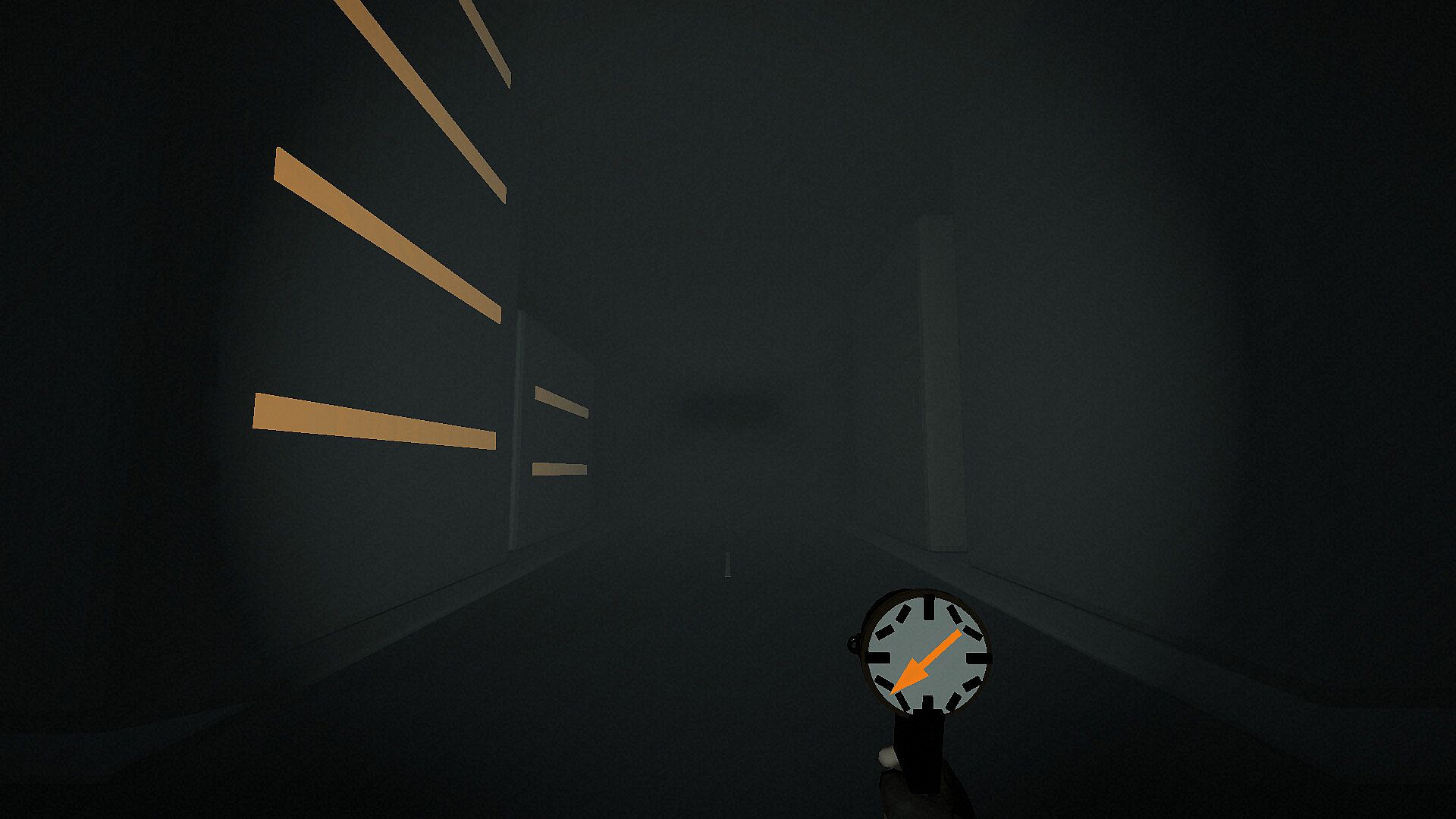
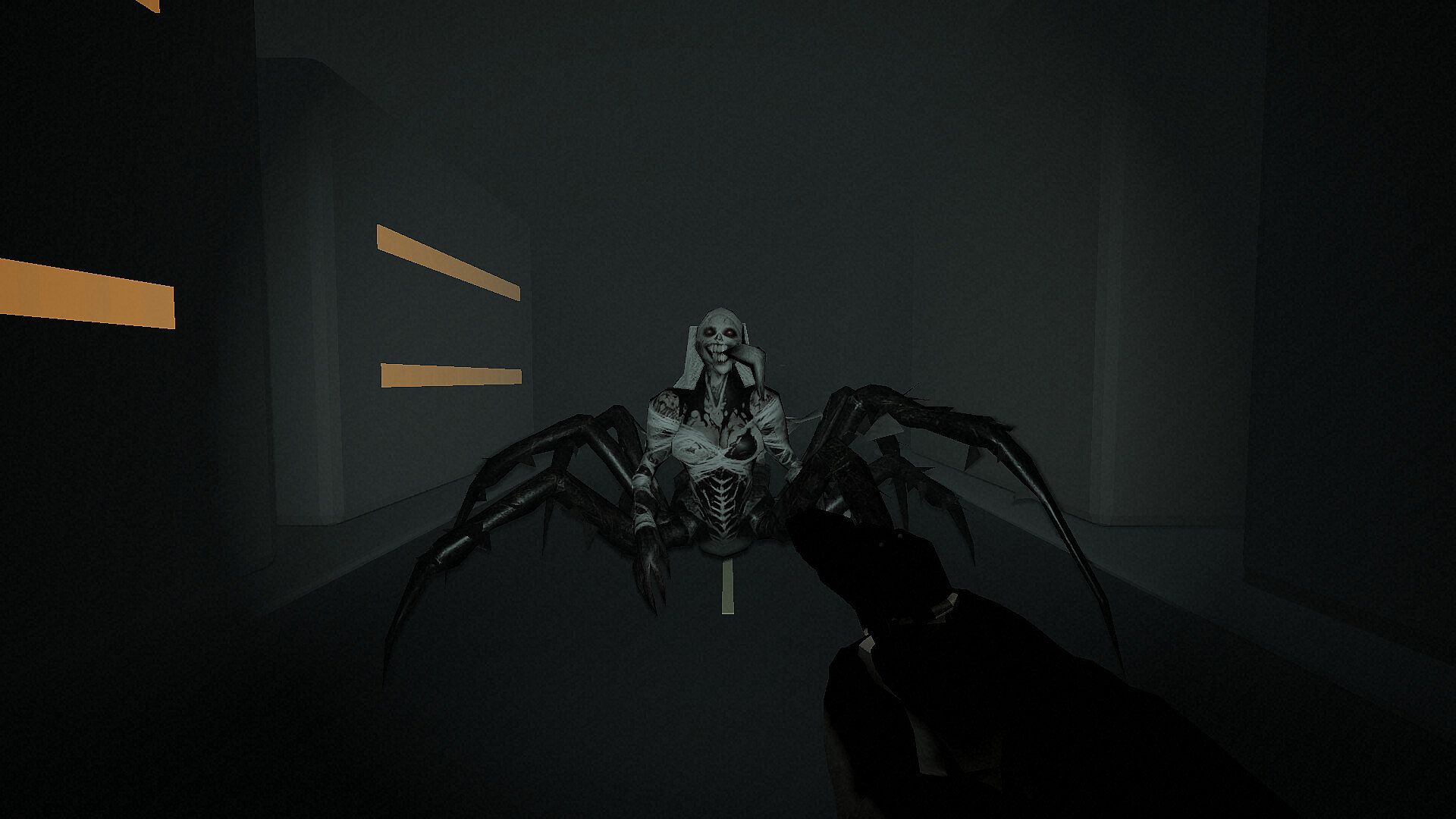
Core gameplay revolves around careful navigation through an oppressive urban environment where visibility is deliberately limited. An unreliable compass and a map that can only be consulted in brief glimpses force players to rely on memory and environmental cues. Scavenging abandoned bins, benches, and derelict facilities yields ammunition, basic supplies, and unexplained spirit money that may hold deeper significance. Combat occurs when monsters emerge from the fog, handled through firearms and EMP devices, though several encounters cannot be resolved by force alone. The horror stems less from jump scares and more from mounting perceptual dislocation: the compass may suddenly point away from the intended path, voices bleed through telephones with warnings or deceptions, and ordinary objects begin to feel untrustworthy. Every decision carries weight because the city actively works to erode certainty.
Game Modes
The game offers a single, linear single-player campaign with no branching paths or alternate modes. Progression follows a fixed sequence of exploration, scavenging, and occasional confrontations, all framed within the protagonist's fractured memories. There are no multiplayer options, co-op features, or separate difficulty settings beyond the inherent tension of the fog and unreliable tools. The design prioritizes a focused narrative arc over replayability or variety in structure.
Story and Atmosphere
Players awaken in Fog City after an unnatural fog swallows an ordinary street. Records scattered throughout the environment appear written in the protagonist's own hand, raising questions about how and why he arrived. Telephone voices from the future offer cryptic guidance while urging distrust of everything, including the compass and seemingly familiar landmarks. The central goal involves locating anomalous relics to reconstruct lost memories and escape, yet the city's repeating architecture and constant surveillance create an atmosphere of paranoid doubt. The Backrooms-inspired liminal spaces amplify the feeling that nothing is stable or safe, turning routine movement into a psychological ordeal.
Is It Worth Playing?
This title suits players who prefer short, atmospheric horror experiences over lengthy campaigns or action-heavy loops. Its strength lies in the oppressive fog mechanics, the tension of limited map access, and the unsettling story beats that question the protagonist's reliability. Those seeking quick sessions with strong thematic cohesion will find the two-hour runtime well paced and complete. Individuals who favor open-world freedom, extensive combat systems, or multiplayer interaction may find the minimalist approach too restrictive. The game stands as a self-contained indie experiment in perceptual horror rather than a broad genre showcase.