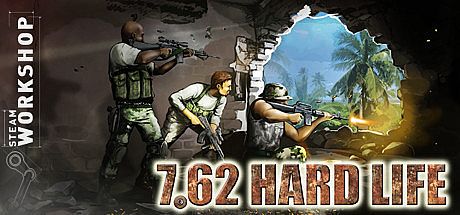













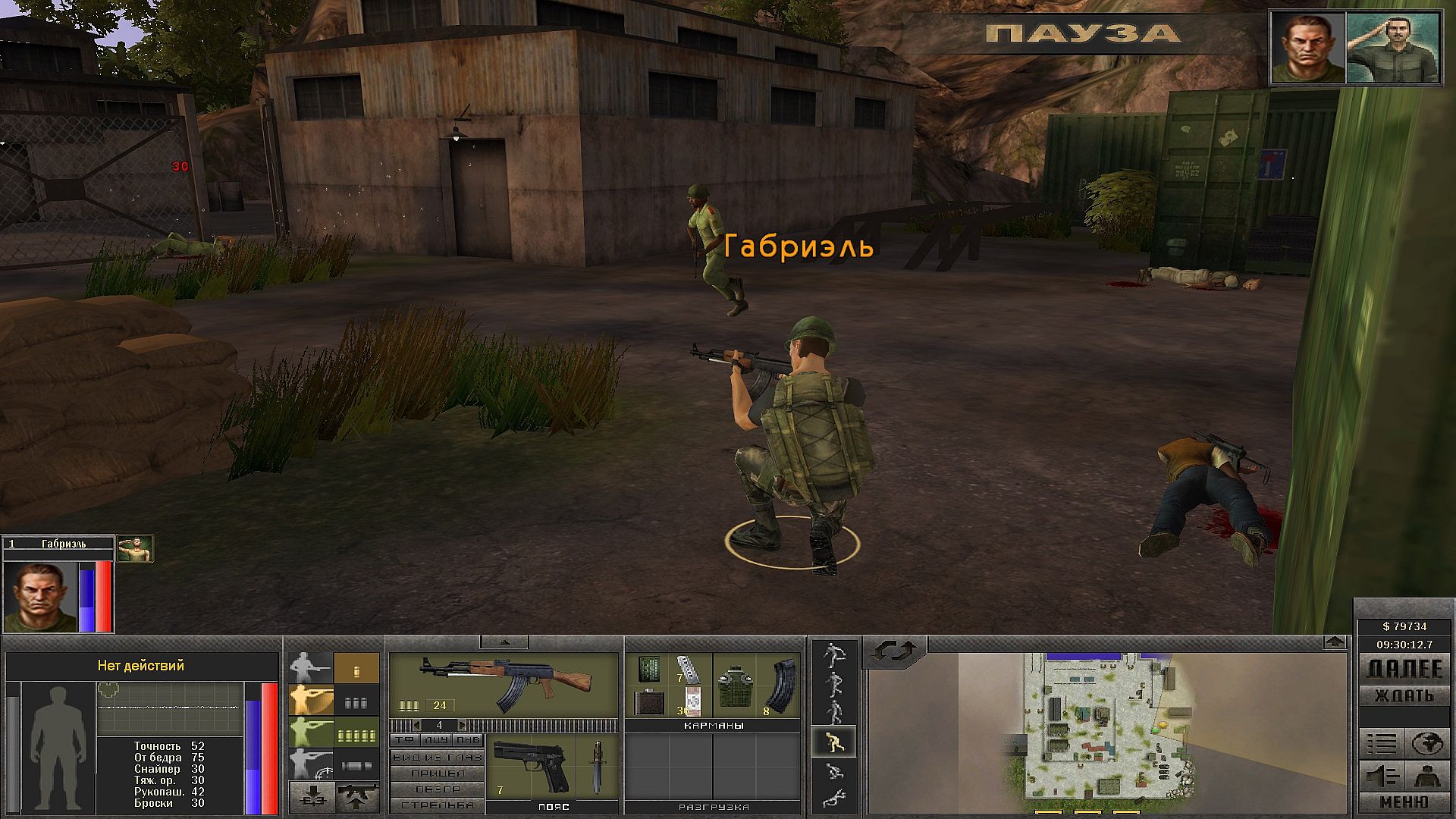
7,62 Hard Life is a single-player tactical simulation RPG that expands the 2007 original 7,62 High Calibre with extensive new content while preserving its core focus on realistic mercenary operations in a conflict zone. Players command small teams of mercenaries across an open world divided into sectors, handling combat, logistics, and story decisions in real time with pause mechanics. The experience emphasizes detailed weapon handling, resource management, and faction interactions in a South American setting.
Gameplay
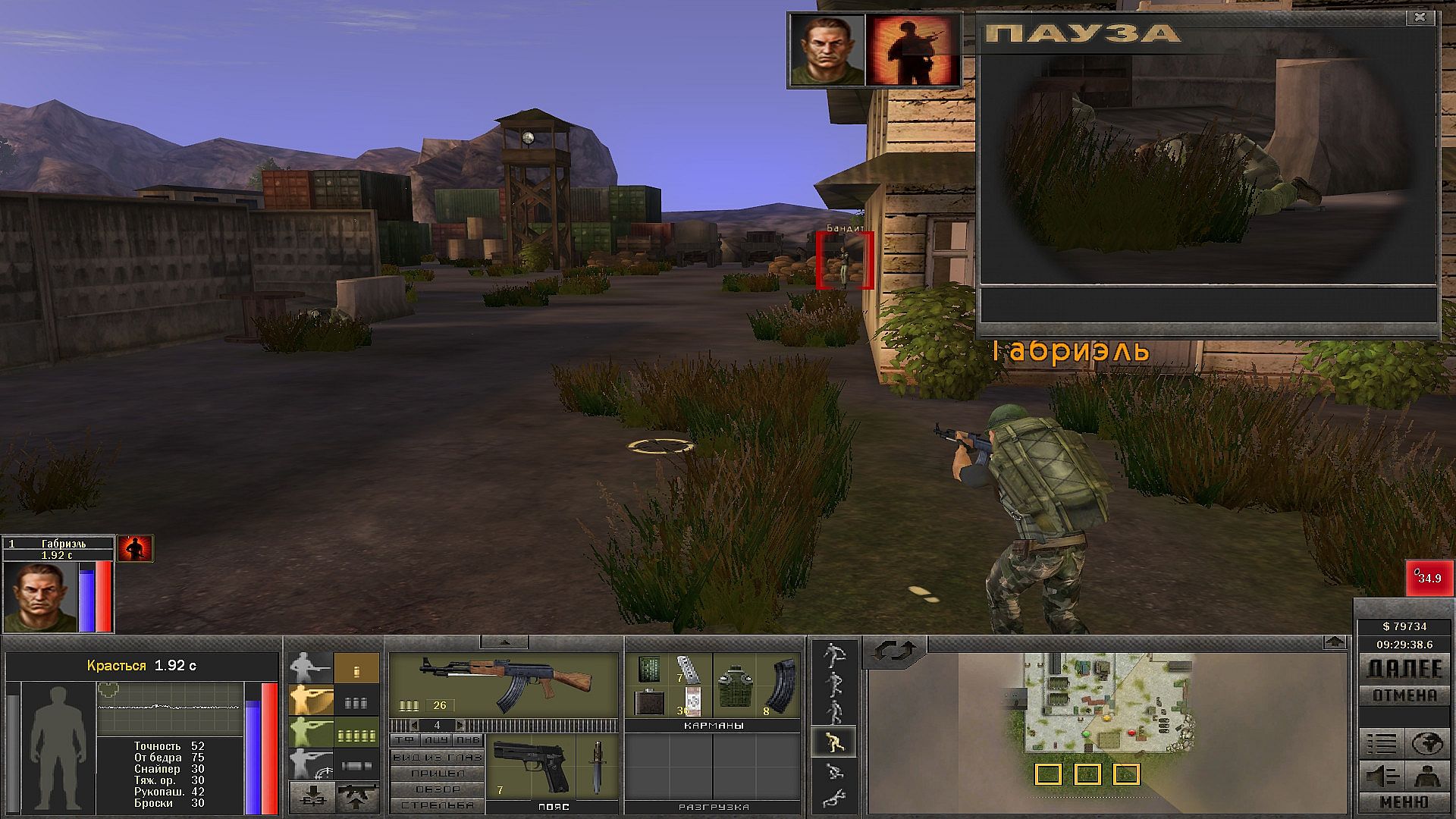
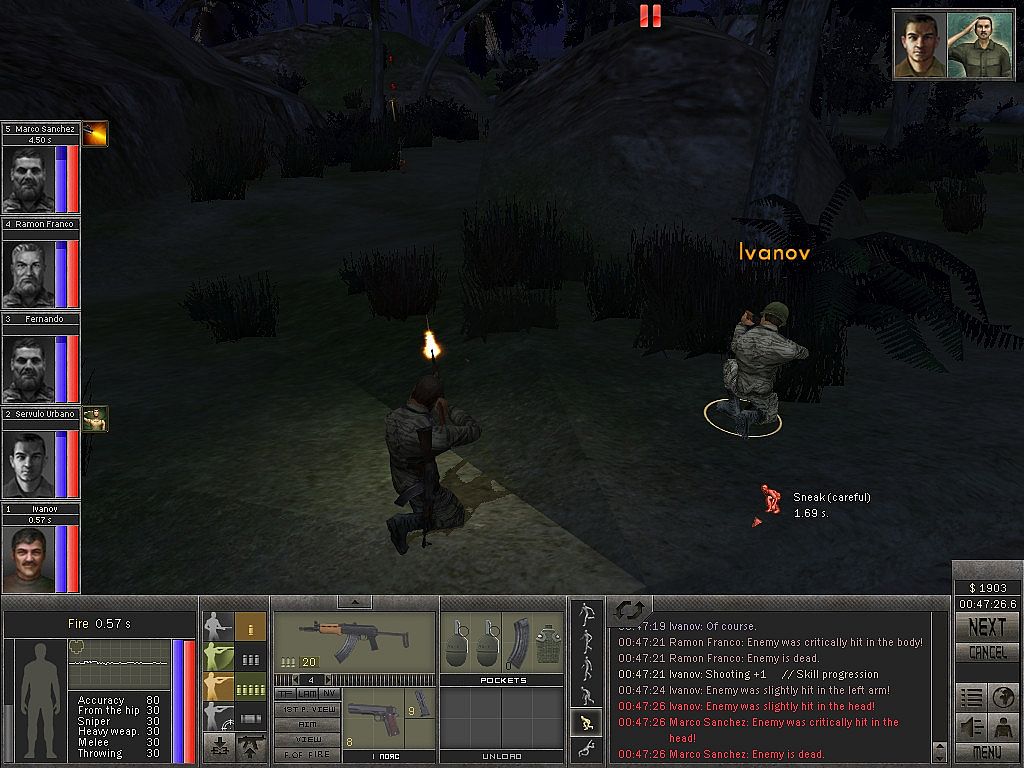
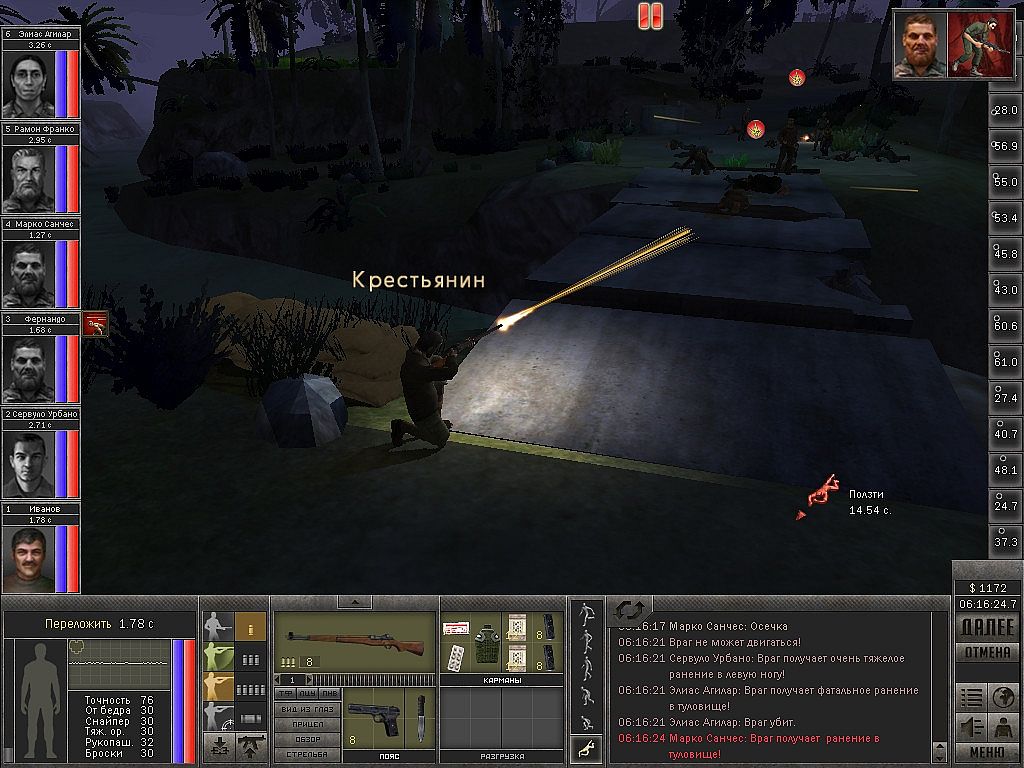
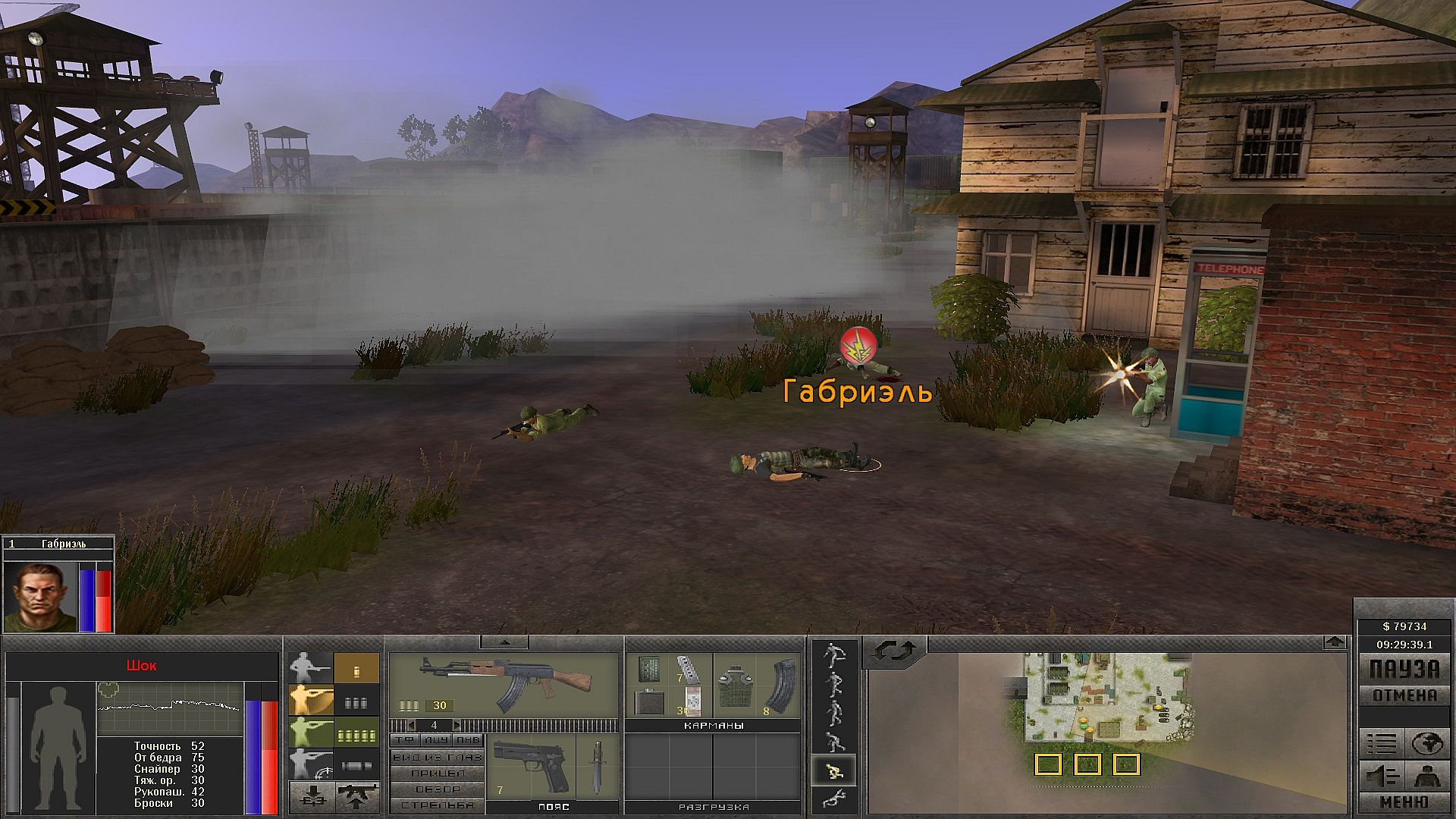
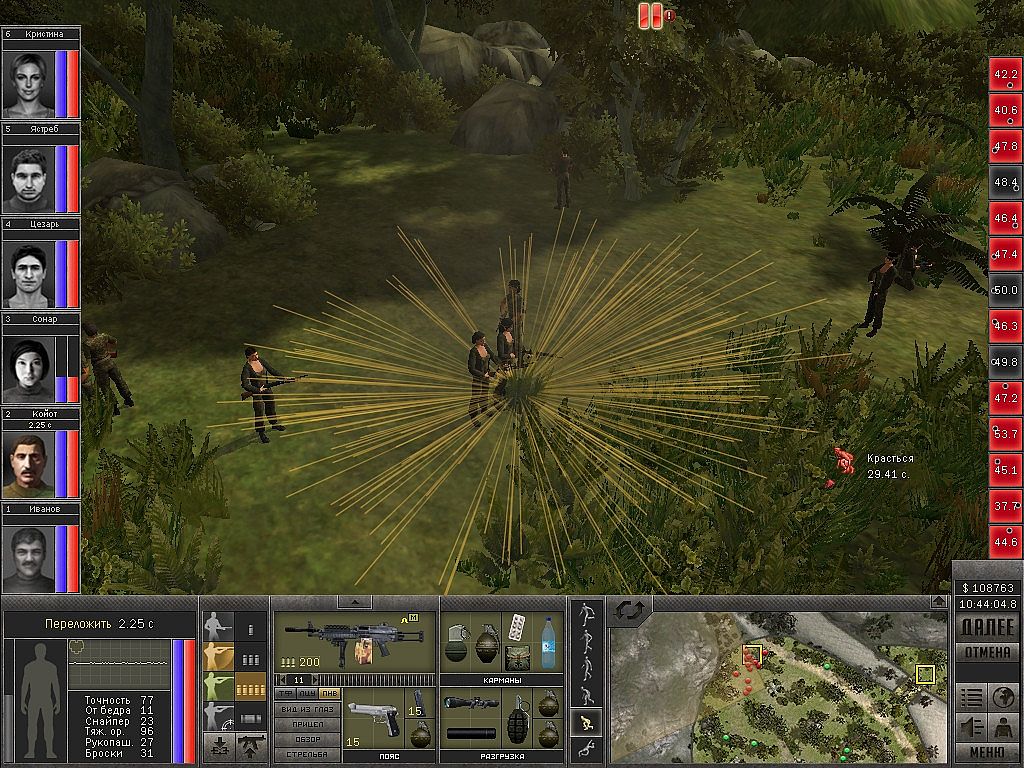
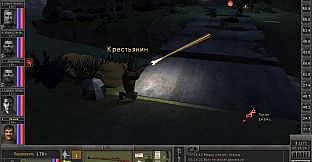
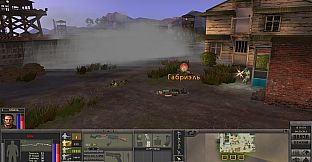
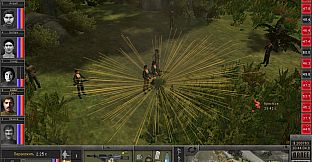
Combat unfolds in real time with an automatic pause system that halts action on events such as enemy detection, shot completion, or injuries, allowing precise orders without constant micromanagement. Each action consumes time measured in seconds, covering movement, aiming modes from hip fire to sniper shots, reloading, and item use. Ammunition management stands out as a core loop, with players mixing cartridge types in magazines and matching specific calibers to compatible firearms.
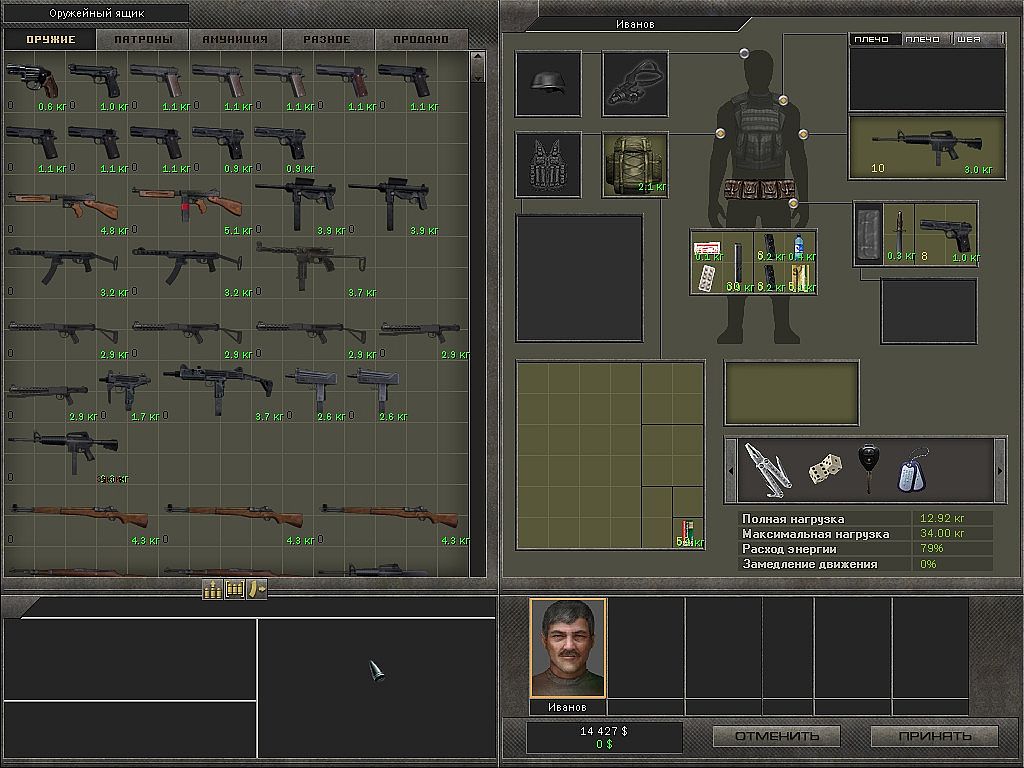
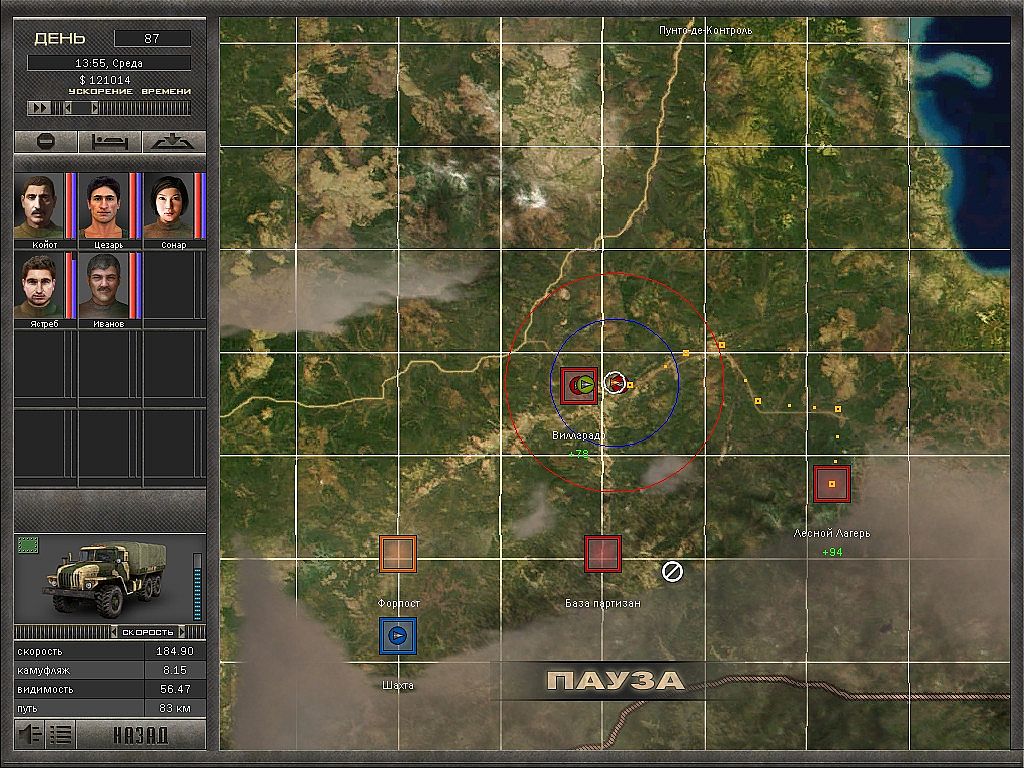
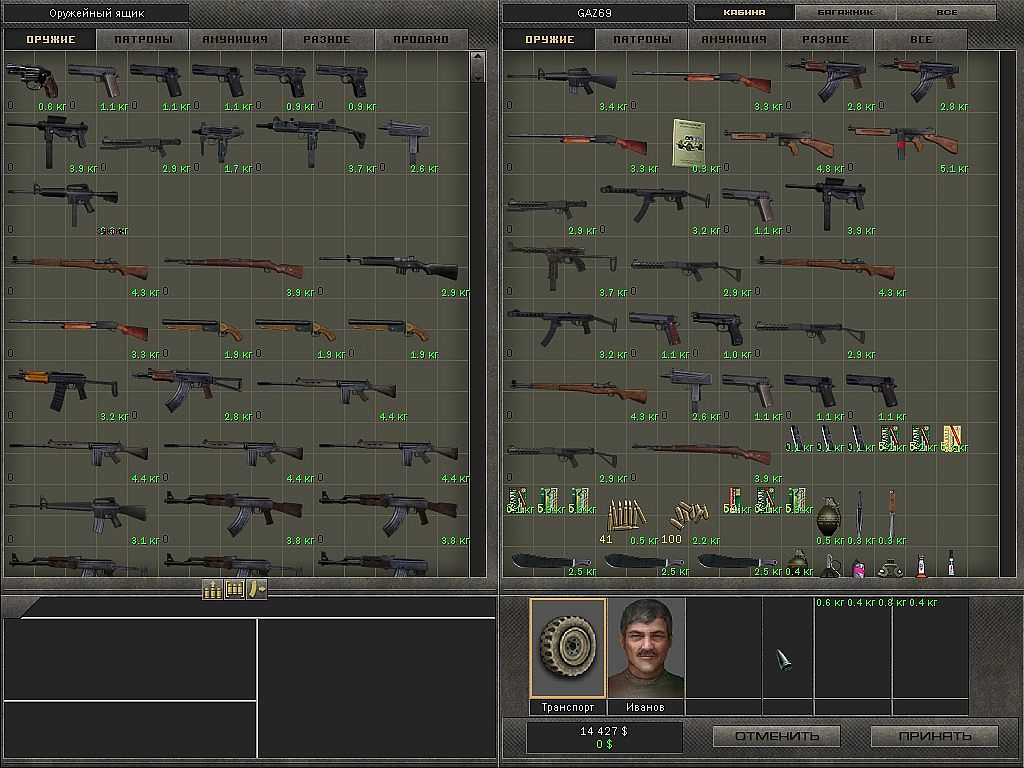
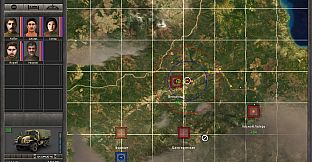
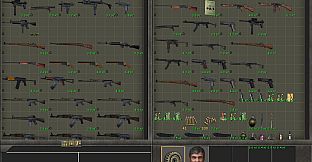
Outside combat, the global map connects dozens of locations for exploration and encounters. Inventory and equipment require careful planning, including weapon attachments, repairs, and fuel for vehicles. Hunger and thirst systems add survival layers that players can toggle or adjust. Skill progression for individual mercenaries covers marksmanship, medical aid, and other proficiencies, while reputation tracking influences trader stock and quest availability.
Customization options let players scale enemy numbers, enable limited-save Iron Man rules, modify trader cash reserves, and refine transport mechanics. These tools support varied playstyles from cautious planning to aggressive engagements. The game runs in English or Russian and includes numerous bug fixes from the base title along with widescreen support.
Game Modes
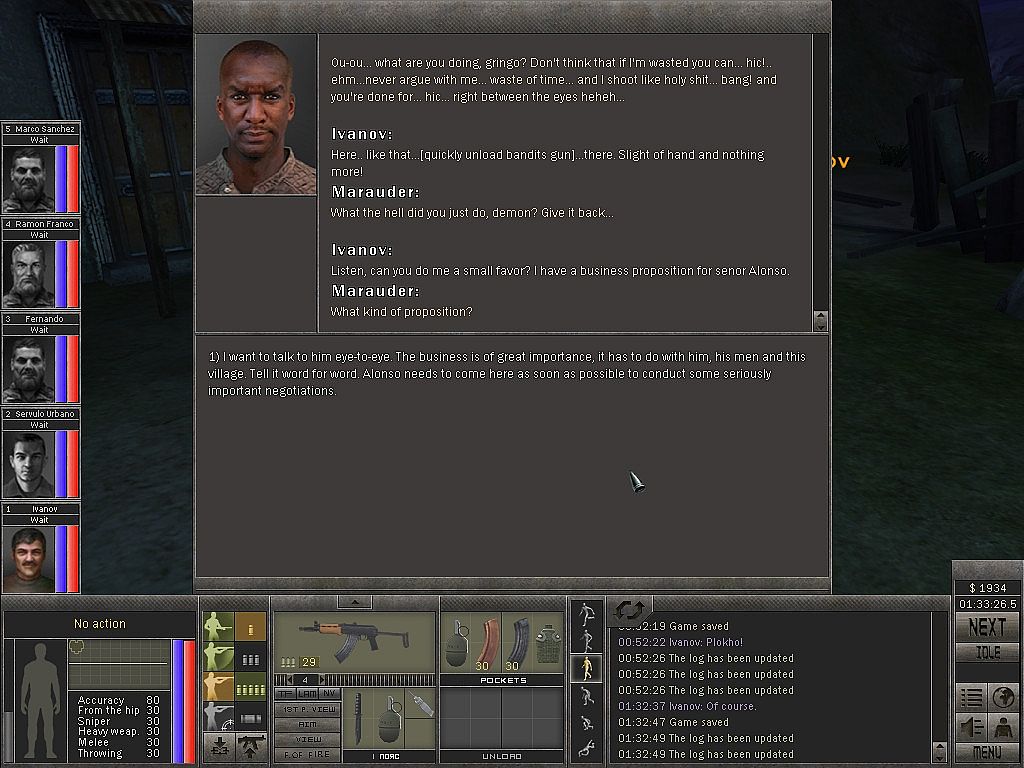
The primary experience centers on a single-player campaign with branching story paths. Players can align with major factions such as guerrillas or government forces, pursue independent objectives, or attempt to finish the game without committing to any side through over 100 added story quests. Side quests and optional content expand opportunities for exploration and resource gathering.
Difficulty and feature toggles function as flexible modes, including adjustable enemy density, hunger modeling, and transport enhancements. These settings allow tailored sessions ranging from standard runs to stricter survival challenges. No multiplayer components exist, keeping all activity focused on solo tactical and strategic decisions.
Story and Factions
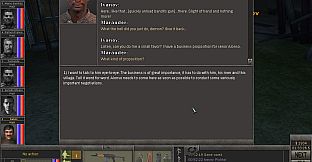
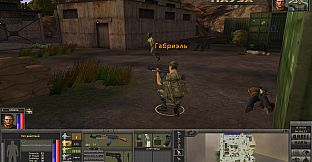
The narrative places mercenaries in a volatile region with competing groups including guerrillas, government troops under a self-appointed leader, bandits, and other local powers. Quests involve missions for these sides or neutral activities such as securing locations and managing personal assets. New NPCs and locations from the expansion provide additional depth without altering the original setting's tone.
Player choices affect alliances and endings, with options to operate independently or build limited influence through captured sites and hired militia in certain scenarios. Over 30 new characters and 25 added locations support these paths alongside more than 1000 new items and 130 weapons.
Is It Worth Playing?
7,62 Hard Life appeals to players who enjoy detailed tactical RPGs with real-time pause combat and heavy emphasis on equipment simulation. Recent patches continue to address stability issues on modern systems, maintaining availability as a bundled title with the original game. Steam reviews sit at mostly positive levels, with praise centered on weapon variety, combat depth, and replayability through different faction routes or neutral play.
The steep learning curve and occasional technical quirks make it best suited for those already familiar with similar titles or willing to invest time in its systems. For fans of mercenary management and sector-based tactics, the added content and customization deliver substantial value in a single-player package that remains actively supported years after release.