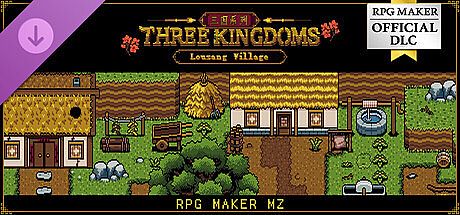




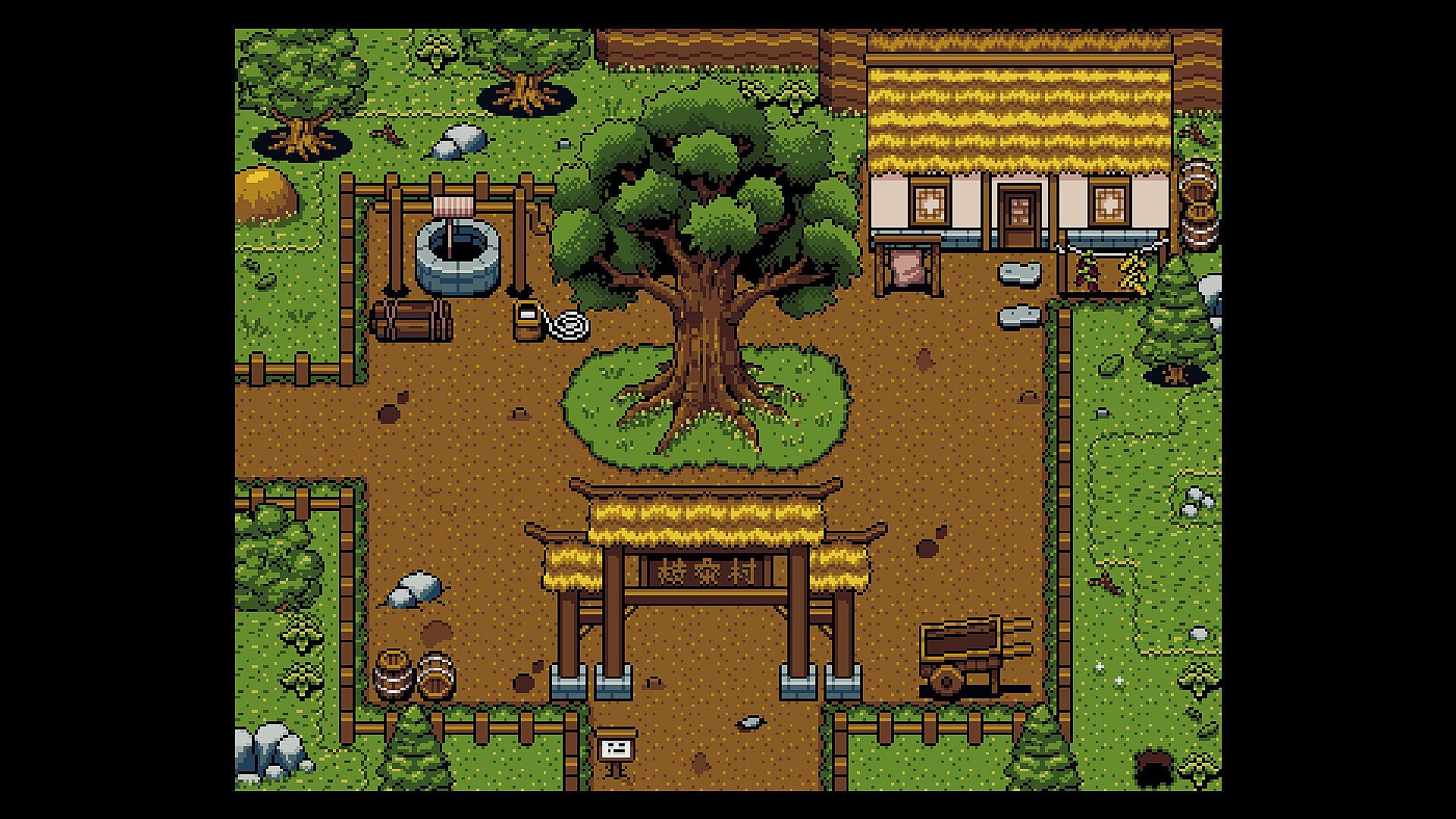
RPG Maker MZ - Three Kingdoms - Lousang Village Tileset serves as a specialized asset collection for building map environments in RPG Maker MZ and MV projects. The pack draws from the historical and literary backdrop of the Romance of the Three Kingdoms to deliver hand-painted tiles focused on rural Han dynasty settings. Users gain access to terrain pieces, structures, and character sprites that support the creation of cohesive village maps without requiring custom art from scratch.
Gameplay
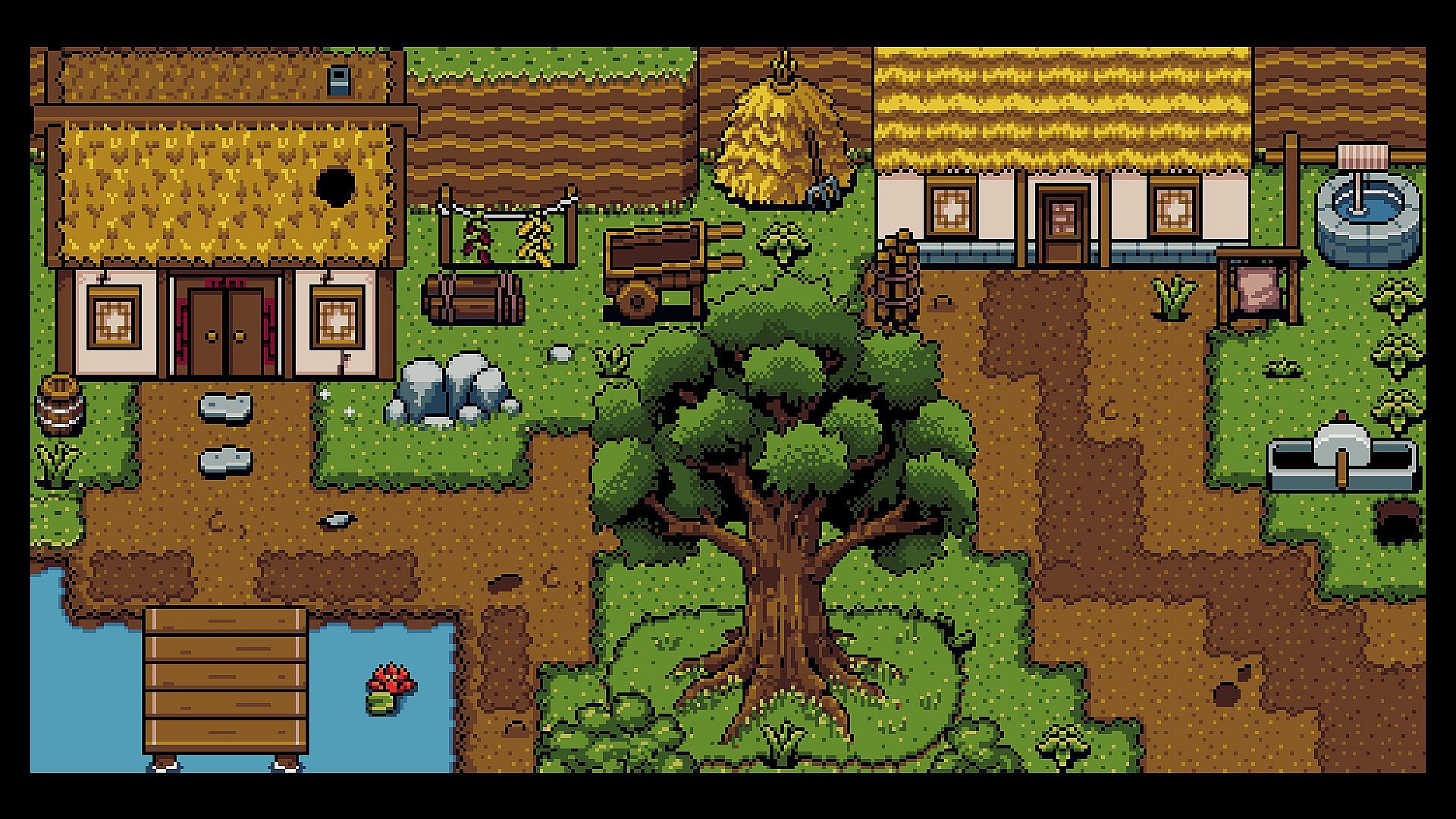
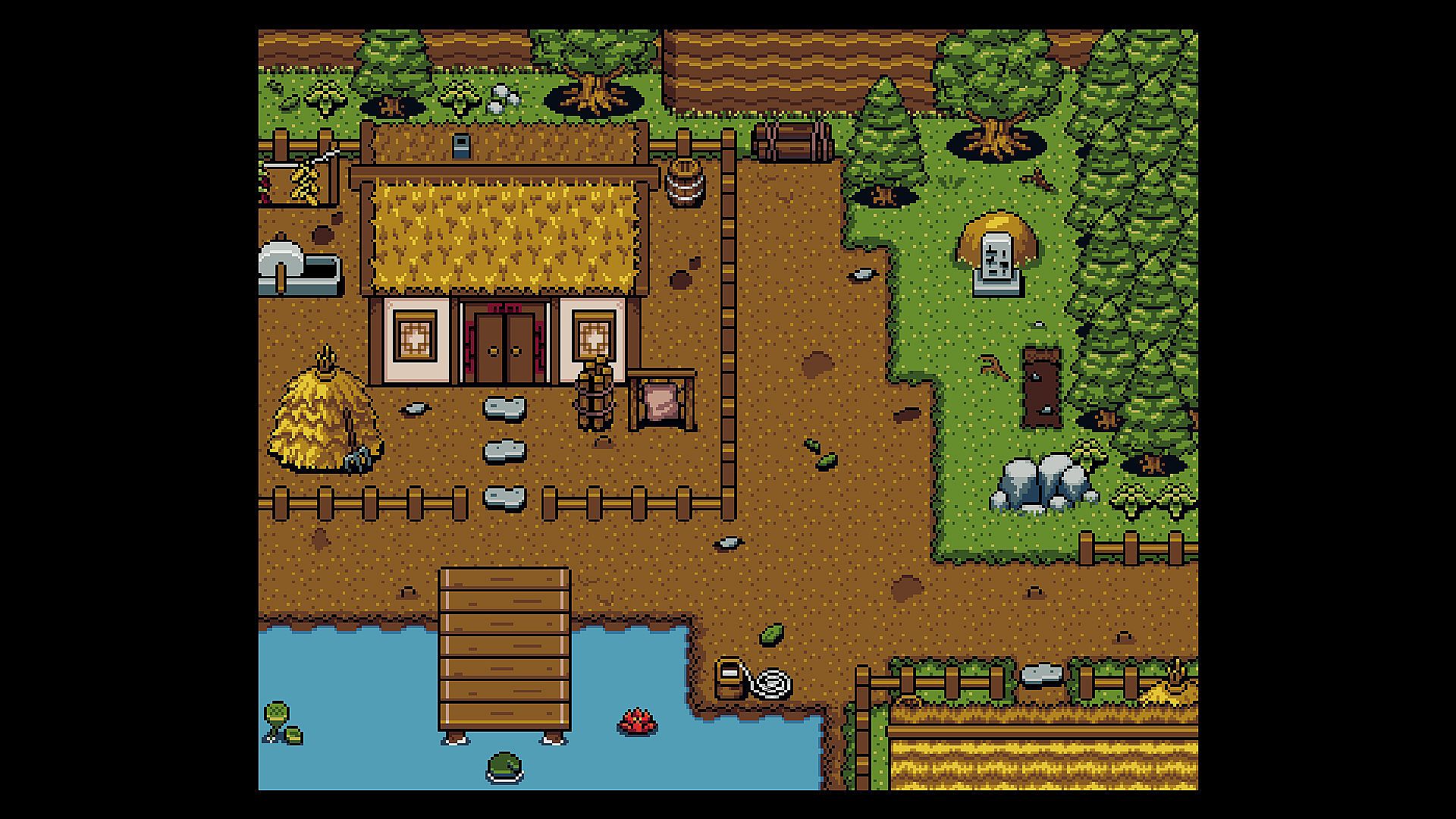
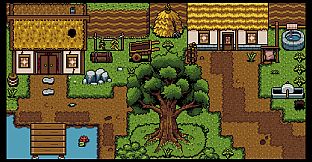
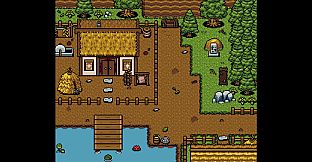
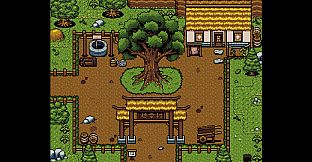
The core loop centers on map construction within the RPG Maker editor. Designers select from A1, A2, B, and C tile sheets to layer ground textures such as grass, mud paths, and water features. These combine with elevated elements like stone steps, earthen slopes, and streams to form varied topography. Objects such as wells, graves, buckets, rocks, and flowers add functional and atmospheric details to completed scenes. Sample project files included with the pack demonstrate ready-to-edit maps that illustrate efficient assembly techniques for bamboo groves, forest clearings, and mountain-adjacent areas.
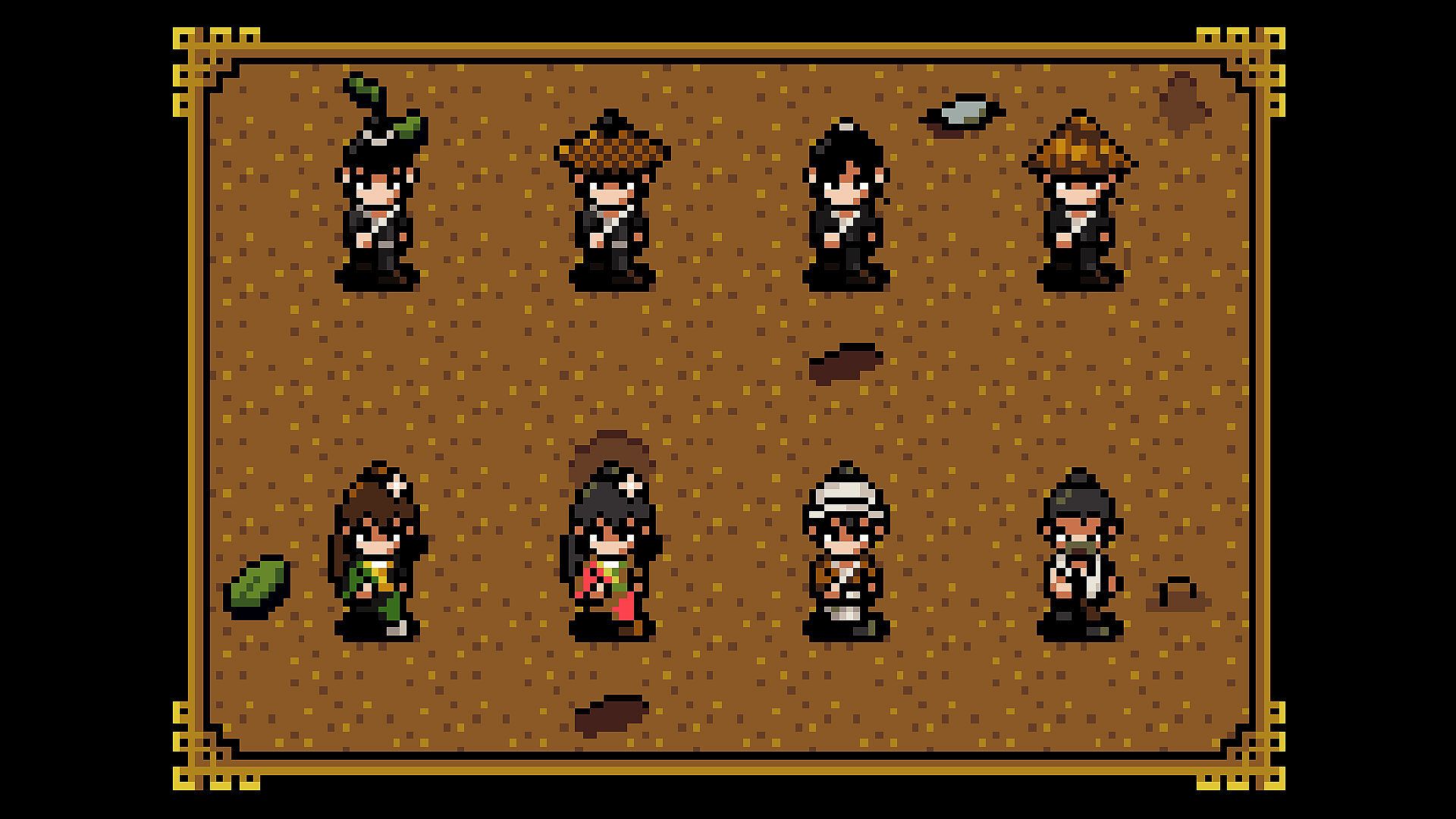
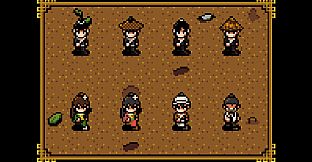
Character integration extends the mapping process into narrative support. A four-direction walking sprite for the protagonist Liu Bei stands alongside eight NPC sprites with matching animations. Two door animations further enable interactive elements like building entrances. The consistent hand-painted style across all assets ensures visual unity when tiles are placed adjacent to one another or scaled into larger layouts.
Game Modes
Map building operates as the primary creative workflow. Developers work in the standard RPG Maker mapping interface to prototype single scenes or connect multiple areas into larger overworld sections. The pack supports both personal projects and commercial releases, allowing full modification of individual tiles for unique requirements while prohibiting redistribution of the original files. Sample maps provide starting points that can be expanded or altered to fit specific story needs, such as village entrances framed by ancient trees or farmland bordered by fences.
Compatibility extends beyond default RPG Maker use. The tiles function in other engines when imported appropriately, though the included project data optimizes performance inside MZ and MV. This flexibility suits solo creators focused on historical or East Asian themed RPGs as well as teams iterating on larger titles.
Asset Composition
The collection contains one main tileset divided into the standard A1 through C categories. Terrain variety covers multiple grass and mud types alongside symbolic elements like the giant mulberry tree. Structural pieces include thatched cottages, well platforms, and fence sections that repeat cleanly for extended paths. Decorative props fill out interiors and exteriors with everyday items that reinforce the rustic countryside atmosphere. All elements maintain a uniform aesthetic that avoids clashes when mixed during placement.
Character assets total nine spritesets with full four-direction movement cycles. The protagonist sprite and the eight supporting NPCs allow immediate population of village maps. Door animations introduce basic interactivity without additional setup. These components together reduce the time needed to populate a scene compared to sourcing individual assets separately.
Is It Worth Playing?
This tileset targets creators who need authentic ancient Chinese village visuals for their RPG Maker projects. The hand-painted consistency and included sample data make it suitable for both beginners assembling first maps and experienced developers seeking period-appropriate details. Commercial licensing permits use in released games after modification, which broadens its appeal for independent titles. Recent updates to similar packs in the series have added refined textures and animations, indicating ongoing refinement that benefits users seeking polished results. Those building narrative-driven RPGs centered on historical or cultural themes will find the specific inclusions, from mulberry trees to Liu Bei sprites, directly relevant to their workflow. The pack delivers focused value for map design rather than broad gameplay mechanics, making it a practical addition when the goal is efficient creation of immersive rural environments.