

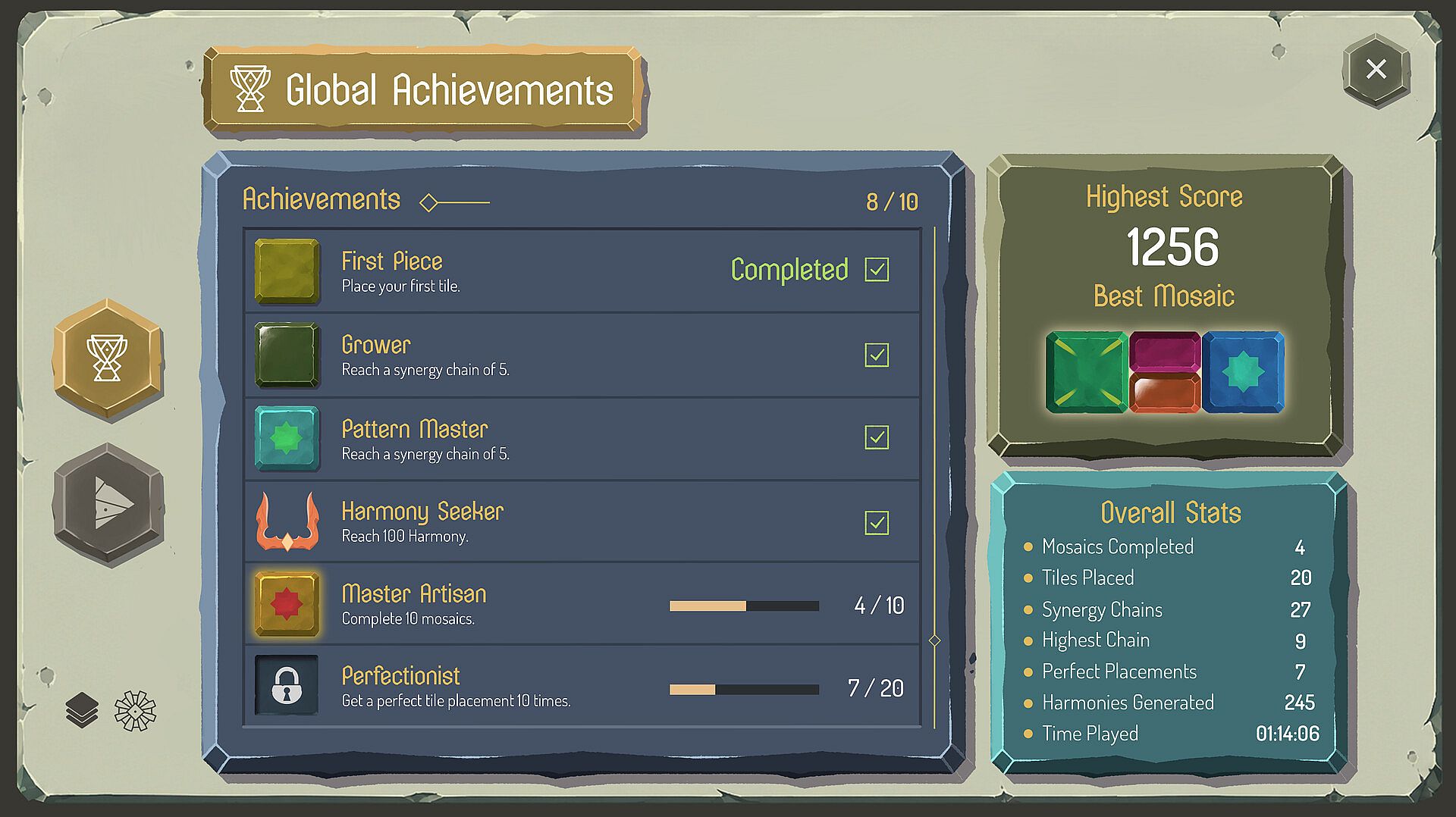
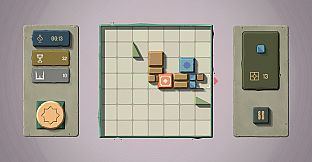
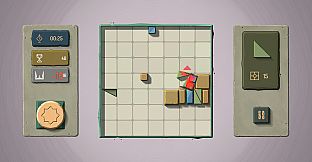
Za-id is a casual indie puzzle game built around tile placement and mosaic creation on PC. Players lay tile after tile to form growing patterns, guiding a crawler across the field to connect pieces into scoring chains. Clean fits build momentum and higher totals, while mismatched placements disrupt the sequence and force adjustments. The core loop emphasizes precision and foresight, turning simple placement into a satisfying cycle of experimentation and refinement.
Gameplay
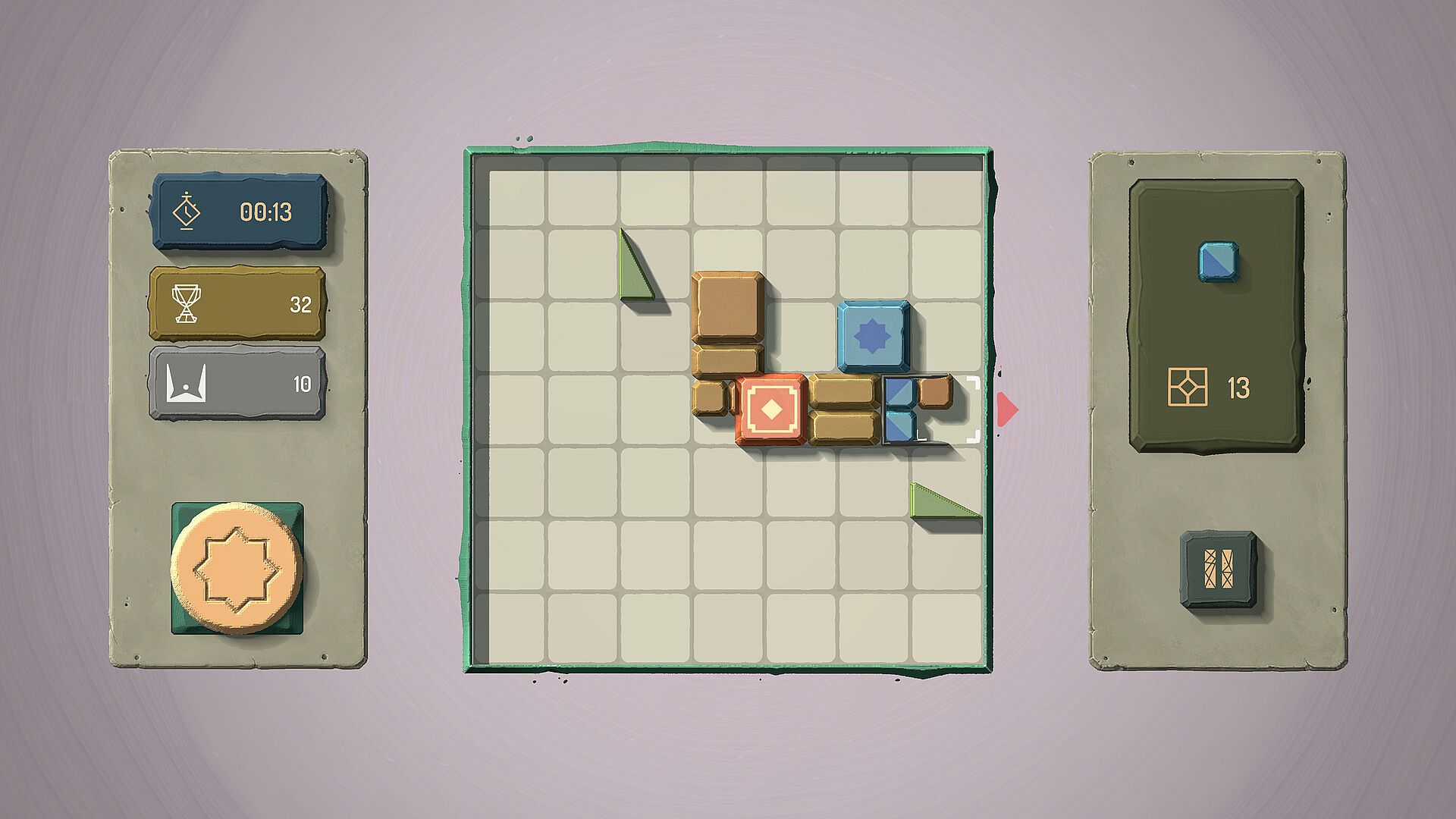
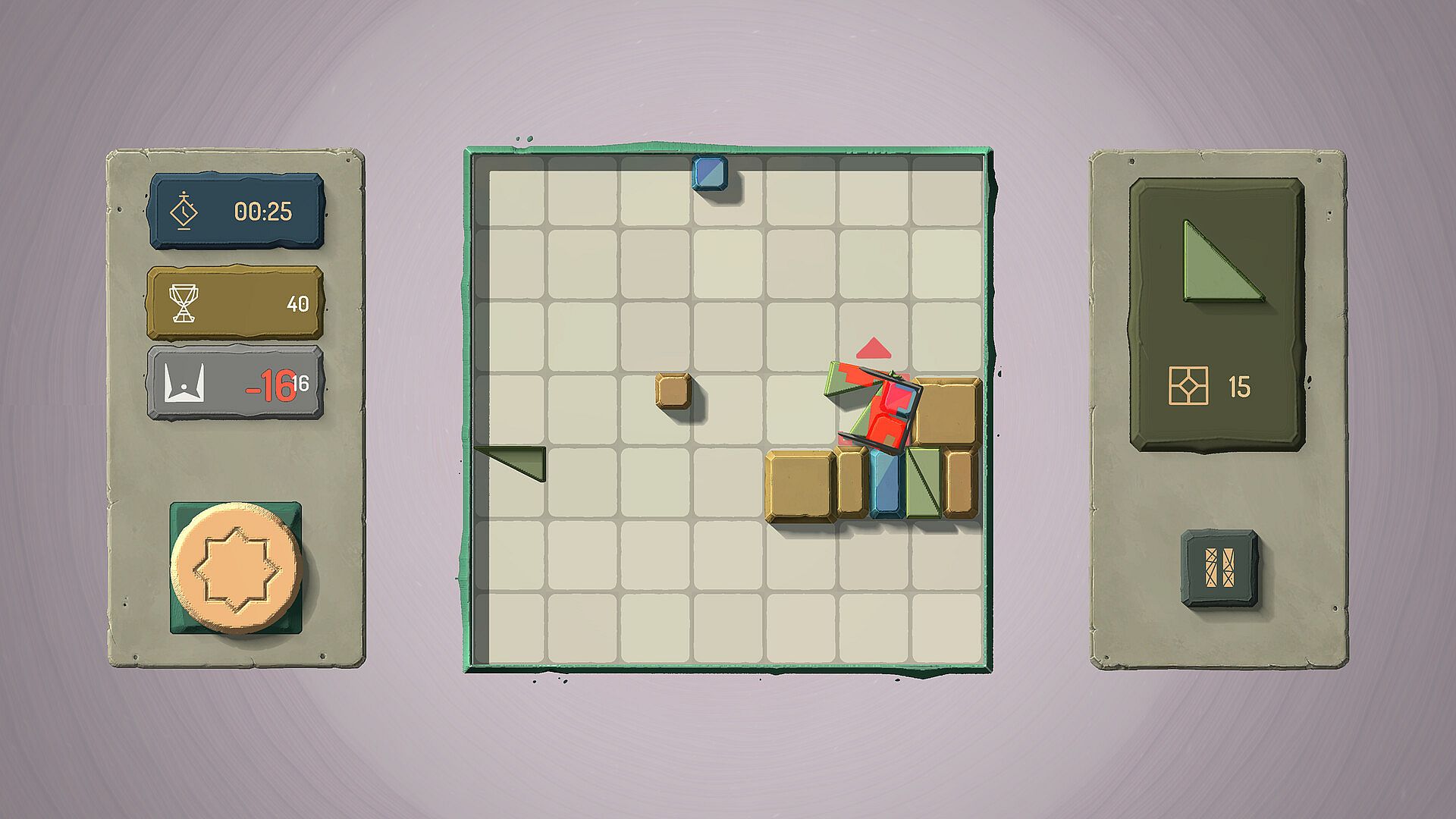
The central mechanic revolves around selecting and positioning tiles that carry distinct properties. Each piece follows its own set of rules for placement, interaction, and point value, creating a personal system of connections that players refine over repeated sessions. A crawler moves through the expanding field, linking new tiles into existing chains to multiply scores. Successful sequences produce fluid progress, whereas errors reset or scramble sections, encouraging careful observation of how tiles relate to one another.
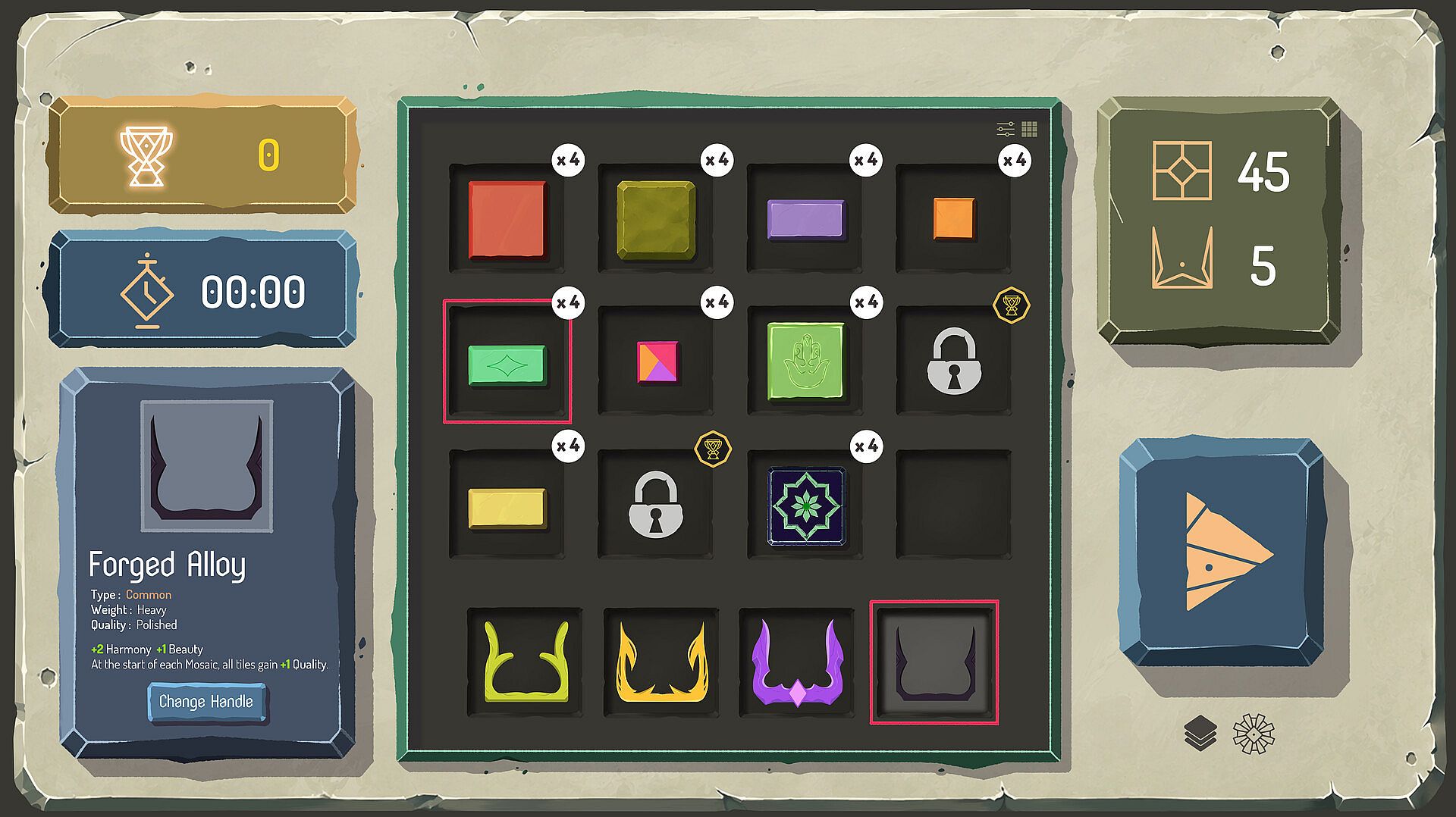
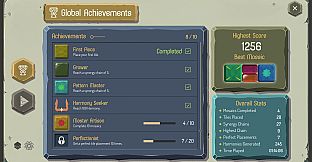
Progression comes through collection. Strong performance unlocks additional tiles with unique behaviors and visual styles. These new pieces alter future play by introducing fresh placement options and scoring opportunities, gradually shaping an individual approach to each mosaic. The system rewards consistent attention to detail, as the tiles gathered directly influence available strategies and the complexity of future layouts.
Game Modes
Za-id centers on a single-player experience where the focus remains on building and refining personal mosaics. There are no separate competitive or cooperative modes confirmed. Instead, the game supports extended sessions of tile arrangement, with the catalog of available pieces expanding as players meet scoring thresholds. This structure allows for repeated returns to earlier patterns with expanded options, emphasizing mastery of the placement rules over timed challenges or external opponents.
Art and Progression
Visual variety stems from different cultural influences on the tiles, beginning with Moroccan zellige designs and extending to other pattern traditions. Each set introduces new shapes, colors, and connection rules that change how mosaics form and score. Completing sections of the collection serves as a long-term goal, providing fresh combinations that keep the placement process engaging across multiple playthroughs.
The satisfaction arises from the logical construction itself. Starting with basic tiles, players apply spatial reasoning to create coherent and high-scoring arrangements. The resulting mosaics reflect the choices made, turning abstract rules into tangible, attractive results that improve with practice.
Is It Worth Playing?
Za-id suits players who enjoy deliberate puzzle games centered on pattern recognition and incremental improvement. The absence of pressure from timers or opponents makes it accessible for relaxed sessions, while the depth of tile interactions supports longer engagement for those who appreciate optimizing chains and unlocking new options. Without confirmed updates or player statistics available, the experience stands on its core loop of thoughtful placement and visual payoff. Those drawn to casual indie titles with collection elements and satisfying mechanical feedback will find consistent value in returning to refine their approach.