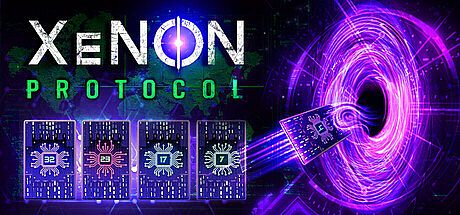



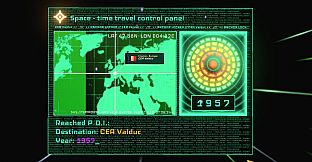
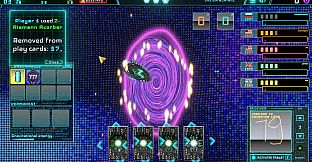
Xenon Protocol is a co-op roguelite card game for PC that emphasizes synchronization and trust over direct communication. Players form teams of two to six to recover fragments of the Xenon Protocol from real-world nuclear facilities across different points in time, all while a decaying temporal signal limits how clearly they can coordinate.
Gameplay
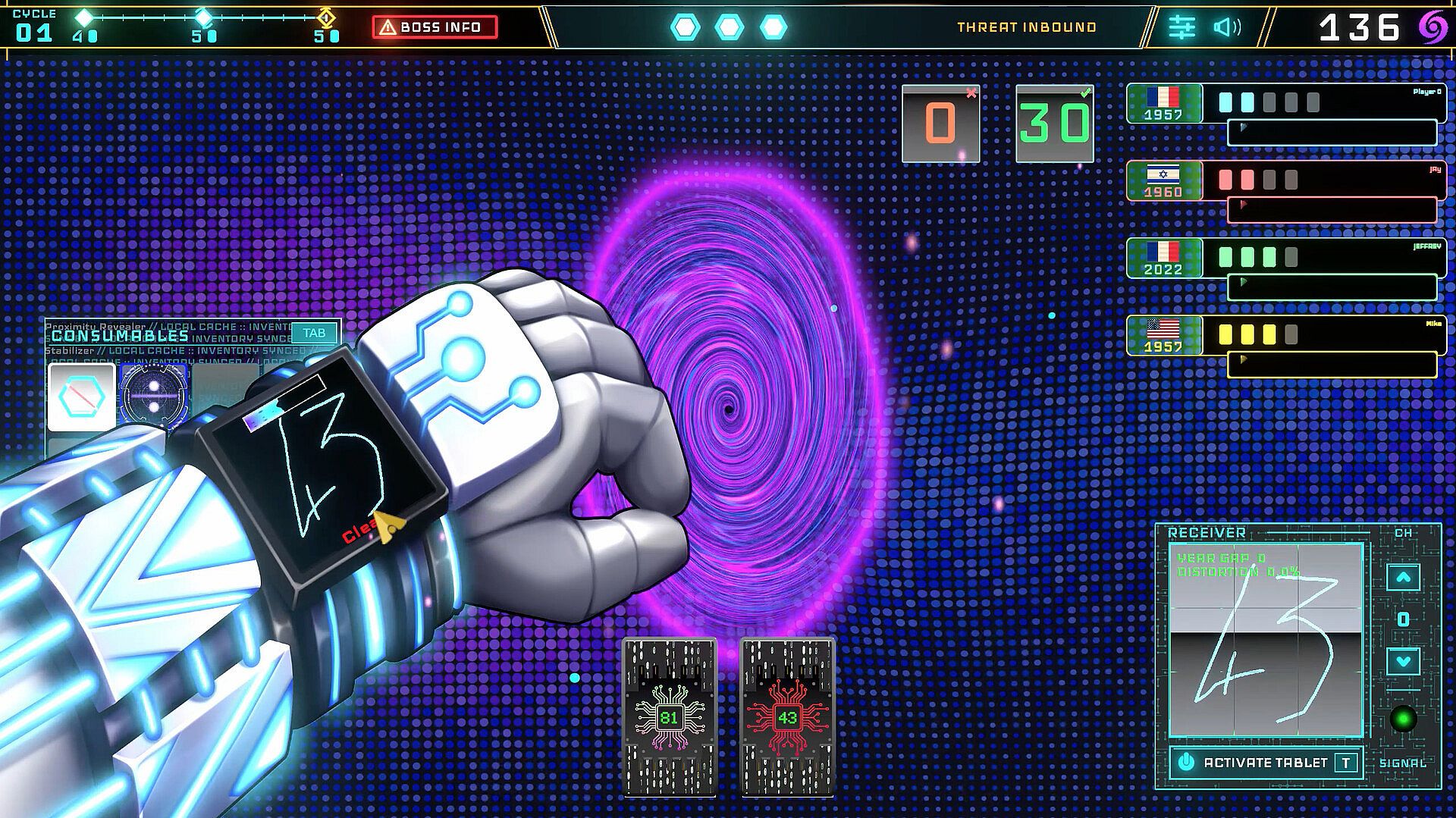
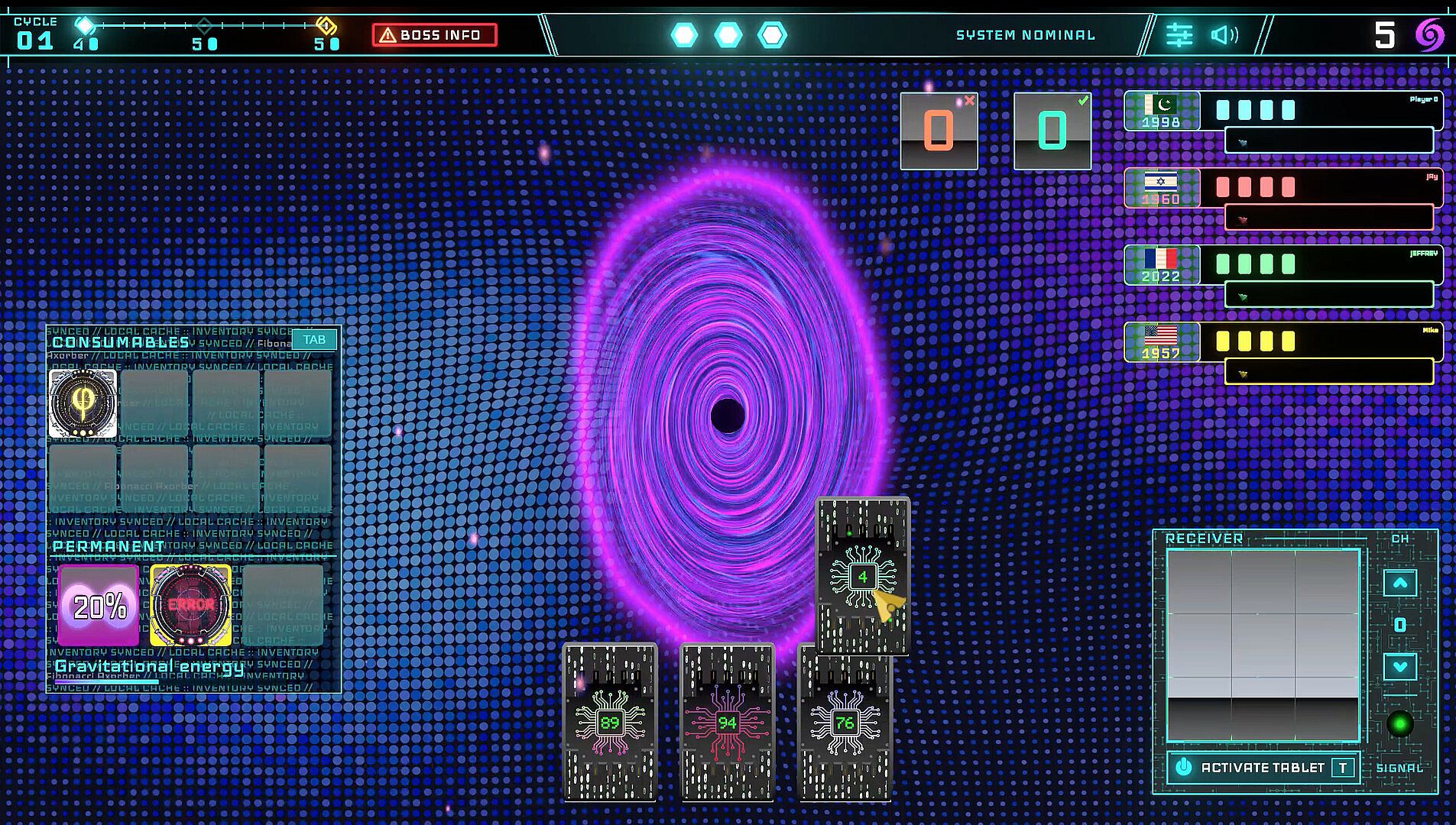
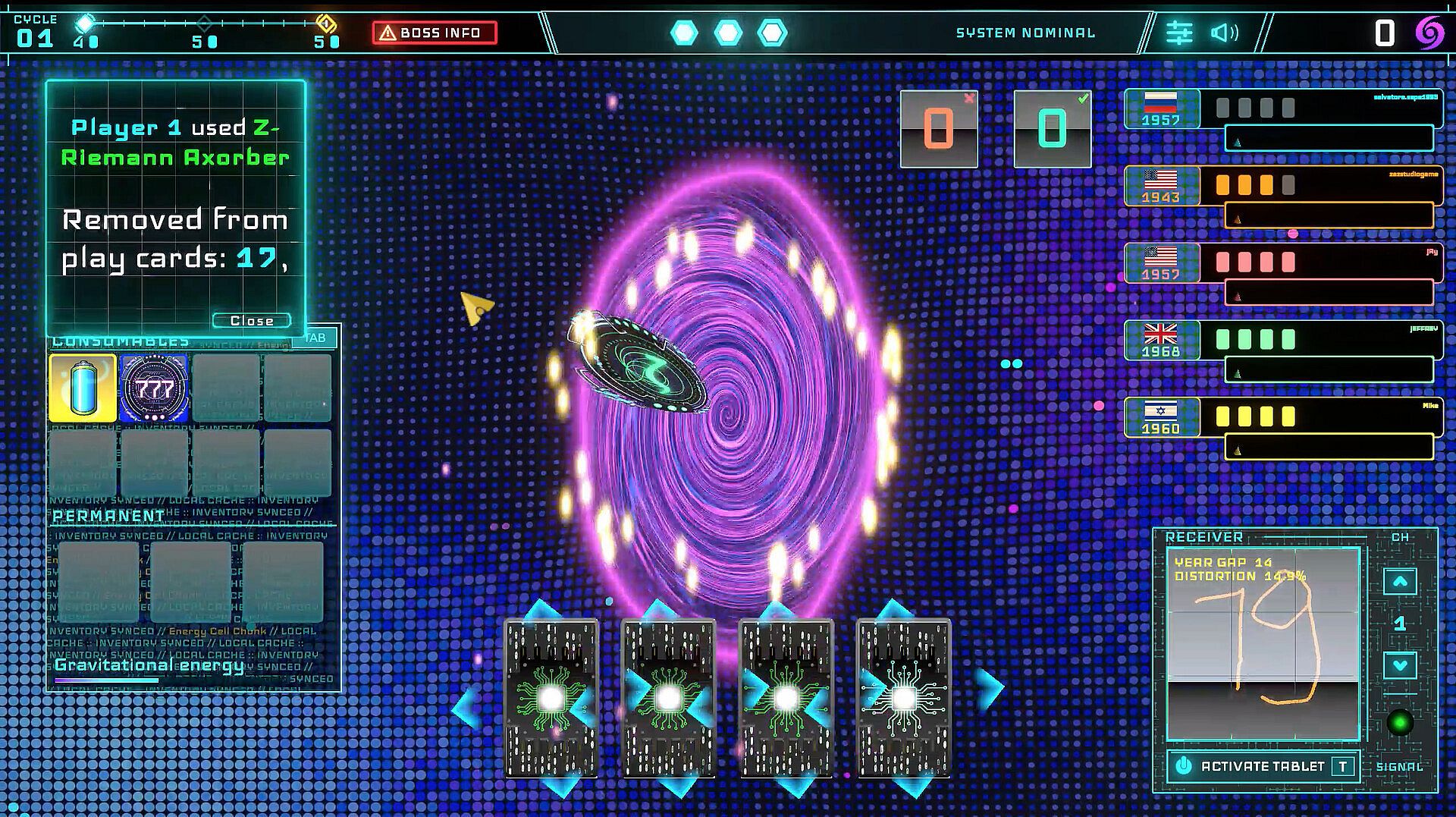
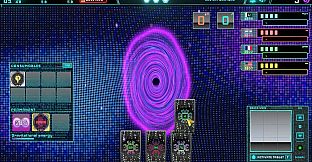
The core loop revolves around playing cards in precise sequences during expeditions to nuclear sites. Teams must align their actions through a gravitational energy-powered tablet that distorts as timelines diverge, forcing reliance on intuition and pattern recognition rather than spoken instructions. Each round demands careful timing to avoid failure, with the signal growing less reliable the farther apart players drift temporally.
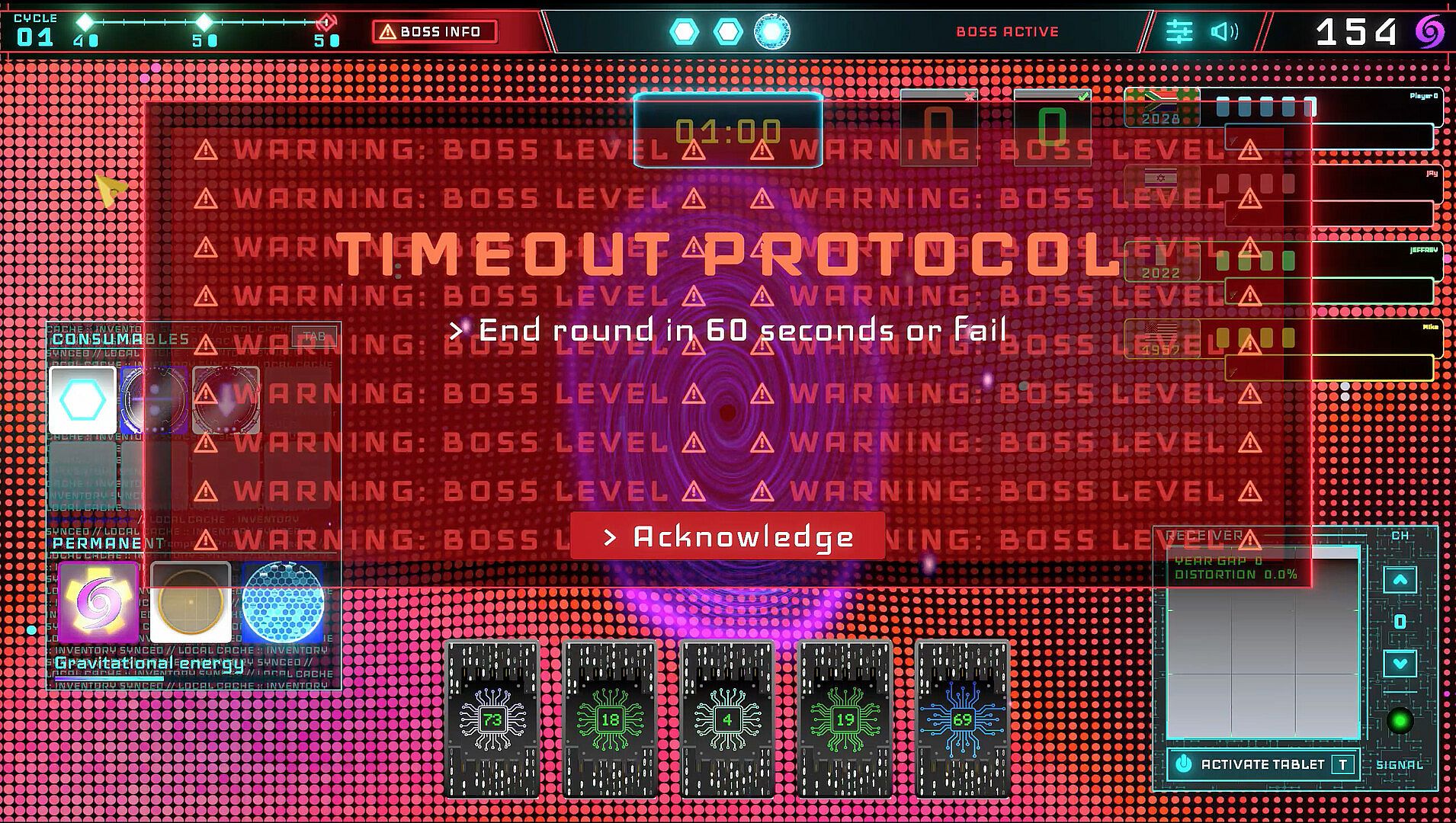
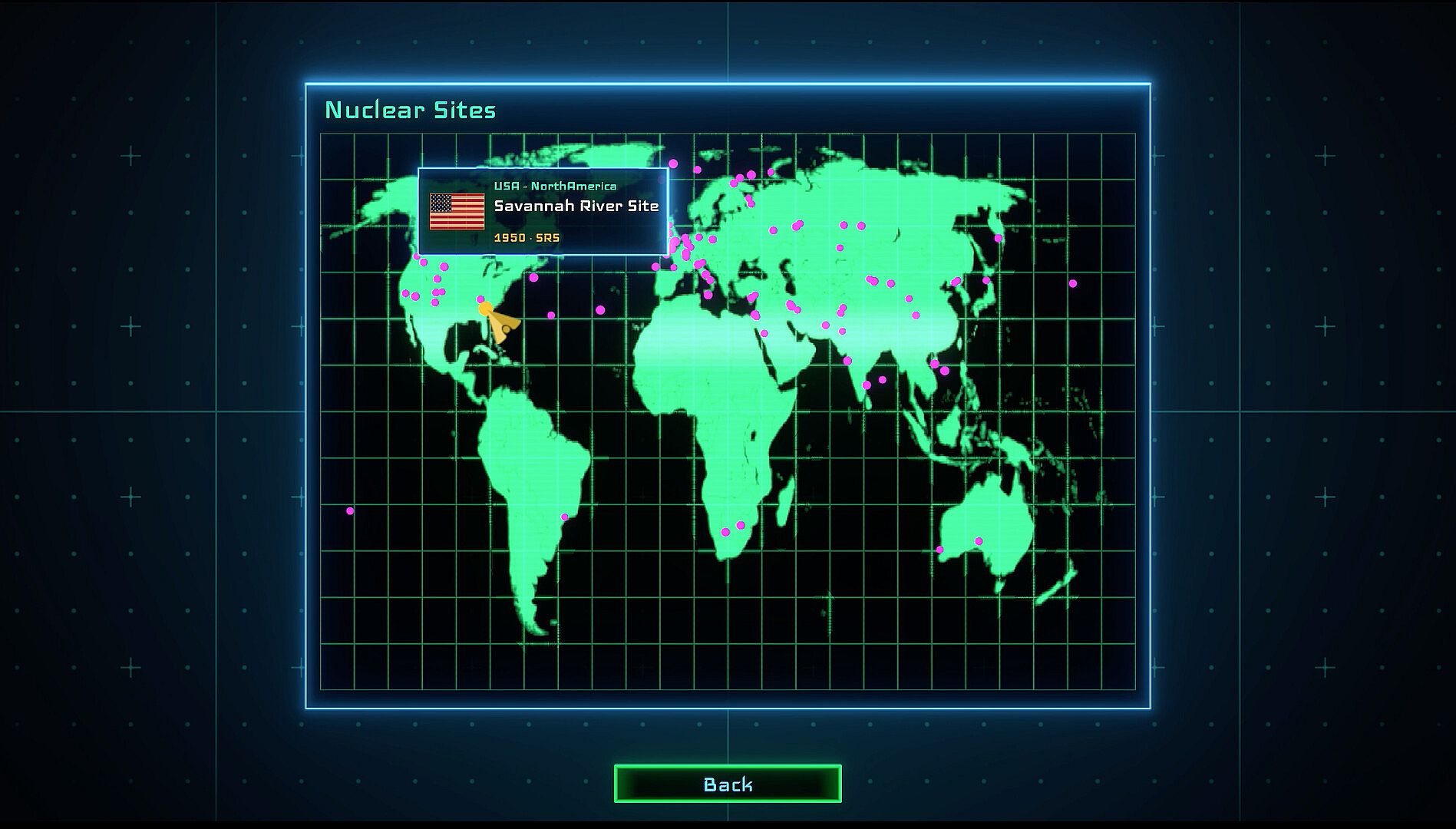
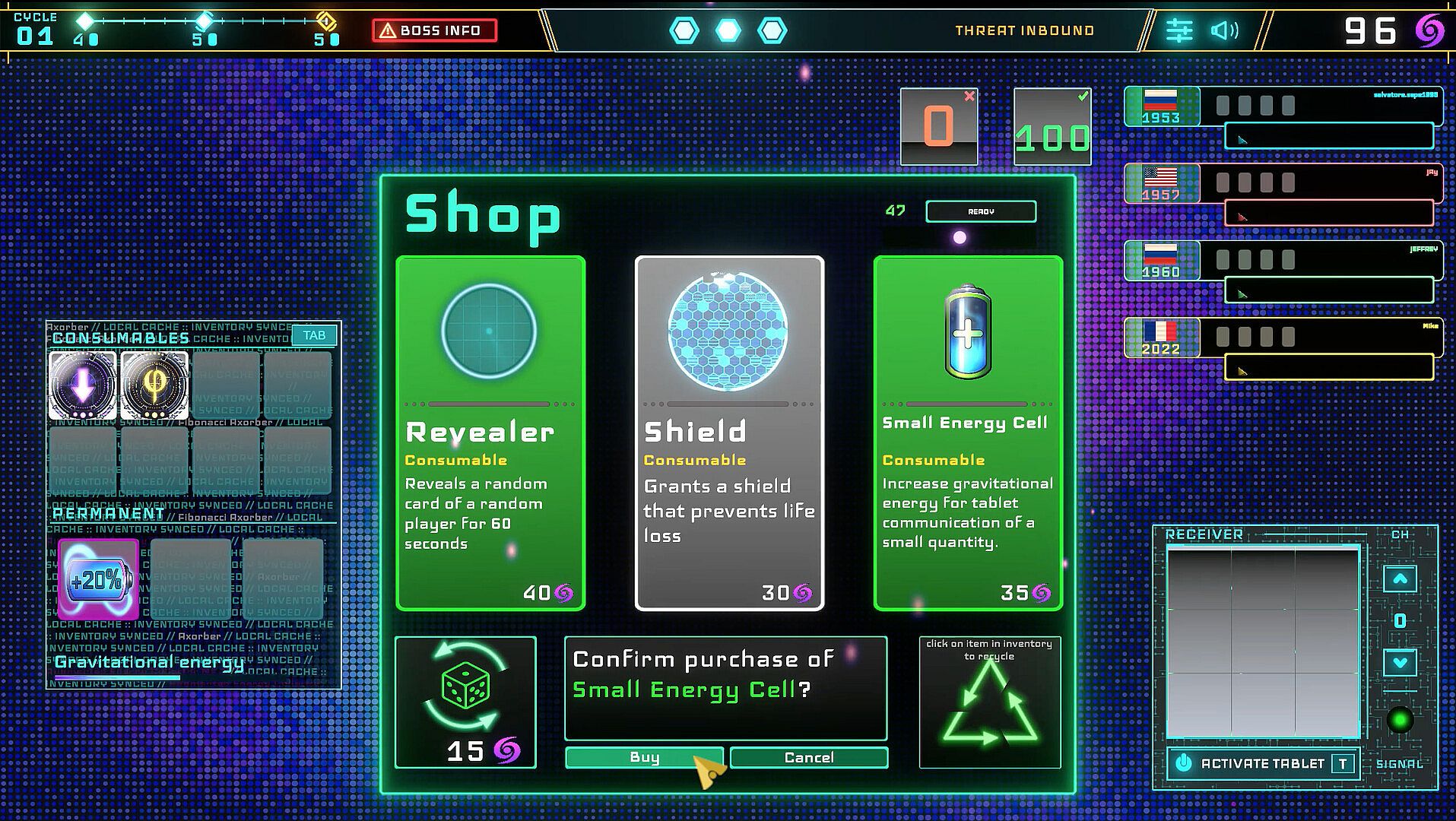
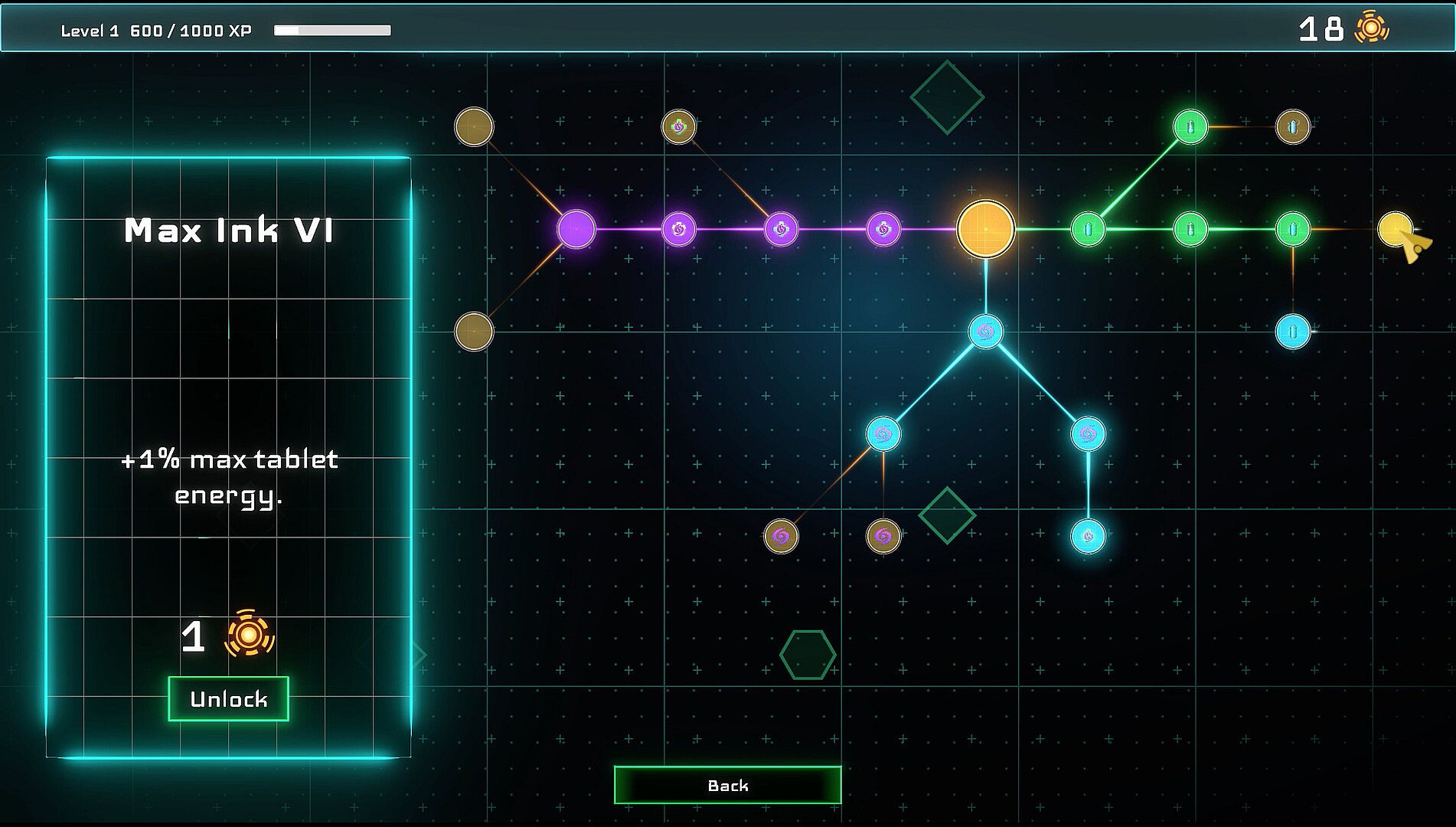
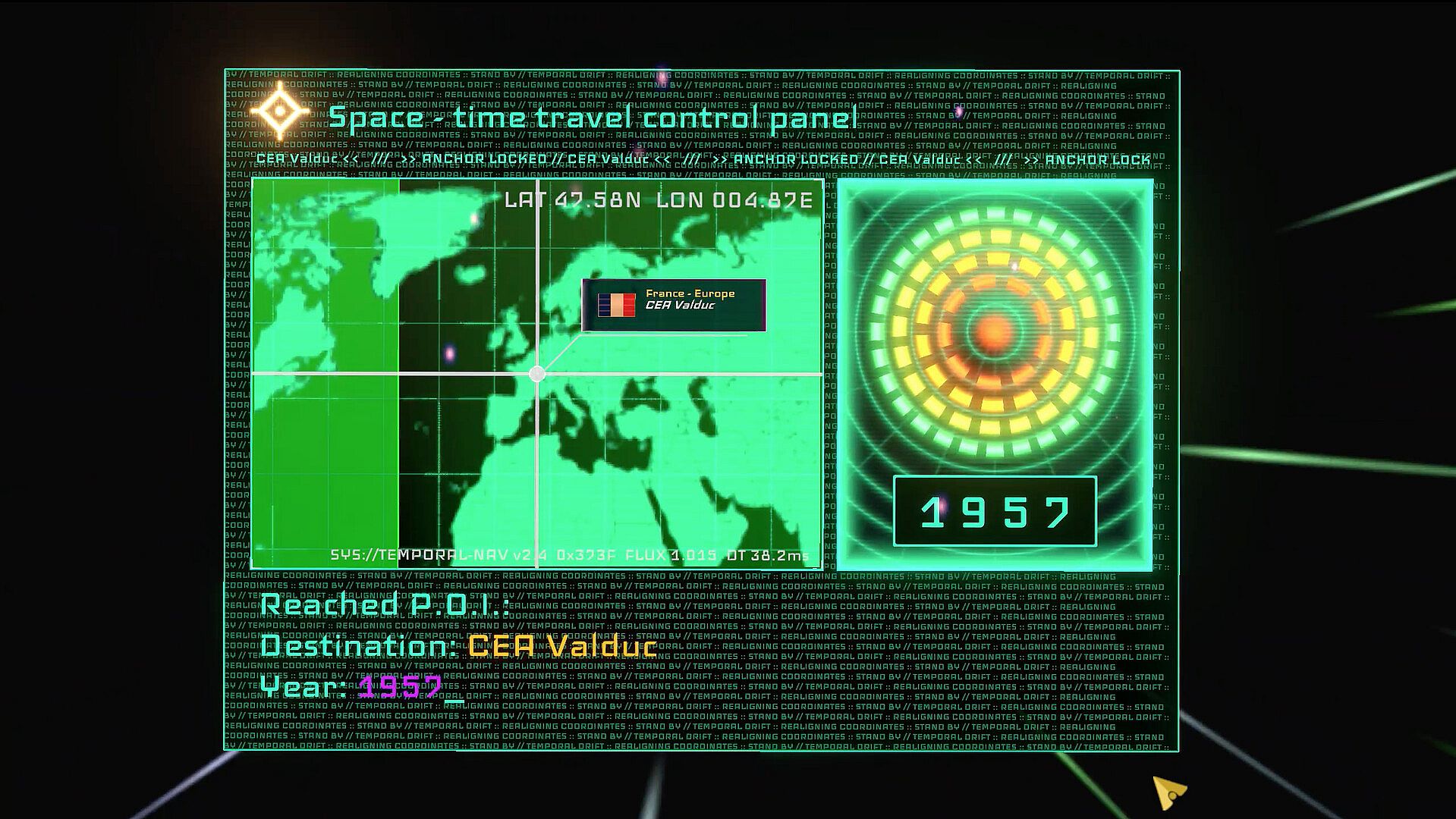
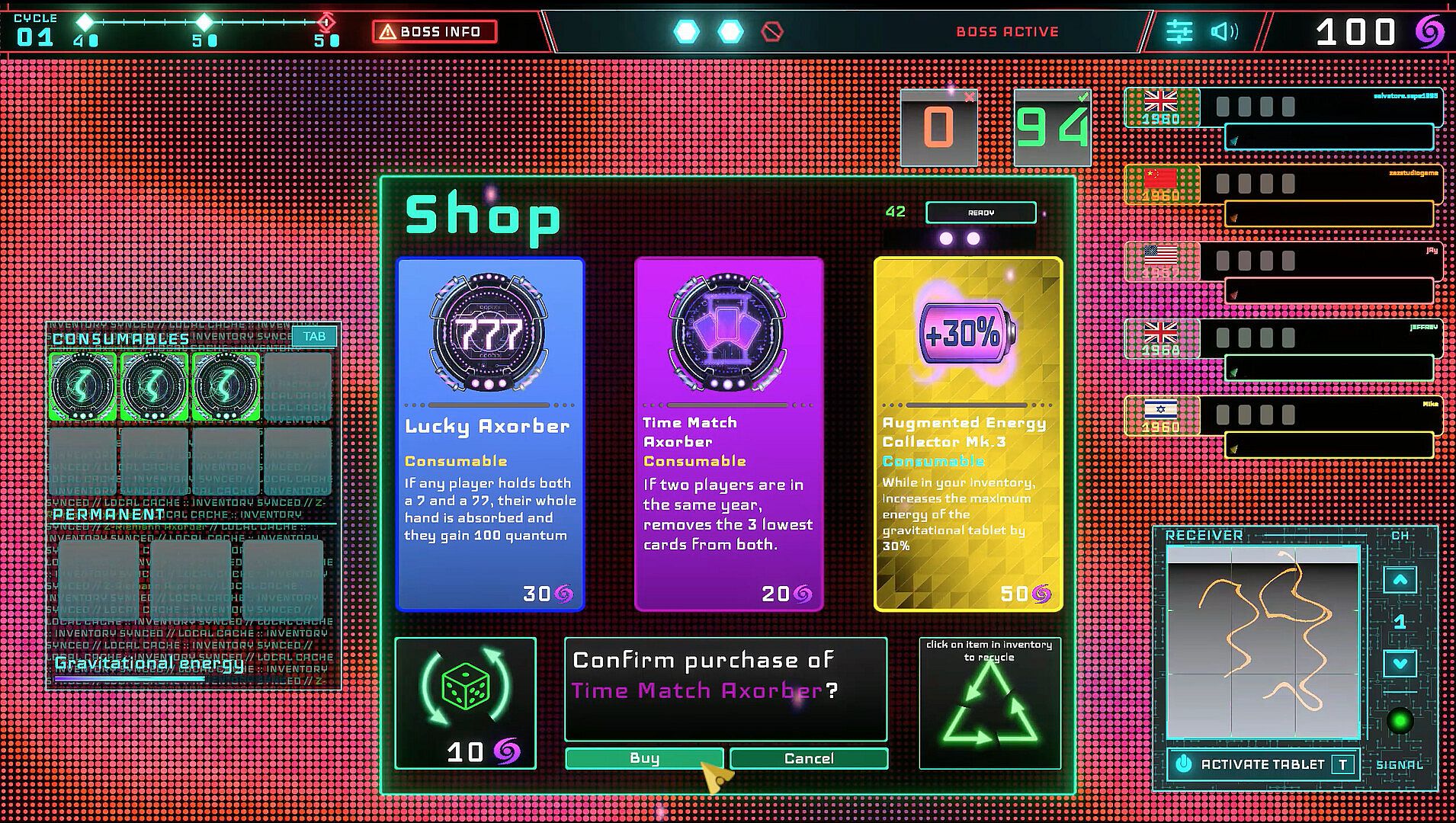
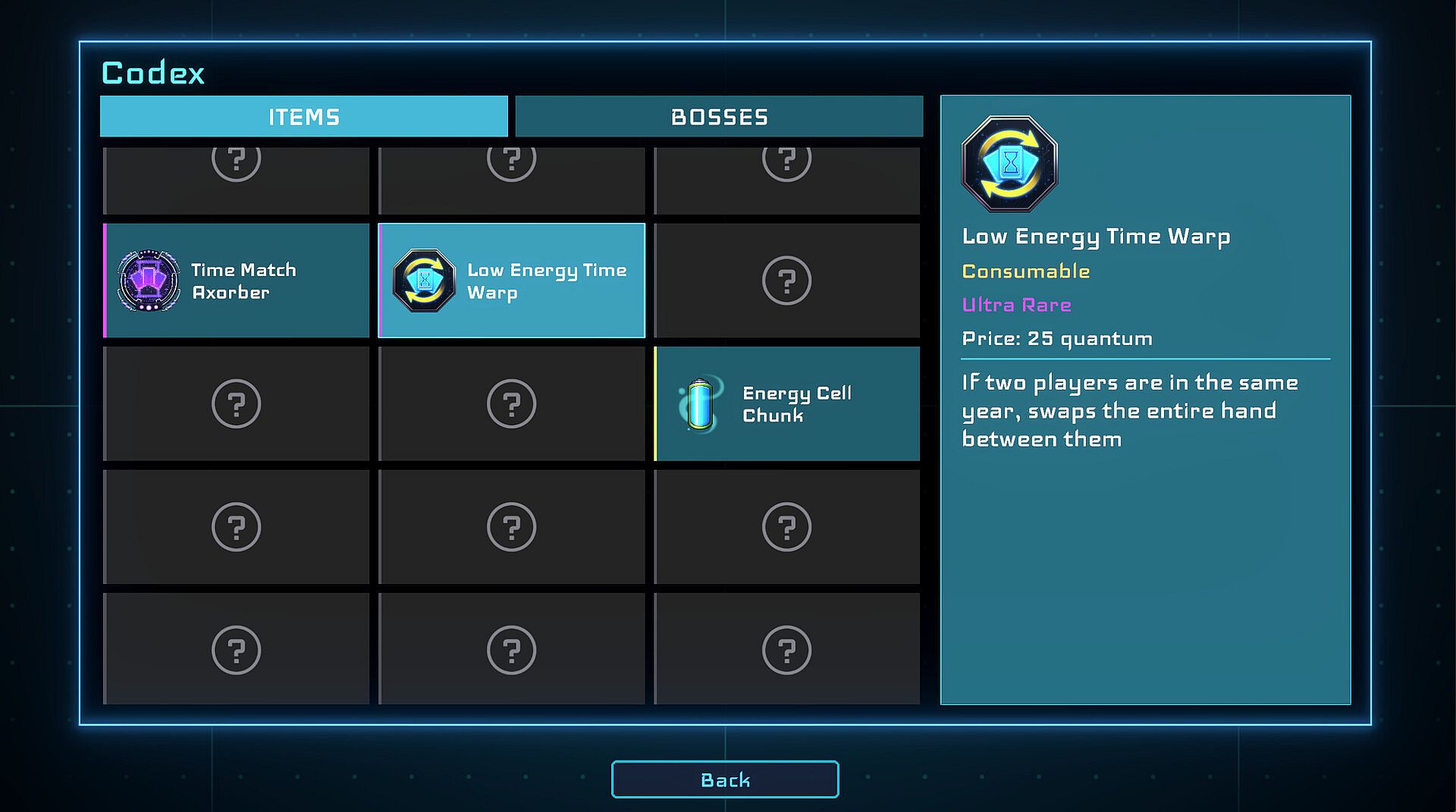
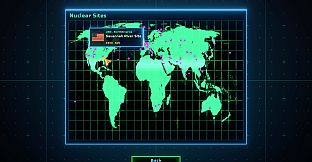
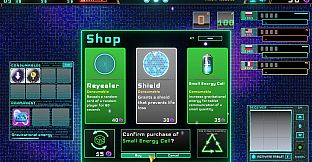
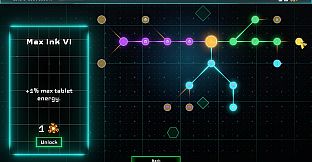
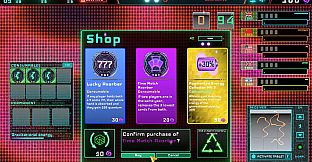
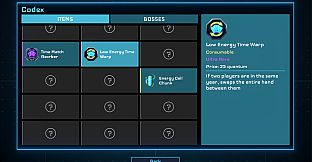
Between rounds, teams acquire peculiar items that alter strategies and help overcome tougher challenges. Permanent upgrades unlock across runs, carrying forward to support future attempts. Over one hundred authentic nuclear locations provide varied backdrops, complete with coordinates, while AI guardians introduce boss encounters that require dodging security systems and racing against time limits.
Game Modes
The experience centers on cooperative expeditions where groups recover Xenon Protocol fragments through repeated runs. These sessions build on roguelite elements, with each attempt featuring procedural changes in card coordination demands and site conditions. Boss levels add layers of difficulty, requiring teams to adapt item usage and upgrade paths on the fly to progress through increasingly complex rounds.
Success hinges on collective decision-making under uncertainty, as the distorted signal turns straightforward card plays into exercises in shared understanding. Runs vary based on team composition and the specific items gathered, encouraging repeated play to refine synchronization tactics across the range of nuclear facilities.
Key Mechanics and Features
Card coordination forms the foundation, where order and timing replace verbal cues. The temporal signal mechanic introduces progressive distortion that scales with player separation, turning basic information into calculated risks. Items collected mid-expedition reshape available options, while upgrades provide lasting advantages that accumulate over multiple attempts.
Boss confrontations at protected sites test these systems further, combining evasion of lethal defenses with precise card execution. The setting draws from real nuclear locations to ground the time-travel premise, creating a consistent world for teams to explore without relying on traditional chat or voice features.
Is It Worth Playing?
Xenon Protocol suits players drawn to cooperative strategy games that prioritize non-verbal teamwork and roguelite replayability. Its focus on intuition over explicit communication sets it apart for groups comfortable with experimental coordination in short-to-medium sessions. With a planned release in Q4 2026 and no reviews available yet, interest depends on whether the described synchronization challenges align with preferences for trust-based multiplayer experiences on PC.
The indie casual-strategy blend appeals to those seeking lighter sessions that still demand focus, especially teams willing to experiment with limited information flows. Permanent upgrades and item variety support ongoing engagement across the extensive site roster, making it a potential fit for recurring co-op play once available.