

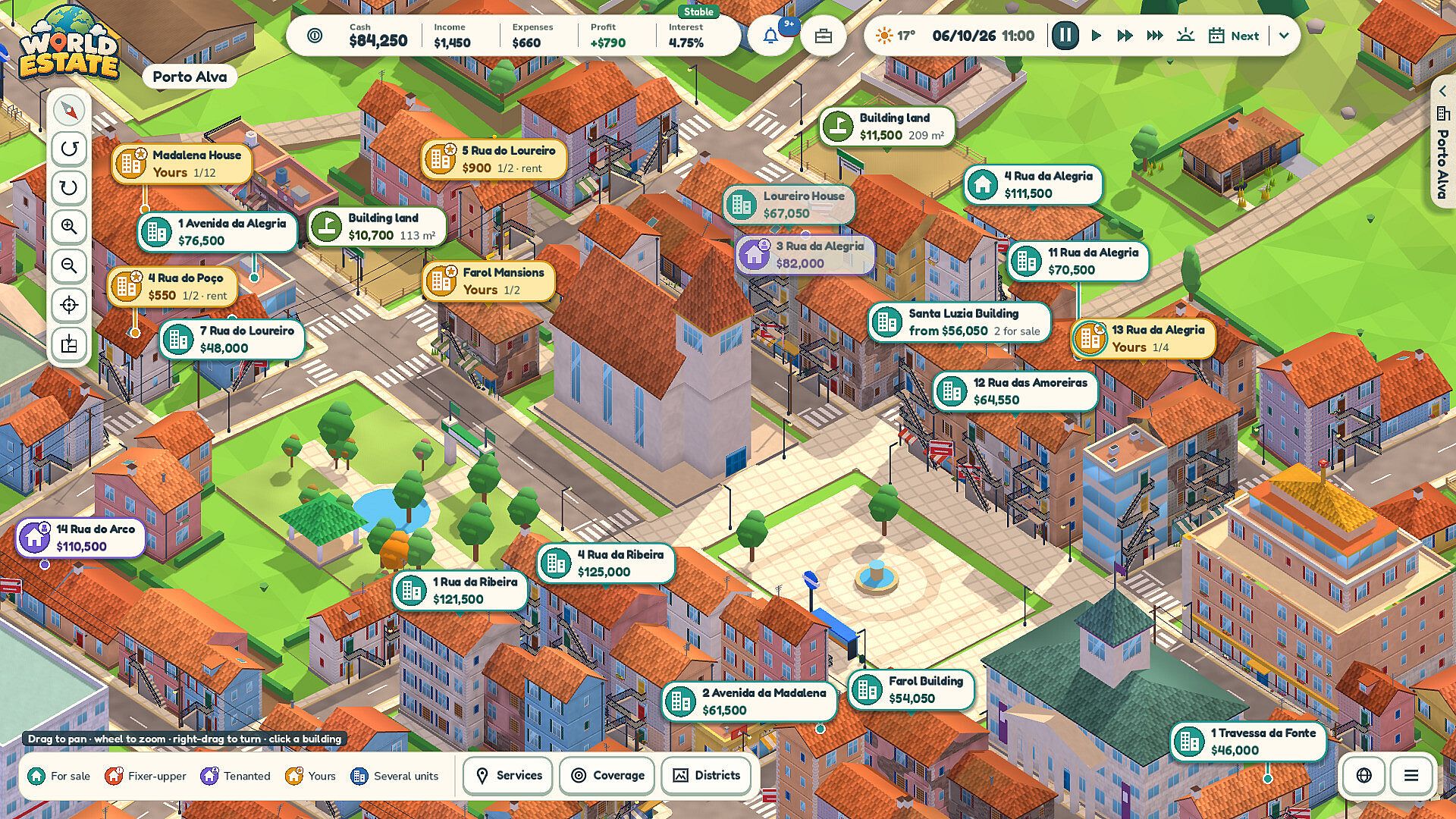

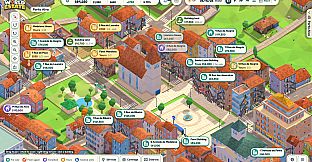
World Estate: Property Tycoon is a relaxed strategy simulation game focused on building and managing a portfolio of residential and commercial properties across multiple cities. Players start small with a single flat and expand through careful purchases, renovations, and tenant management in a toy-like 3D environment that emphasizes steady growth over high-pressure competition.
Gameplay
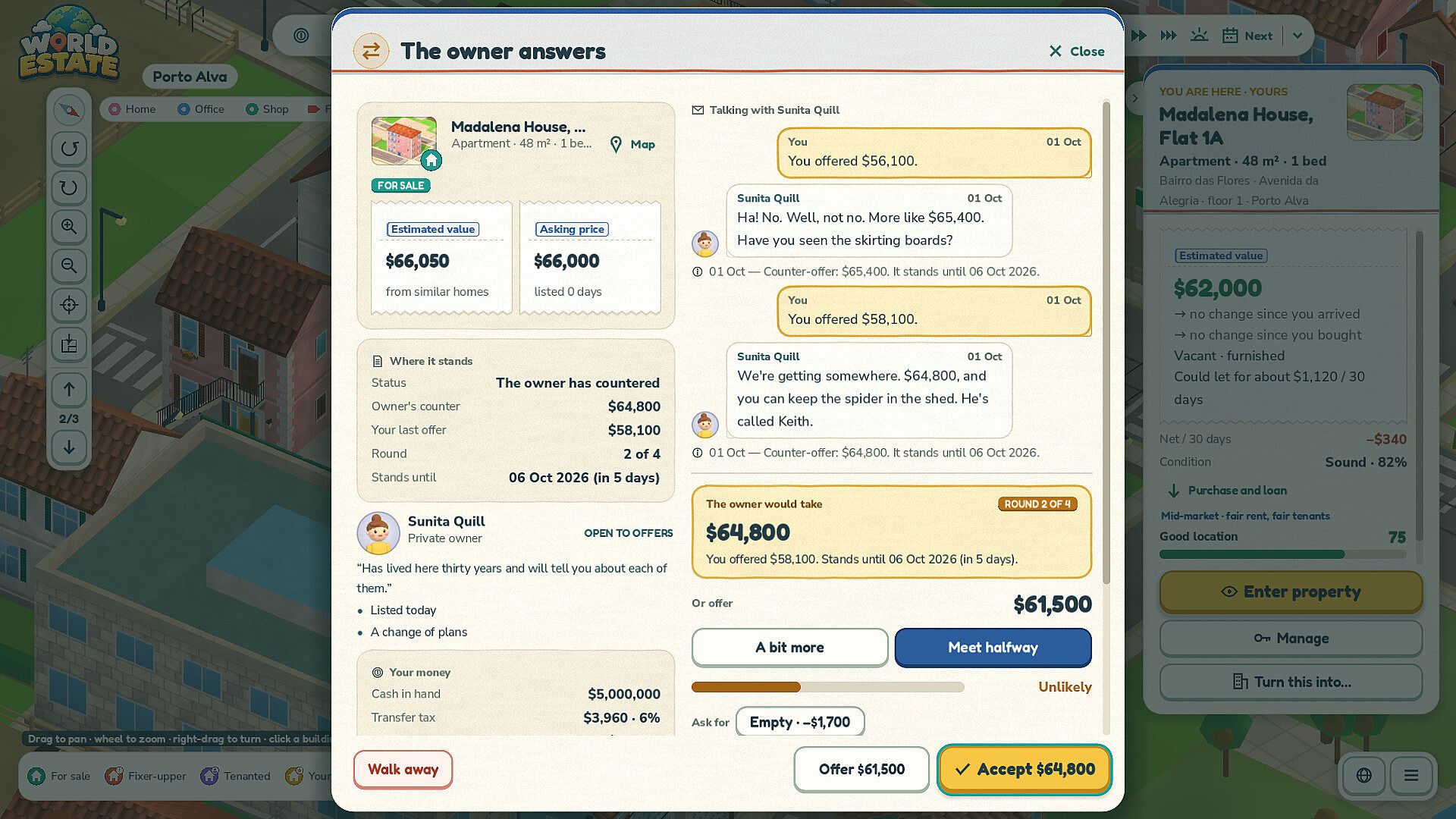
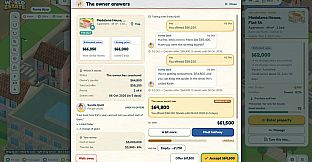
The core loop centers on acquiring buildings, improving them, and generating steady rental income. Every structure belongs to someone, so buyers can purchase listed properties outright or negotiate directly with owners through haggling and conditional offers that might include furniture or other concessions. Financing comes from regional banks with options for fixed or variable rates spanning ten to twenty years, adding a layer of financial planning to each acquisition.
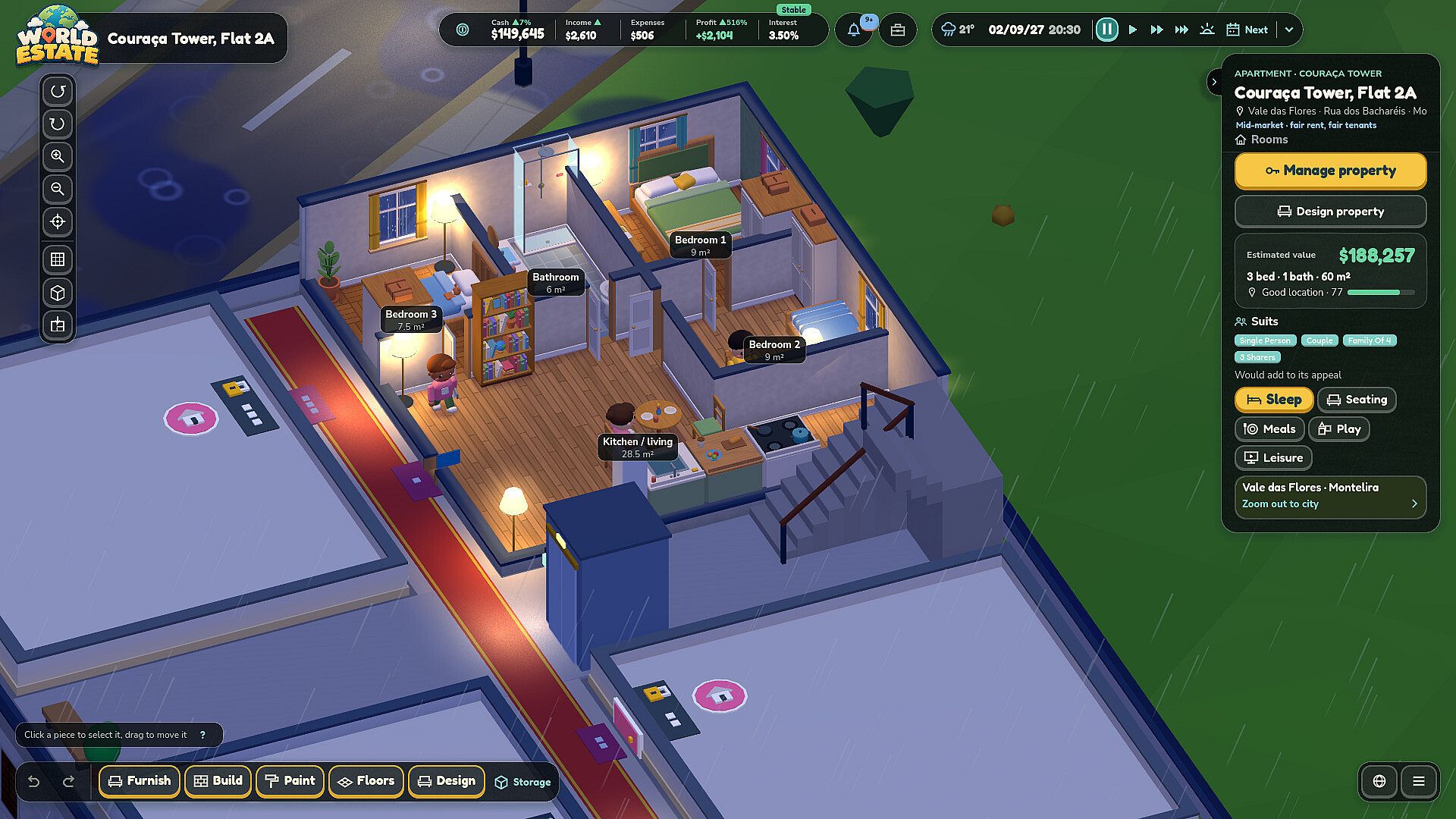
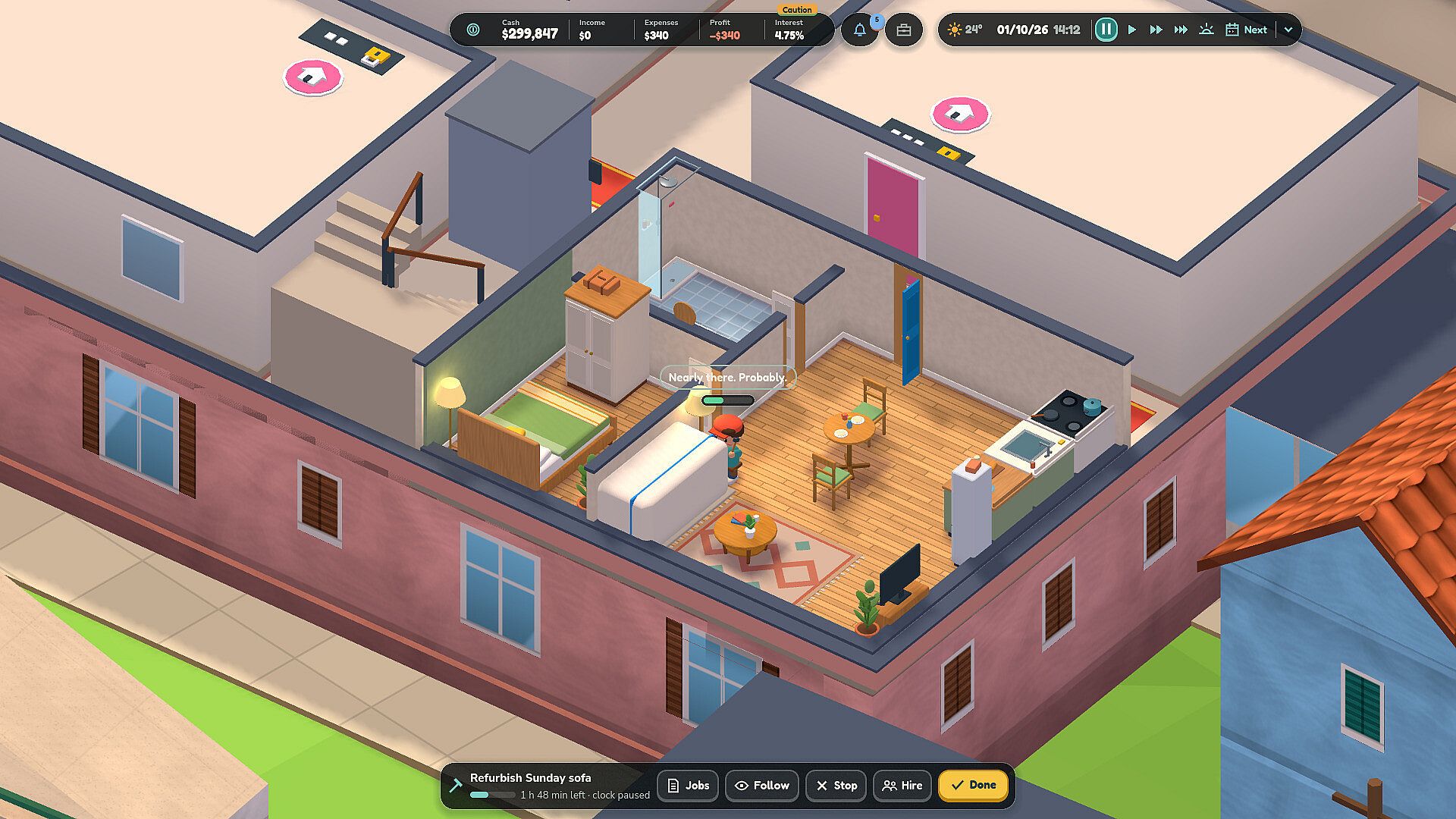
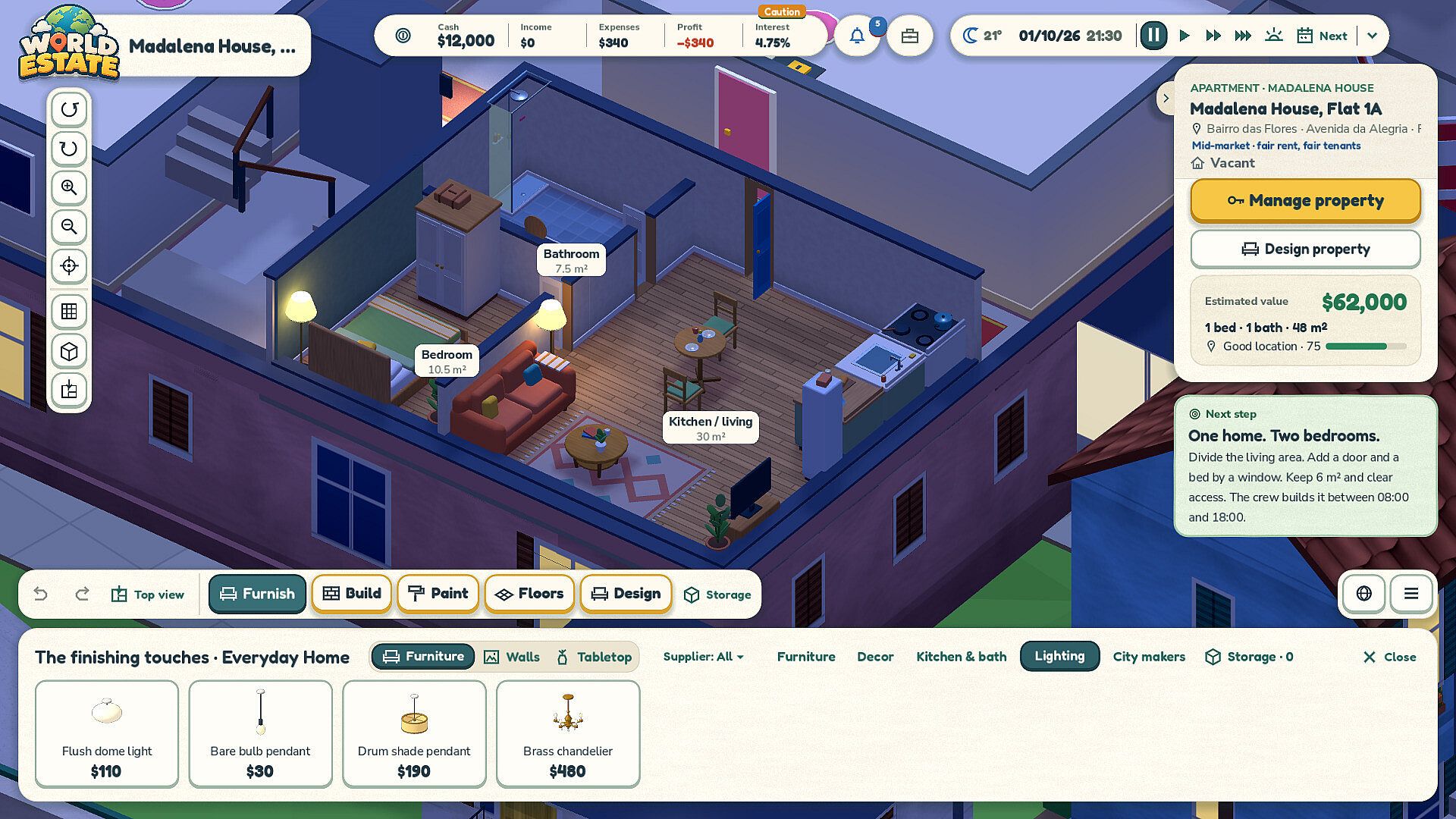
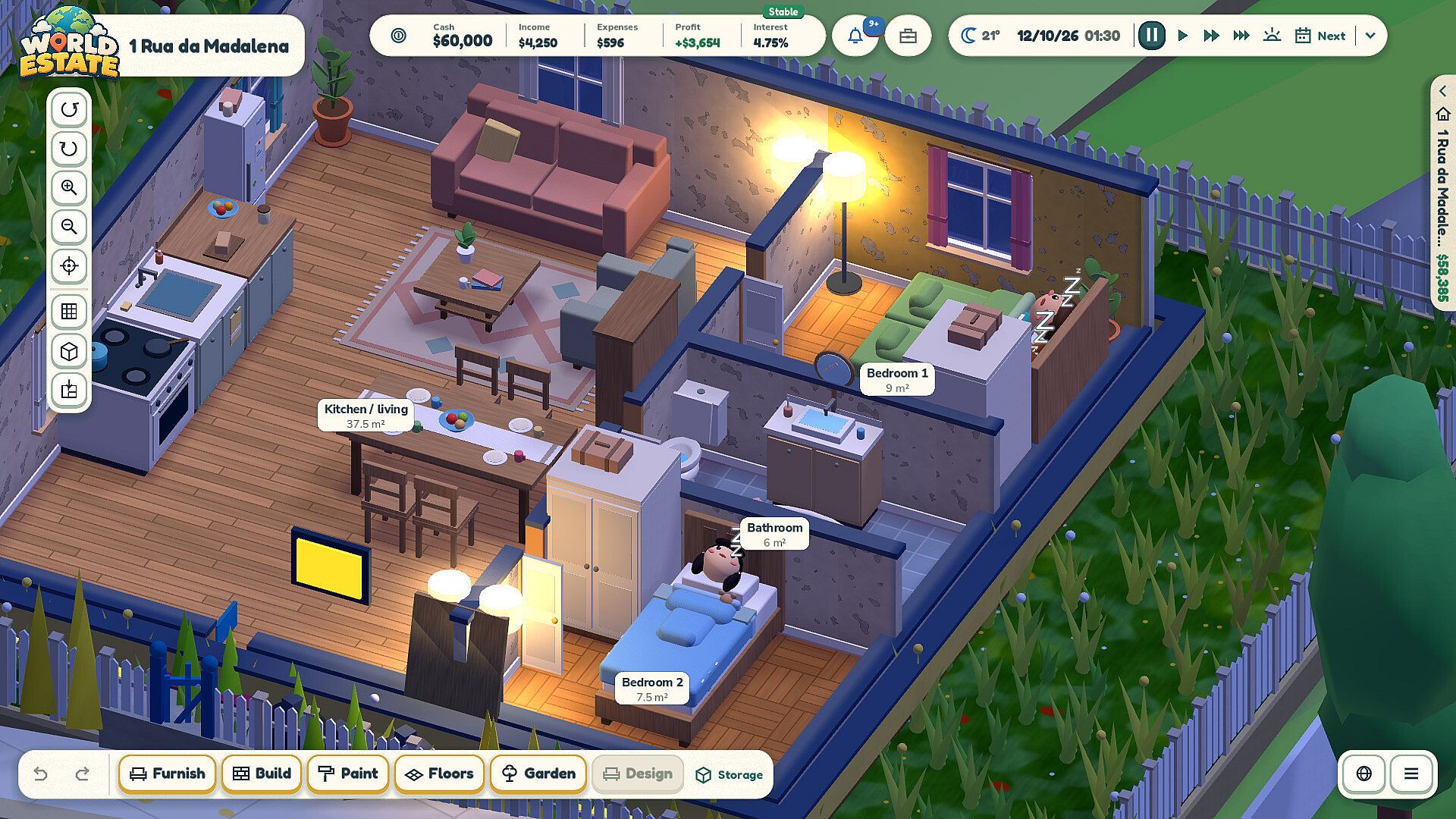
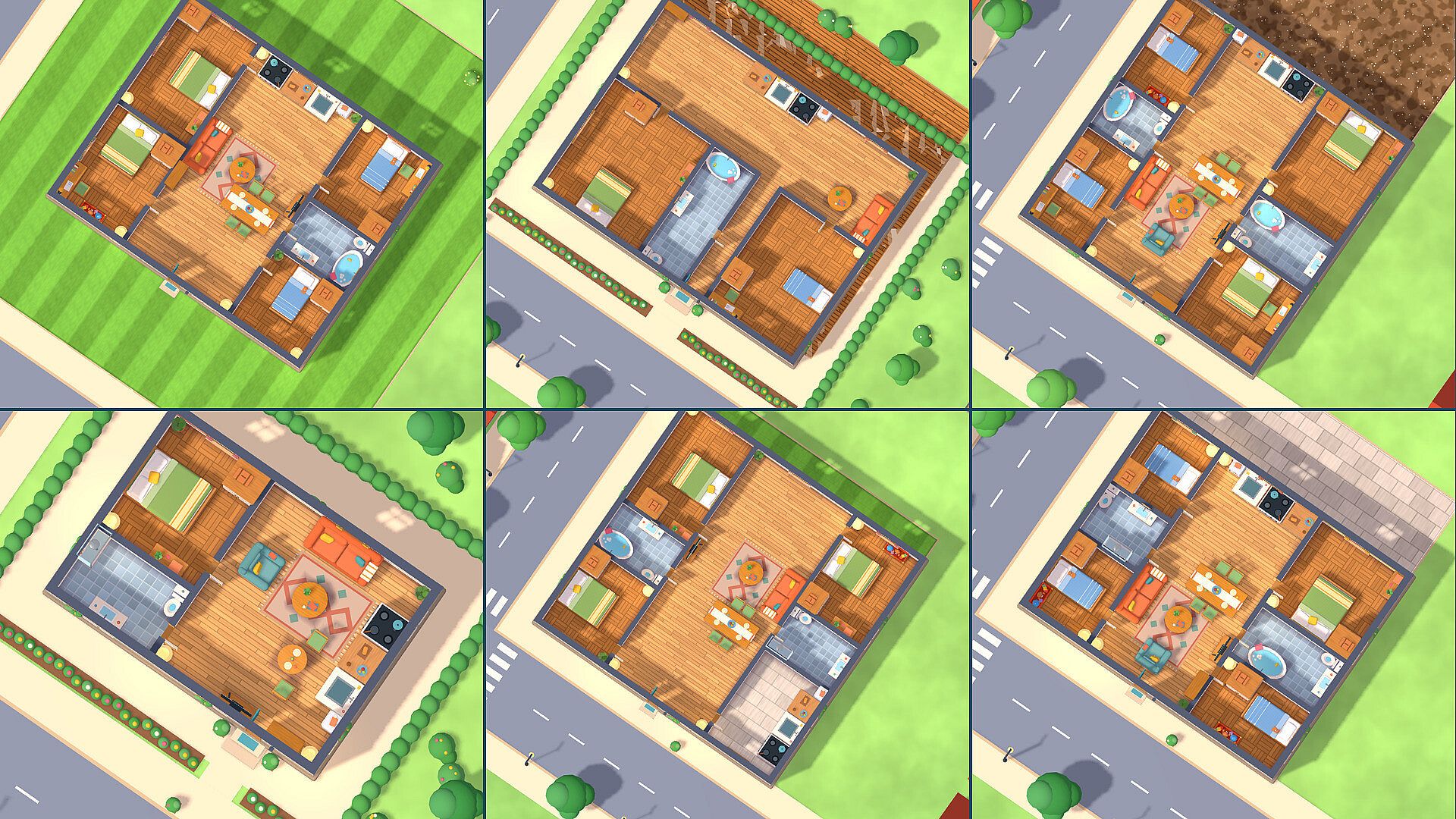
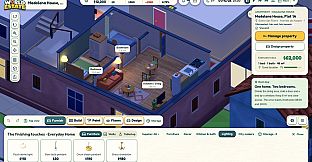
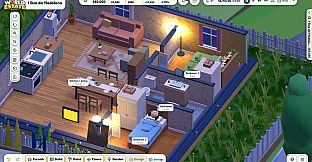
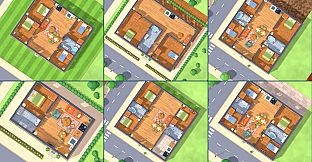
Renovation happens room by room or via an overhead plan view. Players move walls, install floors, apply paint, and select from over a hundred furniture and fixture pieces that range from basic to luxury lines. Lighting elements glow realistically at night, and minor maintenance tasks can be handled personally by guiding a builder character through the space to repair items, repaint surfaces, or tend outdoor areas. The condition of furnishings and finishes directly affects rent levels, with neglected properties costing the owner through reduced income.
Tenants bring their own lives into the properties. Households follow daily routines tied to jobs and pets, allowing owners to observe arrivals, light usage, and bedtime patterns. Feedback from residents highlights what they appreciate or lack nearby, while neighbor interactions can lead to harmony or conflicts that require intervention. Late rent prompts collection efforts, and requests from tenants can be addressed to maintain satisfaction and occupancy rates.
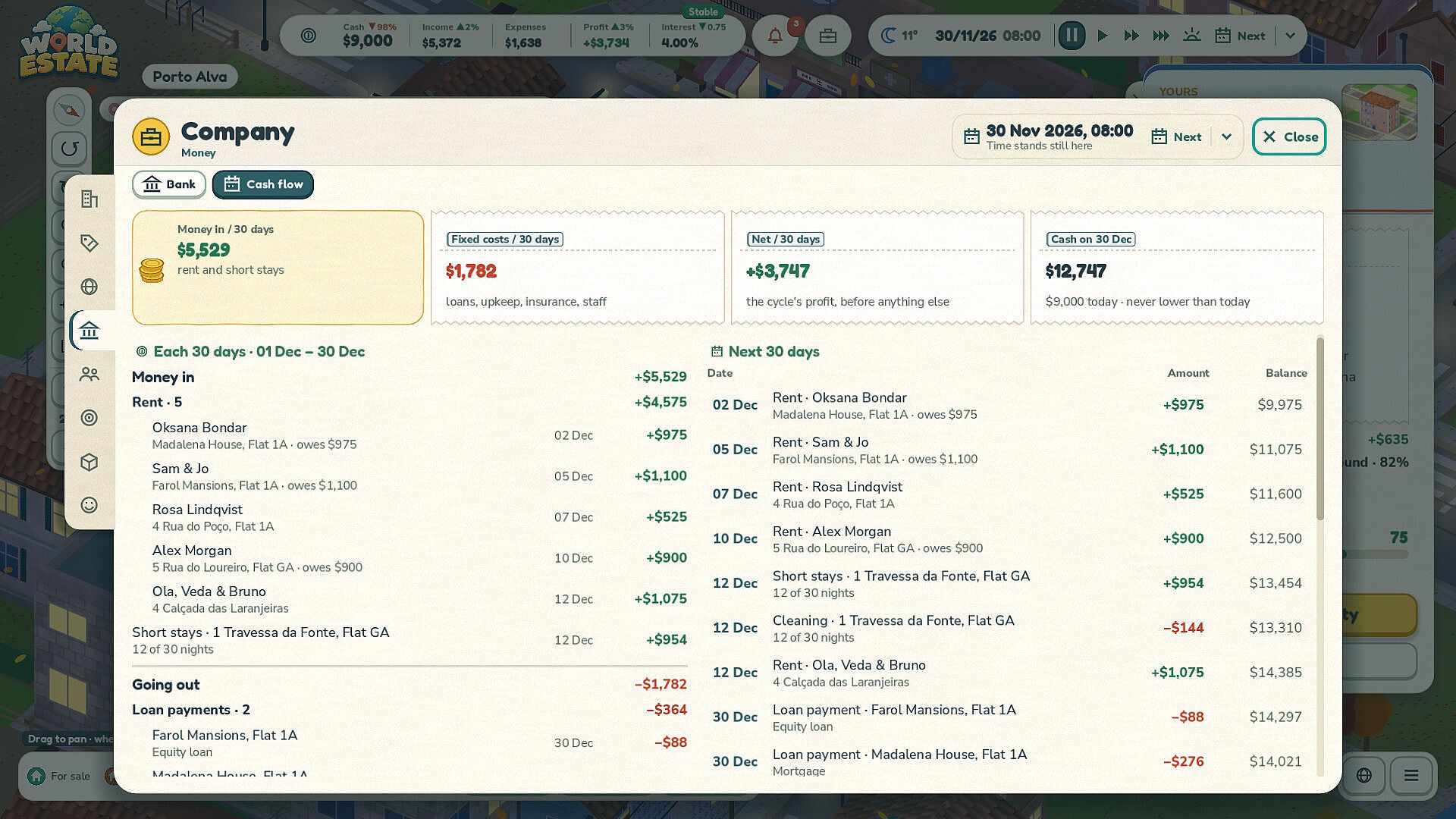
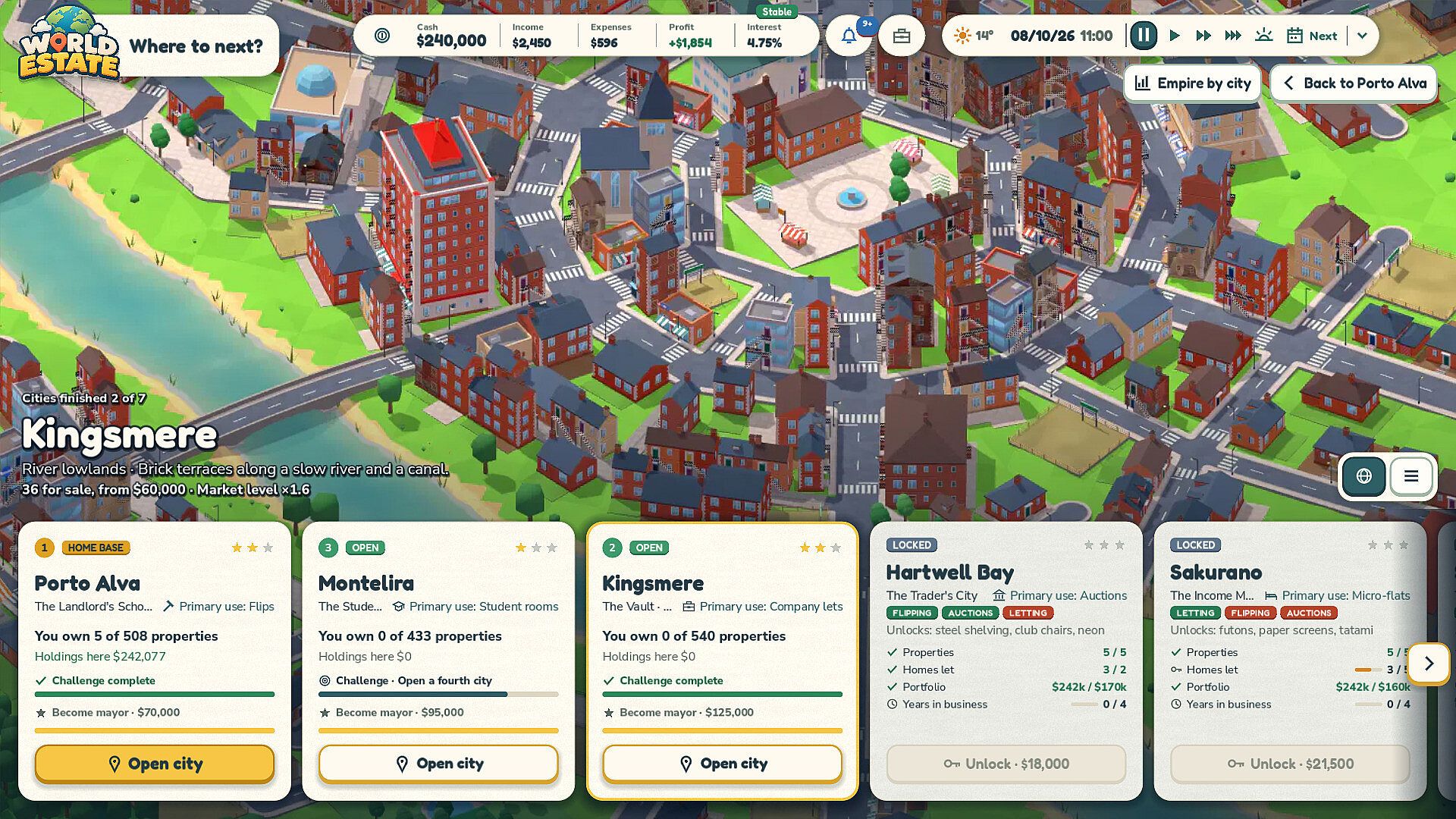
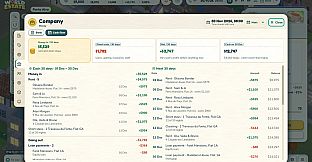
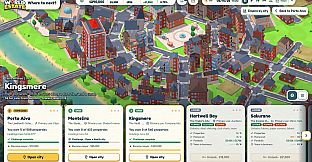
Portfolio oversight includes side-by-side city comparisons, monthly cash flow statements, and tenant lists. Additional tools let players hire managers and crews for larger operations, purchase insurance against events like floods or earthquakes, and develop empty plots into new buildings. The seven distinct cities each feature unique market conditions, banking options, and thematic focuses that reward diversified ownership.
Game Modes
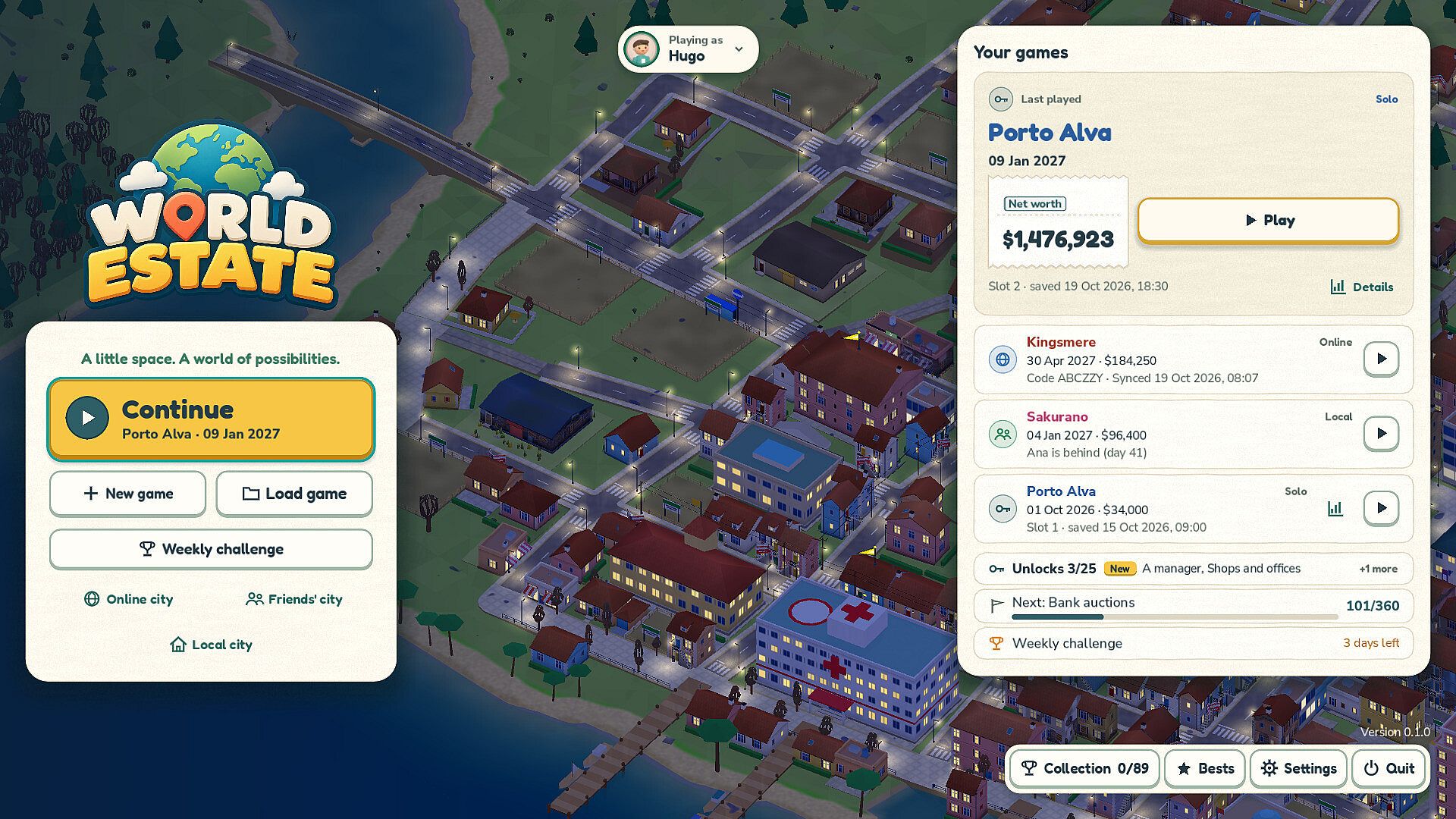
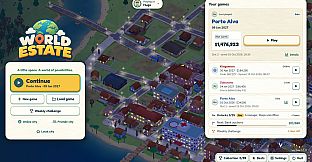
Local city mode supports multiple players taking turns on a single computer in an offline shared environment. Friends' city allows participants to join via a code and compete by racing to grow their portfolios over a fixed span of ten game years. The online city provides an open shared space where players engage with a weekly challenge that includes a public ranking system.
These modes blend solitary progression with optional social elements. Single-player sessions emphasize personal strategy and long-term planning across the full set of cities, while the multiplayer options introduce direct competition without requiring constant online presence.
Property Management Systems
Financial decisions extend beyond initial purchases. Borrowers weigh interest rate structures and loan durations against expected rental yields. Portfolio balancing across cities leverages each location's strengths, such as one city's emphasis on short-term stays or another's focus on student housing. Insurance and professional staffing help mitigate risks as the empire scales.
Tenant dynamics add depth through routines and preferences. Observing daily patterns informs upgrades that boost satisfaction and rent potential. Neighbor relations and request handling prevent vacancies and maintain steady cash flow. The system tracks performance metrics across all holdings for informed decision-making at month end.
Is It Worth Playing?
World Estate: Property Tycoon suits players who enjoy methodical simulation and strategy games centered on incremental property development and tenant oversight. The relaxed pace and detailed renovation tools appeal to those who appreciate creative customization within a management framework. With no time-limited energy systems or aggressive monetization in the core experience, it supports unhurried sessions focused on long-term empire building.
The game launches with support for both solo play and light multiplayer competition. Its emphasis on negotiation, customization, and cross-city portfolio strategy provides clear progression for fans of casual-to-midcore simulations. Those seeking high-stakes action or rapid matches may find the deliberate tempo less engaging, while property management enthusiasts will likely appreciate the layered systems and thematic variety across the cities.