




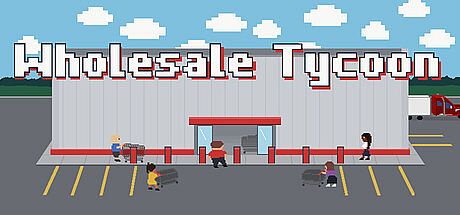


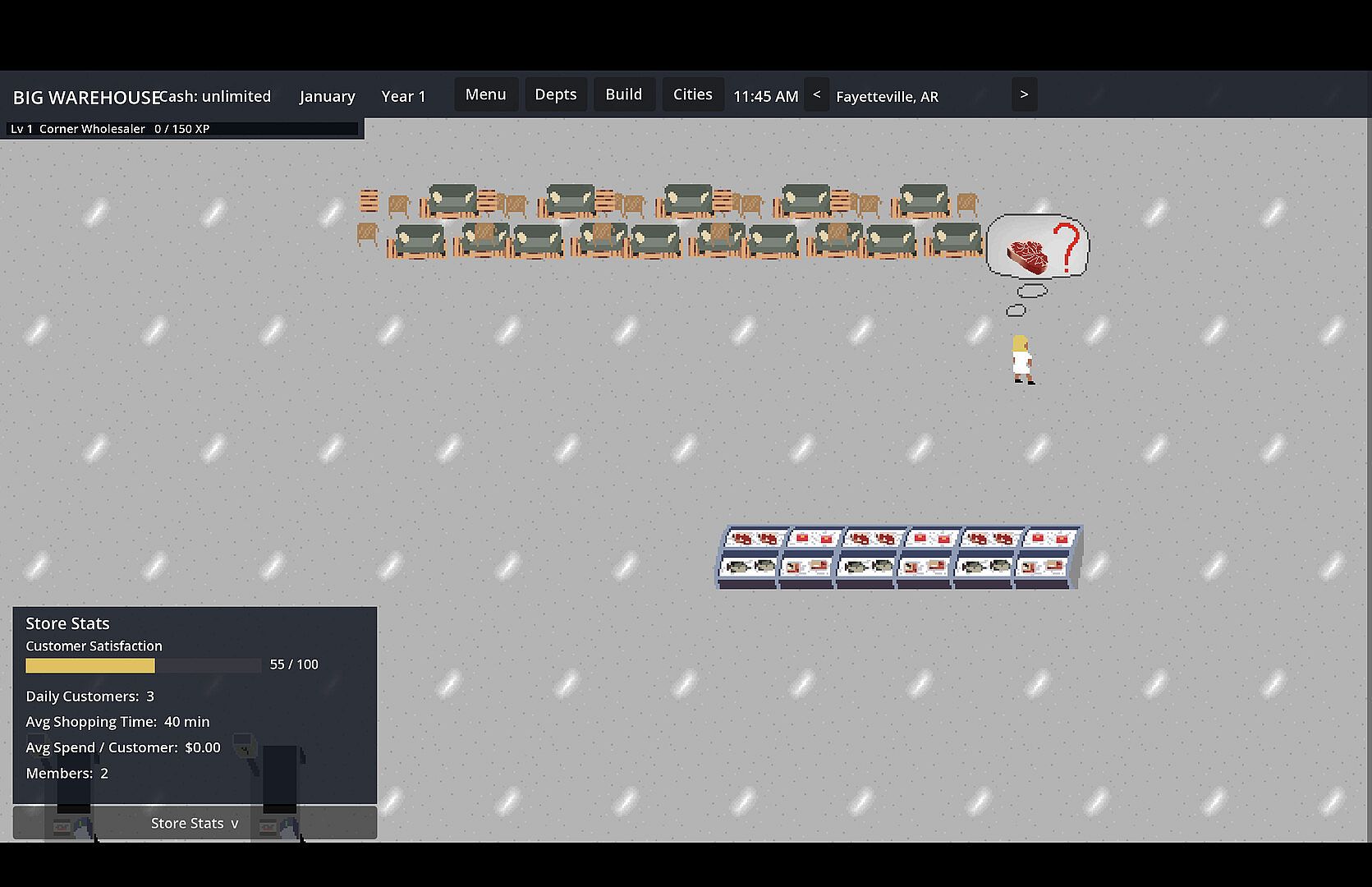
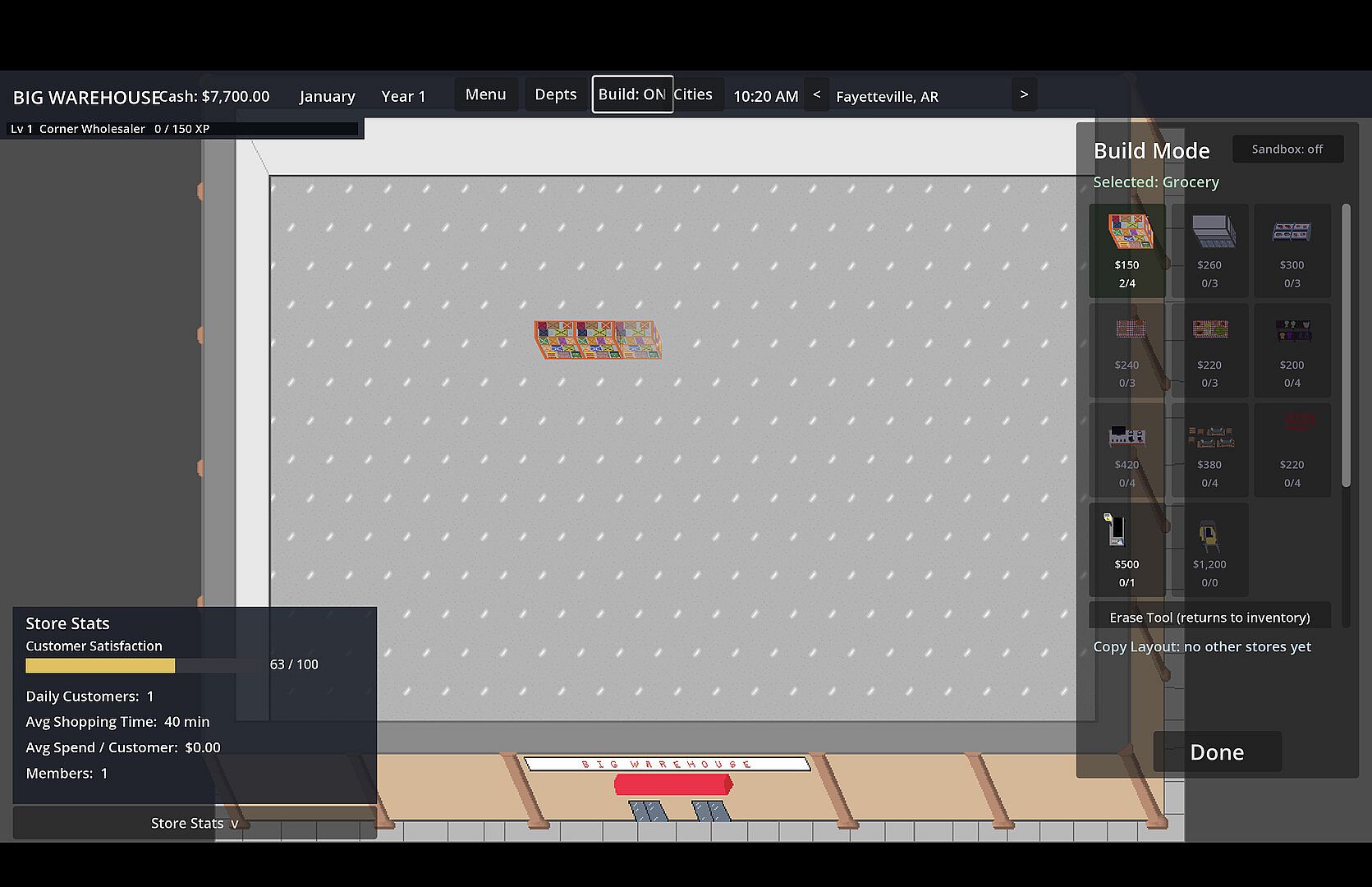
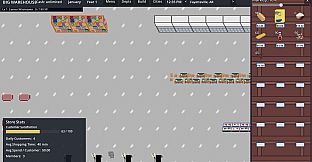
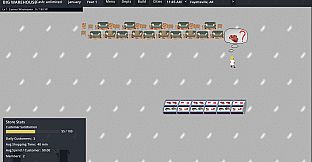
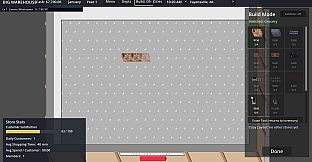
Wholesale Tycoon es un simulador de estrategia en el que el jugador dirige la construcción y expansión de una cadena de almacenes club en Estados Unidos. La experiencia se centra en la gestión desde una perspectiva superior, donde cada decisión sobre distribución, precios y personal afecta directamente al flujo de clientes y a los ingresos. Se empieza con una sola tienda y se crece hasta gestionar varias ubicaciones que siguen funcionando en segundo plano.
Gameplay
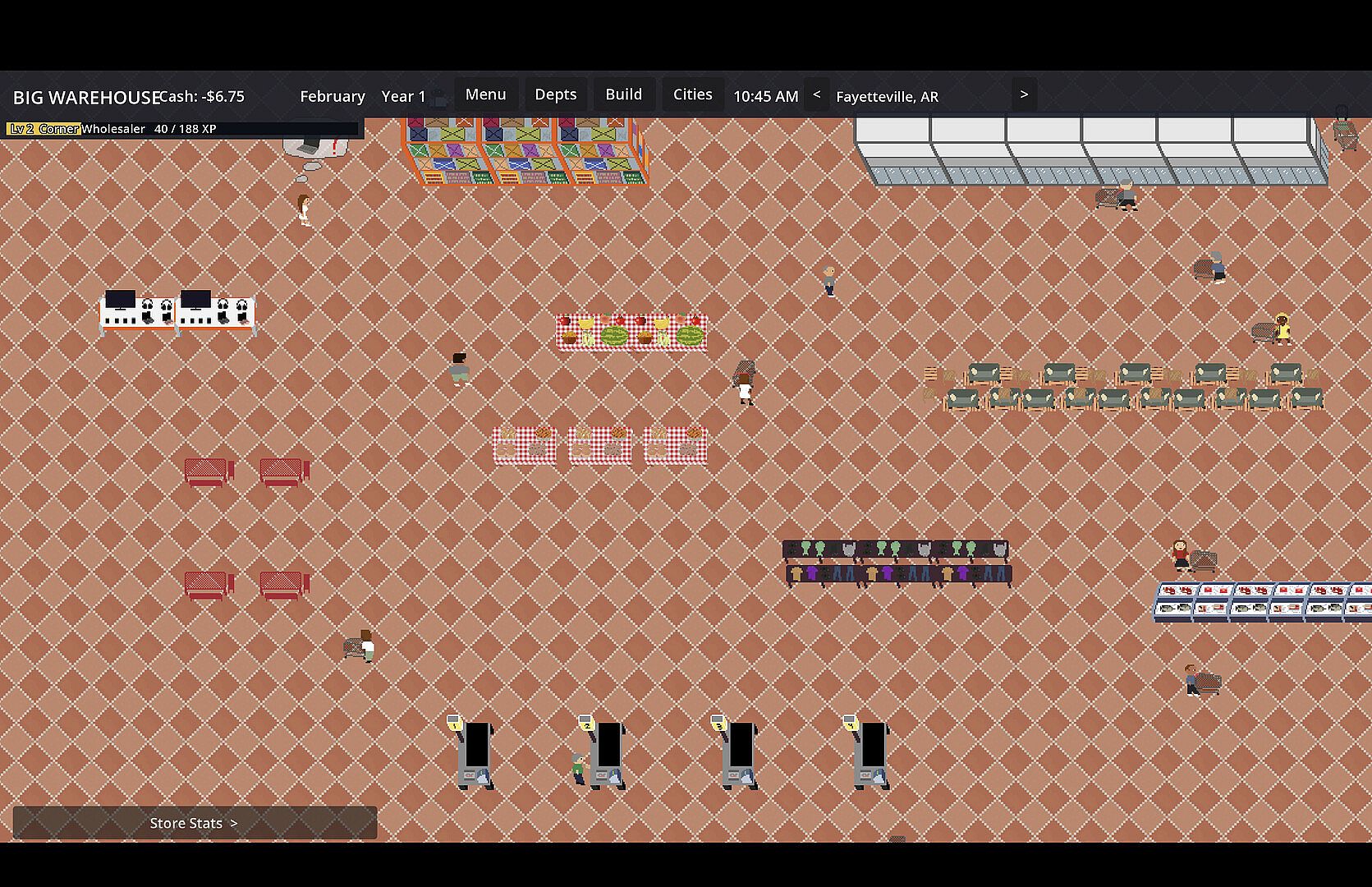
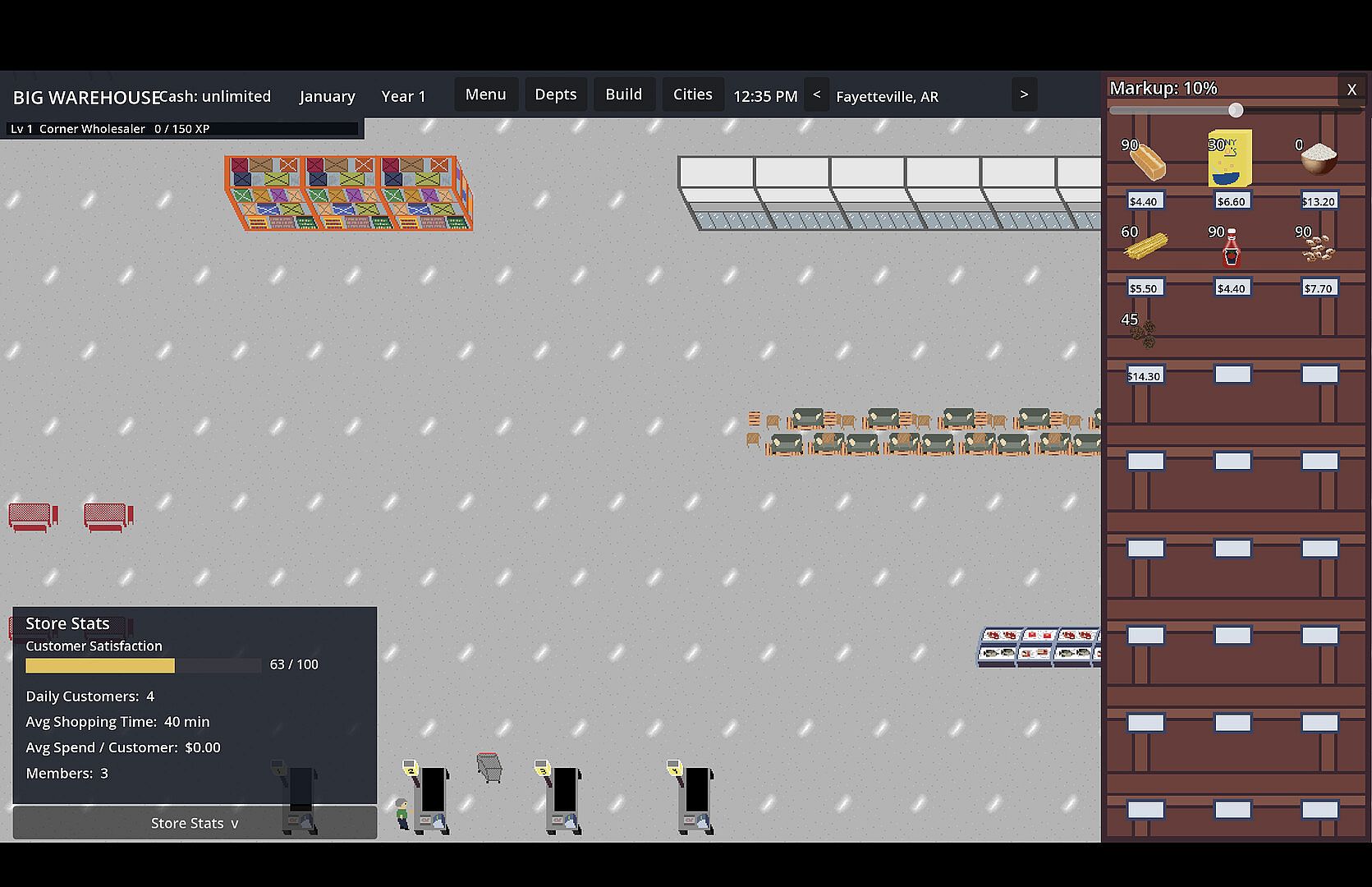
El bucle de juego consiste en diseñar las salas de ventas desde cero. El jugador compra y coloca elementos como estanterías, neveras, mostradores de carne, panadería, frutas y verduras, percheros de ropa, puestos de comida, cajas registradoras y carretillas elevadoras. Cada elemento se posiciona de forma individual y luego se rellena con mercancía adquirida al por mayor. El margen de beneficio lo decide el jugador, mientras que las cuotas mensuales de socios aportan ingresos constantes junto con los beneficios por venta.
Los clientes recorren los pasillos en tiempo real, empujando carritos y reaccionando a los niveles de stock y a la variedad de productos. Al seleccionar a cualquier comprador se muestran sus preferencias y comportamiento. La gestión del personal añade otra capa: cajeros atendiendo cajas, reponedores llenando estanterías y operarios de carretillas moviendo palés. Los salarios se pagan por hora mientras la tienda está abierta, por lo que hay que controlar cuidadosamente los costes laborales.
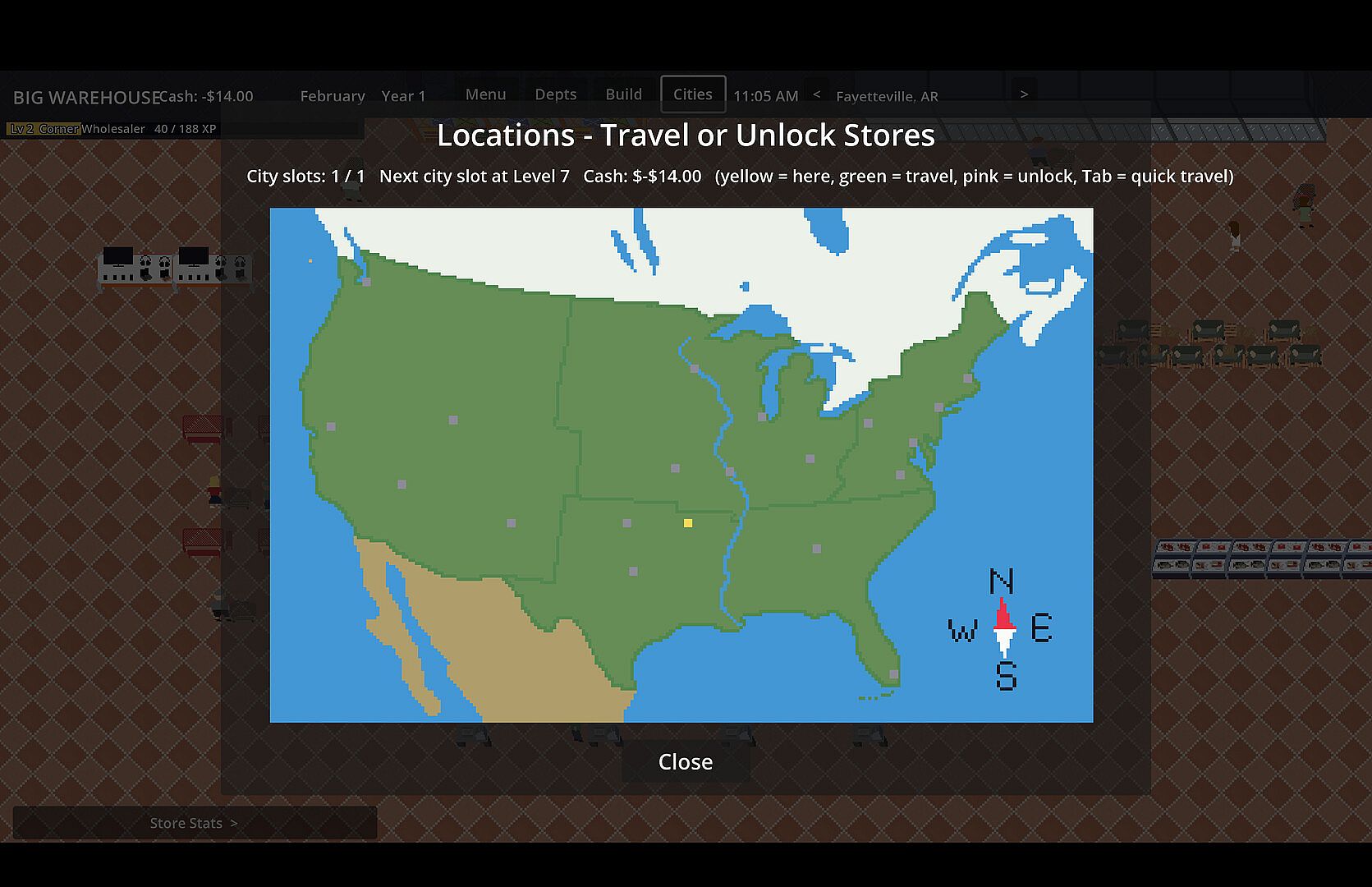
El progreso se mide mediante niveles de empresa que se obtienen por ventas. Al alcanzar rangos superiores se desbloquean nuevos elementos, más cajas y carretillas, mayor capacidad de empleados y nuevas ubicaciones en distintas ciudades. Cada una de las veinte ciudades cuenta con su propio diseño de tienda y productos regionales característicos, lo que permite gestionar varias ubicaciones al mismo tiempo aunque el jugador esté centrado en otra.
Game Modes
Wholesale Tycoon funciona como una experiencia de gestión continua sin modos diferenciados. La actividad principal consiste en construir y optimizar una tienda antes de expandirse a otras ciudades. Todas las ubicaciones operan bajo una misma empresa, y las decisiones de inventario y personal se aplican a toda la red en crecimiento. El avance de la empresa a través de niveles es el principal sistema de progresión, que introduce gradualmente nuevas herramientas y oportunidades sin dividir el juego en variantes distintas.
Building and Expanding the Empire
El diseño de las tiendas prioriza la colocación práctica para maximizar el tráfico y la satisfacción de los clientes. Las secciones refrigeradas deben situarse correctamente para mantener el atractivo de los productos perecederos, mientras que las zonas de mayor paso se benefician de una ubicación estratégica de las cajas para reducir las colas. Los productos regionales de las ciudades posteriores animan a adaptar el inventario a la demanda local. El modelo de socios vincula los ingresos tanto a las compras puntuales como a las cuotas recurrentes, recompensando la calidad constante que hace que los clientes vuelvan y permanezcan más tiempo.
Las interacciones en tiempo real con los clientes ofrecen retroalimentación inmediata. Los estantes vacíos ahuyentan a los compradores, mientras que las secciones bien surtidas y con precios competitivos aumentan el tamaño de los carritos y el tiempo de permanencia. Ofrecer empleo a clientes destacados añade una opción de reclutamiento que puede complementar el proceso habitual de contratación de cajeros, reponedores y operarios.
Is It Worth Playing?
Wholesale Tycoon está dirigido a jugadores que disfrutan de simulaciones de negocios metódicas y de la construcción progresiva de un imperio. La colocación detallada de elementos y las reacciones de los clientes en tiempo real crean un ciclo satisfactorio para quienes gustan de optimizar distribuciones y equilibrar gastos e ingresos. La expansión a múltiples ciudades añade escala sin exigir micromanagement constante una vez establecidos los sistemas. El juego atrae principalmente a aficionados a la estrategia y la gestión casual que valoran ver cómo una pequeña operación se convierte en una presencia nacional mediante decisiones constantes y directas.











