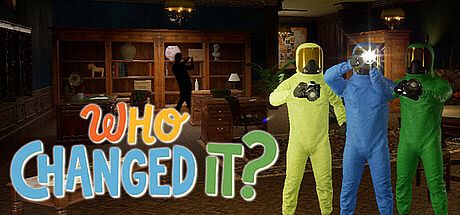




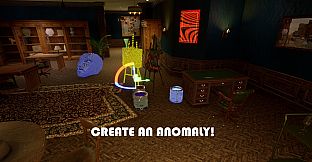
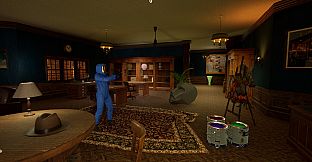
WHO CHANGED IT? is an indie casual anomaly game for PC where players compete to detect subtle alterations in a shared room. Designed for groups of one to eight participants, the experience centers on observation, memory, and quick reactions in an online multiplayer setting. One participant works in secret to modify the environment while the rest attempt to identify those modifications before time runs out.
Gameplay
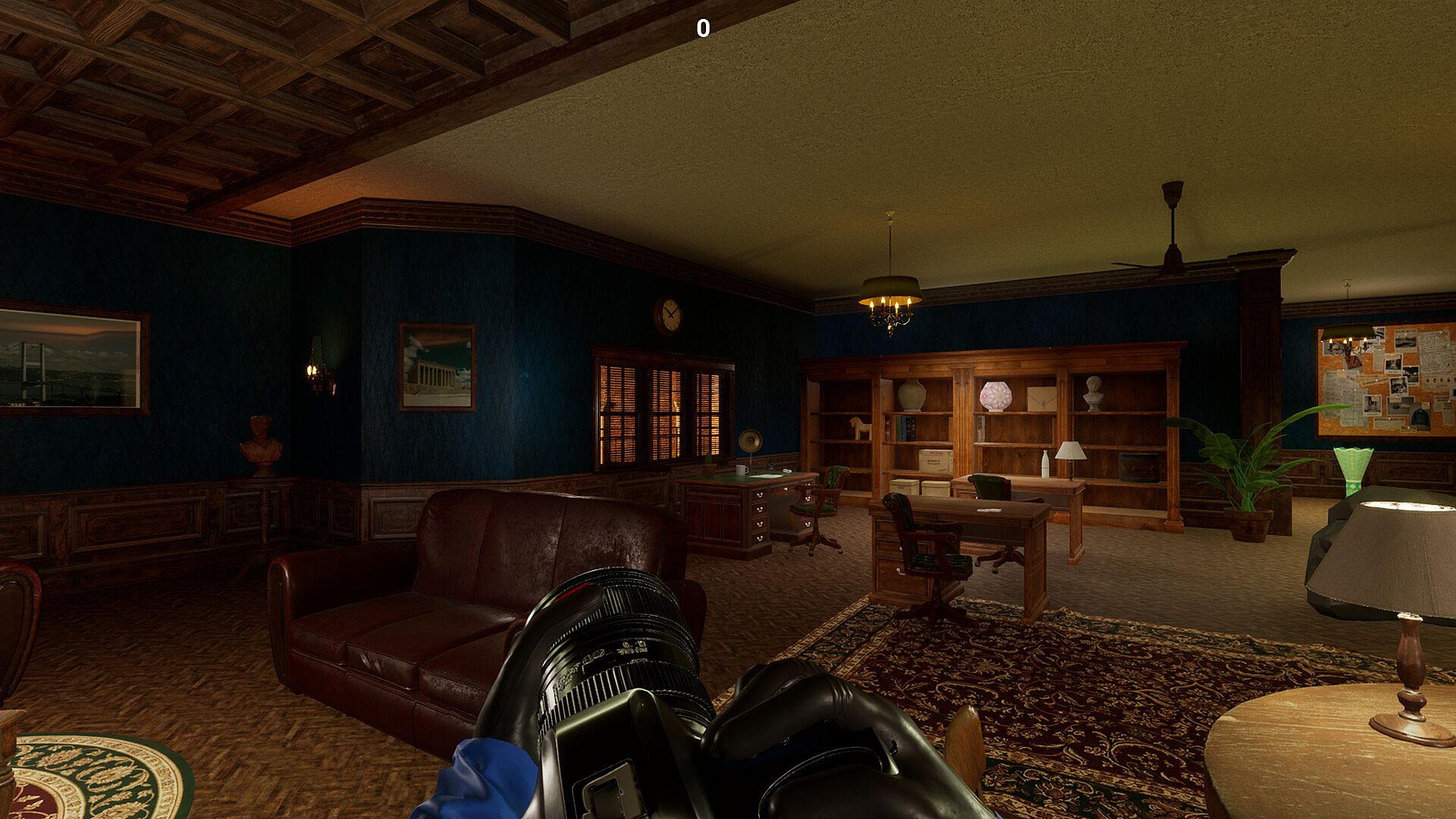
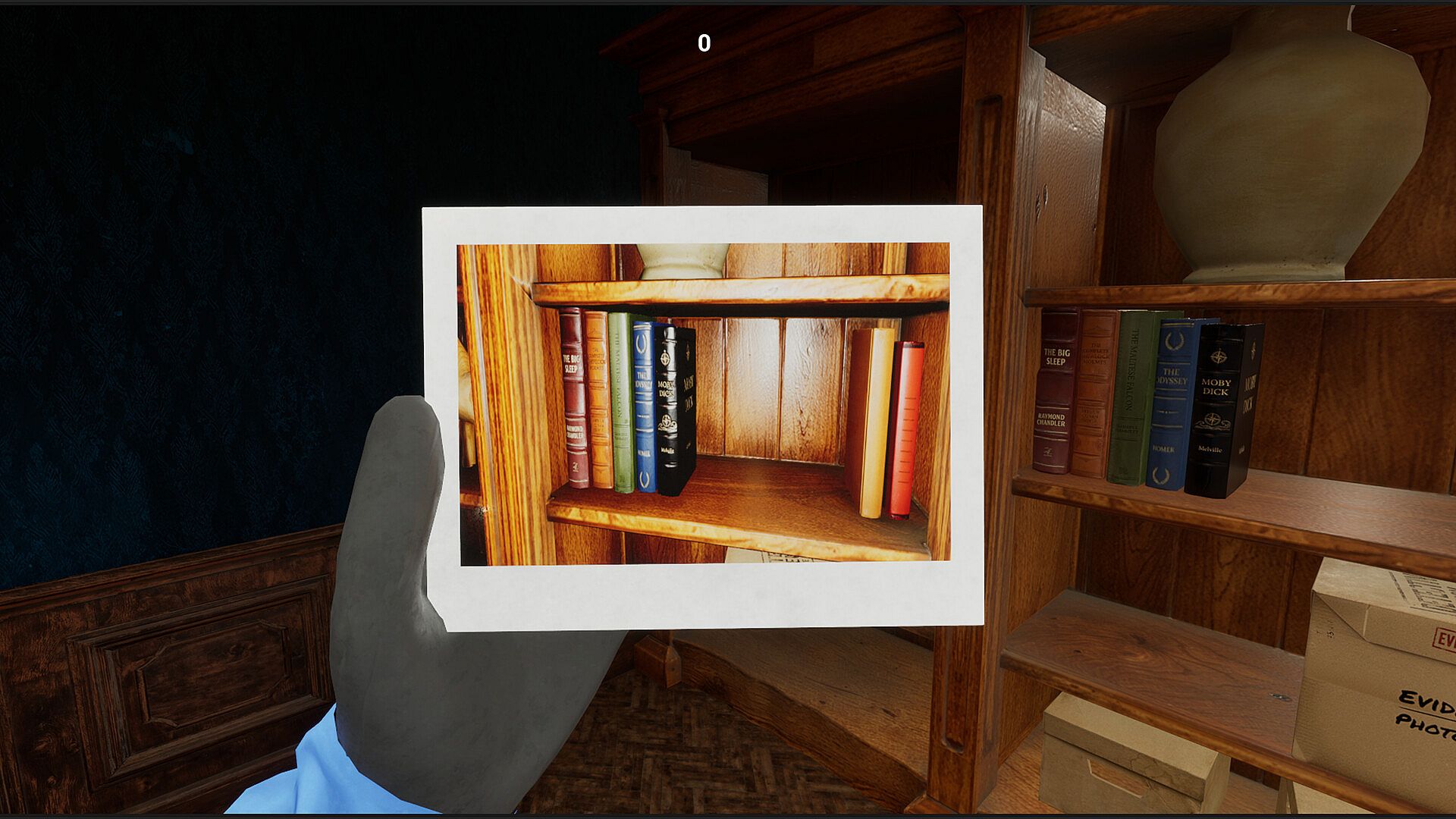
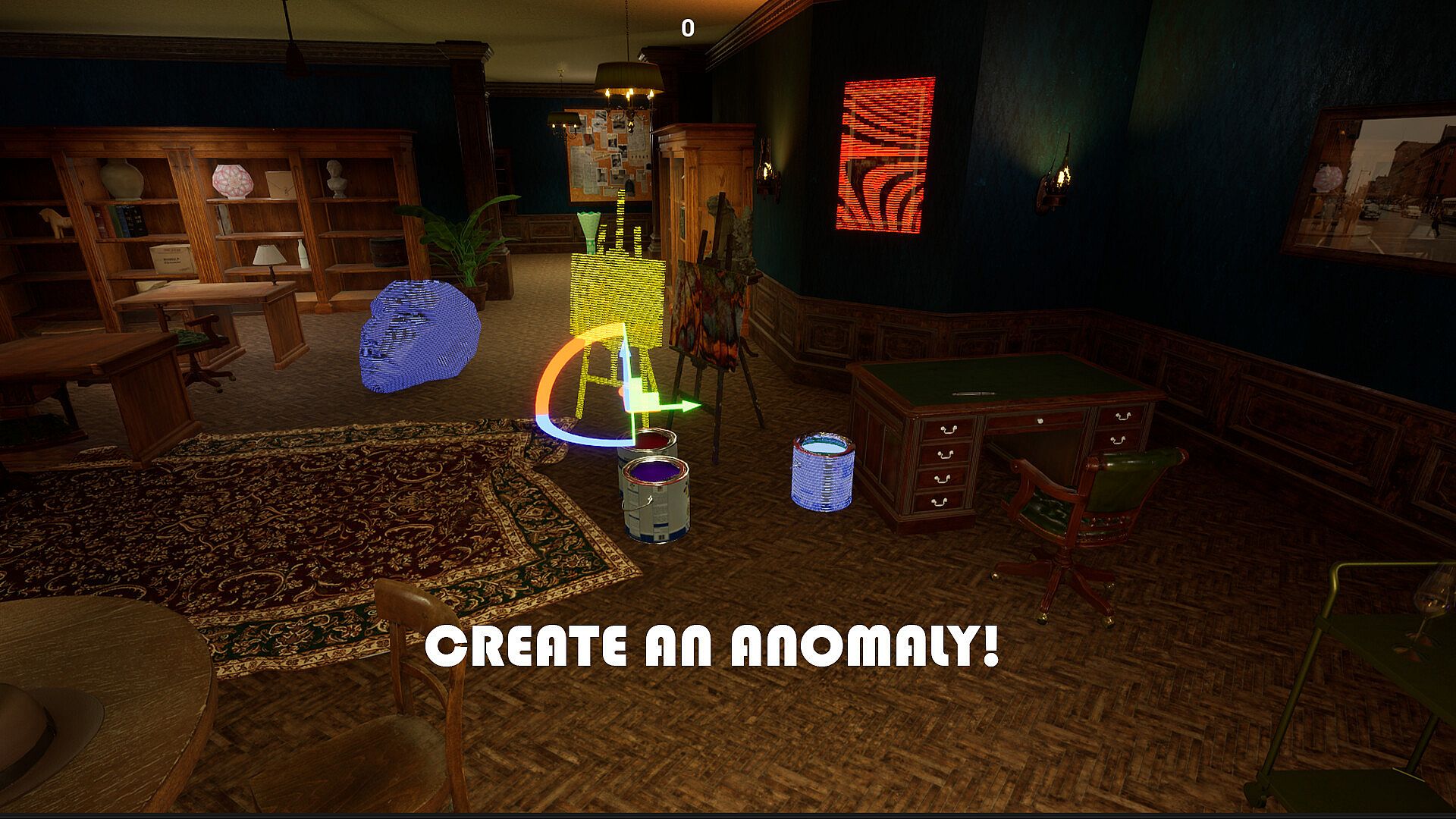
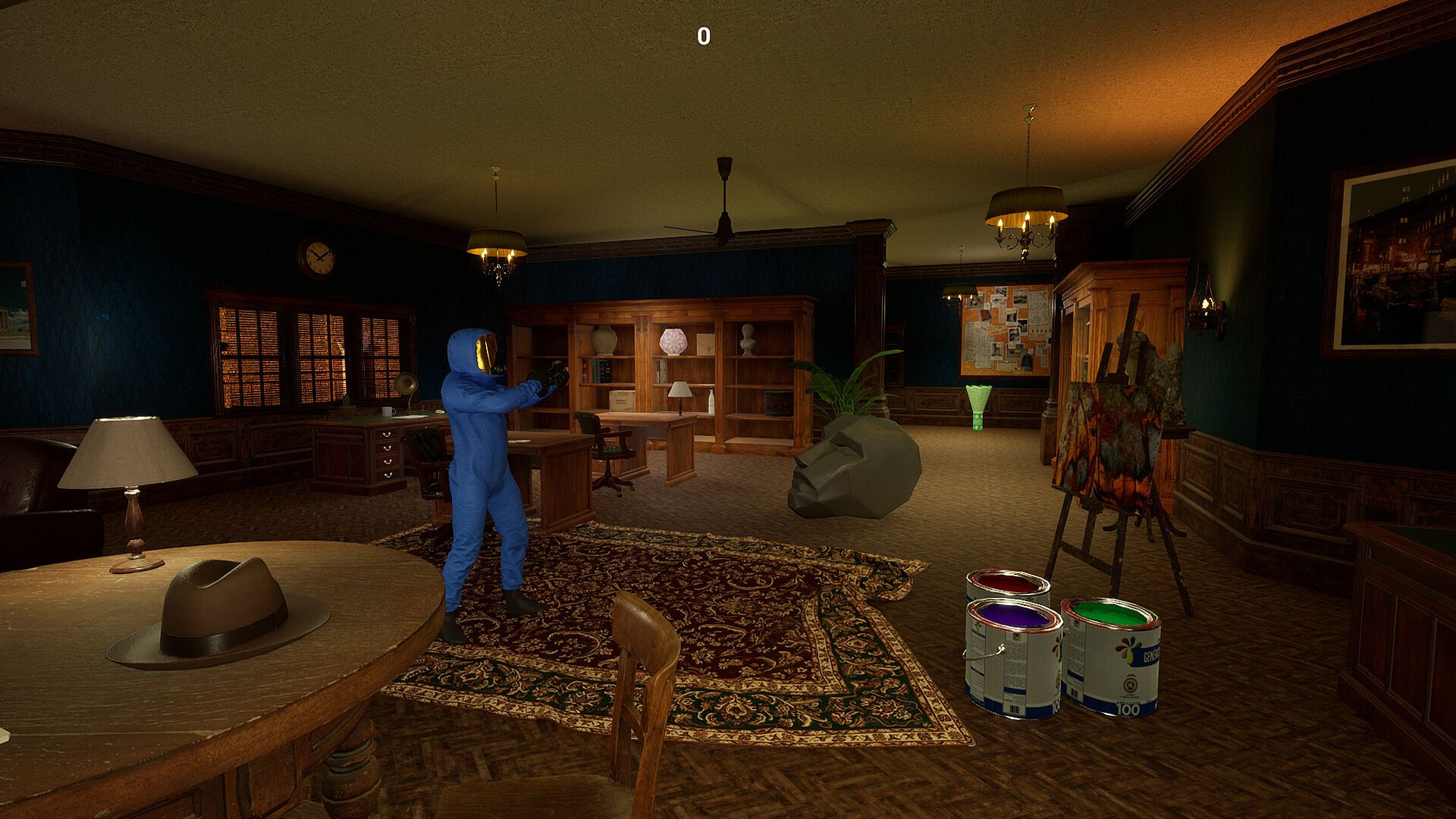
The core loop requires close inspection of a furnished room. Players study the initial layout of objects, furniture, and details to build a mental map. Once the round begins, changes occur without warning. Objects may shift position, vanish entirely, or appear in duplicate. Success depends on noticing these differences early and documenting them accurately.
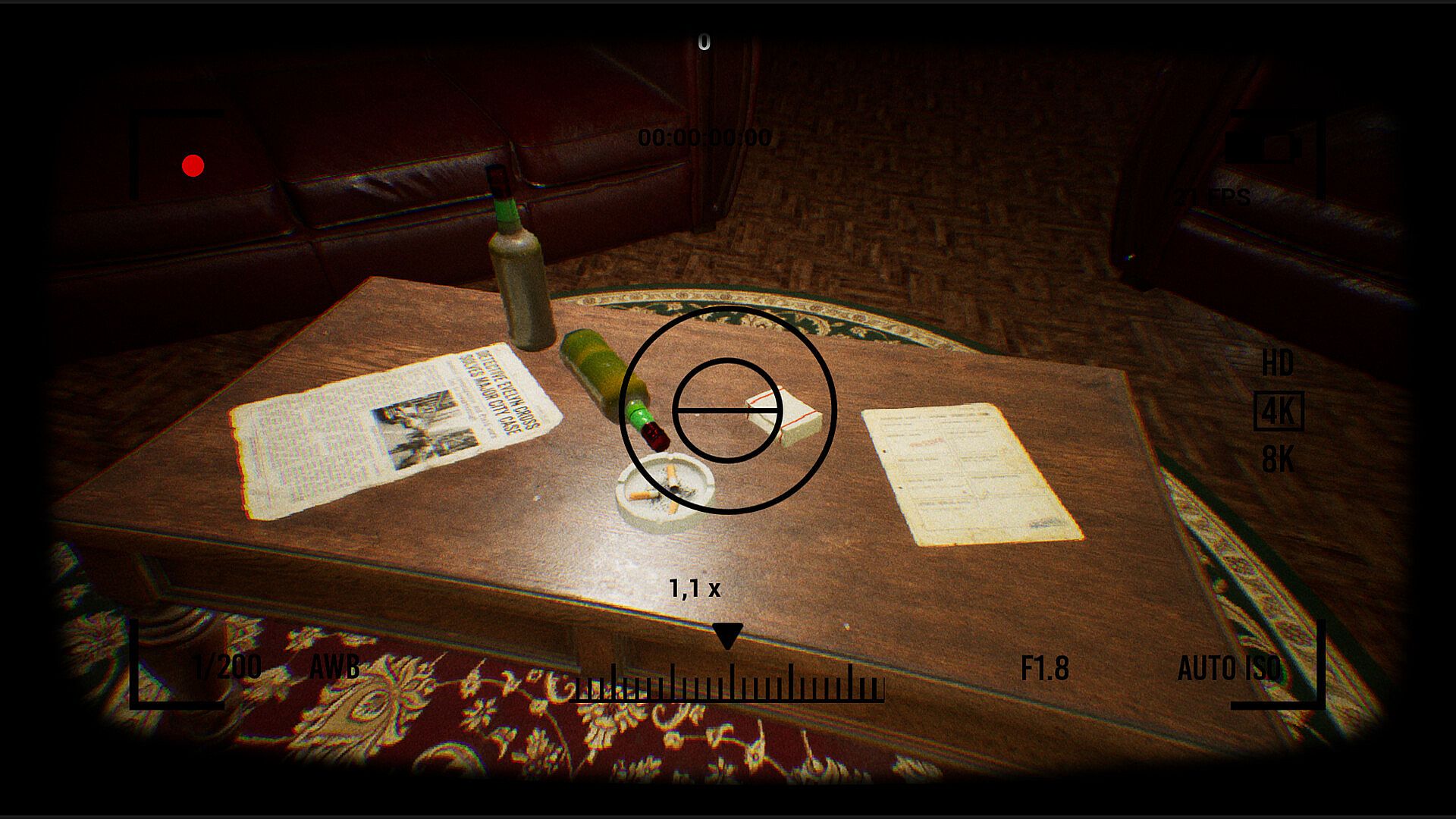
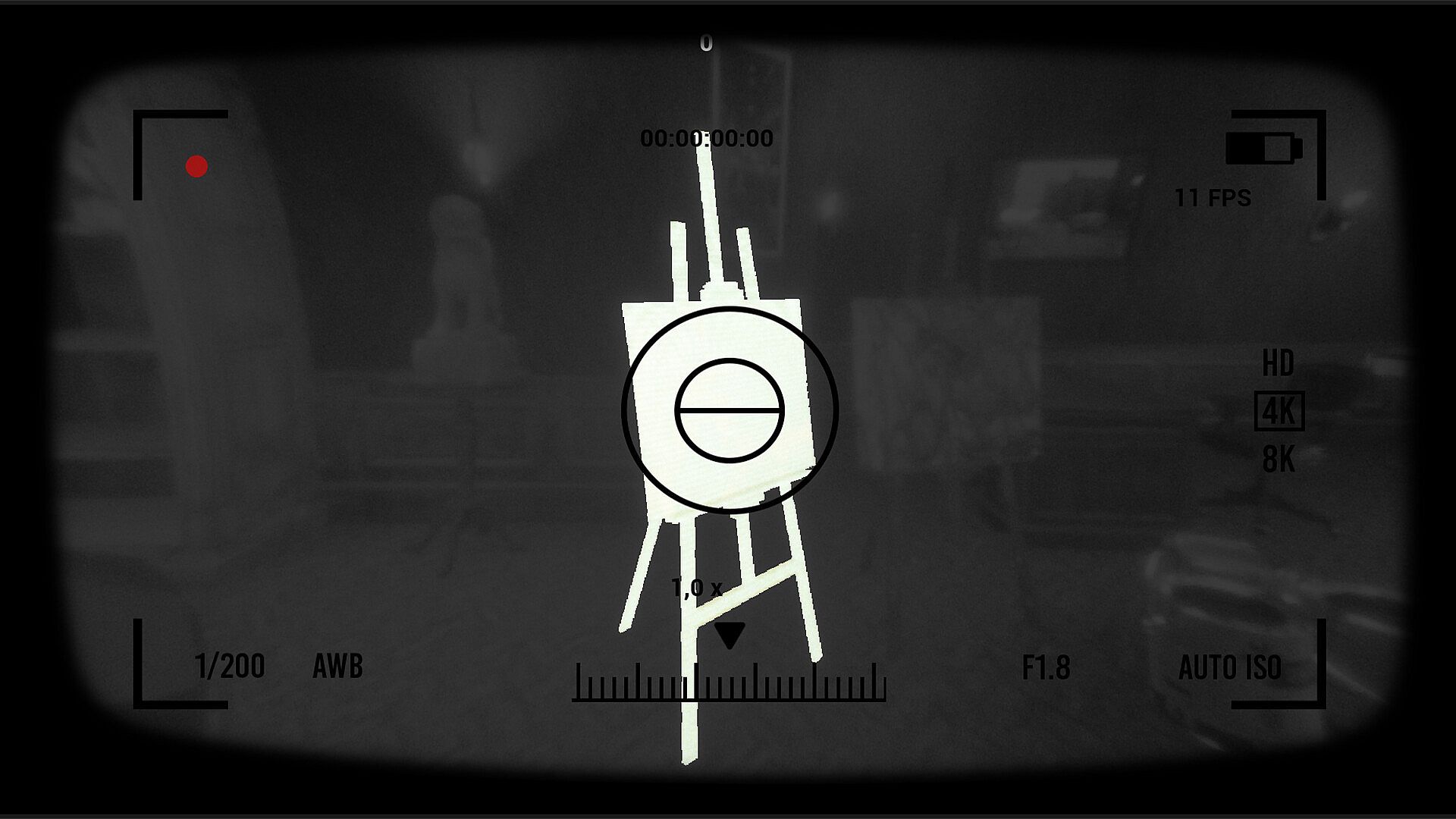
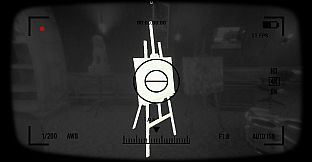
A built-in camera serves as the primary tool for recording findings. Capturing an anomaly awards points and helps confirm discoveries for the team. The mechanic rewards precision because incorrect or missed photographs reduce scoring opportunities. This system keeps rounds focused on visual attention rather than complex controls or combat.
Matches unfold in real time, encouraging communication among the detecting players. The hidden changer must balance subtlety with effectiveness to avoid early detection. The result is a tense back-and-forth that emphasizes perception and timing over reflexes or strategy layers.
Game Modes
Multiple competitive formats rotate the roles and objectives. In each mode one player assumes the changer position while the others hunt for alterations. Rounds vary in length, number of allowed changes, and scoring rules to keep sessions fresh across repeated play.
Some modes emphasize speed, challenging the group to photograph every anomaly within a strict timer. Others introduce additional constraints such as limited camera uses or restricted movement. The shared room remains the constant element, with object modifications serving as the variable that defines each session.
Player counts from one to eight support both small private matches and larger parties. The single-player changer role can be filled by an AI when needed, though the design shines brightest with human opponents on both sides of the detection line.
Visual Design and Accessibility
Rooms feature straightforward, readable layouts that highlight object placement without unnecessary clutter. This clarity supports the memory component while allowing changes to stand out once they appear. Casual presentation keeps the focus on the anomaly mechanic rather than elaborate graphics or narrative elements.
Controls remain simple, centered on camera use and movement within the space. The indie scope prioritizes quick session starts and minimal setup, making the game suitable for short online gatherings or longer competitive evenings.
Is It Worth Playing?
WHO CHANGED IT? suits players who enjoy observation-based multiplayer experiences similar to spot-the-difference challenges but with an active opponent introducing the changes. The 1-8 player range and role rotation provide variety without requiring large groups or long commitments.
Those seeking casual, repeatable sessions will find value in the photography scoring and mode variety. The absence of progression systems or unlocks keeps attention on the immediate round-to-round competition. Groups that appreciate light-hearted deduction and friendly rivalry will likely return for additional matches.
Availability on PC supports easy online play with friends. The straightforward mechanics lower the barrier for new players while still offering depth through repeated exposure to different room configurations and changer tactics.