

Wait, Cards I Memorized? is a casual indie memory training game built around the Memory Palace technique. Players practice structured recall through a focused sequence of steps that emphasize encoding and retrieval without added complexity or competition. The experience stays single-player and centers on personal improvement rather than scores or leaderboards.
Gameplay
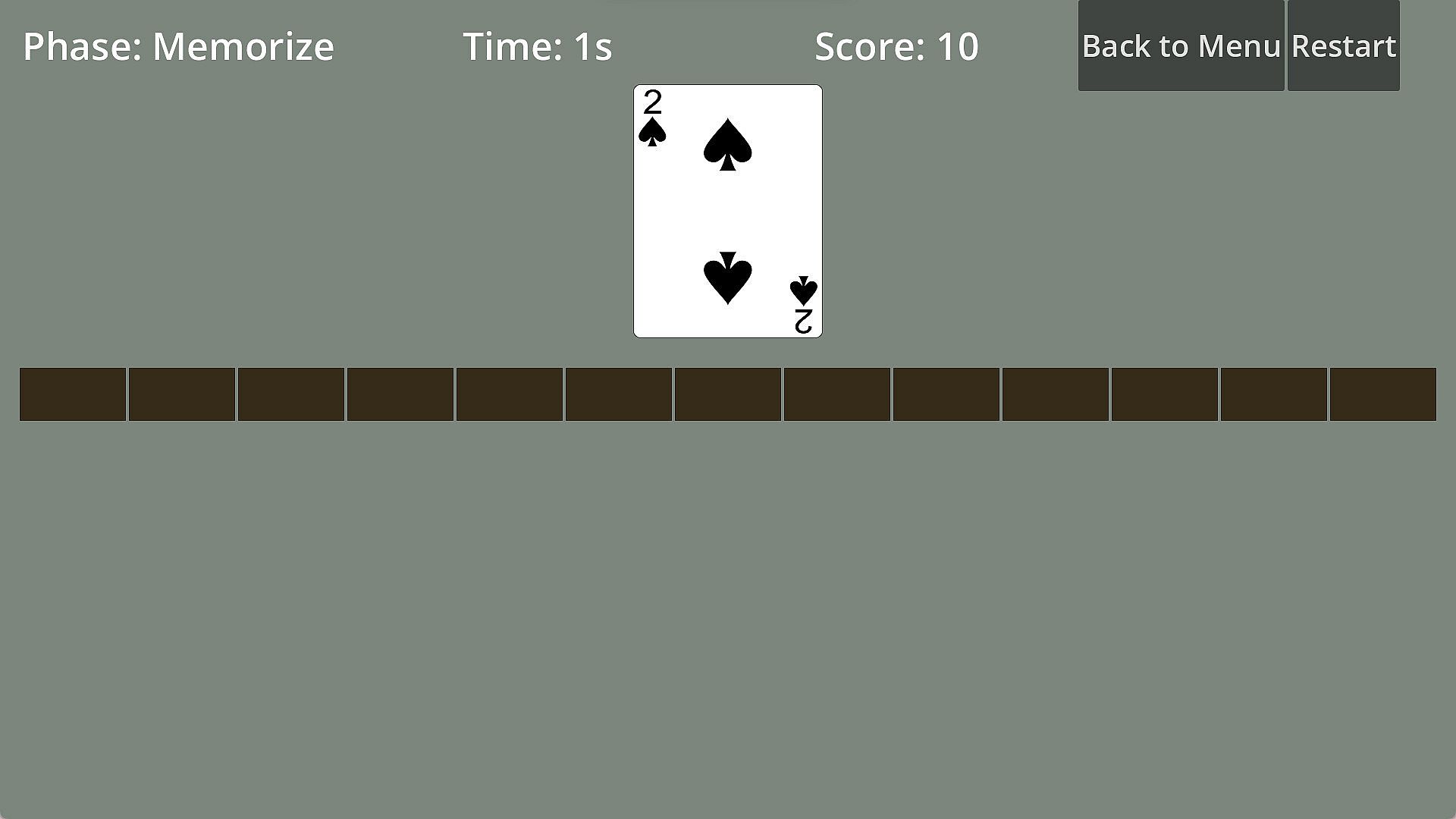
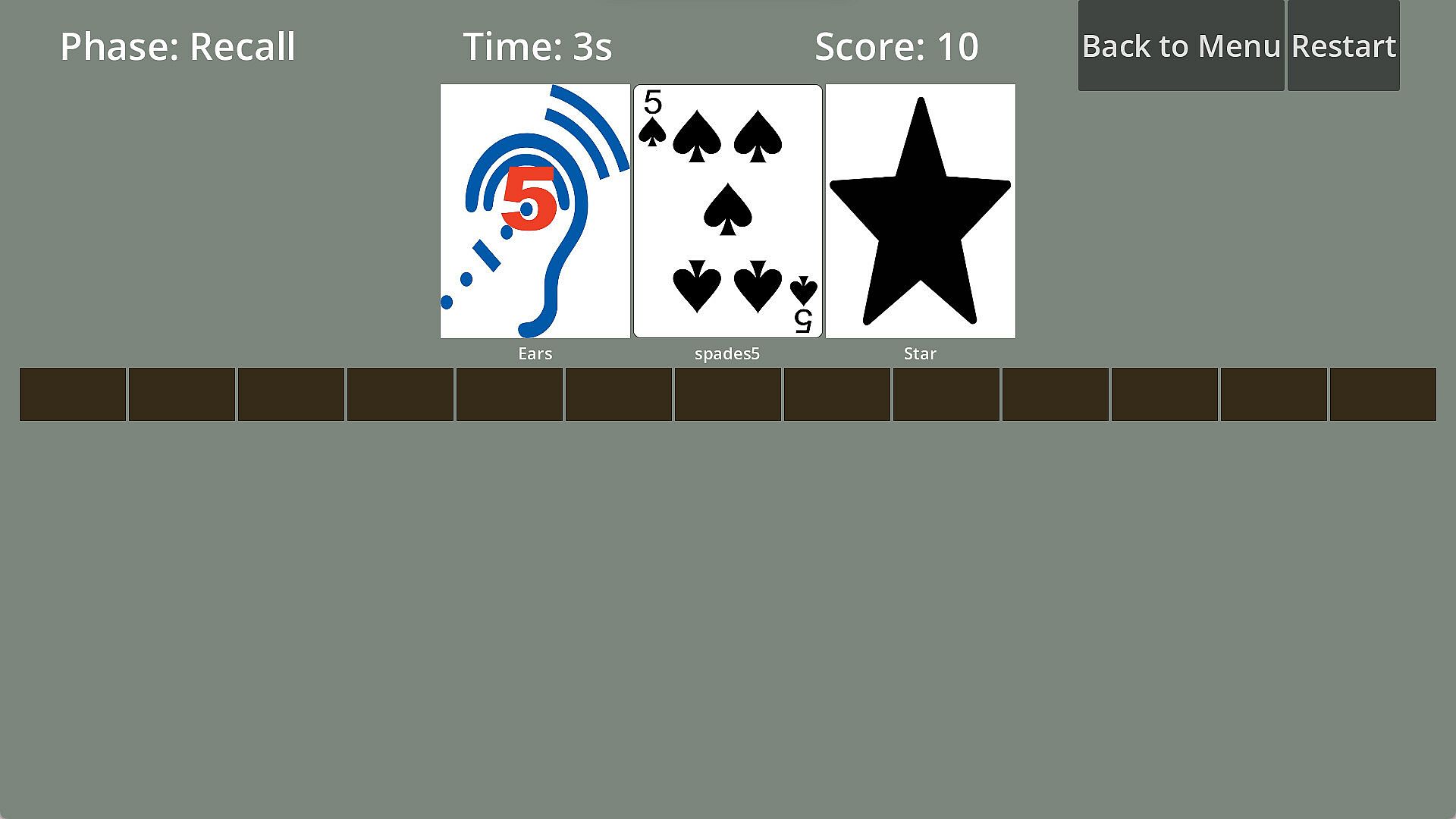
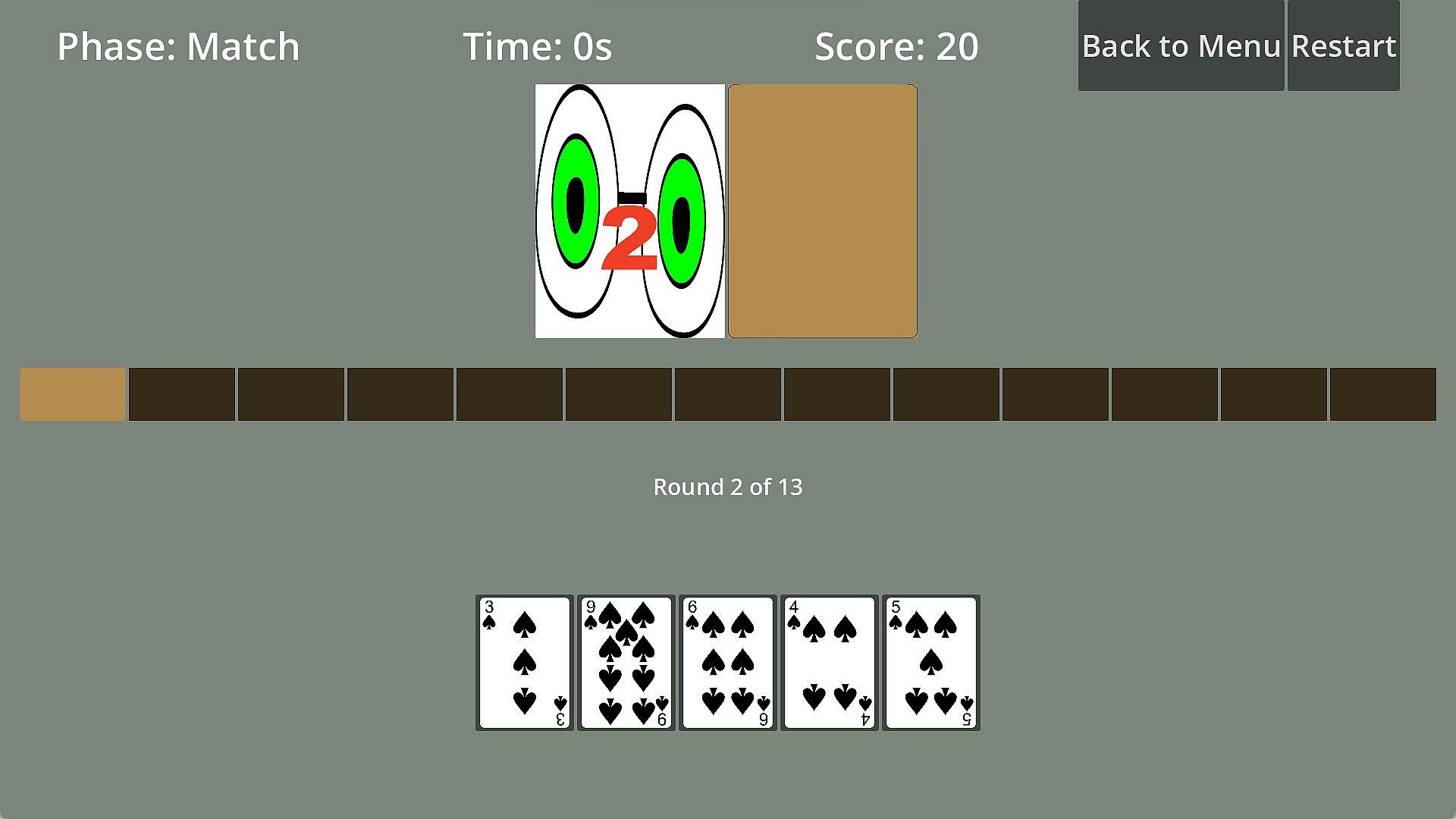
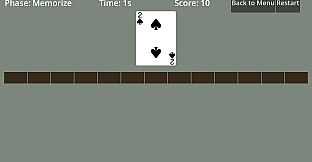
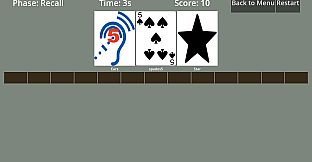
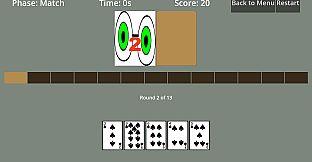
The core loop follows three distinct phases that build memory connections step by step. In the Memorize phase a card appears for a short time, giving the player a brief window to register its identity. The Recall phase then displays the card alongside a memory hook and an association image, reinforcing the link through visual and conceptual pairing. The Match phase presents several options, requiring the player to select the correct card based on the established associations.
Each card receives a dedicated memory hook placed on the face or body, creating a spatial framework similar to traditional memory palace methods. Association images follow a consistent rule where the first letter matches the suit, which helps anchor the information during recall. This approach trains encoding, storage, and retrieval in sequence rather than relying on rote repetition or random matching.
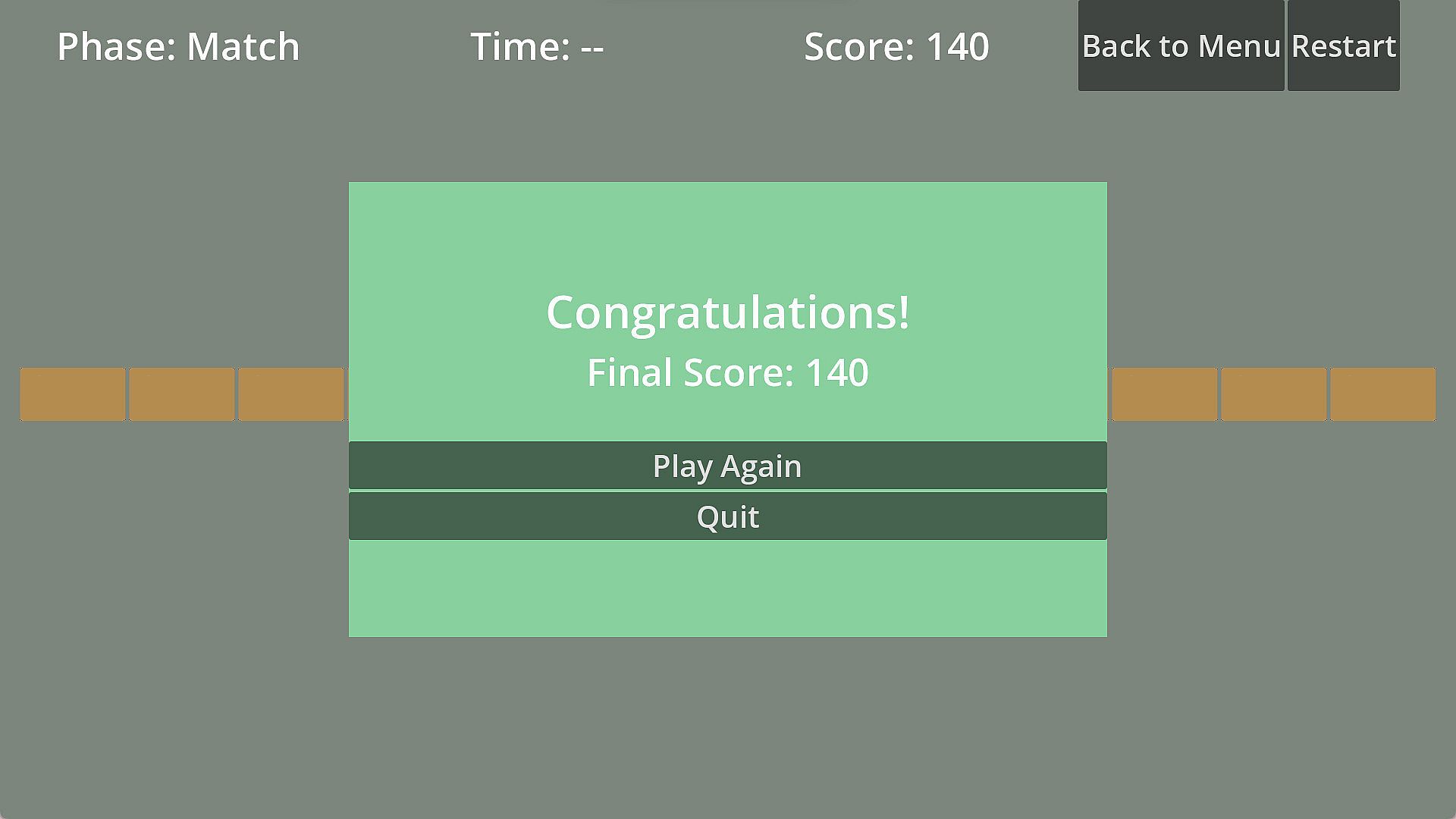
The demo version limits the set to 13 cards, allowing players to work through the full process with a manageable number of items. The design avoids timers, penalties, or escalating difficulty curves, keeping the focus on quiet repetition against one's own memory capacity.
Game Modes
The game structures its activity around the three phases described in the source material: Memorize, Recall, and Match. These phases operate in sequence as the primary progression system, with no separate named modes or variations confirmed beyond this framework. The single demo experience centers on mastering the 13-card set using the provided hooks and images.
Progression stays linear within each session, moving from initial exposure through reinforced association to active selection. No additional modes such as timed challenges, multiplayer options, or expanded decks appear in available details, maintaining a streamlined single-player format suited to repeated practice sessions.
Memory Training Focus
The title draws directly from established memory techniques by assigning specific locations on the body for each card. This spatial mapping supports long-term retention by linking abstract card values to concrete physical positions. The association images add a second layer of encoding through the suit-letter rule, which creates reliable cues during the Match phase.
Players engage in deliberate practice that mirrors real-world memory palace exercises. The absence of complex rules or external pressure allows repeated runs focused solely on strengthening neural pathways for information storage and retrieval. The demo format provides a contained environment to test retention of the full 13-card sequence.
Is It Worth Playing?
Wait, Cards I Memorized? suits individuals seeking a low-pressure way to practice memory techniques on PC. Its indie casual approach delivers a straightforward loop centered on the Memory Palace method, making it accessible for those interested in cognitive training without game-like distractions. The three-phase structure offers clear progression that can be revisited to measure personal improvement over time.
With no confirmed player reviews or update history available, the value rests on the described mechanics and the demo's focused scope. Those who enjoy quiet, self-directed challenges against their recall ability will find a direct implementation of memory palace principles here. The game remains available as a PC title in the indie and casual genres for anyone looking to incorporate structured memory exercises into their routine.