





Vendilooper is a strategy, casual, and simulation game built around incremental automation and mechanical systems on PC. Players begin with basic setups and gradually expand networks of conveyors and contraptions that transport products through a growing operation. The experience centers on steady progression through upgrades and expansion rather than direct control or combat.
Gameplay
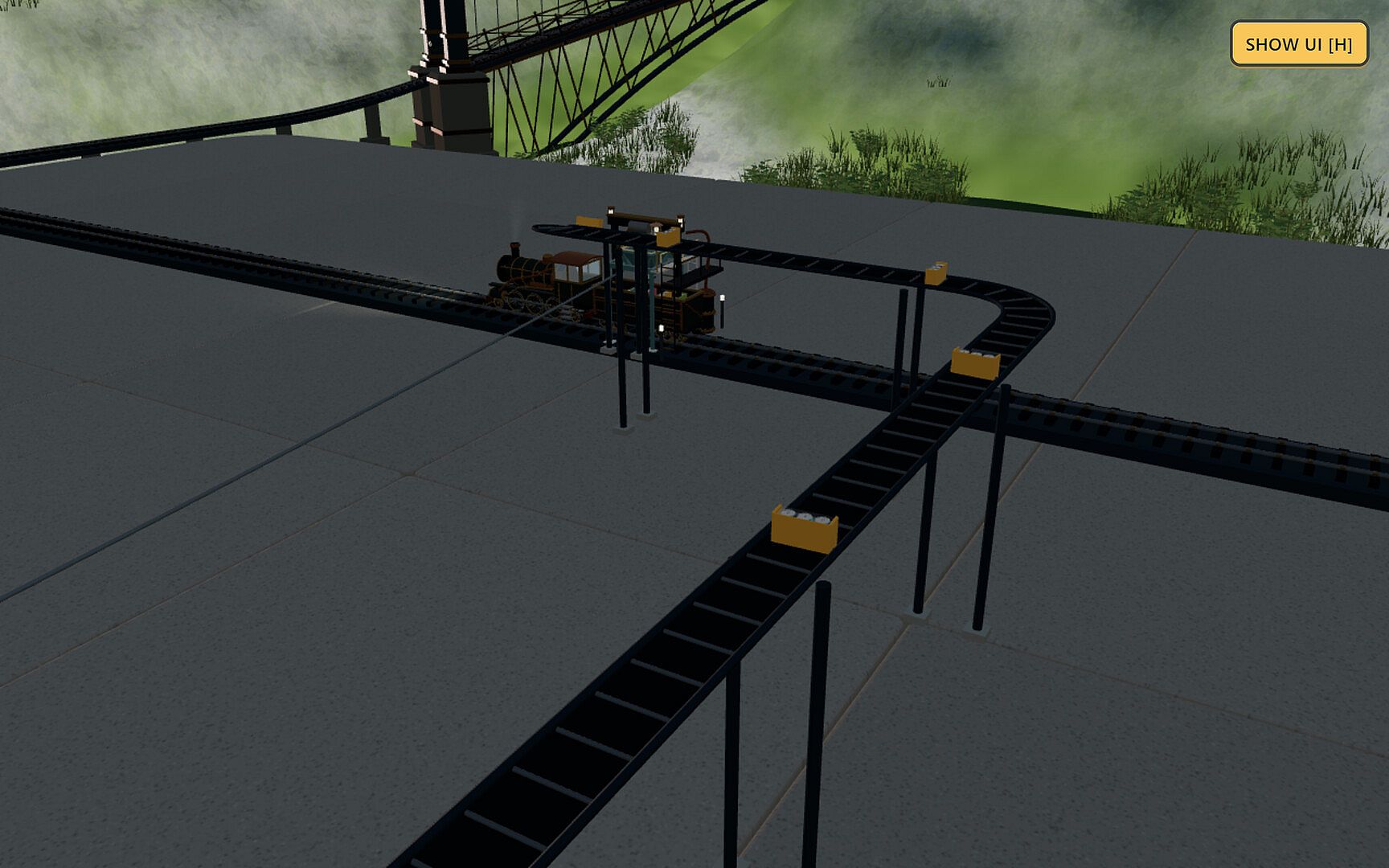
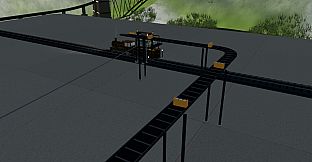
The core loop involves placing and connecting machinery to move items efficiently while collecting coins from completed cycles. Early stages focus on simple conveyor lines and basic processors. As operations scale, new equipment types become available, allowing more complex routes and higher throughput. Upgrades improve speed, capacity, and reliability of individual machines, while expansion adds space for additional lines and supporting structures.
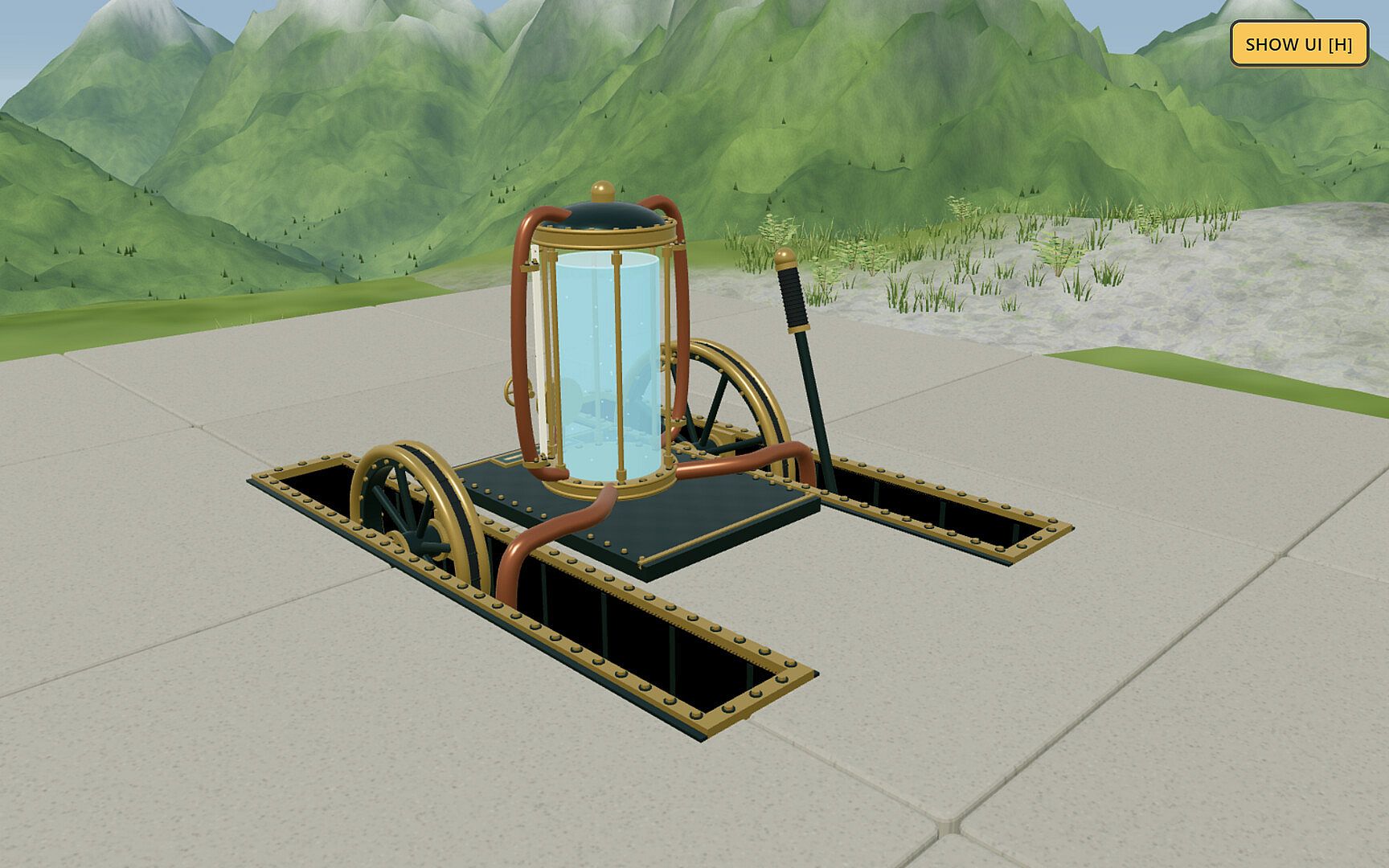
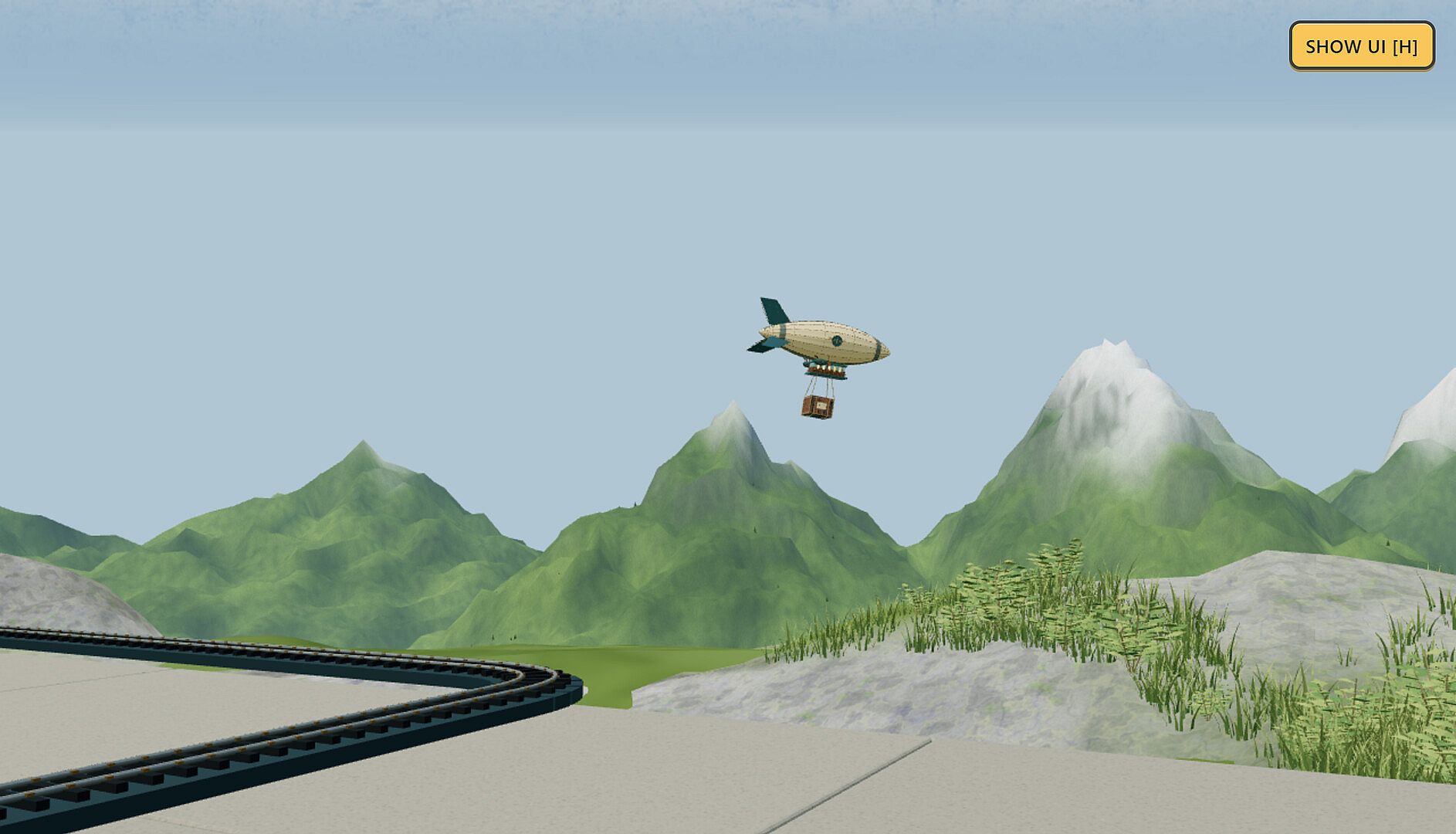
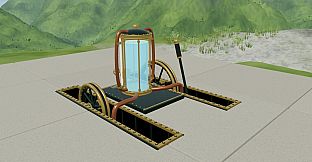
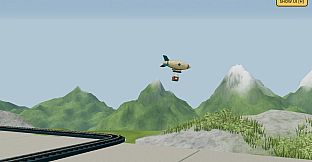
Visual feedback plays a central role. Products travel visibly along belts and through devices, creating a sense of motion and activity that increases with each improvement. The steampunk-inspired aesthetic uses bright colors and detailed mechanical parts to make the growing factory feel lively. Experimentation comes from testing different layouts and upgrade paths to find more efficient arrangements without any time pressure or failure states.
Progress feels satisfying because each addition or enhancement immediately affects the visible flow of goods. Players manage resources by reinvesting earnings into better tools or larger setups, creating a continuous cycle of small optimizations that compound over time. The pace remains relaxed, suiting sessions of any length where the goal is simply to keep systems running smoothly.
Game Modes
Vendilooper operates as a single-player experience with no separate modes or multiplayer elements. The entire game follows one continuous progression path that starts small and opens new options as the operation grows. There are no distinct campaigns, challenges, or alternate rulesets; instead, the focus stays on freeform building and incremental advancement within the same mechanical world.
Players control the pace entirely through their own choices about when to expand or upgrade. This unified structure emphasizes experimentation with layouts and efficiency rather than switching between different rule sets or objectives. The absence of modes keeps the experience straightforward and centered on the satisfaction of watching automated systems improve.
Progression and Upgrades
Advancement occurs through a combination of earning coins from product movement and unlocking new equipment tiers. Early upgrades might increase conveyor speed or add basic sorters, while later options introduce more specialized machines that handle multiple product types or create loops for repeated processing. Expansion involves claiming additional space to lay out longer routes or parallel lines that multiply output.
The system rewards thoughtful placement because inefficient routing wastes potential throughput. Players learn to balance short direct paths with longer chains that incorporate upgrades for greater returns. New possibilities appear gradually, encouraging continued play as each layer of automation builds on the previous one without resetting prior progress.
Is It Worth Playing?
Vendilooper suits players who enjoy incremental simulation games focused on automation and visual growth. The lighthearted mechanical theme and lack of pressure make it accessible for casual sessions where the main appeal is observing systems come together and improve over time. Those who prefer direct action, story-driven content, or competitive elements will find less to engage with here.
The game remains in active development following its recent release window, with the core experience centered on the building and expansion loop described in the source material. For fans of cozy factory-style simulations that emphasize steady progress and satisfying machinery, it provides a focused outlet without unnecessary complexity. If that style of relaxed, self-paced automation appeals, the title delivers exactly on its premise of starting small and seeing how far an operation can expand.