


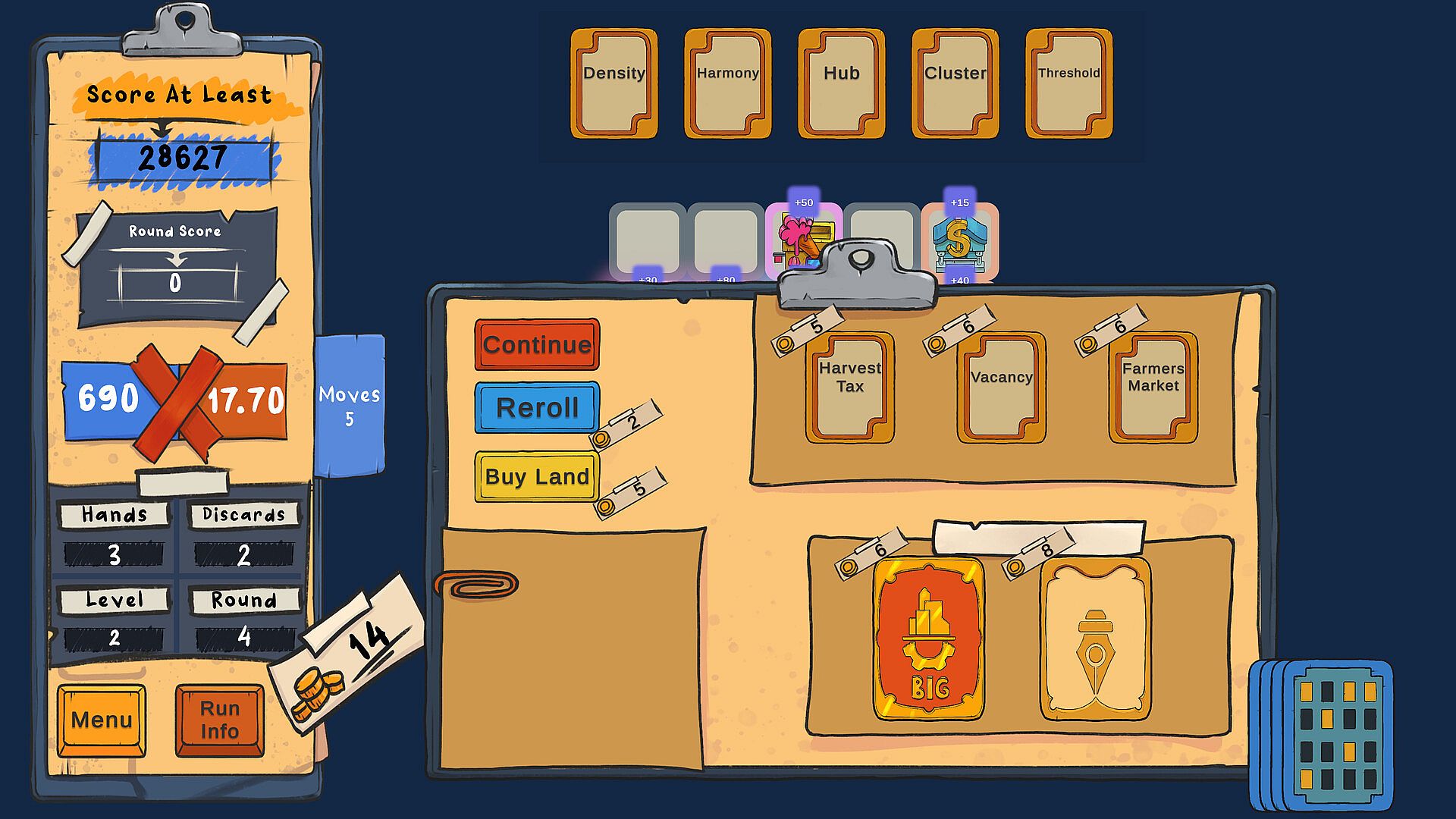
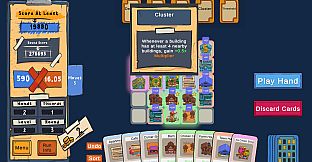
Tiny Town Laws is a strategy indie game for PC that blends city building with roguelite elements. Players construct compact towns on limited grids while reshaping scoring rules through Laws and refining a deck of buildings to chase ever higher totals across multiple runs.
Gameplay
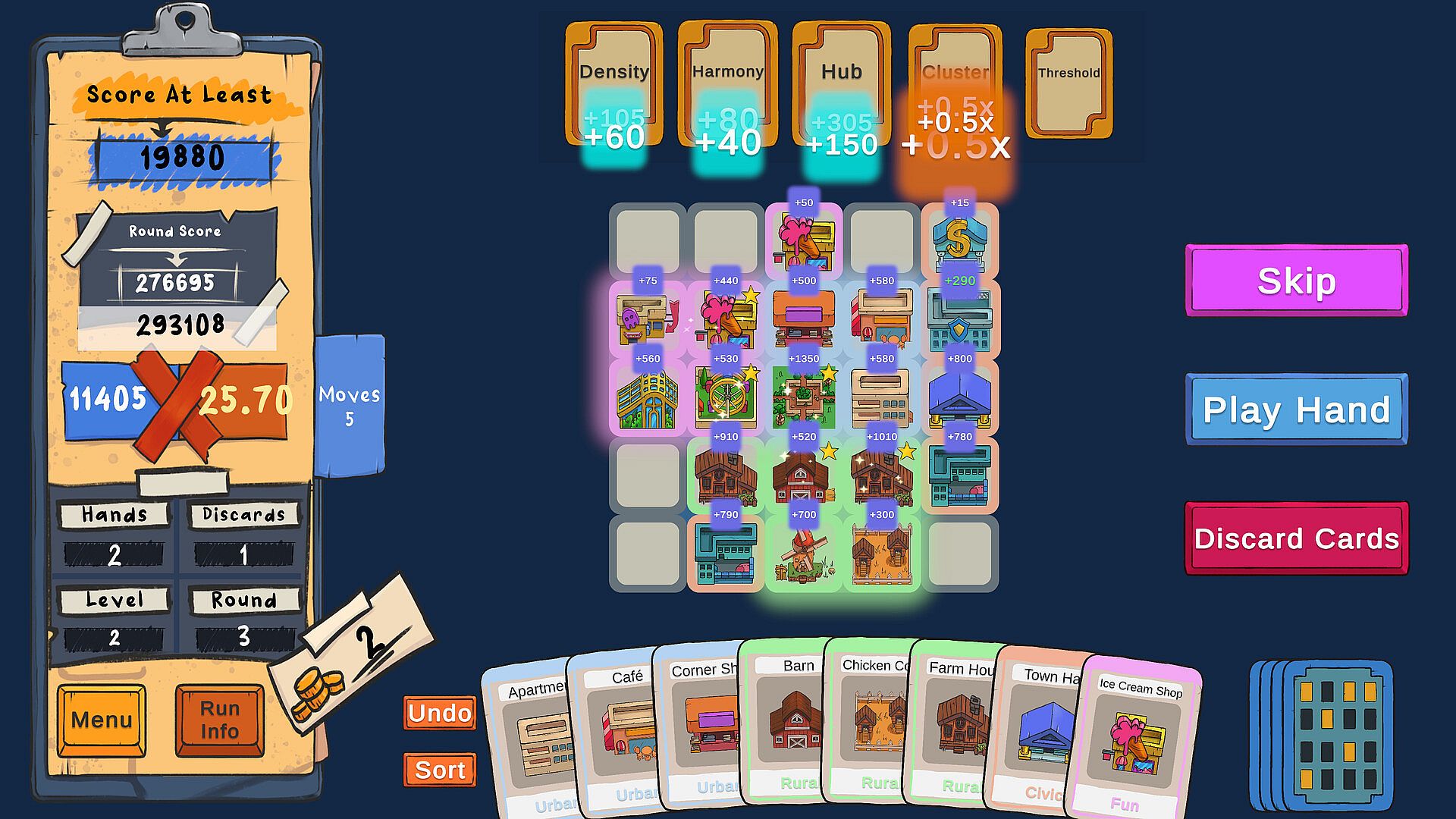
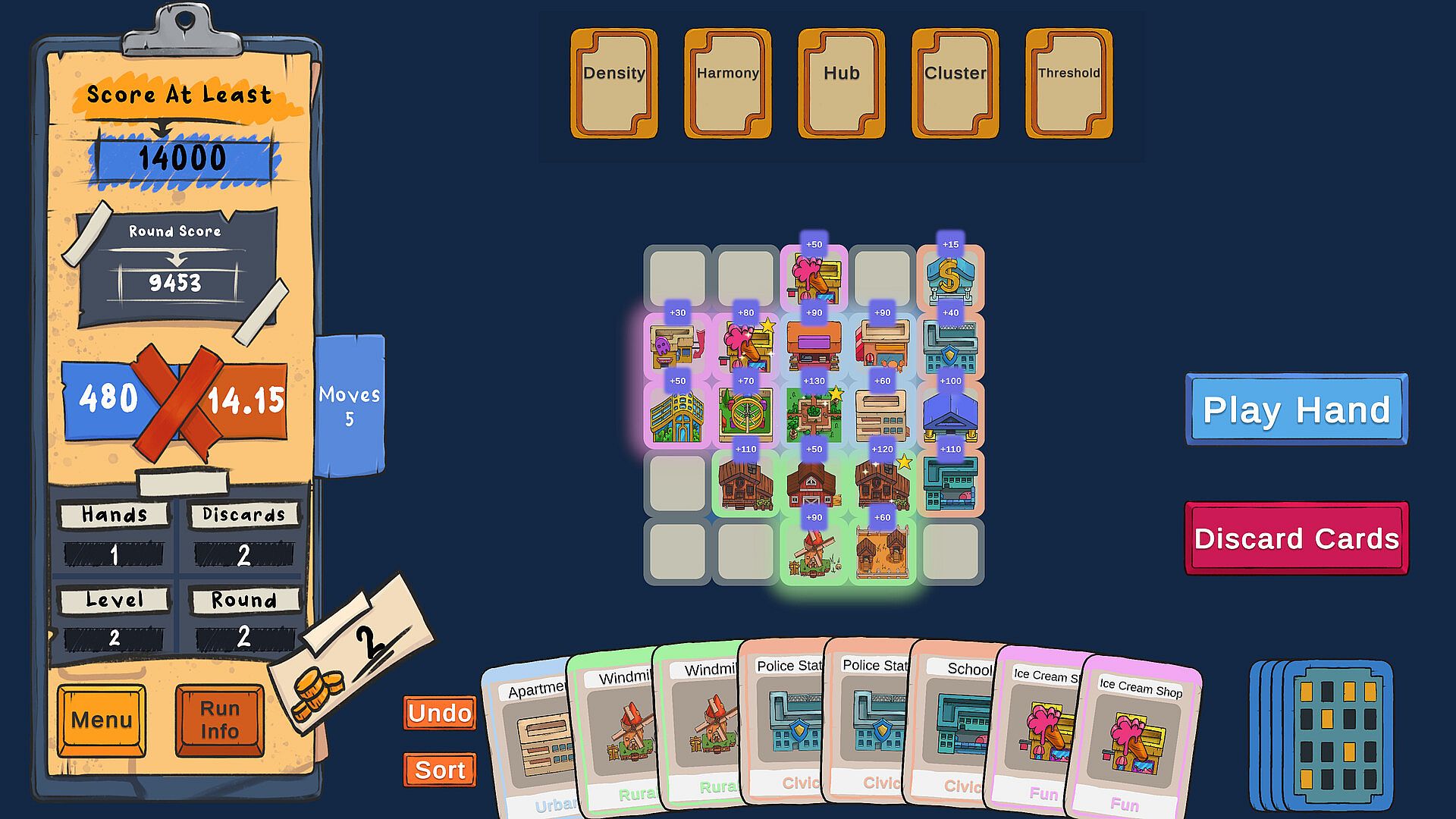
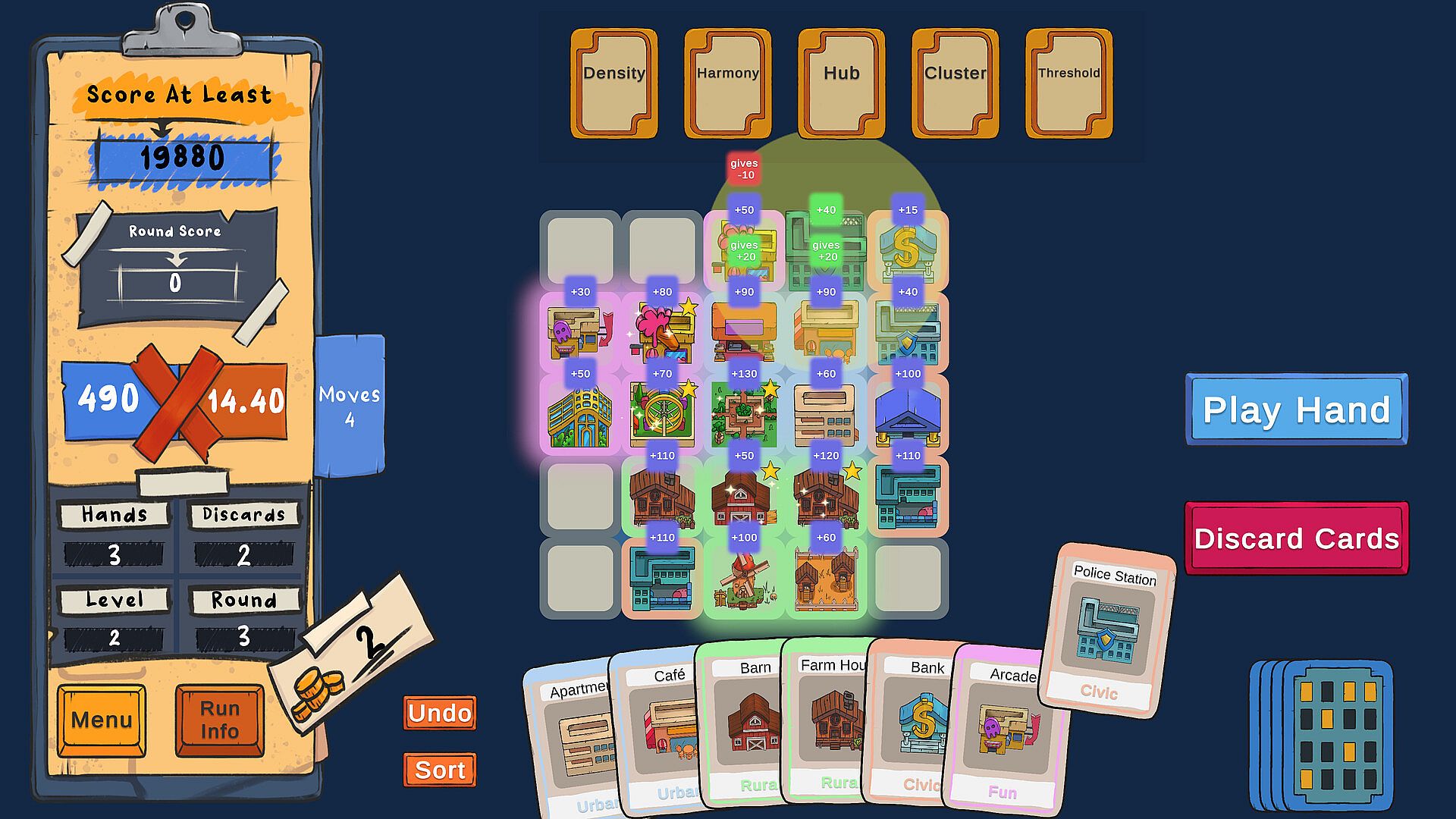
The core loop centers on placing buildings from a deck onto a small plot of land. Each building contributes to the score based on its type, position relative to neighbors, and any active Laws that modify values or multipliers. Limited space forces careful decisions about adjacency and layout efficiency, turning every placement into part of a larger scoring engine.
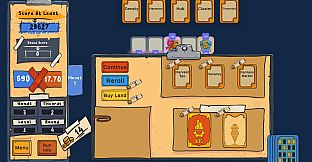
Between rounds, players spend Gold earned from successful builds on new Laws, building upgrades, or additional land tiles. Laws alter how buildings score, introduce multipliers, or reward specific arrangements, and only a restricted number can remain active at once. Choosing which Laws to retain or replace becomes a key strategic layer as runs progress.
Deck management adds another dimension. Players shape the building draw pool to support emerging strategies, aiming for consistent access to high-value combinations. The roguelite structure means each attempt starts fresh, with prior knowledge of synergies informing better purchases and layouts on subsequent tries.
Game Modes
Standard play involves progressing through rounds with rising score targets. Limited Hands restrict the number of placement attempts per round, pushing players to optimize every action.
Boss Rounds serve as periodic challenges that demand stronger performance from the current town configuration and chosen Laws. These encounters test whether the built scoring engine can scale under stricter conditions before the run concludes.
Failure to meet targets ends the attempt, but the roguelite format encourages immediate restarts with different Law selections or deck adjustments to pursue higher scores.
Building Strategies and Deck Building
Success depends on discovering combinations where buildings interact productively with nearby structures and active Laws. A modest placement can yield outsized results when Laws boost its value or when multipliers stack across the grid.
Extra land purchases expand placement options mid-run, while upgrades improve individual buildings or unlock new synergies. These investments must align with the current deck and Law set to avoid diluting focus.
Players experiment with different approaches across runs, such as prioritizing multiplier Laws early or building around reliable core buildings that appear frequently in the deck.
Is It Worth Playing?
Tiny Town Laws suits players who enjoy optimization puzzles, roguelite progression, and compact city-building systems. The emphasis on combo creation and rule rewriting rewards experimentation and repeated attempts to refine strategies.
Those drawn to games where small decisions compound into large score jumps will find the limited grid and Law constraints create satisfying tension. The singleplayer focus keeps attention on personal improvement rather than competition.
Because the game remains in development with no released version yet available, interested players can follow updates for the eventual launch on PC. Its mechanics align well with fans of abstract strategy and deck-shaping roguelites who appreciate tight spatial puzzles over expansive simulations.