


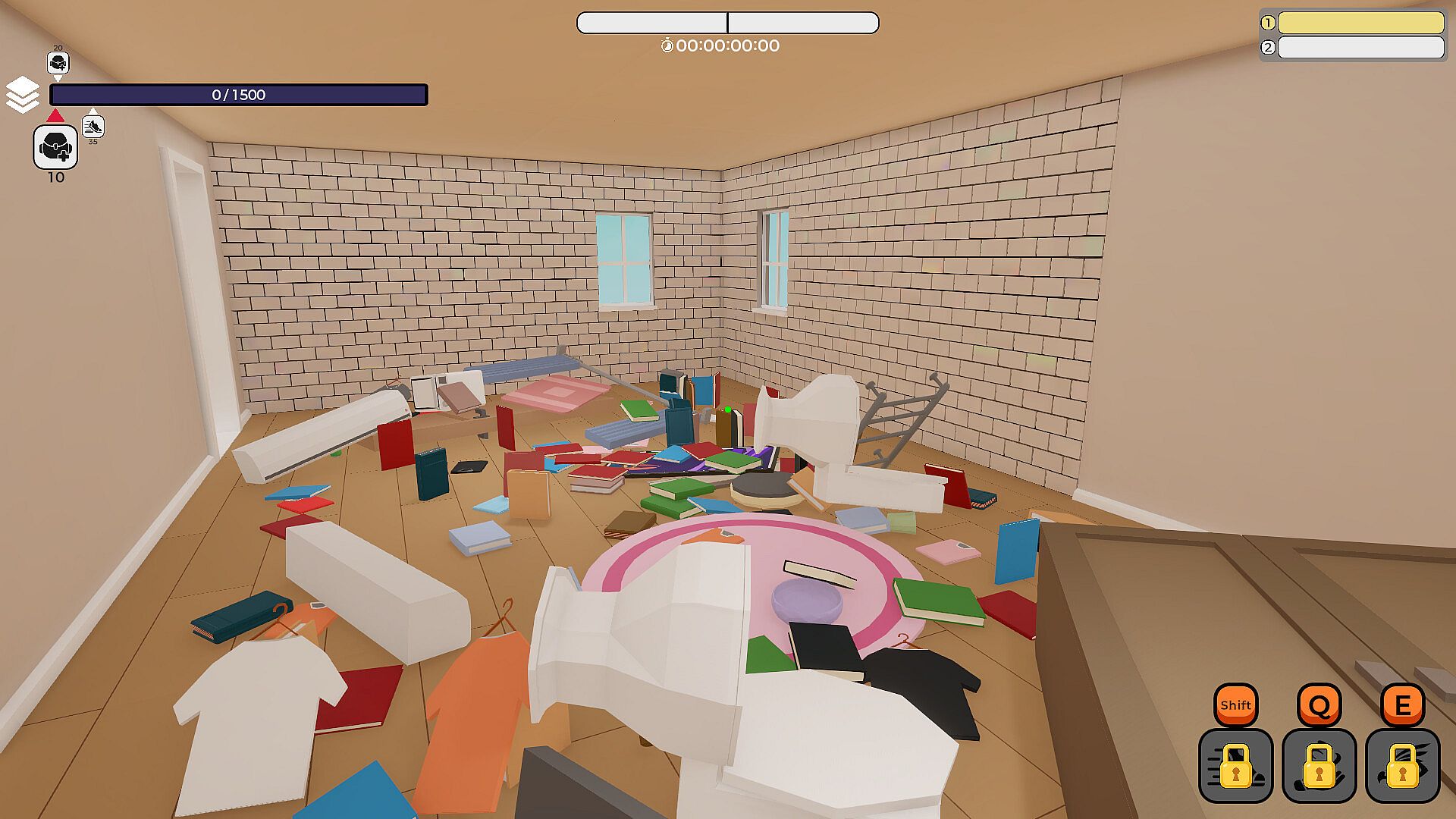
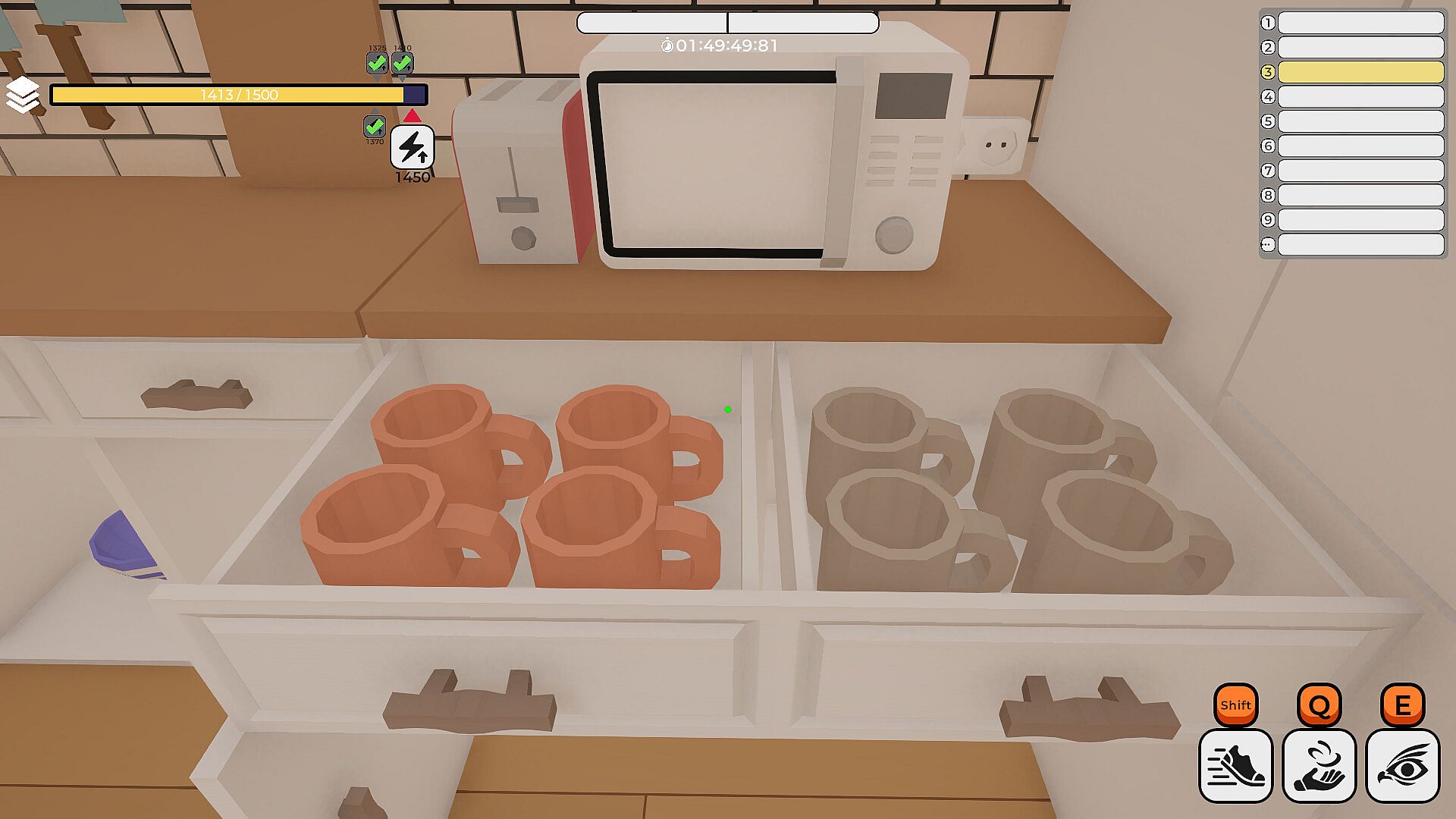
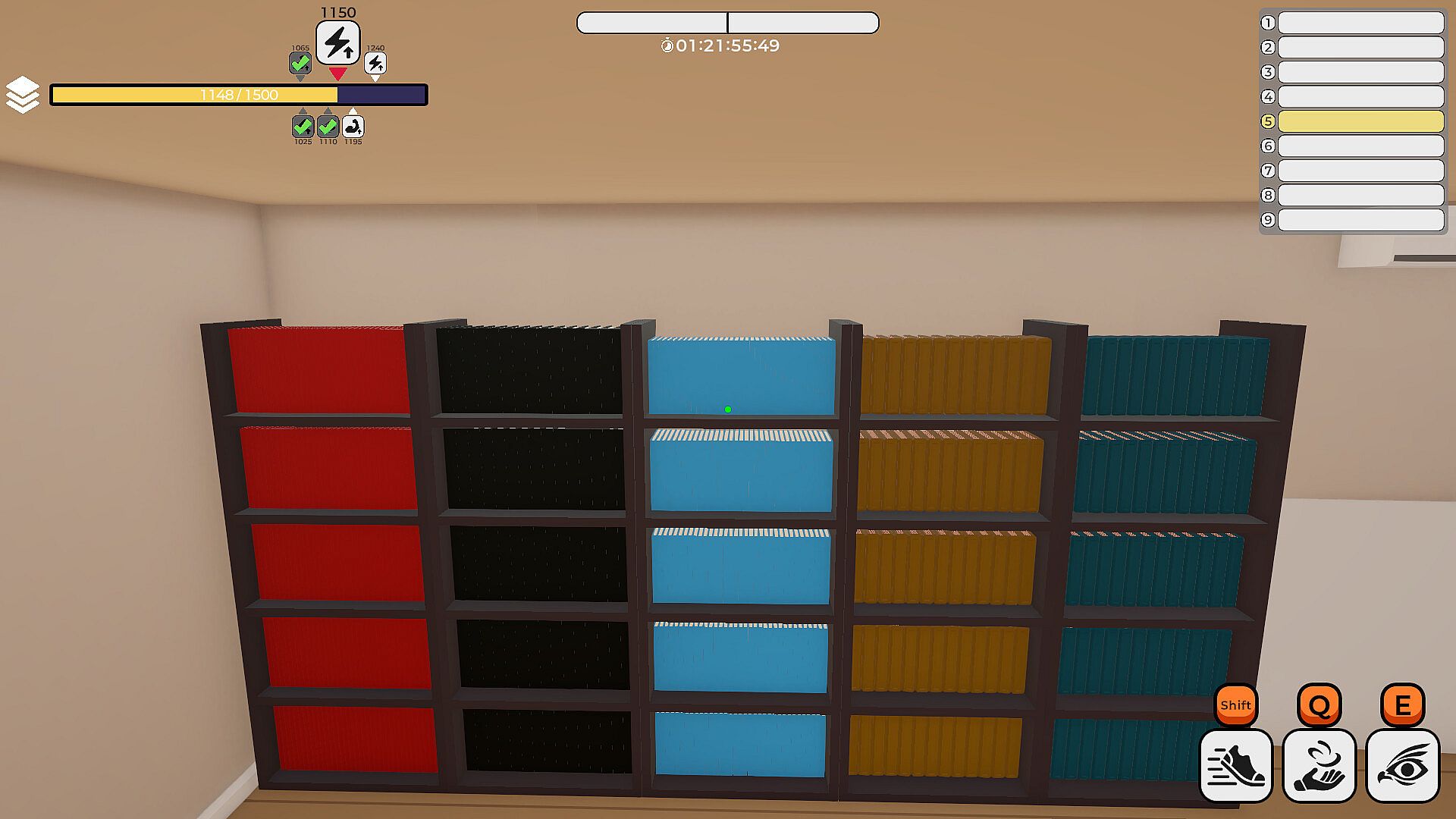
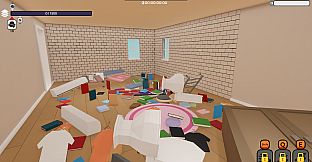
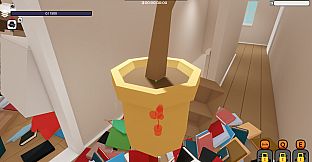
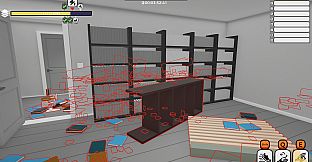
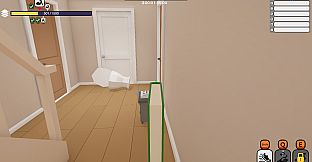
Tidying Simulator is an indie casual simulation game for PC that places players in a first-person perspective to restore a once orderly home after sudden disorder. The core experience revolves around locating and replacing 1,500 individual items across multiple rooms and storage spaces, using visual aids and progression systems to manage the task efficiently.
Gameplay
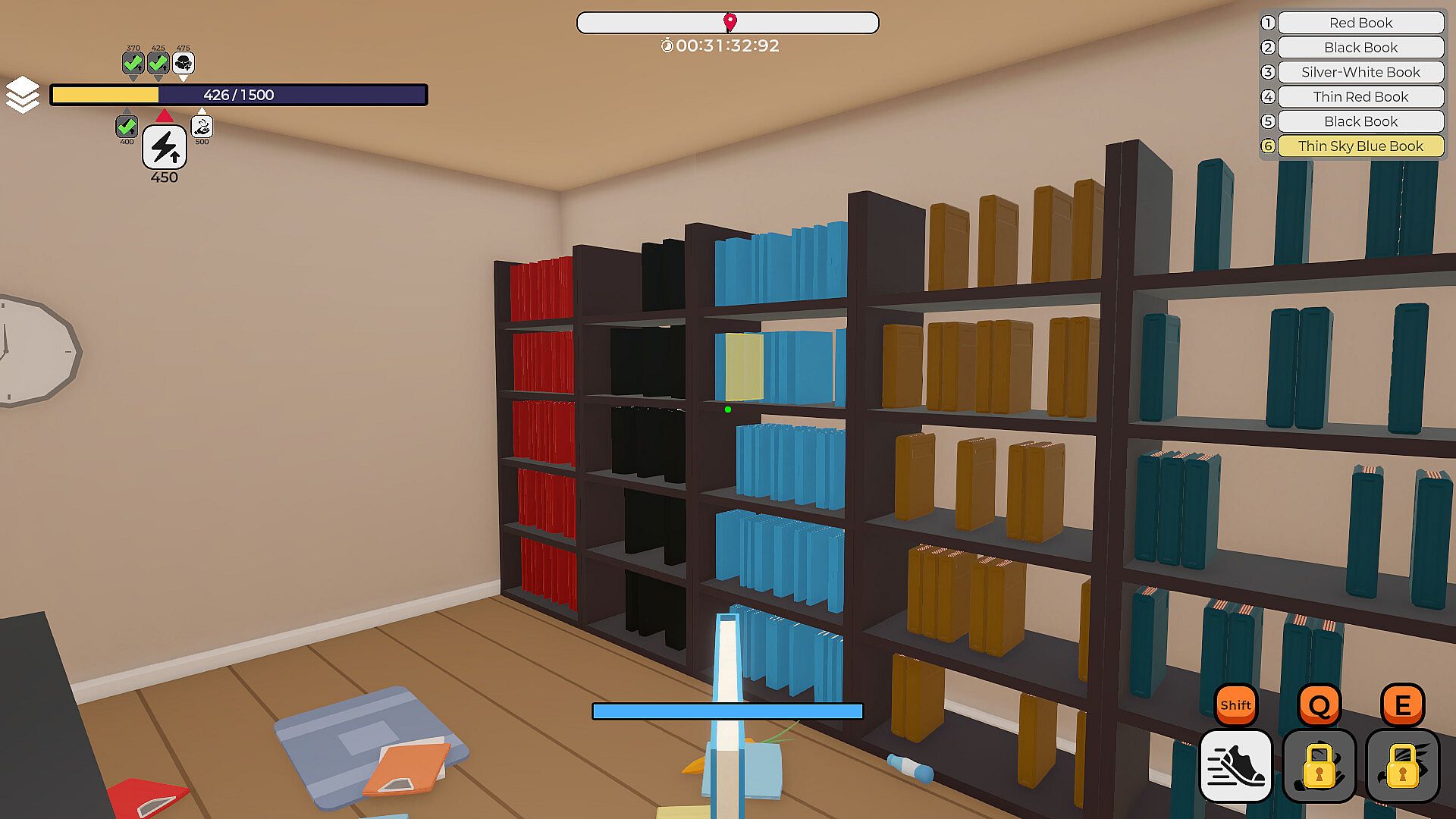
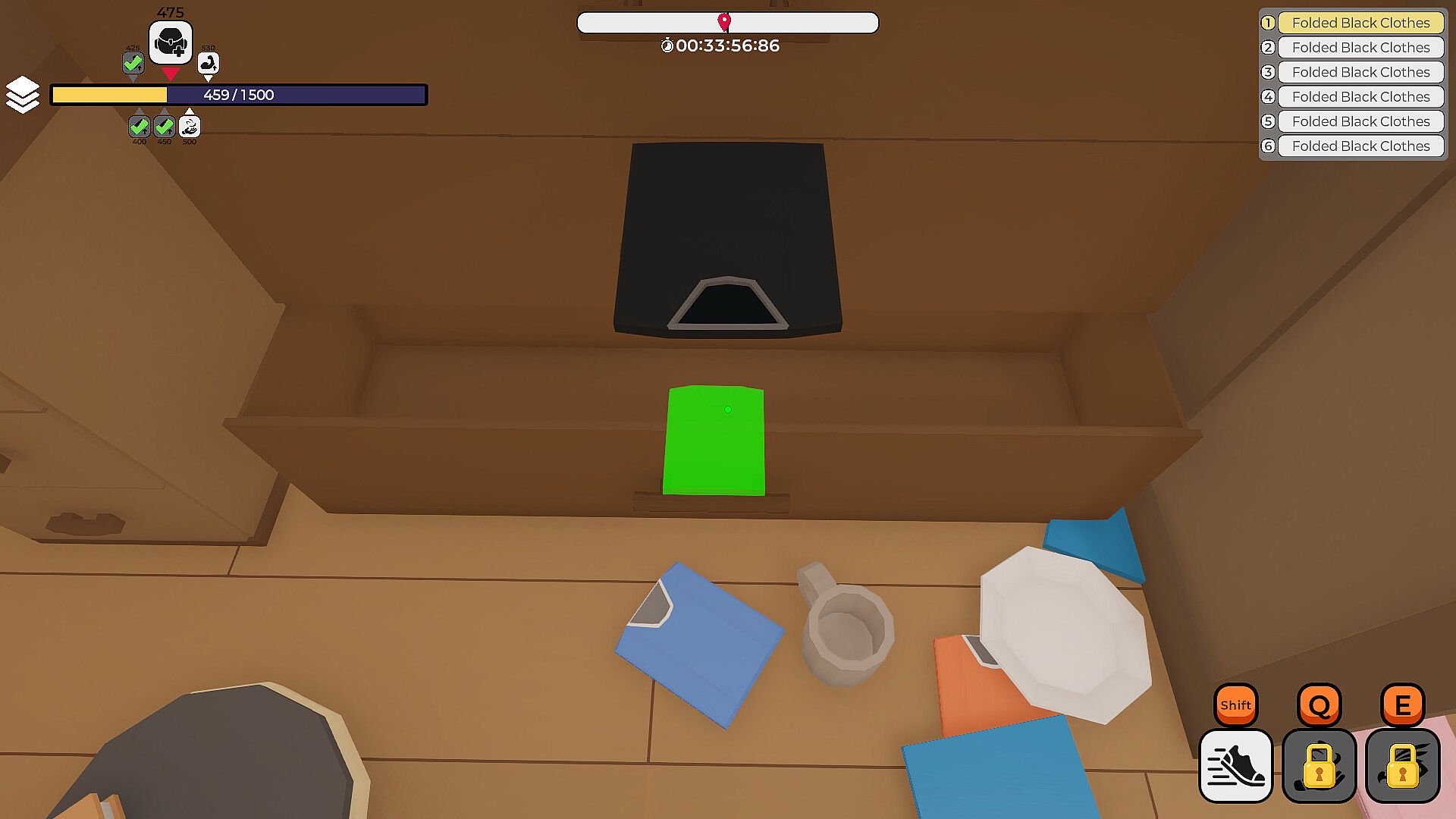
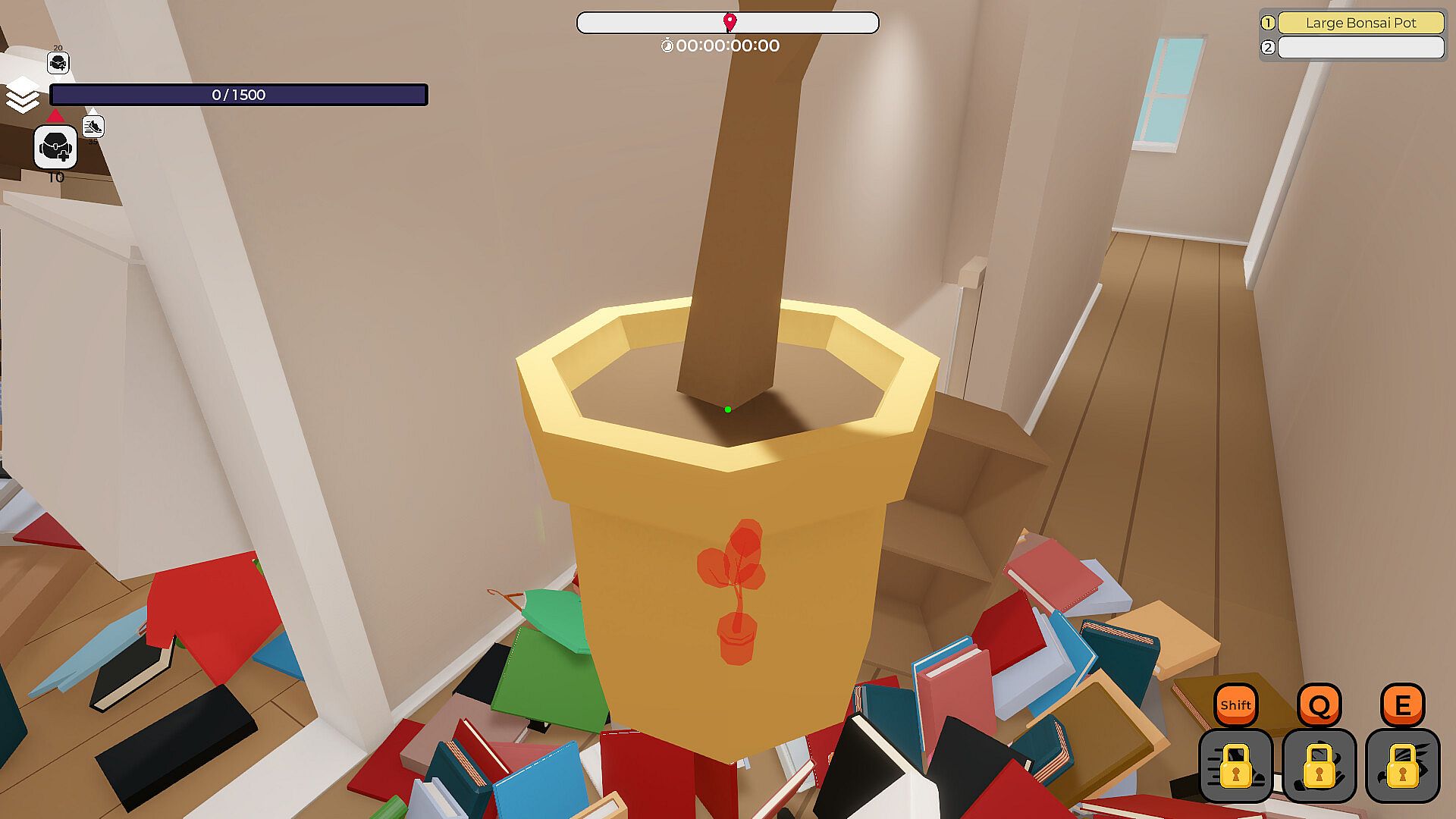
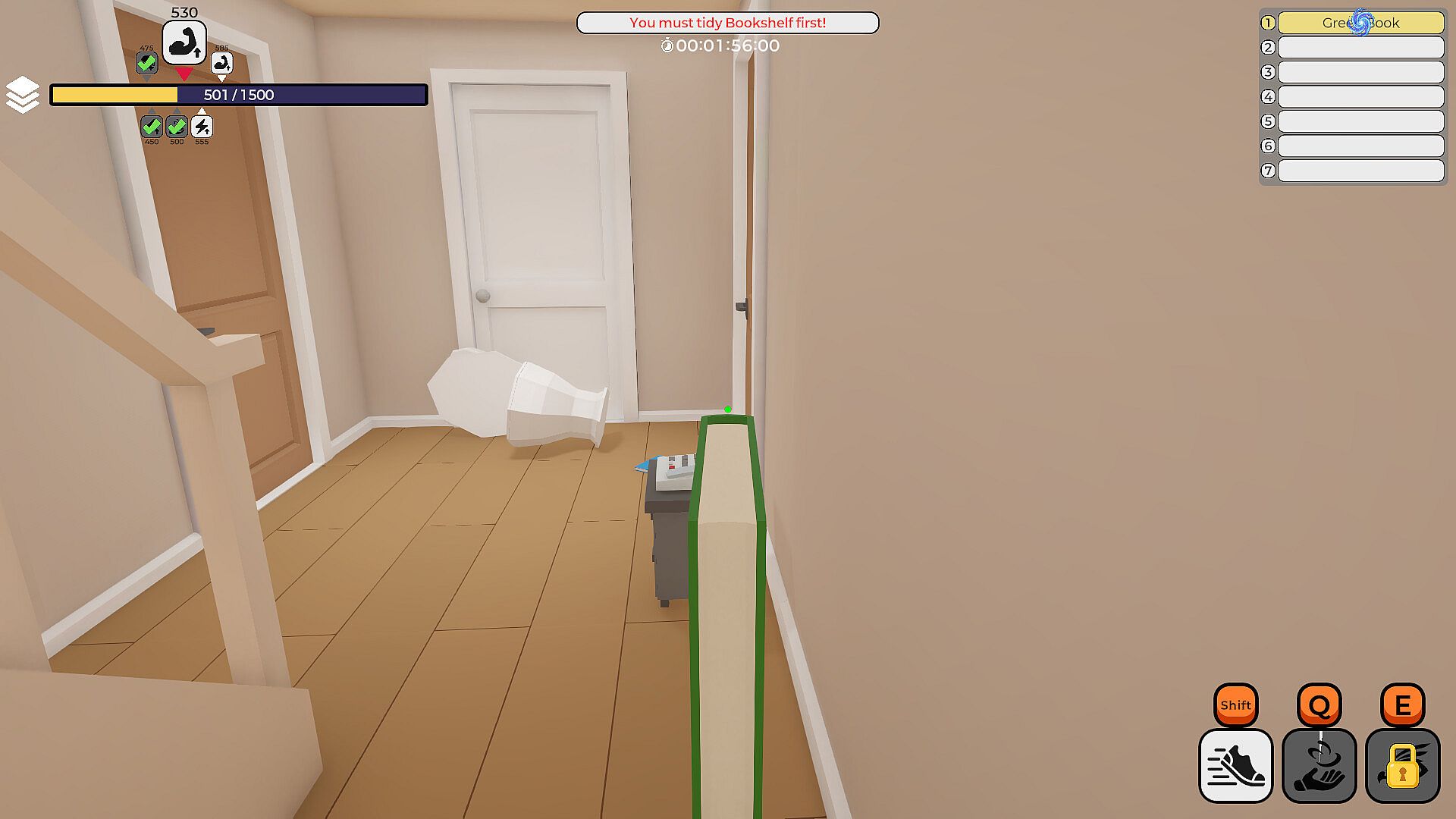
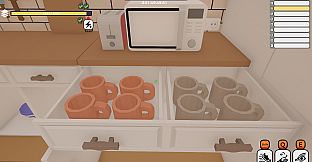
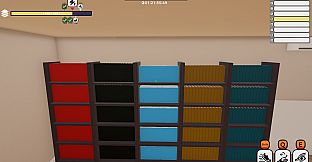
Players navigate a spacious house filled with misplaced objects. Picking up any item displays a silhouette guide that shows its exact destination along with a color indicator for placement eligibility. A compass directs movement toward the correct location, allowing focused transport without constant searching. Objects fit into layered positions, such as atop furniture or inside containers, which requires addressing parent items first in the proper sequence.
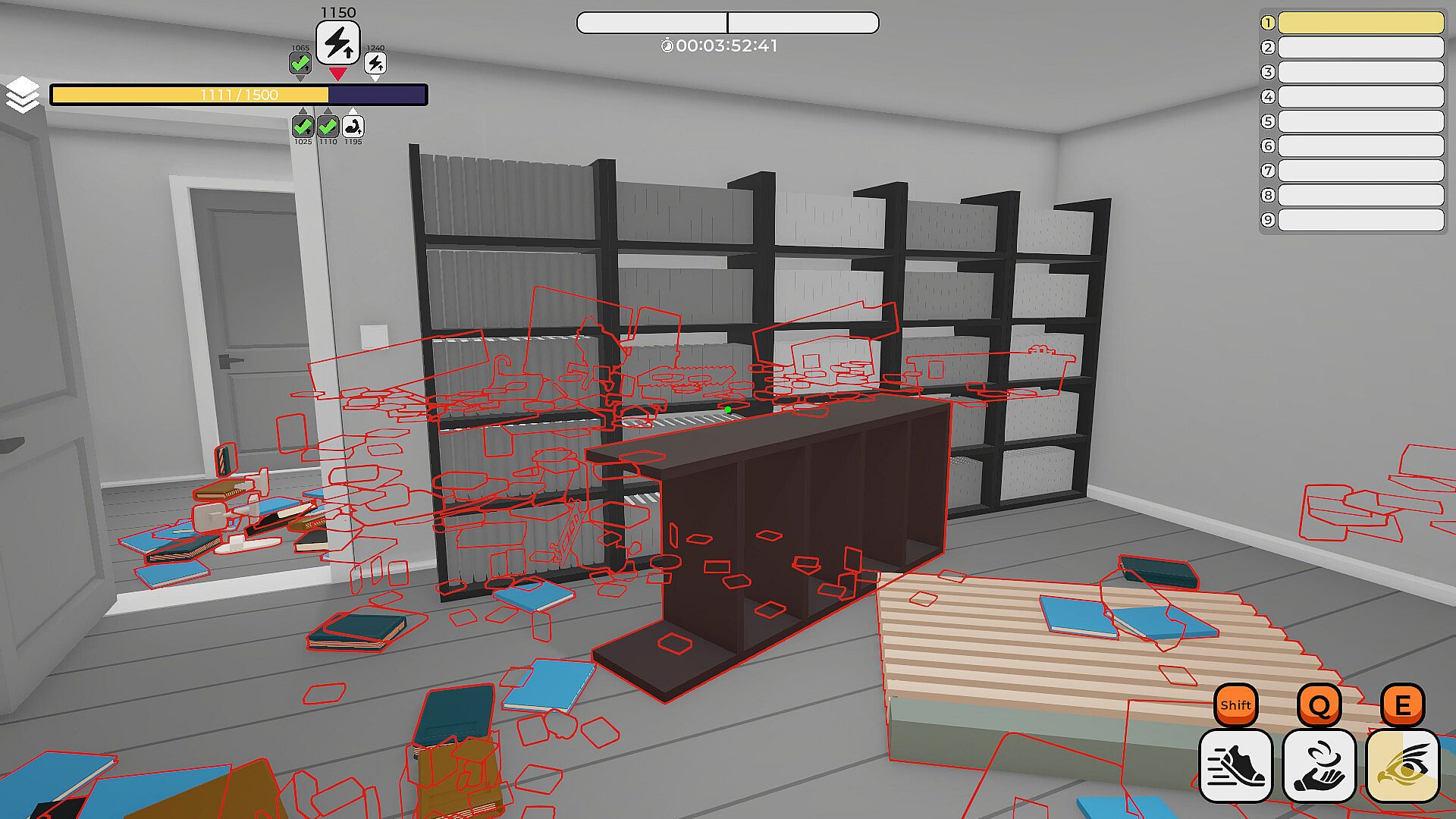
Doors and drawers must open before internal storage becomes accessible. This creates a methodical process where restoring larger structures precedes smaller placements. Physics-based interactions handle carrying and positioning, with multiple slots available to hold several items simultaneously for quicker retrieval. Special tools include a magic hand ability to summon a distant item directly into an empty slot and an eagle eye feature that highlights remaining untidied objects through walls for comprehensive scanning.
Stamina management and sprinting become available through upgrades earned by completing tidying tasks. These enhancements support sustained effort across the full home layout. The save system preserves progress at any point, supporting extended sessions without loss of advancement.
Game Modes
The game operates as a single-player simulation focused on complete home restoration. One primary mode involves systematic cleanup of all scattered items while respecting the layered placement rules for furniture and containers. Completion triggers a results screen that tracks total objects tidied and overall time taken.
A built-in challenge element encourages repeated playthroughs to beat personal records. Leaderboards allow comparison of performance metrics against other players, adding a competitive layer to the otherwise relaxed simulation loop. No separate multiplayer or alternate scenarios exist beyond this core restoration and improvement cycle.
Progression and Abilities
Advancement ties directly to the number of items returned. Early efforts unlock extra carry slots, stamina increases, and sprint capability. Later milestones grant the magic hand and eagle eye tools, which streamline handling of the remaining objects in larger or more obstructed areas. This system rewards consistent play by reducing repetition and improving efficiency on subsequent attempts at the same house.
Customization options cover key bindings, mouse sensitivity, graphics quality, and audio levels to suit different hardware setups and player preferences. Achievements track specific milestones such as full restoration or efficient completions.
Is It Worth Playing?
Tidying Simulator suits players who enjoy methodical, puzzle-like simulation experiences centered on organization and incremental progress. The physics-driven placement, combined with the need to manage object order and container access, creates a satisfying loop for those drawn to casual indie titles. Progression feels earned through direct activity rather than abstract systems, and the ability to resume saved progress supports flexible play sessions.
Those seeking quick sessions or record-setting challenges will find value in the leaderboard integration and replay incentives. The game emphasizes single-player focus without additional modes or external content, making it a straightforward choice for fans of tidying and restoration mechanics. Availability on PC with standard customization features supports broad accessibility for the target audience.