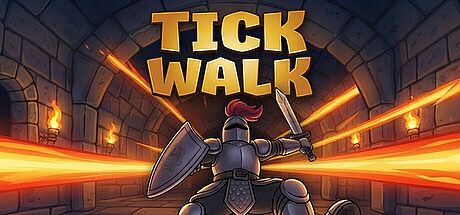


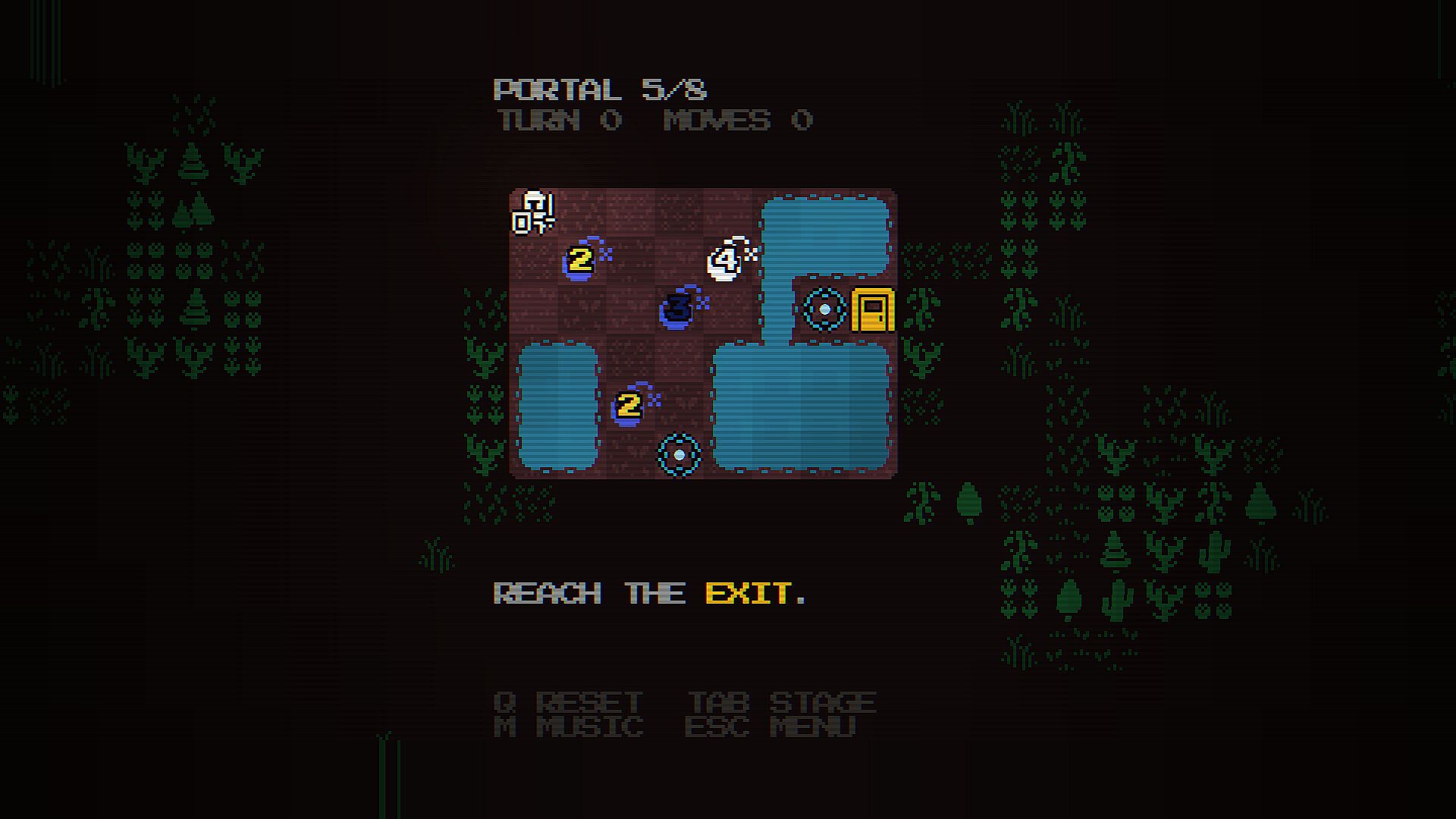
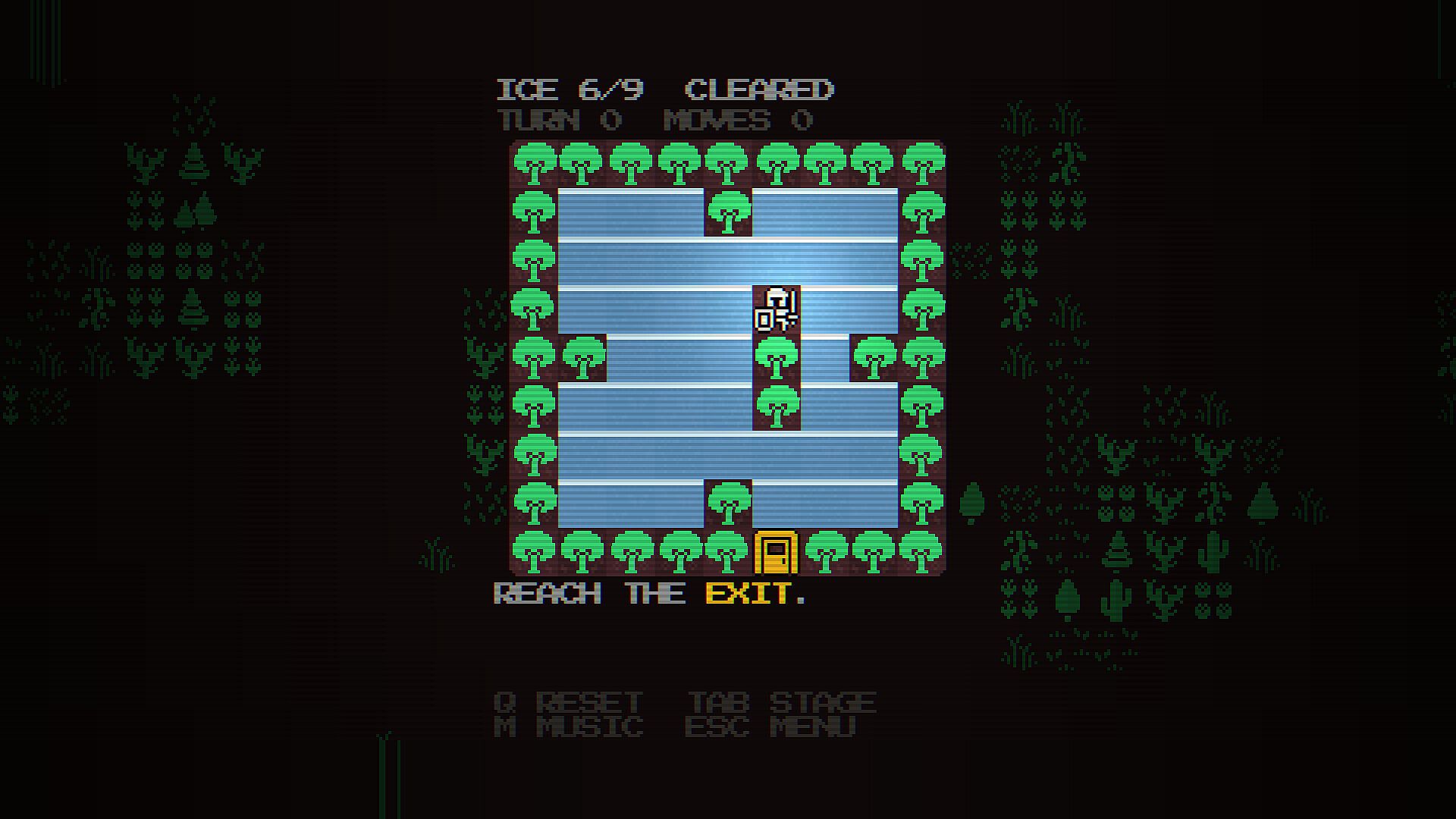
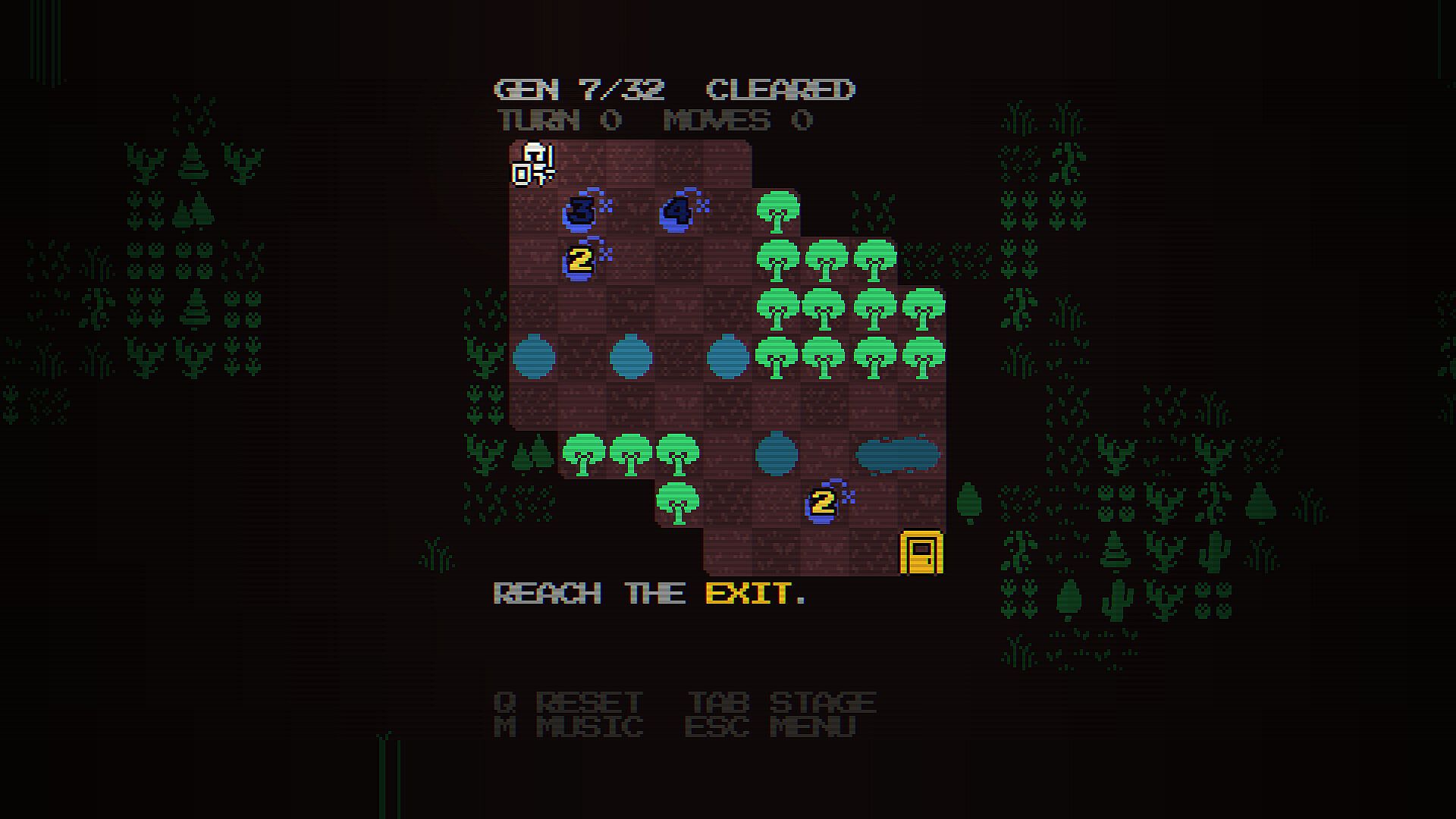
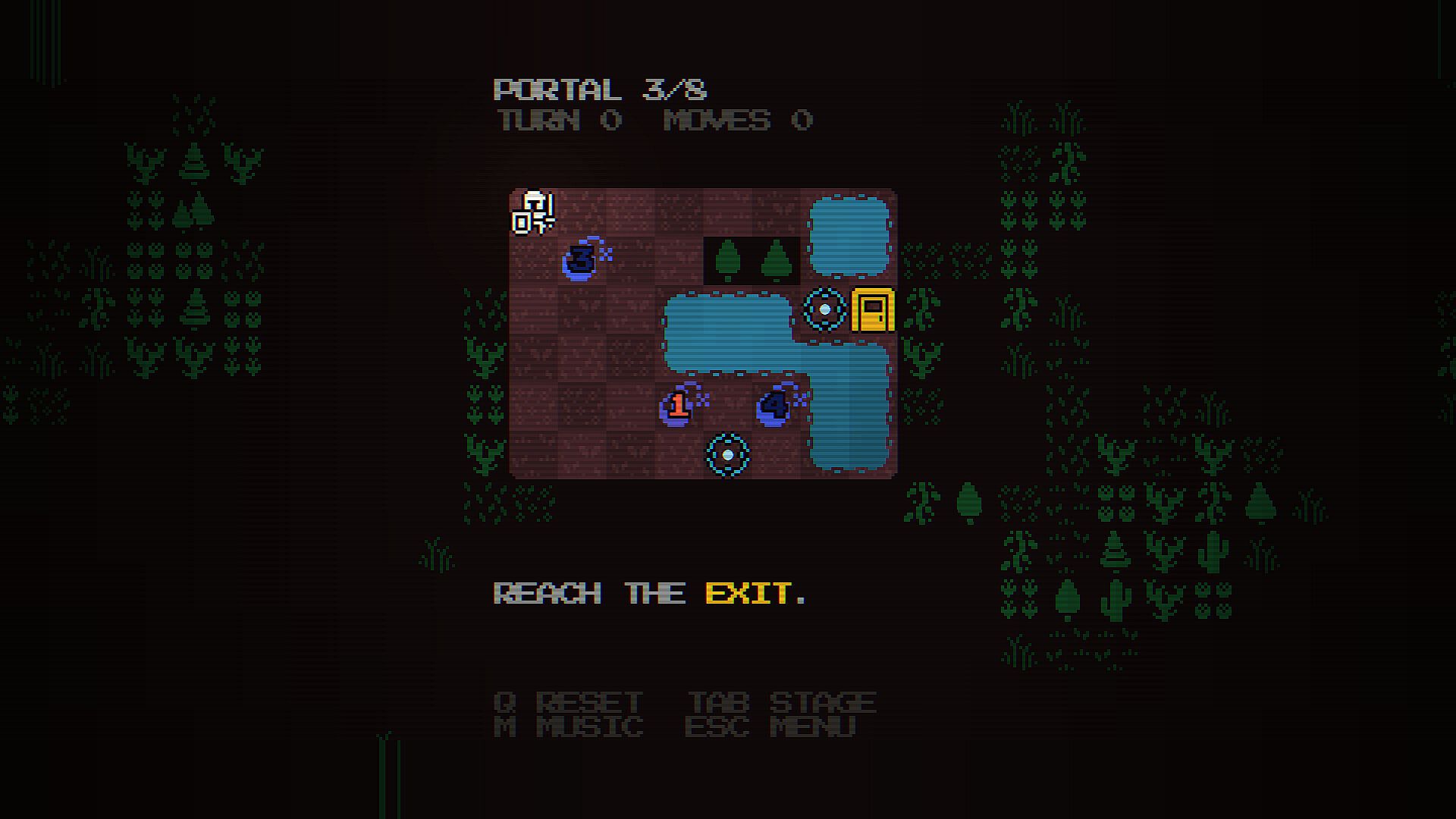
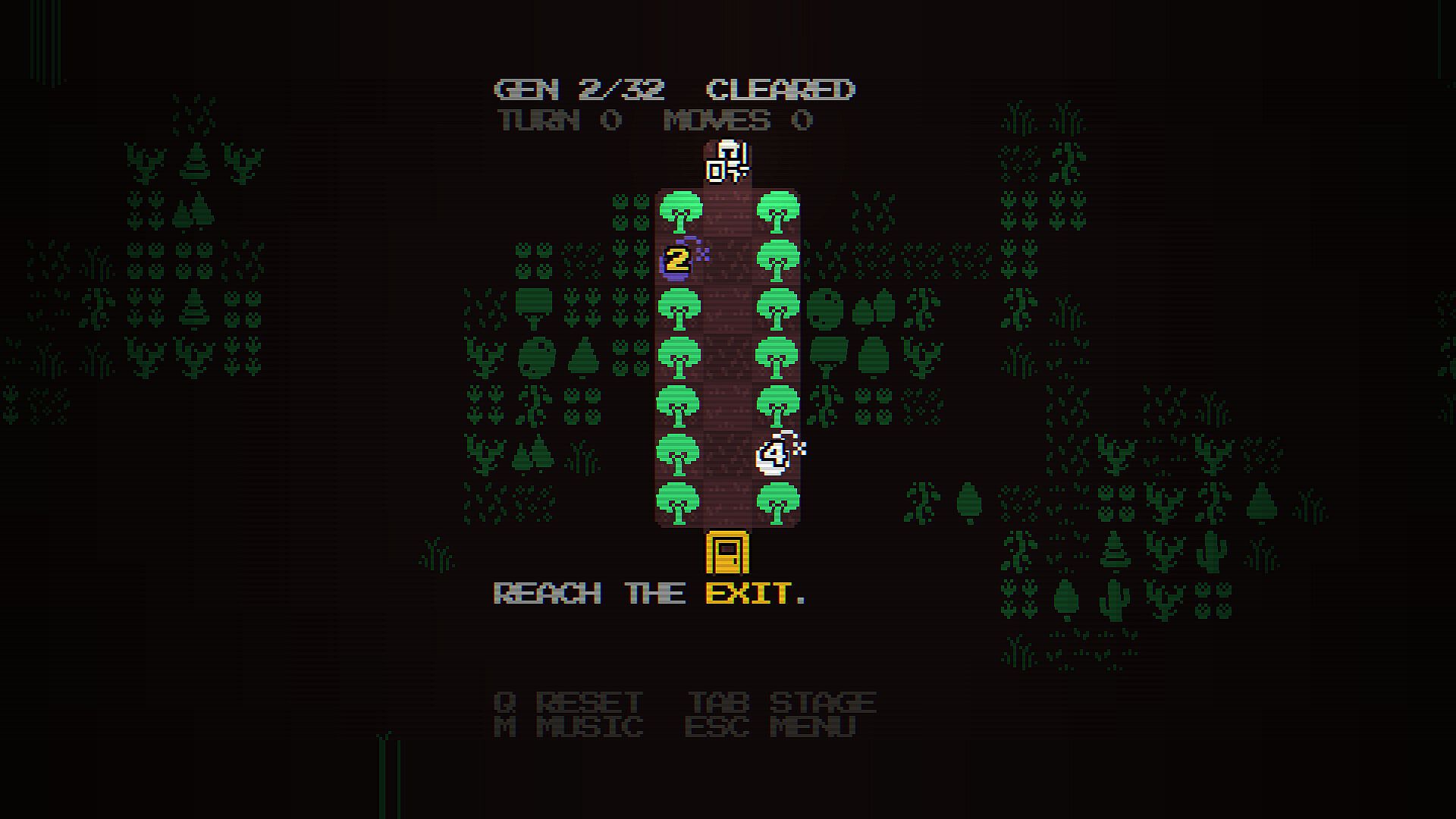
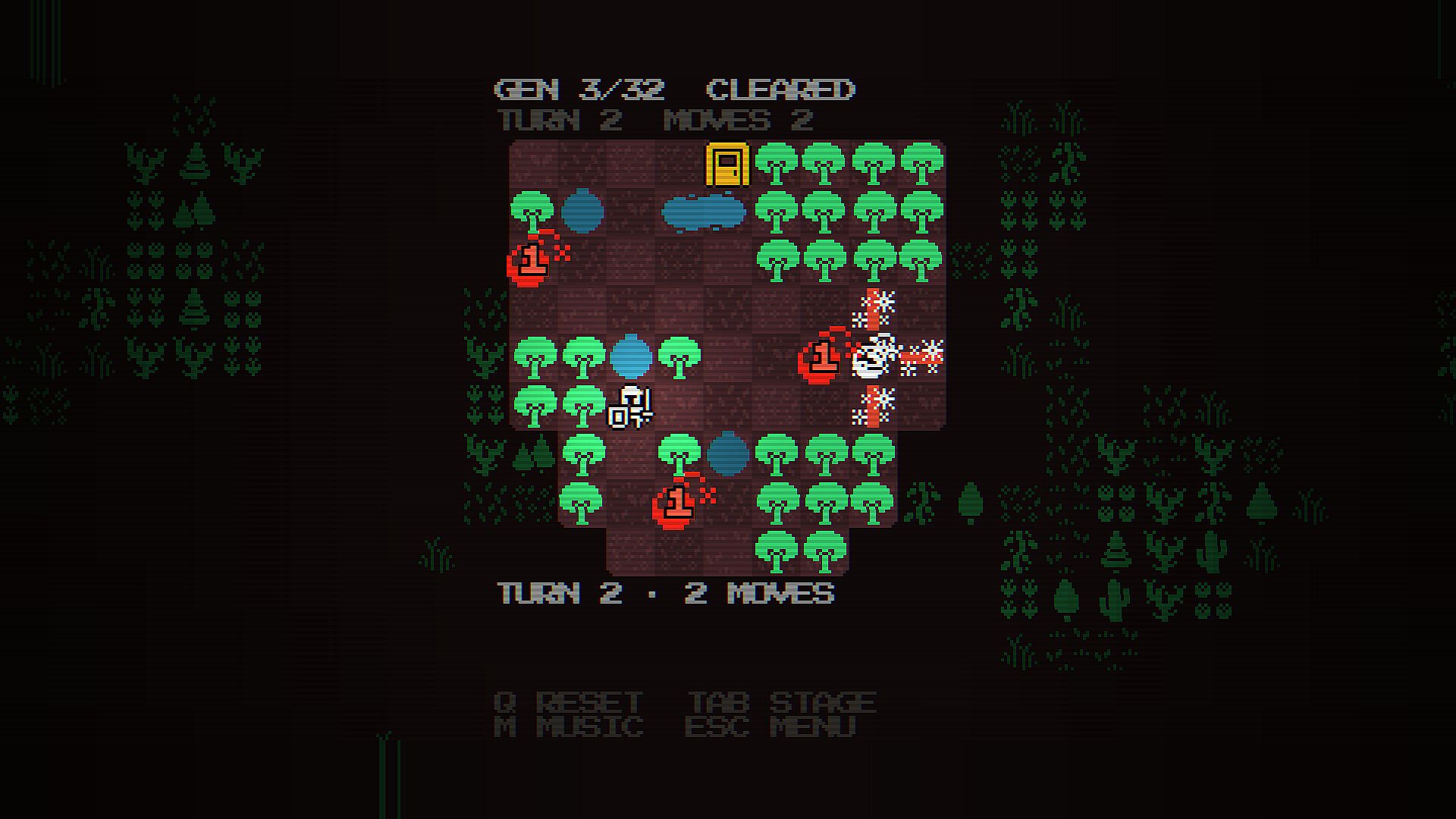
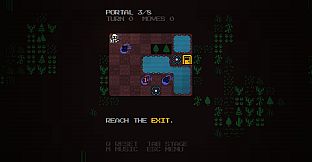
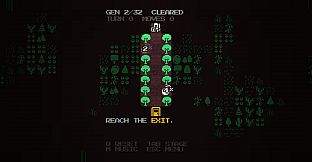
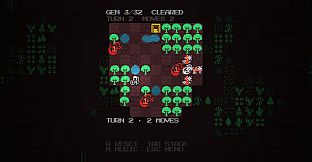
Tick Walk es un juego de puzles por turnos que combina estrategia, indie y casual, disponible para PC. El objetivo es recorrer niveles formados por cuadrículas llenas de bombas con cuenta atrás hasta llegar a la puerta de salida, evitando las explosiones mediante una planificación precisa del camino.
Gameplay
El ciclo principal consiste en leer los temporizadores de las bombas y trazar una ruta segura por cada cuadrícula. El movimiento solo se produce cuando el jugador decide actuar, por lo que dispone de tiempo ilimitado para evaluar la situación antes de dar un paso. Las bombas explotan tras un número determinado de turnos, generando peligros que modifican las zonas seguras con cada acción.
Los primeros niveles presentan las mecánicas básicas de evasión de bombas en cuadrículas abiertas. A medida que avanza el juego, se incorporan muros que bloquean el paso, trampas que castigan un mal posicionamiento y llaves que abren nuevas rutas o puertas. Estos elementos obligan a gestionar varios objetivos al mismo tiempo sin precipitarse.
El diseño prioriza la observación frente a la velocidad. Cada nivel funciona como un desafío independiente cuya solución surge al comprender los patrones de cuenta atrás y las interacciones con el entorno. La experiencia resulta accesible para quienes se inician, pero exige mayor precisión a medida que las cuadrículas se vuelven más densas y conectadas.
Modos de juego
Tick Walk es una experiencia de puzles para un solo jugador centrada en completar niveles de forma secuencial. No existen modos competitivos ni cooperativos; todo el contenido se presenta a través de una campaña de cuadrículas cada vez más complejas.
La progresión sigue una estructura lineal de etapas que van añadiendo nuevos elementos al sistema base de navegación entre bombas. Los jugadores avanzan resolviendo cada puzle en orden, sin ramificaciones ni formatos alternativos más allá de los desafíos estándar de cuadrícula.
Diseño de niveles y progresión
Los niveles comienzan de forma sencilla para asentar los fundamentos del temporizado antes de introducir obstáculos más elaborados. Los muros obligan a dar rodeos, las trampas generan zonas prohibidas que interactúan con las explosiones y las llaves añaden requisitos de recogida que modifican la ruta óptima.
En las fases avanzadas, estos elementos se combinan en configuraciones más ajustadas donde un solo error puede terminar el intento. El tamaño de la cuadrícula y la densidad de elementos aumentan de forma progresiva, recompensando a quienes planifican varios movimientos por adelantado teniendo en cuenta todas las cuentas atrás.
La estructura general permite sesiones flexibles, ya que cada nivel puede abordarse a cualquier ritmo sin temporizadores externos ni presión de otros sistemas.
¿Merece la pena jugarlo?
Tick Walk está dirigido a jugadores que disfrutan de resolver puzles de forma reflexiva en un formato compacto. Sus reglas sencillas lo hacen accesible, mientras que la dificultad creciente ofrece un desafío satisfactorio para quienes se sienten cómodos con los juegos de estrategia por turnos.
El juego resulta adecuado tanto para sesiones ocasionales como para resolver problemas de forma concentrada, sin requerir compromisos largos por nivel. Quienes busquen una prueba más exigente de percepción espacial y anticipación encontrarán recompensa en el contenido final, ya que las mecánicas permanecen consistentes pero exigen mayor precisión.
Con su enfoque en la lectura de patrones y la planificación de rutas seguras, el título ofrece una experiencia pura de puzles sin elementos superfluos. Constituye una opción sólida para los aficionados a la estrategia que buscan algo ligero en sistemas pero exigente en ejecución.