




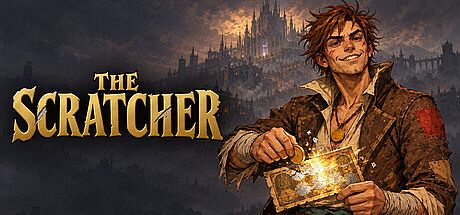


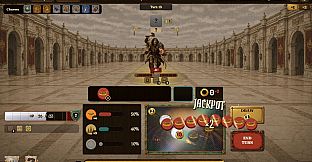
The Scratcher is a singleplayer strategy indie game on PC centered on incremental progression through scratch-off tickets. Players start with basic tickets and gradually build toward larger jackpots while managing risks that can wipe out gains. The core loop revolves around deciding how far to push each ticket before stopping, creating tension between potential rewards and the chance of going bust.
Gameplay
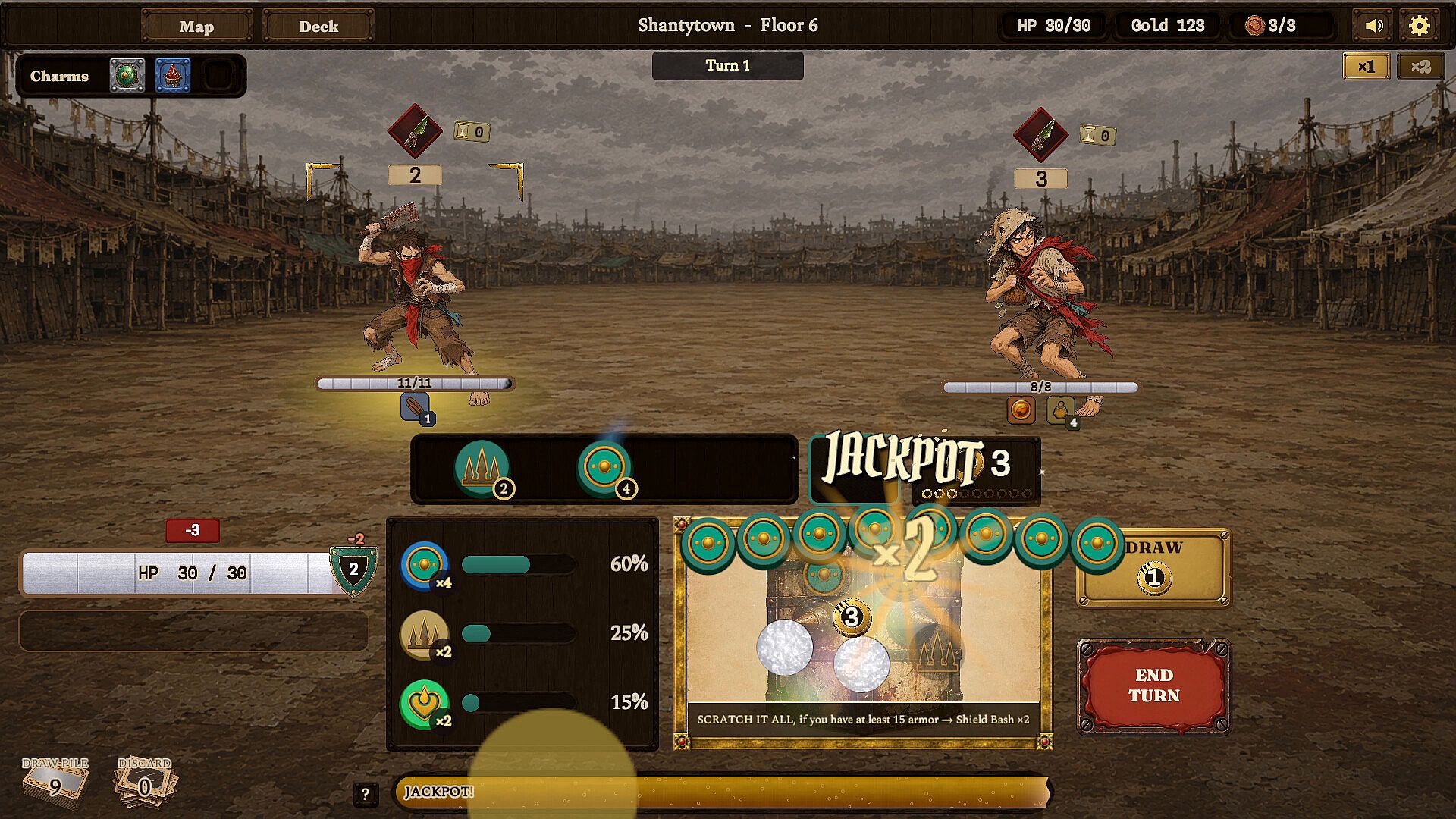
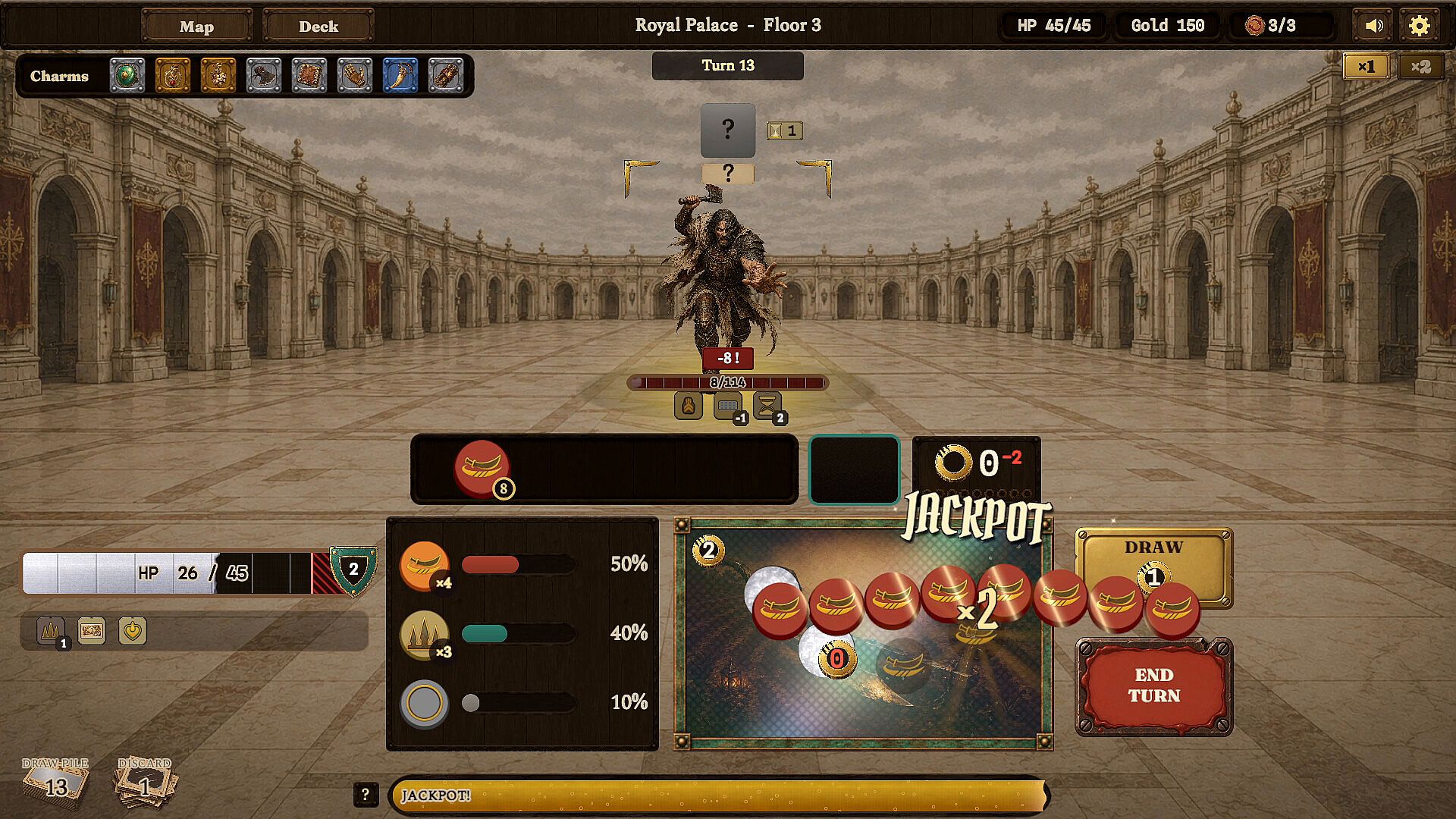
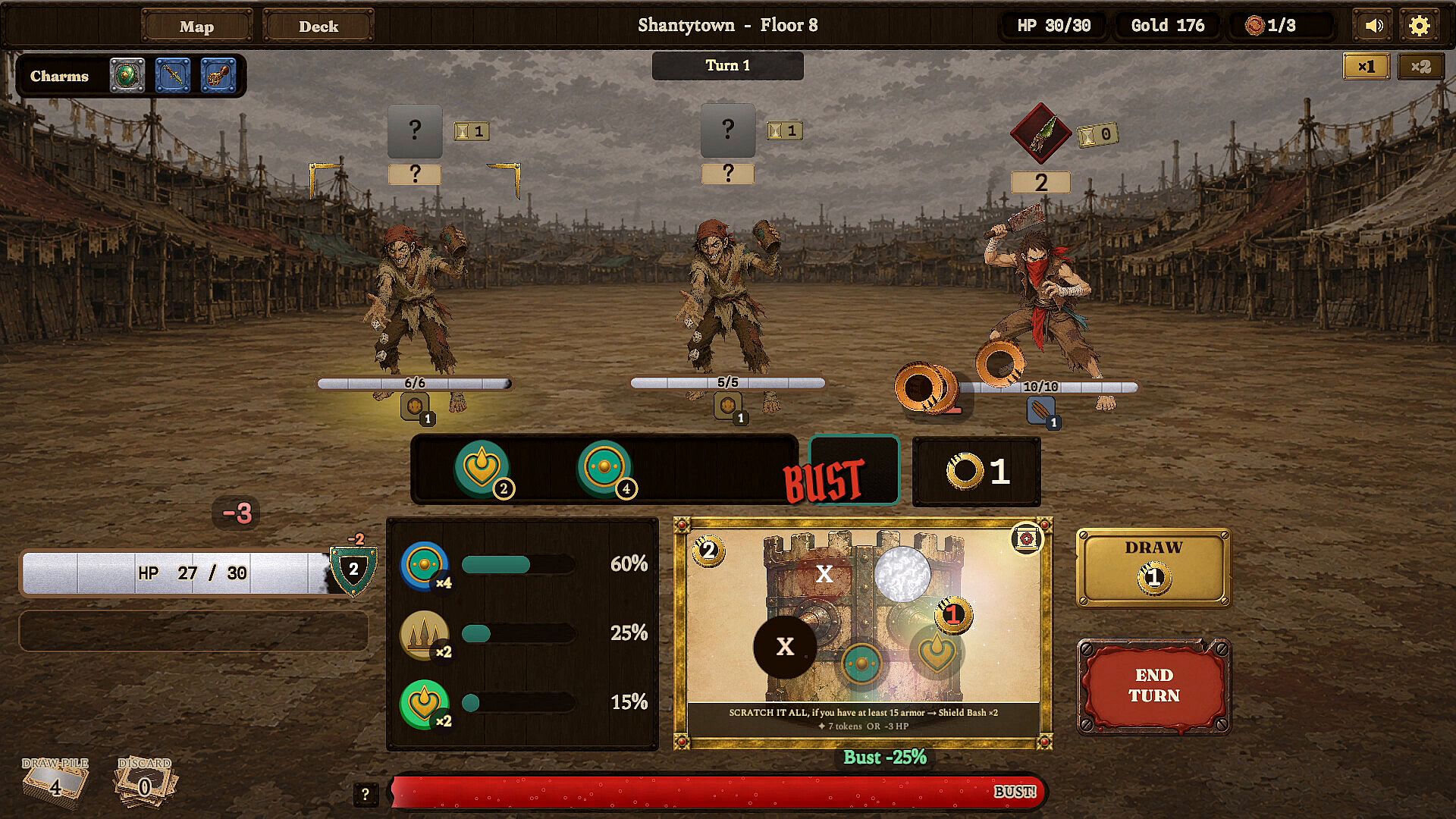
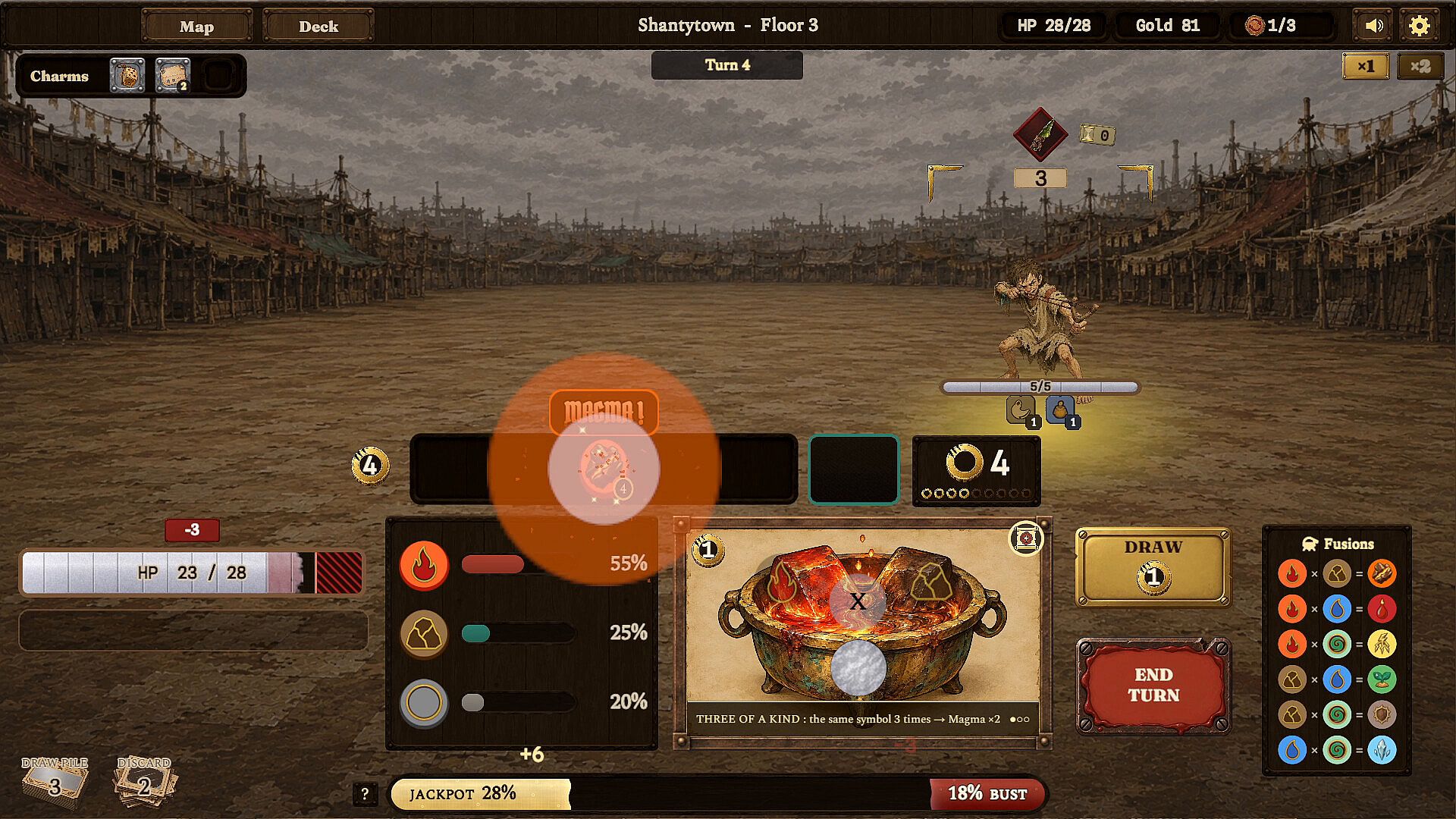
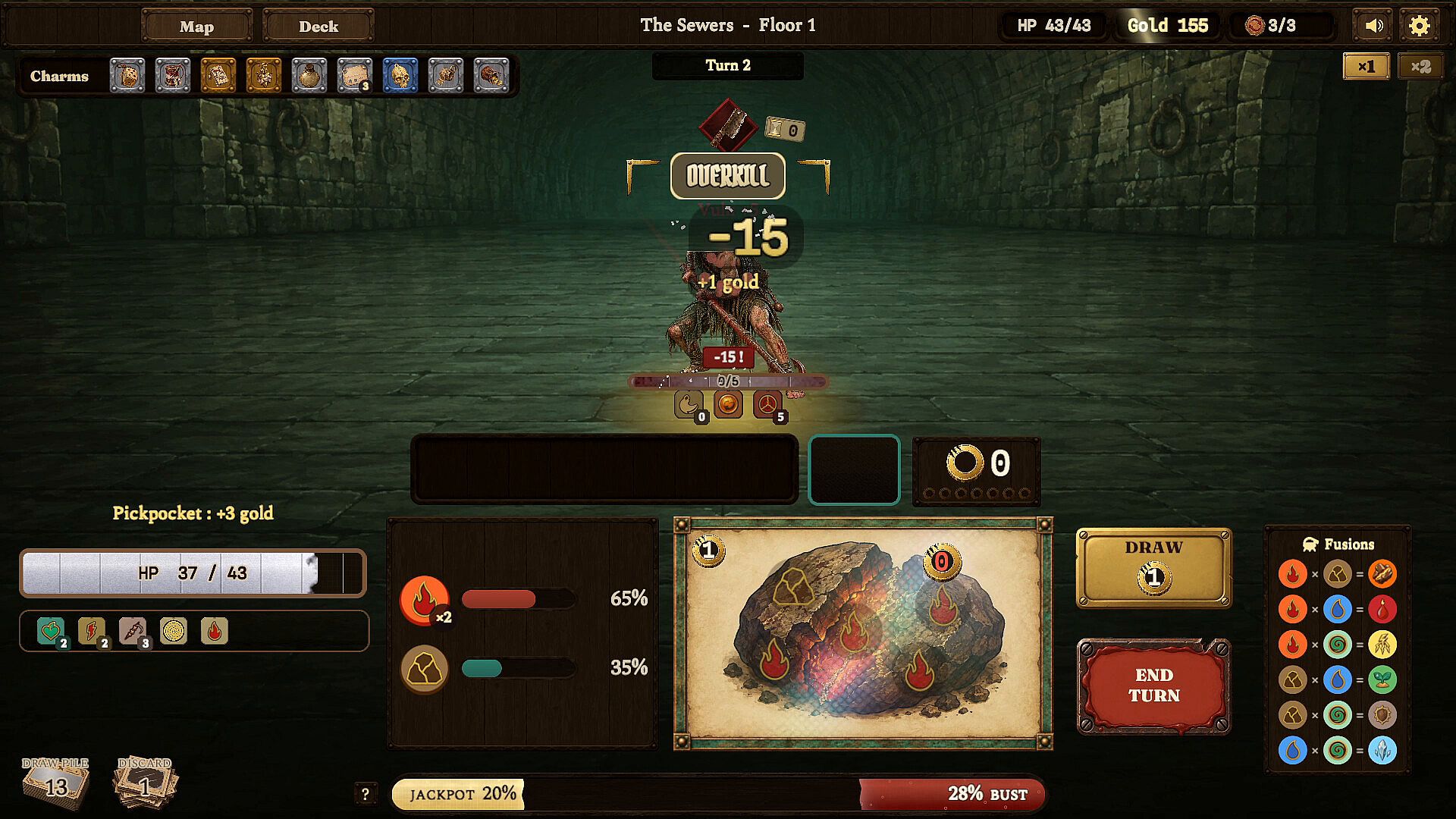
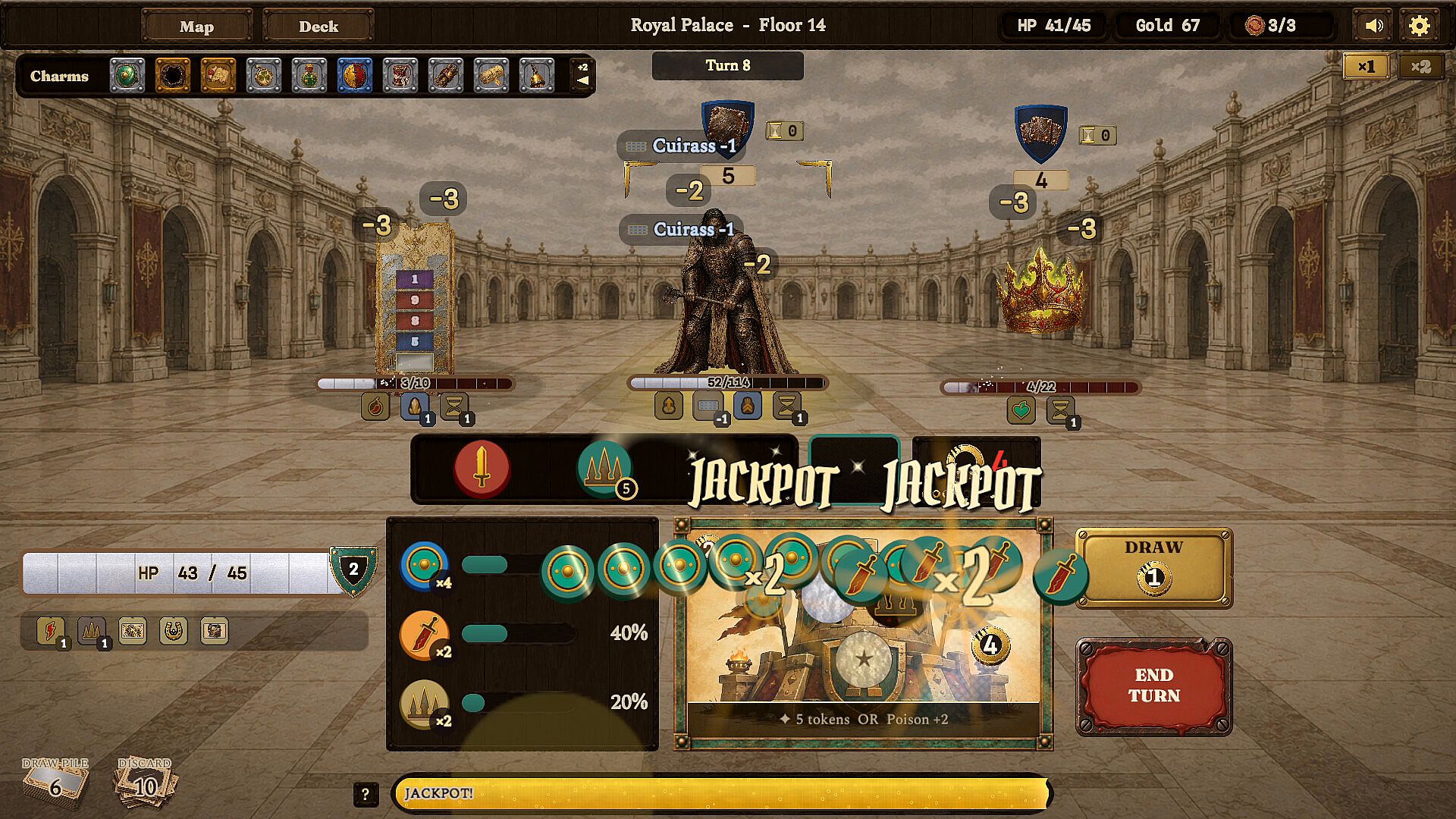
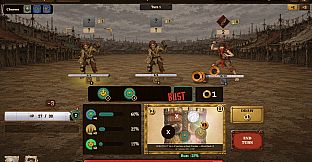
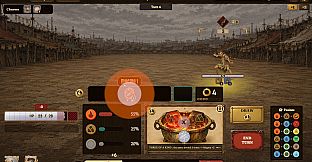
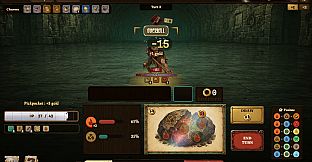
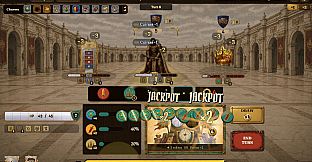
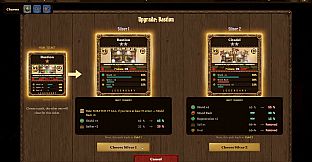
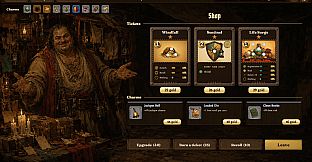
Combat and progression unfold through cell-by-cell scratching on physical-style tickets. Revealing symbols grants attacks, armor, or spells that advance the run, while the bust gauge fills with every additional cell. Stopping at the right moment secures winnings and advances the player, but scratching too far triggers penalties or resets progress on that ticket. Upgrades improve scratching speed, tool strength, and capacity for handling multiple tickets at once. An auto-scratcher becomes available later to handle routine work while the player focuses on high-value decisions. Prestige runs reset temporary progress in exchange for permanent upgrades that speed up future attempts and increase jackpot odds. Special symbols like worms or hidden penalties punish over-scratching, forcing careful attention to each ticket's layout. Boosters and upgrades can be purchased or earned to alter ticket behavior, such as faster reveals or better symbol odds.
Game Modes
Standard play focuses on steady ticket scratching, money accumulation, and incremental upgrades to reach higher tiers of tickets. Challenge runs introduce restrictions such as starting with loans, hidden symbols until fully scratched, or limited resources, unlocked after the first prestige. These add variety by altering starting conditions and payout rules while still centering on the same scratching decisions. Prestige itself functions as a repeatable mode that emphasizes long-term optimization across multiple resets. No multiplayer or competitive modes exist; all progression remains singleplayer with cross-platform save support for continued play across devices.
Progression and Systems
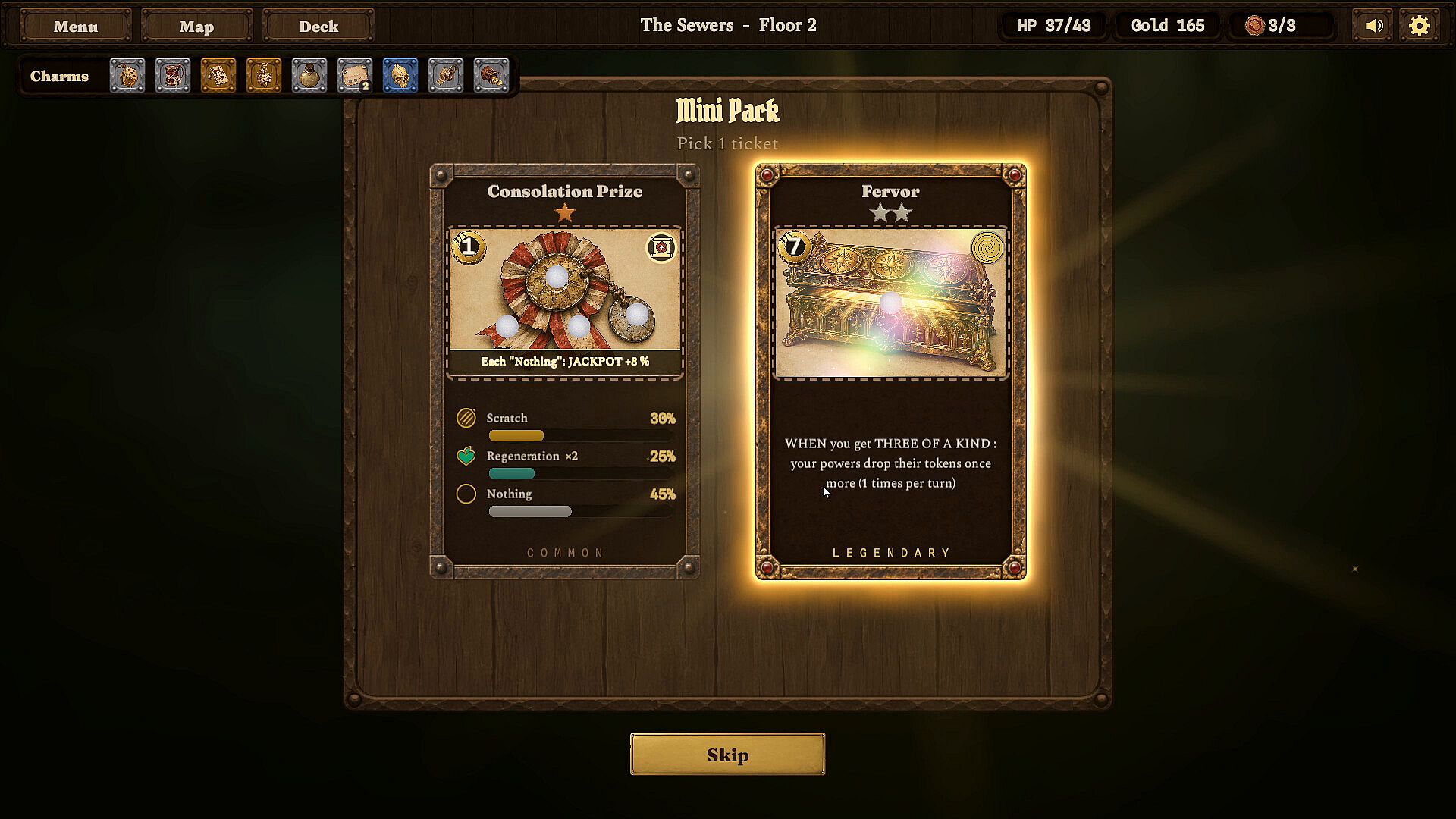
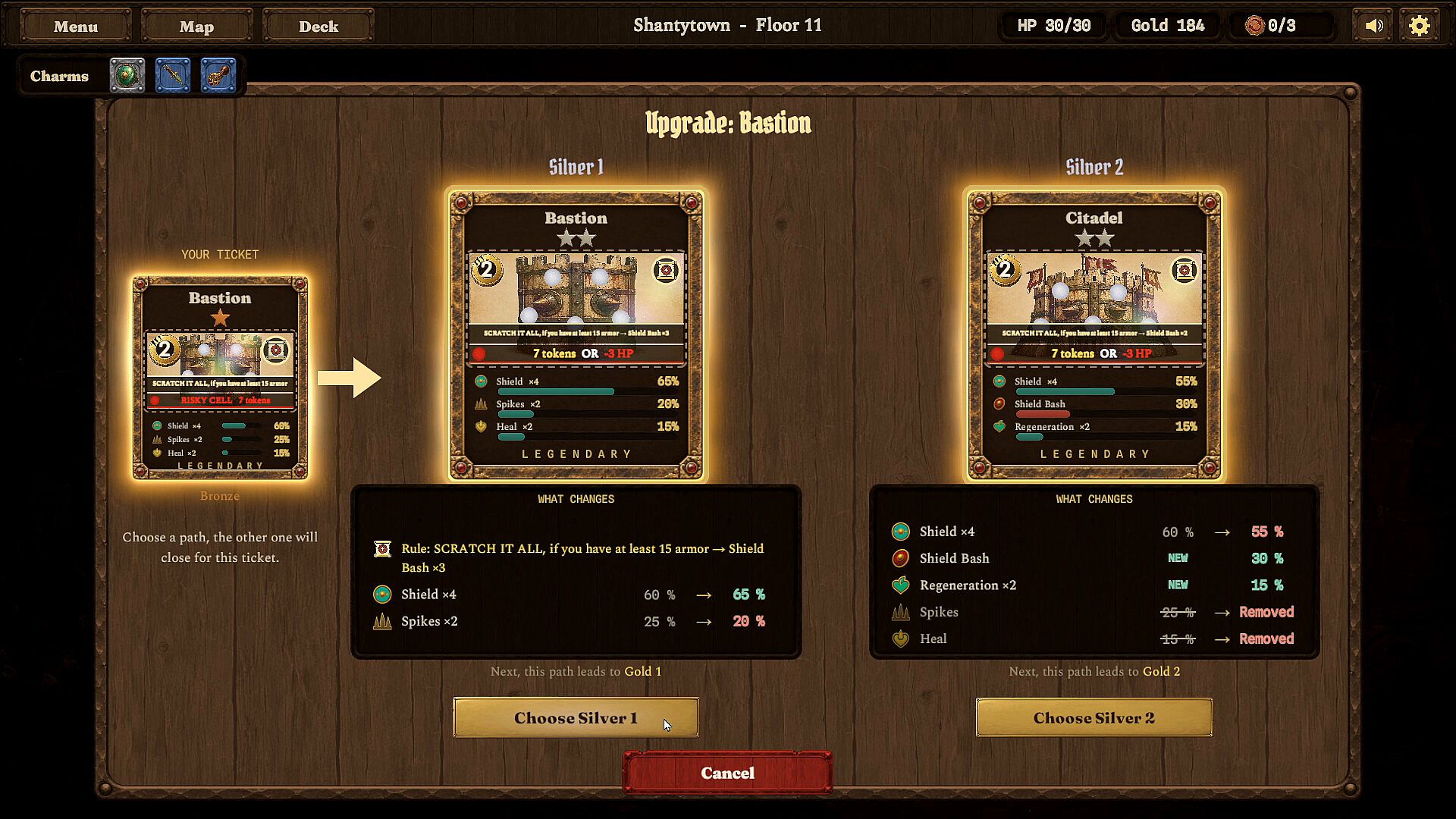
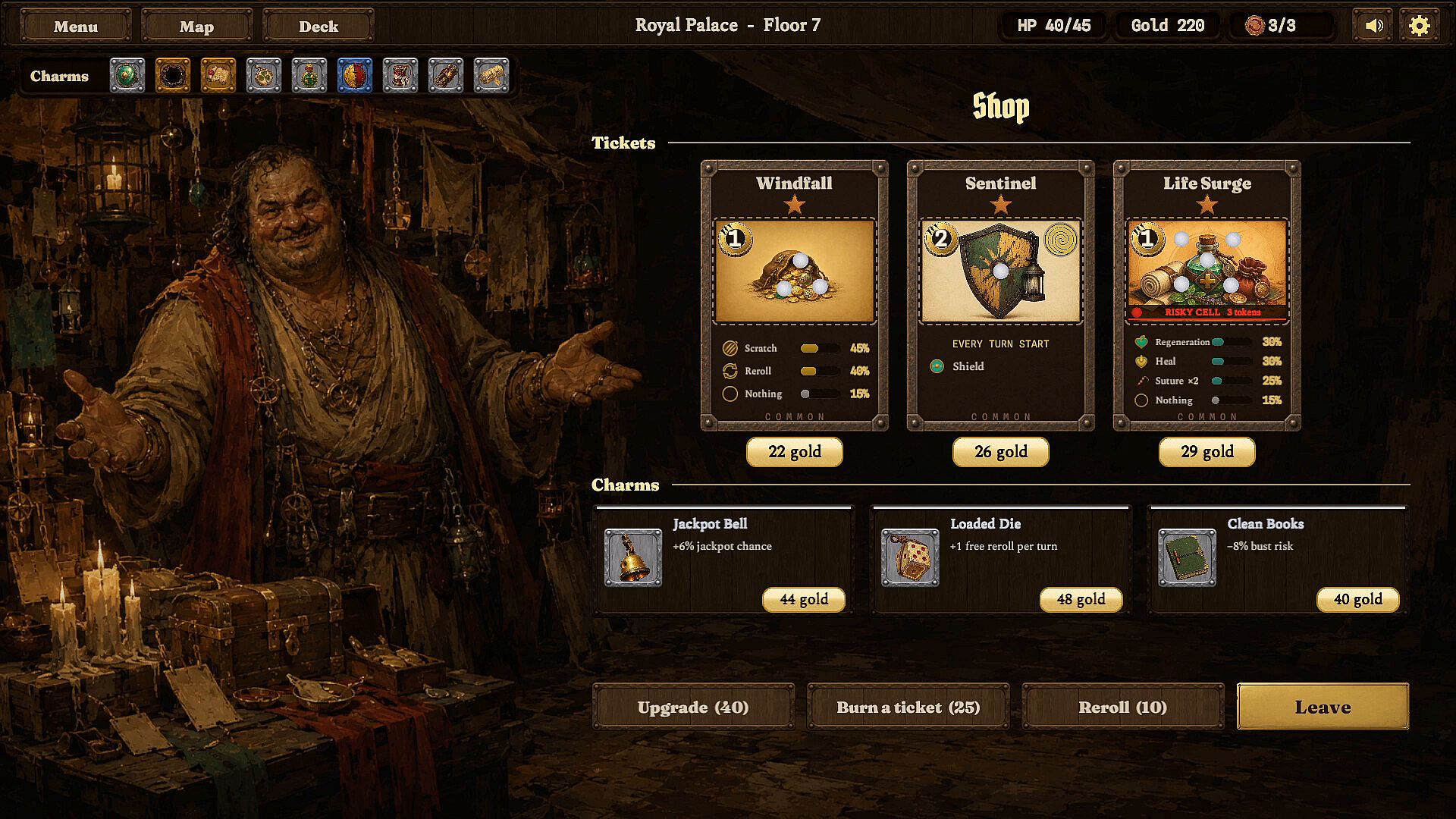
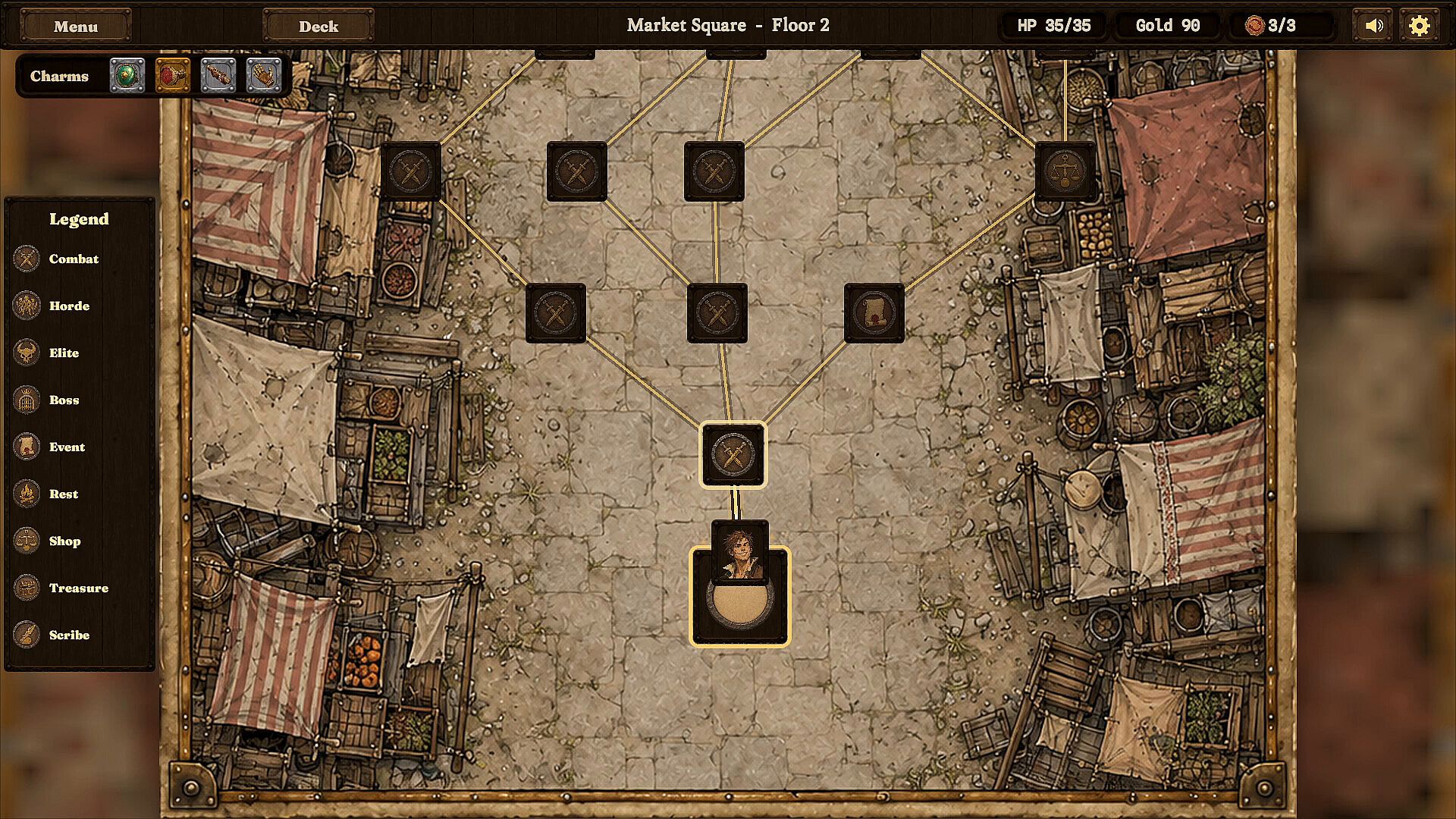
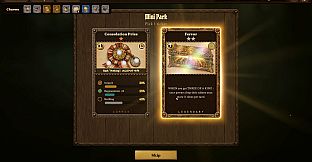
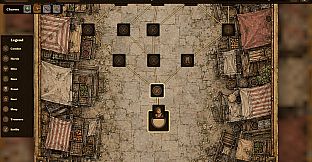
A deck of tickets expands through purchases and unlocks, with options to upgrade existing ones or open boosters that modify symbols in real time. Charms and narrative events provide occasional choices that influence runs without shifting the primary focus from scratching. Gratto-Deeds track achievements and unlock additional content over time. The city setting influences encounters indirectly through district-specific risks that affect body, money, or opportunities, though the main systems stay tied to ticket management. Enemies appear through ticket symbols that react to player choices like healing or armor application, adding layers to risk assessment.
Is It Worth Playing?
The game has received very positive reception, with approximately 94 percent positive reviews across more than 17,000 user ratings on its primary platform. Recent updates, including a Challenge Update that added nine new restricted runs and cross-platform saves, demonstrate ongoing support. Players who enjoy incremental games with active decision-making rather than pure idling will find the constant choice of whether to scratch one more cell engaging. The mid-to-late game involves noticeable grind, which suits those comfortable with prestige systems and optimization. Availability on PC makes it accessible, and the low price point combined with substantial content hours appeals to fans of risk-reward mechanics. It is worth playing for anyone seeking a focused, satisfying loop built around incremental growth and careful risk management rather than complex narratives or combat systems.











