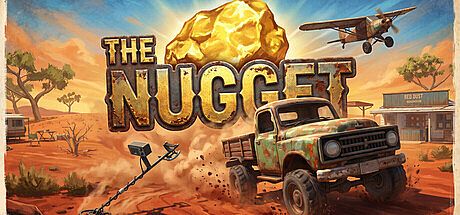


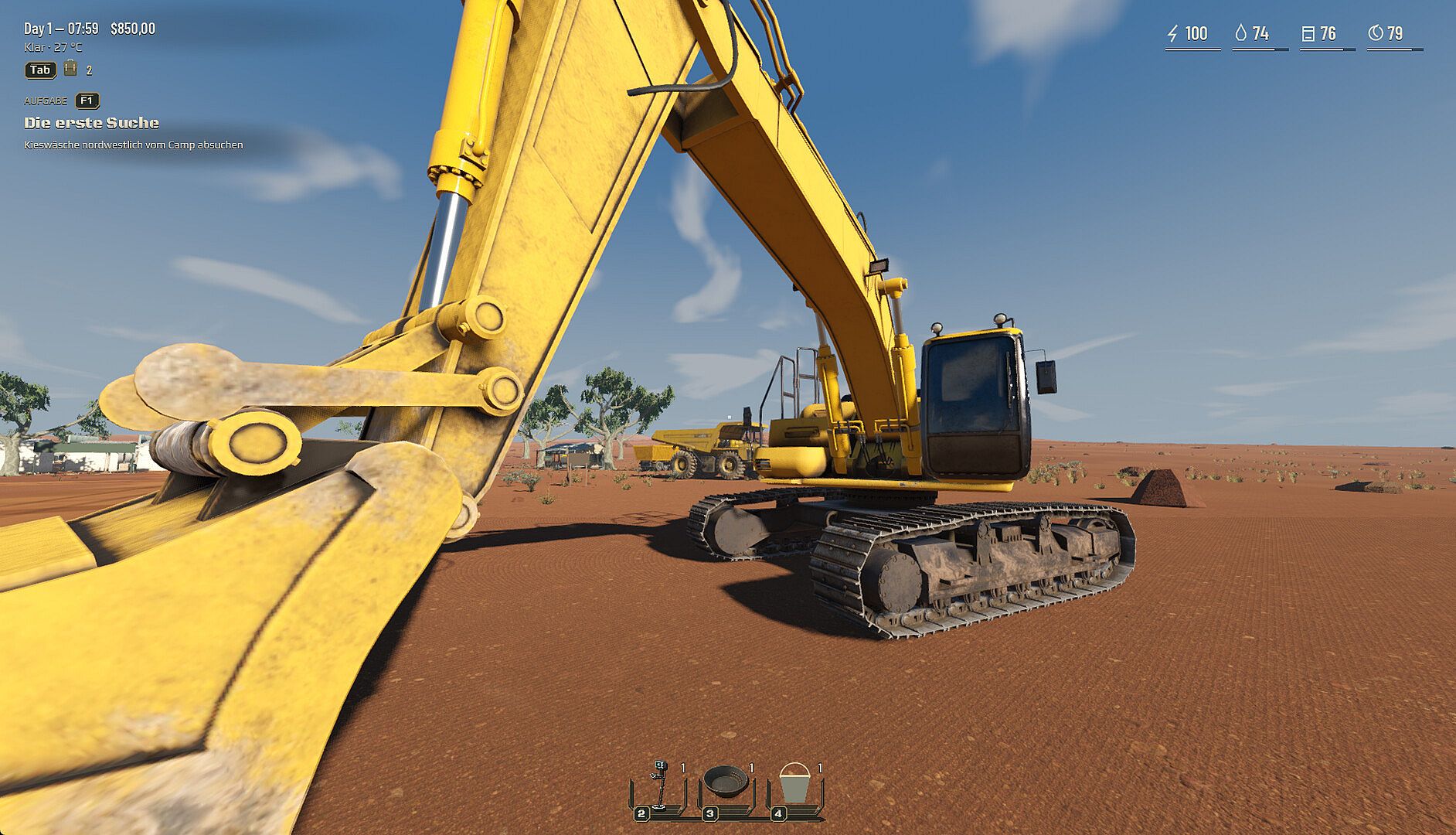
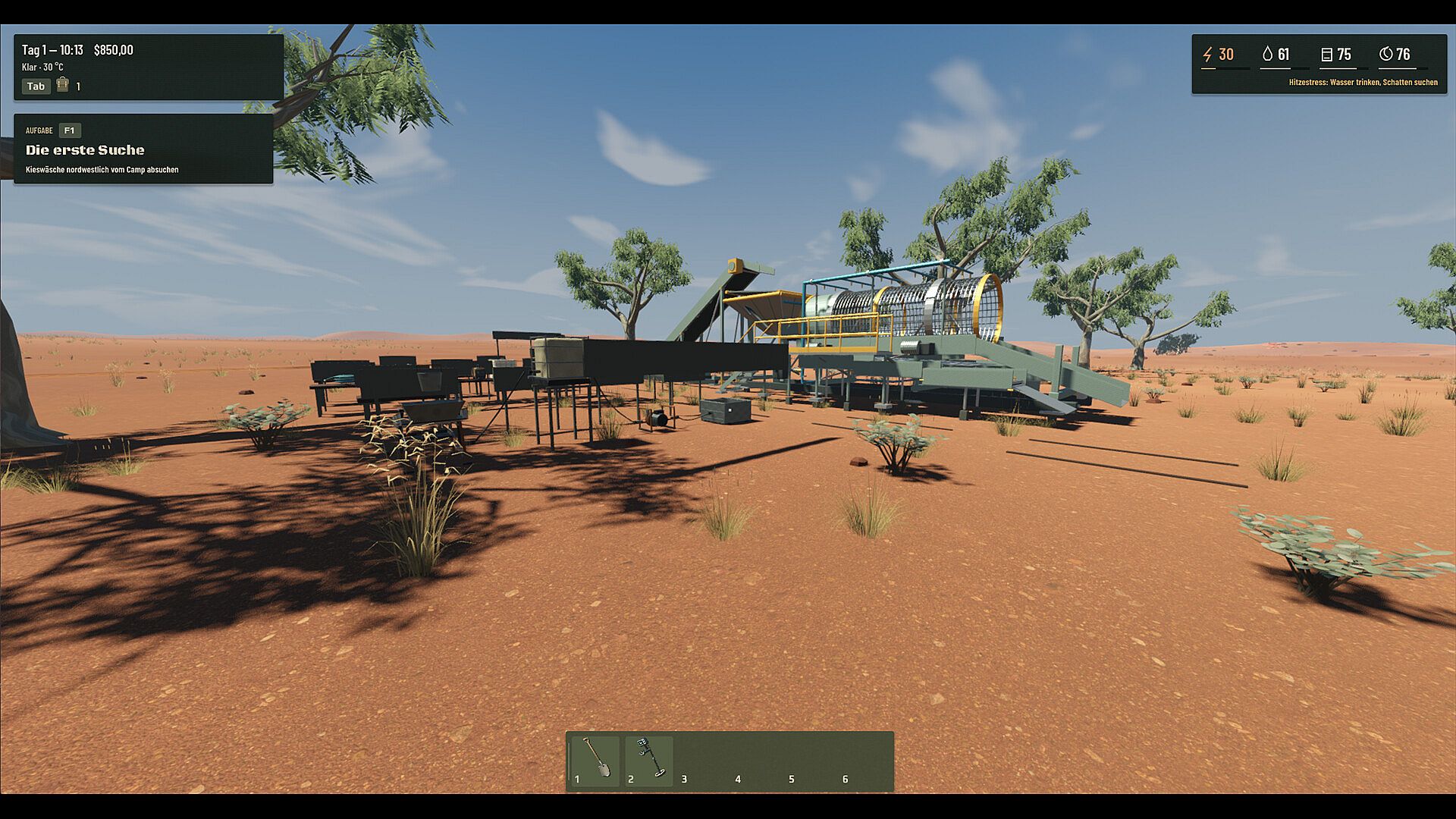
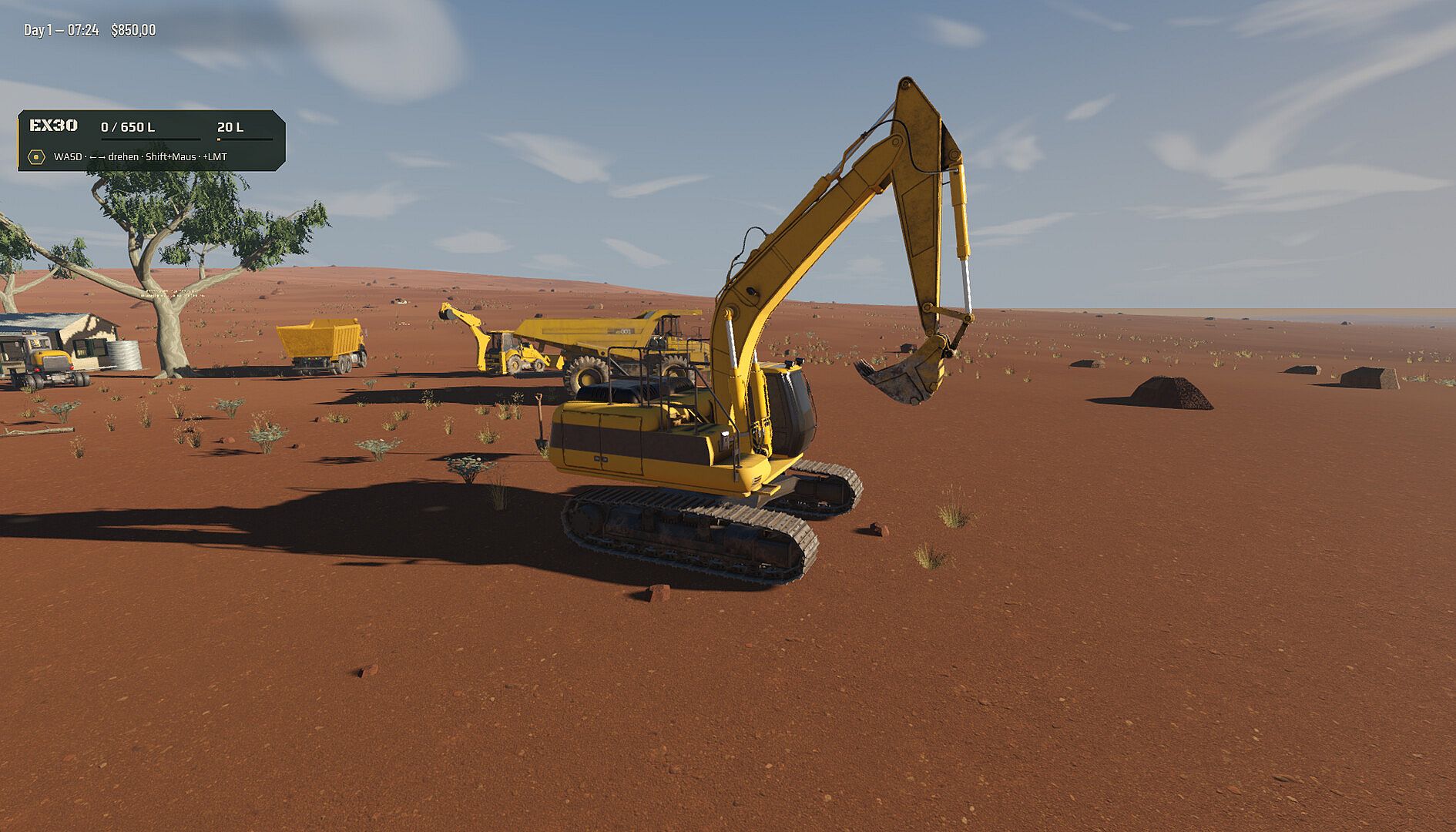
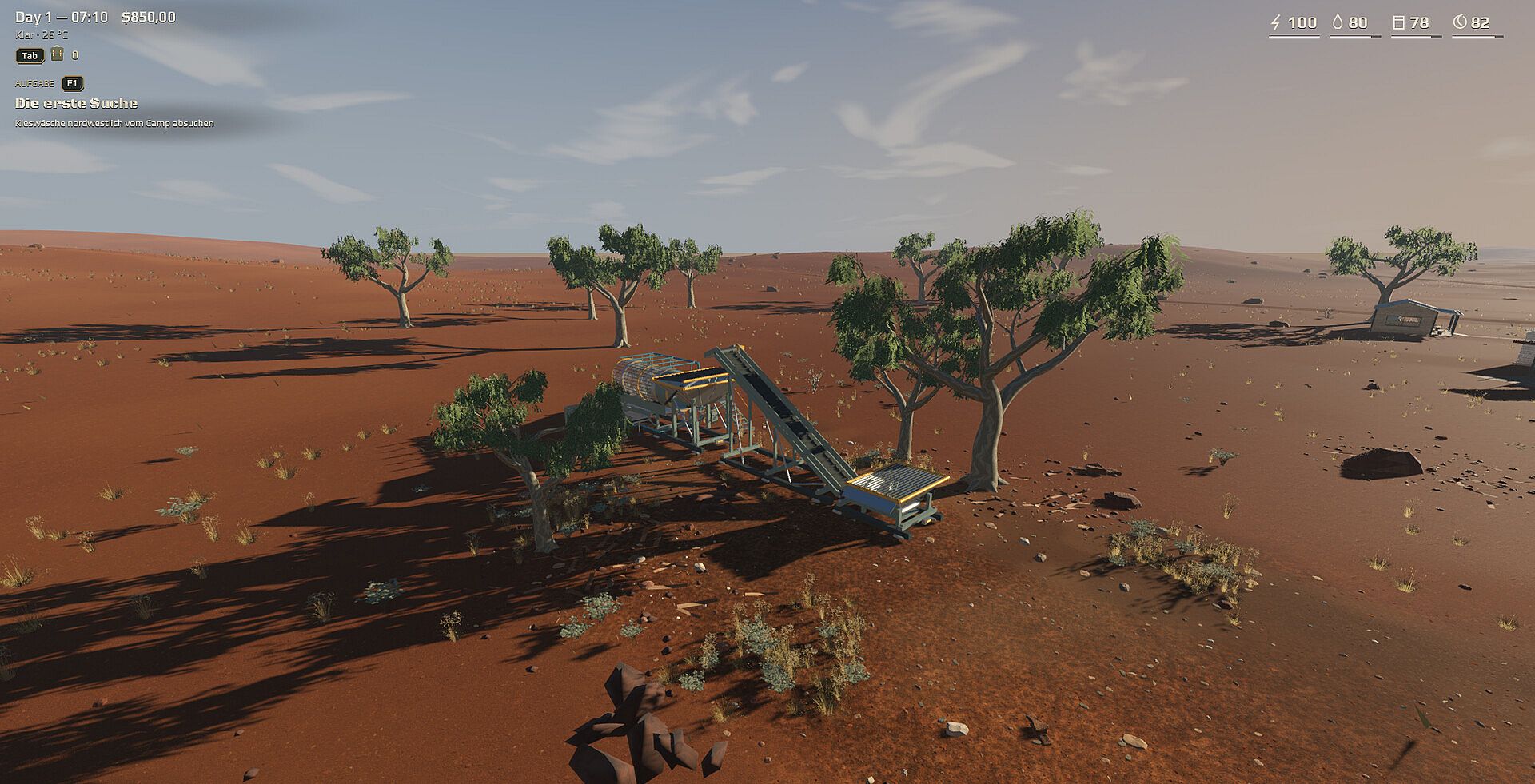
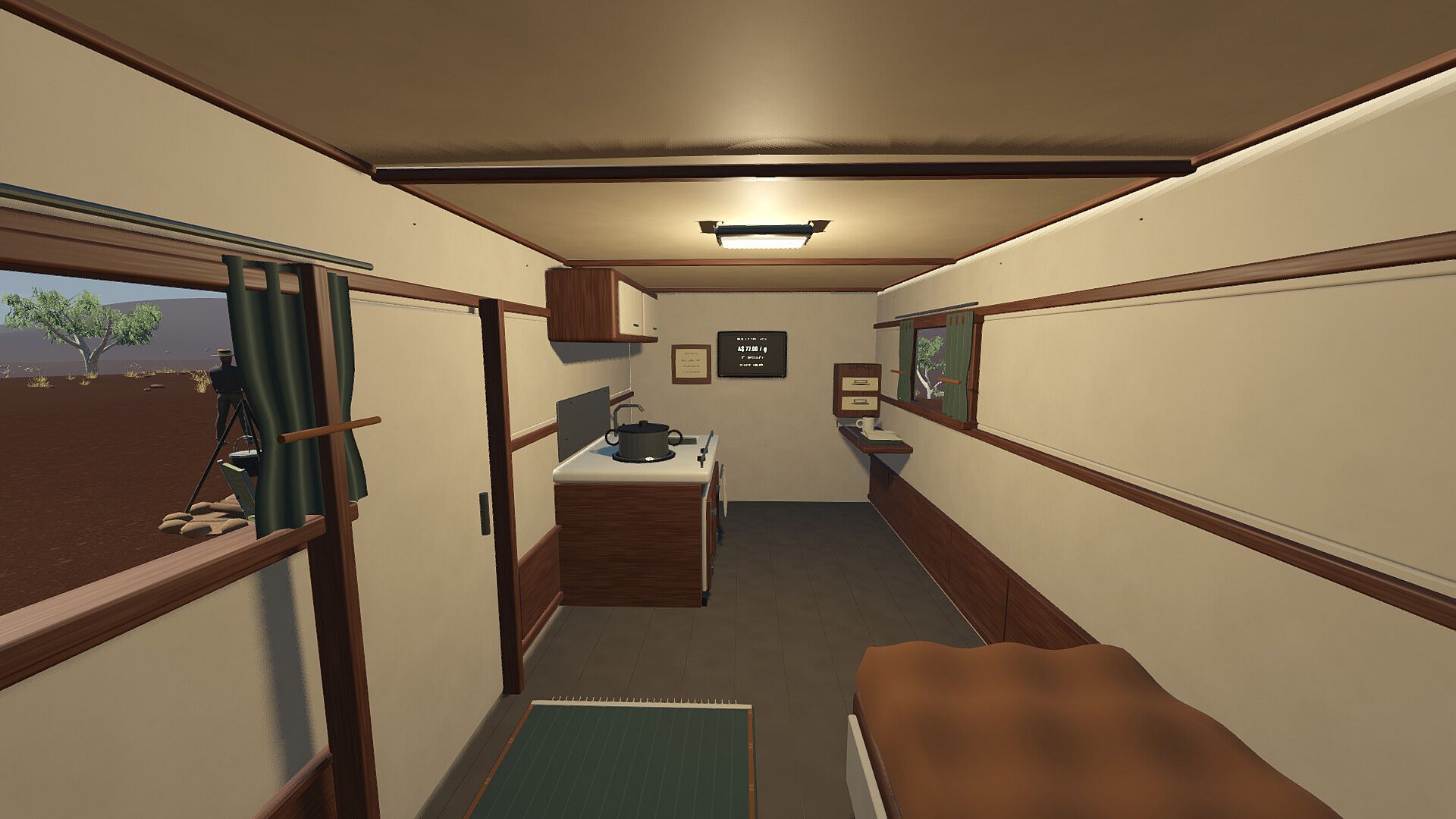
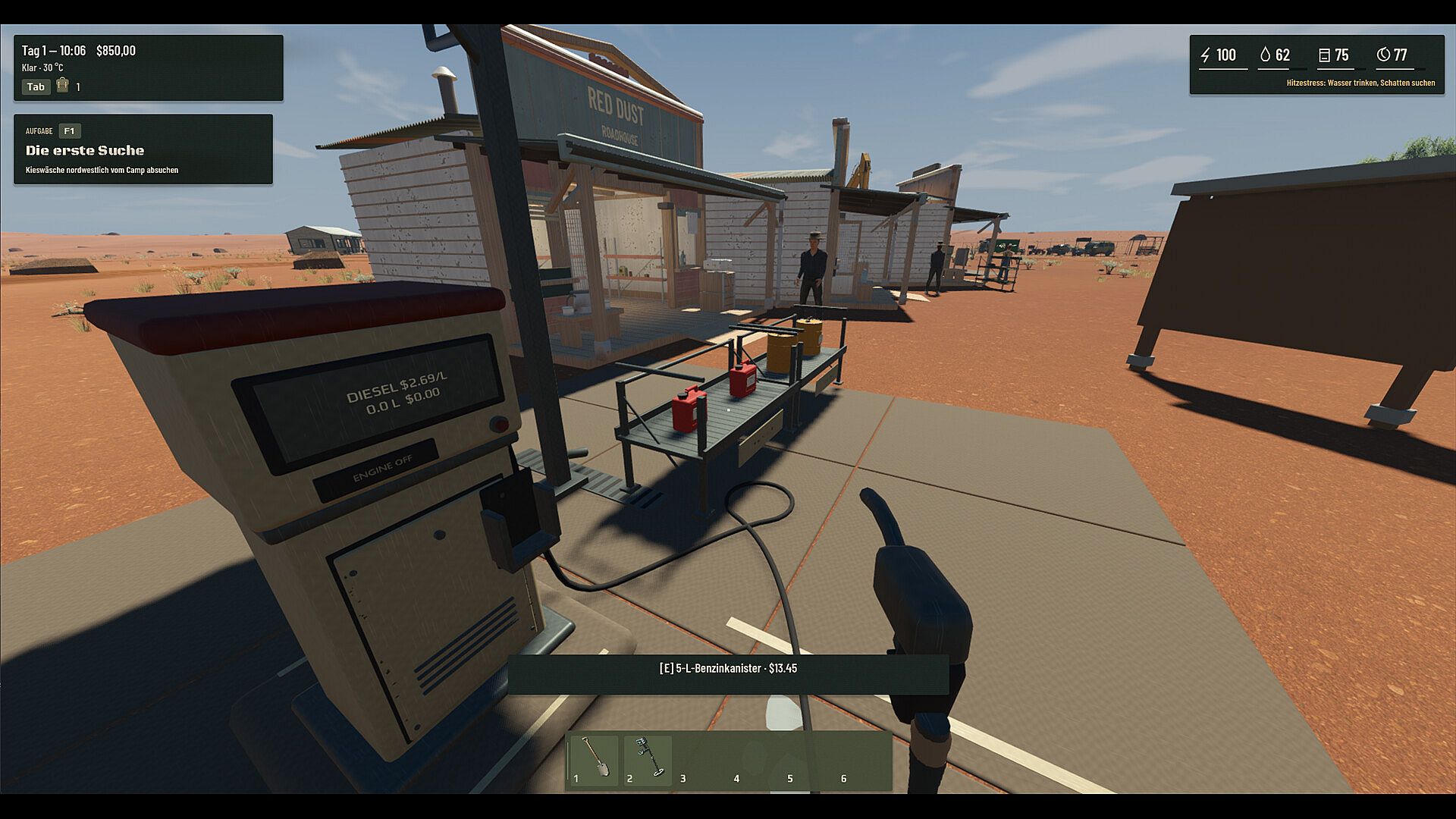
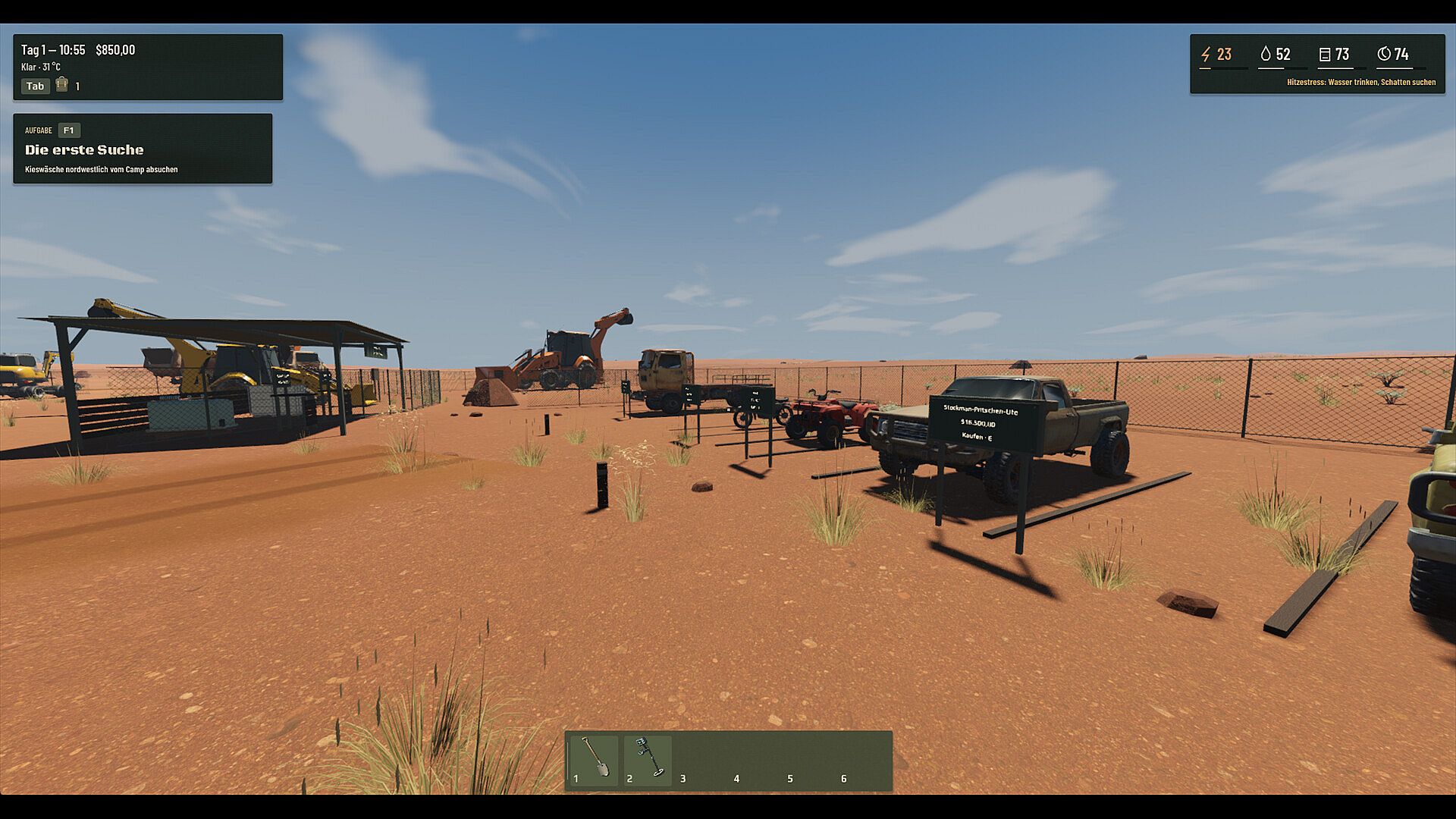
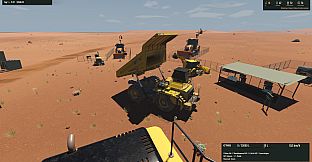
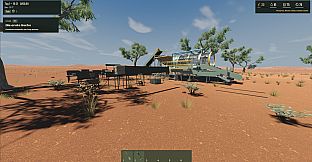
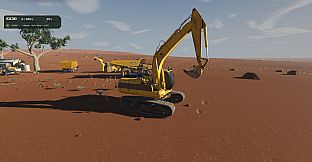
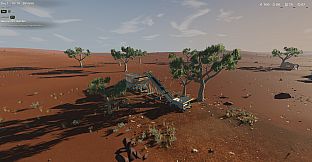

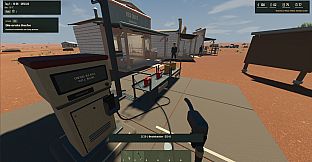
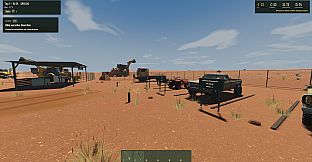
The Nugget is a first-person indie simulation that places players in the role of a gold prospector navigating the Australian outback. The core experience revolves around methodical prospecting, resource management, and camp maintenance in a realistic survival framework. Players handle detectors, excavation, material processing, and logistics while contending with environmental factors such as weather, heat, and limited supplies. The game emphasizes deliberate decision-making over fast action, rewarding careful signal interpretation and efficient operations.
Gameplay
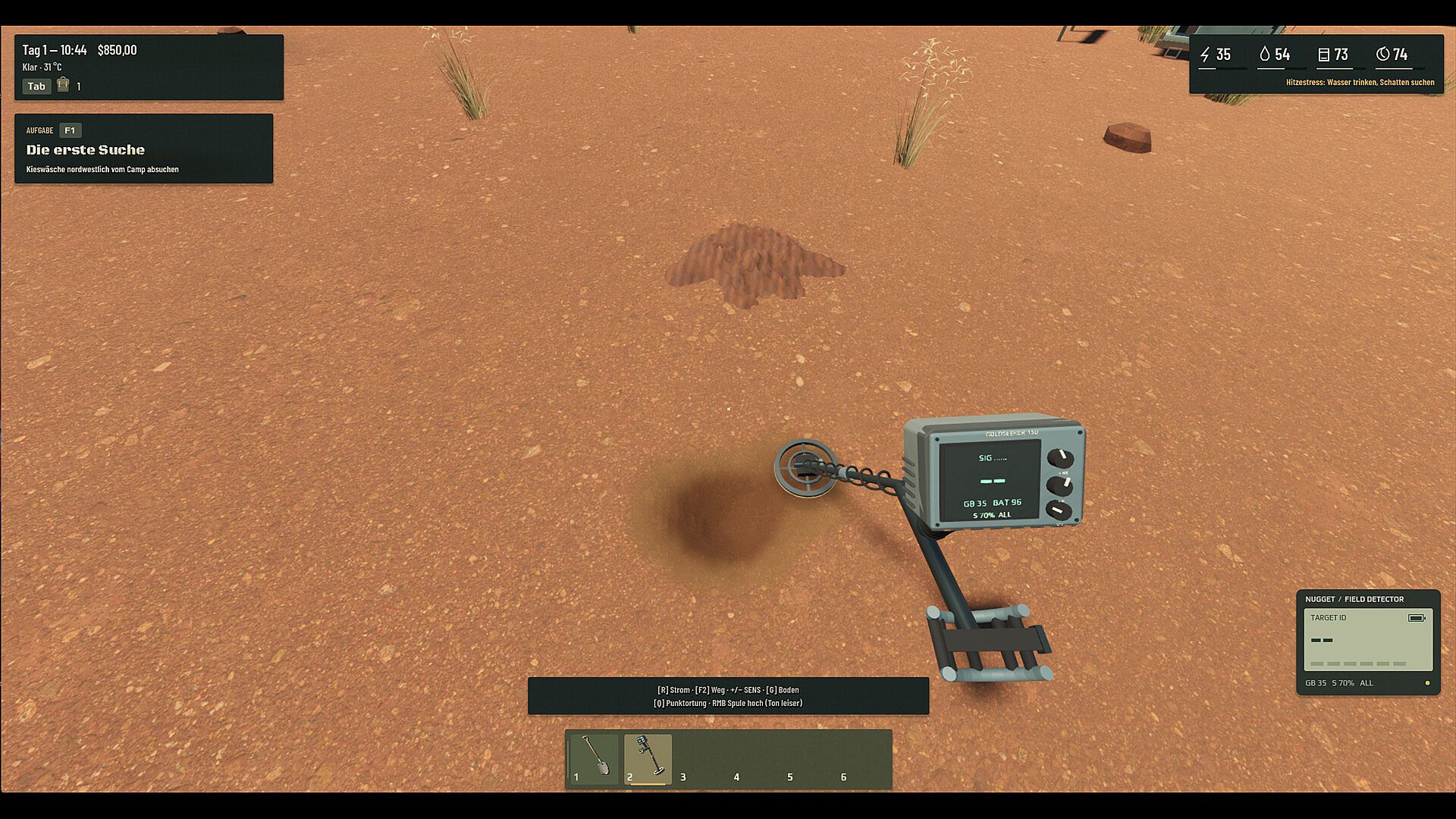
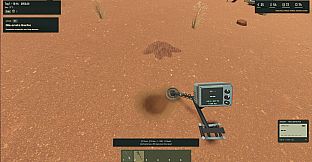
Prospecting begins with sweeping the ground using various detectors and adjustable settings to locate signals. Each signal requires narrowing down through repeated passes before excavation with hand tools. Recovery involves deciding whether a patch merits further effort, as many signals turn out to be worthless material rather than gold. Collected paydirt then moves to washing and processing stages where equipment must be set up and connected to water and power sources for effective gold separation.
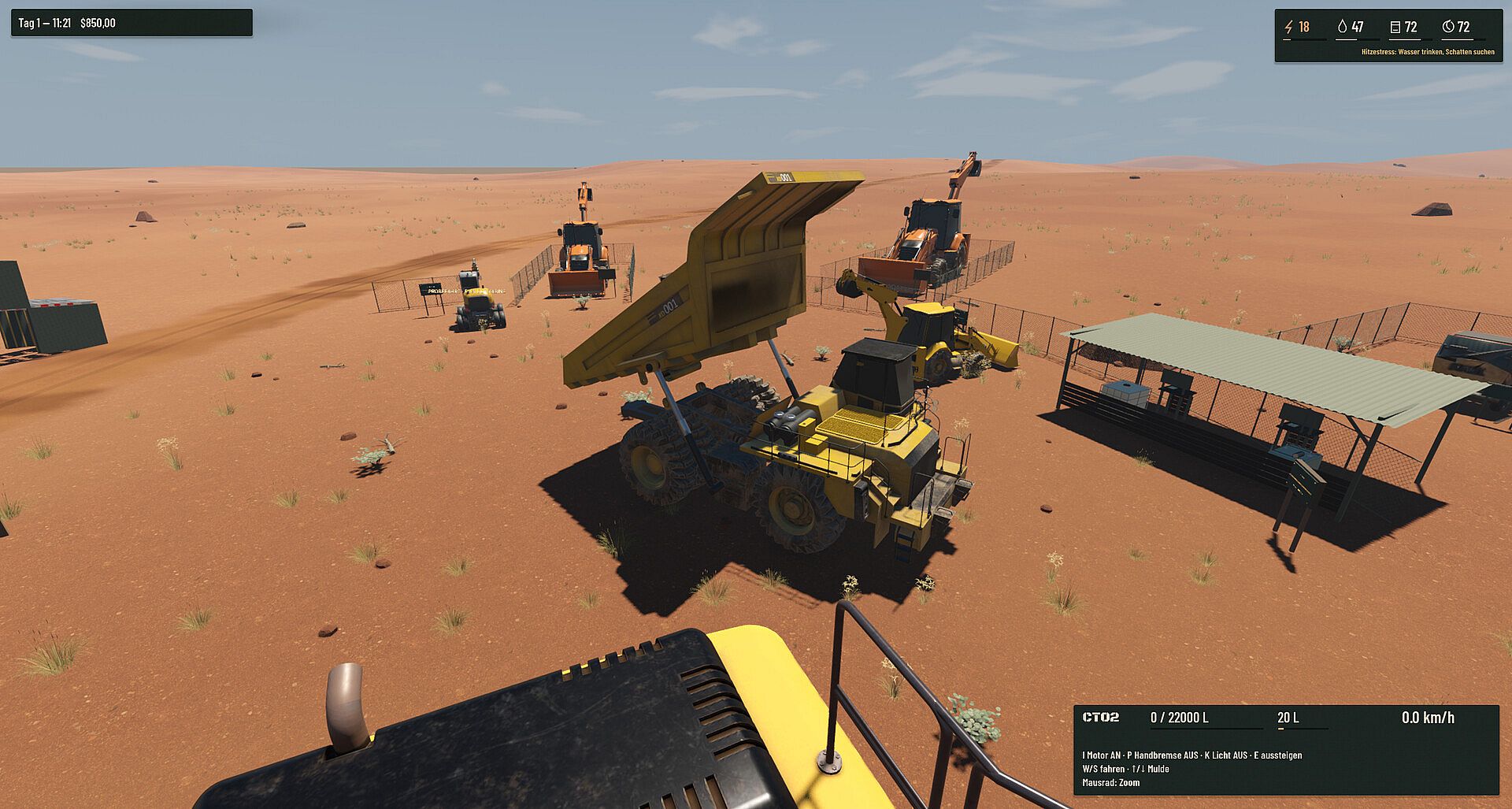
Camp building forms another central layer. Players transport supplies by caravan, position processing machines, and route power connections while monitoring fuel and provisions. The caravan serves as a mobile hub for rest, planning, and resupply between expeditions. Resource loops tie directly into progression: gold sales cover expenses and unlock improved detectors or tools, while longer trips demand accounting for weather patterns and carrying capacity. Survival elements include tracking food, water, heat exposure, and fuel to sustain operations across multiple outings.
Game Modes
The Nugget supports single-player sessions focused on individual prospecting runs and camp development. Players choose between targeted searches for individual nuggets in smaller areas or extended expeditions that require more preparation and yield larger returns. No additional named modes appear in available information, keeping the structure centered on this core loop of detection, extraction, processing, and reinvestment.
Progression and Systems
Equipment upgrades come from selling recovered gold and balancing operational costs. Better detectors improve signal clarity, while expanded processing setups increase throughput when supported by adequate water and power infrastructure. Knowledge gained from each trip influences future choices, such as which ground to revisit or how to adjust for seasonal conditions. The simulation tracks multiple interconnected systems including detector tuning, dirt washing efficiency, camp power distribution, and supply endurance to create a cohesive prospecting workflow.
Current State and Availability
The game remains in active development with a planned release on PC. It features single-player as the primary experience alongside listed support for online co-op elements. No patches, seasonal content, or post-launch updates have been released yet due to its pre-release status. System requirements specify a 64-bit Windows operating system with modest hardware thresholds for minimum play and higher specifications recommended for smoother performance.
Is It Worth Playing?
Players interested in realistic simulation mechanics centered on gold prospecting, detector use, material processing, and camp logistics will find the systems detailed and interconnected. The experience suits those who enjoy methodical resource management and environmental awareness without competitive or fast-paced elements. With no user reviews available and the title still coming soon, suitability depends on preference for deliberate, single-player prospecting simulations rather than action-oriented or multiplayer-focused titles. Those drawn to the described loop of signal hunting, dirt work, and camp sustainability may appreciate the focused scope once released.