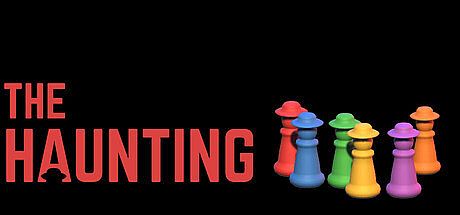


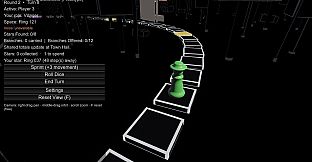
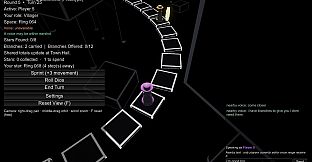
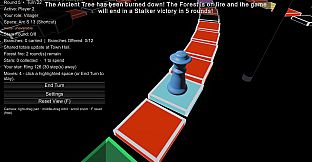
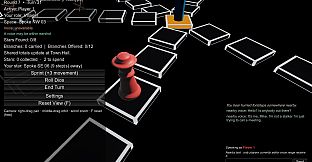
The Haunting is a strategy indie casual game for PC that blends co-operative objectives with social deduction in a multiplayer board game setting. Players take on hidden roles as either villagers or stalkers while navigating a shared board, gathering resources, and interacting through proximity chat and items. The experience emphasizes deduction, careful positioning, and adapting to randomized elements that ensure no two sessions unfold identically.
Gameplay
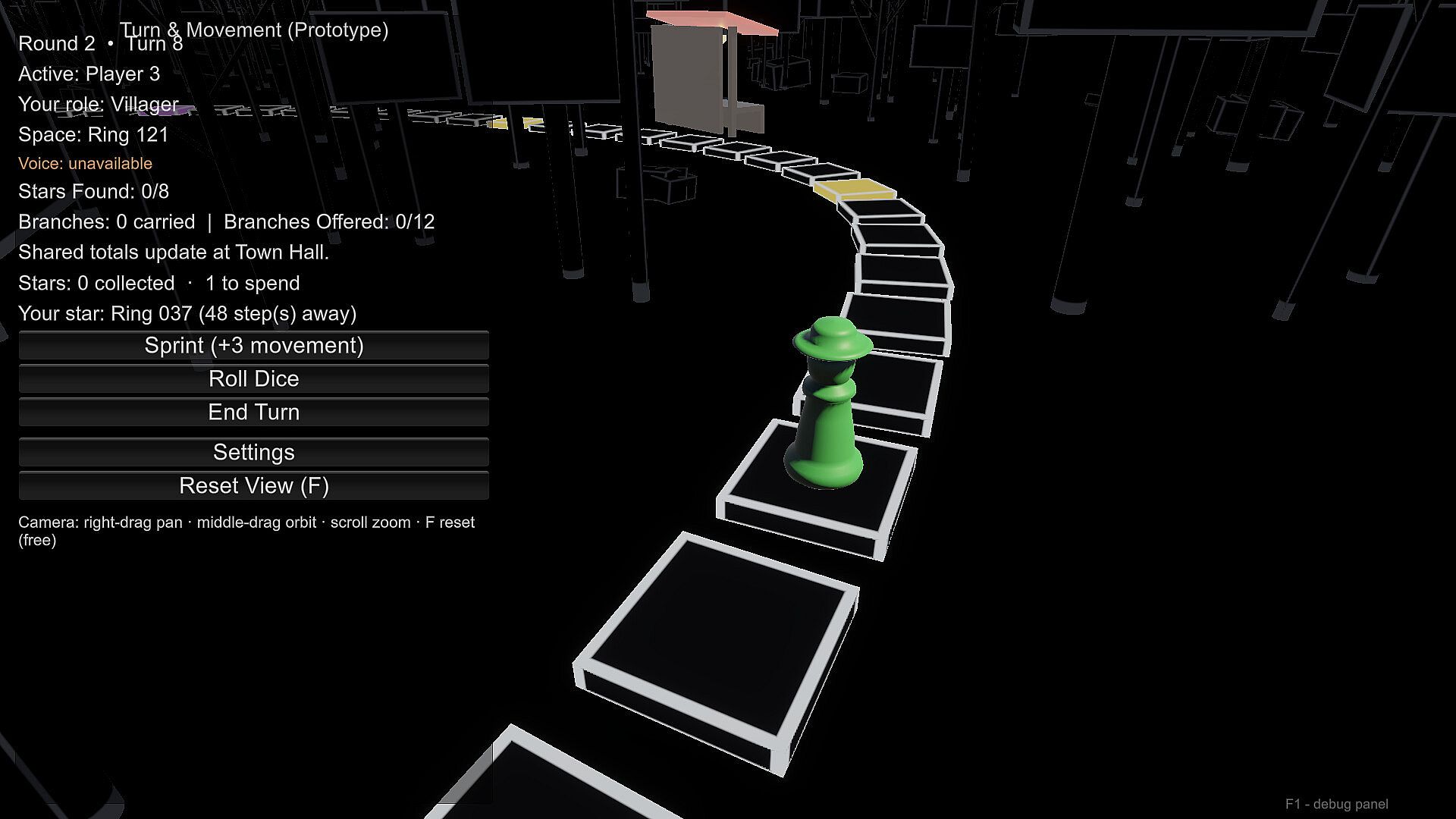
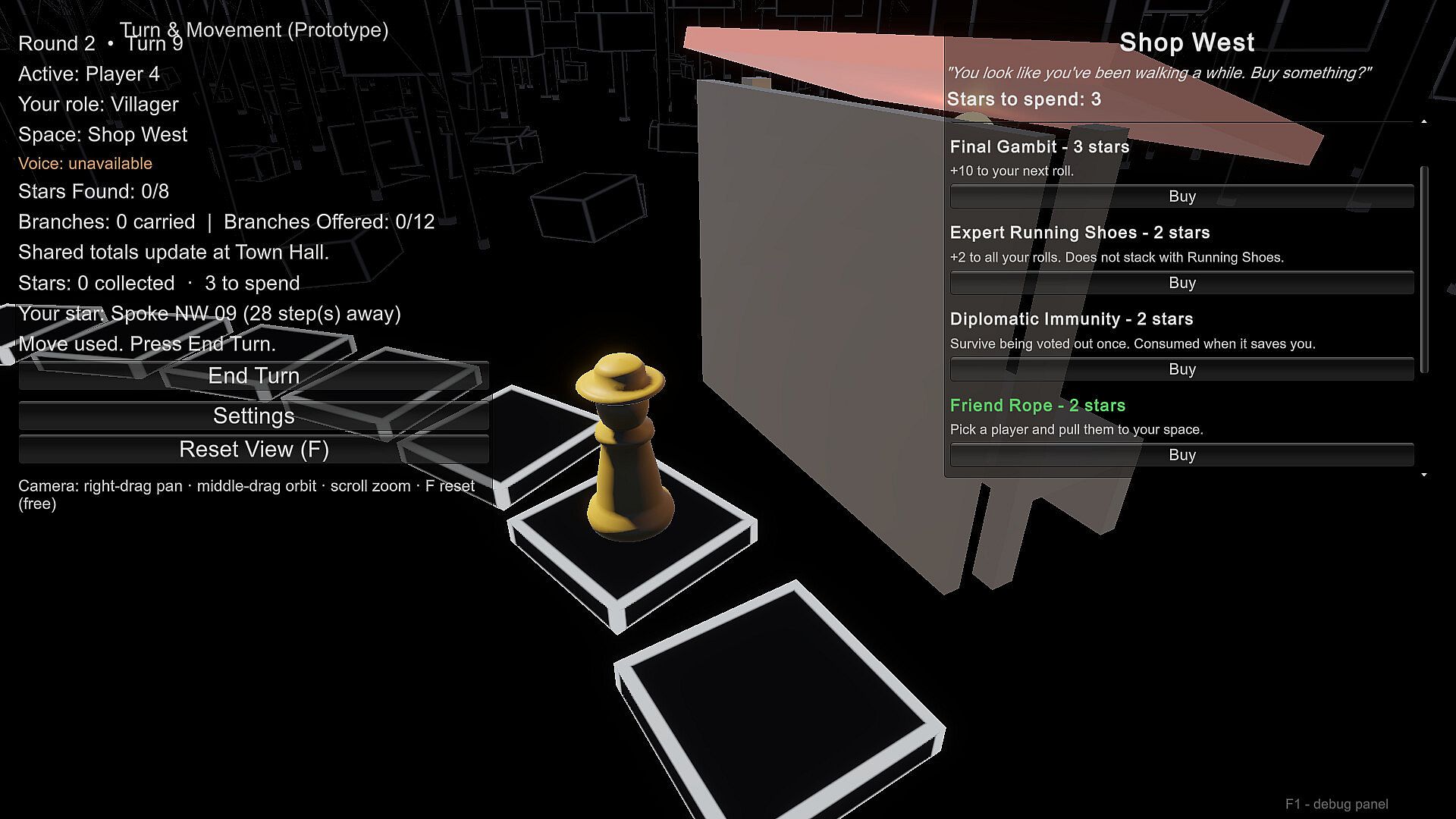
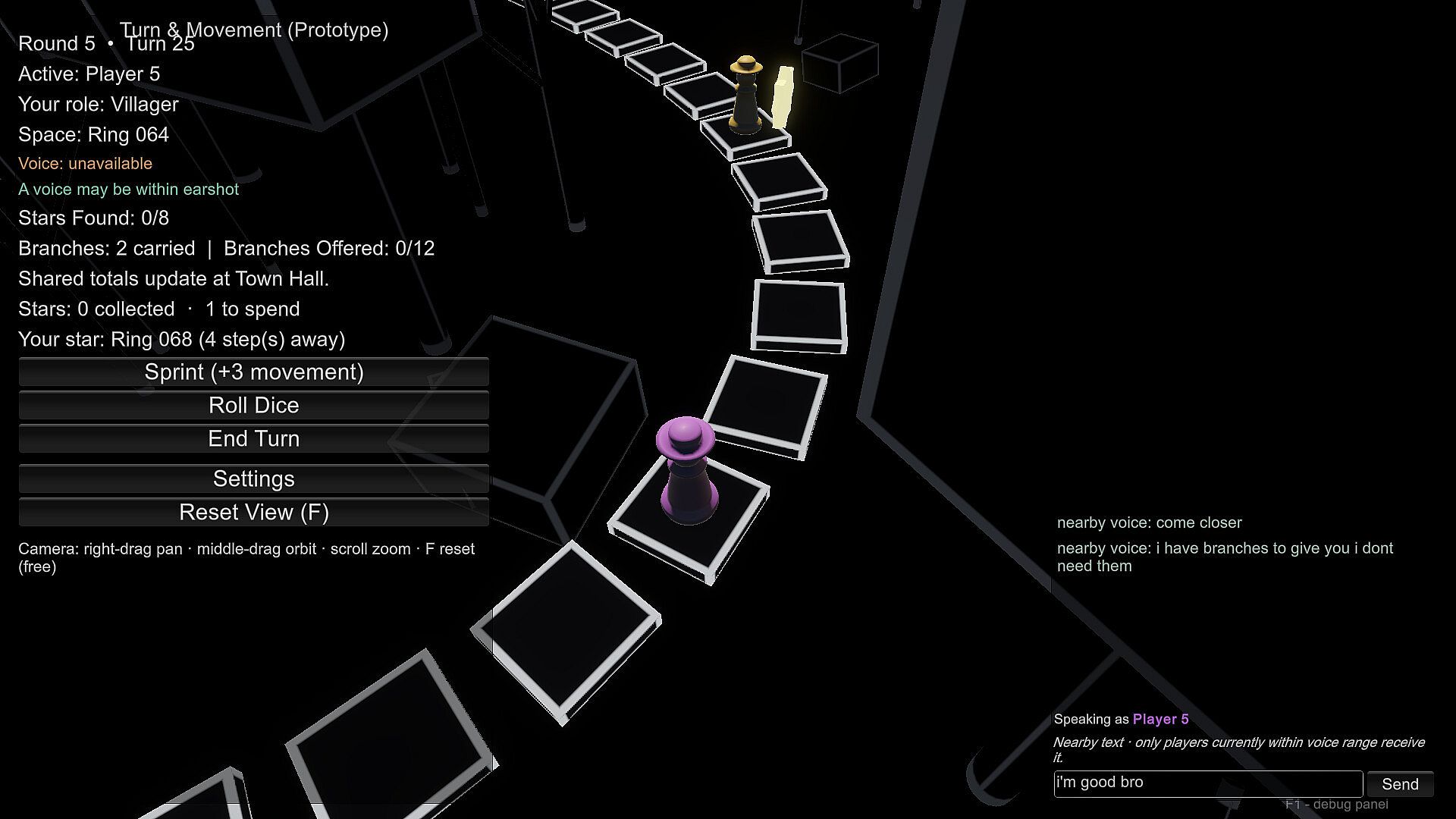
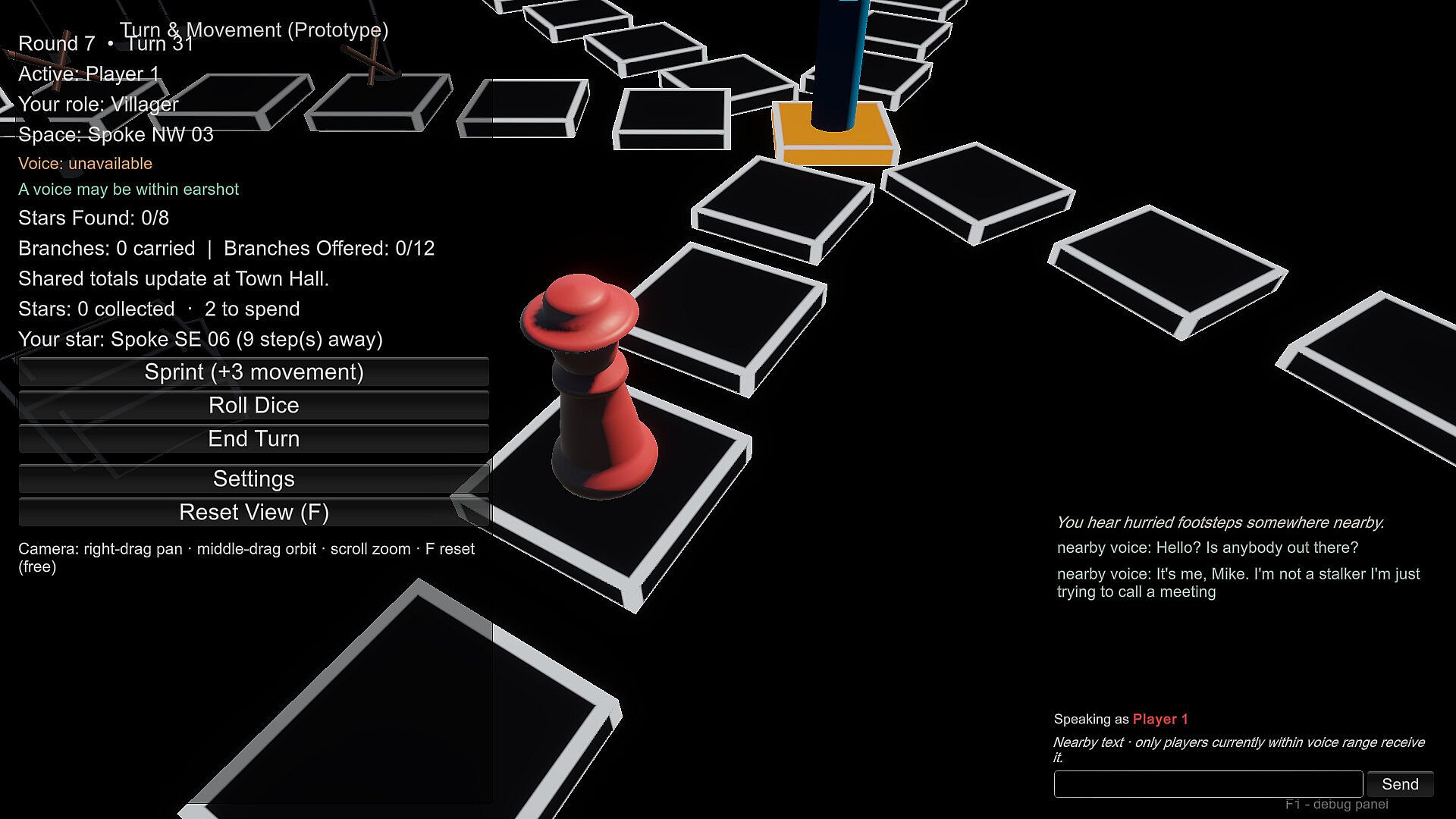
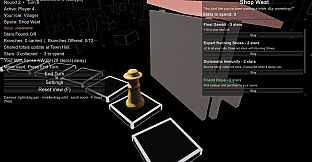
Core play revolves around moving across a large board using dice rolls while pursuing personal and team goals. Villagers focus on locating and collecting objective stars scattered throughout the map. Board spaces offer varied effects such as teleportation, extra dice rolls, resource grants, or objective triggers that can shift momentum. Although players remain invisible to one another on the board, audio cues like sprinting footsteps and proximity chat allow limited communication, especially in darker areas. Items provide additional tools for movement, protection, sabotage, or information gathering, with shops stocking randomized selections each run.
Stalkers operate with advantages in vision and dice rolls, aiming to eliminate villagers without revealing their identity. They can blend in through conversation or shift to direct confrontation, using specialized items purchased with hearts collected from defeated players. Both sides start with basic currency and can acquire more from the board or through actions. The system creates tension through uncertainty, as villagers must weigh risks when calling allies closer or entering shared spaces.
Game Modes
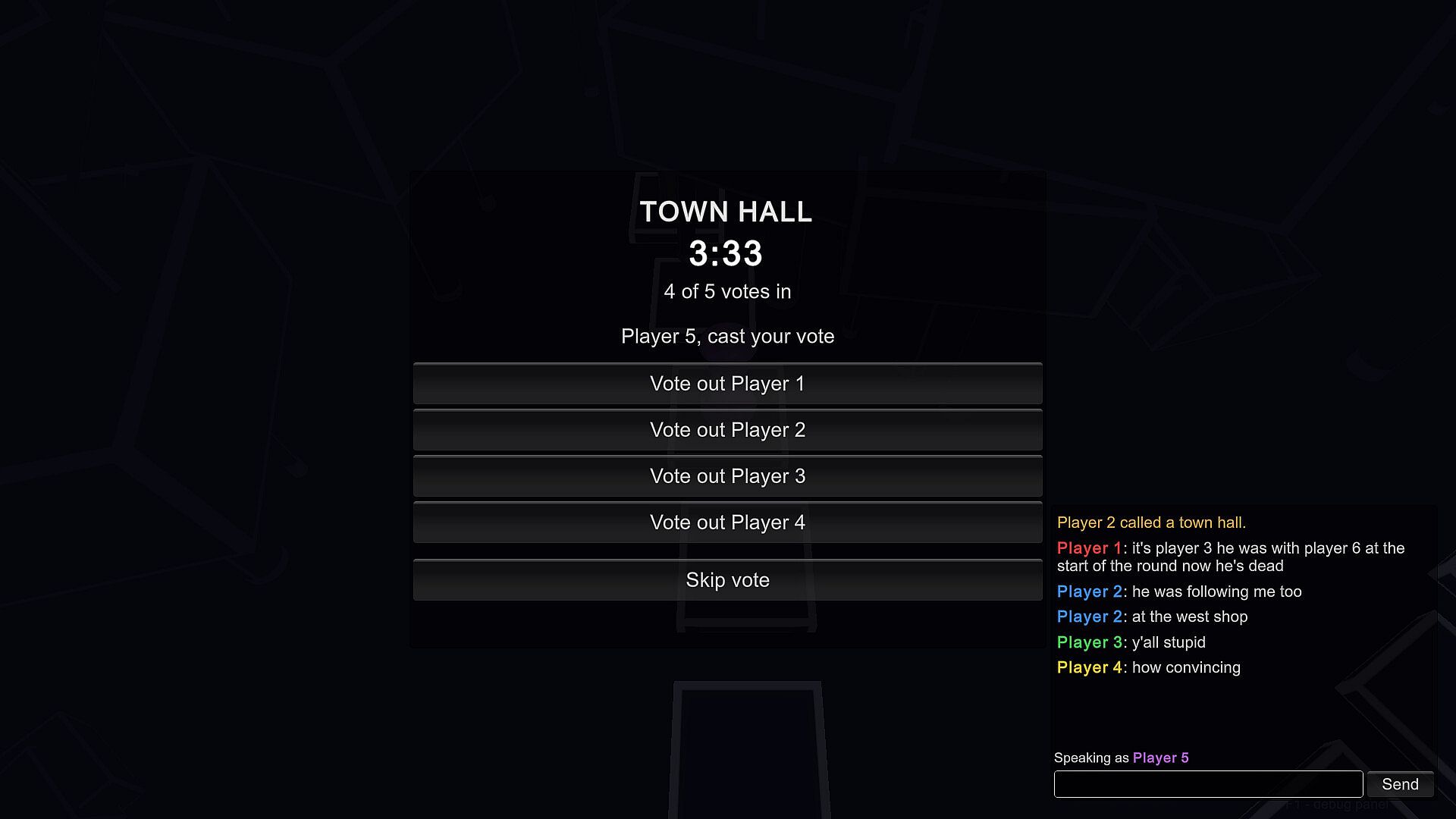
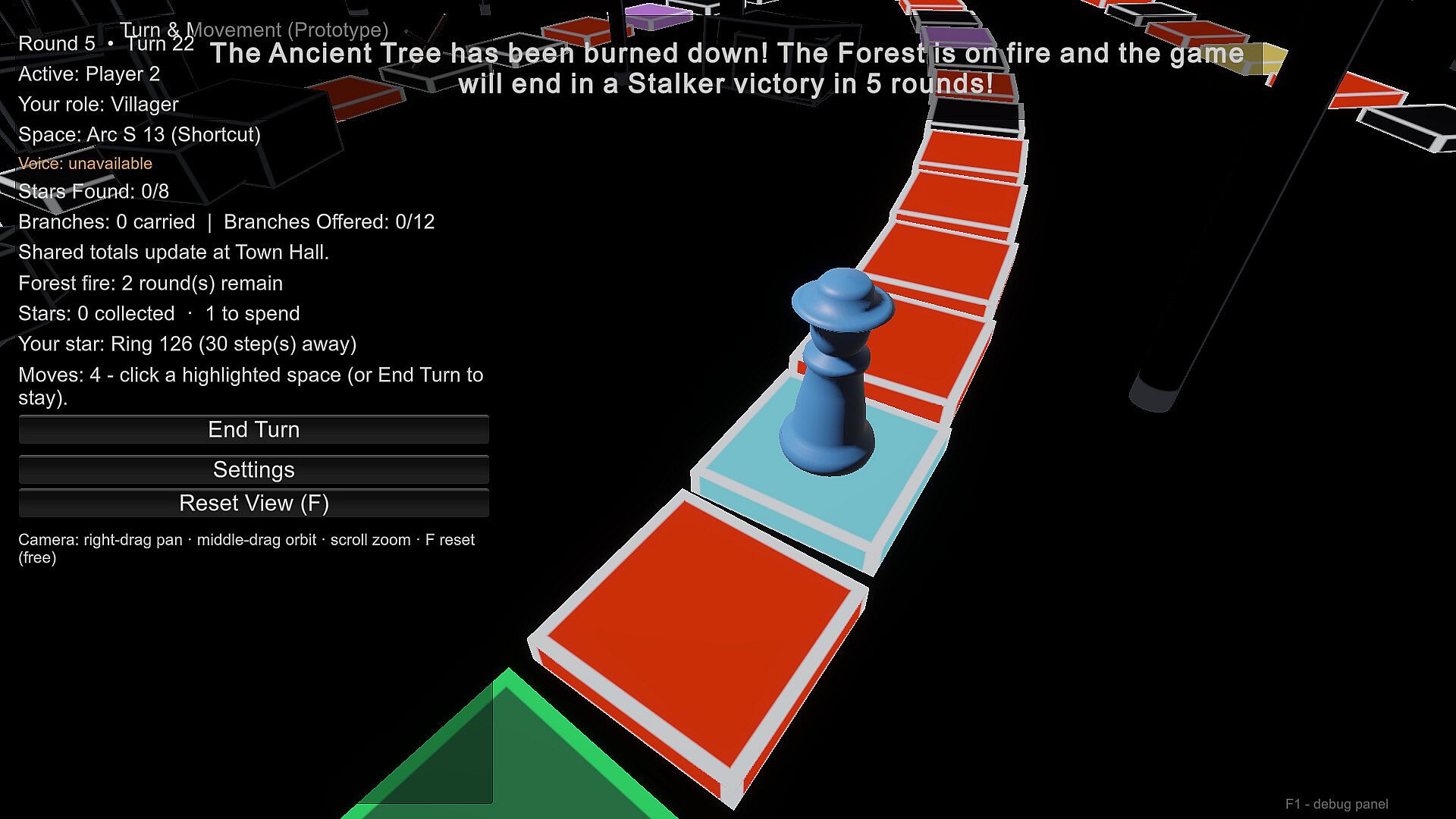
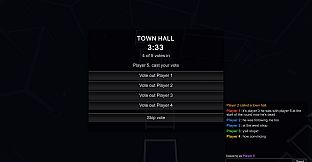
The game centers on a single core experience that supports the villager versus stalker dynamic in beta. Villagers work toward collecting a required number of stars to complete objectives, while stalkers seek to reduce the opposing team through elimination. Town hall meetings introduce a voting layer where villagers can accuse and potentially remove suspected stalkers, requiring stalkers to manage suspicion through persuasion or deflection. Special events tied to each map activate under specific conditions and alter board behavior depending on which side triggers them, adding rare but impactful variables to sessions.
Victory paths extend beyond the primary objectives, with additional conditions discoverable during play. The randomized shop inventory, unique board positions, and input-responsive events ensure replayability across repeated matches without fixed patterns.
Key Mechanics and Features
Board spaces deliver consistent variety through shortcuts, resource pickups, and interactive properties that reward exploration or strategic detours. Items number more than twenty and carry color coding to restrict access by role, with higher costs tied to greater power. Villagers spend stars already counted toward objectives, while stalkers use hearts as currency for exclusive options available only from certain storekeepers. Proximity chat and sprint audio create layers of audible information that players must interpret carefully amid the lack of visual player markers.
Special events remain difficult to trigger yet deliver meaningful board-wide changes when activated. The overall loop combines movement, resource management, item use, and social interaction into sessions where deduction and timing determine outcomes.
Is It Worth Playing?
The Haunting suits players who enjoy social deduction combined with light strategy and board movement mechanics in a casual to mid-weight package. Its beta state highlights the core villager and stalker roles along with item and event systems, making it a fit for groups that value communication, bluffing, and adapting to randomized layouts. Those seeking repeatable co-operative experiences with hidden roles and variable win conditions will find the described systems align with that preference. Availability remains limited to the beta phase on PC, so interest depends on tolerance for ongoing development and focus on the deduction and interaction elements outlined.